Trends of Lymphogranuloma venereum (LGV) in England: 2014 to 2024
Updated 10 December 2025

© Crown copyright 2025
This publication is licensed under the terms of the Open Government Licence v3.0 except where otherwise stated. To view this licence, visit nationalarchives.gov.uk/doc/open-government-licence/version/3 or write to the Information Policy Team, The National Archives, Kew, London TW9 4DU, or email: psi@nationalarchives.gov.uk.
Where we have identified any third party copyright information you will need to obtain permission from the copyright holders concerned.
This publication is available at https://www.gov.uk/government/publications/lgv-infections-in-the-uk-trends-and-epidemiology/trends-of-lymphogranuloma-venereum-lgv-in-england-2014-to-2024
This report provides an updated picture of the epidemiology of Lymphogranuloma venereum (LGV) in England with data from 2014 to 2024, including the period spanning the COVID-19 pandemic. It presents data from laboratory and GUMCAD STI surveillance systems. This captures both testing data (laboratory) and clinic reported data for diagnoses (GUMCAD).
Laboratory diagnoses of LGV include specimens sent to the UK Health Security Agency (UKHSA) National STI Reference Laboratory (STIRL) from clinics in England since 2004 and from three London laboratories which have conducted in-house LGV testing using the UKHSA assay since 2015. Laboratory data refers to combined data from CTAD Chlamydia Surveillance System and STIRL.
The GUMCAD STI surveillance system is a mandatory, electronic, pseudonymised patient-level dataset for sexually transmitted infections (STIs) and collects data on LGV diagnoses and service use from all commissioned sexual health services (SHSs) in England.
Main findings
The main findings are:
- LGV diagnoses among men slightly decreased between 2023 and 2024 (from 1,284 to 1,252 diagnoses)
- in 2024, 98% of diagnoses were among men, of which 92% were among gay, bisexual, and other men who have sex with men (GBMSM)
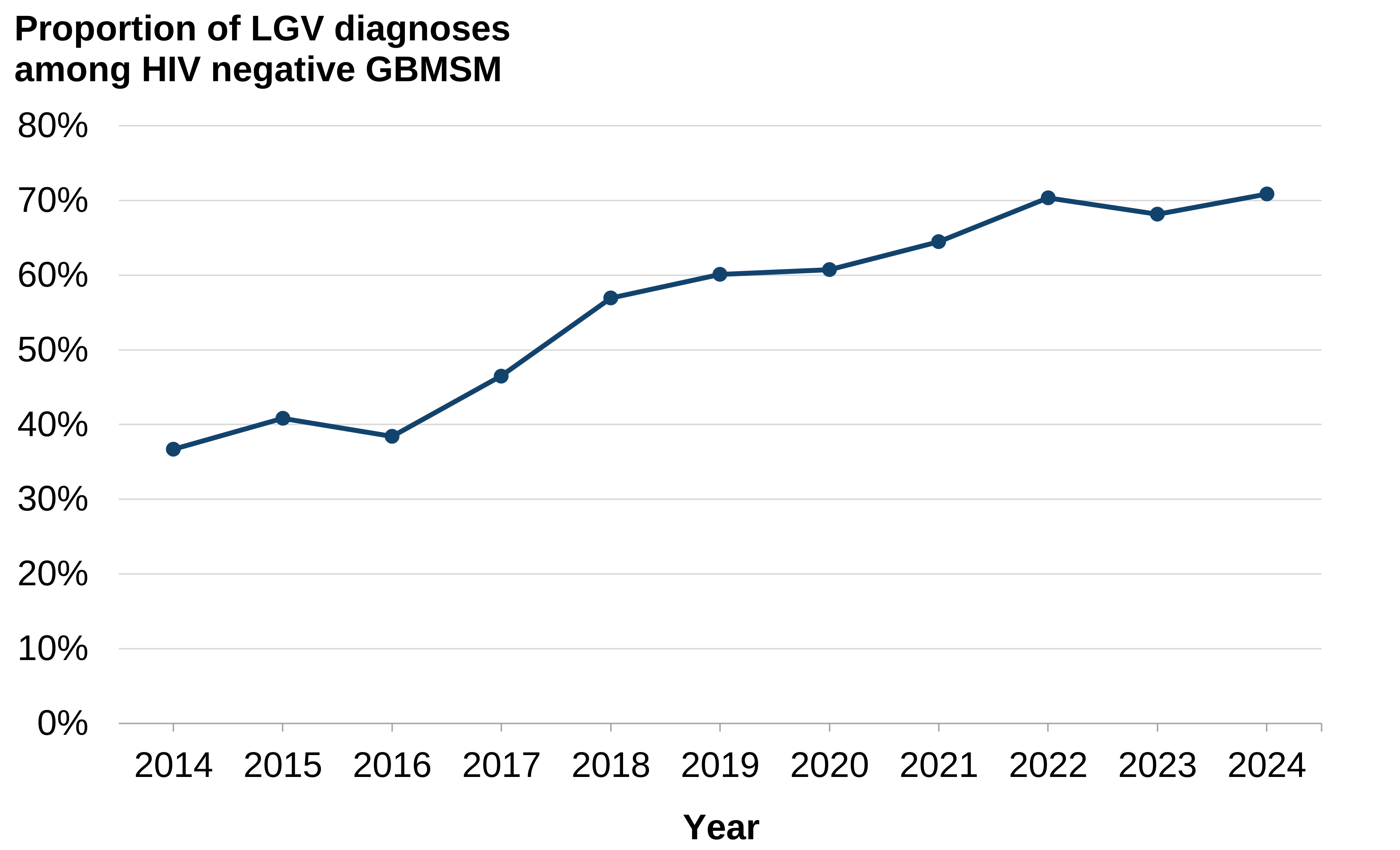
- the proportion of diagnoses among GBMSM who are HIV negative has increased from 38% in 2016 to 71% in 2024
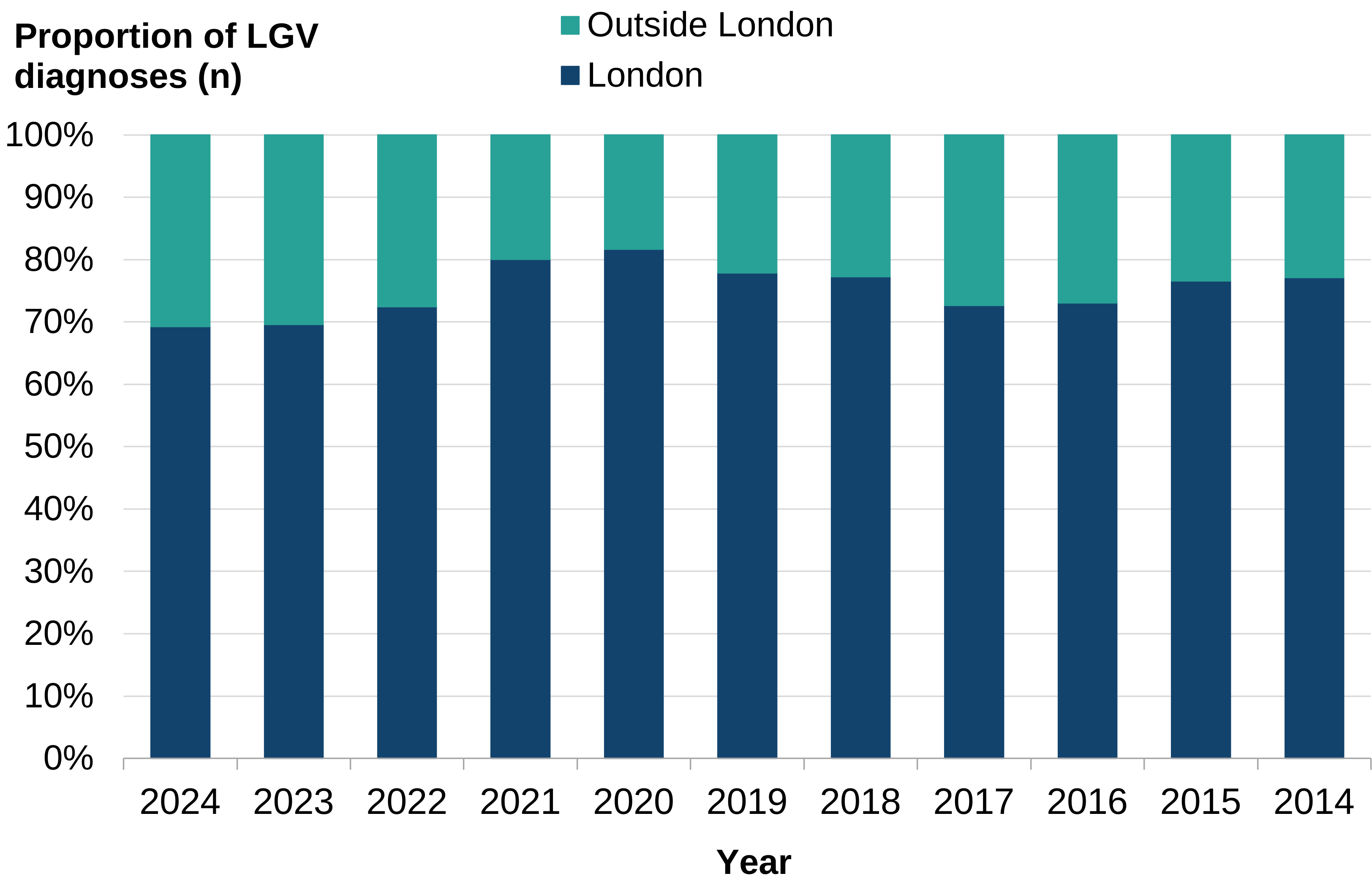
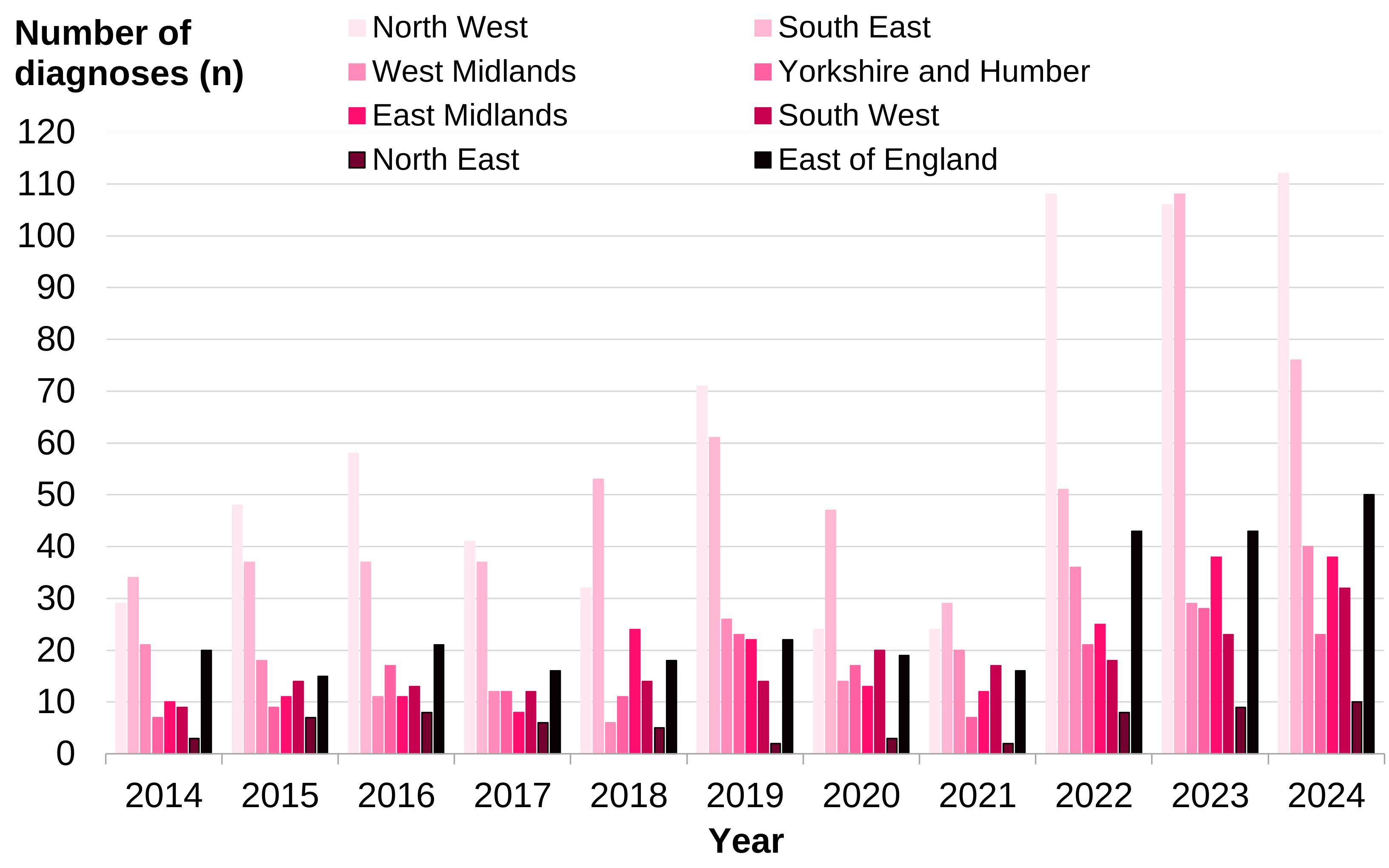
- diagnoses remain concentrated in London (69% in 2024), but diagnoses outside London continue to occur, particularly in the North West
Background
LGV is a STI caused by one of three invasive genovars (L1, L2 or L3) of chlamydia trachomatis, the bacteria which causes chlamydia. The infection classically manifests as a lesion such as an ulcer or papule, that may be imperceptible. If left untreated, systemic infection may occur in some individuals, and can lead to painful lymphadenopathy, often in the groin area. In England, infections are predominantly among GBMSM, with proctitis rather than ulceration being the most common clinical presentation.
The previous LGV Health Protection Report looked at trends between 2011 and 2019 and highlighted an overall increase in the number of LGV tests and diagnoses. In addition, data suggested a shift in the epidemiology of LGV since 2017 such that there were more diagnoses among GBMSM who were HIV negative or of unknown status, although diagnoses of LGV were previously more common among those living with HIV. In part, this is linked to changes to national guidelines over time, which have led to increases in LGV testing and diagnoses (see Appendix 1). Further to these changes, between 2015 and 2017, some large London clinics with a high number of LGV cases began testing asymptomatic GBMSM with chlamydia regardless of HIV status.
LGV diagnoses by gender identity and sexual orientation
In 2024, for records with gender identity available, 98% (1,252 out of 1,274) of LGV diagnoses in England were among men; diagnoses in women, which includes transgender and cisgender women, were comparatively rare (n=22 GUMCAD diagnoses in 2024). For the remainder of this report, we focus on LGV trends among men.
LGV diagnoses among men were mostly among GBMSM (1,156 out of 1,252; 92%) in 2024. The remaining diagnoses were among men who identified as heterosexual (34 out of 1,252) or had an unreported sexual orientation (62 out of 1,252).
LGV figures in this report include GBMSM, heterosexual men and men with unreported sexual orientation.
LGV diagnoses among men
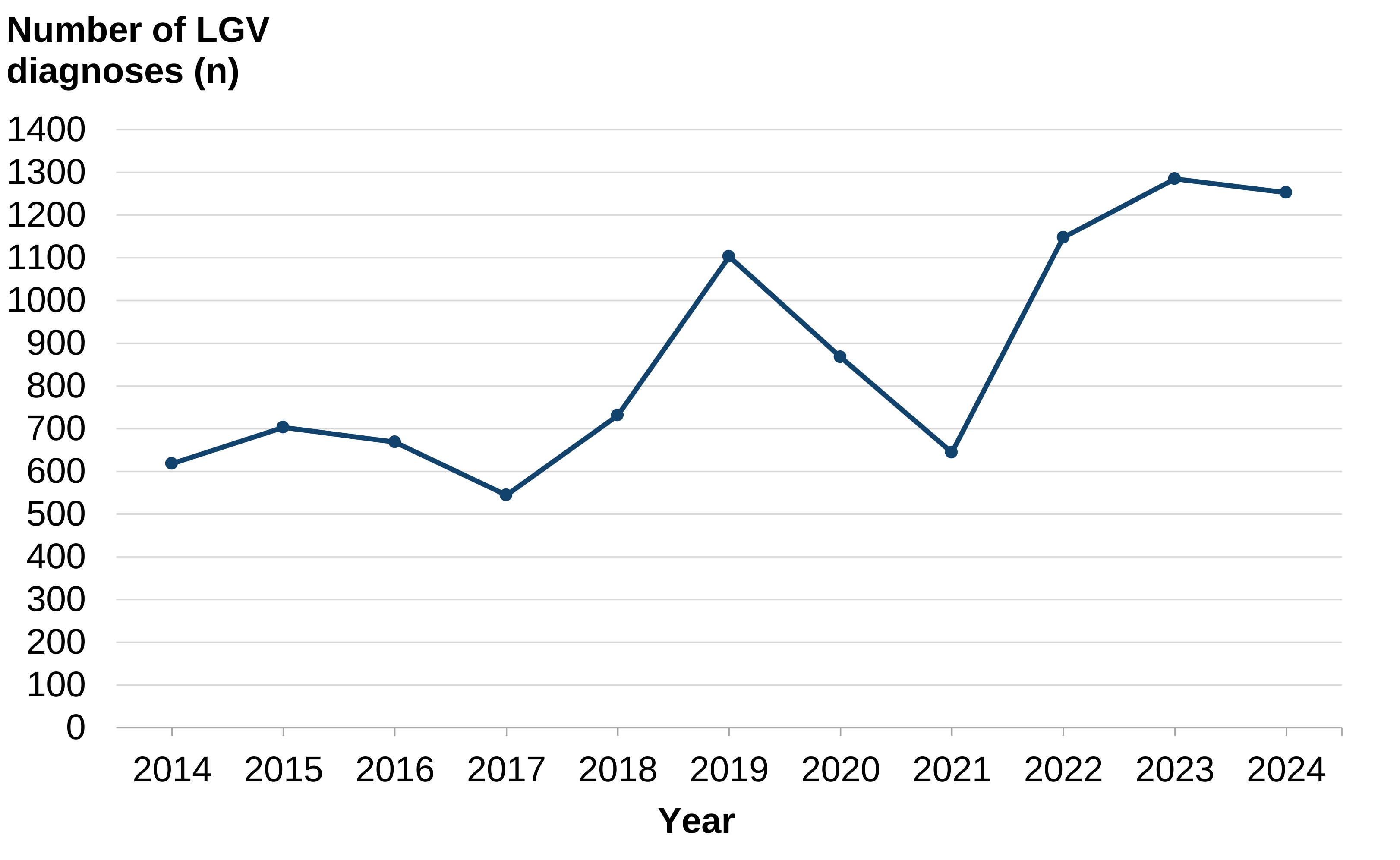
In 2024, 1,252 LGV diagnoses were recorded, continuing the high levels of LGV reached following an overall increasing trend since national surveillance was initiated in 2003 (see Figure 1). Between 2017 and 2019, there was a large increase in the number of diagnoses (from 544 to 1,103) consistent with an increase in testing. Between 2019 and 2021, diagnoses decreased by 42% (from 1,103 to 644). This was likely due to COVID-19 related control measures, social distancing, and disruption to SHSs. Between 2021 and 2024, LGV diagnoses returned to and exceeded pre-COVID levels with a 102% increase (from 644 to 1,299). This trend was similar to that seen for other bacterial STIs according to the annual data.
Figure 1. Number of LGV diagnoses among men in England, 2014 to 2024
Source: Data from routine returns to the GUMCAD STI Surveillance System.
Trends in testing
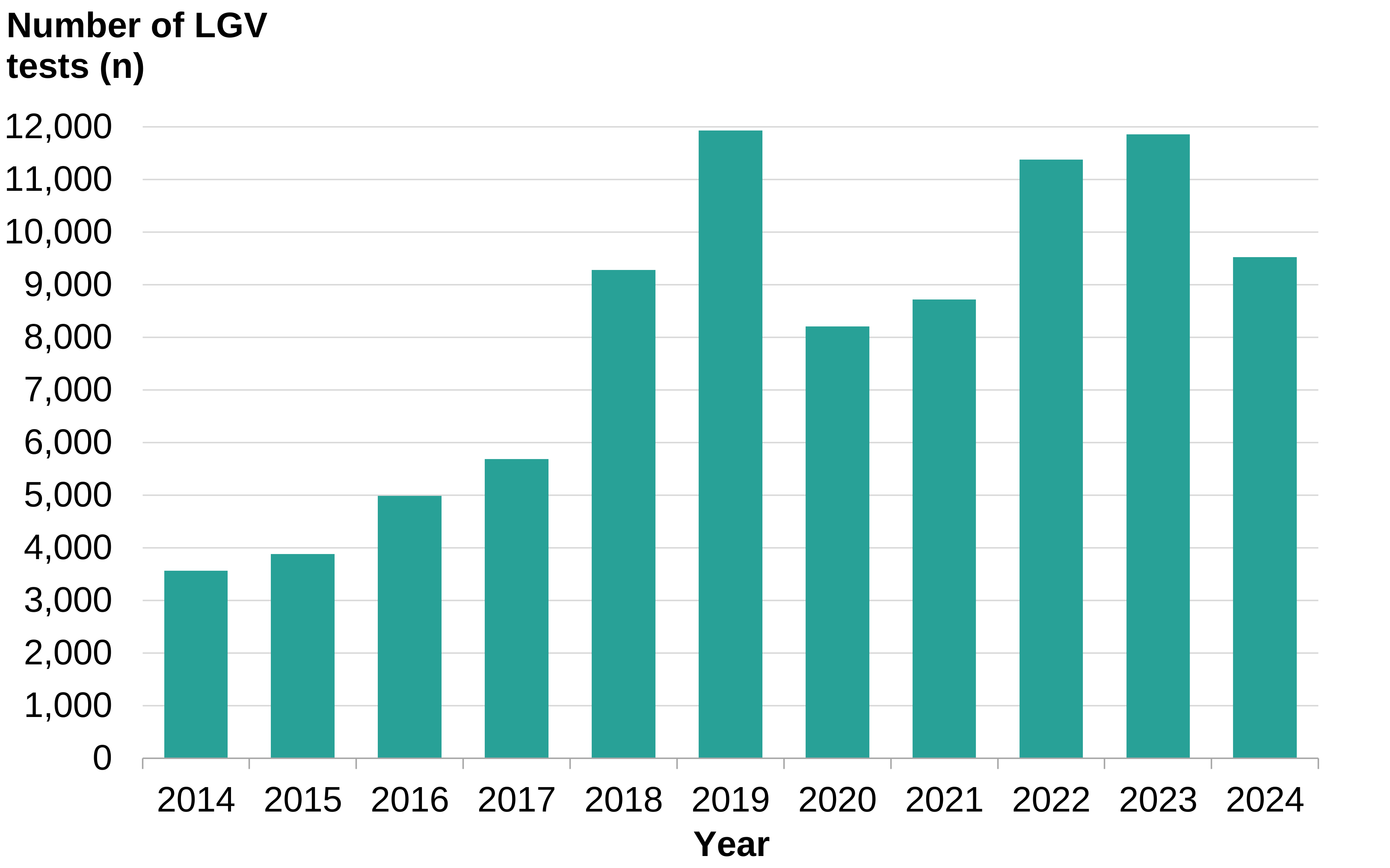
Between 2014 and 2019, the annual number of LGV tests performed in England among men increased steadily and likely followed changes to national management guidelines and testing practice (see Figure 2). During 2020, the first year of the COVID-19 pandemic, there was a greater decrease in tests (from 11,929 in 2019 to 8,208 in 2020; 31%) compared to the decrease in the number of diagnoses (from 1,103 to 867; 21%). It is possible that some of this decrease in LGV tests in 2020 was due to symptomatic individuals being prioritised within SHSs, given that an estimated 27% of LGV is asymptomatic.
Subsequently, there was a steady rebound in the number of tests from 8,717 in 2021 to 11,850 in 2023. This rebound coincided with restoration of routine SHSs and improved access to clinics post pandemic. There was a decrease in the numbers of reported tests in 2024; this may reflect the reduction in chlamydia diagnoses in GBMSM over the same period based on the national figures.
Figure 2. Number of laboratory tests of LGV among men in England, 2014 to 2024
Source: Data from CTAD Chlamydia Surveillance System and STIRL. Most, but not all laboratories outside of London refer samples to STIRL for LGV diagnoses.
Demographic characteristics
LGV diagnoses among men by age group
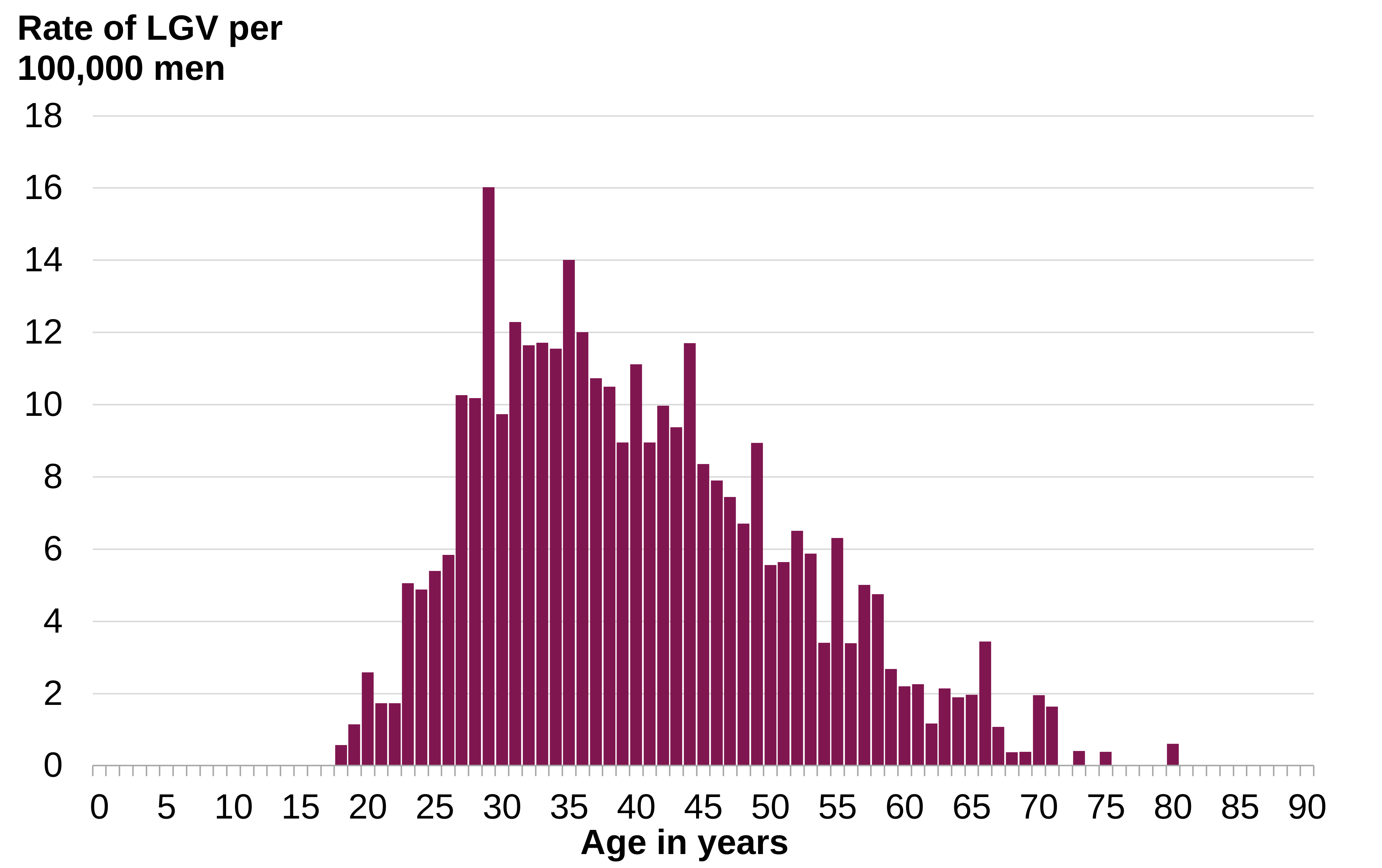
Men aged 25 to 44 years accounted for 64% (835 out of 1,299) of all LGV diagnoses in 2024 (median 35 years). Between 2019 and 2024, the number of LGV diagnoses among men increased across all age groups aged 34 years and over (see Table 1). The age distribution of LGV among men is shown by the rate of LGV per 100,000 population (see Figure 3).
Table 1. Percent change in diagnoses and tests among men by age in England, 2019 to 2024
| Age group | Diagnoses 2019 | Diagnoses 2024 | % change | Tests 2019 | Tests 2024 | % change |
|---|---|---|---|---|---|---|
| 15 to 24 years | 87 | 65 | -25% | 1,505 | 1,029 | -32% |
| 25 to 34 years | 421 | 419 | 0% | 4,777 | 3,635 | -24% |
| 35 to 44 years | 320 | 416 | 30% | 3,205 | 2,757 | -14% |
| 45 to 54 years | 191 | 241 | 26% | 1,669 | 1,281 | -23% |
| 55 to 64 years | 72 | 123 | 71% | 634 | 623 | -2% |
| 65 years and over | 12 | 35 | 192% | 139 | 194 | 40% |
| Total | 1,103 | 1,299 | 18% | 11,929 | 9,519 | -20% |
Figure 3. Rate of LGV diagnoses among men per 100,000 population by age in England, 2024
Source: Data from routine returns to the GUMCAD STI Surveillance System.
LGV diagnoses among men by world region of birth
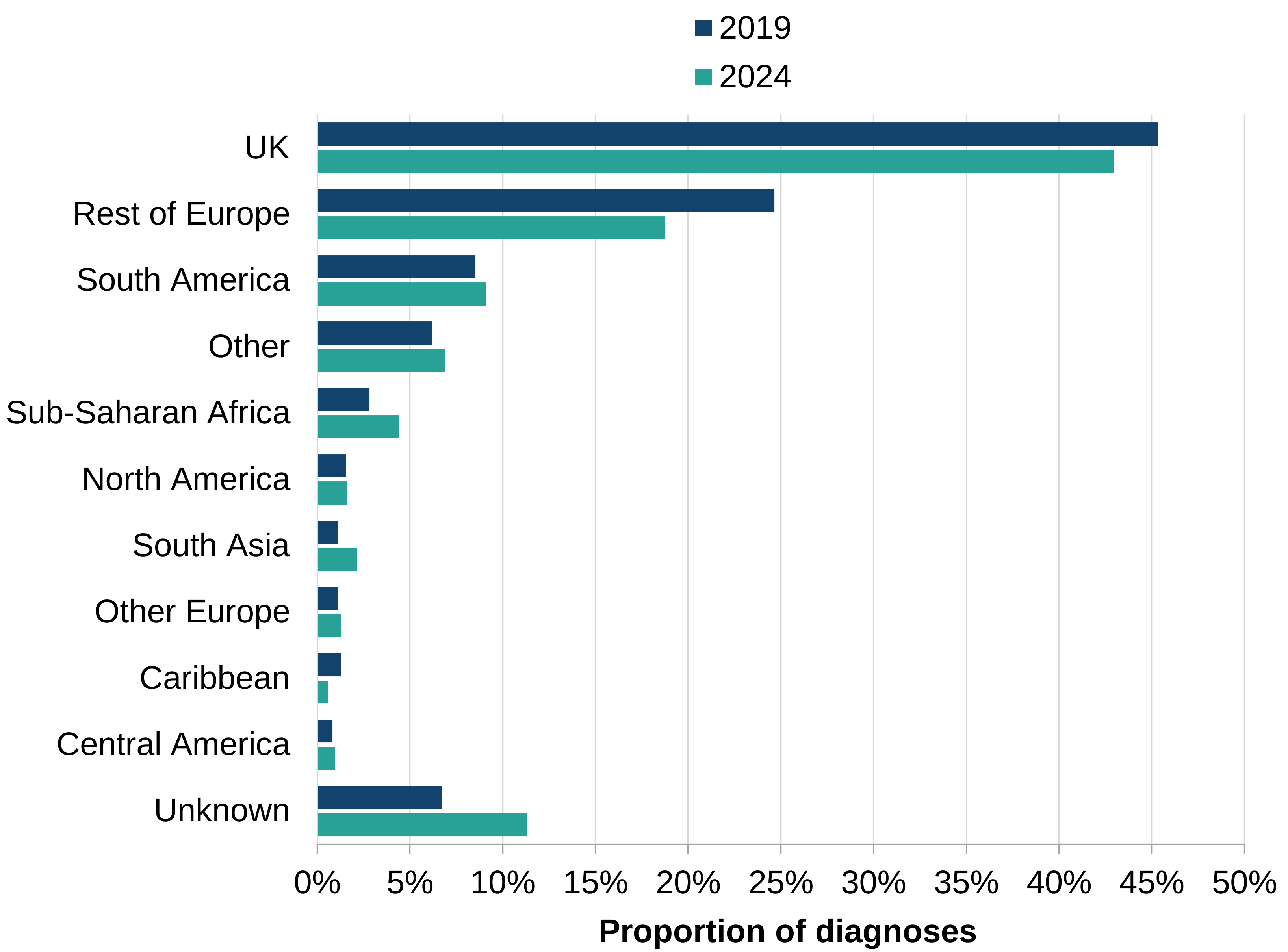
The demographic patterns of LGV by world region of birth has remained broadly consistent, with most diagnoses being among those born in the UK, and other European countries, accounting for 62% of diagnoses in 2024 (see Figure 4). There is a broad representation among people born in other parts of the world.
Figure 4. Proportion of LGV diagnoses among men by region of birth in England, 2019 compared to 2024
Source: Data from routine returns to the GUMCAD STI Surveillance System.
LGV diagnoses among men by geography
Although there has been a slight decrease in the proportion of LGV diagnoses reported in London in the last few years, London still accounted for the majority, approximately 70%, of diagnoses nationally between 2022 and 2024 (see Figures 5a and 5b). Geographical breakdown is by patient residence.
Figure 5a. Number of diagnoses of LGV among men by location in England, 2014 to 2024
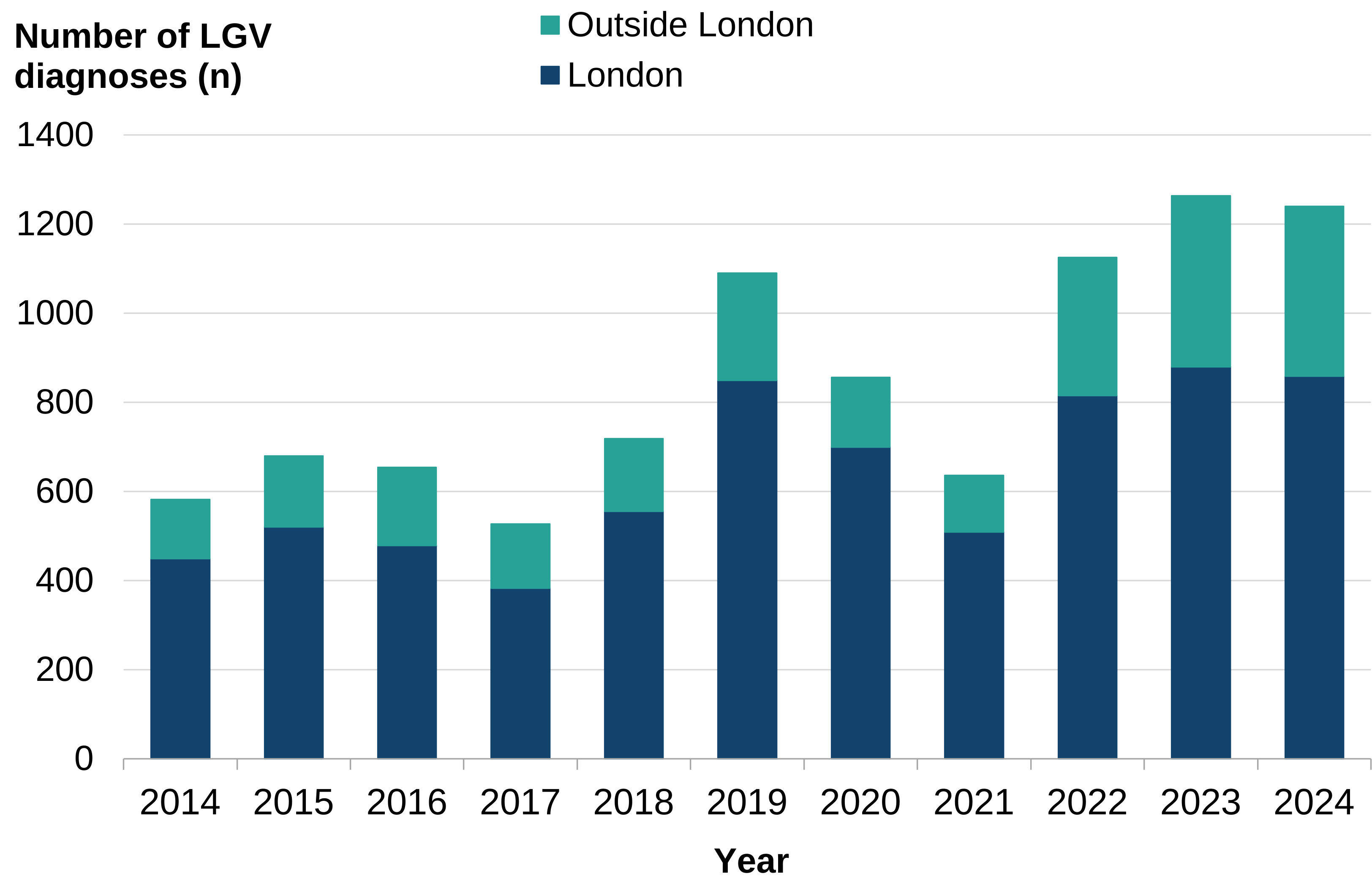
Figure 5b. Proportion of diagnoses of LGV among men by location in England, 2014 to 2024
Source: Data from routine returns to the GUMCAD STI Surveillance System.
Figure 6 breaks down LGV diagnoses from areas outside London. Geographical breakdown is by patient residence. Figure 6 shows a marked increase in the North West region over time, mainly due to increased diagnoses in Manchester.
Figure 6. Number of diagnoses of LGV in men by location of reporting, England (excluding London), 2014 to 2024
Source: Data from routine returns to the GUMCAD STI Surveillance System.
Clinical and risk characteristics of GBMSM
LGV in GBMSM by HIV status and HIV pre-exposure prophylaxis (PrEP) use
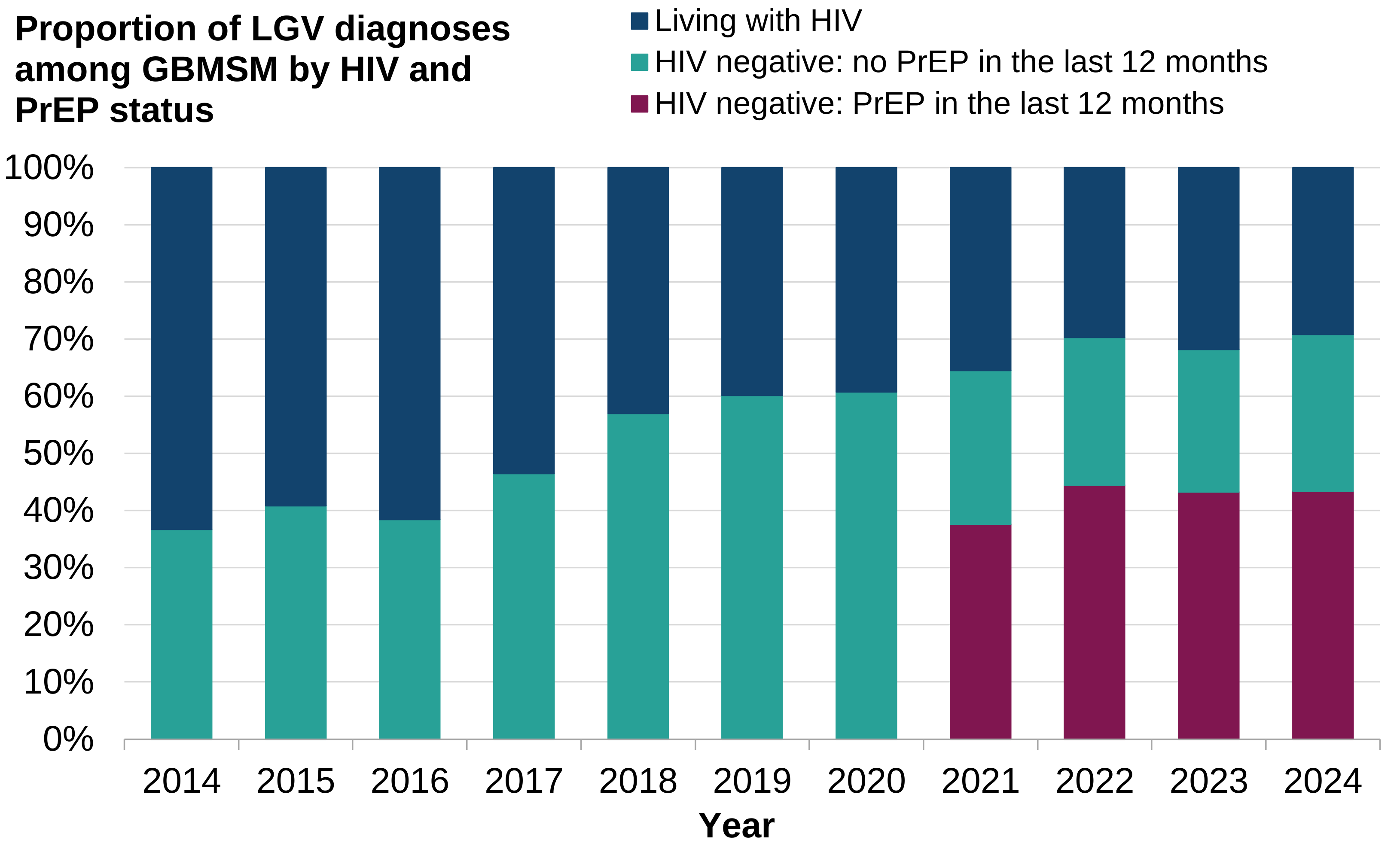
Historically, there has been an association between HIV and LGV, with the majority of diagnoses prior to 2017 being among GBMSM living with HIV. The proportion of diagnoses that were among HIV negative or undiagnosed GBMSM has increased from 38% in 2016 to 71% in 2024 Figure 7. This increasing trend in the proportion of diagnoses among HIV negative men has been observed over time. This corresponds with the wider use of HIV (PrEP) as well as changes to testing recommendations.
Figures 8a and 8b includes data indicating PrEP use in the previous 12 months from 2021 onwards, following the rollout of routine availability of PrEP in England during 2020. In 2024, 29% of LGV diagnoses were among GBMSM living with HIV. Among GBMSM who are HIV negative or unknown status, 39% were not recorded as taking PrEP.
Figure 7. Proportion of LGV diagnoses among HIV negative GBMSM in England, 2014 to 2024
Source: Data from routine returns to the GUMCAD STI Surveillance System.
Men include transgender men. PrEP use is defined as a record of PrEP use within the past 12 months.
Figure 8a. Number of LGV diagnoses among GBMSM by HIV and PrEP status in England, 2014 to 2024
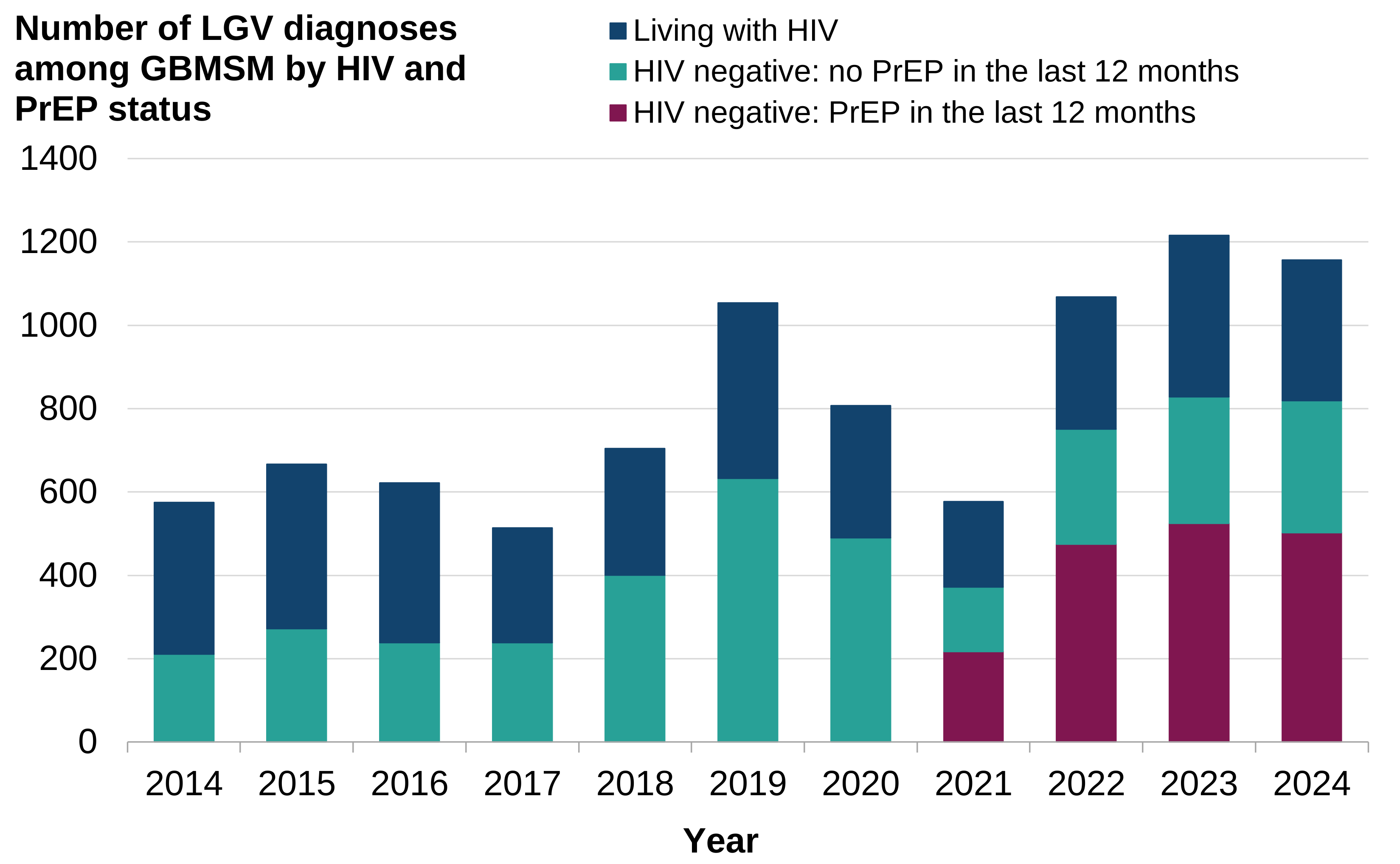
Figure 8b. Proportion of LGV diagnoses among GBMSM by HIV and PrEP status in England, 2014 to 2024
Source: Data from routine returns to the GUMCAD STI Surveillance System.
Men include transgender men. PrEP use is defined as a record of PrEP use within the past 12 months.
Prior to 2021, some LGV diagnoses may have occurred in GBMSM taking PrEP during the PrEP Impact trial (this data is not shown).
Discussion
In 2024, the number of LGV diagnoses remained relatively high, with 1,252 diagnoses among men made in SHSs. Figures since 2022 have exceeded pre-pandemic levels, while testing levels in 2024 declined to slightly lower than those in 2019. This increase in LGV diagnoses after the COVID-19 pandemic has also been observed in other European countries, such as the Netherlands and Spain.
The epidemiology has changed since 2017 with an increase in LGV among GBMSM who are HIV negative or of unknown status. This may reflect a number of underlying causes, including greater mixing between sexual networks of GBMSM with serodiscordant HIV statuses following availability of HIV PrEP, or increased frequency of testing and changes in testing policies which may detect more asymptomatic infections. The patterns seen in England are similar to those reported in other countries over the same period (1 to 5). All of these show an overall increase in LGV, which remains predominantly among GBMSM, alongside an epidemiological shift towards a greater proportion of diagnoses occurring among HIV-negative men, coinciding with the rollout of PrEP. Although the number of diagnoses increased, the rate of increase is steady.
The longstanding association between LGV and HIV indicates that those diagnosed with LGV would be a priority consideration for PrEP use or for other STI preventative interventions.
Appendix 1
Changes in national guidelines for LGV testing (2010 to 2023):
- 2010 chlamydia trachomatis UK testing guidelines:
- all GBMSM positive for rectal chlamydia trachomatis with any rectal symptoms
- contacts of confirmed LGV cases
-
2013 UK national guideline for the management of LGV:
- all individuals with chlamydia trachomatis positive rectal sites who exhibit symptoms consistent with LGV
- contacts of confirmed LGV cases
-
2015 UK national guideline for the management of infection with chlamydia trachomatis:
- all individuals with symptoms consistent with LGV
- all GBMSM living with HIV with chlamydia trachomatis at any site regardless of LGV symptoms
- individual services may choose to conduct LGV testing according to the characteristics of their own case mix and resources regardless of HIV status
-
2023 British Association for Sexual Health and HIV (BASHH) summary guidance on STI testing:
- positive rectal or pharyngeal chlamydia trachomatis Nucleic Acid Amplification Test (NAAT) (or pooled sample) in GBMSM should be typed for LGV regardless of HIV status
Technical notes
Data sources in this report include the following:
- GUMCAD diagnoses of LGV refer to data reported in GUMCAD STI Surveillance System
- GUMCAD STI Surveillance System includes LGV diagnoses made in specialist and non-specialist SHSs, defined as specialist (level 3) services, genitourinary medicine (GUM) services and integrated GUM or sexual and reproductive health (SRH) services or non-specialist (level 2) services
- laboratory tests and diagnoses of LGV refer to combined data from CTAD Chlamydia Surveillance System and Modular Open Laboratory Information System (MOLIS)
- CTAD includes data from Level 2 services as well as Level 1 services: SRH services, young people’s services, internet services, termination of pregnancy services, pharmacies, outreach and general practice, and other community-based settings
- all laboratories in England use the same assay to diagnose LGV
- demographic data used in this report to show the distribution of LGV diagnoses by age, sexual orientation, ethnicity, HIV status, and history of a bacterial STI are sourced from GUMCAD STI Surveillance System
- 2024 data has been revised, and data from two clinics in the East of England were excluded due to reporting issues
References
- Wang L, and others. ‘Population-level sexual mixing according to HIV status and preexposure prophylaxis use among men who have sex with men in Montreal, Canada: implications for HIV prevention’ American Journal of Epidemiology. Volume 189, issue 1, pages 44 to 54. 15 October 2019 (viewed on 30 January 2025)
-
Peuchant O, Laurier-Nadalié C, and others. ‘Anorectal lymphogranuloma venereum among men who have sex with men: a 3-year nationwide survey, France, 2020 to 2022’ Eurosurveillance. Volume 29, issue 19, article 2300520. 9 May 2024 (viewed on 28 April 2025)
-
van Aar F, Kroone M, and others. ‘Increasing trends of lymphogranuloma venereum among HIV-negative and asymptomatic men who have sex with men, the Netherlands, 2011 to 2017’ Eurosurveillance. Volume 25, issue 14. 9 April 2020 (viewed on 28 April 2025)
-
Gupta A, Lyons B, and others. ‘The Resurgence of Lymphogranuloma Venereum: Changing Presentation of Lymphogranuloma Venereum in the Era of HIV Preexposure Prophylaxis, 2004 to 2022’ Sexually Transmitted Diseases. Volume 51, issue 4, pages 233 to 238. 1 April 2024 (viewed on 28 April 2025)
-
De Baetselier I, Tsoumanis A, and others. ‘Did Pre-exposure Prophylaxis Roll-Out Influence the Epidemic of Rectal Lymphogranuloma Venereum in Belgium? Results From the National Surveillance System’ Journal of acquired immune deficiency syndromes. Volume 86, issue 1. 1 January 2021 (viewed on 28 April 2025)
Acknowledgements
Authors: Celine El Hakim, Hannah Charles, Holly Fountain, Katy Sinka.
Our thanks also go to Alireza Talebi, Debbie Mou, Hamish Mohammed, Helen Fifer, Michelle Cole, Natasha Ratna, Rachel Pitt, Sarah Alexander, Sarah Murdoch, Stephanie Migchelsen
Thank you to all sexual health services, GUMCAD reporters, STIRL, and laboratories for providing the data used in this report.