Civil Service sickness absence, 2025: report
Published 16 December 2025

© Crown copyright 2025
This publication is licensed under the terms of the Open Government Licence v3.0 except where otherwise stated. To view this licence, visit nationalarchives.gov.uk/doc/open-government-licence/version/3 or write to the Information Policy Team, The National Archives, Kew, London TW9 4DU, or email: psi@nationalarchives.gov.uk.
Where we have identified any third party copyright information you will need to obtain permission from the copyright holders concerned.
This publication is available at https://www.gov.uk/government/publications/civil-service-sickness-absence-2025/civil-service-sickness-absence-2025-report
Next publication: To be confirmed
1. Overview
This report presents headline information on sickness absence in the UK Civil Service workforce, including by organisation, grade, region, sex, age and absence reason, for the year ending 31 March 2025.
Key Highlights:
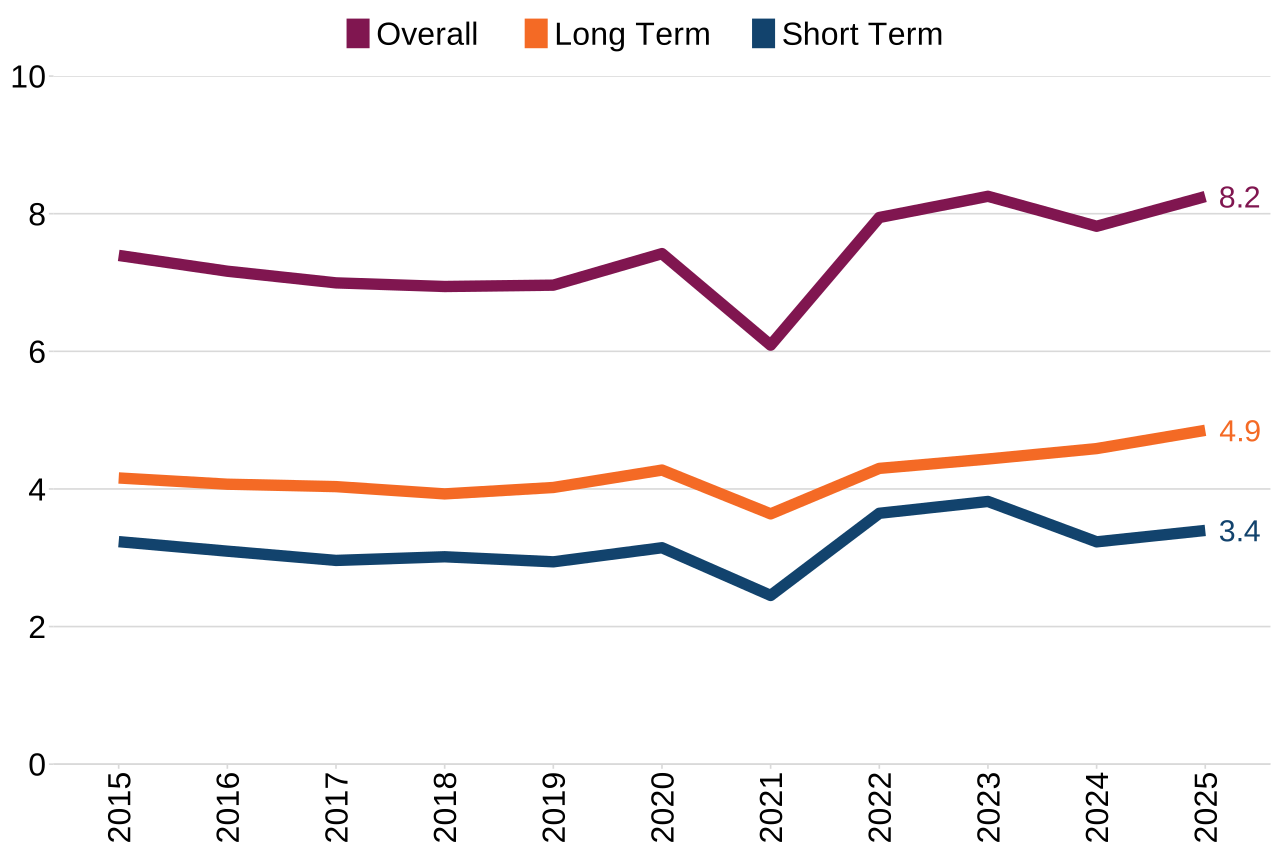
Overall Average Working Days Lost (AWDL) per staff year in the Civil Service was 8.2 days in the year ending 31 March 2025, up from 7.8 days in the year ending 31 March 2024.
Of these average working days lost (AWDL) per staff year:
-
4.9 days per staff year were lost to long term sickness, and 3.4 days to short term sickness compared to 4.6 and 3.2 respectively the previous year.
-
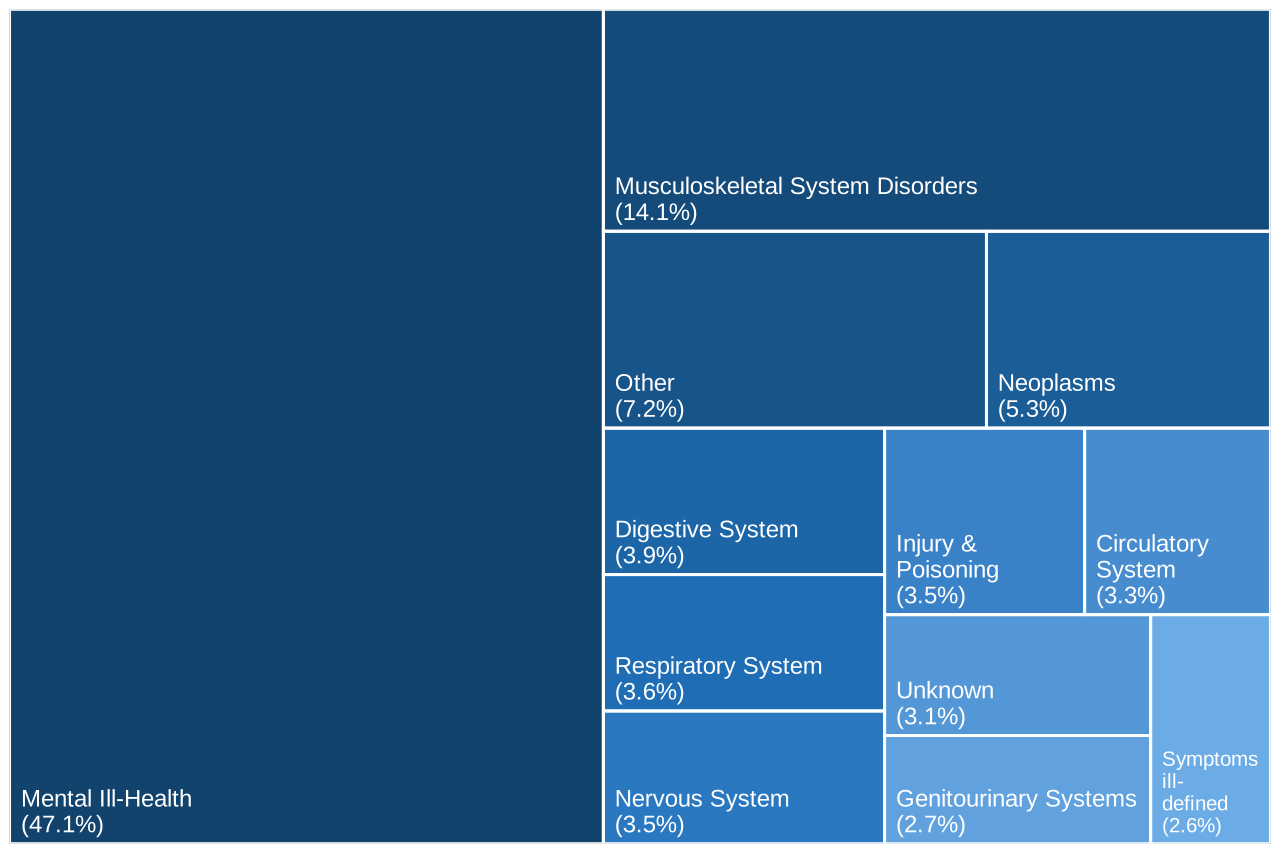
Mental Ill-Health was the largest cause of long term sickness absence (47.1%), followed by Musculoskeletal System Disorders (14.1%).
-
Illnesses due to the Respiratory System were the largest cause of short term absence (27%), followed by Mental Ill-Health (16.7%).
-
London had the lowest level of sickness absence (6.5 days), compared to Northern Ireland which had the highest levels of sickness absence (10.4 days).
-
Women took 9.2 days on average compared to 7.2 days for men.
-
Sickness absence tends to increase with age, with those over 60 years taking 10.9 days compared to 6.9 days for those aged 16-29 years.
-
Just under half (49%) of civil servants took no sickness absence in the year to 31 March 2025; this is 2 percentage points higher than a decade earlier (47% took no absence in 2015). (see Table 1)
-
Absence rates differ by organisation, ranging from 1.3 days in the Wales Office to 11.8 days in ESTYN.
Figure 1.1: Average Working Days Lost per staff year, 2015 to 2025 (see Table 2)
2. By organisation
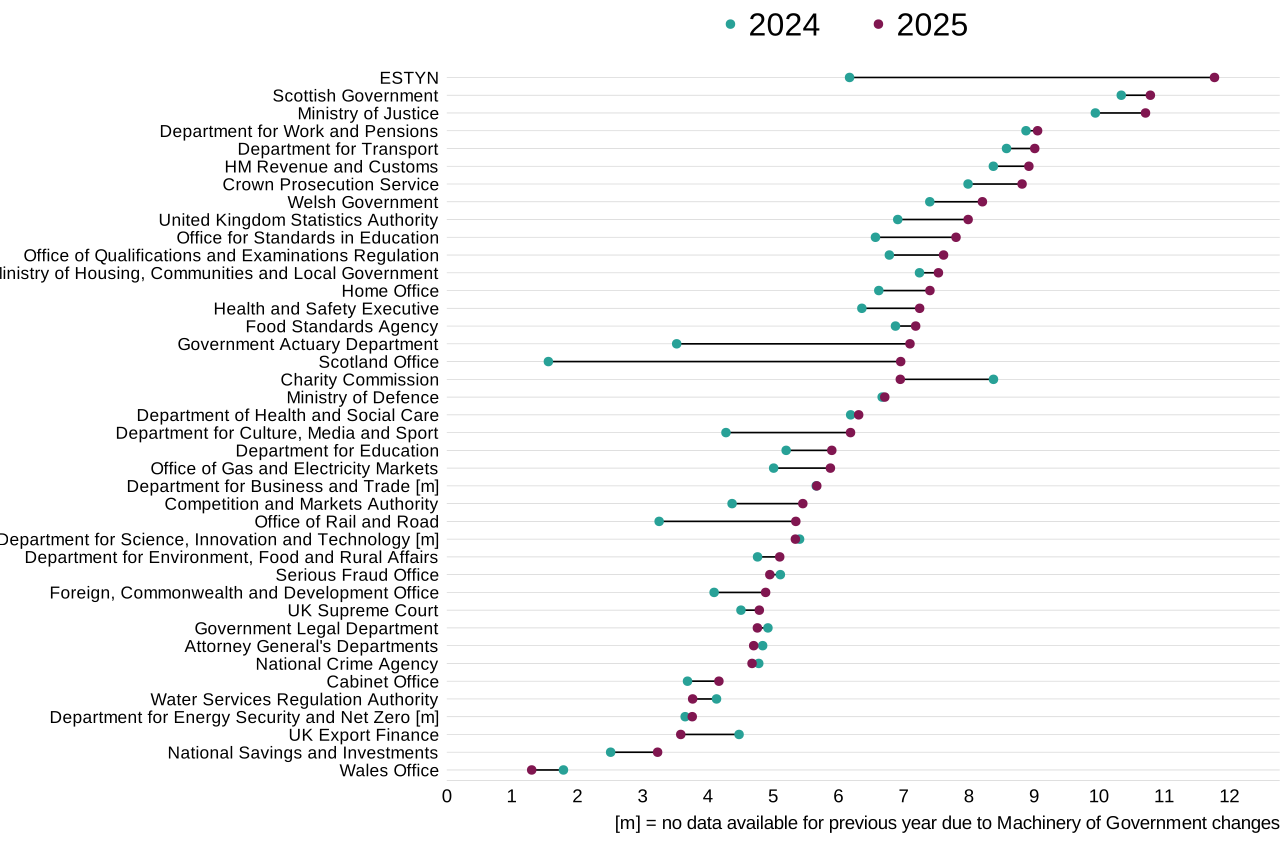
Average Working Days Lost (AWDL) per staff year by organisation ranges from 1.3 days in the Wales Office to 11.8 days in ESTYN. Sickness absence decreased in just under a quarter of the organisations (9) between 2024 and 2025. Examples of changes include:
-
the Department for Science, Innovation and Technology; AWDL decreased to 5.3 days in the year ending 31 March 2025 from 5.4 in the year ending 31 March 2024.
-
the Department for Culture, Media and Sport; AWDL increased to 6.2 days in the year ending 31 March 2025 from 4.3 in the year ending 31 March 2024.
Organisational breakdowns of overall sickness absence and the leading cause of absence, Mental Ill-Health, can be found in data Tables 3 and 4 respectively.
Figure 2.1: Average Working Days Lost per staff year by main organisations in 2024 and 2025 (see Table 3)
Statistical note
Major trends in overall Civil Service absence levels are often due to changes in the five largest departments (DWP, MoJ, HMRC, MoD, HO). These departments account for 66% of working days in the Civil Service and 72% of sickness absence taken.
The data presented in all the charts in this report can be found in the accompanying data tables file published alongside this report.
3. By grade
Sickness absence levels decrease with seniority, with AWDL per staff year at the most junior grades (AA/AO) at 11.5 days compared to SCS at 2.7 days.
The percentage of days lost to long term sickness absence is broadly similar across grades (between 53% and 59%). The highest is for EO and AA/AO grades at 59%, and the lowest is for G7/G6 grades at 53% of all days lost to long term sickness.
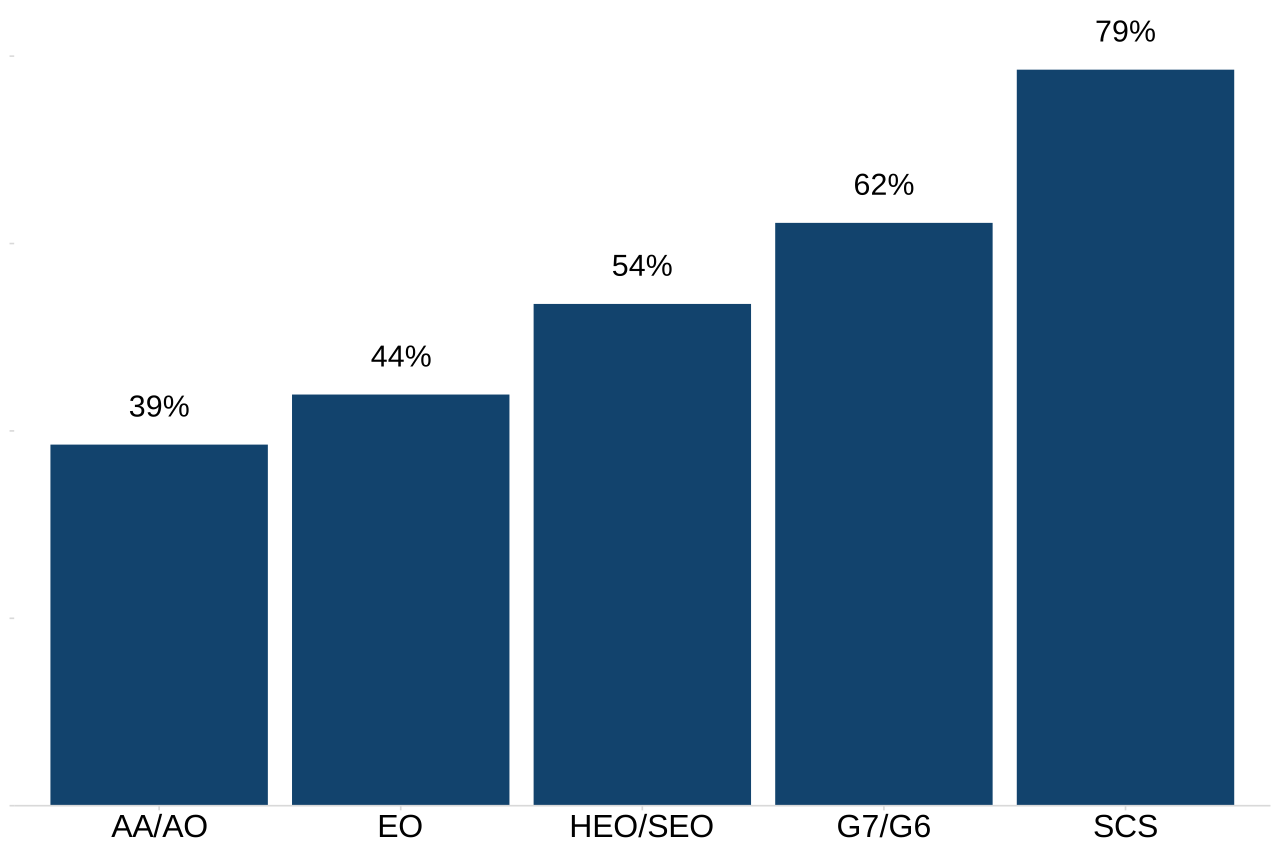
The proportion of staff taking no sickness absence increases with grade. For SCS grades this is 40 percentage points higher than for AA/AO grades.
Figure 3.1: Average working days lost per staff year by grade, 2015 to 2025 (see Table 5)
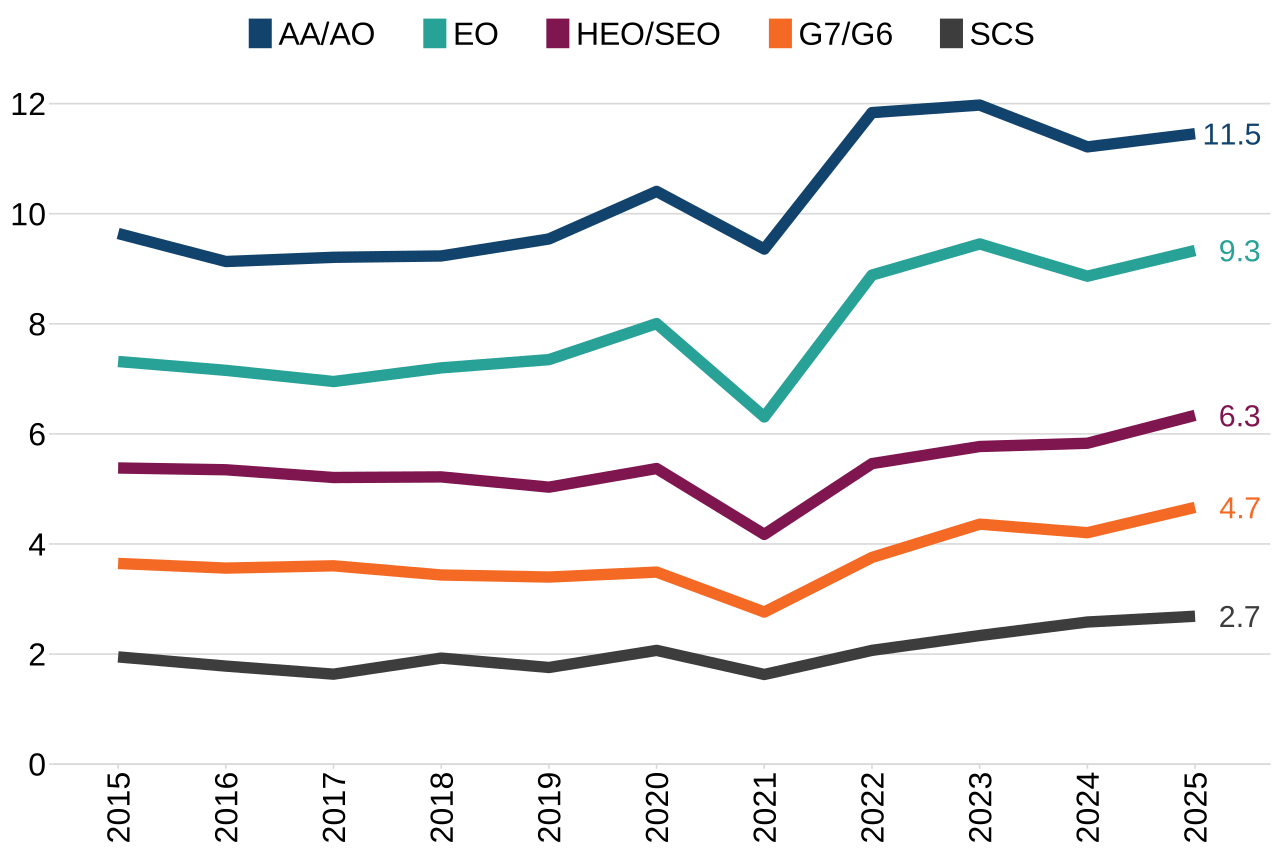
Figure 3.2: Percentage of working days lost to long term and short term sickness absence by grade, 2025 (see Table 6)
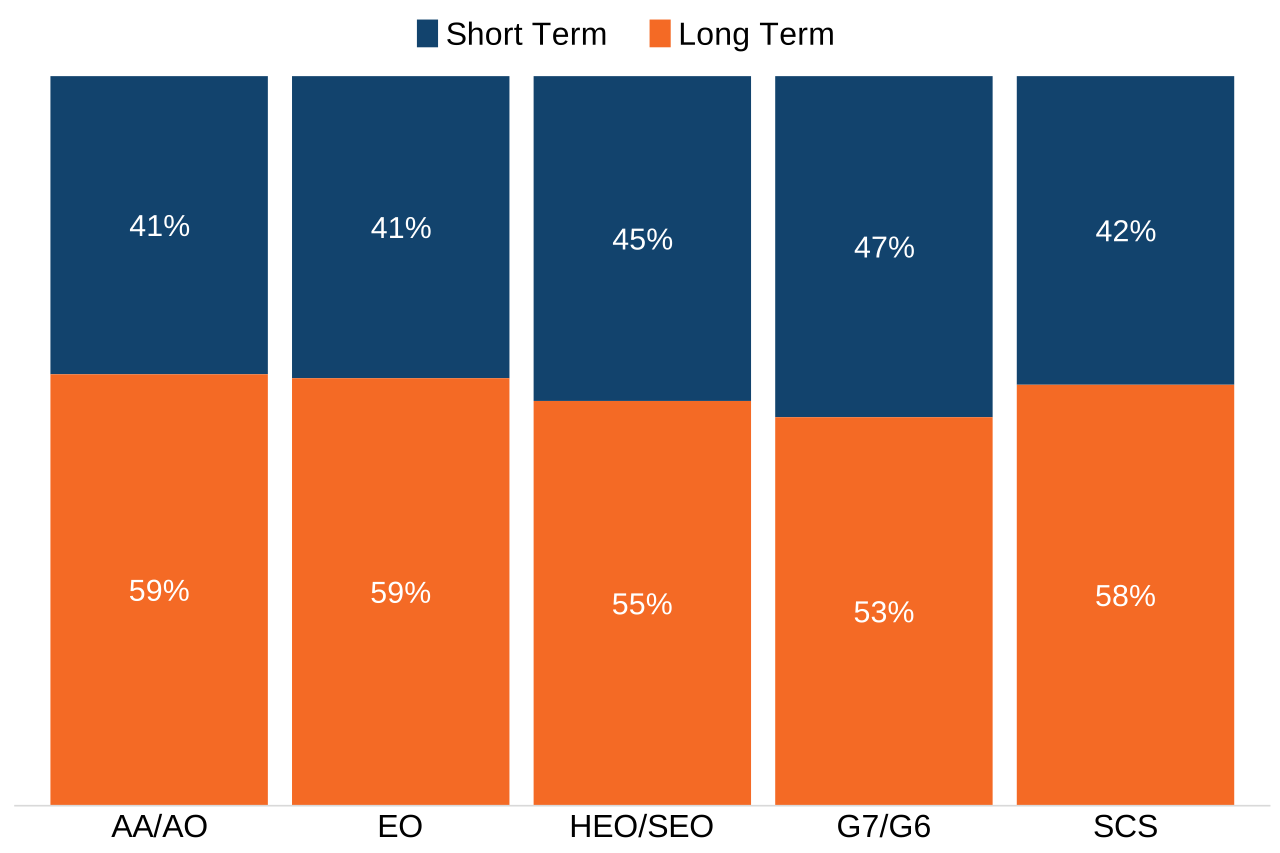
Figure 3.3: Percentage of staff with no reported sickness absence during the year by grade, 2025 (see Table 7)
4. By region
Average working days lost per staff year varies across the regions.
The regions with the highest levels of sickness absence were Northern Ireland (10.4 days), Scotland and the West Midlands (9.7 days for both).
After Overseas (2.7 days), the regions with the lowest levels of sickness absence were London (6.5 days) and the South West (6.9 days).
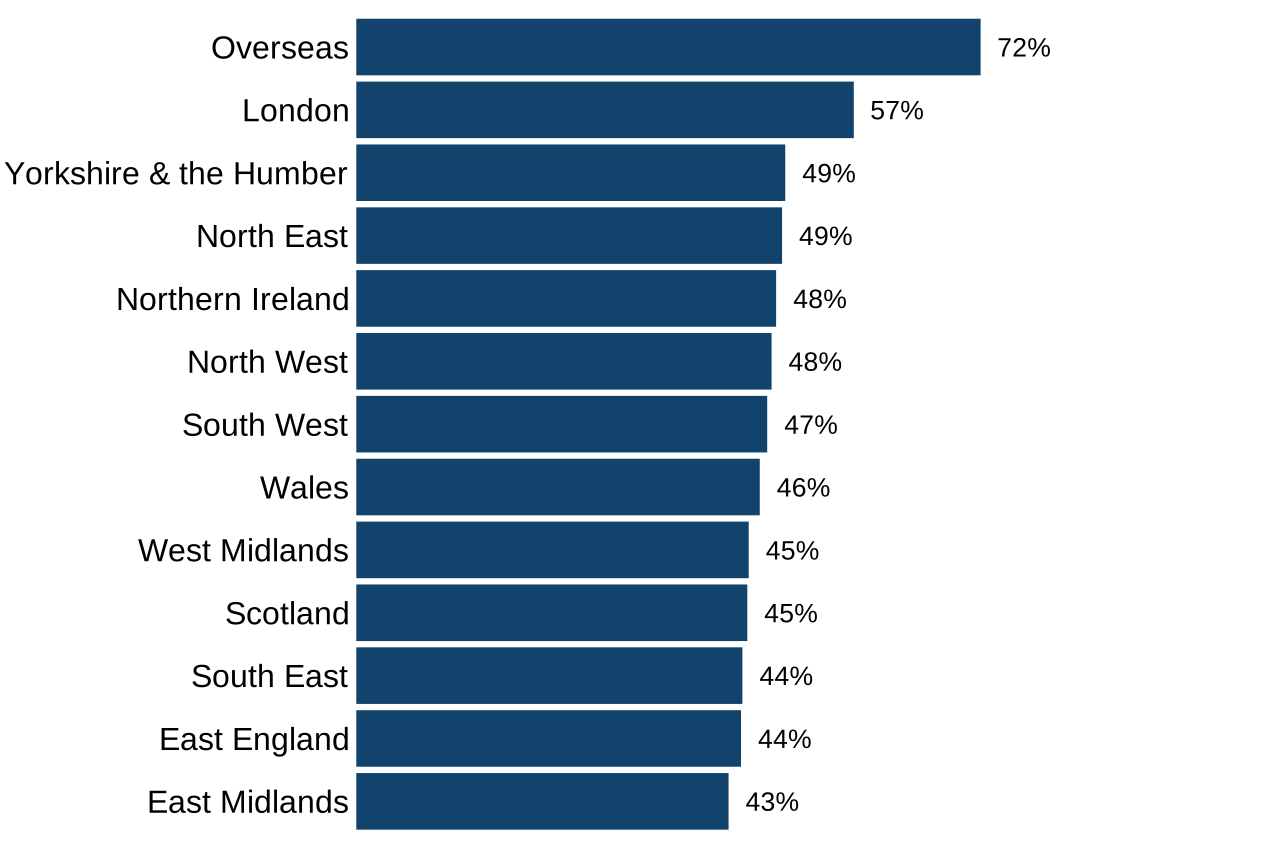
There is also variation in the percentage of staff with no reported sickness absence: after Overseas (72%), this ranges from 57% in London to 43% in the East Midlands.
Figure 4.1: Average working days lost per staff year by region for 2024 and 2025 (see Table 8)

Figure 4.2: Percentage of staff with no reported sickness absence by region, 2025 (see Table 9)
5. By sex
Sickness absence levels for women (9.2 days) were higher than for men (7.2 days).
There was no difference between the long term and short term split of sickness absence for men and women, with 59% of absences being long term.
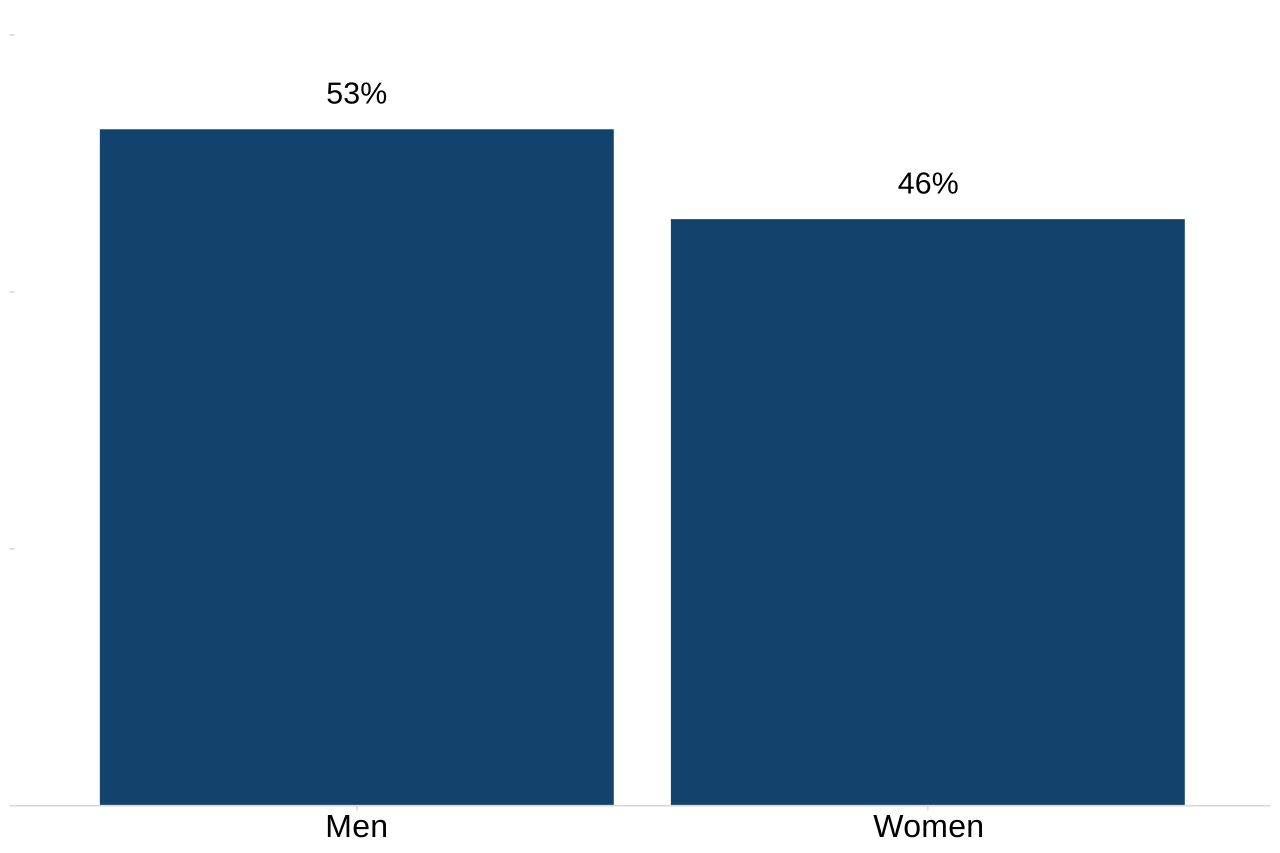
The percentage of staff with no sickness absence was seven percentage points higher for men (53%) than women (46%).
In the year ending 31 March 2025 the number of days of sickness absence increased for both men and women by 0.4 and 0.5 days respectively, compared to the year ending 31 March 2024.
Over the longer term, the number of days absence taken by women has increased by 1.0 days since 2015. During the same period the number of sickness absence days taken by men increased by 0.6 days.
Figure 5.1: Average working days lost per staff year by sex, 2015 to 2025 (see Table 10)
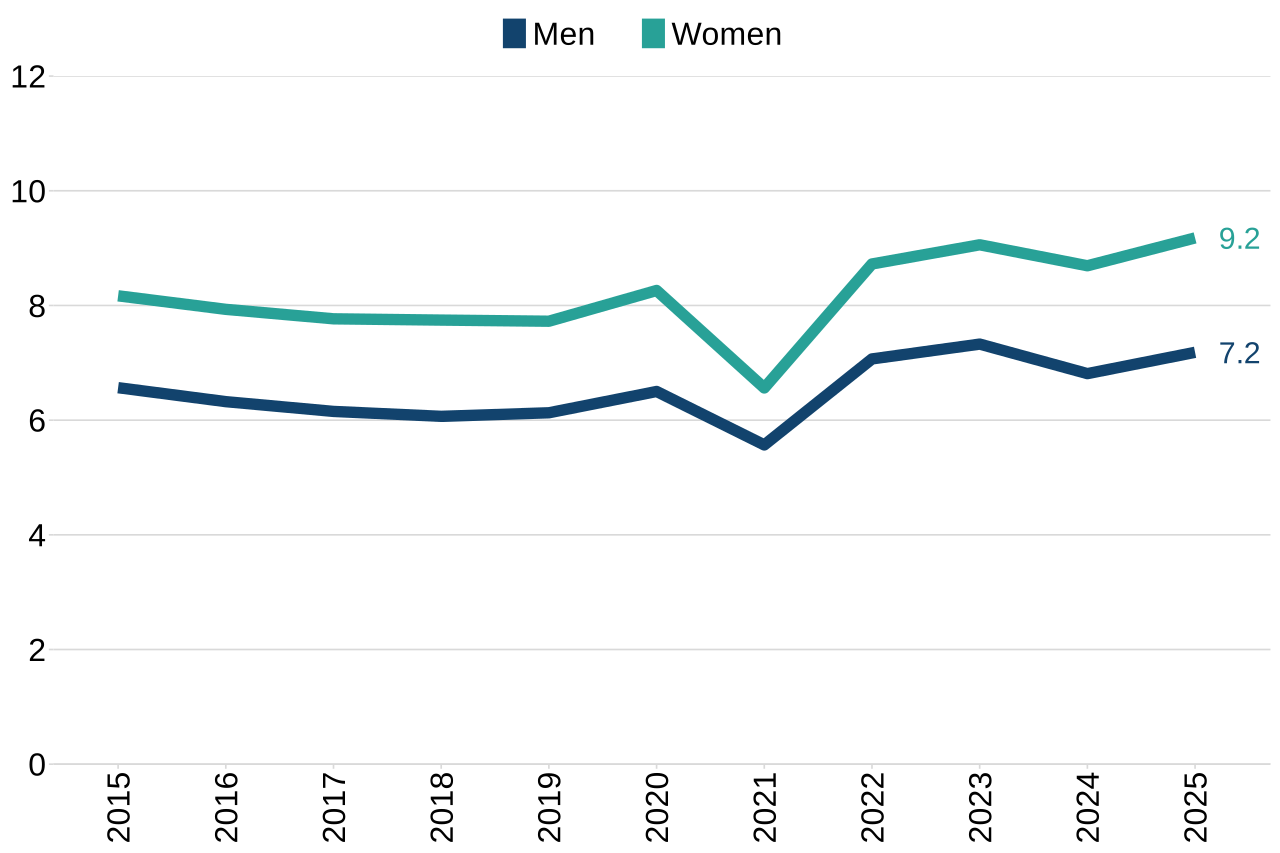
Figure 5.2: Percentage of staff with no reported sickness absence during the year by sex, 2025 (see Table 11)
6. By age
Sickness absence tends to generally increase with age, increasing from 6.9 days for those aged 16-29 to 10.9 days for those aged 60 and over.
The percentage of absence that is long term also increases with age, from 45% in the under thirties to 69% in the over sixties.
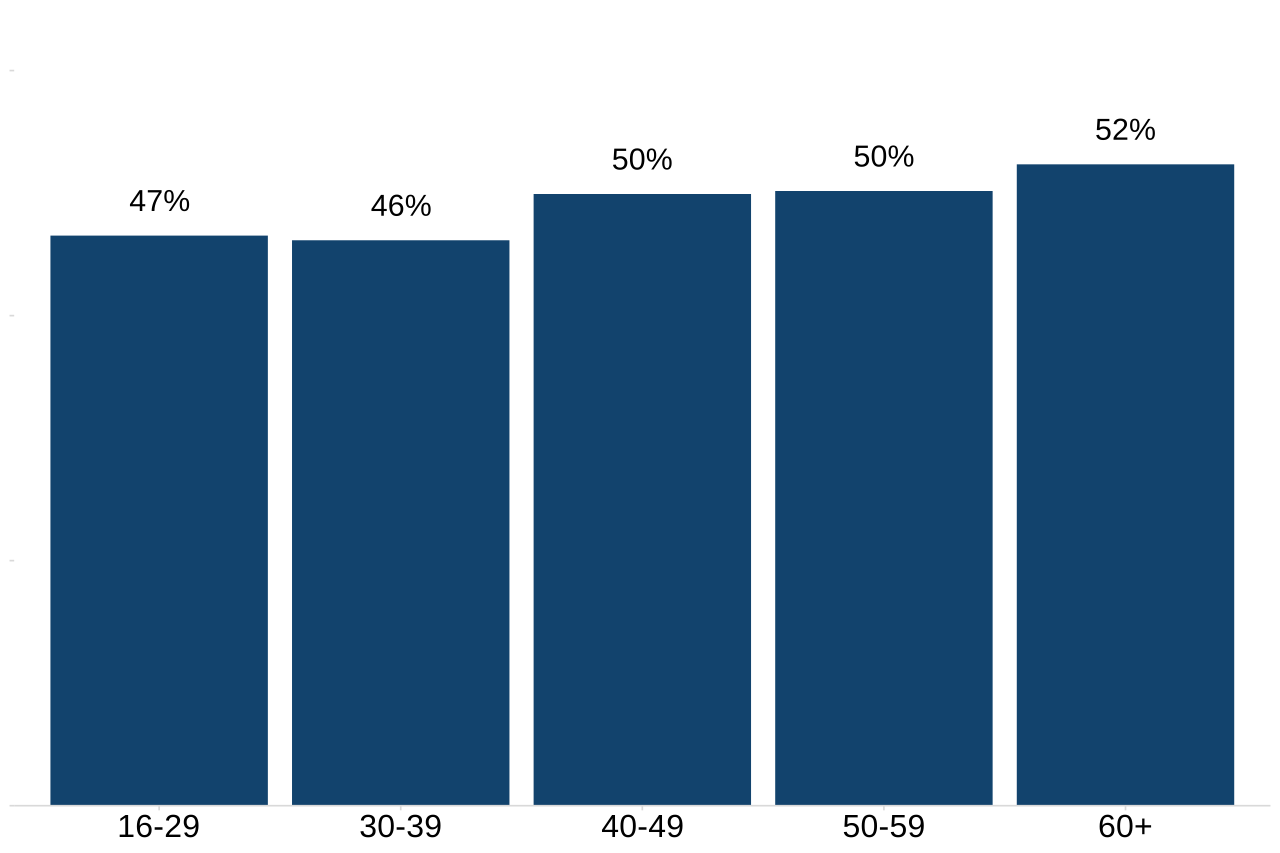
There is some variation between age categories in the percentage of staff with no reported sickness absence, with all figures lying within a 6 percentage point range.
Figure 6.1: Average working days lost per staff year by age, 2015 to 2025 (see Table 12)

Figure 6.2: Percentage of working days lost to long term and short term sickness absence by age, 2025 (see Table 13)
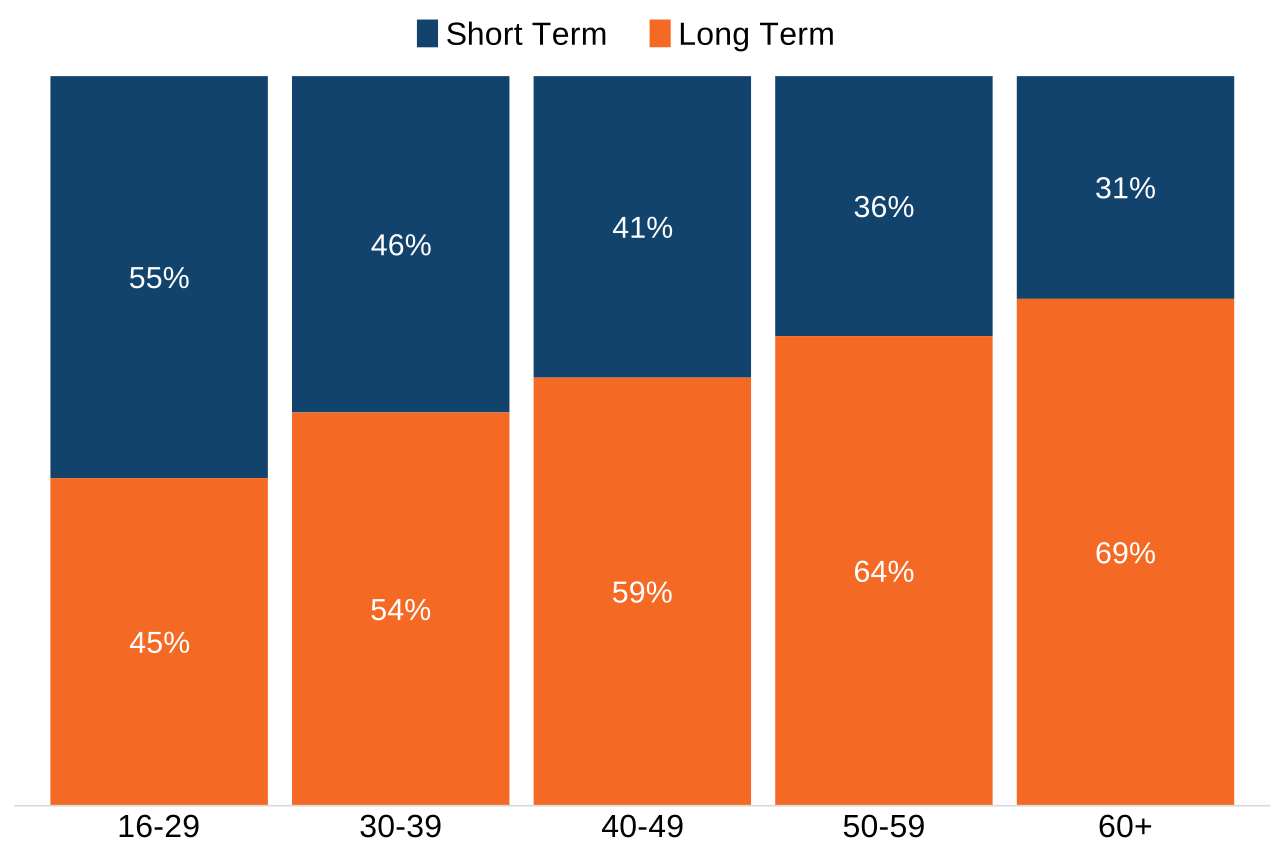
Figure 6.3: Percentage of staff with no reported sickness absence by age, 2025 (see Table 14)
7. By absence reason
Mental Ill-Health was the leading cause of sickness absence, with an average of 2.9 days lost during the year.
27.0% of all short term sickness absence was due to the Respiratory System, followed by 16.7% for Mental Ill-Health.
Mental Ill-Health and Musculoskeletal System Disorders were the largest causes of long term sickness absence at 47.1% and 14.1% respectively.
Figure 7.1: Average working days lost by main sickness absence reason, 2025 (see Table 15)

Figure 7.2: Short term sickness absence by absence reason, 2025 (see Table 16)
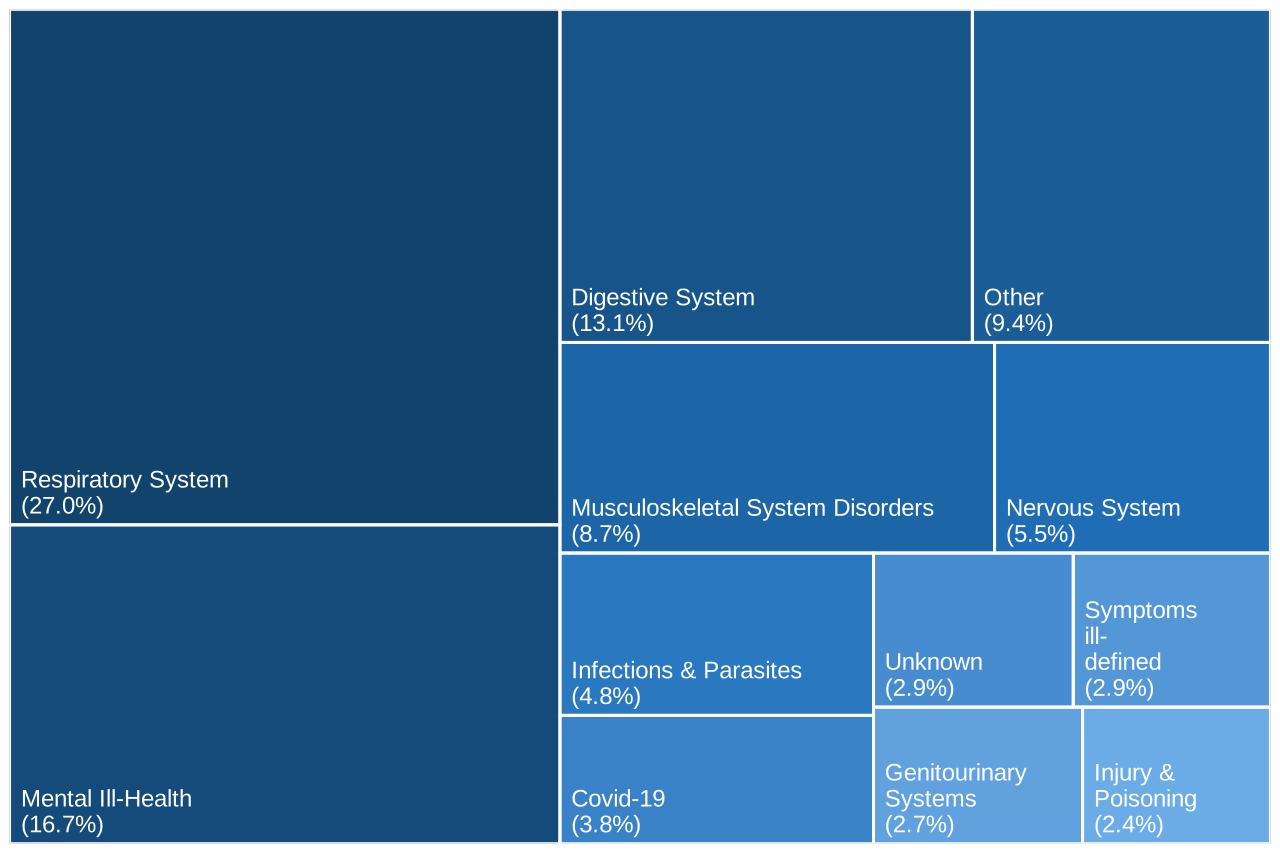
Figure 7.3: Long term sickness absence by absence reason, 2025 (see Table 17)
8. Methodology
Sickness Absence in the Civil Service is an annual report describing sickness absence across the UK Civil Service workforce by organisation, grade, region, sex, age and absence reason.
These figures incorporate home Civil Service organisations and staff, including those based in Northern Ireland and Overseas. Not included are the Northern Ireland Civil Service, other Crown servants and employees of the wider public sector, for example, employees of non-departmental public bodies (NDPBs) and the National Health Service (NHS). There are a small number of Civil Service organisations not currently covered as part of these statistics. A listing of all Civil Service organisations contained in these statistics and those not currently included is provided in the Civil Service coverage section.
Sickness absence figures are derived from management information
All data presented in this report are sourced and collated from Departmental Quarterly Sickness Absence Management Information returns to Cabinet Office. The data presented in this report are not Official Statistics.
Notes on measures of sickness absence
These statistics present the headline measure for sickness absence in the Civil Service, Average Working Days Lost (AWDL) per staff year. This measure is used because it is the most accurate measure available and accounts for part-time workers and workers that have not worked for the entire year i.e. leavers and new entrants during the reporting period.
Organisations outside the Civil Service mainly report their sickness rates using the Average Working Days Lost per person measure. This measure could under-report the true levels of sickness absence in an organisation as it gives equal weighting in the AWDL calculation to individuals that are part-time or have only worked part of the year and have therefore worked fewer days during the course of the year than full-time staff that have worked the entire year.
Sector comparisons
Caution should be used when comparing data from this report with other sectors of the economy due to differences in measurement definitions. The Office for National Statistics publishes sickness absence statistics including comparisons between different industry sectors and the public sector.
Calculations
Average Working Days Lost per staff year is calculated as follows:
AWDL per staff year =
Working Days Lost during the year at organisation / Total Staff Years at organisation
Where Total Staff Years at organisation =
Total Working Days Available at organisation / Working Days available for 1 full-time employee employed for the entire year
For consistency purposes, working days available over a year for a typical full-time employee is assumed to be 225 working days.
Collection time periods
All data is annual in order to remove seasonality. However, organisations report their annual data on a quarterly basis. For this report we focus on data collected ending in March every year. So the latest data for 2025 covers the time period 1 April 2024 to 31 March 2025. Data for the preceding year (2024) covers the period 1 April 2023 to 31 March 2024 and so forth. Unless otherwise stated, all the data reported in the report refer to time periods ending 31 March 20xx.
Definitions
Short Term sickness absence: All absences less than or equal to 20 working days or 28 calendar days.
Long Term sickness absence: All absences greater than or equal to 21 working days or 29 calendar days.
| Absence reason | Examples |
|---|---|
| Blood & Blood forming organs | Nutritional & haemolytic anaemias; coagulation defects; purpura and haemorrhagic conditions |
| Circulatory System | Rheumatic fever; chronic rheumatic heart disease; Diseases of arteries and veins. |
| Congenital Anomalies | Congenital malformations of the body; chromosomal abnormalities. |
| Digestive Systems | Liver failure; Hernia; Oral cavity, salivary glands and jaw disorders; appendicitis; |
| Diseases of the ear and mastoid process | Diseases of external, middle and inner ear; mastoids; congenital deafness and hearing loss. |
| Diseases of the eye and adnexa | Glaucoma; inflammation of eyelids; conjunctivitis; Cataracts; retinitis; visual disturbances and blindness. |
| Endocrine, Nutritional & Metabolic | Disorders of the thyroid gland; diabetes; malnutrition; obesity; any other hyperalimentation |
| Genitourinary Systems | Kidney failure; Diseases of male and female genital organs; Urolithiasis; Glomerular diseases. |
| Infections & Parasites | Tuberculosis; bacterial, viral and other infectious agents; HIV; Viral hepatitis; STDs |
| Injury & Poisoning | Injuries to the body; Burns and corrosions; Poisoning by drugs, medicaments and biological substances. |
| Mental Ill-health | Stress; mood affective disorders; Disorders of personality & behaviour; schizophrenia. |
| Musculoskeletal System | Osteopathies and chondropathies; Soft tissue disorders; Systematic connective tissues disorders. |
| Neoplasms | Benign and Malignant cancers and tumors. |
| Nervous System | Bacterial meningitis; tuberculosis; measles; mumps; rubella; headache; migraine; Cerebral palsy. |
| Pregnancy Complications | Ectopic pregnancy, abortion; hypertension complicating pregnancy, childbirth and puerperium; sickness |
| Respiratory System | Influenza and pneumonia; lung disease due to external agents; Acute respiratory infections. |
| Skin & Subcutaneous Tissues | Dermatitis and eczema; Bullos disorders; Disorders of skin appendages (e.g. ingrown toe). |
| Systems ill-defined | |
| Unknown |
Request for feedback
If you would like to provide feedback on any aspect of this publication, please contact us at aandi-socialresearch@cabinetoffice.gov.uk.
9. Civil Service coverage
Parent departments being reported, with their Executive Agencies or Crown NDPBs included and reported in the parent department for year ending 31 March 2025:
Attorney’s General Department
Attorney General’s Office
Government Legal Department
HM Crown Prosecution Service Inspectorate
Cabinet Office
Crown Commercial Service
Government Property Agency
Chancellor’s Other Departments
Government Actuary’s Department (GAD)
National Savings and Investment
Charity Commission
Competition and Markets Authority
Crown Prosecution Service
Department for Business and Trade
Advisory, Conciliation and Arbitration Service
Companies House
Insolvency Service
Department for Culture, Media and Sport
National Archives
Department for Education
Education and Skills Funding Agency
Institute for Apprenticeships and Technical Education
Standards and Testing Agency
Teaching Regulation Agency
Department for Energy Security and Net Zero
Department for Environment, Food and Rural Affairs
Animal and Plant Health Agency
Centre for Environment, Fisheries and Rural Affairs
Rural Payments Agency
Veterinary Medicines Directorate
Department for Science, Innovation and Technology
Building Digital UK
Intellectual Property Office
Met Office
UK Space Agency
Department for Transport
Driver and Vehicle Licensing Agency
Driver and Vehicle Standards Agency
Maritime and Coastguard Agency
Vehicle Certification Agency
Department for Work and Pensions
Department of Health and Social Care
Medicines and Healthcare Products Regulatory Authority
UK Health Security Agency
Estyn
Food Standards Agency
Foreign, Commonwealth and Development Office
FCDO Services
Wilton Park Executive
HM Revenue and Customs
Valuation Office Agency
Health and Safety Executive
Home Office
Ministry of Defence
Defence Equipment and Support Agency
Defence Nuclear Organisation & Submarine Delivery Agency
Defence Science and Technology Laboratory
UK Hydrographic Office
Ministry of Housing, Communities and Local Government
HM Land Registry
Planning Inspectorate
Queen Elizabeth II Conference Centre
Ministry of Justice
Criminal Injuries Compensation Authority
HM Courts and Tribunals Service
HM Prison and Probation Service
Legal Aid Agency
Office of the Public Guardian
National Crime Agency
Office for Standards in Education, Children’s Services and Skills
Office of Gas and Electricity Markets
Office of Qualifications and Examinations Regulation
Office of Rail and Road
Scotland Office
Scottish Government
Accountant in Bankruptcy
Crown Office and Procurator Fiscal Service
Disclosure Scotland
Education Scotland
Food Standards Scotland
Forestry and Land Scotland
National Records of Scotland
Office of the Scottish Charity Regulator
Registers of Scotland
Revenue Scotland
Scottish Courts and Tribunals Service
Scottish Fiscal Commission
Scottish Forestry
Scottish Housing Regulator
Scottish Prison Service
Scottish Public Pensions Agency
Social Security Scotland
Student Awards Agency for Scotland
Transport Scotland
Serious Fraud Office
UK Export Finance
UK Statistics Authority
UK Supreme Court
Wales Office
Water Services Regulation Authority
Welsh Government
Welsh Revenue Authority
Organisations not currently being reported on:
HM Treasury
Northern Ireland Office
Machinery of Government Changes
On 7 February 2023 Machinery of Government changes were announced to create three new government departments: the Department for Energy Security and Net Zero, the Department for Science, Innovation and Technology, and the Department for Business and Trade; as well as a refocused Department for Culture, Media and Sport. The new departments are formed from the Department for Business, Energy and Industrial Strategy and the Department for International Trade, along with the Department for Digital, Culture, Media and Sport. Although the changes took effect immediately following the announcement, one reporting change has not yet been made for this report, Building Digital UK sickness absence continues to be reported by the Department for Culture, Media and Sport.