Understanding SAIL Data Linkage: Children Affected by Household Imprisonment (Technical Guide)
Updated 20 October 2026
Applies to Wales

© Crown copyright 2026
This publication is licensed under the terms of the Open Government Licence v3.0 except where otherwise stated. To view this licence, visit nationalarchives.gov.uk/doc/open-government-licence/version/3 or write to the Information Policy Team, The National Archives, Kew, London TW9 4DU, or email: psi@nationalarchives.gov.uk.
Where we have identified any third party copyright information you will need to obtain permission from the copyright holders concerned.
This publication is available at https://www.gov.uk/government/publications/characteristics-of-children-affected-by-household-imprisonment--2/understanding-sail-data-linkage-children-affected-by-household-imprisonment-technical-guide
1.1 Data Linkage within the Secure Anonymised Information Linkage (SAIL) Databank
All references are listed in section 9 of the main analytical report.
All data accessed for this study was made available through the SAIL Databank, an ISO 27001 certified and UK Statistics Authority accredited Trusted Research Environment. The SAIL Databank contains anonymised, linkable health, demographic, social, and administrative data primarily relating to the population of Wales (Jones et al., 2019).
Data are anonymised prior to provision to researchers through a split-file process (Ford et al., 2009; Jones et al., 2014).
Data providers separate datasets into:
- a file containing personal identifiers required for record linkage (for example name, address, postcode, sex and date of birth)
- a file containing event-level or descriptive information relevant to analysis
The identifying information is transferred to Digital Health and Care Wales (DHCW), which undertakes anonymisation and linkage. Individuals are assigned a unique Anonymous Linking Field (ALF), derived from NHS identifiers and subsequently encrypted. The ALF allows records relating to the same individual to be linked across datasets whilst preserving anonymity (Ford et al., 2009; Lyons et al., 2009).
Similarly, residential addresses are assigned a Residential Anonymous Linking Field (RALF), allowing individuals residing at the same address to be identified. The encrypted version of this identifier (RALF-E) enables household-level linkage within the SAIL environment without exposing address information (Rodgers et al., 2009).
Records were linked using privacy-protecting anonymisation and linkage methods developed within the SAIL infrastructure (Rodgers et al., 2009; Rodgers et al., 2011). SAIL linkage methods combine deterministic and probabilistic matching approaches (Jones et al., 2014). Deterministic matching is primarily undertaken using NHS numbers, whilst probabilistic matching uses combinations of personal identifiers including name, date of birth and sex. Once anonymisation has been completed, individual-level linkage between datasets is achieved using ALFs and household-level linkage using RALFs.
For this study, ALFs were used to identify records relating to the same individual across multiple data sources, while RALFs were used to identify individuals residing at the same address prior to imprisonment if a person was in prison on Census Day. The majority of households were linked using the household identifier available in the 2011 Census Wales dataset.
1.2 Study Population
The study sought to identify children living in households affected by imprisonment between 1 January 2011 and 31 December 2014.
The 2011 Census for Wales (CENW) was used as the primary population framework. Census data were selected because they provide the richest source of household-level and demographic information available during the study period, including age, sex, ethnicity, deprivation measures, household composition and household structure.
As the analysis adopted a child-centred approach, the study population was anchored to the Census rather than prison records. This ensured that children and household characteristics were identified consistently from a common reference point.
The eligible population consisted of individuals who:
- were recorded as residents of Wales on Census Day (27 March 2011)
- were alive at Census Day
- possessed a valid anonymised linking identifier (ALF)
- were aged between 10 and 14 years inclusive
Children aged 10 to 14 years were selected to create a clearly defined and reproducible cohort. Restricting the age range reduced heterogeneity associated with different developmental stages whilst maintaining sufficient population coverage for analysis.
Age is a derived variable; calculated by the data provider, Office for National Statistics (ONS), using the Census 2011 date of birth variable. Internal data quality checks identified a small number of discrepancies in age information. Records with such discrepancies were excluded from the analysis.
1.3 Identification of Adult Prisoners
Individuals who experienced imprisonment between 1 January 2011 and 31 December 2014 were identified using the Data First Prisoner Custodial Journey Dataset (PRIS).
PRIS includes records for individuals in custody at any point from 1 January 2011 onwards and is considered complete from this date. Custodial periods that began before 2011 but continued into the study period were also included.
To reduce the volume of data requiring processing, an initial subset of records for offenders who entered prison between 2000 and 2014 was used during cohort construction. The lower bound of 2000, corresponding to the earliest possible birth year of the youngest children in the study cohort, was selected as a methodological judgement to minimise the risk of linking children to imprisonments that occurred before they were born. This restricted the dataset to offender records relating to individuals who entered prison while children in the study cohort were alive. Imprisonments occurring after 31 December 2014 were excluded as they fell outside the study period.
For this analysis, an adult prisoner was defined as an individual aged 18 years or over at the time of imprisonment, who had been in custody at any point between 1 January 2011 and 31 December 2014 and was recorded in the 2011 Census in Wales. Imprisonment during the study period was identified using the custodial episode dates described in Section 1.4. Age at imprisonment was derived using age recorded on Census Day and the custodial episode start date.
Courts data were not included within the approved dataset, so the findings should not be interpreted as representing all interactions with the Criminal Justice System.
Children aged 10 to 14 on Census Day who were subsequently identified as adult prisoners during the study period were excluded from the child cohort to prevent individuals appearing in both the child and offender cohorts.
The offender cohort included adults who experienced any form of prison custody during the study period, including:
- sentenced custody
- remand
- recall to custody
- repeat periods of imprisonment
Person identifiers in the original PRIS Dataset are known to have limitations in consistently linking repeat periods of imprisonment experienced by the same individual. Therefore, the Data First derived variable “estimated_offender_id” was used to identify repeat periods of imprisonment attributable to the same person. The “estimated_offender_id” was assigned using probabilistic record linkage created through the open source Splink software.
The variable ‘First Movement Date’ was used in some circumstances as the best available approximation of prison entry, but it may not be accurate in all circumstances. Some individuals may experience more complex custodial journeys involving release and return to custody, meaning that not all time between first movement into custody and release will necessarily have been spent in prison.
1.3.1 Construction of the Offender Cohort
Figure 1 summarises the process used to identify eligible offenders and link PRIS records to CENW and the Welsh Demographic Service Dataset (WDSD). The starting population comprised 18,880 offender records from a Welsh subset of PRIS, identified using GP registration records.
Two linkage pathways were used, depending on whether offenders were already in prison on Census Day. Further details on the two household identification pathways are provided in Sections 1.5.1 and 1.5.2 of this Technical Guide.
The first pathway identified 7,980 offenders who were already in prison on Census Day. Because these individuals were unlikely to be recorded within their pre-custody household in CENW, residential records from WDSD were used to identify their household immediately before imprisonment. These records were then linked to CENW records to obtain household and demographic information. Of these offenders, 1,085 were successfully linked to CENW records.
The second pathway identified 14,150 offenders who entered prison after Census Day. For this group, household information was obtained directly from CENW using the Census Household Identifier. This pathway identified 5,070 offenders who could be linked directly to CENW records using the Census Household Identifier.
A total of 395 offenders were identified through both pathways. This overlap reflects individuals with multiple custodial episodes occurring both before and after Census Day. Where this occurred, the record linked directly to the Census Household Identifier was retained. After accounting for this overlap, 5,760 offenders were included in the final offender cohort.
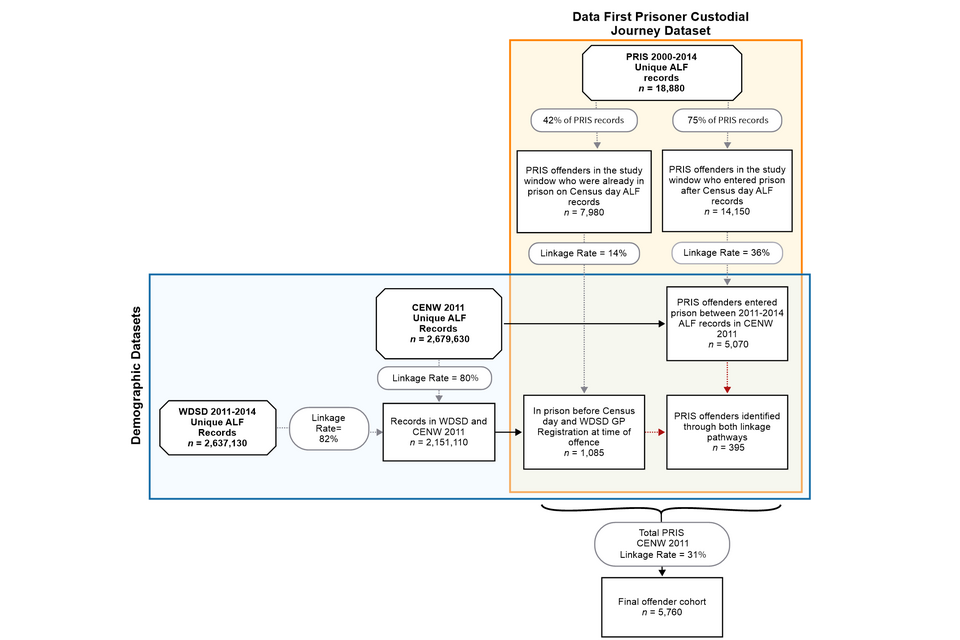
Figure 1: Construction of offender cohort
1.3.2 Offender Cohort Data Linkage Gaps
Figure 2 complements Figure 1 by showing how many offender records were not included in the final offender cohort. Of the 18,880 offender records available for linkage, 13,120 (69%) did not form part of the final offender cohort.
Figure 2 also provides context on linkage between the demographic datasets used in the analysis, which were used to identify household and demographic information for offenders and children in the study population. Within these datasets, 528,525 individuals (20%) were identified in CENW but not in WDSD, while 486,020 individuals (18%) were identified in WDSD but not CENW. In total, 1,014,550 records could not be linked between the two demographic datasets.
Potential reasons why some offender records did not form part of the final offender cohort are explored further in Figure 3.
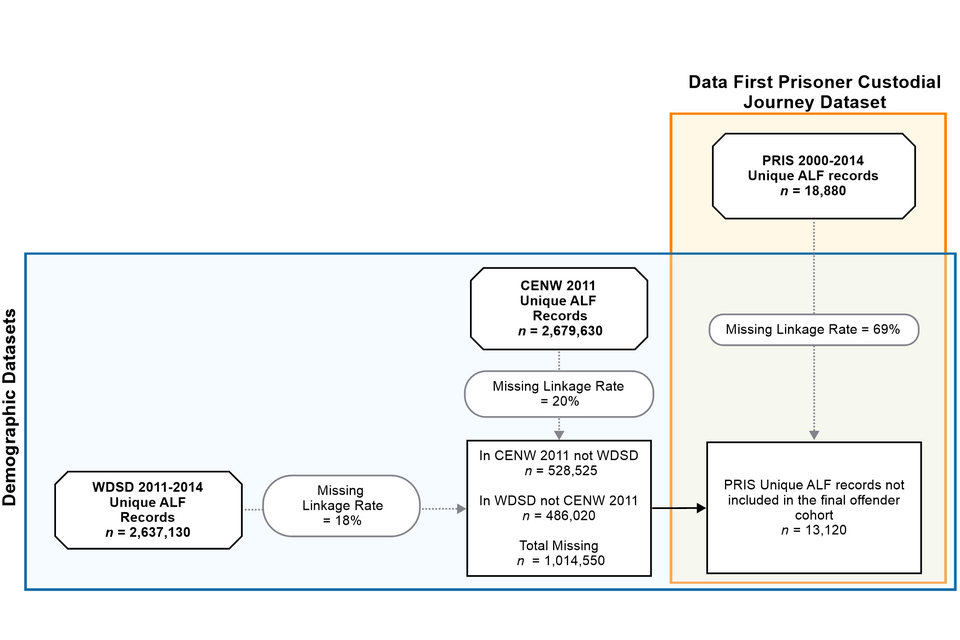
Figure 2: Offender Cohort Data Linkage Gaps
1.3.3 Exploring Offender Cohort Linkage Gaps
Figure 3 explores characteristics of PRIS offender records to better understand the linkage patterns shown in Figures 1 and 2. Offender records were grouped into six panels (A to F) based on whether they were successfully linked to CENW, where they were imprisoned during the study period, and whether they formed part of the final offender cohort. Where individuals experienced multiple custodial periods during the study period, only the earliest custodial episode was retained for analysis. This ensured that each child was linked to a single imprisonment episode and prevented multiple counting of households affected by repeat imprisonment.
Panels A and B show the 5,760 offenders who were successfully linked to CENW. Of these, 3,865 had spent time in a Welsh prison during the study period (Panel A), while 1,895 had spent time only in English prisons (Panel B).
Panels C and D show offenders who were recorded as being in prison during the study period but were not successfully linked to CENW. Panel C shows 5,135 offenders who had spent time in a Welsh prison, while Panel D shows 5,395 offenders who had spent time only in English prisons during this period.
Among individuals recorded in Welsh prisons, linkage to CENW was 43%, which was lower than might be expected. Individuals in prison on Census Day would be expected to complete a Census form, meaning their presence in a Welsh prison might also be expected to be reflected in CENW. The reasons for the lower linkage rates remain unclear and could not be determined using the available data.
Panel E represents the 1,265 offenders who were released before the study period and therefore did not form part of the eligible cohort. Panel F represents the 1,320 offenders who did not form part of the final offender cohort because key fields were missing. These fields include Sentence Date, Effective Release Date and First Movement Reason. Missing data in these fields may reflect individuals who were released without serving a custodial sentence.
It is important to note that the linkage rates shown in Figure 3 may reflect a range of factors, including cohort identification methods, data quality and the matching methodology. Further analysis of the similarities and differences between the panels could be undertaken in future work to assess whether selection bias may be present in the linked offender cohort.
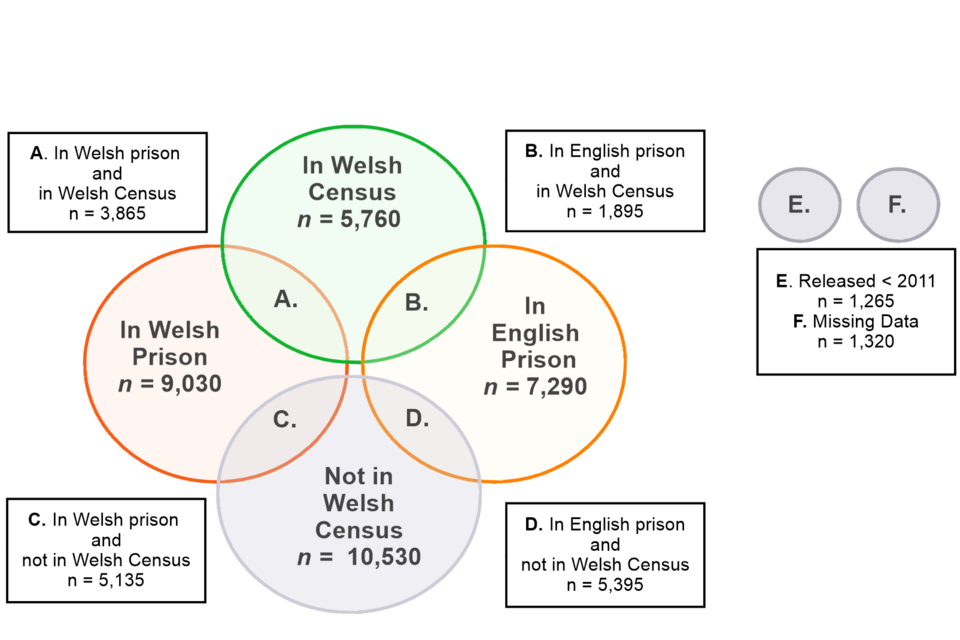
Figure 3: Offender Cohort Data Linkage Gaps Analysis
1.4 Determination of Custodial Episode Dates
The study required identification of both custodial entry and custodial exit dates.
Custodial entry was primarily determined using the First Sentenced Date variable, representing the date an individual was first sentenced for the custodial episode.
However, imprisonment may begin before sentencing where an individual is held on remand. To account for this, the First Movement Date was used in circumstances where:
- the First Sentenced Date was missing
- the First Movement Date occurred before the First Sentenced Date
This approach ensured that periods spent in custody on remand prior to sentencing were captured within the exposure definition. In cases where the First Movement Date was used to define the start of imprisonment, it represents the best available approximation of entry into custody. However, some individuals may have more complex custodial journeys involving release and return to custody, meaning that not all time between first movement and the recorded release date will necessarily have been spent in prison.
Custodial exit was determined using the Effective Release Date variable. This represents the earliest release date based on sentence and release rules.
Individuals with missing release dates were retained where their custodial start date occurred during the study period, ensuring that ongoing periods of imprisonment were not excluded.
1.5 Identification of Households Affected by Imprisonment
Two separate approaches were required to identify households affected by imprisonment. This distinction was necessary because some offenders entered prison after Census Day, whilst others were already in custody on Census Day and therefore could not be reliably linked to a Census household using their address at that time.
1.5.1 Offenders entering prison after Census Day
For offenders whose custodial episode began after 27 March 2011, their household was identified directly from the Census.
Individuals identified within PRIS were linked to CENW records using their ALF. The Census Household Identifier associated with the offender was then extracted and used to identify all others living within the same household on Census Day.
Children aged 10–14 years sharing the same Census Household Identifier were classified as living in a household affected by imprisonment.
This approach assumes that household composition recorded in the Census was broadly representative of household membership immediately before imprisonment. However, because imprisonment could have occurred either shortly before or several years after Census Day, Census household composition may not fully reflect a child’s living arrangements at that time.
1.5.2 Offenders already in prison on Census Day
A separate method was required for offenders already in custody on 27 March 2011.
Individuals who were in prison on Census Day are unlikely to have been recorded within the household where they had been living before imprisonment. As a result, Census household identifiers could not be used to reliably determine their pre-custody household.
For this group, residential information contained within WDSD was used.
The WDSD contains historical GP registration records including residential identifiers (RALFs) and the dates during which individuals were registered at a particular address.
Using the offender ALF, residential registration records were extracted from WDSD. The RALF corresponding to the offender’s address at the time they entered custody was identified using the registration start and end dates. All individuals sharing the same RALF during the same period were then identified as household members.
These individuals were subsequently linked back to Census records using ALFs, enabling household and demographic characteristics for these children to be obtained from the household they were living in at the time of Census 2011.
A limitation of this approach is that GP registration records may not immediately reflect residential moves, potentially resulting in misclassification of household membership. In addition, individuals who are not registered with a GP, or whose registration history is incomplete, may not be fully captured within WDSD.
1.6 Identification of Children Living in Households Affected by Imprisonment
Children were classified as living in a household affected by imprisonment if they were aged 10–14 years on Census Day and shared a household with an adult who experienced imprisonment between 1 January 2011 and 31 December 2014. Household membership was identified using either the Census Household Identifier or the WDSD RALF linkage pathway, depending on the offender’s custodial status on Census Day.
Individuals who were subsequently identified as adult offenders during the study period were excluded from the child cohort to prevent overlap between the child and offender cohorts.
1.7 Linkage to Additional Datasets
Once the cohort of children affected by household imprisonment had been identified, linkage to additional administrative datasets was undertaken using ALFs.
These datasets included:
- Children Receiving Care and Support (CRCS)
- Children in Need Wales (CINW)
- Looked After Children Wales (LACW)
- Children and Family Court Advisory and Support Service Wales Family Justice Dataset (CAFW)
- Education datasets contained within the Education Wales Databank (EDUW)
The ALF provided a consistent linkage key across all data sources, allowing individual-level educational and social care records to be linked to members of the study cohort and the comparison group.
1.8 Variable Section and Derivation
Variables were selected through a structured process involving assessment of dataset coverage, policy relevance, analytical utility, data quality and disclosure considerations.
Potential variables were reviewed by analytical and policy stakeholders and assessed against the objectives of the study. Variables were excluded, aggregated or re-categorised where disclosure risks, missing data, or small sample sizes limited their suitability for reporting.
The final set of analytical variables included in this publication is presented in Table 8 below.
Variables used solely for linkage, cohort construction or data processing are not included, but can be provided on request.
Table 8: Analytical variables included in the analysis
| Variable | Description | Dataset |
|---|---|---|
| SIZHUK11 | Household size | ONS 2011 Census Wales (CENW) |
| FAMSIZE | Family Size | ONS 2011 Census Wales (CENW) |
| HHCHUK11 | Household composition | ONS 2011 Census Wales (CENW) |
| DPCHUK11 | Dependent children in household | ONS 2011 Census Wales (CENW) |
| DEPRIVED | Classification of household deprivation | ONS 2011 Census Wales (CENW) |
| AGE | Age | ONS 2011 Census Wales (CENW) |
| SEX | Sex | ONS 2011 Census Wales (CENW) |
| ETHNICID | Ethnic group (Flat) | ONS 2011 Census Wales (CENW) |
| DISABILITY | Long-term health problem or disability | ONS 2011 Census Wales (CENW) |
| CARER | Provision of unpaid care | ONS 2011 Census Wales (CENW) |
| CPR_EMOTIONAL_ABUSE | This is a true/false field indicating that the primary presenting concern at the time of the child being entered onto the Child Protection Register was that of emotional/psychological abuse. Note that emotional/psychological abuse is considered always to occur if one of the other types of abuse occurs. Therefore it is only recorded here if it occurs in isolation without other types of abuse. If 1 is entered for emotional/psychological (only)”, no other entries should be made in this section. 1 = True; 0 = False; NULL = child not on Child Protection Register. | Children Receiving Care and Support Census (CRCS) |
| CPR_NEGLECT | A true/false field indicating that the primary presenting concern at the time of the child being entered onto the Child Protection Register was that of neglect. 1 = True; 0 = False; NULL = child not on Child Protection Register. | Children Receiving Care and Support Census (CRCS) |
| CPR_PHYSICAL_ABUSE | A true/false field indicating that the primary presenting concern at the time of the child being entered onto the Child Protection Register was that of physical abuse. 1 = True; 0 = False; NULL = child not on Child Protection Register. | Children Receiving Care and Support Census (CRCS) |
| CPR_SEXUAL_ABUSE | A true/false field indicating that the primary presenting concern at the time of the child being entered onto the Child Protection Register was that of sexual abuse. 1 = True; 0 = False; NULL = child not on Child Protection Register. | Children Receiving Care and Support Census (CRCS) |
| CPR_FINANCIAL_ABUSE | A true/false field indicating that the primary presenting concern at the time of the child being entered onto the Child Protection Register was that of financial abuse. 1 = True; 0 = False; NULL = child not on Child Protection Register. | Children Receiving Care and Support Census (CRCS) |
| RECENT_REFERRAL_CHILD_PREVIOUSLY_LAC | True/false field where: 1 if the factor was present in the most recent referral, i.e. the referral that corresponds to the episode of being in need current at 31 March 20XX, and 0 if the factor was not present in the most recent referral. | Children in Need Wales (CINW) |
| RECENT_REFERRAL_PARENTAL_LEARNING_DISABILITIES | True/false field where: 1 if the factor was present in the most recent referral, i.e. the referral that corresponds to the episode of being in need current at 31 March 20XX, and 0 if the factor was not present in the most recent referral. | Children in Need Wales (CINW) |
| RECENT_REFERRAL_PARENTAL_SUBSTANCE_ALCOHOL_MISUSE | True/false field where: 1 if the factor was present in the most recent referral, i.e. the referral that corresponds to the episode of being in need current at 31 March 20XX, and 0 if the factor was not present in the most recent referral. | Children in Need Wales (CINW) |
| RECENT_REFERRAL_PARENTAL_MENTAL_ILL_HEALTH | True/false field where: 1 if the factor was present in the most recent referral, i.e. the referral that corresponds to the episode of being in need current at 31 March 20XX, and 0 if the factor was not present in the most recent referral. | Children in Need Wales (CINW) |
| RECENT_REFERRAL_PARENTAL_DOMESTIC_ABUSE | True/false field where: 1 if the factor was present in the most recent referral, i.e. the referral that corresponds to the episode of being in need current at 31 March 20XX, and 0 if the factor was not present in the most recent referral. | Children in Need Wales (CINW) |
| RECENT_REFERRAL_PARENTAL_PHYSICAL_ILL_HEALTH | True/false field where: 1 if the factor was present in the most recent referral, i.e. the referral that corresponds to the episode of being in need current at 31 March 20XX, and 0 if the factor was not present in the most recent referral. | Children in Need Wales (CINW) |
| FIRST_SENTENCED | The date of when the offender was first sentenced for this custodial period. | Data First Prisoner Custodial Journey Dataset (PRIS) |
| FIRST_MOVEMENT_DATE | The offender’s first recorded movement in their NOMIS custodial journey | Data First Prisoner Custodial Journey Dataset (PRIS) |
| EFFECTIVE_RELEASE_DATE | The earliest applicable release date for an offender in alignment with their sentence and release rules. | Data First Prisoner Custodial Journey Dataset (PRIS) |
| FSMELIGIBLE | Eligible for free school meals (FSM) if their parent or guardian is in receipt of in or out of work benefits. | Education Wales (EDUW) |
| SENPROVISION | Special educational needs provision arranged for the pupil. | Education Wales (EDUW) |
1.9 Statistical Disclosure Control and Reporting Conventions
Counts have been rounded to the nearest multiple of 5 in accordance with SAIL disclosure control requirements. Percentages are based on rounded counts and are presented to the nearest whole number. As a result, totals may sum to less than or more than 100%. Missing data categories with a value of 0% have been omitted where applicable.