Annex 5: Arts Council England (ACE) Review - Feedback from Call for Evidence (survey)
Updated 26 March 2026
Applies to England

© Crown copyright 2026
This publication is licensed under the terms of the Open Government Licence v3.0 except where otherwise stated. To view this licence, visit nationalarchives.gov.uk/doc/open-government-licence/version/3 or write to the Information Policy Team, The National Archives, Kew, London TW9 4DU, or email: psi@nationalarchives.gov.uk.
Where we have identified any third party copyright information you will need to obtain permission from the copyright holders concerned.
This publication is available at https://www.gov.uk/government/publications/arts-council-england-an-independent-review-by-baroness-margaret-hodge/annex-5-arts-council-england-ace-review-feedback-from-call-for-evidence-survey
Background
On 20 February 2025, we launched a public Call for Evidence (CfE). The CfE was open to all, and its purpose was to obtain a wide range of views, ensuring that all who worked in or consumed arts and cultural offers and who wanted to contribute had an opportunity to have their voices heard. It has provided a number of useful insights which are set out below. The CfE was published on GOV.UK, shared via DCMS social media platforms, distributed through the DCMS stakeholder networks, and shared proactively by the Advisory Panel, the review team, Arts Council England (ACE), and with anyone that expressed an interest in the review. It ran for 17 weeks until 30th June 2025.
About the Survey
The CfE took the form of a survey that comprised 15 mandatory profile questions, followed by 32 survey questions. Topics included Arts Council England’s (ACE’s) purpose and structure, its activity and decision making, its working relationships and partnerships, the role of government (local and national), and how well it carries out its statutory functions. The questions are listed on the Arts Council England review - survey questions GOV.UK page.
We wanted to gather the richest, most nuanced feedback from respondents to garner real insights to inform the review. To do this we asked a number of open questions to which people could respond with their thoughts, ideas, and evidence in their own words. There were also a number of quantitative questions that have been used to create graphs and charts. We also collected profile data so that we had some understanding of who responded to the survey.
We used an in-house Artificial Intelligence (AI) large language model to process free-text responses (as set out in the CfE Privacy Notice). This model helped us to efficiently identify the themes that emerged and the survey results. We also undertook some manual quality assurance to ensure that the AI results were providing accurate feedback. We are therefore confident that we have obtained a high level of assurance on the accuracy of our findings.
Who responded?
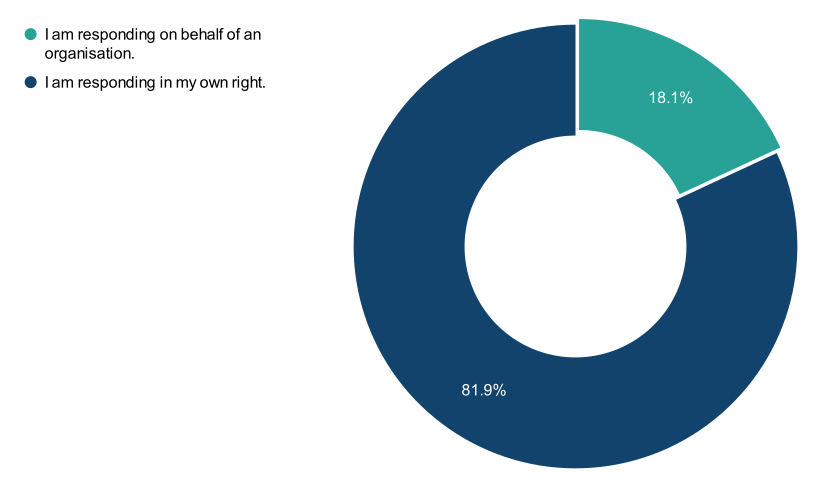
The CfE received 4550 responses from all across the country (Fig G1), and most of the responses came from individuals responding in their own right (Fig G2).
Fig G1 - Spread of respondents to Call for Evidence
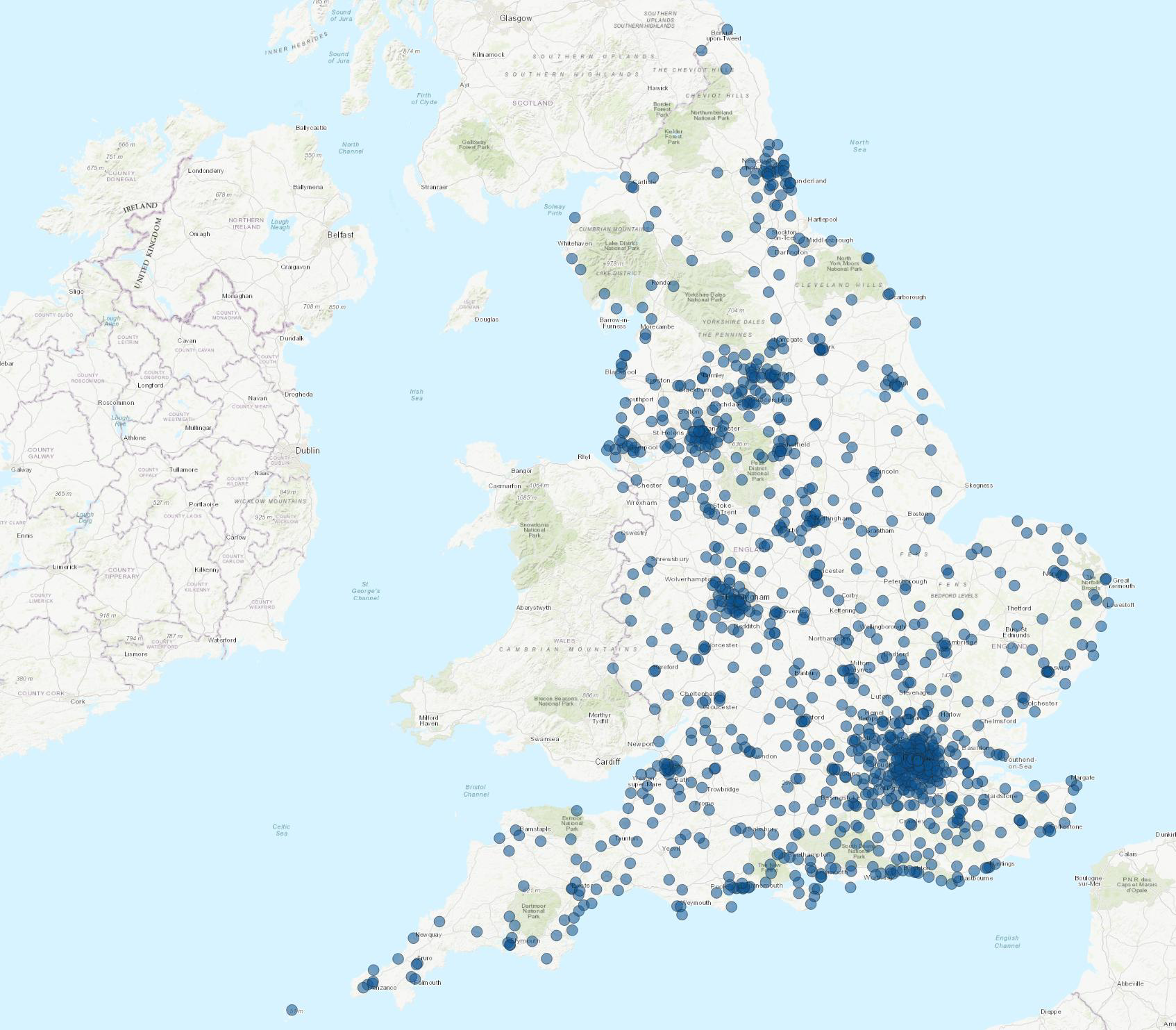
Fig G2 - Please indicate whether you are responding individually or representing an organisation. Choose “in my own right” if sharing personal views, or “on behalf of an organisation” if providing official responses for an employer or institution.
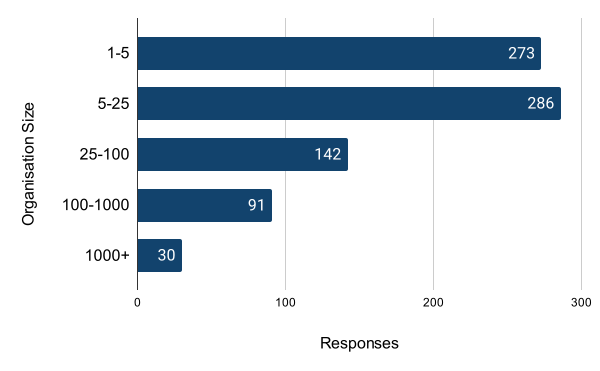
Of the individuals responding in their own right, the majority were from London and the South of England (Fig G3). For organisations, the largest proportion described their organisation as a national organisation. The largest number of regional organisations that responded came from London and the South (Fig G4). We received responses from a spread of different sized organisations, and this reflected the national picture (Fig G5).
Fig G3 - Individuals (3724 response)
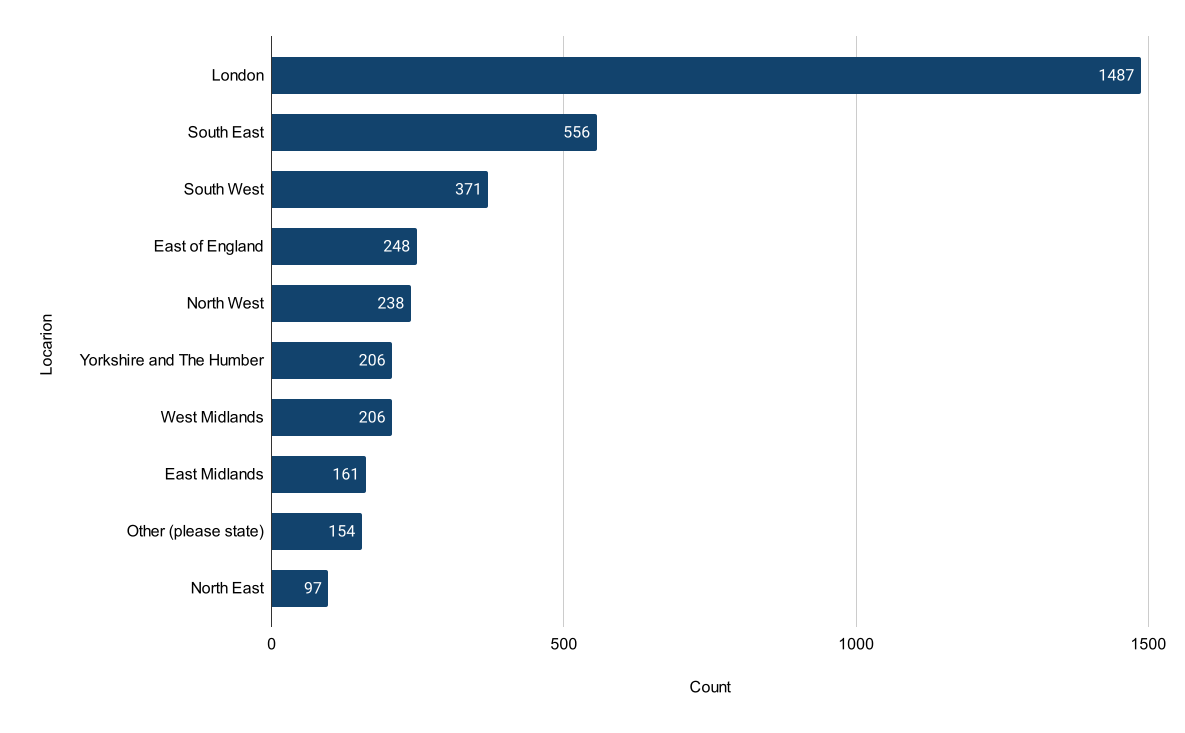
Fig G4 - Organisations (822 responses)
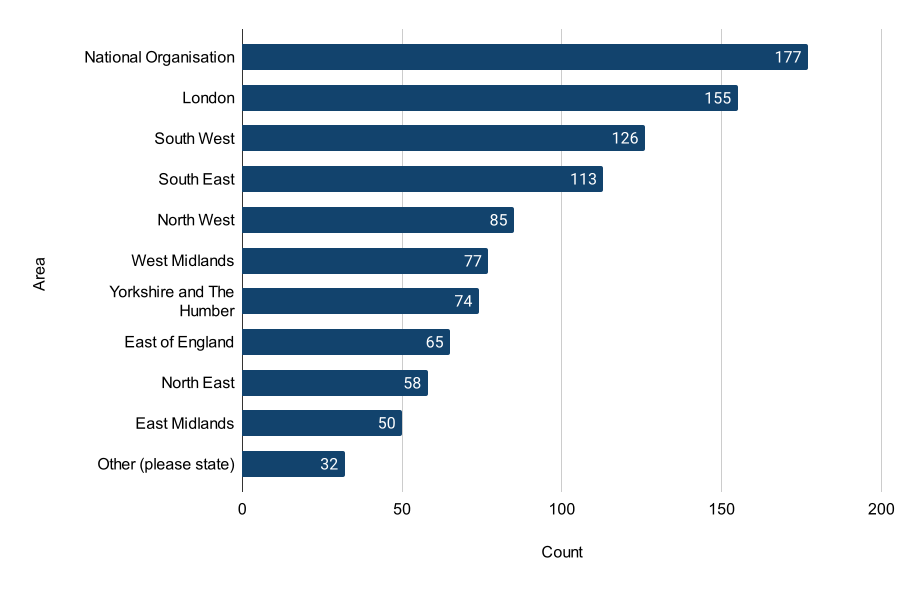
Fig G5 - How many people work for your organisation?
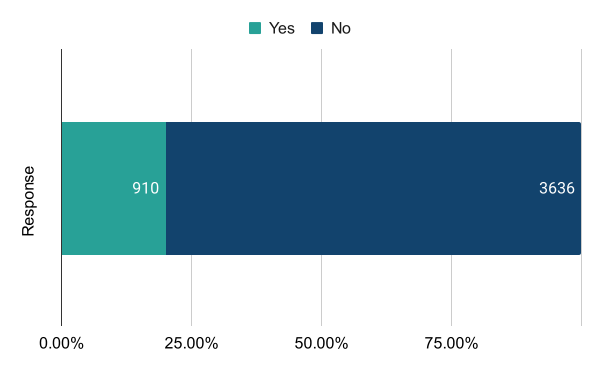
We received responses from a broad spectrum of ACE sectors and stakeholders. However nearly one in five of the responses (18%) came from organisations and individuals that are not involved in the arts and culture sector (Fig G6). The majority of respondents are not currently in receipt of ACE funding (Fig G7).
Fig G6 - Which best describes the sector(s) which you or your organisation work in?
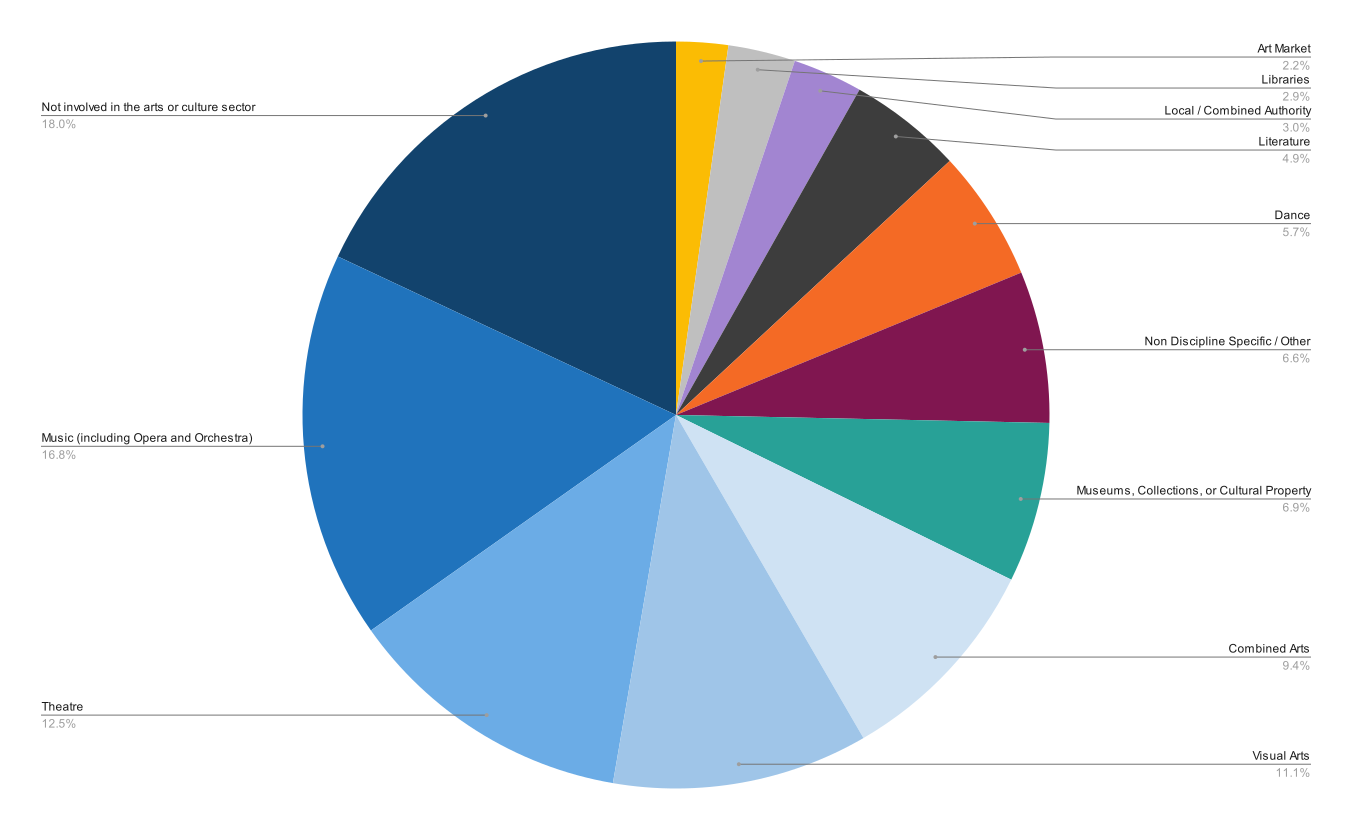
Fig G7 - Are you currently in receipt of Arts Council England funding?
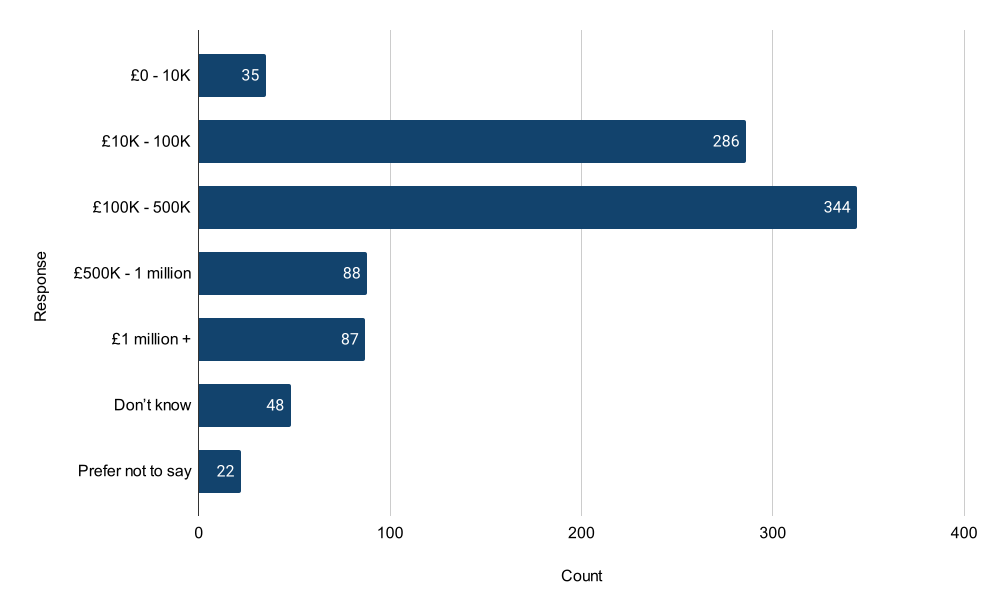
Additional to this, for those in receipt of ACE funding, many are NPOs (45%). The next biggest group comprised respondents in receipt of National Lottery Project Grants (26%). There was a good range of recipients across the various funding brackets (Fig G8).
Fig G8 - Approximately how much funding a year do you receive?
Key findings
The following key themes emerged from the survey. These findings are presented in order of thematic prevalence:
- Re-prioritise artistic excellence
- Relationships between ACE and government
- Funding distribution
- Community engagement
- Bureaucracy, guidance, and feedback
In addition to looking at the top themes, we have given consideration to the breadth of views. Though there were fewer responses, we sought out views on topics such as museums and libraries, and ACE’s statutory functions.
Re-prioritise artistic excellence
The majority of respondents support ACE’s current 10 year strategy, Let’s Create and its core aims of making arts and culture accessible, inclusive, and relevant to all communities (Fig G9).
Fig G9 - On a scale of 1-5 how strongly do you support ACE’s current 10 year strategy Let’s Create?
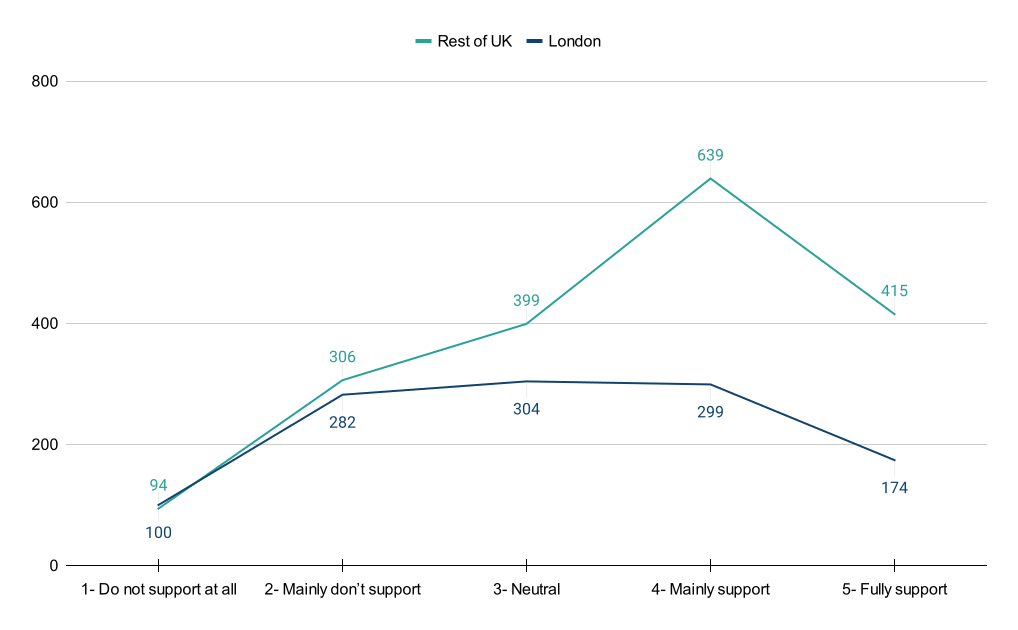
The qualitative data results provide a more nuanced picture. They show that a significant number of respondents want ACE to have a mandate that prioritises artistic quality, innovation, and professionalism as the primary criteria for funding.
Many call for a return to supporting artistic excellence, trusting artists’ creative instincts, and recognising that not all high-quality art will have an immediate, direct, measurable social outcome or impact on participation. Concerns were raised that an overemphasis on social outcomes dilutes artistic standards and undervalues the years of training and professional experience required for artistic mastery.
Respondents suggested that the UK’s global reputation and cultural soft power are at risk due to perceived declines in quality, funding cuts, and a strategic shift away from excellence. They want stable, long-term funding for nationally and internationally significant artists and organisations, viewing this as a crucial investment in the UK’s standing as a centre of creative excellence.
This is not to say that people value accessibility and inclusivity less, but respondents felt that this should be linked to the ambition for artistic excellence, not in competition with it.
Relationships between ACE and government
Declining government funding is consistently identified as a primary threat to the arts and culture sector. Funding is seen as insufficient and unstable, with respondents demanding a significant, sustained, and long-term increase in grant-in-aid to ACE, with multi-year financial settlements for stability.
There is a profound and widespread concern that the ‘arm’s-length principle’ has been critically eroded. Respondents cited specific examples, such as the ‘Levelling Up’ agenda driving funding decisions, the controversial English National Opera relocation, and the influence of ‘culture wars’ on artistic freedom. Areas of concern included:
- ACE was perceived as increasingly politicised and subservient to the government of the day; acting as a delivery mechanism for political agendas rather than as an independent arts development body
- Political interference compromising ACE’s integrity, forcing politicised funding decisions that prioritise government objectives over artistic merit or expert judgment
- A damaging climate of instability, fear, and self-censorship in the arts sector, as organisations feel pressured to align with prevailing political ideologies to secure funding
- The constant shifts in political priorities undermine long-term strategic planning and harm the UK’s international cultural reputation
- A significant minority specifically suggest that ACE leadership fails to adequately challenge this interference or advocate robustly for the sector
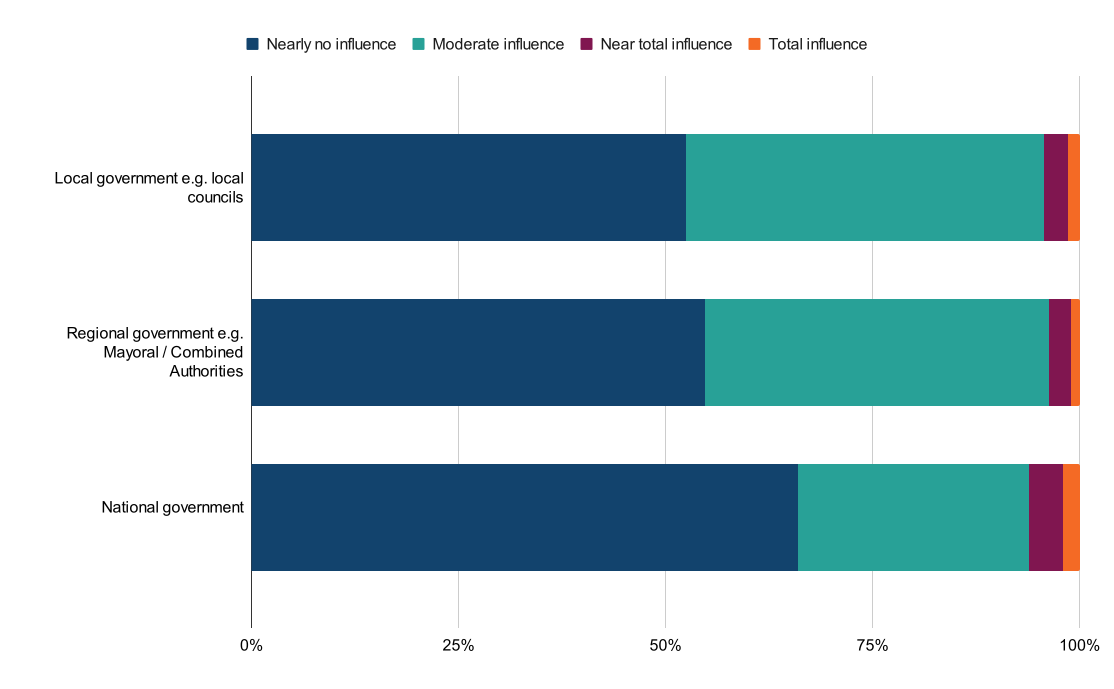
In both the quantitative and qualitative parts of the survey, people were clear that they want governments at all levels to respect the arms-length principle. People want a clear separation between the national government’s role in setting a high-level strategic remit and ACE’s autonomous role in implementing that strategy and funding decisions through independent, expert-led decision-making. People want local and regional governments to work with ACE on regional cultural plans, and people are keen for funding decisions to be made closer to communities.
Fig G10 - How much influence should each level of government have in funding decisions?
Funding distribution
Respondents consistently and strongly assert that ACE’s funding is inequitably distributed, creating significant geographic and socio-economic barriers to arts and culture. There is a widespread perception of a ‘London-centric’ bias, with funding and opportunities concentrated in the capital and other major cities at the expense of rural areas, coastal towns, and post-industrial regions. People believe that working-class artists and communities are being systematically under-served, and that the high cost of participation (e.g., ticket prices, travel) makes the arts feel elitist and inaccessible to low-income households. This is seen as perpetuating a homogenous cultural landscape where creativity is confined to affluent urban centres, directly contradicting the ‘arts for all’ mandate.
Respondents call for a fundamental rebalancing of investment towards “levelling up” areas, “cultural cold spots,” and “under-served regions.” There were several calls for a rebalancing of resources away from the capital and large established institutions towards better supporting the cultural offer in regional and rural areas.
At the same time, there was criticism of ACE for cutting the funding of prominent organisations such as the English and Welsh National Operas – although the ENO is London based. Respondents said this was evidence that ACE is failing to protect and nurture the major cultural institutions, which respondents assert are key to the nation’s soft power and international reputation.
Community engagement
Respondents reported a significant disconnect between ACE’s national strategies and local community realities. Engagement was often described as top-down and superficial. Respondents were critical of a reliance on established institutions as intermediaries and a failure of ACE to listen directly to grassroots artists and residents, leading to cultural provision that often felt irrelevant and imposed.
Respondents asserted that local communities knew best their own needs and the value of local cultural assets. They felt that local knowledge and expertise is currently undervalued in favour of centralised decision-making and simplistic data metrics.
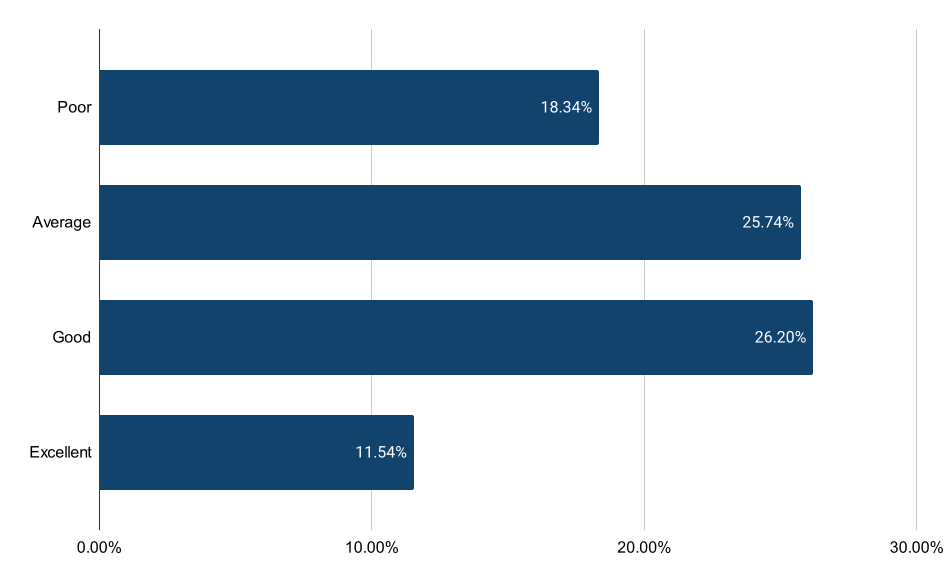
There were calls for increased direct, on-the-ground presence, stronger strategic partnerships with local authorities, and making decisions closer to local communities with more local engagement and more community led initiatives.
Fig G11 - Please rate ACE’s efforts to actively involve local organisations, and community groups in decision-making

Fig G12 - Please rate ACE’s efforts to engage with diverse communities including in deprived areas
Bureaucracy, guidance, and feedback
Many of the respondents described ACE’s grant application processes as overly complex, bureaucratic, time-consuming, and inaccessible, particularly for disabled, deaf, and neurodivergent applicants, as well as for individual artists and small organisations. The application portal Grantium received particular criticism for being “unfit for purpose”.
Respondents reported that ACE’s heavy use of jargon excludes small organisations and individuals, and the lack of clear guidance, and inconsistent feedback on unsuccessful bids fosters distrust and creates a closed system that favours those with prior experience and professional grant-writing skills.
Respondents felt that ACE needed to improve the communication and feedback on its funding decisions (Fig G13). The free text responses highlighted that the current feedback on applications, especially unsuccessful ones, is perceived as generic, vague, or entirely absent. Respondents suggested that a lack of quality feedback led to demoralisation and hindered applicants from understanding how to improve for future bids.
Fig G13 - How clear is ACE in communicating, including when sharing the results and reasons for its funding decisions to applicants?
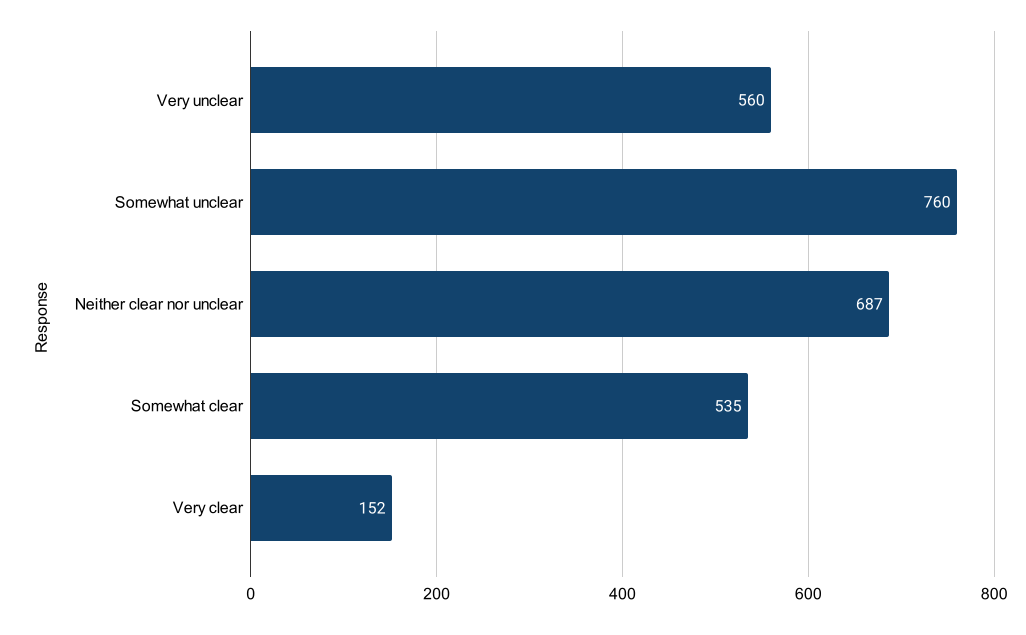
Fig G14 - Please choose three priority areas where ACE could improve its grant application process
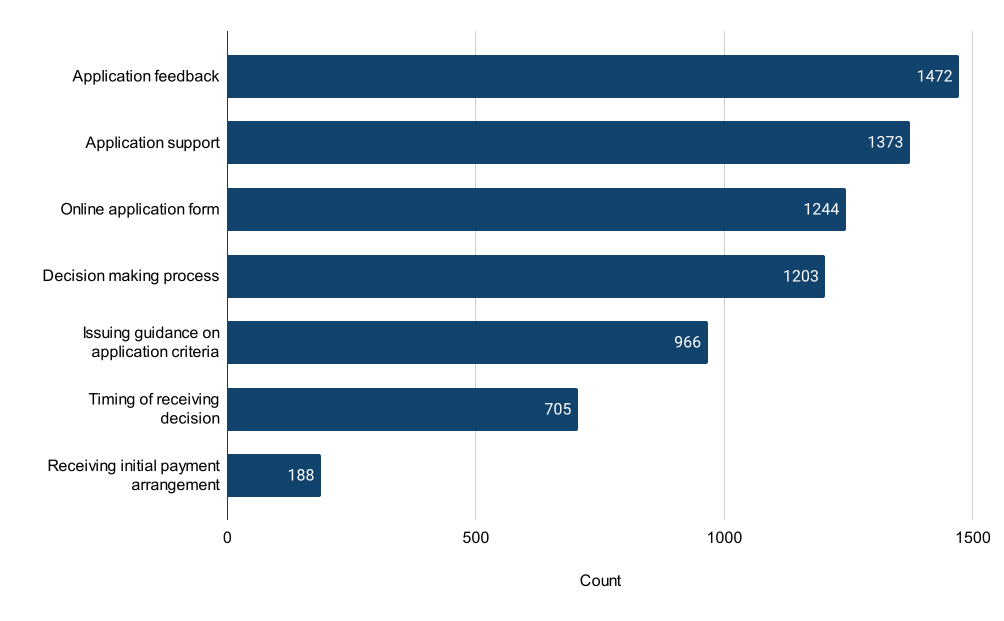
Application feedback and support were the two priority areas that respondents wanted ACE to improve (Fig G14).
We asked about the clarity and the ease of understanding associated with the guidance and information provided on the ACE website and by ACE staff (Fig G15 and G16). Respondents found ACE staff far more helpful and informed than the material on the website, which people did not find easy to find or understand. However the free text box responses did contain some reports of frustration, with suggestions that information and advice from ACE staff was sometimes inconsistent or contradictory, which further exacerbated the difficulty in navigating the application process.
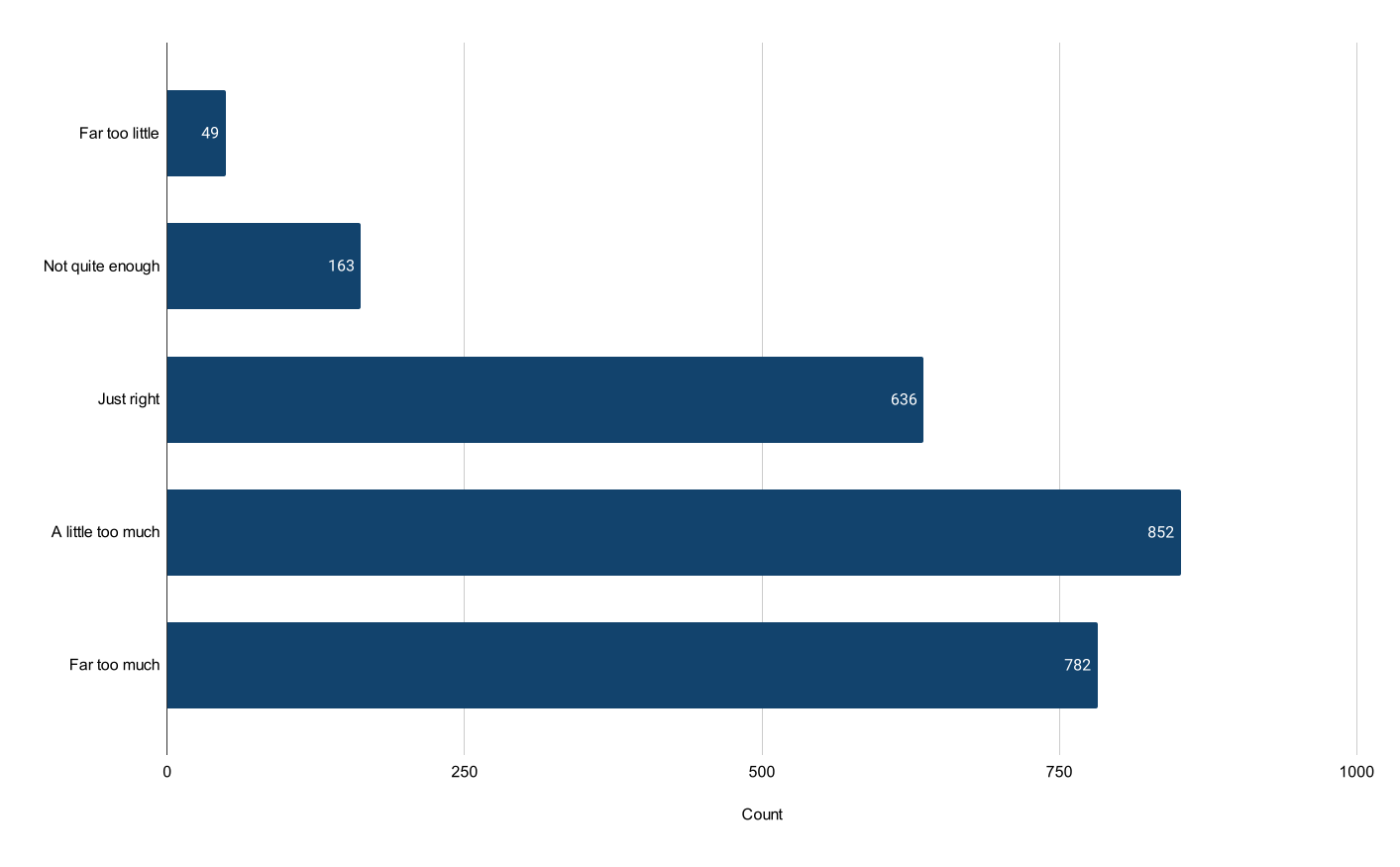
Fig G17 shows that respondents thought the level of data and information requested by ACE was disproportionate to the amount of funding applied for.
In free text responses, respondents demanded a radical overhaul and simplification of these systems. The application processes were repeatedly cited as a major barrier for smaller organisations and individual artists in particular. This created a significant hurdle to accessing funding and exacerbated existing inequalities. People called for ACE to co-design new processes with artists, especially those with access needs. Other suggested improvements include creating simplified, tiered application forms for smaller grants; offering alternative submission formats (e.g., video or conversational applications); providing clear, plain-language guidance; and providing more accessible support for applicants lacking professional fundraising skills.
Fig G15 - The guidance and instructions on ACE’s website are easy to find and easy to understand.
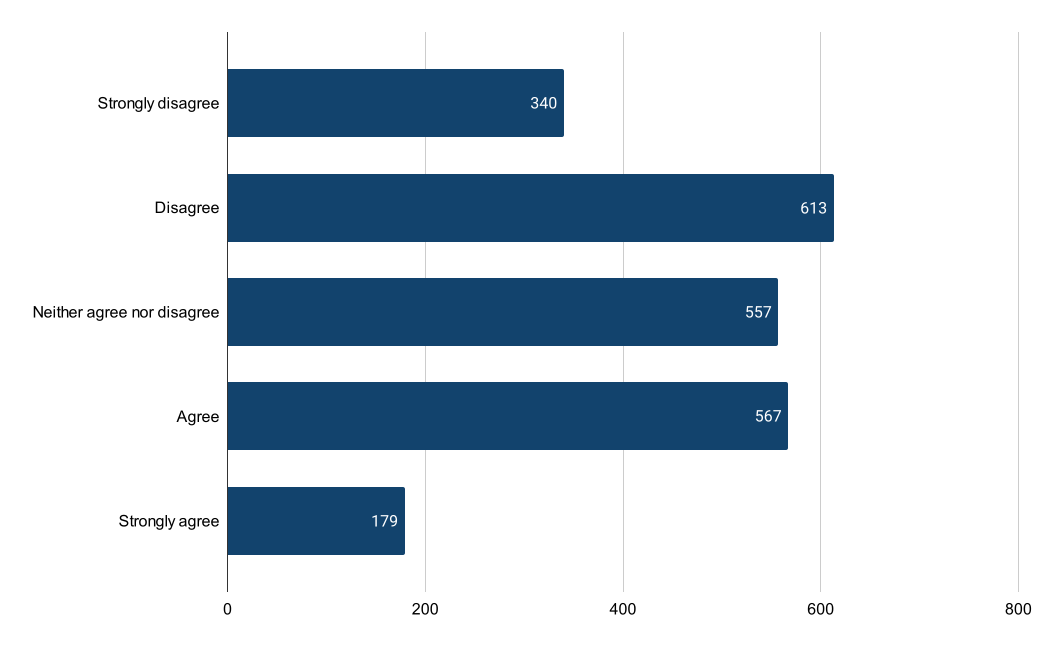
Fig G16 - The guidance and instructions provided by ACE staff are clear and easy to understand
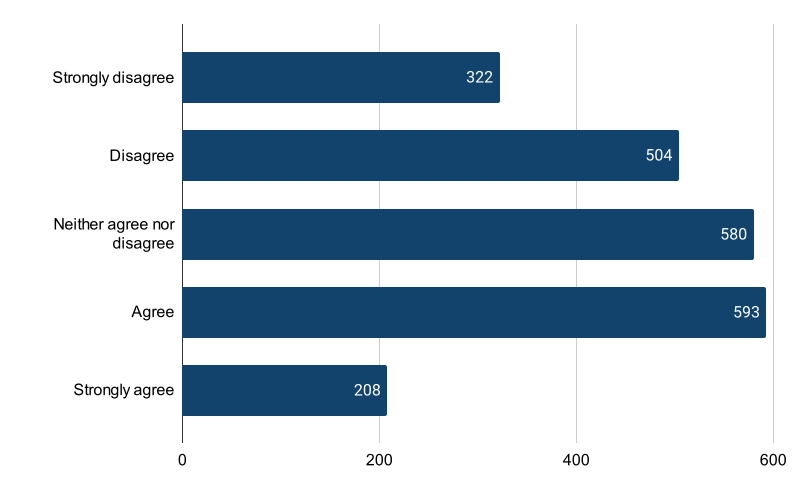
Fig G17 - What do you think of the level of data and information requested by ACE in proportion to the amount of funding being applied for?
Museums and libraries
The core message was that ACE’s strategies, criteria, and processes are structurally and culturally ill-suited to the distinct needs of libraries and museums. Respondents argued that the ‘one-size-fits-all’ approach, perceived as being designed for the performing arts, fails to recognise the unique, long-term responsibilities of collections-based organisations, such as collections care, building maintenance, and preservation. This misalignment leads to reporting difficulties and a feeling that core museum and library activities are undervalued in favour of short-term programming and audience engagement metrics. There were strong calls for streamlined processes, better integration, and a more tailored strategic vision for these sectors.
There was a general feeling from respondents that museums had received more effective and visible support, while libraries had been comparatively neglected. Specific capital funding streams, such as the MEND Fund and Museums Renewal Fund, were consistently praised for preserving collections and infrastructure within the museums sector.
While many respondents praised specific funding initiatives like MEND, a recurring concern was the need for more equitable distribution of resources, particularly to smaller institutions and those in under-served areas, and respondents highlighted the disparity of support between large and small museums/libraries.
Respondents suggested ACE could have intervened more effectively, through increased funding or strategic leadership to address widespread closures and service reductions, with respondents holding ACE responsible. It is important to view these results in light of the fact that various organisations have roles in relation to the oversight and support of libraries, these results indicate that this may not be well understood.
Statutory functions
Respondents expressed satisfaction with ACE’s administration of these schemes, reporting positive and knowledgeable interactions with ACE staff. Respondents noted the importance of these schemes for preserving our cultural heritage.
Some suggested improvements centre around speeding up processes, transparency regarding decision making, and public awareness of what is within the scope of the Acceptance in Lieu and the Cultural Gifts Scheme, and equitable distribution of the benefits across different regions and institutions.
The Government Indemnity Scheme was seen as vital and invaluable for the sector, enabling exhibitions and loans. Some improvements suggested were to better communicate changes to guidelines and procedures, streamlining the process, increasing support for smaller museums and galleries, and simplifying the process for renewals that build on previously submitted data, to reduce the administrative burden.