Analysis of Tax-Free Childcare using RTI and self-assessment data
Published 23 April 2026

© Crown copyright 2026
This publication is licensed under the terms of the Open Government Licence v3.0 except where otherwise stated. To view this licence, visit nationalarchives.gov.uk/doc/open-government-licence/version/3 or write to the Information Policy Team, The National Archives, Kew, London TW9 4DU, or email: psi@nationalarchives.gov.uk.
Where we have identified any third party copyright information you will need to obtain permission from the copyright holders concerned.
This publication is available at https://www.gov.uk/government/publications/analysis-of-tax-free-childcare-using-rti-and-self-assessment-data/analysis-of-tax-free-childcare-using-rti-and-self-assessment-data
1. Summary
1.1 Background
Tax-Free Childcare (TFC) is a government offer, administered by HM Revenue and Customs (HMRC), aimed at helping working families with childcare costs. Under this scheme, for every £8 a parent contributes toward childcare, the government provides an additional £2, up to a maximum of £2,000 per child each year.
To be eligible for TFC, each parent in a household must have an adjusted net income less than £100,000 per year and be expected to earn at least the equivalent of 16 hours per week at the National Minimum or Living Wage over the forthcoming 3 months. The scheme is available for children aged 11 or under, or up to 16 if the child has a disability.
In addition to TFC, parents may access the Department for Education (DfE) Free Childcare for Working Parents (FCWP) offer. From September 2025, this offer was available to eligible families with children aged from 9 months to 4 years in England. Parents may use both TFC and the DfE’s childcare schemes together. Read more about Free Childcare for Working Parents (FCWP).
1.2 Funding and Purpose
This work was funded by the HM Treasury’s (HMT) Labour Markets Evaluation and Pilots Fund (LMEP), announced at Spring Budget 2023. The aim was to evaluate the impact of Tax-Free Childcare on parental work choices.
Part of this funding facilitated the creation of a series of linked datasets, combining TFC administrative records with Child Benefit, PAYE Real Time Information (RTI), and Self-Assessment (SA) data.
The analysis presented in this report uses this linked data, focussing on mothers as they are more likely to experience employment and income changes around childbirth. Child Benefit data was key to identifying groups of mothers and children, while TFC data was used to identify mothers utilising TFC and the DfE FCWP offer. PAYE RTI data and SA data were used to analyse labour market activity.
PAYE RTI includes payrolled employees but does not account for self-employment income or other sources of income such as pensions, property rental, or investments. Self-Assessment data includes all individuals who submit a self-assessment tax return, capturing those with self-employment income or alternative sources of income.
1.3 Analytical Approach and Findings
Linking PAYE RTI and SA data with Child Benefit and TFC records has made it possible to determine employment status, income and periods of maternity leave for mothers.
This has led to the creation of a longitudinal panel dataset to monitor the employment and income trajectories of mothers. This report presents analysis which has been made possible with the data.
The analysis examines three distinct cohorts of mothers, identified via Child Benefit data, and assesses their labour market responses after the birth of their youngest child. A full explanation of the cohort selection is included in the Technical Annex.
The analysis found that mothers using TFC are more likely to return to work following childbirth and return to their working hours from before pregnancy, than non-users.
-
for payrolled mothers 18 months after childbirth, TFC users return to within 5% of pre‑pregnancy earnings, compared with a 28% shortfall for non‑users
-
for self‑employed mothers one year after childbirth, TFC users return to 24% below pre‑pregnancy earnings, compared with 39% below for non‑users
However, due to the complexity of childcare provision over the period, and the characteristics of the TFC user population, it cannot be inferred that TFC was the cause of this higher labour market engagement.
The development of this dataset has enhanced HMRC’s ability to analyse the labour market activity of parents using childcare and provided support to the DfE in their evaluation of the recent free childcare expansion.
2. Labour market outcomes for mothers
This chapter examines the labour market outcomes for 3 cohorts of mothers both before and after the introduction of Tax-Free Childcare. Three cohorts of mothers were identified, a Control, Treatment A and Treatment B.
-
the control includes mothers where their youngest child was born between April 2015 and August 2015, 2 years before the introduction of TFC
-
treatment A includes mothers where their youngest child was born between April 2018 and August 2018, 1 year following the introduction of TFC
-
treatment B includes mothers where their youngest child was born between July 2022 and August 2022, 5 years following the introduction of TFC
Figure 1: Number of mothers by cohort and TFC usage
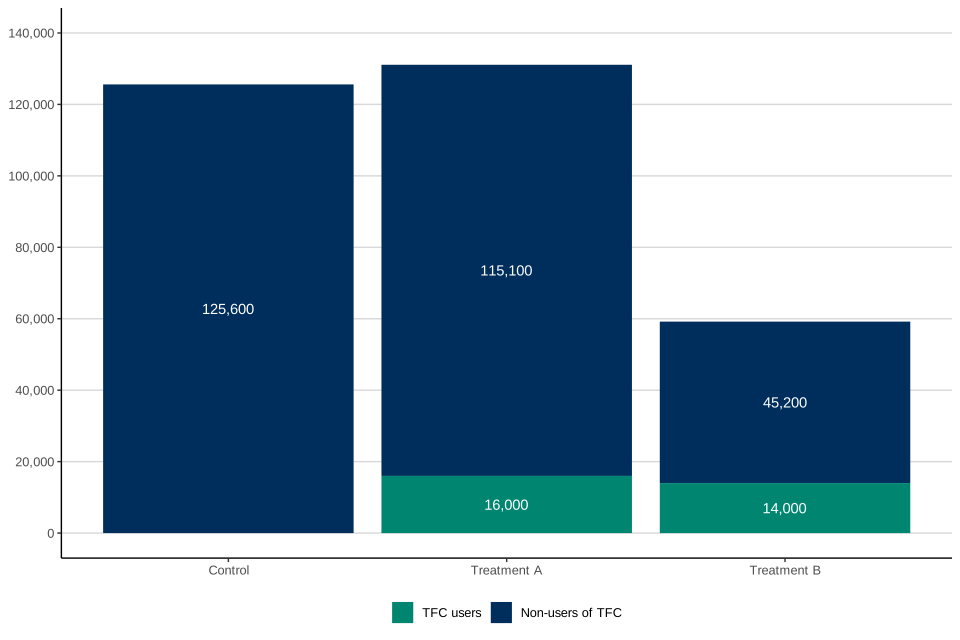
The stacked bar chart in figure 1 compares the number of mothers in the 3 cohorts based on their use of Tax-Free Childcare (TFC). Each cohort is divided into TFC users and non-users. The Control group has the largest number of mothers, while Treatment B has the smallest. The cohort window for Treatment B was restricted to avoid overlaps with the COVID-19 pandemic and the expansion of the Department for Education FCWP offer from April 2024, which could have distorted employment and earnings. This ensured the cohort remained comparable with the control group and Treatment A.
The control group contains 125,600 mothers who are all non-users of TFC. Treatment A contains 16,000 users and 115,100 non-users, whereas Treatment B contains 45,200 non-users and 14,000 users.
The ESC (Employer Supported Childcare) scheme, also known as childcare vouchers, closed to new entrants in October 2018, meaning mothers in Treatment A would have been able to apply before the cutoff. Therefore, a larger number of non-users in Treatment A will be ESC users compared to Treatment B. Read more about the Employer Supported Childcare scheme.
It should be noted that ESC may reduce observed earnings for some mothers, as ESC benefits are provided through salary sacrifice, lowering reported gross pay in PAYE data. This could affect direct comparisons of earnings between the 3 cohorts.
2.1 Overall changes in payrolled employment
Changes to the employment rate of each cohort of employed mothers are considered first. Mothers were defined as payrolled employees if they had at least one month of recorded RTI income across the observation period, and if RTI income was their main source of income.
Figure 2: Percentage of mothers in payrolled employment by cohort
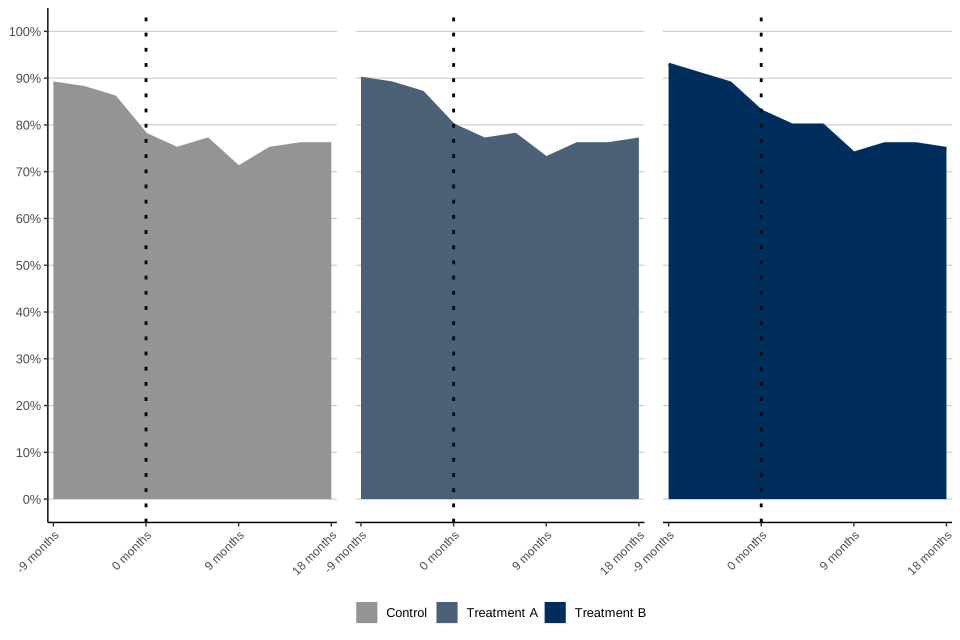
Figure 2 includes 3 line charts showing the percentage of mothers in payrolled employment or receiving Statutory Maternity Pay (SMP). For each cohort, the x-axis shows the age of their child in months. Employment rates decline by around 20 percentage points 9 months post-birth of for all cohorts. This is followed by a partial recovery, with none returning to pre-birth employment levels by 18 months.
The initial employment rate for Treatment A and B is slightly higher than in the earlier Control group. However, they both end up with almost identical, lower employment rates of around 75% by 18-months.
2.2 Percentage changes in PAYE incomes for working mothers
All incomes were adjusted to 2019 prices using the Consumer Prices Index including owner occupiers’ housing costs (CPIH) to allow comparisons across the 3 cohorts.
Figure 3: Percentage change in median, lower and upper quartile PAYE monthly earnings by cohort (2019 prices)
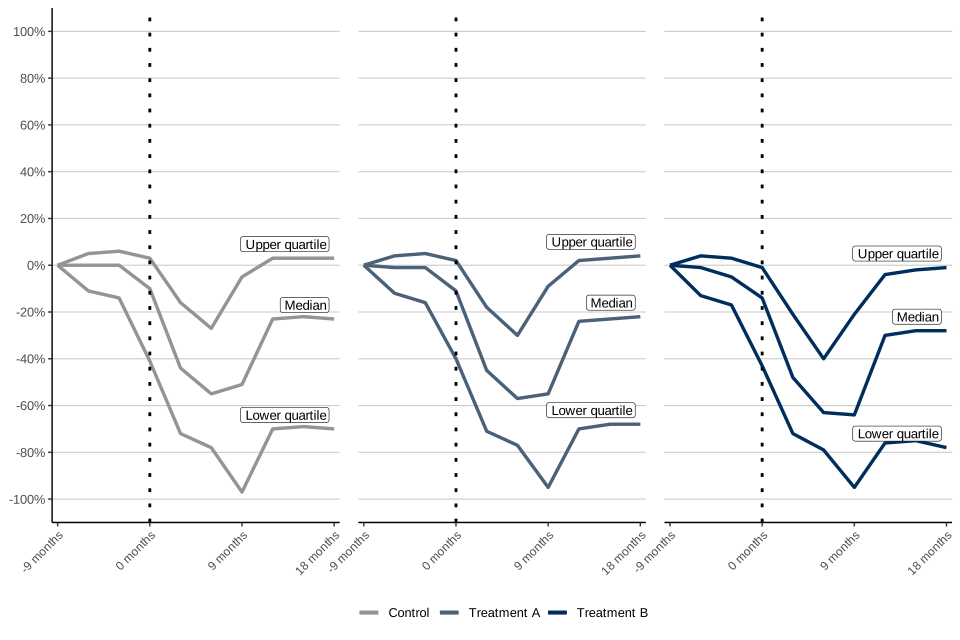
Figure 3 includes 3 line charts showing the percentage change in median, lower quartile, and upper quartile monthly earnings for payrolled mothers. There are 3 charts comparing the 3 cohorts over time relative to the age of their child in months.
Overall, the median incomes by 18-months post-birth are broadly the same across each cohort. Despite mothers returning to work, the average post-birth earnings after the SMP eligibility ends are substantially lower, ranging from a decrease of 23% to 28%. The most substantial reduction is seen in Treatment B, but this is the smallest sample group.
2.3 Overall changes in self-employment
The final year of self-assessment information for Treatment B was not available. Therefore, only comparisons between the Control group and Treatment A are made for employment and earnings.
Mothers were defined as self-employed if they submitted an SA return in either the tax year proceeding the year they had their child, the tax year they had their child or the tax year following the year they their child, and if their self-employment income exceeded any PAYE RTI income received.
Figure 4: Percentage of mothers in self-employment by cohort
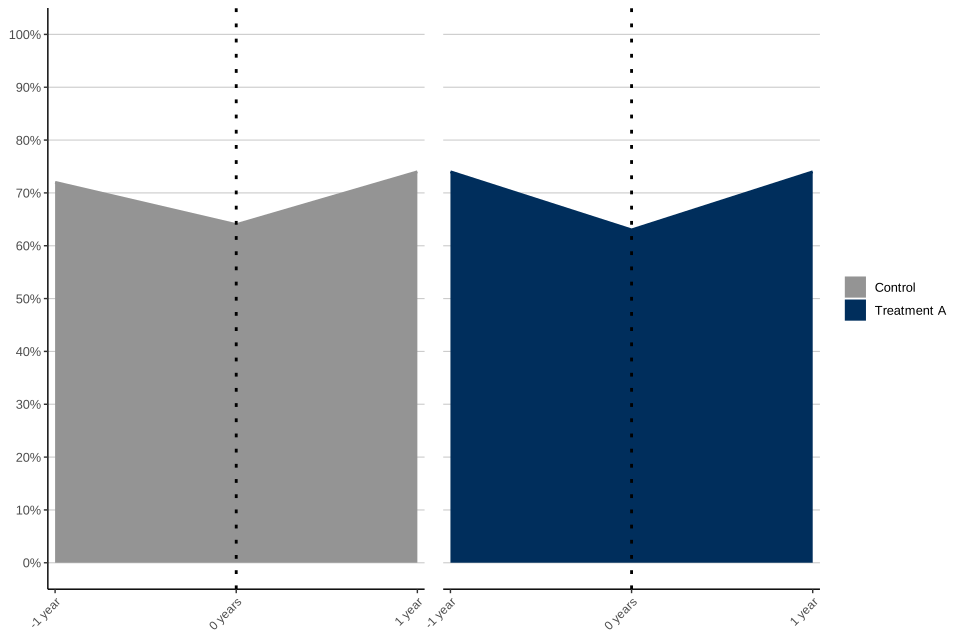
Figure 4 includes 2 line charts comparing the self-employment rates for mothers in the Control and Treatment A cohorts. This is plotted across 3 years relative to the age of their child, in years, on the x axis.
Unlike for PAYE mothers, there is a complete recovery to pre-pregnancy self-employment levels. In the control group, employment decreased from 72% to 64% the in the tax year they had their child but then rose to 74% a year later. Likewise, for Treatment A the employment rate dropped from 74% to 63% but then recovered to 74%.
2.4 Percentage changes in self-employment incomes for working mothers
Figure 5 plots the percentage changes in the median incomes for self-employed mothers who were in self-employment.
Figure 5: Percentage change in median, lower and upper quartile self-employed earnings by cohort (2019 prices)
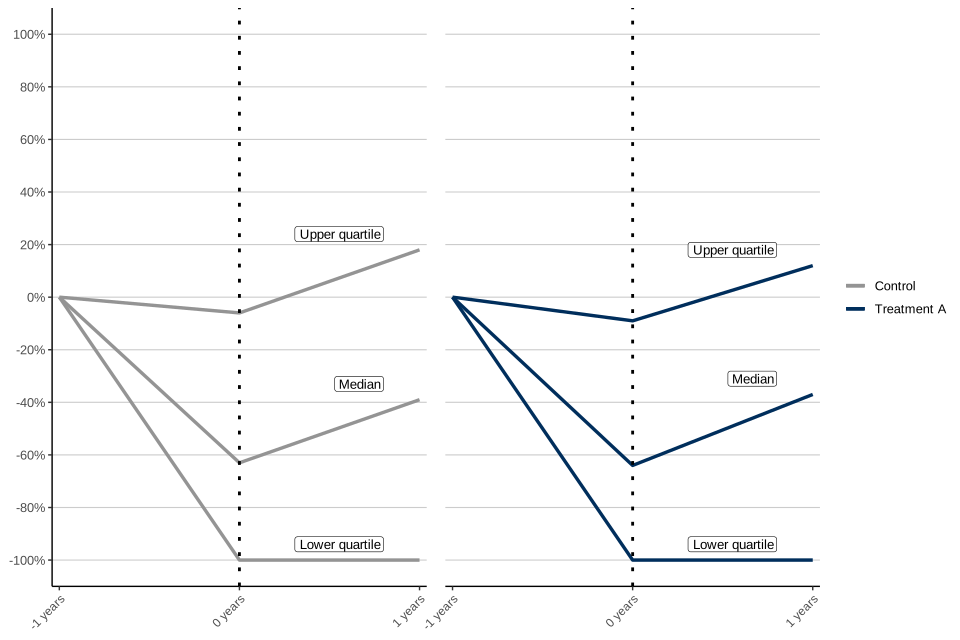
Figure 5 includes 2 line charts illustrating the percentage change in median, lower, and upper quartile self-employment earnings for mothers in the Control and Treatment A cohorts, relative to the age of their child in years.
Earnings decreased by 63% and 64% relative to pre-pregnancy earnings for the Control and Treatment A group of mothers in the year of birth of the child. The decrease reduces to a 39% and 37% one year later. This shows the median changes in post-birth self-employment incomes are almost identical between the Control group and Treatment A mothers.
3. Labour market outcomes for TFC users and non-users
This chapter explores income distributions and labour market outcomes for mothers using Tax-Free Childcare (TFC) versus non-users from Treatment A and B.
3.1 Payrolled income distributions for TFC-users and non-users
For payrolled mothers, earnings data was available up to 9 months before birth. Therefore, as a best estimate, monthly earnings from 9 to 7 months before birth were taken and annualised to estimate pre-pregnancy annual income.
Pre-pregnancy income acts as a baseline for changes caused by pregnancy and childcare policies.
Figure 6: Annual PAYE income for mothers before pregnancy by TFC usage
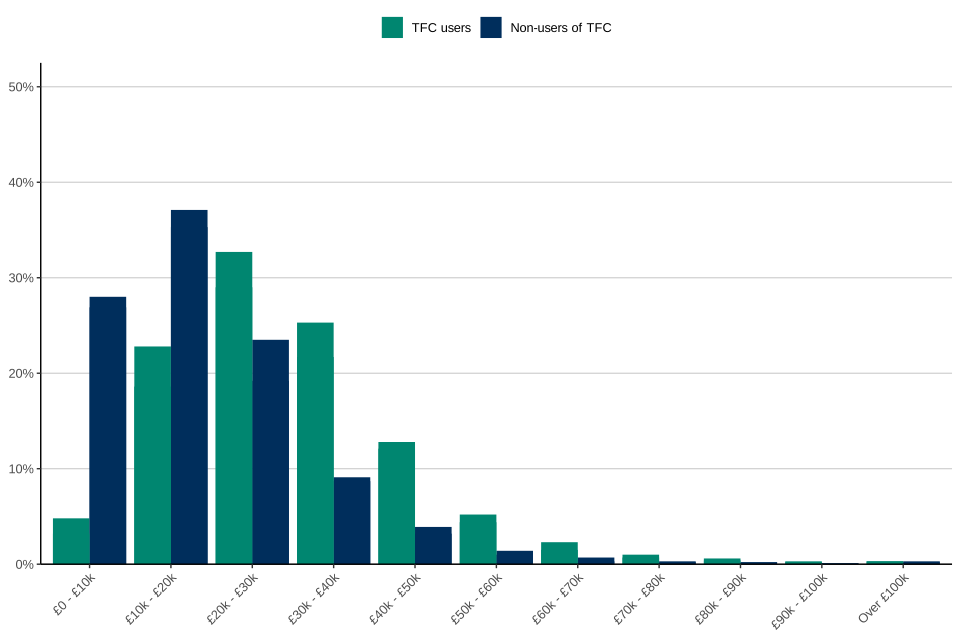
Figure 6 includes a bar chart displaying the distribution of pre-pregnancy annual PAYE incomes for mothers in Treatment A and B by TFC usage. TFC users generally have higher pre-pregnancy incomes than non-users.
As all data is matched to Child Benefit records, it is possible that the income distributions are not entirely representative. Families can
-
claim Child Benefit and receive payments
-
claim and opt-out of payments
-
choose not to claim
This data includes all mothers who claim child benefit, including those who have opted out of payments. Some families choose to claim but opt out to retain the non‑monetary benefits of claiming, while avoiding the High Income Child Benefit Charge (HICBC). Those who choose not to claim are not included.
In recent years, there has been an increase in those who choose not to claim (see HMRC published Child Benefit take-up statistics).
3.2 Overall changes in PAYE employment
This chapter looks at the percentage of payrolled mothers in employment over time for TFC-users and non-users from Treatment A and B.
Figure 7: Percentage of mothers in payrolled employment or receiving SMP by TFC usage
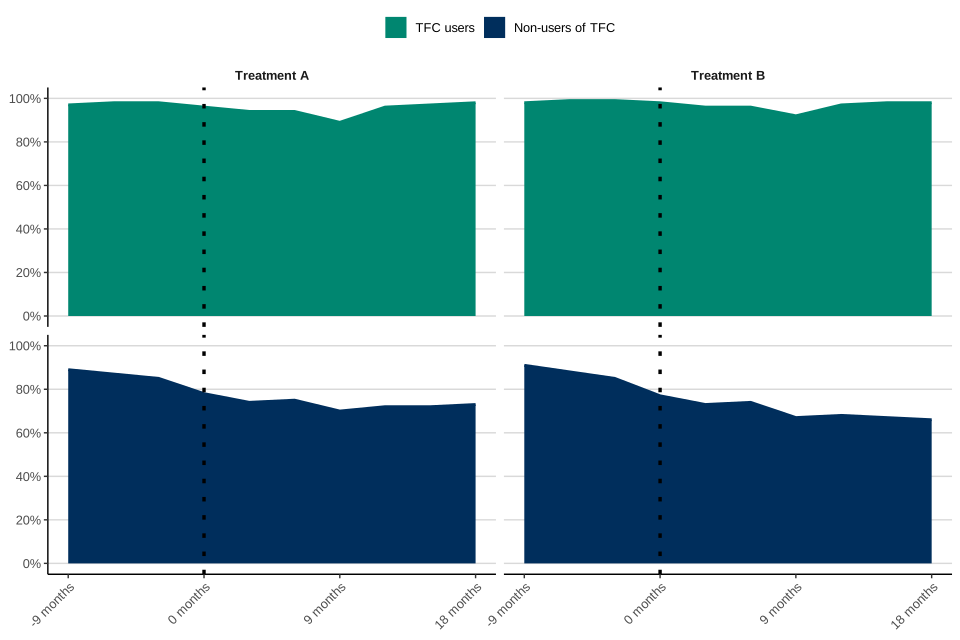
Figure 7 includes 4 line charts comparing the employment rates over time for TFC users and non-users in Treatment A and B. This is relative to the age of their child in months, as shown on the x-axis.
TFC users from Treatment A and B have a high and stable rate of employment throughout the observed period, ranging from 89% to 98%. The graph shows that TFC users from both treatment groups follow almost identical employment trends over time.
The Treatment B non-user group shows a noticeably sharper fall in PAYE employment, from 91% to 66% in comparison to 89% to 73% in Treatment A. The Employer Supported Childcare (ESC) scheme closed to new entrants in October 2018, meaning that all mothers in Treatment A would have been able to apply before the cutoff. Therefore, a larger number of non-users in Treatment A will be ESC users compared to Treatment B. This may explain the sharper decrease in employment for non-users in Treatment B.
3.3 Percentage change in PAYE earnings
This chapter looks at the change in real earnings over time when comparing TFC users and non-users who were in employment when becoming pregnant. Some non-users in all cohorts may have ESC, which could result in lower reported earnings due to salary sacrifice arrangements. This should be considered when interpreting differences in post-birth earnings between groups.
Figure 8: Percentage change in median, lower and upper quartile monthly PAYE earnings by TFC usage (2019 prices)
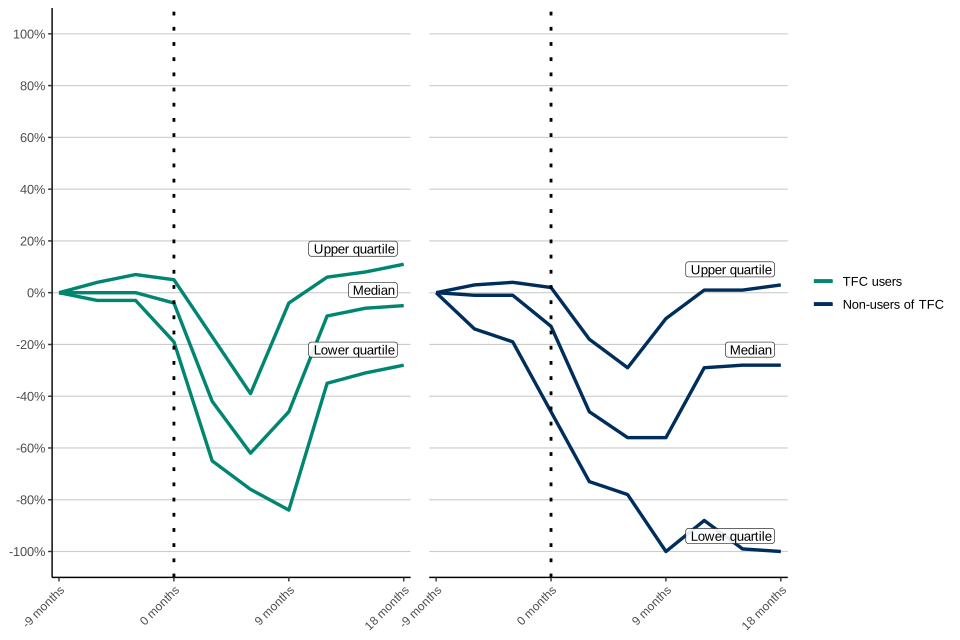
Figure 8 includes 2 line charts showing the percentage change in median, lower, and upper quartile monthly PAYE earnings for mothers who were employed at the start of pregnancy, comparing TFC users and non-users. This is relative to the age of their child in months on the x-axis.
Average earnings almost completely recovered amongst TFC users, to 5% less than pre-pregnancy levels by 18 months. In contrast, non-users earnings were 28% less compared to pre-pregnancy levels.
There is also a greater uptick in earnings from month 9 post-birth for TFC-users (46% decrease compared with a 56% decrease). This suggests a more consistent return to work following maternity leave.
This shows that mothers using TFC are likely to return to work following childbirth and, given the strong recovery in earnings, return to their working hours from before pregnancy.
3.4 Self-employed income distributions for TFC-users and non-users
This chapter looks at the income distributions for self-employed mothers, using the self-assessment income from the tax year prior to pregnancy to estimate annual income before having their child.
Figure 9: Annual self-employment earnings for mothers before pregnancy by TFC usage
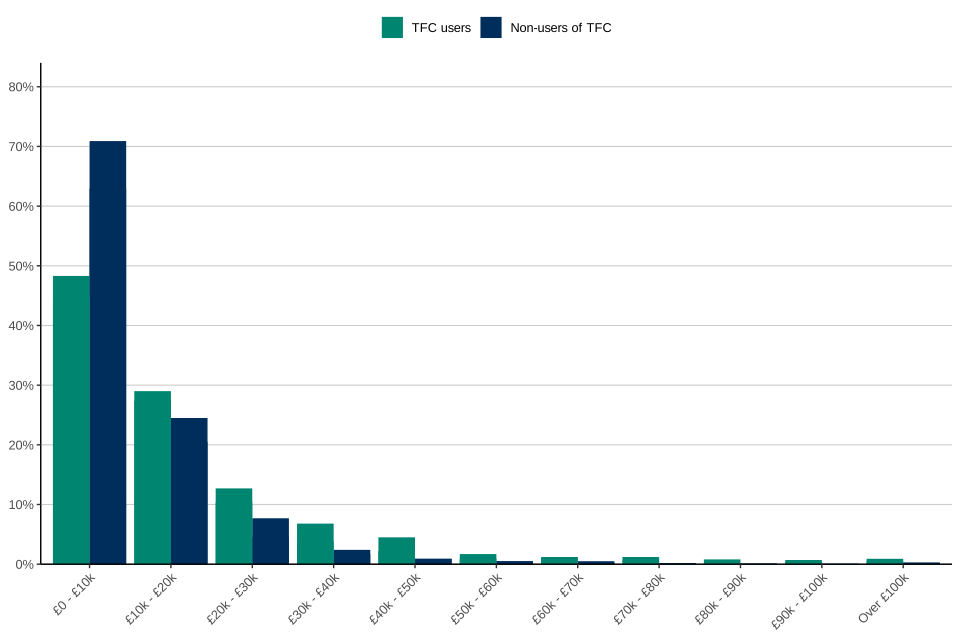
The bar chart in Figure 9 shows the distribution of pre-pregnancy annual self-employment earnings for mothers by TFC usage.
Both groups have lower average incomes than payrolled mothers, but TFC users tend to have higher earnings than non-users. Like payrolled mothers, TFC users had a higher pre-pregnancy income than non-users.
Although many mothers have an income in the £0-10k range, this is based on pre-childbirth earnings so does not impact TFC eligibility. Self-employed individuals can qualify for TFC provided they expect to meet the income threshold over the next 3 months.
3.5 Overall changes in self-employment
This chapter looks at the employment of self-employed users and non-users of TFC in Treatment A. For self-employed mothers, their eligibility is assessed on an expectations-based based earnings criteria.
Figure 10: Percentage of mothers in self-employment by TFC usage
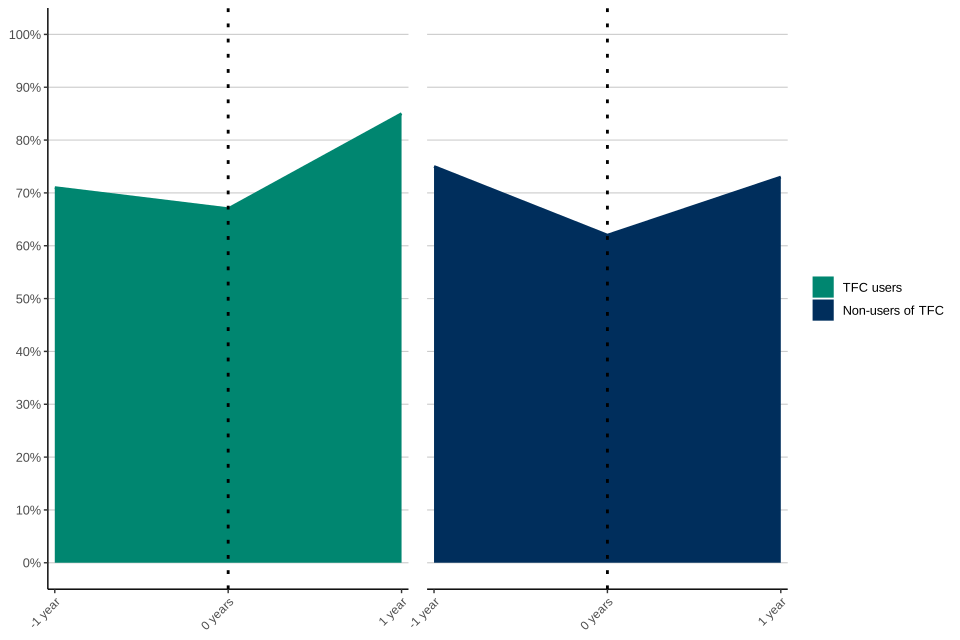
Figure 10 contains 2 line charts comparing self-employment rates for TFC users and non-users in Treatment A, relative to the age of their child in years.
The expectations-based earnings criteria for self-employed TFC users, and mothers switching from self-employment to payrolled jobs over the three tax-years analysed, explains why the percentage of mothers in self-employment does not exceed 90% for users.
Non-user self-employment levels recovered to pre-childbirth levels, whereas TFC-user self-employment levels surpassed pre-childbirth levels by 14 percentage points.
3.6 Percentage change in self-employment Incomes
This chapter looks at the change in self-employment incomes for users and non-users of TFC.
Figure 11: Percentage change in median, lower and upper quartile self-employment earnings by TFC usage (2019 prices)
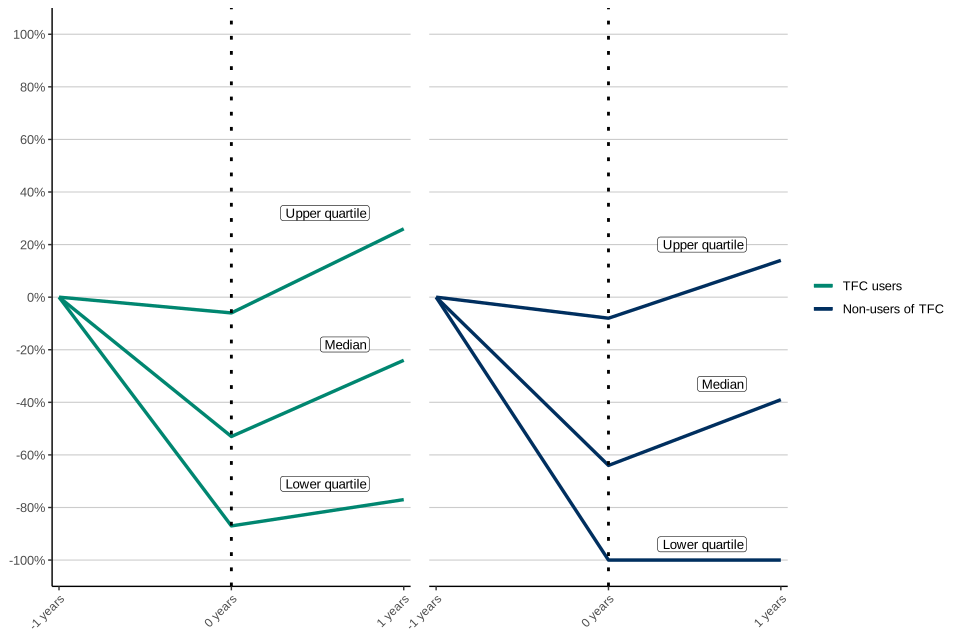
The line chart in Figure 11 shows the percentage change in median, lower, and upper quartile self-employment earnings for mothers, comparing TFC users and non-users, relative to the age of their child in years.
In the year following childbirth, both TFC users and non-users experienced a negative change in their incomes compared to pre-childbirth earnings. There was a decrease of 53% for TFC users and 64% for non-users.
TFC users saw a 24% reduction 1 year following childbirth compared with 39% for non-users.
Like the payrolled mothers, given the stronger recovery in earnings, self-employed mothers using TFC are more likely to return to their working hours before pregnancy.
4. Technical Annex
This chapter looks at how each of the 3 cohorts were selected using the linked datasets. It provides an overview of their size, the observation window and the monthly take-up rate of TFC for Treatment A and B.
This annex also includes a pilot of the analysis. This was carried out using the TFC and RTI PAYE data when they were first matched together. This focussed on the monthly earnings of mothers with children aged 0 to 4 year-olds once they started using TFC.
4.1 Cohort selection
Mothers were identified using Child Benefit data, to isolate the birthdate of their youngest child. The youngest child was chosen so that post-childbirth employment behaviours would not be affected by future maternity leave periods.
Figure 12: Diagram outlining the 3 analytical cohorts
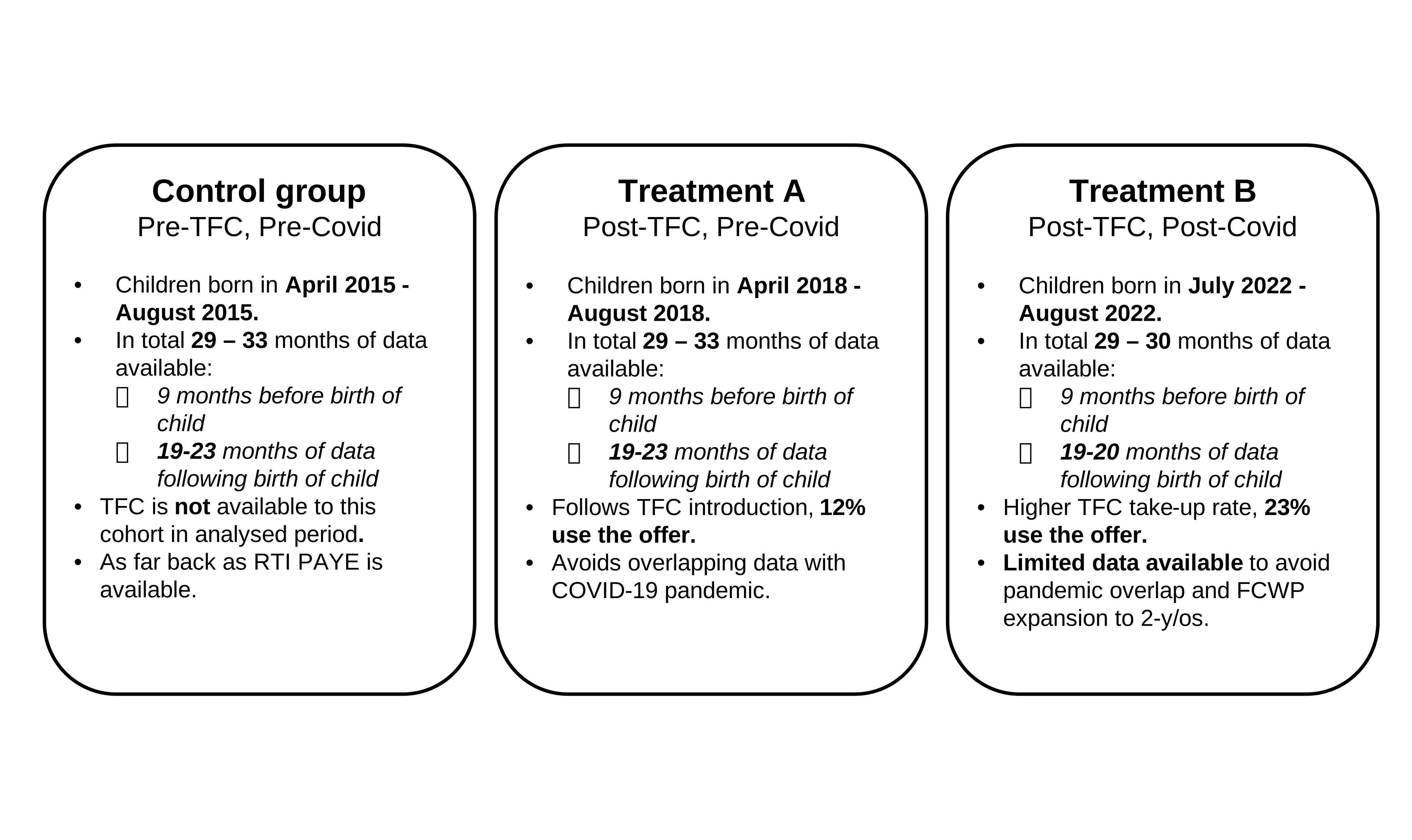
Figure 12 contains a diagram that visually summarises the criteria for selecting the Control, Treatment A, and Treatment B cohorts, including birth dates, observation windows, and policy context.
Mothers were filtered to those in England and aged between 19-55 years old. Anyone with an annual income exceeding £150,000 was also removed. After filtering, the final sample consisted of 315,900 mothers.
The observation windows for the 3 cohorts, as well as key policy events are summarised in Figure 13 below.
Figure 13: Diagram showing the timeline of selected cohorts and key events
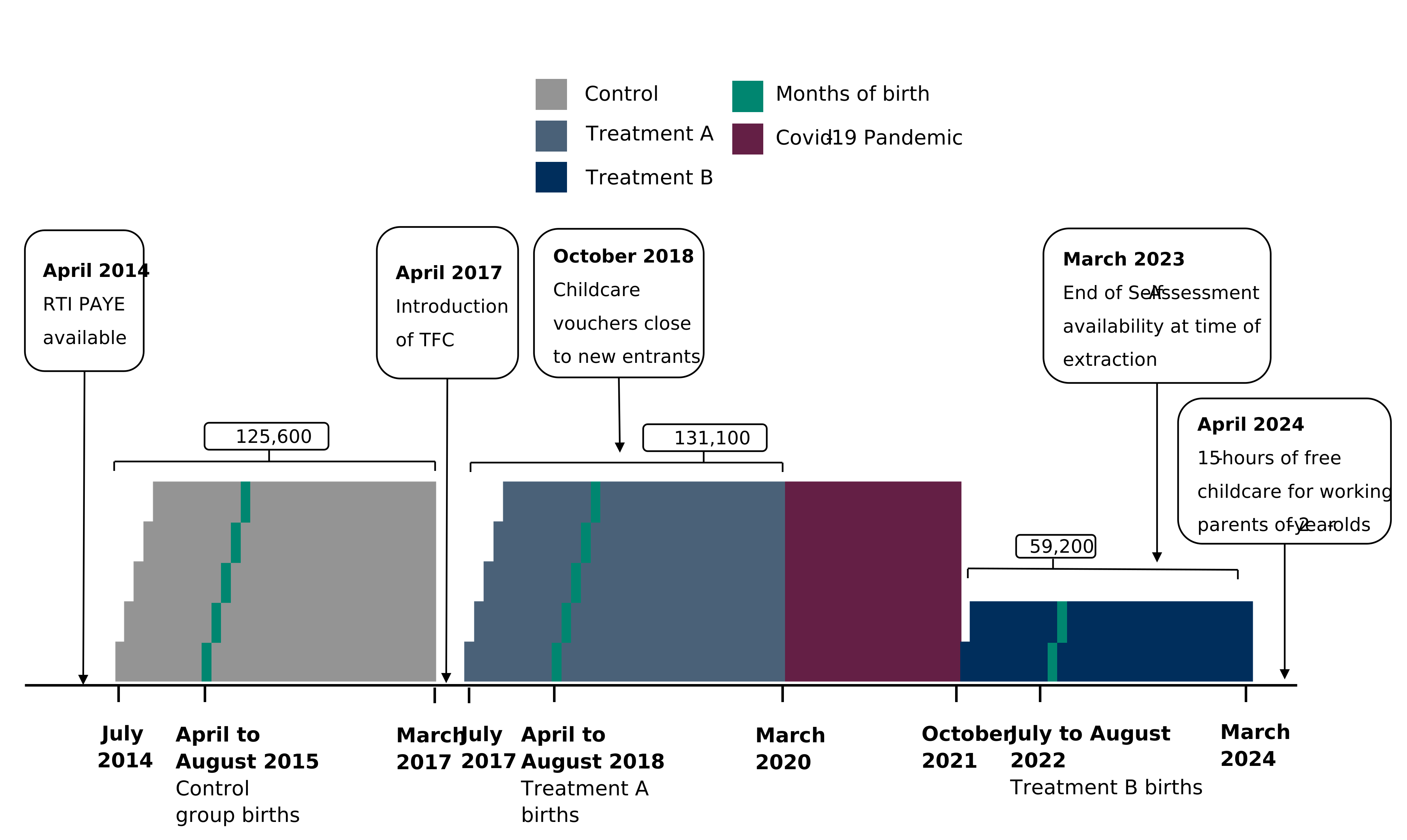
This timeline diagram in Figure 13 shows the observation windows for each cohort. Major policy events, such as the introduction of TFC and changes to childcare offers are noted. This provides context for interpreting the analysis periods and policy impacts.
The data for Treatment B was limited to 18 months post-birth, as this would have overlapped with the roll-out of the expanded Department for Education (DfE) FCWP offer in April 2024.
No SA data was available for the year after childbirth for Treatment B due to the SA deadline being in the January of the following year.
Figure 14: Cumulative percentage of mothers taking-up TFC by Treatment group
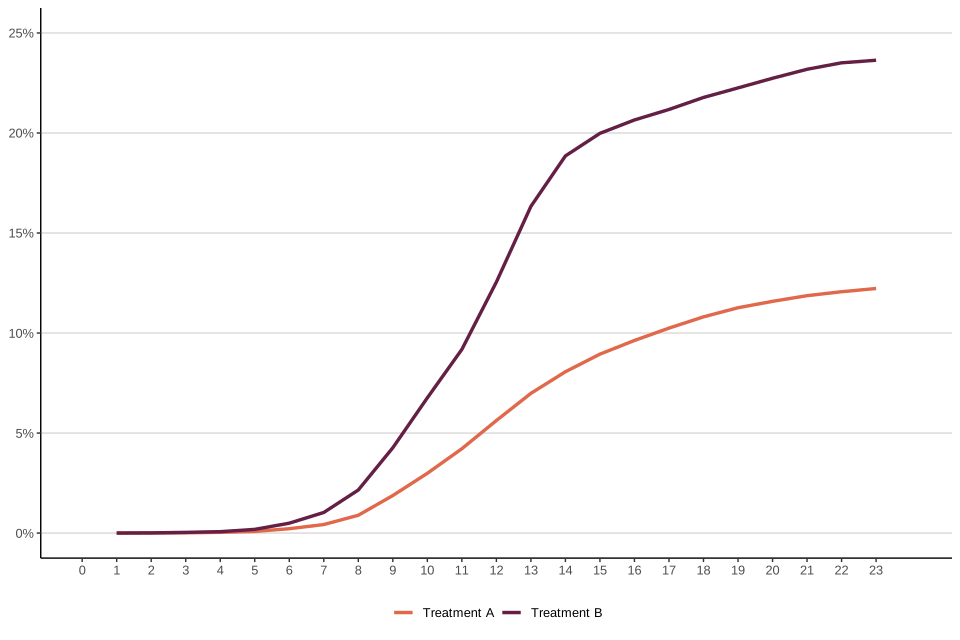
The combined bar and line chart in Figure 14 tracks the cumulative percentage of mothers in Treatment A and B who take up TFC over 23 months following childbirth. It shows a gradual increase for Treatment A and a sharper rise for Treatment B, reflecting differences in policy timing and adoption lag. TFC was introduced in April 2017 one year before the Treatment A observation window began.
The policy offer of ESC was only available for mothers in Treatment B if they had already used vouchers with previous children. Therefore, for new mothers observed, TFC would have been their only option.
Both Treatment groups have a gradual take-up, with minimal payments made within the first 9 months following the birth of their child. This is expected due to parental leave, such as Statutory Maternity Pay (SMP) being available for up to 39 weeks.
Unlike TFC, ESC was only available to those earning PAYE income and not the self-employed population. Table 1 shows the main sources of income for each cohort.
Table 1: Cohort of mothers, by main source of income
| Total | PAYE | Self-Assessment | No income recorded | |
|---|---|---|---|---|
| Number of records | 315,900 | 222,500 | 25,400 | 68,100 |
| Proportion | 100% | 70% | 8% | 22% |
4.2 Pilot analysis
Prior to the main results outlined above, an initial matching exercise was carried out between TFC data and RTI data. With this matched data, experimental metrics were extracted to test the feasibility of the labour market analysis that would be carried out later. This pilot analysis brings together the results from this initial matched data.
The pilot analysis focussed on the labour market activity of mothers with children aged 1 to 2 years old and 3 to 4 years old. Strict cohort selection criteria were applied to minimise confounding variables.
The pilot analysis did not incorporate Child Benefit or SA data. Therefore, the analysis only looks at payrolled employees and uses female TFC users as a proxy for mothers.
Comparisons were made between those TFC users, non-users and relevant ONS labour market statistics.
The pilot analysis took place before the expansion of the FCWP offer in April 2024. Therefore, in this analysis the offer was only available to 3 to 4 year-olds.
Figure 15: Sample selection for analysis
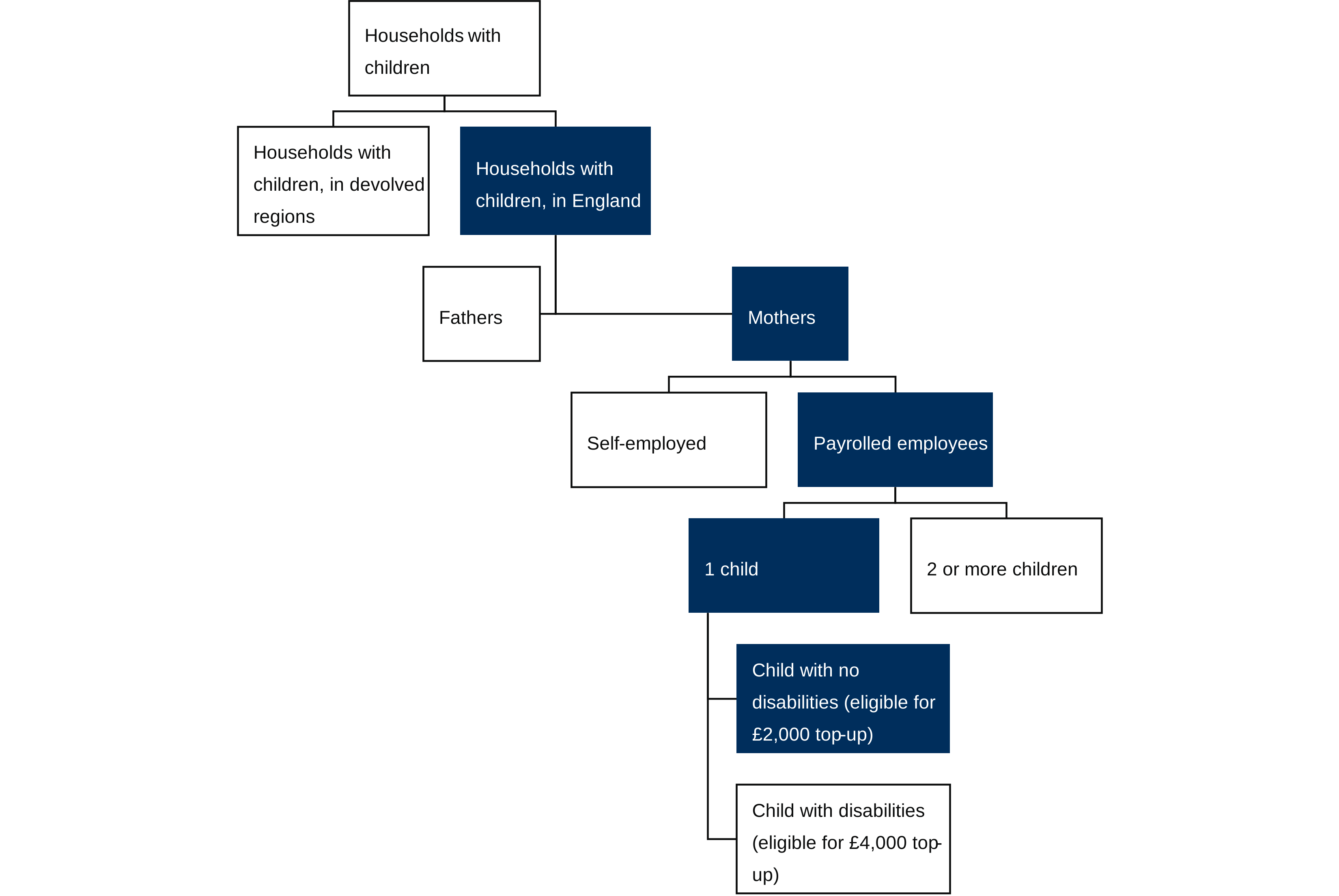
The flowchart in Figure 15 outlines the inclusion and exclusion criteria for the pilot analysis. This shows how households, mothers, and children were selected based on region, employment status, and eligibility for TFC.
While TFC is available, alternatives to the DfE FCWP offer are in place for the devolved nations of Scotland, Wales, and Northern Ireland. Therefore, only accounts with a postcode from England were taken forward.
TFC accounts for disabled children have been filtered out as they are eligible for up to £4,000 of top-up.
Table 2: Number of mothers in each cohort, by child age rounded to nearest 5
| Cohort | TFC user | Non-TFC user |
|---|---|---|
| 1-2-year-olds | 525 | 15,725 |
| 3-4-year-olds | 390 | 23,555 |
Table 2 shows the number of mothers in each of the cohorts used in the pilot analysis. A cohort of children aged 1 to 2 years old and 3 to 4 year olds was taken, and comparisons made between TFC users and non-users.
To minimise the risk of interference and increase the likelihood of identifying first time mothers, the analysis was limited to families where only one child was registered for TFC.
Mothers with children that turned 2 years old and 3 years old during the Autumn Term between September and December 2021 were selected. These were used for the 1 to 2 year old and 3 to 4 year old cohorts respectively.
TFC users were classified as those who made their first TFC payment in December 2021 or January 2022. Non-users were those who made no TFC payments between October 2021 and March 2023.
Figure 16: Percentage change in median monthly earnings from October 2021 for TFC and non-TFC users for 1–2-year-olds
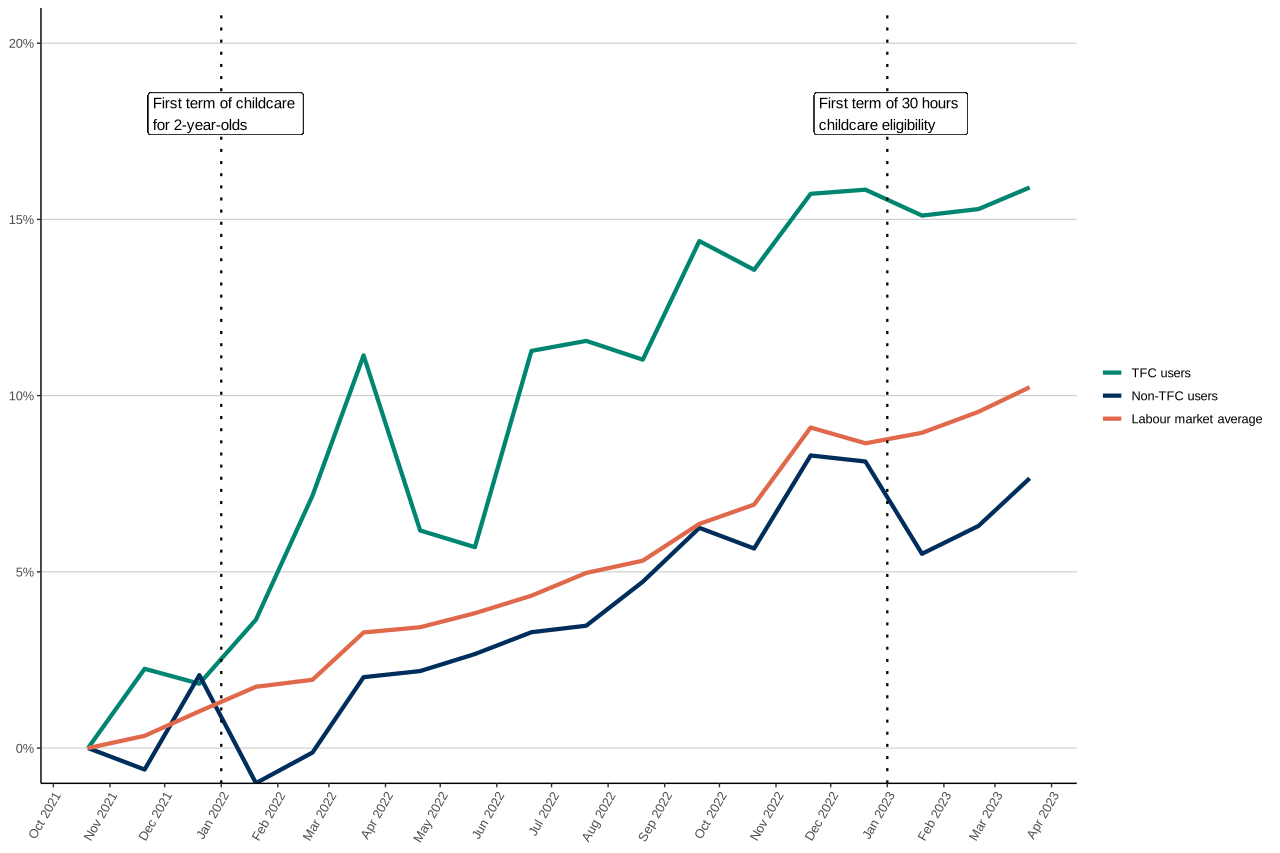
The line chart in Figure 16 compares the percentage change in median monthly earnings between October 2021 to March 2023 for mothers of 1–2-year-olds. There are three series, TFC users, non-users and the general PAYE population.
Between October 2021 and March 2023 TFC users’ monthly median earnings increased by 15%, while non-TFC users’ monthly earnings increased by 6% in the same period. These users became eligible for FCWP in January 2023. Median pay in the general PAYE payroll population rose by 9%.
Figure 17: Percentage change in median monthly earnings from October 2021 for joint TFC and FCWP users and FCWP only users for 3-4-year-olds
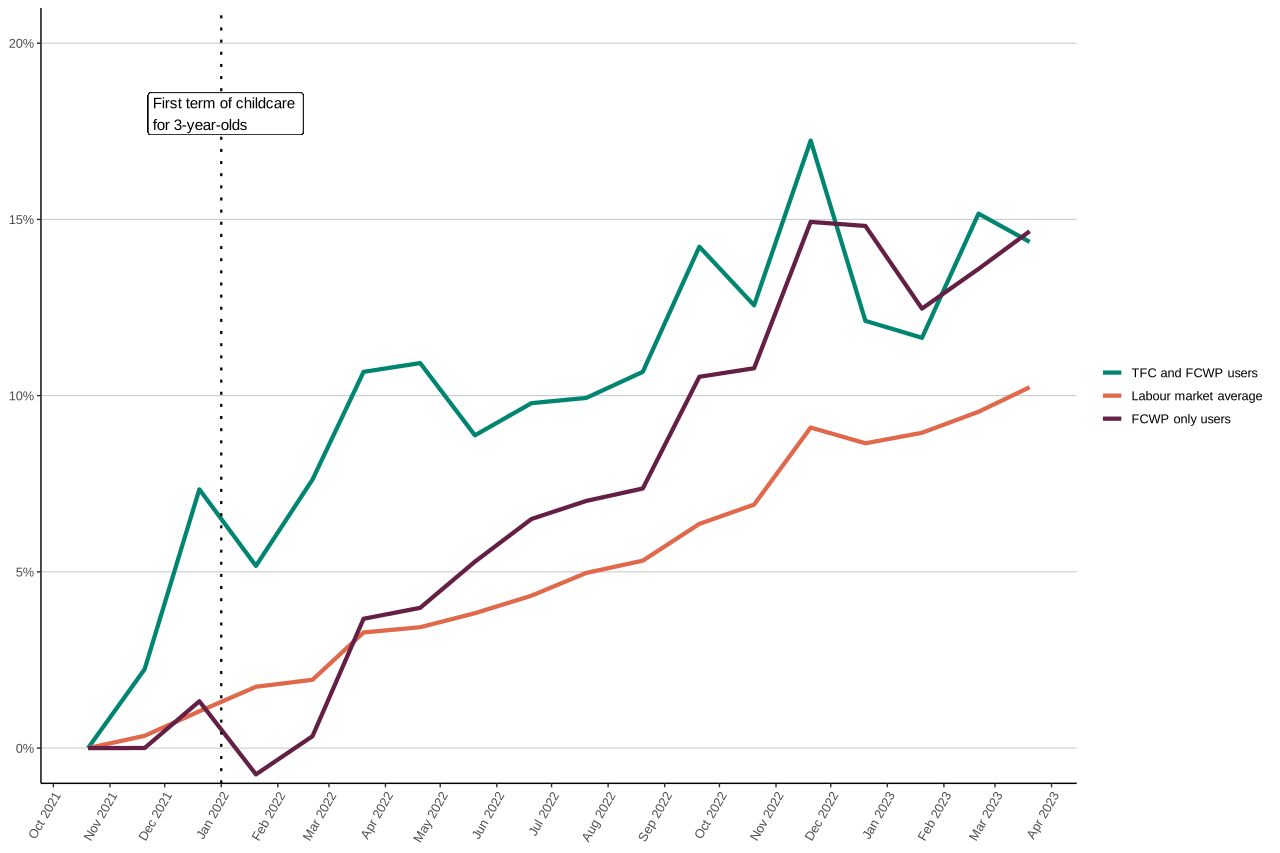
The line chart in Figure 17 compares the percentage change in median monthly earnings between October 2021 to March 2023 for mothers of 3 to 4 year olds. There are three series, TFC and FCWP users, FCWP only users and the general PAYE population.
Between October 2021 and March 2023 TFC users’ monthly median earnings increased by 14% and non-users’ by 15%. These users became eligible for FCWP in January 2022. Median pay in the general PAYE payroll population rose by 9%.