
Phytoestrogens in the maternal diet: Discussion paper
Published 4 September 2026

© Crown copyright 2026
This publication is licensed under the terms of the Open Government Licence v3.0 except where otherwise stated. To view this licence, visit nationalarchives.gov.uk/doc/open-government-licence/version/3 or write to the Information Policy Team, The National Archives, Kew, London TW9 4DU, or email: psi@nationalarchives.gov.uk.
Where we have identified any third party copyright information you will need to obtain permission from the copyright holders concerned.
This publication is available at https://www.gov.uk/government/publications/8th-september-2026-committee-on-toxicity-meeting/phytoestrogens-in-the-maternal-diet-discussion-paper
This is a paper for discussion. This does not represent the views of the Committee and should not be cited.
Introduction
1. The Scientific Advisory Committee on Nutrition (SACN) last considered maternal diet and nutrition in relation to offspring health in its reports on ‘The influence of maternal, foetal and child nutrition on the development of chronic disease in later life’ (SACN, 2011) and in ‘Feeding in the first year of life’ (SACN, 2018). In the latter report, the impact of breastfeeding on maternal health was also considered. In 2019, SACN agreed to conduct a risk assessment on nutrition and maternal health focusing on maternal outcomes during pregnancy, childbirth and up to 24 months after delivery; this would include the effects of chemical contaminants and excess nutrients in the diet.
2. SACN agreed that, where appropriate, other expert Committees would be consulted and asked to complete relevant risk assessments e.g., in the area of food safety advice. This subject was initially discussed during the Committee on the Toxicity of Chemicals in Food, Consumer Products and the Environment (COT) horizon scanning item at their January 2020 meeting with a scoping paper being presented to the COT in July 2020. This included background information on a provisional list of chemicals proposed by SACN. It was noted that the provisional list of chemicals was subject to change following discussion by COT who would be guiding the toxicological risk assessment process: candidate chemicals or chemical classes can be added or removed as the COT considered appropriate. The list was brought back to the COT with additional information in September 2020. Following a discussion at the September 2020, COT agreed that papers on a number of compounds should be prioritised. The following paper provides the advice of the COT on whether exposure to phytoestrogens would pose a risk to maternal health.
Background
3. Phytoestrogens are chemicals of plant origin that have been shown to influence biological processes mainly through their structural similarities to the oestrogens, (primarily female sex hormone 17β-estradiol (E2)), and their ability to bind to oestrogen receptors (ERs) (COT, 2003).
4. The COT Working Group on Phytoestrogens have previously defined phytoestrogens as “any plant substance or metabolite that induces biological responses in vertebrates and can mimic or modulate the actions of endogenous oestrogens using binding to oestrogen receptors” (COT, 2003).
5. The majority of phytoestrogens belong to a group of substituted phenolic compounds known as flavonoids. The main classes of phytoestrogens that have oestrogenic activity that are found in food are the isoflavones, coumestans, prenylated flavonoids. The non-flavonoid phytoestrogens are lignans (Bakker, 2004) (Figures 1 and 2).
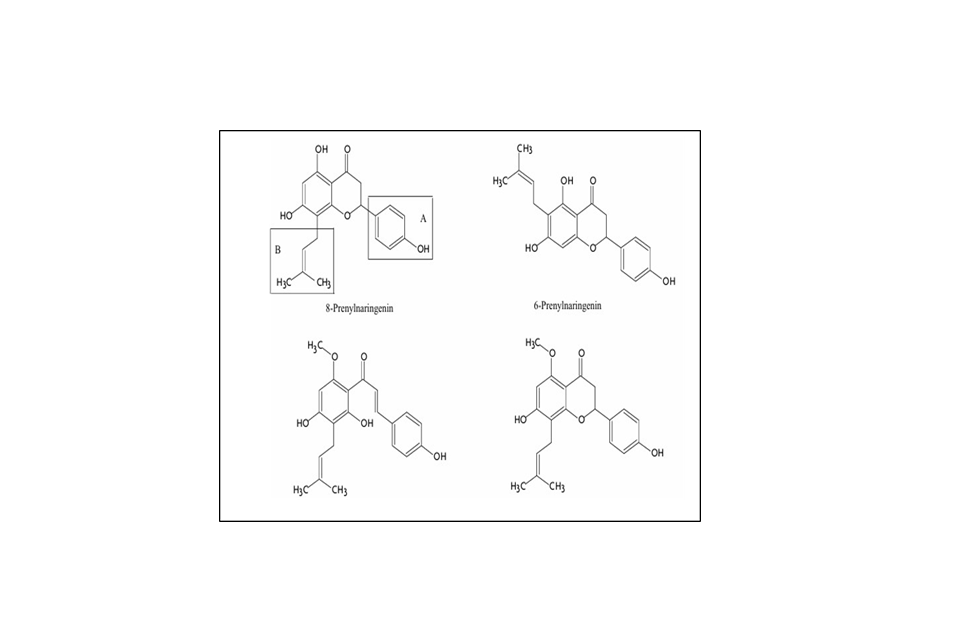
Figure 1. Chemical structures of prenylated flavonoids (Image taken from COT, 2003).
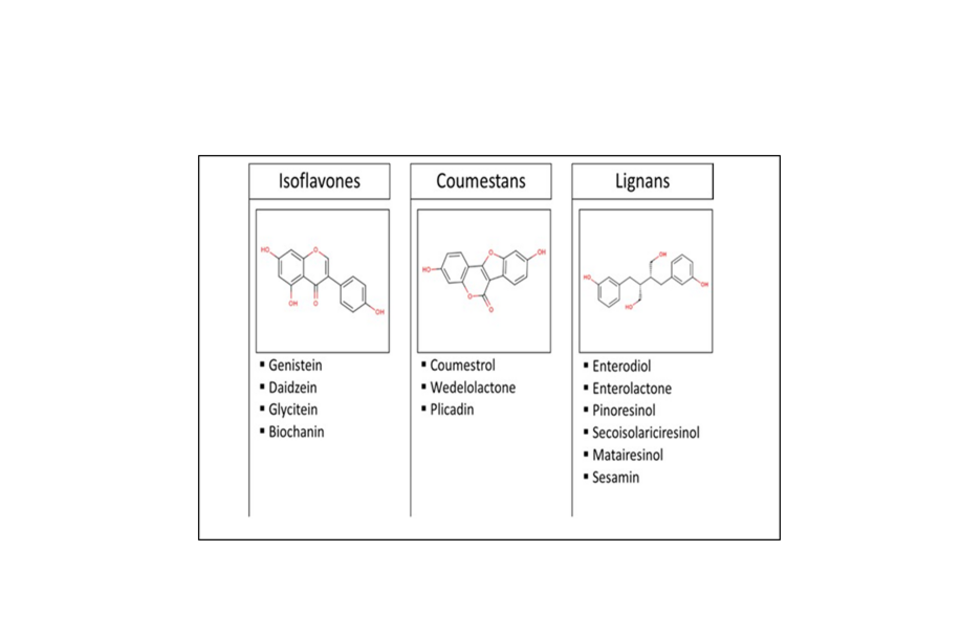
Figure 2. Image of the chemical structures of genistein, coumestrol and enterodiol. (Image taken from Dominguez-Lopez et al. 2020).
6. Isoflavones are found primarily in soybeans and soy-based food stuffs and some other legumes where they often occur as glucosides. The main isoflavones in soy are genistein, daidzein and glycitein. Biochanin A and formononetin are derivatives of genistein and daidzein and are found mostly in clover and alfalfa sprouts (Bingham et al., 1998).
7. The coumestans, of which coumestrol is the most common form, are found in high concentrations in clover and alfalfa sprouts (Humfrey et al., 1998).
8. Prenylated flavonoids (8-prenylnaringenin, 6-prenylnaringenin, xanthhumol, and Isoxanthohumol) are found in high concentration in hops which are used in beer (Milligan et al., 1999).
9. Lignans are found mostly in oil seeds (e.g. flaxseed or linseed), whole grains, legumes, vegetables and fruits (Boker et al., 2002).
Previous assessments
COT
Phytoestrogens and health (2003)
10. The 2003 COT report “Phytoestrogens and Health” was produced following the formation of a working group (WG) which reviewed the available scientific literature to determine whether dietary phytoestrogens had any implications for human health. The COT working group considered both the risks and benefits of phytoestrogens
11. Epidemiological data and short-term intervention studies were considered, however, as many were based on Japanese and Chinese populations, the COT working group noted that any extrapolation to the UK population may be confounded by differences in lifestyle, diet, genetic make-up, gut microflora and ADME.
12. The COT working group considered the beneficial effects of phytoestrogens on menopausal symptoms, osteoporosis, cardiovascular disease and cancers (breast, endometrial, ovarian, prostate, colorectal, stomach and lung), with the working group deciding that there was either no, or not enough, information to draw conclusions on their beneficial effects.
13. The COT working group concluded that “evaluation of the public health implications of phytoestrogens is complex as these compounds can elicit agonist and antagonist actions via the oestrogen receptor and non-oestrogenic effects, which are age, tissue and gender dependent. There are also significant interspecies differences in ADME and timing of sexual development making extrapolation of the effects seen in animals to humans complex. Many of the reports on the benefits of consuming phytoestrogens are based upon observations in Eastern populations such as the Japanese and Chinese that have traditionally consumed soy. In addition, suggestions that dietary phytoestrogens do not pose significant health risks have been attributed to the lack of reports of adverse effects in these populations. However, it is uncertain whether data from Eastern populations can be extrapolated to Western populations, as there may be differences in how phytoestrogens are handled between such populations” (COT, 2003).
14. The working group considered future areas of research which included the effects of consumption of soya-based formula in infants and the interaction of phytoestrogens with the thyroid gland in those with compromised thyroid function.
COT Statement on the potential risks from high levels of soya phytoestrogens in the infant diet (2013)
15. Phytoestrogens were considered as part of the COT contribution to the SACN programme of work on the infant diet. The final statement summarised the toxicity studies discussed previously in the 2003 COT report and new literature concerning possible effects from exposure of infants to soya isoflavones which became available after the 2003 phytoestrogens and health report was published. The statement considered exposure to soya from soy formula, breast milk and cows’ milk formula, with the latter two being much lower than soya-based formula.
16. There was some uncertainty as to the safety of soya-based formula as some of the animal studies reviewed indicated developmental and reproductive changes occurring at similar levels of phytoestrogen exposure to those reported in infants consuming soya-based formula.
17. The COT had concluded that “the main toxicological concern regarding consumption of soya isoflavones by infants arises from oestrogenicity and potential to disrupt the development and function of the reproductive system. Other possible adverse effects relate to immune and thyroid function. However, because of limitations in the available data, and particularly uncertainties in extrapolation from animals due to differences in toxicokinetics, it is not possible to set health-based guidance values for soya isoflavones in infants” (COT, 2013).
18. The COT concluded that “there is no scientific basis for a change in the current government advice that there is no substantive medical need for, nor health benefit arising from the use of soya-based infant formula and it should only be used in exceptional circumstances to ensure adequate nutrition”.
COT Statement on the effects of soya phytoestrogen consumption on thyroid status (2015)
19. The 2015 statement was commissioned after the COT reported in 2003 that individuals with hypothyroidism were a subgroup of the population that may be vulnerable to adverse effects of phytoestrogens in soya. The COT reviewed data that had become available since the 2003 “Phytoestrogens and health” report as well as three projects funded by the Food Standards Agency. These projects focussed on the effect of soya supplementation on thyroid status and cardiovascular markers in individuals with hypothyroidism; the effects of soya in men with type 2 diabetes; and the effects of soya in women within two years of onset menopause.
20. The COT concluded that “there were no indications that high intakes of soya impact materially on thyroid function in people in whom thyroid function is not already impaired. However, the current evidence, although not entirely consistent, suggests that higher intake of soya phytoestrogens, either in food or in dietary supplements, may sometimes precipitate a transition to overt hypothyroidism in people with subclinical, compensated hypothyroidism…. this should not have major clinical implications……In view of the persisting uncertainties, there should be continued monitoring of the scientific literature on this topic. However, since any clinical implications are unlikely to be of major importance, further research in this area need not be a priority for future funding by the Food Standards Agency” (COT, 2015).
SACN and COT Assessment of the health benefits and risks of consuming plant-based drinks (2025)
21. This 2025 report presented a benefit-risk assessment of the consumption of plant-based drinks as an alternative to cows’ milk. It focussed on both nutritional -and toxicological exposures on health outcomes. The assessment had a specific focus on children aged 1+ to 5 years but was expanded to cover adults and children aged 5+. The assessment compared cows’ milk with almond, oat and soya drinks.
22. It was concluded that there was no clear difference between cows’ milk and almond, oat or soya drinks because either the chemical contaminants or naturally occurring components were not present in either cow’s milk or plant-based drinks or present at levels that posed little or no risk. However, there were potential nutritional and toxicological concerns related to plant-based drinks, and these particularly apply to children aged 1 to 5 years, especially those that follow a vegan diet. The potential nutritional concerns related to higher intakes of sugars and inadequate intakes of micronutrients. This could be mitigated by fortifying the drinks with vitamins and minerals similar to those found in cows’ milk or the drinks being unsweetened.
23. The potential toxicological concern related to the isoflavones among children aged 1 to 5 years who were high consumers of soya. The risk was associated with the fact that isoflavones can mimic the effects of natural oestrogens and potentially lead to adverse effects on reproduction and development. The report noted that the risks may be mitigated by people choosing a variety of protein sources and not restricting their protein source solely to soya products.
ANSES/AFSSA – France
24. In 2005, AFSSA (the predecessor of ANSES-Agence Nationale de Sѐcuritѐ Sanitaire de l’Alimentation, de l’environnement et du travail) establishes a safe upper level of intake of phytoestrogens of 1 mg/kg body weight per day (as aglycone isoflavones) for the general population based on soy isoflavones (AFSSA, 2005). The AFSSA report concluded “studies of toxicity by repeated administration, of genotoxicity, carcinogenicity and also studies of fertility, sexual organ development and maturation, have been conducted mostly in rodents, rarely in dogs and monkeys. Phytoestrogens appear devoid of general toxicity but may be genotoxic or carcinogenic in some animal models and in vitro. The value above which the potential toxicity of isoflavones has not been sufficiently documented for use in humans is 1 mg/kg bw/d, and this figure has been provisionally adopted as the safety limit. Furthermore, regular in utero or perinatal exposure is accompanied by alterations in sexual organ development, maturity and sometimes also fertility”. This was confirmed and supported in 2011 by ANSES based on studies in animals and humans (from Western countries). These studies included experimental animals examining growth, endocrine development, onset of puberty and thyroid function (ANSES, 2011).
25. ANSES expressed concern about infants who were fed solely soy formula and in 2016, published an opinion concluding that the risk of negative effects from genistein in children aged under three cannot be excluded and the intake of genistein should be limited in this age group. A temporary critical exposure margin of 300 (10 to account for inter-species variability, 10 for inter-individual variability, and 3 because the starting point is based on the lowest observed adverse effect level (LOAEL) of 35 mg/kg body weight per day in rats). A recommended maximum intake limit of 0.117 mg/kg bw/day for children under 3 years old was set (ANSES, 2016).
26. In 2025, ANSES again considered the health risk of consuming food containing isoflavones and defined toxicological reference values (TRVs) for ingestion, these were defined as thresholds below which there is almost no risk to health. To achieve this, ANSES relied on both human and animal. Two TRVs were established based on toxic effects affecting the reproductive system: one for the general population of 0.02 mg/kg bw/day and another for pregnant women and women of childbearing age and prepubertal children of mg/kg bw/day. This was based on the TRVs for genistein which was then extended to the sum of isoflavones of aglycone equivalent (free or conjugated) (ANSES, 2026). ANSES concluded that there is a risk of TRV exceedances among soy-based food consumers (ANSES, 2025).
EFSA
27. The European Food Safety Authority (EFSA) Scientific Committee (SC) considered isoflavones in their 2012 compendium of botanicals report. It should be noted, however that the compendium was intended to facilitate hazard identification of botanicals and botanical preparations intended for use as food supplements, rather than make recommendations on safety. Therefore, whilst isoflavones are listed, no Health Based Guidance Value (HBGVs) or guidance has been provided.
28. In 2015, the EFSA Panel on Food Additives and Nutrient Sources added to Food (ANS) assessed the risk of food supplements containing isolated isoflavones for peri- and post-menopausal women and considered the potential harmful effects on the mammary gland, uterus and thyroid. The ANS Panel concluded that it was not possible to derive a single HBGV for the different preparations in post-menopausal women and the database was not sufficient to draw conclusions on peri-menopausal women EFSA, 2015).
VKM (Vitenskapskomiteen for mattygghet) 2017
29. VKM (the Norwegian scientific committee for food and environment) evaluated the intake of soy isoflavones added to food supplements and other foods. For premenopausal women (representing women of childbearing age) it was concluded that isoflavones as supplements in doses of 40 or 80 mg per day taken for one to three months may represent a risk of negative effects on hormone levels (decrease of free T3 (triiodothyronine), dehydroepiandrosterone (DHEAS), estrone, luteinizing hormone (LH) and follicle stimulating hormone (FSH) levels) and/or menstrual function (increased cycle length of 2 days). It was also concluded that these doses do not appear to have other significant negative effects on pre-menopausal women.
Health Council of Netherlands 2021
Harmful effects of substances and microorganisms in the diet during pregnancy. Background document to: Dietary recommendations for pregnant women.
No.2021/26.
30. The Health Council of the Netherlands considered the harmful effects of substances and microorganisms in the diet including isoflavones. In assessing the risk from isoflavones to pregnant women, the Council considered any decisions made by EFSA. They concluded that it was not necessary at that moment to formulate recommendations about soy isoflavones for pregnant women in the Netherlands. The rationale was that the intake remained well below 1 milligram per kilogram body weight per day in an omnivorous or vegetarian dietary pattern. However, specifically for women who use a lot of soya products, the intake level could exceed the upper level of intake of 1 milligram per kilogram body weight per day recommended by ANSES. The Council advised women in that group to not exceed the upper level of intake during pregnancy as a precaution.
Nordic Council of Ministers, 2020
31. The Nordic Council of Ministers (consisting of members from Denmark, Norway and Sweeden) explored dietary intake, nutrition and toxicology in a joint evaluation of the possible adverse health effects of soy intake among children and pregnant women in the Nordic countries. The Ministers considered previous assessments (discussed above) and studies from the literature. The estimated food intake and exposure was calculated using data from Forslund and Andersson (2017) and the Danish National Survey on Diet and Physical Activity. For the risk assessment for pregnant women, an exposure dose of 100 ppm genistein in rats from a multigenerational study by NTP-CERHR (2010) was used as a NOAEL, equivalent to 8.9 mg/kg bw per day in non-lactating females. Using default uncertainty factors, this resulted in a HBGV of 8.9/100 mg/kg bw per day (0.089 mg/kg bw per day) which was suggested could be used for risk assessment in pregnant women. The figure was rounded to 0.09 mg/kg bw per day of genistein. This corresponds to 6.3 mg genistein per day for a person weighing 70 kg. The Council concluded that there was no concern for pregnant women in relation to intake of genistein from a diet with a high intake of soy-based products since both the low and high values of total genistein intake were below the HBGV.
Toxicology
32. This paper builds on the 2003 and 2013 COT considerations. The literature was also reviewed to cover studies published between 2000 and 2026. This time period was chosen to cover literature published since the first COT paper in 2003 and to cover any papers published but not discussed inthe initial paper. Parameters used for the literature review can be found in Annex A.
Toxicokinetics
2003 and 2013 COT considerations
33. Due to their similarity to E2, phytoestrogens are able to bind to the oestrogen receptor and subsequently act as oestrogen agonists or antagonists, blocking the downstream effects of the oestrogen receptor (Godschalk et al. 2022). Each subgroup of phytoestrogens varies in their oestrogenic effects.
34. The COT previously reviewed the absorption, distribution, metabolism and excretion (ADME) studies in humans that had been published to April 2002 and were summarised as follows in the 2013 report. The COT concluded that “isoflavones are mainly ingested as glucosides, which undergo hydrolysis most probably in the small intestine through the action of β-glucosidase enzymes associated with the intestinal mucosa and in the lower bowel by the gut microflora. The deglucosylated (aglucone) compounds may be further metabolised by the gut bacteria and/or absorbed, with genistein being converted to the hormonally inert p-ethyl-phenol and daidzein reduced to the oestrogenically active isoflavone equol and the non-oestrogenic O-demethylangolensin (O-DMA). Aglucones are more readily absorbed due to their higher hydrophobicity and lower molecular weight. Once absorbed, these compounds are rapidly and extensively re-conjugated (largely with glucuronic acid or sulphate) and excreted in the bile or urine. Biliary conjugates are hydrolysed by the gut bacteria and /or excreted in the faeces or further metabolised and/or re-absorbed or degraded”.
35. With regards to distribution and excretion, the COT noted that “isoflavones and their metabolites are widely distributed within bodily fluids. In general, peak concentrations of daidzein and genistein are achieved within 5-8 hours after ingestion. Plasma concentrations of genistein and daidzein begin to rise within 2 hours of an ingested dose and can occur as early as 15 minutes after ingestion. It has been observed that a number of individuals exhibit more than one plasma peak, which probably reflects enterohepatic circulation of the isoflavones. The plasma half-lives for genistein and daidzein have been estimated at 5-8 hours. There is evidence of transfer of isoflavones and their metabolites to breast milk via the maternal diet and to the foetal compartment as concentrations similar to those in maternal plasma have been detected in umbilical cord plasma and amniotic fluid. However, definitive tissue distribution studies have not been performed in man.” (COT, 2003, 2013).
36. The COT also noted that the gut microflora play a crucial role in determining the absorption, metabolism, re-absorption (enterohepatic circulation), degradation and excretion of ingested isoflavones and their metabolites. Data indicate considerable inter-individual variation in the pharmacokinetic and metabolic handling of ingested phytoestrogens. Such differences may be largely attributed to an individual’s unique gut microflora, which is influenced by factors such as diet, particularly fibre content, and intestinal transit time, hygiene, antibiotic use, bowel disease, stress, gut motility, gastric pH, mucin and bile secretion. Sex, age, genetics, food matrix and ethnicity may also be determining factors.
In vitro
37. Balakrishnan et al (2010) studied placental transfer and biotransformation in four human placentae obtained from women undergoing elective caesarean sections. Once equilibrium was obtained, the placentae were perfused for 180 mins following the addition of genistein (10 ng/mL). This concentration was selected based on the range reported in the serum of pregnant women. Samples were collected at 30 min intervals and stored at - 80°C until LCMS/MS was conducted to determine the amount of genistein present in the maternal and foetal compartments of the placentae. All four placentae showed evidence of conjugation in the foetal compartment and three out of four placentas showed evidence of conjugation in the maternal compartment after 3 h of perfusion. Approximately 12.0 ± 2.4% of genistein in the foetal compartment and 7.4 ± 4.7% of genistein in the maternal compartment was in the conjugated form. However, the authors highlighted that they did not take into account foetal metabolism. Another uncertainty of this study is that 30% of the administered genistein was unaccounted for, however it is possible that this was explained by tissue binding in the placenta (Balakrishnan et al., 2010).
38. The COT have previously reported on the study by Doerge et al. (2001) which looked at genistein (20, 34 and 75 mg/kg bw administered by oral gavage) in pregnant Sprague Dawley rats. The concentration of genistein was measured in maternal and foetal plasma 2 hours after administration. Genistein concentrations were lower in foetal plasma compared to maternal plasma, and unlike in maternal plasma, concentrations did not increase dose dependently. However, a greater proportion of genistein was present in foetal plasma in unconjugated form (COT, 2003, Doerge et al., 2001).
Animal studies
39. In 2023, Marbrey et al., considered the effect of phytoestrogens and placental development using coumestrol, as this was identified in spinach and soy and found not to cross the foetal-placental barrier. Studies were first conducted in HTR8/SVneo trophoblast cells including RNA microarray analysis, Quantitative real time PCR, cell proliferation and migration assays, TUNEL assays and ROS (reactive oxygen species, before in vivo administration in wildtype female mice form 129/SvEv strain. In vitro, coumestrol exhibited reduced migration and proliferation and showed increased reactive oxygen species accumulation. In vivo effects were examined with a dose of 200 µg/kg administered from day 0.5 to 12.5 of pregnancy. Foetal and placental weights in male offspring were significantly decreased in coumestrol treated animals with the placenta exhibiting a proportional decrease with no obvious changes in morphology (Marbrey et al. 2023).
40. Harrison et al., (1999) fed (abstract only available) genistein (8 mg/kg bw/day) in a fruit treat to pregnant rhesus monkeys for 7 weeks in addition to a soy containing diet (the concentrations of isoflavones were unknown). The control group were fed the fruit treat without genistein. There were no significant differences in maternal, foetal or placental weights evident at delivery. A non-significant trend towards an increase in maternal plasma concentrations of oestrone and dehydroepiandrosterone sulfate and maternal and foetal progesterone concentrations were noted in the genistein treated group. Serum oestradiol concentrations were 58% greater in maternal and 78% higher in foetal plasma in the genistein treated groups. No gross changes in placental villous morphology were evident as a result of genistein treatment.
Human studies
41. Jarrell et al. (2012) conducted a study in women in their second trimester of pregnancy who gave samples of blood (n = 209) and amniotic fluid (n =323) during their pregnancy, and at the birth samples of blood (n = 105), from the umbilical cord (n = 97) and breast milk (n = 47) were taken to evaluate the correlation of daidzein and genistein in these samples. From those that had amniotic fluid taken, 300 of those samples were tested for the presence of phytoestrogens and 185 of these samples contained detectable daidzein and 183 samples contained detectable genistein. The serum concentrations were higher in maternal serum during pregnancy than those in amniotic fluid, however there were no differences in the concentrations of daidzein and genistein in serum during pregnancy compared to serum at birth. There were notably significantly higher concentrations in the amniotic fluid of pregnancies with female foetuses compared to amniotic fluid of pregnancies with male foetuses which suggests potential sex differences in metabolic capacity of the foetus.
Developmental and reproductive toxicity
2003 and 2013 COT consideration
42. In their 2003 report, the COT Working Group concluded that:
-
“Testosterone produced by the fetal testes is essential for proper sexual development of the male. Development of the female is not hormone dependent. However, exposure of the male and female fetus to oestrogens or androgens can disturb normal sexual differentiation, the potential effects being different in the male and female. For example, menstrual disturbances in females, or low sperm counts in males. The timing of exposure is a critical determinant of effect.
-
Studies on the effects of phytoestrogens on human development and fertility are limited in number and scope. There are no published human studies examining the potential effects of in utero exposure to phytoestrogens.
-
It is extremely difficult to examine the effects of phytoestrogens on human development and reproduction for both practical and ethical reasons. Hence most of the published research has been conducted in laboratory animals such as rodents and to a lesser extent (for ethical reasons) in primates.
-
Significant species differences in sexual development between rodents, non-human primates and humans make the extrapolation of the data from in vivo experimental studies to humans extremely difficult.
-
The rodent data are of limited use in human risk assessment as the human equivalents of oestrogenic responses in rodents are unclear. In addition, rodent experiments often administer much higher doses than those observed for dietary exposures in humans and use the subcutaneous route of administration, which excludes gastrointestinal and hepatic metabolism. Experiments in rodents suggest that coumestrol, and to a lesser extent genistein and secoisolariciresinol, produce oestrogenic effects in both male and female rodents but effects may be more pronounced in the female rodent. Exposure during the perinatal, neonatal or prepubertal stages of development produce the most marked effects. However, the significance of these effects such as alterations in sex hormone concentrations, advancement of vaginal opening, mammary gland development, irregular oestrus cyclicity and abnormal histology of the reproductive tract to humans is unclear.
-
Dietary consumption of soy-based infant formula reduces the neonatal surge in testosterone and increases Leydig cell number in the testes of male marmosets. However, Sertoli or germ cell numbers were unaffected. The human health implications of these results are unclear.
-
One human study published to date has specifically examined the effect of soy-based formula feeding on sexual development and fertility. The data do not provide evidence for obvious adverse clinical effects on sexual development or reproductive health with the exception of small increases in the duration and discomfort of menstruation. However, the study was based on recall and did not involve any direct measurements of hormone levels or other parameters in the subjects”.
43. Additional studies are considered below.
Animal studies
Mice
44. Investigations in CD-1 mice were conducted to determine if orally administered genistein or its glycosylated form (genistin) had an estrogenic effect in neonatal mice and if either caused adverse effects on the developing reproductive tract. Female pups were treated on postnatal days 1`-5 with either genistein s.c. injection (12.5, 20 or 25 mg/kg/day), oral genistein (25, 37.5 or 75 mg/kg/day) or oral genistin (10, 20, 40 or 60 mg/kg/day). A control group was given corn oil by oral ingestion or s.c. injection. Pups were euthanised 4 hrs after the last treatment and individual body weights taken and uteri removed to determine lactoferrin expression by RT-PCR) to verify estrogenic activity. Trunk blood, ovaries, vaginal opening, estrous cyclicity and fertility assessments were also monitored (Jefferson et al. 2009).
45. The results showed that the oral genistin elicited a stronger estrogenic response in comparison to the oral genistein and was similar to the responses in subcutaneous injection of genistein. Oral exposure to genistin also showed alteration in ovarian differentiation (i.e. multi-oocyte follicles) delayed vaginal opening, abnormal oestrous cycles, decreased fertility and delayed parturition (Jefferson et al. 2009).
46. In Marshall et al., (2019), California mice (Peromyscus californicus) were fed a diet (AIN93G) supplemented with phytoestrogens (250 mg/kg feed) or a low phytoestrogen diet (AIN93G supplemented with 7% by weight corn oil) to determine if the phytoestrogens exert estrogenic activity which disrupts neurobehavioural programming, gut dysbiosis or alter gut metabolites. The dose of genistein was chosen as it was stated to be similar to circulating concentrations of genistein in humans consuming soy enriched diets; a mg/kg bw estimate was not provided. Upon weaning at 30 days of age, the animals were all placed on the low phytoestrogen diet to replicate exposure of foetuses and neonates to genistein via the maternal diet (e.g. transferred across the placenta or in the milk). Maternal exposure to the high phytoestrogen diet continued until the pups were weaned. At Post-natal Day (PND) 30 the pups underwent social behaviour testing using a three chambered test. Faecal microbial DNA was isolated from faecal samples and 16s rRNA sequencing conducted. Metabolomics analyses were performed with the faecal samples from all individuals and used to assess how developmental exposure to genistein affected gut bacterial metabolite profiles. The three chambered test indicated the genistein exposed females had reduced social behaviour or interest in seeking out novel individuals. The social behaviours were compared to the gut microbiota and metabolomics data and showed a correlation interaction between the datasets. The authors suggested that the effects shown could be due to genistein disruptions of neural programming but may also be attributed to genistein induced microbiota shifts and resultant changes in gut metabolites thereby resulting in indirect CNS effects via the microbiome-gut-brain axis (Marshall et al., 2019).
Rats
47. Romero et al., (2008) conducted studies using isoflavones in pregnant Wistar rats to determine the possible developmental effects on female offspring who are exposed during pregnancy. Pregnant Wistar rats were exposed to either 10 mg/kg or 100 mg/kg of isoflavones (daizin + daidzein 22.7%, daidzein 16.9%, genistin + genistein 16.3% and genistein 13.1%) by oral gavage from the 6th day of gestation to the conclusion of the study with body weights being measured from day 0 to 19 of pregnancy. Day 19 to 20, 20 rats from each group were euthanized and ovaries and uterine horns removed. Pregnancy, number of implantation sites, the number of live and dead foetuses, resorption sites and corpora lutea were recorded. The remaining pregnant female rats were monitored daily throughout pregnancy, and litter size was assessed. After natural birth, the body mass of each female offspring was recording on day 1, 7, 14 and 21. Each pup was examined for days on which pelage (the coat) appeared, ears unfolded and eyes opened. Female offspring were observed at day 30 after birth for vaginal opening to estimate age of puberty onset. At age 75 days, these same female offspring were used to study the oestrous cycle by collecting vaginal secretions.
48. The females exposed to 100 mg/kg showed a smaller number of corpora lutea and both exposure groups showed a smaller number of live foetuses. The number of foetuses in lyses was larger in the 100 mg/kg group, and this group also showed a larger number of resorption sites and smaller implantation sites. No maternal toxicity was observed in the dams in either the 10 or 100 mg/kg exposure groups, however, the authors concluded that the results showed reproductive injury induced by isoflavones, probably by a potential embryotoxic action. There was a significant reduction in maternal mass gain during the gestational period in the 100 mg/kg group. Both exposure groups had significantly reduced gestational periods (in days) which could indicate an effect of the drug on the gestation or birth process. However, the female offspring showed an increase in weight at both exposure doses and therefore the body mass of the pups at birth was influenced not only by the length of pregnancy but also probably by the intrauterine growth resultant from the treatment of the pregnant rats with isoflavones. It was recommended that further studies would be needed to evaluate the possible effects of isoflavones in this critical development period (Romero et al., 2008).
49. Studies have been carried out in Sprague Dawley rats to assess reproductive development and learning and memory of the male offspring (Ball et al., 2010). Females were fed a diet containing 5 mg/kg dose of genistein in rat chow with pups being exposure to genistein via gestating and/or lactating mothers up to postnatal day (PND) 21. Anogenital distance (AGD) was measured on PND 2, 7, 14 and 21 and weighed together on PND 2 and then individually on other days. On PND 70 the rats were weighed and sacrificed and the wet weights of the testes, gonadal fat pad, epididymides and seminal vesicles were obtained.
50. Rats that were not sacrificed at PND 70 were tested using the Morris water maze. Training was started at approximately 5 months (~PND 150). Rats were tested by an investigator blind to treatment group on three components of the task: hidden platform training, probe trial testing and visible platform training over 12 days. Two-way repeated measures ANOVA was conducted using age and group as factors for the comparisons of AGD and postnatal body weights. Body mass decreased in the male offspring of dams fed genistein during both gestation and lactation, and during lactation only but not during gestation only. Measurements of AGD revealed a decrease when exposure was during both gestational and lactation but there was no effect when exposure was limited to one of these time periods.
51. The results of the spatial learning and memory in the Morris water maze showed no significant differences between the control group and the gestational or lactation feeding groups. However, there were significant differences between the control group and the group given genistein during both genistein and lactation. The study concluded that genistein exposure through the maternal diet can slow postnatal growth, decrease anogenital distance and slow spatial learning in adulthood, with anogenital distance and spatial learning requiring exposure to span gestation and lactation. However, if exposure was limited to one of these periods, the deleterious actions of genistein could be mitigated. Regarding postnatal growth, it was concluded that exposure during lactation and not gestation produced a reduction in weight (Ball et al. 2010).
Mice and rats
52. Sleiman et al., (2021) carried out a review of multiple in vivo studies to determine the effects isoflavones have on male and female fertility and reported that isoflavones act as endocrine disruptors over several developmental states, acting from intrauterine development to adulthood, with the prepubertal phase being the most critical. In males there were delays in the evolution from age to puberty, weight reduction of androgen-dependent tissues (testis, epididymis, seminal vesicles) and decreased testosterone levels, changes in sperm production and, some changes in the expression of genes that participate in the regulation of spermatogenesis. In females, changes were observed in the advancement of vaginal opening, reduced fertility, the number of litters, the number of live births, body weight and serum levels of estradiol and progesterone, in addition to variations in the weight of the uterus and ovary. Sleiman et al, concluded that isoflavones do not have dose-dependent effects in many cases, and therefore it is challenging to establish safe levels of consumption and exposure for these compounds, especially as the consumption of foods high in isoflavones occurs increasingly. Therefore, further studies and caution in the ingestion mainly during the pre-puberty phase is required (Sleiman et al., 2021).
Primates
53. Tan et al., (2006) performed a study in seven pairs of male marmoset monkey twins whereby one of each pair of twins was fed standard cows’ milk formula and the co-twin was fed soya formula milk (the estimated isoflavone content was between 1.6 and 3.5 mg/kg bw day) for 5-6 weeks. In monkeys fed the soya formula, observed effects included increased testicular weight, Sertoli cell number (7% increase; p=0.025) and Leydig cell number (32% increase; p=0.026) in comparison to those fed standard formula milk. The increase in Leydig cells was especially marked in males with low-normal testosterone levels, indicating possible “compensated Leydig cell failure” in response to neonatal suppression of testosterone secretion (Tan et al., 2006). Sharpe et al., (2002) reported similar findings with the number of Leydig cells increasing by 74% which was accompanied by decreased levels of testosterone in marmosets fed soya formula for 4-6 weeks with estimated isoflavone intake of 1.6-3.5 mg/kg/day.
54. Dewi et al., (2013) conducted studies in pubertal female cynomolgus monkeys fed a diet containing soya protein for 4.5 years. The results showed no changes in the onset of menarche, growth or pubertal progression, or in oestradiol or progesterone levels. The treated animals had some changes in breast differentiation (increased numbers of differentiated large sized lobular units and a lower proportion with immature ducts following menarche).
Hypospadias
55. Hypospadias is a birth defect that occurs when the urethral opening is on the central side of the penis. It is relatively common congenital malformation affecting 4-6 per 1000 male births. Lignans have been shown to interfere with conversion of testosterone to dihydrotestosterone which is critical to normal urethral closure and genistein has been shown to induce hypospadias in mice (Carmichael et al., 2013; Vilela et al., 2007).
Animal studies
56. Pregnant CD1 mice were fed via oral gavage with 0.17 mg/kg/day of genistein, 10 mg/kd/day of vincolozolin or both compounds together at the same doses from gestational day 13 to 17. On day 19, foetuses were removed and the sex determined. The presence of hypospadias was determined by expressing the bladder contents and noting where they emerged from the urethral opening (an opening below the tip of the genital tubercle was identified as hypospadic). The frequency of hypospadias overall was 25% in the genistein group (n=24); 42% in the vinclozolin group (n=26); and 41% in the combination group (n=29). These results suggest daily exposure to genistein in the maternal diet was associated with an increased risk of hypospadias, but an addition of another endocrine disruptor will also increase the possibility (Vilela et al. 2007).
Human studies
57. The incidence of hypospadias was examined in the Avon Longitudinal Study of Pregnancy and Childhood (ALSPAC) where boys (n=7928) born to mothers taking part in the study were investigated. Hypospadias was identified in 51 individuals in the ALSPAC study. There were significant differences in the proportion of hypospadias cases whose mothers had consumed a vegetarian diet or iron supplemented diets in the first half of pregnancy. Vegetarian mothers had an adjusted odds ratio of 4.99 (95% CI 2.10-11.88) of giving birth to a boy with hypospadias compared with omnivores who did not supplement their diet with iron (odds ratio with dietary supplementation was 2.07 (95% CI 1.00-4.32)). Hypospadias was also associated with influenza in the first 3 months of pregnancy (adjusted odds ratio 3.19 (95% CI 1.50-6.78). The authors suggested that the greater exposure to phytoestrogens from a vegetarian compared with the omnivorous diet may be a factor in the development of hypospadias (North and Golding, 2000: COT, 2003).
58. Carmichael et al., (2013) analysed data on mothers which included 1250 cases of hypospadias in births between 1997 and 2005 and participated in the National Birth Defects Prevention Study (a large population based multicentre case control study). Interviews were conducted with each mother, and average food intakes were assessed using a food frequency questionnaire. Phytoestrogen intake was then estimated using the data in Kuhnle et al. 2008). For each phytoestrogen, intake > 90th percentile was associated with reduced risk of hypospadias in unadjusted models, with odds ratios ranging from 0.4 to 0.7 and 95% confidence intervals excluding 1.0 with the exception of matairesinol (odds ratio 0.9). High intakes of biochanin A, formonoetin and coumestrol were not associated with reduced risk once adjustments were made for energy intake. Data was adjusted again for additional covariates, high intakes of daidzein, genistein, glycetin, secoisolariciresinol, total isoflavones, total lignans and total phytoestrogens were associated with reduced risk although the odds ratios tended to be slightly closer to 1 than before adjustment (0.6-0.8) and some of the confidence intervals included 1.0 (Carmichael et al., 2013).
Genotoxicity and carcinogenicity
In vitro
59. In the 2003 COT working group report, genotoxic effects were considered in a number of in vitro systems. Genistein (> 25µM) and coumestrol (50 µM) induced micronuclei in Chinese hamster V79 cells. Coumestrol (25-100 µM) also induced DNA breaks in a dose dependent manner. However, daidzein did not induce strand breakages or micronuclei. (Kulling & Metzler 1997).
60. The genotoxicity of genistein was also assessed using the micronucleus, single cell electrophoresis and tk-locus mutations. Genistein was shown to induce DNA strand breaks at concentrations of (7-118 µM), mutations (10-80 µM) and micronuclei (6-100 µM) (Boos and Stopper, 2000) respectively.
61. Studies published since 2003 have shown that genistein was not mutagenic in bacterial tests (Ames tests) (McClain et al., 2006; Yee et al., 2008), whereas other have reported mutations in mouse lymphoma cells (McClain et al., 2006)
In vivo
62. The COT considered the one in vivo study available in their 2003 review (Misra et al., 2002) which was a mouse micronucleus assay. The doses used were 0-1000 mg/kg and showed that genistein at dietary levels was not mutagenic in this test. There were also no differences in the incidence, multiplicity or spectrum of tumours in either male or female p53 (-/-) fed genistein at 50 mg/kg bw/day compared to control animals. The COT also considered this study in their 2013 statement on the infant diet as well as the National Toxicology Program (NTP) studies where Sprague Dawley rats were fed diets containing 5, 100 or 500 ppm of genistein from time of conception, through weaning and up to two years. The results showed no treatment related increases in tumour incidence in male rats, but in females the incidence of adenoma/adenocarcinoma of the mammary gland and pituitary gland adenoma and carcinoma were increased in the 500 ppm dose group (NTP, 2008).
63. Other studies that were considered in the 2013 COT report were by Thomsen et al 2009 and Neilsen et al 2011. Thomsen et al. investigated spontaneous mammary tumours in female Tg.NK mice fed a diet containing soy isoflavones (genistein, daidzein and glycitein) at doses of 0, 11, 39 and 130 mg aglycones/kg from PND 25 for 24 weeks consecutively. At 130 mg/kg, the number and size of mammary tumours increased (p<0.05) while an increase in branching of the mammary tree was observed in all treatment groups (p<0.05) indicating an increase in epithelial proliferation at an early age. Nielsen et al. (2011) also investigated mammary tumours in Sprague Dawley rats via in utero exposure to cows’ milk. At low level doses of total phytoestrogens (mean 101 ng/mL), increased levels of circulating serum oestradiol and IGF-1 in the offspring were reported, but no increase in mammary tumours. High doses of total phytoestrogens (mean 429 ng/mL) had no effect on circulating oestradiol and insulin like growth factor-1 levels, but led to increased carcinogen-induced DNA adduct formation in the mammary gland.
64. Khan et al., (2007) experimented in Sprague Dawley female rats to determine the effects of either in utero or early postnatal exposure to a 5% or 10% flaxseed diet through a pregnant or lactating dam on mammary tumorigenesis and possible biomarkers of increased risk of developing breast cancer (mammary gland morphology, cell proliferation and expression of the estrogen receptor (ER)-ɑ and ER-β). Pregnant rats were kept on the flaxseed diets until they gave birth and then changed to AIN93 lab chow. To test for postnatal dietary flaxseed exposure, dams that were fed AIN93 diet throughout their pregnancy were fed either 0, 5 or 10% flaxseed diets. Therefore, the pups were exposed to the flaxseed diet during the first 10 days through milk or the next 10 days from milk or consuming the same food pellets. These diets were maintained until post-delivery day 25. The 4th abdominal mammary glands were obtained at 8 weeks from rats exposed to flaxseed diets either in utero or during the postnatal period to assess mammary gland morphology. These samples were also used to determine cell proliferation and ER-ɑ and ER-β expression.
65. To determine the effects on offspring’s mammary tumorigenesis, tumours were induced by administration of 10 mg 7,12-dimethylbenz[a]anthracene (DMBA) to 50 day old female rats exposed to either control, 5 or 10% flaxseed in utero or lactation as these tumours closely reflect human breast cancer. The results showed that exposure to the 10% flaxseed diet in utero or postnatally through the pregnant or nursing dam increased the offspring’s susceptibility to mammary tumorigenesis. However, the authors did state that this is the opposite result to a study by Chen et al., (2003) whereby postnatal exposure to 10% flaxseed or exposure to SECO (secoisolariciresinol - the lignan present in flax) reduced DMBA-initiated mammary tumorigenesis. Therefore, this indicates that the route of flaxseed exposure could be important in determining how it affects breast cancer risk. In utero exposure to the 10% flaxseed diet alter the expression of ER- ɑ (increased protein levels in both lobules and ducts) and ER- β (decreased levels in the terminal end buds but not the lobules or ducts) in the mammary glands. The authors concluded that it was unclear if the increase in mammary cancer in rats was due to the flaxseed through the maternal diet in utero or lactation or was caused by cadmium present in the flaxseed or whether the reduced mammary ER- β content was linked to increased mammary cancer risk in offspring (Khan et al., 2007).
66. A study by Chen et al., (2022), aimed to determine the effects of maternal exposure to soybean dietary genistein (250 mg/kg) on the prevention of overnutrition-induced breast cancer in mouse models (transgenic SV40 model with FVB/N genetic background and obesity related wild type C57 mice) through mechanistic interplay between maternal genistein altered early-life gut microbiome, metabolites and epigenetic mechanisms. The dams were administered either control or genistein diet throughout their early life, pregnancy and lactation and the weaned mice were then exposed to normal or detrimental stimuli, so the metabolic protective effects were exclusively obtained from the mothers. Body weights, glucose tolerance tests and blood lipid profiles (cholesterol, high density lipoprotein (HDL), low density lipoprotein (LDL) and triglycerides) were carried out. Tumour latency and incidence were measured weekly. The C57 mice were injected with EO771 mammary tumour cells at 21 weeks old to bear syngeneic breast tumours and were sacrificed at 25 weeks with the mammary tumours collected. Randomly selected faecal samples were collected at 8 weeks of age after 4 weeks of high fat diet treatment and cut microbiome analysis by 16S rRNA sequencing was performed. Epigenetic profiling was determined by extracting nuclear protein and genomic DNAs from mammary tumours from 5 randomly selected SV40 and C57 female offspring. The results showed that the maternal soybean genistein diet reduced the risk of high fat diet induced metabolic disorders and delayed high fat diet accelerated mammary tumour development in female offspring (Chen et al., 2022).
67. Phytoestrogens have also been reported to have toxicological effects on the uterus and endometrium which include morphological changes, fibroids and carcinogenesis (Virtuoso et al., 2024). Křížová et al., (2019), compared studies on uterine cancer and showed that exposure to daidzein and genistein during the first five days of life induced changes in uterine morphology in mice. This study also showed that administration of genistein during foetal development were associated with an increased risk of uterine cancer. Assumptions have been made that long term imbalance of estrogen and progesterone levels can contribute significantly to cancer formation and that high doses of isoflavones that provide antiestrogenic activity might be a prophylactic against endometrial carcinoma (Horn-Ross et al. 2003).
68. In the same study by Křížová et al., (2019), toxicological effects from phytoestrogens were also observed in the ovaries of mice exposed to daidzein and genistein. While Sridevi, et al, (2021) demonstrated abnormalities in ovaria differentiation following exposure to various phytoestrogens.
Human studies
69. Epidemiological studies have suggested that consuming a phytoestrogen rich diet (seen in traditional Asian communities) is associated with a lower risk of Western diseases e.g. osteoporosis and certain cancers including breast cancer (Boker et al., 2002).
Exposure assessment
Occurrence of phytoestrogens in food
70. A dietary exposure assessment was performed based on available data on the occurrence of phytoestrogens in foods taken from a series of papers in the peer reviewed literature. These sources determined concentrations of different phytoestrogens in a broad range of foods that are commonly consumed in the UK (Kuhnle et al, 2008a; 2008b; 2009a; 2009b). Other sources were reviewed to ensure that the occurrence data used were appropriate.
71. Data mainly related to total phytoestrogens, isoflavones and lignans. Some information sources additionally included occurrence data on other phytoestrogens. In all cases a value for total phytoestrogen and total isoflavone content was determined from the available data.
72. Where a range of occurrence values were available, or where different values might be applicable to a food type, the highest value was selected in a precautionary approach apart from cases where it isn’t possible to consume the food, for example raw sweet potato.
73. The reported phytoestrogen concentration in different foods varied widely; total phytoestrogen concentrations ranged from <1000 µg/kg to >1240 mg/kg. To reduce the potential for skew in the occurrence and consumption data that could underestimate exposure, any foods reported to have total phytoestrogen/isoflavone content <1000 µg/kg were excluded for the assessments (applying a discretionary +/- 10%, on a case-by-case basis).
74. The total phytoestrogen and total isoflavone occurrence values for the foods used in the exposure assessment are summarised in table 1 of Annex B)
Dietary exposure to total phytoestrogens
75. An exposure assessment was performed based on food consumption data from the National Diet and Nutrition Survey (NDNS) years 1-11 (Bates et al., 2014, 2016, 2020; Roberts et al., 2018). NDNS does not provide specific data for pregnant or lactating women, so the assessment was based on women of childbearing age (16-49 years). Therefore, these consumption data may not be entirely representative of the maternal diet, particularly for foods where other public health advice on consumption by pregnant women is in place.
76. Food groups were constructed in alignment with the food classification system reported in the phytoestrogen occurrence datasets, this was to allow for the most accurate and complete use of the available data. The food grouping and the occurrence values used for the exposure assessment are summarised in table 1 (Annex B).
77. For some foods the consumption data available in NDNS was limited and there was a low number of reported consumers, this was particularly the case for soy-based drinks and meat alternatives. As a mitigation, some assumptions were made to increase reliability of the exposure assessment. The assumptions used included the use of proxies for foods expected to be consumed in a similar way. For example, consumption estimates for meat alternatives were based on the consumption of meat-based versions of equivalent products. In addition, conversion factors were used for some raw/ dry foods vs cooked/ wet weight foods to increase the sample size.
78. For some foods the consumption data available in NDNS was limited and there was a low number of reported consumers, this was particularly the case for soy-based drinks and meat alternatives. As a mitigation, some assumptions were made to increase reliability of the exposure assessment. The assumptions used included the use of proxies for foods expected to be consumed in a similar way. For example, consumption estimates for meat alternatives were based on the consumption of meat-based versions of equivalent products. In addition, conversion factors were used for some raw/ dry foods vs cooked/ wet weight foods to increase the sample size.
79. Mean and 97.5th percentile estimates for dietary exposure to total phytoestrogens and total isoflavones were calculated for both acute and chronic consumption scenarios, using a population-based approach, for women of childbearing ages (16-49 years).
80. Dietary exposure estimates were calculated for each of the foods described in table 1. Additionally, an overall exposure estimate that included all foods in scope of the assessment was calculated; it should be noted that this estimate based on the mean and 97.5th percentile exposure from all foods and is not the sum of the exposure from individual foods.
81. Owing to the large variety of foods considered in the assessment, with varying phytoestrogen occurrence values and different consumption patterns, exposure estimates for individual foods were wide ranging. The highest exposure estimates tended to be associated with soy-based foods.
Acute exposures
82. Acute exposure estimates are presented in table 2 on Annex B; the key points considered below.
83. For total phytoestrogens, mean acute exposure estimates for individual foods ranged from 0.036 µg/kg bw in parsley to 360 µg/kg bw in soy drink and soy-based meat (mince) alternative. The 97.5th percentile acute exposure estimates ranged from 0.24 µg/kg bw to 1100 µg/kg bw in parsley and soy drink, respectively. The overall acute dietary exposure estimates for total phytoestrogens were 460 µg/kg bw and 1300 µg/kg bw, at the mean and 97.5th percentile, respectively. Acute exposure estimates for total phytoestrogens are presented in table 2 (Annex B).
84. For total isoflavones, mean acute exposure estimates for individual foods ranged from 0.031 µg/kg bw in coffee (infusion) to 360 µg/kg bw in soy drink and soy-based meat (mince) alternative. The 97.5th percentile acute exposure estimates ranged from 0.11 µg/kg bw to 1100 µg/kg bw in coffee (infusion) and soy drink, respectively. The overall acute dietary exposure estimates for total isoflavones were 460 µg/kg bw and 1300 µg/kg bw, at the mean and 97.5th percentile, respectively. Acute exposure estimates for total isoflavones are presented in table 3 (Annex B).
Chronic exposures
85. For total phytoestrogens, mean chronic exposure estimates for individual foods ranged from 0.012 µg/kg bw/day in parsley to 210 µg/kg bw/day in soy drink. The 97.5th percentile chronic exposure estimates ranged from 0.067 µg/kg bw/day to 680 µg/kg bw/day in parsley and soy drink, respectively. The overall chronic dietary exposure estimates for total phytoestrogens were 270 µg/kg bw/day and 780 µg/kg bw/day, at the mean and 97.5th percentile, respectively. Chronic exposure estimates for total phytoestrogens are presented in table 4 (Annex B).
86. For total isoflavones, mean chronic exposure estimates for individual foods ranged from 0.016 µg/kg bw/day in coffee (infusion) to 210 µg/kg bw/day in soy drink. The 97.5th percentile chronic exposure estimates ranged from 0.07 µg/kg bw/day to 680 µg/kg bw/day in coffee (infusion) and soy drink, respectively. The overall chronic dietary exposure estimates for total isoflavones were 260 µg/kg bw/day and 780 µg/kg bw/day, at the mean and 97.5th percentile, respectively. Chronic exposure estimates for total isoflavones are presented in table 5 (Annex B).
87. The overall dietary exposure estimates for total phytoestrogens and for total isoflavones were similar. This was as a result of total isoflavones being the predominant type form in foods with high levels of phytoestrogen and the application of a cut off to remove less relevant foods with low levels of phytoestrogen.
Uncertainties and assumptions
88. There are either only a small number or no consumers for some foods in NDNS, with limitations also around the food codes present. This presents issues in terms of reliability of the consumption data based on these foods, therefore when building the food groups in some instances, proxies were used either partially or for the entire food group. There is an uncertainty when using proxy data as it may not be accurately representative of the product. Actual consumption may vary depending on individual eating habits, serving sizes etc. These factors introduce uncertainty into the exposure estimate and should be considered when interpreting the results.
89. Consumption or exposure estimates made with a small number of consumers may not be accurate. Where the number of consumers is less than 60, this should be treated with caution and may not be representative for a large number of consumers.
90. NDNS does not include pregnant or breastfeeding women and so the exposure assessment has been performed for women aged 16-49 (women of childbearing age). The diet of this population group may not be fully representative of the maternal diet.
91. In NDNS there is a reported 30% energy intake underestimation. There are many possible reasons for this, resulting from both misreporting and the survey design. Exposure assessments at the 97.5th percentile are undertaken to ensure that high consumers are accounted for int eh assessment, including those who may have misreported their energy intake.
Risk characterisation
92. The exposure assessment above showed that the data for total phytoestrogens and isoflavones are similar for both mean and 97.5th percentile for acute (0.46 mg/kg bw/day to 1.3 mg/kg bw/day) and chronic (0.26 to 0.78 mg/kg bw/day) exposures. The highest amounts were found in soy-based foods such as drinks and meat/mince etc.
93. The COT has previously considered phytoestrogens and health, in the infant diet, in relation to thyroid function and plant-based drinks, but no HBGV has been reached due to the limitations in the data and particularly uncertainties in extrapolation from animals due to differences in toxicokinetics. Therefore, there are no UK health-based guidance values to assess the risk for the maternal diet.
94. However, other authorities have previously recommended intake limits. A comparison of calculated exposures to these limits is presented for completeness of information, as these limits are not currently endorsed by the COT and are not consistent with the Committees’ current position, most recently stated in their 2025 work on plant-based drinks. ANSES initially agreed on a safe upper limit for the general population of 1 mg/kg bw/day in 2011. However, this was reduced in 2025 to 0.02 mg/kg bw/day for the general population and 0.01 mg/kg bw/day for pregnant women and prepubescent children. The Health Council of Netherlands agreed with the safe upper limit originally set by ANSES of 1 mg/kg bw/day while the Nordic Council of Ministers decided on a safe upper limit of 0.09 mg/kg bw/day for pregnant women. Based on the exposure assessment, all but the acute 97.5th percentile exposures would be below the highest upper limit of 1 mg/kg bw/day set by ANSES in 2011. When comparing to the other safe upper limits (0.01, 0.02 and 0.09 mg/kg bw/day) all exposures (mean and 97.5th percentile, both acute and chronic) were above these intake limits.
Summary and discussion
95. Phytoestrogens are not essential nutrients but are a group of chemicals produced naturally by a number of edible plants that are capable of binding to human and animal oestrogenic receptors (albeit weakly).
96. The main toxicological concern regarding consumption of phytoestrogens in the maternal diet arise from oestrogenic effects and mimicking of oestrogen, potential disruption of development and reproductive function of the reproductive system. Other potential adverse effects which have been reported, relate to genotoxicity, carcinogenicity, adverse effects to those with hypothroidism and the development of hypospadias in male offspring.
97. The highest potential exposures in the maternal diet are from consuming soya drinks or mince, where exposures could be as high as 1.3 mg/kg bw/day.
98. The COT has previously concluded that a health-based guidance value could not be set for phytoestrogens in the maternal diet due to the limitations of the available data and particularly uncertainties in extrapolation from animals due to difference in toxicokinetics.
99. Internationally, other authorities have recommended intake limits. Whilst the exposures remain under the original intake limit of 1mg/kg bw/d set by ANSES in 2011 for the general population, the exposures exceed the updated limit of 0.01 mg/kg bw/day for pregnant women set by ANSES in 2025 as well as the limit of 0.09 mg/kg bw/d set by the Nordic council of Ministers for pregnant women. If these values were used for risk assessment, the current exposures would indicate a potential risk to health.
100. Overall, whilst COT in the past had been unable to establish a health-based guidance value due to limitations in the database and uncertainties in the extrapolation from the findings of animal studies to humans, when considering the limits established by ANSES in 2025 and the Nordic Council of Ministers in 2020 specifically for pregnant women, current exposures to isoflavones would indicate a potential risk to health. However, it should be noted that these values are not currently endorsed by the COT.
Questions for the Committee
The Committee is asked to consider the following questions:
i) Does the Committee have any comments on the potential effects of phytoestrogens or isoflavones on maternal health?
ii) Does the Committee have any comments on the health-based guidance values establishes by other Countries?
iii) Does the Committee have any comments on the content or structure of the discussion paper?
iv) Does the Committee have any other comments?
Secretariat
August 2026
References:
AFSSA (2005). Sécurité et bénéfices des phyto-estrogènes apportés par l’alimentation - Recommandations. Compil2802.doc
ANSES, (2011). OPINION of the French Agency for Food, Environmental and Occupational Health & Safety on the assessment of the risks associated with substances with nutritional or physiological effects with a view to restricting or prohibiting their use in foodstuffs. Maisons-Alfort: (Microsoft Word - T-11-GB-5323-V3-Avis 2007-SA-0314 sign\351 v5 Final 2)
ANSES, (2015). Étude de l’alimentation totale infantile. Evaluation des risques liés aux risques chimiques et physiques liés aux aliments. Maisons-Alfort Cedex, Avis et rapport de l’Anses relatif l’exposition alimentaire des enfants de moins 3 ans à certaines substances - EAT infantile Tome 2 - Partie 3 - Composés organiques
ANSES, (2025). Avoid isoflavones in the menus of collective catering. [Avoiding isoflavones in the menus of collective catering ] (https://www.anses.fr/fr/content/eviter-les-isoflavones-dans-les-menus-des-restaurations-collectives) National Agency for Food, Environmental and Occupational Health and Safety
ANSES, (2026). List of ANSES Toxicological Reference Values (TRVs). List of ANSES Toxicological Reference Values (TRVs) National Agency for Food, Environmental and Occupational Health and Safety
Bakker, M.I. (2004). Dietary intake of phytoestrogens. RIVM report 320103002/2004. RIVM rapport 320103002 Dietary intake of phytoestrogens
Balakrishnan, B., Thorstensen, E.B., Ponnampalam, A.P., Mitchell, M.D. (2010) Transplacental transfer and biotransformation of genistein in human placenta. Placenta, 31: pp 506-511. Transplacental Transfer and Biotransformation of Genistein in Human Placenta - ScienceDirect
Ball, E.R., Caniglia, M.K., Wilcox, J.L., Overton, K.A., Burr, M.J., Wolfe, B.D., Sanders, B.J., Wisniewski, A.B., Wrenn, C.C. (2010) Effects of genistein in the maternal diet on reproductive development and spatial learning in male rats.
Horm Behav: 57(3); 313-322. Effects of genistein in the maternal diet on reproductive development and spatial learning in male rats - ScienceDirect
Bates, B.; Lennox, A.; Prentice, A.; Bates, C.; Page, P.; Nicholson, S.; Swan, G. (2014) National Diet and Nutrition Survey Results from Years 1, 2, 3 and 4 (combined) of the Rolling Programme (2008/2009 – 2011/2012) Main heading
Bates, B.; Cox, L.; Nicholson, S.; Page, P.; Prentice, A.; Steer, T.; Swan, G. (2016) National Diet and Nutrition Survey Results from Years 5 and 6 (combined) of the Rolling Programme (2012/2013 – 2013/2014) Main heading
Bates, B.; Collins, D.; Jones, K.; Page, P.; Roberts, C.; Steer, T.; Swan, G.(2020) National Diet and Nutrition Survey Results from years 9, 10 and 11 (combined) of the Rolling Programme (2016/2017 to 2018/2019) NDNS: results from years 9 to 11 (2016 to 2017 and 2018 to 2019) - GOV.UK
Boker, L.K., Van der Schouw, Y.T., De Kleijn, M. J.J., Jacques, P.F., Grobbee, D.E., Peeters, P.H.M. (2002). Intake of Dietary Phytoestrogens by Dutch Women. The Journal of Nutrition. Volume 132(6),1319-1328. https://doi.org/10.1093/jn/132.6.1319
Chen, M., Li, S., Arora,I., Yi, N., Sharma,M., Li, Z., Tollefsbol,T.O., Li, Y. (2022). Maternal soybean diet on prevention of obesity related breast cancer through early-life gut microbiome and epigenetic regulation. Journal of Nutritional Biochemistry 110: 109119. https://doi.org/10.1016/j.jnutbio.2022.109119
Chen, J., Tan, K.P., Ward, W.E., Thompson, L.U. (2007). Exposure to flaxseed or its purified lignan during suckling inhibits chemically induced rat mammary tumorigenesis. Exp Biol Med, 228: 951-958. Exposure to Flaxseed or Its Purified Lignan during Suckling Inhibits Chemically Induced Rat Mammary Tumorigenesis - Jianmin Chen, Kah Poh Tan, Wendy E. Ward, Lilian U. Thompson, 2003
COT (2003) Phytoestrogens and Health. [ARCHIVED CONTENT]
Committee on Toxicity (COT) (2013). Statement on the potential risks from high levels of soya phytoestrogens in the infant diet. [ARCHIVED CONTENT]
Committee on Toxicity (COT) (2015). Statement on the effects of soya phytoestrogen consumption on thyroid status. [ARCHIVED CONTENT]
Dewi, F.N., Wood, C.E., Lees, C.J., Wilson, C.J. Register, T.C., Tooze, J.A., Franke, A.A>, CLine, J.M. (2013). Dietary soy effects on mammary gland development during the pubertal transition in nonhuman primates. Cancer Prev Res (Phila) 6(8): 832-42. nihms-495119.pdf
Doerge, D.R., Churchwell, M.I., Chang, H.C., Newbold, R.R, Declos, K.B. (2001). Placental transfer of the soy isoflavone genistein following dietary and gavage administration to Sprague Dawley rats. Reprod Toxicol, 15:105-110. Placental transfer of the soy isoflavone genistein following dietary and gavage administration to Sprague Dawley rats - ScienceDirect
Dominguez-Lopez, I., Yago-Aragon, M., Sala-Huetos, A., Tresserra-Rimbau, A., Hurtado-Barroso, S. (2020). Effects of dietary phytoestrogens on hormones throughout a human lifespan: A review. Nutrients, 12, 2456. https://doi.org/10.3390/nu12082456
European Food Safety Authority (EFSA) (2012). Compendium of botanicals reported to contain naturally occurring substances of possible concern for human health when used in food and food supplements. EFSA Journal, 10(5):2663.
Compendium of botanicals reported to contain naturally occuring substances of possible concern for human health when used in food and food supplements - - 2012 - EFSA Journal - Wiley Online Library
EFSA (2015). Risk assessment for peri- and post- menopausal women taking food supplements containing isolated isoflavones. EFSA Journal, volume 13, 10. Risk assessment for peri- and post-menopausal women taking food supplements containing isolated isoflavones
Forslund, L.C., Andersson, H.C. (2017). Phytoestrogens in foods on the Nordic market. A literature review on occurence and levels. TemaNord 541. Phytoestrogens in foods in the Nordic market
Godschalk, R.W.L., Janssen, M.C.M., Vanhees, K., Doorn-Khosrovani SBvWv, Schooten, F-Jv. (2022). Maternal exposure to genistein during pregnancy and oxidative DNA damage in testes of male mouse offspring. Front. Nutr. 9:904368. https://doi.org/10.3389/fnut.2022.904368
Harrison, R.M., Phillippi, P.P., Swan, K.F., Henson, M.C. (1999). Effect of genistein on steroid hormone production in the pregnant rhesus monkey. Proc Soc Exp Biol Med. 222:78-84. Effect of genistein on steroid hormone production in the pregnant rhesus monkey - PubMed
Health Council of the Netherlands (2021). Harmful effects of substances and microorganisms in the diet during pregnancy. Background document to: Dietary recommendations for pregnant women. No.2021/26, The Hague, Dietary recommendations for pregnant women The Health Council of the Netherlands
Horn-Ross, P.L., John, E.M., Canchola, A.J., Stewart, S.L., Lee, M.M. (2003). Phytoestrogen intake and endometrial cancer risk. J. Natl. Cancer Inst. 95, 1158-1164. Phytoestrogen Intake and Endometrial Cancer Risk JNCI: Journal of the National Cancer Institute Oxford Academic
Jarrell, J., Foster, W.G., Kinniburgh, D.W. 2012. Phytoestrogens in human pregnancy. Obstetrics and Gynecology International. Volume 2012. Phytoestrogens in Human Pregnancy
Jefferson, W.N., Doerge, D., Padilla-Banks, E., Woodling, K.A>, Kissling, G.E., Newbold, R. (2009). Oral exposure to genistin, the glycosylated form of genistein, during neonatal life adversely affects the female reproductive system. Environmental Health Perspectives, 117 (12) 18831889. ehp-117-1883.pdf
Khan, G., Penttinen, P., Cabanes, A., Foxworth, A., Chezek, A., Masterpole, K., Yu, B., Smeds, A., Halttunen, T., Good, C., Mäkelä, S., Hilakivi-Clarke, L. (2007). Maternal flaxseed diet during pregnancy or lactation increases female rat offspring’s susceptibility to carcinogen-induced mammary tumorigenesis. Reprod Toxicol, 23(3): 397-406. https://doi.org/10.1016/j.reprotox.2007.02.002
Křížová, L., Dadáková, K., Kašparovská, J., Kašparovský, T. (2019) Isoflavones, Molecules, 24:1076. http://dx.doi.org/10.3390/molecules24061076
Kuhnle, G.G.C., Dell’Aquila, C., Aspinall, S.M., Runswick, S.A., Mulligan, A.A. and Bingham, S.A. (2008a). Phytoestrogen Content of Beverages, Nuts, Seeds, and Oils. Journal of Agricultural and Food Chemistry, 56(16), pp.7311–7315. (PDF) Phytoestrogen Content of Beverages, Nuts, Seeds, and Oils
Kuhnle, G.G.C., Dell’Aquila, C., Aspinall, S.M., Runswick, S.A., Mulligan, A.A. and Bingham, S.A. (2008b). Phytoestrogen Content of Foods of Animal Origin: Dairy Products, Eggs, Meat, Fish, and Seafood. Journal of Agricultural and Food Chemistry, 56(21), pp.10099–10104. Phytoestrogen Content of Foods of Animal Origin: Dairy Products, Eggs, Meat, Fish, and Seafood Journal of Agricultural and Food Chemistry ACS Publications
Kuhnle, G.G.C., Dell’Aquila, C., Aspinall, S.M., Runswick, S.A., Mulligan, A.A. and Bingham, S.A. (2009a). Phytoestrogen Content of Cereals and Cereal-Based Foods Consumed in the UK. Nutrition and Cancer, 61(3), pp.302–309. Phytoestrogen content of cereals and cereal-based foods consumed in the UK. - Abstract - Europe PMC
Kuhnle, G.G.C., Dell’Aquila, C., Aspinall, S.M., Runswick, S.A., Joosen, A.M.C.P., Mulligan, A.A. and Bingham, S.A. (2009b). Phytoestrogen content of fruits and vegetables commonly consumed in the UK based on LC–MS and 13C-labelled standards. Food Chemistry, 116(2), pp.542–554. Phytoestrogen content of fruits and vegetables commonly consumed in the UK based on LC–MS and 13C-labelled standards - ScienceDirect
Kulling, S.E., Metzler, M. Induction of micronuclei, DNA strand breaks and HPRT mutations in cultured Chinese hamster V79 cells by the phytoestrogen coumestrol. Food Chem Toxicol, 35: 605-613. Induction of micronuclei, DNA strand breaks and HPRT mutations in cultured Chinese hamster V79 cells by the phytoestrogen coumoestrol - ScienceDirect
Marbrey, M.W., Douglas, E.S., Goodwin, E.R., Caron, K.M. (2023) Coumestrol induces oxidative stress and impairs migration and embryonic growth. Reproduction 01:166(1): 1-11. Coumestrol Induces Oxidative Stress and Impairs Migration and Embryonic Growth
Marshall, B.L., Liu, Y., Farrington, M.J., Mao, J., Helferich, W.G., Schenk, A.K., Bivens, N.J., Sarma, S.J., Lei, Z., Sumner, L.W., Joshi, T., Rosenfeld, C.S. (2019) Early genistein exposure of California mice and gut microbiota-brain axis effects. J. Endocrinol, 242(2):139-157. https://doi.org/10.1530/joe-19-0214
McClain RM, Wolz E, Davidovich A, Bausch J (2006) Genetic toxicity studies with genistein. Food and Chemical Toxicology 44: 42-55. Genetic toxicity studies with genistein - ScienceDirect
Neilsen, T.S., Purup, S., Warri, A., Godschalk, R.W., Hilakivi-Clarke, L. (2011). Effects of maternal exposure to cow’s milk high or low in isoflavones on carcinogen-induced mammary tumourgenesis among rat offspring. Cancer Prev Res (Phila) 4:694-701. Effects of Maternal Exposure to Cow’s Milk High or Low in Isoflavones on Carcinogen-Induced Mammary Tumorigenesis among Rat Offspring Cancer Prevention Research American Association for Cancer Research
Nordic Council of Ministers (2020). Soy intake and possible adverse health effects in Nordic children and pregnant women (unborn children). temanord2020-532.pdf
North, K., Golding, J. (2000). A maternal vegetarian diet in pregnancy is associated with hypospadias. Br J Urol Int. 85:107-113. A maternal vegetarian diet in pregnancy is associated with hypospadias - North
2000 - BJU International - Wiley Online Library
NTP, (2008) Toxicology and carcinogenesis studies of genistein (Cas No. 446-72-0) in Sprague-Dawley rats (feed study). Natl Toxicol Program Tech Rep Ser1-240. TR-545: Toxicology and Carcinogenesis Study of Genistein (CASRN 446-72-0) in Sprague-Dawley Rats (Feed Study)
Perna, S., Peroni, G., Miccono, A., Riva, A., Morazzoni, P., Allegrini, P., Preda, S., Baldiraghi, V., Guido, D. and Rondanelli, M. (2016). Multidimensional Effects of Soy Isoflavone by Food or Supplements in Menopause Women: a Systematic Review and Bibliometric Analysis. Natural Product Communications, [online] 11(11), pp.1733–1740.
Roberts, C.; Steer, T.; Maplethorpe, N.; Cox, L.; Meadows, S.; Page, P.; Nicholson, S.; Swan, G. (2018) National Diet and Nutrition Survey Results from Years 7 and 8 (combined) of the Rolling Programme (2014/2015 – 2015/2016) NDNS: results from years 7 and 8 (combined) - GOV.UK
Romero. V., Dela Cruz, C., Pereira, O.C.M. (2008). Reproductive and toxicological effects of isoflavones on female offspring of rats exposed during pregnancy. Animal Reprod, v5, n3/4: p 83-89. Reproductive and toxicological effects of isoflavones on female offspring of rats exposed during pregnancy
SACN and COT, (2025) SACN and COT assessment of the health benefits and risks of consuming plant-based drinks. SACN and COT assessment of the health benefits and risks of consuming plant-based drinks: summary - GOV.UK
Sharpe, R.M., Martin, B., Morris, K., Greig, I., McKinnell, C., McNeilly, A.S., Walker, M. (2002). Infant feeding with soy formula milk: effects on the testis and on blood testosterone levels in marmoset monkeys during the period of neonatal testicular activity. Human Reproduction 17(7): 1692-1703. Infant feeding with soy formula milk: effects on the testis and on blood testosterone levels in marmoset monkeys during the period of neonatal testicular activity Human Reproduction Oxford Academic
Sleiman, H.K., de Oliveria, J.M., de Freitas, G.B.L. (2021) Isoflavones alter male and female fertility development windows. Biomedicine and Pharmacotherapy: 140: 111448. Isoflavones alter male and female fertility in different development windows - ScienceDirect
Sridevi, V., Naveen, P., Karnam, V.S., Reddy, P.R., Mohammed, A. (2021). Beneficiary and adverse effects of phytoestrogens: A potential constituent of plant-based diet. Current Pharmaceutical Design, 27, 1-14. https://doi.org/10.2174/1381612826999200917154747
Tan, K.A., Walker, M., Morris, K., Greig, I., Mason, J.I., Sharped, R.M. (2006) Infant feeding with soy formula milk: effects on puberty progession, reproductive function and testicular cell number in marmoset monkeys in adulthood. Human Reprod 21:896-904. Infant feeding with soy formula milk: effects on puberty progression, reproductive function and testicular cell numbers in marmoset monkeys in adulthood Human Reproduction Oxford Academic
Thomsen, A.R., Mortensen, A., Breinholt, V.M., Lindecrona, R.H., Penalvo, J.L., Sorensen, I.K., (2009). Influence of Prevastein, an isoflavone-rich soy product, on mammary gland development and tumorigenesis in Tg.NK (MMTV/c-neu) mice. Nutrition and Cancer, 52(2): 176-88. Influence of Prevastein®, an Isoflavone-Rich Soy Product, on Mammary Gland Development and Tumorigenesis in Tg.NK (MMTV/c-neu) Mice: Nutrition and Cancer: Vol 52, No 2
VKM (2017). Risk assessment of “other substances” - Isoflavones form soy. Opinion of the Panel on Food Additives, Flavouring, Processing Aids, Materials in Contact with Food and Cosmetics of the Norweign Scientific Committee for Food Safety. VKM rapportmal
Yee S, Burdock GA, Kurata Y, Enomoto Y, Narumi K, Hamada S, Itoh T, Shimomura Y, Ueno T (2008) Acute and subchronic toxicity and genotoxicity of SE5-OH, an equol-rich product produced by Lactococcus garvieae. Food Chem Toxicol 46: 2713 20. Acute and subchronic toxicity and genotoxicity of SE5-OH, an equol-rich product produced by Lactococcus garvieae - ScienceDirect
List of Abbreviations and Technical terms
| ADME | Absorption, distribution, metabolism |
|---|---|
| and excretion | |
| ANS | Panel on food additives and nutrient sources added to food |
| ANSES | Agence nationale de securite sanitaire de l’alimentation de l’environnement et du travail |
| COT | Committee on the toxicity of chemicals in food, consumer products and the environment |
| ERs | oestrogen receptors |
| FSA | Food Standards Agency |
| HBGV | Health based guidance value |
| LOAEL | Lowest observed adverse effect level |
| NOAEL | No observed adverse effect level |
| SACN | Scientific advisory committee on nutrition |
| TRV | Toxicological reference value |