Introduction to weight of evidence, context of use and qualification – Prelude
Updated 15 October 2026

© Crown copyright 2026
This publication is licensed under the terms of the Open Government Licence v3.0 except where otherwise stated. To view this licence, visit nationalarchives.gov.uk/doc/open-government-licence/version/3 or write to the Information Policy Team, The National Archives, Kew, London TW9 4DU, or email: psi@nationalarchives.gov.uk.
Where we have identified any third party copyright information you will need to obtain permission from the copyright holders concerned.
This publication is available at https://www.gov.uk/government/publications/20th-october-2026-committee-on-toxicity-meeting/introduction-to-weight-of-evidence-context-of-use-and-qualification-prelude
This is a paper for discussion. This does not represent the views of the Committee and should not be cited.
1. Chemical risk assessment and regulatory decision-making processes are developing, advancing and evolving for optimum consumer safety (Osborne et al., 2024a). It is important to develop procedures to incorporate and combine heterogeneous evidence towards risk assessment.
2. As part of our ongoing efforts in the integration of New Approach Methodologies (NAMs) into risk assessment by using the best available scientific methodologies, we are reviewing the application of weight of evidence and context of use in chemical risk assessment.
3. Past Committee on the Toxicity of Chemicals in Food, Consumer Products and the Environment (COT) workshops recommended integrating new technologies, like in silico and in vitro methods, directly into our new workflow where appropriate as presented in Figure 1. It is this approach that ensures that the right data is considered using the right model and the right assessment.
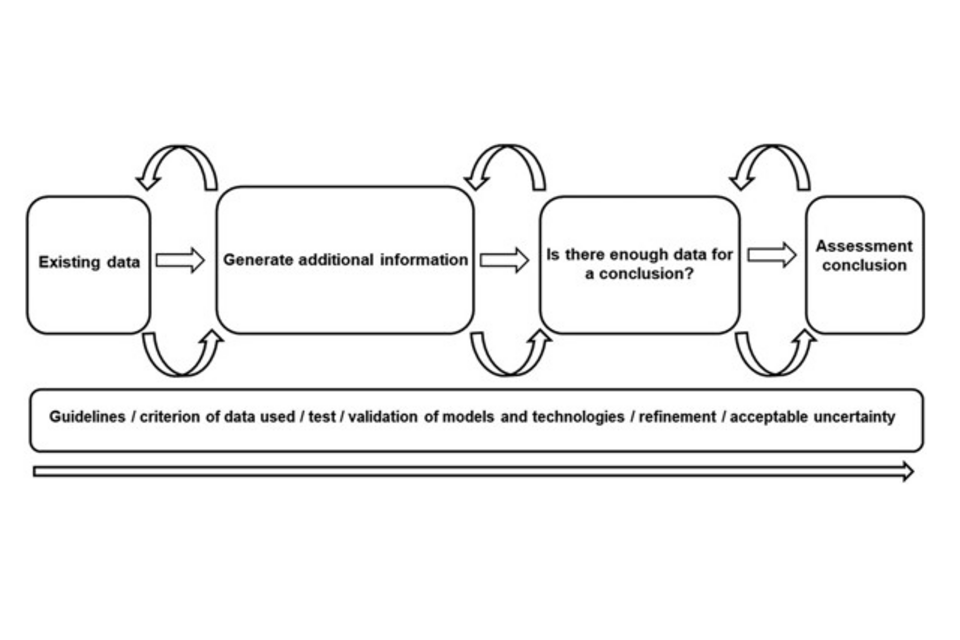
Figure 1. Concluding workflow for integration of NAMs in regulatory risk assessment from the COT FSA Exploring Dose Response Workshop Report (2020). Figure taken from Osborne et al., 2024b.
4. The COT held a workshop on Evolving Our Assessment & Future Guiding Principles (2023) to start work on updating its guidance on toxicity testing and its supporting principles. In the COT recommendations set out in the workshop report, weight of evidence and integration of NAMs by using the best available science were priorities.
5. This year’s Annual COT workshop is on Application of Weight of Evidence & Context of Use in Risk Assessment. This paper introduces the principles and concepts of weight of evidence, qualification system and context of use for information and some recent guidance from regulatory authorities as background reading material.
Weight of Evidence
Background
6. Weight of evidence (WoE) is a systematic process of gathering, evaluating, and combining multiple independent lines of data to determine the likelihood of an adverse health effect which then leads to a regulatory decision. It weighs the collective strength of all available information.
7. Regulatory bodies and scientific authorities have adopted WoE to handle complex, conflicting, or incomplete data sets in human health, chemical, and ecological risk assessments.
8. This approach is being used to integrate diverse, heterogeneous scientific data rather than relying on a single study. This allows for a diverse set of data sources, multiple streams of evidence, scoring the data in terms of relevance and reliability, minimizes unnecessary animal testing whilst championing the 3Rs as well as providing a transparent framework that allows to provide a clear trail of how a decision was made with an uncertainty analysis.
Introduction
9. The touchstone of WoE in health and environmental assessments is Hill’s considerations (Hill, 1965) Sir Austin Bradford Hill’s 1965 landmark paper, “The Environment and Disease: Association or Causation?” which outlines nine viewpoints (criteria) to help epidemiologists decide if an observed statistical association between an environmental factor and a disease represents a true causal relationship. In the paper, the set of nine principles to consider when evaluating epidemiologic evidence of a causal relationship between an exposure and outcome was outlined. As an example, he demonstrated the connection between cigarette smoking and lung cancer.
10. The list of principles is as follows:
Strength (effect size): A small association does not mean that there is not a causal effect, though the larger the association, the more likely that it is causal. Consistency (reproducibility): Consistent findings observed by different persons in different places with different samples, strengthens the likelihood of an effect. Specificity: Causation is likely if there is a very specific population at a specific site and disease with no other likely explanation. The more specific an association between a factor and an effect is, the bigger the probability of a causal relationship. Temporality: The effect has to occur after the cause (and if there is an expected delay between the cause and expected effect, then the effect must occur after that delay). Biological gradient (dose–response relationship): Greater exposure should generally lead to greater incidence of the effect. However, in some cases, the mere presence of the factor can trigger the effect. In other cases, an inverse proportion is observed: greater exposure leads to lower incidence. Plausibility: A plausible mechanism between cause and effect is helpful (but Hill noted that knowledge of the mechanism is limited by current knowledge). Coherence: Coherence between epidemiological and laboratory findings increases the likelihood of an effect. However, Hill noted that “lack of such [laboratory] evidence cannot nullify the epidemiological effect on associations”. Experiment: “Occasionally it is possible to appeal to experimental evidence”. Analogy: The use of analogies or similarities between the observed association and any other associations. Some consider, also, Reversibility: If the cause is deleted then the effect should disappear as well.
U.S. Environmental Protection Agency (EPA) Guidelines for Risk Assessment and Carcinogenicity
11. In 1983, the National Academy of Sciences (NAS)/National Research Council (NRC) published a report entitled Risk Assessment in the Federal Government: Managing the Process that included a discussion of the nature of risk assessment. It stated that “risk assessment is the use of the factual basis - the underlying scientific information - to define the potential health effects that may result from exposure of individuals or populations to hazardous materials.”
12. It was during this discussion that the NRC flagged and acknowledged the inherent uncertainties in the risk assessment process.
13. In the report, the NRC also recommended that Federal regulatory agencies establish “inference guidelines” to promote consistency and technical quality in risk assessments and to ensure that the risk assessment process was maintained as a scientific effort separate from risk management.
14. As a result, in 1986, the U.S. Environmental Protection Agency issued final risk assessment guidelines relating to five areas: carcinogenicity, mutagenicity, chemical mixtures, developmental toxicants, and estimating exposures. The guidelines were developed to promote high technical quality and Agency-wide consistency in the process of assessing the potential impacts of human exposure to environmental contaminants (Fact Sheet: EPA’s Guidelines for Carcinogen Risk Assessment). The guidelines were also meant to inform decision-makers and the public on the processes that EPA intended to use to assess these possible health effects, thereby providing the transparency needed to permit the public to actively engage in a dialogue with the EPA, as the Agency developed risk assessments using the risk assessment guidelines.
15. Therefore, one of the first examples of WoE approach was the United States Environmental Protection Agency (EPA) classification system published in 1986 as part of its Guidelines for Carcinogen Risk Assessment to evaluate chemical carcinogenicity and mutagenicity.
16. The EPA later updated its Guidelines for Carcinogen Risk Assessment classification system in 2005 with a more flexible WoE approach using descriptive hazard descriptors (such as known/likely, cannot be determined, and not likely) and to better account for modes of action and biological mechanisms.
Regulatory Bodies and recent guidelines
U.S. EPA
17. The US EPA defines a WoE approach as a scientific framework used to assemble, evaluate, and integrate multiple independent lines of evidence to reach a defensible conclusion or derive quantitative values (such as benchmark criteria, hazard levels, or cleanup standards).
18. The U.S. EPA Weight-of-Evidence (WoE) Guidance (2016) provides a structured framework for synthesizing diverse scientific data to evaluate environmental qualities (like causality or impairment) and quantities (like benchmarks or criteria). Therefore, the document provided methods for weighing ecological evidence.
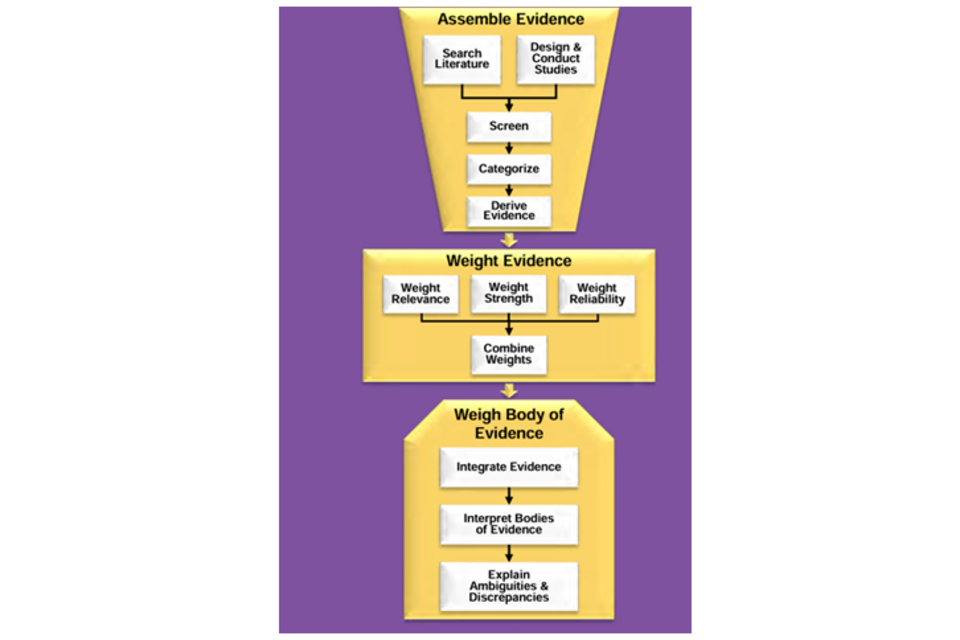
Figure 2. Taken from EPA Weight of Evidence in Ecological Assessment EPA/100/R16/001
19. The document had three goals as stated in the guidance. The first was to assist ecological assessors who plan to weigh multiple pieces of scientific evidence. They provided a standard framework consisting of three steps: assemble evidence, weight evidence, and weigh the body of evidence (Figure 2). They also present a broadly applicable system for assigning weights by evaluating and scoring the evidence and for combining the weighted evidence to determine the best-supported hypothesis. Additional material addresses how to deal with bodies of evidence that are discrepant or anomalous and how to express confidence in inferences based on the weight of evidence. Finally, they briefly address the weighing of evidence to derive quantities used in or generated by assessments.
20. The second goal was to make the weighing of evidence in ecological assessments more formal and defensible. They stated that weighing evidence is best performed using pre-existing and well-described methods. The standard framework and default approach to weighing evidence presented in the document are expected to improve the practice and acceptance of weighing evidence.
21. The third goal was to make the logic of weighing evidence clearer and more consistent. For example, many of the EPA’s weight-of-evidence analyses are based on Hill’s considerations, a 50-year-old list that mixes characteristics of causal relationships, types of evidence, and properties of evidence. The document addressed those aspects of evidence separately and uses them systematically.
22. The EPA noted that the use of the methods will improve the consistency and reliability of WoE-based assessments and the defensibility of scientific input to decision making.
European Food Safety Authority (EFSA)
23. EFSA requested their Scientific Committee to develop a guidance document on the use of the weight of evidence approach in scientific assessments for use in all areas under EFSA’s remit. The guidance document addresses the use of weight of evidence approaches in scientific assessments using both qualitative and quantitative approaches. Several case studies covering the various areas under EFSA’s remit are annexed to the guidance document to illustrate the applicability of the proposed approach.
24. The EFSA Scientific Committee (2017) Guidance on the Weight of Evidence (WoE) defines a weight of evidence assessment as a structured process where scientific evidence is integrated to determine the relative support for possible answers to a question.
Concepts and principles
25. The basic steps (Figure 3) EFSA propose in a weight of evidence risk assessment are:
(1) assembling the evidence into lines of evidence of similar type
(2) weighing the evidence
(3) integrating the evidence
26. The guideline document identifies reliability, relevance and consistency as three basic considerations for weighing evidence.
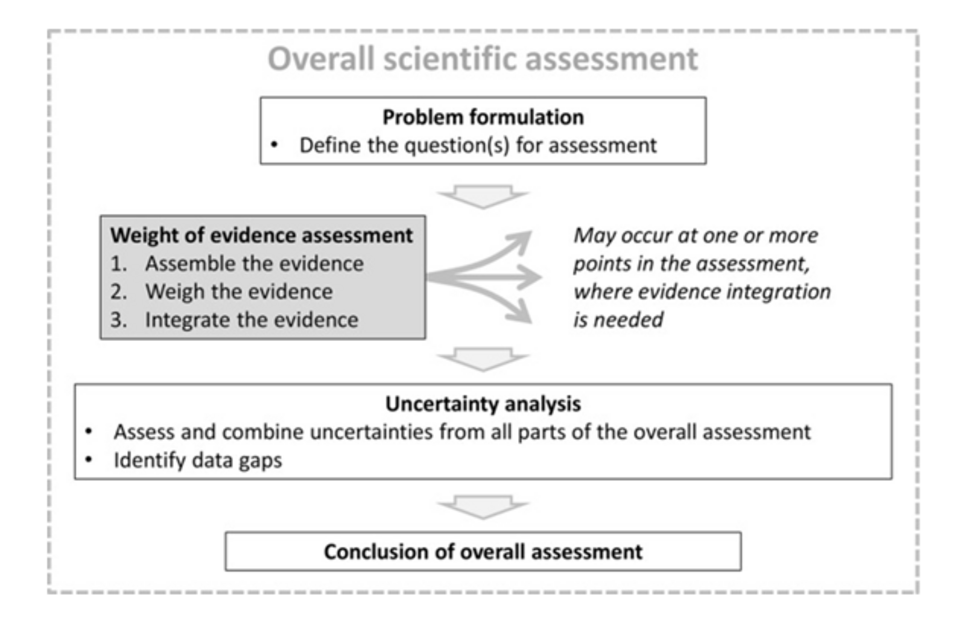
Figure 3. Diagrammatic illustration of weight of evidence assessment as a 3-step process which may occur at one or more points in the course of a scientific assessment.
Key considerations for weighing evidence
27. How these three concepts relate to one another, to the three basic steps of weight of evidence assessment and to the weight of evidence conclusion are illustrated in Figure 4.
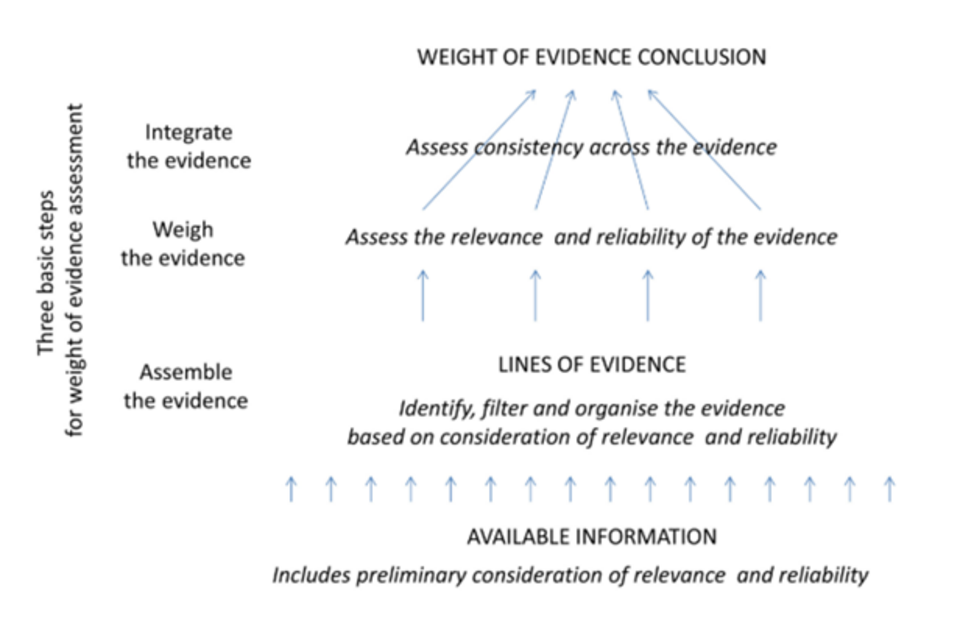
Figure 4. Relationship of relevance (including biological relevance), reliability and consistency to the three basic steps of weight of evidence assessment and to the conclusion for a weight of evidence question.
28. The document defines reliability, relevance and consistency as follows: Reliability is the extent to which the information comprising a piece or line of evidence is correct, i.e. how closely it represents the quantity, characteristic or event that it refers to. This includes both accuracy (degree of systematic error or bias) and precision (degree of random error). Relevance is the contribution a piece or line of evidence would make to answer a specified question, if the information comprising the evidence was fully reliable. In other words, how close is the quantity, characteristic or event that the evidence represents to the quantity, characteristic or event that is required in the assessment. This includes biological relevance within the document as well as relevance based on other considerations, e.g. temporal, spatial, chemical, etc. Consistency is the extent to which the contributions of different pieces or lines of evidence to answering the specified question are compatible.
German Federal Institute for Risk Assessment (BfR)
29. The German Federal Institute for Risk Assessment (BfR) defines the Weight of Evidence (WoE) approach as an internationally agreed upon procedure for the systematic, collective evaluation of, and weighting of the results/data (lines of evidence) made available by various methods/approaches in order to answer a research question. The approach should be adopted if multiple independent sources of evidence are available. The WoE approach is intended to present the considerations that led to a particular set of conclusions in a transparent and comprehensible manner.
30. The basic elements of a WoE assessment are the following three work steps: 1. Consolidation 2. Weighting / critical evaluation 3. Integration of evidence
Organisation for Economic Co-operation and Development (OECD)
31. In 2019, the Organisation for Economic Co-operation and Development (OECD) published Guiding Principles and Key Elements for Establishing a Weight of Evidence for Chemical Assessment (EN).
32. The document was intended to provide universal Guiding Principles that should be considered when developing or augmenting systematic approaches to WoE for chemical evaluation and Key Elements to formulating a systematic approach to WoE.
33. The ultimate goal was to aid regulators to follow a consistent, clear and transparent delivery of evidence using the Principles and Elements described in the document. This can be especially helpful for countries with no existing WoE frameworks or those looking to augment their approaches. It also allows for stakeholders to understand a WoE decision-making process, including the potential for unreasonable bias. These Guiding Principles and Key Elements can be employed to develop frameworks that range from simple and pragmatic approaches to more elaborate systems, depending on the context
34. The OECD document first describes universal Guiding Principles that should be considered when developing or augmenting systematic approaches to WoE for chemical evaluation.
35. The Guiding Principles can be viewed as principles for “good WoE practice” and are intended to be endpoint and receptor agnostic. They can therefore be applied for both ecological or human health purposes. It is stated that the Principles include:
• A Hypothesis which involves a clear formulation and statement of the problem for which evidence is needed and possible alternative hypotheses.
• Be Systematic and Comprehensive in design by documenting a step-wise procedure integrating all evidence and indicating how evidence was collected, evaluated and weighed.
• Include a Treatment of Uncertainty arising from available data (knowns) and data and/or knowledge gaps (unknowns).
• Consider the Potential for Bias during collection, evaluation and weighing of evidence. • Be Transparent by including clear documentation to assist the communication of WoE decisions so that they can be understood, reproduced, supported or questioned by all interested parties.
36. Following from the Principles, Key Elements to formulating a systematic approach to WoE are described. The Elements contain the necessary steps that should be taken to determine the overall strength of evidence to answer a hypothesis question.
37. The Elements include:
• Problem formulation (hypothesis development)
• Evidence collection (establish lines of evidence and knowledge gaps)
• Evidence evaluation (determine data reliability, uncertainty and relevance)
• Evidence weighing (assign weight to evidence)
• Evidence integration and reporting (examine evidence coherence and impact of uncertainty).
38. Central to the above Elements is the communication and treatment of uncertainty. The level of acceptance and impact of uncertainty affects all elements of WoE and ultimately the strength behind decision-making. It is thus a common thread throughout the Elements described in this document and should be clearly understood from the beginning of problem formulation.
39. Finally, it is noted that WoE is based on human judgement and therefore subject to human bias. If the Principles and Elements described in this document are considered, a consistent, clear and transparent delivery of evidence can follow allowing all stakeholders to understand decision-making including potential for unreasonable bias.
European Chemical Agency (ECHA)
40. Under the Registration, Evaluation, Authorisation and Restriction of Chemicals (REACH) process, testing on vertebrate animals (e.g. rats, other mammals or fish) can only be used as a last resort to fulfil information requirements for registration. It is noted that there are multiple ways to avoid unnecessary animal testing and to reduce the number of animal tests. On the How to avoid unnecessary testing on animals page it states “For each individual information requirement, you should consider the following:
• Gather and share existing data. You may get access to published literature that is sufficient for fulfilling the information requirement. If a result of a valid animal test is available, it must be shared with co-registrants. The owner of the test must be compensated according to pre-agreed rules.
• Data waiving or adaptations: rules for adaptations are part of the legal text. They can be either specific (under column 2 of each endpoint) or general (under Annex XI).
To use the general rules, you can waive data or use an adaptation based on the following scientific arguments:
• Weight of evidence. You have sufficient information from several independent sources that lead to the conclusion that your substance has (or does not have) a particular property”.
41. ECHA provide a page on the use of weight of evidence which states:
“The weight of evidence approach means that you use a combination of information from several independent sources to give sufficient evidence to fulfil an information requirement.
This approach is beneficial when,
i. the information from a single piece of evidence alone is not sufficient to fulfil an information requirement. This could be, for example, due to clear deficiencies in one of the existing studies.
ii. individual studies provide different or conflicting conclusions. The weight you should give to the available evidence depends on factors such as the quality of the data, consistency of results, nature and severity of effects, and relevance of the information. The weight of evidence approach requires use of scientific judgment and, therefore, it is essential to provide adequate and reliable documentation. As a general principle, the more information you provide, the stronger your weight of evidence is. Make sure that you present the information in a structured and organised way and take into account the robustness and reliability of the different data sources to support your justification. For example, in vivo and in vitro data carry more weight in the decision than a QSAR or other computational methods.
To start building your weight of evidence case, gather all information from all possible sources including:
• published literature
• read-across from chemical analogues
• (Q)SAR predictions
• data from existing studies
• in vitro studies
• epidemiological data/human experience.
Tips
• A proper weight of evidence approach includes, as a minimum, two separate study records for the property - also when using textbook values. One single value from a secondary data source is not sufficient as a weight of evidence.
• Choose an expert who has expertise in the relevant properties and study methods. This expert will need to assess the reliability, relevance, adequacy of the available data and judge whether the combined evidence is enough to draw a conclusion about the property or effect of the substance.
• Make this expert judgement transparent and understandable by documenting all information used, all steps carried out in the evaluation process and all conclusions drawn.
• Provide a scientific justification and documentation of the underlying evidence.
• Provide all information that is relevant in your dossier. ECHA or the other authorities do not have the same detailed knowledge about your substance as you”.
South Korea
42. In 2022, South Korea’s National Institute of Environmental Research (NIER), an affiliate of the Ministry of Environment, announced plans to expand research into developing more effective hazard assessments of chemical substances. NIER is rolling out a series of official guidebooks and checklists through 2027 to establish standardized WoE approaches for chemical hazard and toxicity assessments under K-REACH, starting with reproductive toxicity.
SCHEER (Scientific Committee on Health, Environmental and Emerging Risks), Memorandum on Weight of Evidence approach for Risk Assessment
43. In 2026, the European Commission’s Scientific Committee on Health, Environmental and Emerging Risks (SCHEER) published the SCHEER Memorandum on Weight of Evidence approach for Risk Assessment. It updates and replaces the previous 2018 SCHEER memorandum to provide a standardized, transparent framework for evaluating scientific evidence when assessing risks to human health and the environment.
44. The aim of the document is to support the use of the WoE, wherever appropriate, for the risk assessment activities of SCHEER. In addition, it should support the consistency in the work of different EU bodies performing risk assessments. It is noted that the WoE is an iterative process involving:
• Problem formulation of the risk assessment requested,
• Identification of sources, collection and selection of data and information as well as gaps in relation to the aim of the assessment,
• Screening of the data and information to identify those that are relevant to address the question(s) posed by the Commission Services,
• Assessment of the quality and consistency of the content and weighing of the data and information to establish individual lines of evidence,
• Integration of the relevant lines of evidence,
• Conclusions and reporting.
EFSA Qualification System
Implementation Plan for the proposed Qualification System for New Approach Methodologies (NAMs) in the food and feed sector with focus on nanomaterial risk assessment
45. The Implementation Plan for the proposed Qualification System for New Approach Methodologies (NAMs) in the food and feed sector with focus on nanomaterial risk assessment has been developed by the NAMs4Nano consortium under an EFSA mandate which established a structured, framework to accelerate the regulatory uptake of New Approach Methodologies (NAMs), with a primary focus on nanomaterial (NM) risk assessment. The purpose is to evaluate the scientific validity (relevance and reliability) of candidate NAMs using a streamlined process less rigid than full OECD TG adoption.
46. Below is the abstract summary along with the proposed qualification system and context of use summary.
Abstract
47. “Many promising New Approach Methodologies (NAMs) emerged in the last decades but only some are taken up as OECD Test Guidelines (TGs). For regulatory decision-making data from non-guideline studies are primarily considered as mechanistic support rather than direct evidence. The nanotechnology sector is particularly promising for the implementation of NAMs in risk assessment. The EFSA Guidance on risk assessment of nanomaterials (NMs) in the food and feed sector recommends using NAMs in the first steps to generate new information (EFSA Scientific Committee, 2021a). Qualification is a novel approach to accelerate the regulatory implementation of suitable NAMs for a specific context of use. Our consortium was mandated by EFSA to propose a generic framework for a NAMs Qualification System to be applied in the food and feed sector and to provide a first example for its implementation in NM risk assessment. This report provides an implementation plan for the NAMs Qualification System proposed by the NAMs4NANO consortium. Our consortium broadly consolidated feedback obtained i) during a public consultation phase, ii) in dialogues with key stakeholders (e.g. OECD, ECHA, SCCS, EMA, ECVAM) and iii) during several workshops, meetings and conferences. In addition, the proposed readiness criteria for assessing the scientific validity of the methods were tested for selected NAMs internally (case studies within our consortium) and externally (case studies in other projects).
48. Overall, the Qualification System and the readiness criteria were well received by key stakeholders. The collected feedback facilitated an analysis of potential critical issues which may hamper the implementation of a NAMs Qualification System in the food and feed sector. Practical testing allowed the first adaptations and amendments of the proposed readiness criteria”.
Qualification
49. “Qualification emerged as a novel approach to speed-up the regulatory use of suitable NAMs. Qualification is an expert judgement obtained within a clearly defined process demonstrating the scientific validity (i.e. reliability and relevance) of a method for a well-defined context of use (COU), which describes the details how the method will be applied (i.e. which pieces of information will it deliver and where/ how in decision-making this information is used). Existing Qualification Systems operate in the context of e.g., drug development tools at US Food and Drug Administration (FDA) and research and development of pharmaceuticals at European Medicines Agency (EMA). Our consortium was mandated by EFSA to propose a generic framework for a NAMs Qualification System for the food and feed sector and to provide a first example for its implementation for NM risk assessment.
50. Overall, the Qualification System itself can be regarded as a practical tool, which allows regulators to a) evaluate NAMs regarding their suitability for a specific COU, b) provide a platform for co-development of NAMs with regulators to support their optimization and c) ultimately facilitate their regulatory implementation for risk assessments of NMs in the food and feed sector.
51. The consortium prioritised qualification for the following types of NAMs: a) NM physicochemical characterisation, b) characterisation of NM in relevant biological fluids (e.g., to assess solubility, dissolution/degradation, other relevant particle transformations that have an impact on the assessments), c) initial toxicity testing covering specifically cytotoxicity, genotoxicity, reactivity/oxidative stress, (pro-)inflammatory responses as well as barrier impairment and intestinal uptake/crossing. In addition, our consortium proposed a generic catalogue of readiness criteria to evaluate the “scientific validity” of a method, structured into three overarching sections, namely i) detailed test method description (preferably as detailed SOPs), ii) relevance and iii) reliability”.
Qualification and context of use
52. Qualification is an expert judgement obtained within a clearly defined process demonstrating the scientific validity (i.e. reliability and relevance) of a method for a well-defined specific context of use.
53. Context of use (COU) means a full description of the details on how the method will be applied: i) in which decision-making process will it be used, ii) which information will it deliver for which step and, iii) how this information can be used to take the decision. For example, is the method integrated in a specificity or is the outcome used in a Weight of Evidence (WoE) approach?
Qualification: Proposed process and information requirements per stage
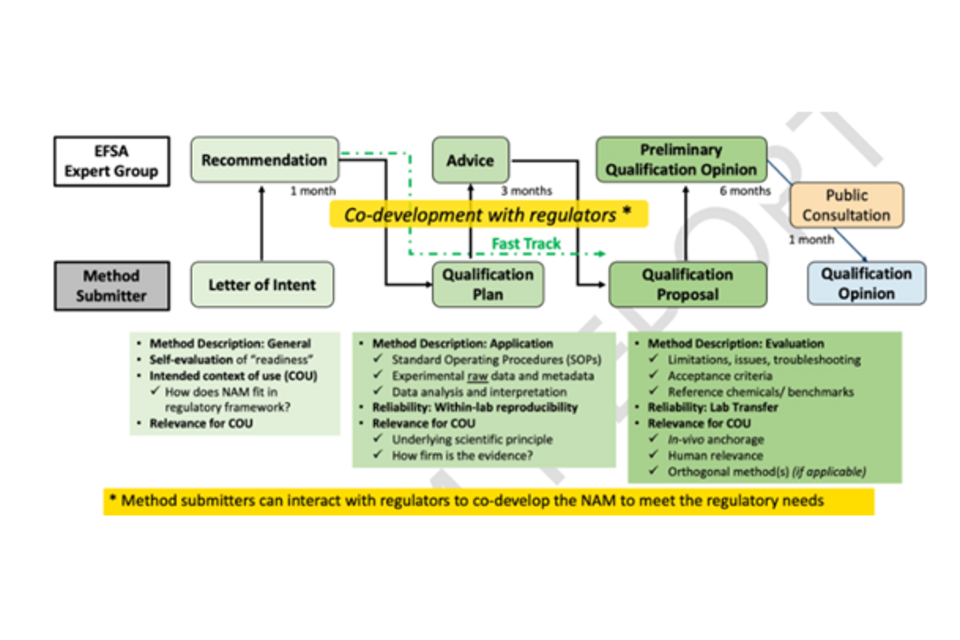
Figure 5. The proposed process for a NAMs Qualification System for NMs in the food and feed sector along with a concise overview on information requirements per stage. Taken from the Implementation Plan for the proposed Qualification System for New Approach Methodologies (NAMs) in the food and feed sector with focus on nanomaterial risk assessment report described above.
U.S. Food Drug Administration (FDA) Context of Use
54. The US FDA define Context of Use (COU) as a concise, formal statement that defines a specific tool’s, biomarker’s, or technology’s intended role, population, and purpose in drug development or regulatory review.
What is a context of use (COU) for a biomarker?
55. The COU is a concise description of the biomarker’s specified use in in drug development (Context of Use FDA). It is stated that the “COU includes two components: (1) the BEST biomarker category and (2) the biomarker’s intended use in drug development. Each biomarker qualification effort should identify a single COU.
56. A COU is generally written to be consistent with the following structure: [BEST biomarker category] to [drug development use].
Examples of Biomarker Intended Use in Drug Development
• Defining inclusion/exclusion criteria
• Defining treatment allocation arms
• Cessation of a patient’s participation in a clinical trial
• Establishing a drug’s proof of concept in a patient population
• Supporting clinical dose selection
• Serving to enrich clinical trial for an event or population of interest
• Evaluating treatment response
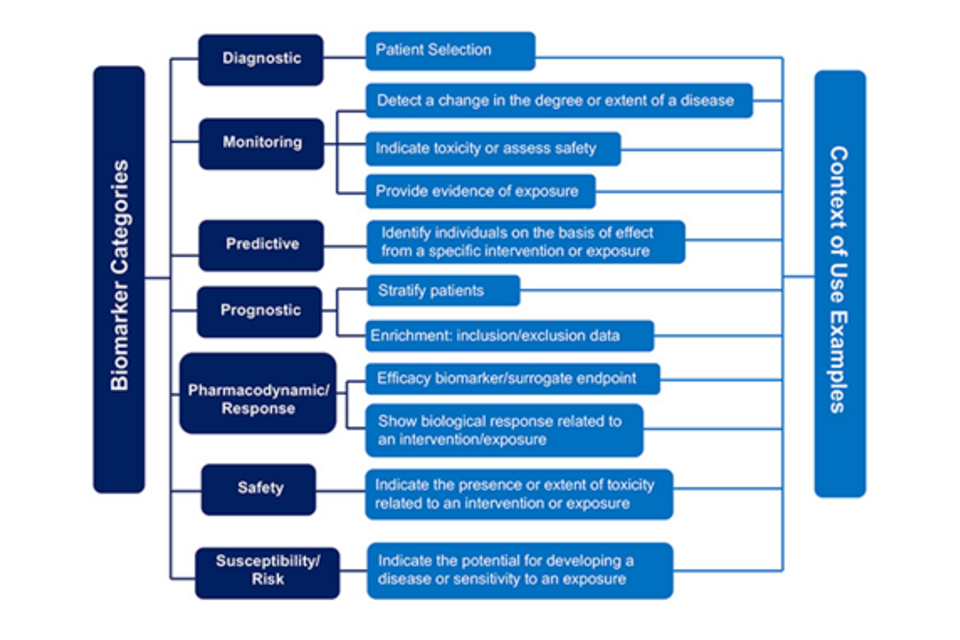
Figure 6. BEST Biomarker Category and Examples of Corresponding Drug Development Uses.
Examples of COUs
• Predictive biomarker to enrich for enrolment of a sub group of asthma patients who are more likely to respond to a novel therapeutic in Phase 2/3 clinical trials.
• Prognostic biomarker to enrich the likelihood of hospitalizations during the timeframe of a clinical trial in phase 3 asthma clinical trials.
• Safety biomarker for the detection of acute drug-induced renal tubule alterations in male rats”
Conclusion
57. This introductory paper provides a summary of recent guidelines and regulatory authorities frameworks on WoE and COU. The aim of the paper is to allow COT Members to have some preliminary discussions and share their initial views ahead of the 2026 workshop. The headings below are provided to guide the discussion.
Points for the Committee to consider:
i) Do you agree with the WoE definitions across different EU or international bodies?
ii) Should we have our own definitions on Weight of Evidence?
iii) In which regulatory contexts (e.g., pesticide renewals, novel foods, food contact materials) is a WoE approach it is likely to be used, and when is a full review required instead?
iv) Any frameworks or guidelines to highlight?
v) How can the committee ensure that expert judgment remains auditable and free from hidden subjectivity when final integration decisions are made?
vi) Any comments on the weight of evidence guidelines?
vii) Any comments on the proposed qualification system?
viii) Any comments on Context of Use?
ix) Any other comments?
Secretariat
October 2026
References
Committee on the Toxicity of Chemicals in Food, Consumer Products and the Environment / Food Standards Agency Exploring Dose Response Workshop Report
COT FSA Exploring Dose Response Workshop Report (2020)
Committee on the Toxicity of Chemicals in Food, Consumer Products and the Environment Workshop Report (2023)
COT Evolving Our Assessment & Future Guiding Principles (2023)
European Food Safety Authority-Guidance on the use of the weight of evidence approach in scientific assessments (2017)
Guidance on the use of the weight of evidence approach in scientific assessments - - 2017 - EFSA Journal - Wiley Online Library
European Food Safety Authority Implementation Plan for the proposed Qualification System for New Approach Methodologies (NAMs) in the food and feed sector with focus on nanomaterial risk assessment (2026)
Implementation Plan for the proposed Qualification System for New Approach Methodologies (NAMs) in the food and feed sector with focus on nanomaterial risk assessment
European Chemical Agency Weight of Evidence Information Page
Weight of evidence - ECHA
European Chemical Agency How to avoid unnecessary testing on animals Information Page How to avoid unnecessary testing on animals - ECHA
Hill, A.B., 2015. The environment and disease: association or causation?. Journal of the Royal Society of Medicine, 108(1), pp.32-37.
Osborne, O.J., Botham, P., Mulholland, C., Potter, C., Gott, D., Adkin, A. and Boobis, A., 2024a. Food for thought—paving the way for a UK roadmap towards optimum consumer safety: development, endorsement and regulatory acceptance of new approach methodologies (NAMs) in chemical risk assessment and beyond. Regulatory Toxicology and Pharmacology, 153, p.105701.
Osborne, O.J., Boobis, A., Botham, P., Price, S.C., Kuhnle, G.C., Mulholland, C., Potter, C. and Gott, D., 2024b. The new normal chemical landscape: the future of risk assessment toward optimum consumer safety. Toxicology Research, 13(2), p.tfae016.
Risk Assessment in the Federal Government: Managing the Process 1983
Risk Assessment in the Federal Government: Managing the Process The National Academies Press
U.S Food and Drug Administration Context of Use
Context of Use FDA
US Environmental Protection Agency (EPA) Guidelines for Carcinogen Risk Assessment
Fact Sheet: EPA’s Guidelines for Carcinogen Risk Assessment Risk Assessment Portal US EPA
US Environmental Protection Agency (EPA) Guidelines for Carcinogen Risk Assessment (1986)
Guidelines for Carcinogen Risk Assessment (1986) Risk Assessment Portal US EPA
US Environmental Protection Agency (EPA) Guidelines for Carcinogen Risk Assessment (2005)
Guidelines for Carcinogen Risk Assessment
US Environmental Protection Agency (EPA) Weight of Evidence Guidance (2016)
U.S. EPA Weight-of-Evidence (WoE) Guidance
##Abbreviations
| Abbreviation | Definition |
|---|---|
| BfR | German Federal Institute for Risk Assessment |
| COU | Context of Use |
| COT | Committee on the Toxicity of Chemicals in Food, Consumer Products and the Environment |
| ECHA | European Chemical Agency |
| EFSA | European Food Safety Authority |
| NAMs | New Approach Methodologies |
| OECD | Organisation for Economic Co-operation and Development |
| U.S. EPA | U.S. Environmental Protection Agency (EPA) |
| U.S FDA | U.S. Food Drug Administration |
| WoE | Weight of Evidence |