Reynolds: Farm tech supercharged to boost profitability
Environment Secretary to announce £345 million to fund innovation, new technology and infrastructure to boost farm productivity and support the conditions for more affordable food over time
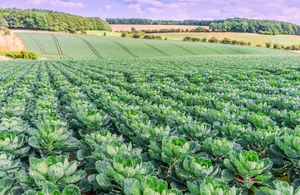
British farming is to be supercharged with £345 million in funding to boost everyday productivity alongside cutting-edge technologies to drive future growth, Environment Secretary Emma Reynolds will announce today (Tuesday 24 February).
She will set out how the government is ‘taking action to back farmers’ in her address to the National Farmers’ Union Conference, underlining a focus on partnership and listening to what farmers need.
Building on the package announced at the Oxford Farming Conference in January, the Environment Secretary will outline how the government is responding to farmers’ calls for partnership, clarity and long-term stability after extensive engagement with the sector.
Environment Secretary Emma Reynolds is expected to say:
I am determined to give British farming the foundation it needs to grow.
We want farm businesses that are productive, profitable, and resilient.
We want to see more British food on more tables – here at home and around the world.
And we want a countryside that is thriving – for wildlife, for communities, and for the families who have worked this land for generations.
The new Sustainable Farming Incentive offer will be simpler, fairer, more stable, and shaped by farmers. It will include 71 actions, down from 102, with agreements capped at £100,000 per year. With around 97% of farms already below this level, the cap will help ensure funding is shared more fairly and reaches more small and medium sized farms. Applications will open in June for small farms and those without a live Environmental Land Management (ELM) revenue agreement, with small farms defined as holdings of three to 50 hectares registered with the Rural Payments Agency (as of 1 January 2026).
A second application window will open to all farmers in September, with further details to follow. The SFI will continue to back productive, profitable farm businesses that deliver food security and value for consumers.
The package includes £70 million for the Farming Innovation Programme to move cutting-edge research into practical tools, allowing farmers to cultivate new crops that will help them to grow their businesses. This builds on a previous award of £21.5 million for 15 innovation projects across England to help farms cut emissions, strengthen resilience and boost productivity – from methane-cutting cattle feed to heatwave-proof greenhouses.
£50 million in backing for the Farming Equipment and Technology Fund will help farmers invest in equipment to improve productivity and animal health and welfare and manage slurry, boosting efficiency and performance. From seed-planting robots which cut costs to pesticide spreaders that help reduce chemical use, the grants enable farmers to increase efficiency and sustainability – while supporting long-term food affordability.
The funding, which delivers on the government’s commitment to invest at least £200 million in agricultural innovation by 2030, will help farmers invest in infrastructure that boosts productivity and resilience and improves animal health.
The Secretary of State will also confirm a new round of Environmental Land Management (ELM) Capital Grants opening in July 2026 with increased funding of up to £225 million available, to help farm businesses invest in infrastructure that supports environmental targets and long-term resilience. Farmers can apply for funding to plant hedgerows for biodiversity, new slurry storage tanks, introduce natural flood management measures, and new livestock equipment helping to improve water quality.
Further announcements will include:
-
Reinforcing high standards of animal health and welfare by consulting on making Animal Health and Welfare Reviews, known as vet visits, mandatory for cattle, sheep and pig farmers in England through a practical, proportionate approach.
-
Tackling the risk of avian influenza by launching a new grant this summer to offer poultry biosecurity reviews, delivered through on-farm vet visits.
-
Shaping the Farming Roadmap through continued engagement with farmers and industry, with work already well underway and grounded in farmers’ experience.