Festive foods and your medicines: MHRA shares advice to help you stay safe this winter
This holiday season, the MHRA is reminding people that some common festive foods can interact with medicines, altering how well they work or increasing the risk of side effects.
As the festive season approaches, many of us enjoy foods and drinks that aren’t part of our usual routines. The Medicines and Healthcare products Regulatory Agency (MHRA) is reminding people that some of these seasonal favourites – including traditional Christmas vegetables, sugary treats and certain cheeses – can interact with medicines, altering how well they work or increasing the risk of side effects.
Changes to our eating and drinking habits are common at this time of year, but it’s important to understand how these changes may affect your treatment. Some foods, drinks and supplements can reduce the effectiveness of medicines or make side effects more likely.
One example is warfarin; a medicine commonly used to prevent and treat blood clots:
-
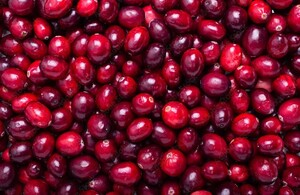
Cranberry products, including juices and sauces, may increase the likelihood of bruising or bleeding in people taking warfarin.
-
Leafy greens and brassica vegetables such as Brussels sprouts, broccoli and cabbage are rich in vitamin K, which can reduce the effectiveness of warfarin when eaten in large or inconsistent amounts. (Some supplements may also contain vitamin K, so always read the label.)
These foods do not need to be avoided. Instead, the MHRA advises anyone taking warfarin to keep their intake of vitamin-K-rich foods consistent, especially during the festive period when diets often change.
Christmas treats can also affect how other medicines work. For people who use insulin, sugary seasonal snacks – including chocolates and sweets – can cause unexpected changes to blood glucose levels. Enjoying these foods in moderation and following the guidance given by your healthcare team can help you stay well over the holidays.
Some traditional festive foods can also interact with specific medicines. Tyramine-rich foods – such as aged cheeses, cured meats and dark chocolate – can cause problems for people taking certain medicines like monoamine oxidase (MAO) inhibitors (a type of antidepressant). If you are taking one of these medicines, check the information provided with your prescription and follow the recommended food restrictions.
Dr Stephanie Millican from the MHRA’s Safety and Surveillance team, said:
Many people don’t realise that what we eat and drink can affect how some medicines work. With a little planning and the right advice, you can enjoy your festive favourites while keeping your treatment on track.”
The safest way to stay informed is to read the Patient Information Leaflet (PIL) that comes with your medicine and to ask your pharmacist or GP if you are unsure about possible interactions. Healthcare professionals can provide personalised advice to ensure your treatment continues to work safely and effectively throughout the festive season.
If you experience any unexpected side effects or have concerns about a medicine, you can report them via the Yellow Card scheme. By reporting, you help the MHRA monitor product safety and protect others from harm.
Notes to editors
-
The Medicines and Healthcare products Regulatory Agency (MHRA) is responsible for regulating all medicines and medical devices in the UK by ensuring they work and are acceptably safe. All our work is underpinned by robust and fact-based judgements to ensure that the benefits justify any risks.
-
The MHRA is an executive agency of the Department of Health and Social Care.
-
For media enquiries, please contact the newscentre@mhra.gov.uk, or call on 020 3080 7651.