UK overseas trade in goods statistics April 2026: commentary
Published 12 June 2026

© Crown copyright 2026
This publication is licensed under the terms of the Open Government Licence v3.0 except where otherwise stated. To view this licence, visit nationalarchives.gov.uk/doc/open-government-licence/version/3 or write to the Information Policy Team, The National Archives, Kew, London TW9 4DU, or email: psi@nationalarchives.gov.uk.
Where we have identified any third party copyright information you will need to obtain permission from the copyright holders concerned.
This publication is available at https://www.gov.uk/government/statistics/uk-overseas-trade-in-goods-statistics-april-2026/uk-overseas-trade-in-goods-statistics-april-2026-commentary
Trade in goods summary
Data behind this bulletin is available through the UK Trade Info website, where users can build their own tables according to the countries, commodities, and ports selected.
For more information on how we compile the trade in goods statistics, users must refer to the accompanying methodology notes. Further information about trade in non-monetary gold (NMG) can be found in the monthly gold table.
Total exports of goods for April 2026
£36.4 billion up £0.7 billion, or 2%, on March 2026, up £1.5 billion, or 4%, on April 2025
Total imports of goods for April 2026
£63.6 billion down £11.6 billion, or 15%, on March 2026, up £5.2 billion, or 9%, on April 2025
Source: UK overseas trade in goods statistics from HM Revenue & Customs
Note: 2025 and 2026 data is provisional.
The UK was a net importer this month, with imports exceeding exports by £27.2 billion, narrowing the trade gap by £12.3 billion compared with March 2026.
Figure 1: Total UK monthly trade in goods, November 2024 to April 2026
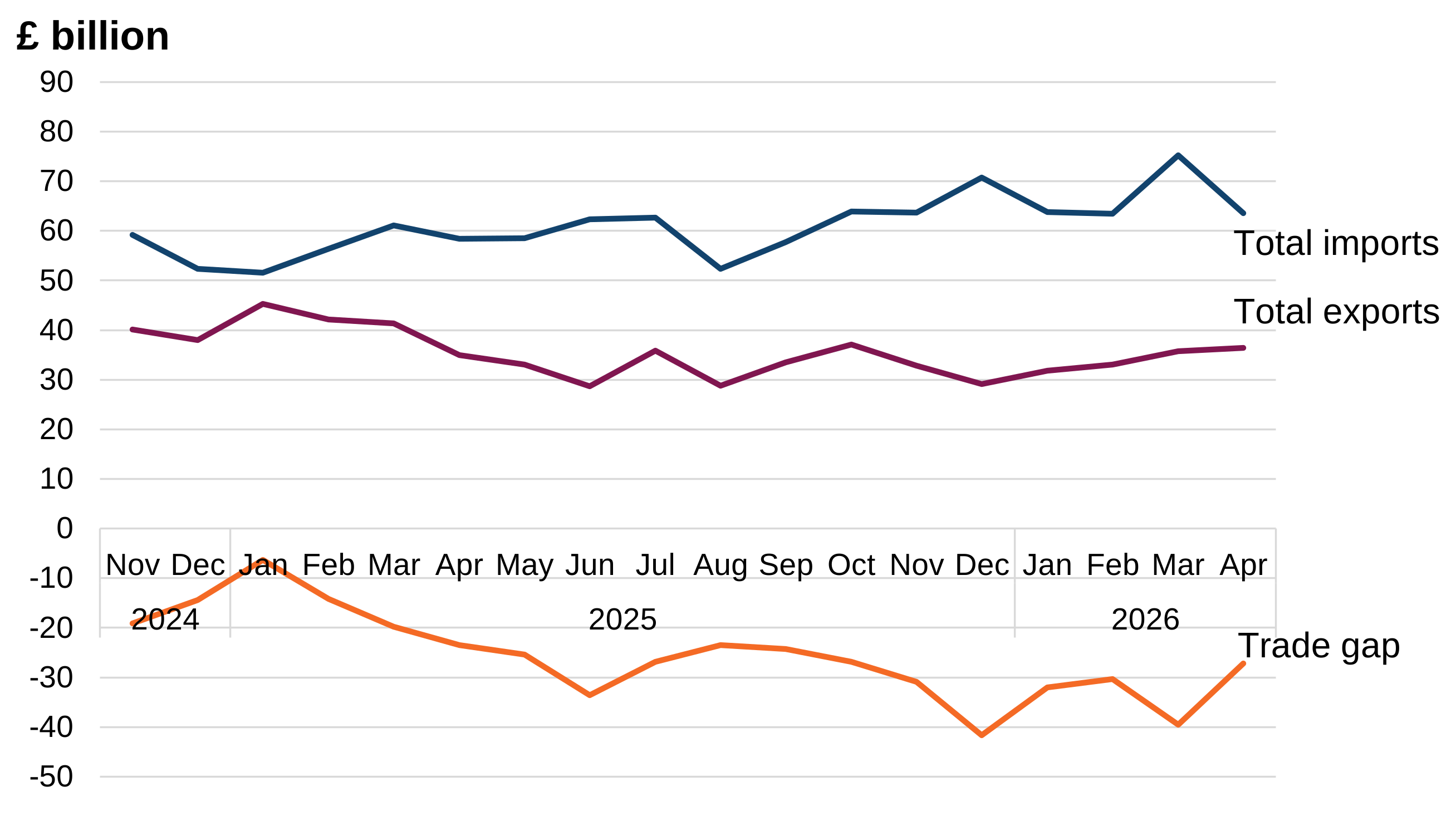
Figure 1 shows total exports, imports and the trade gap for the period from November 2024 to April 2026.
Source: UK overseas trade in goods statistics from HM Revenue & Customs
Download figure 1: Total UK monthly trade in goods, November 2024 to April 2026 (ODS, 12.9 KB)
Note: 2025 and 2026 data is provisional.
In April 2026, exports increased while imports decreased, with imports decreasing by a greater magnitude. The decrease in imports followed March 2026 being the highest value over the period shown. As a result of this, the trade gap narrowed.
Impact of non-monetary gold (NMG)
Movements in NMG can be large and highly volatile, impacting underlying trends in trade figures. More information can be found in the accompanying methodology notes and in the monthly gold table.
Figure 2: Total UK monthly trade in goods including and excluding NMG, November 2024 to April 2026
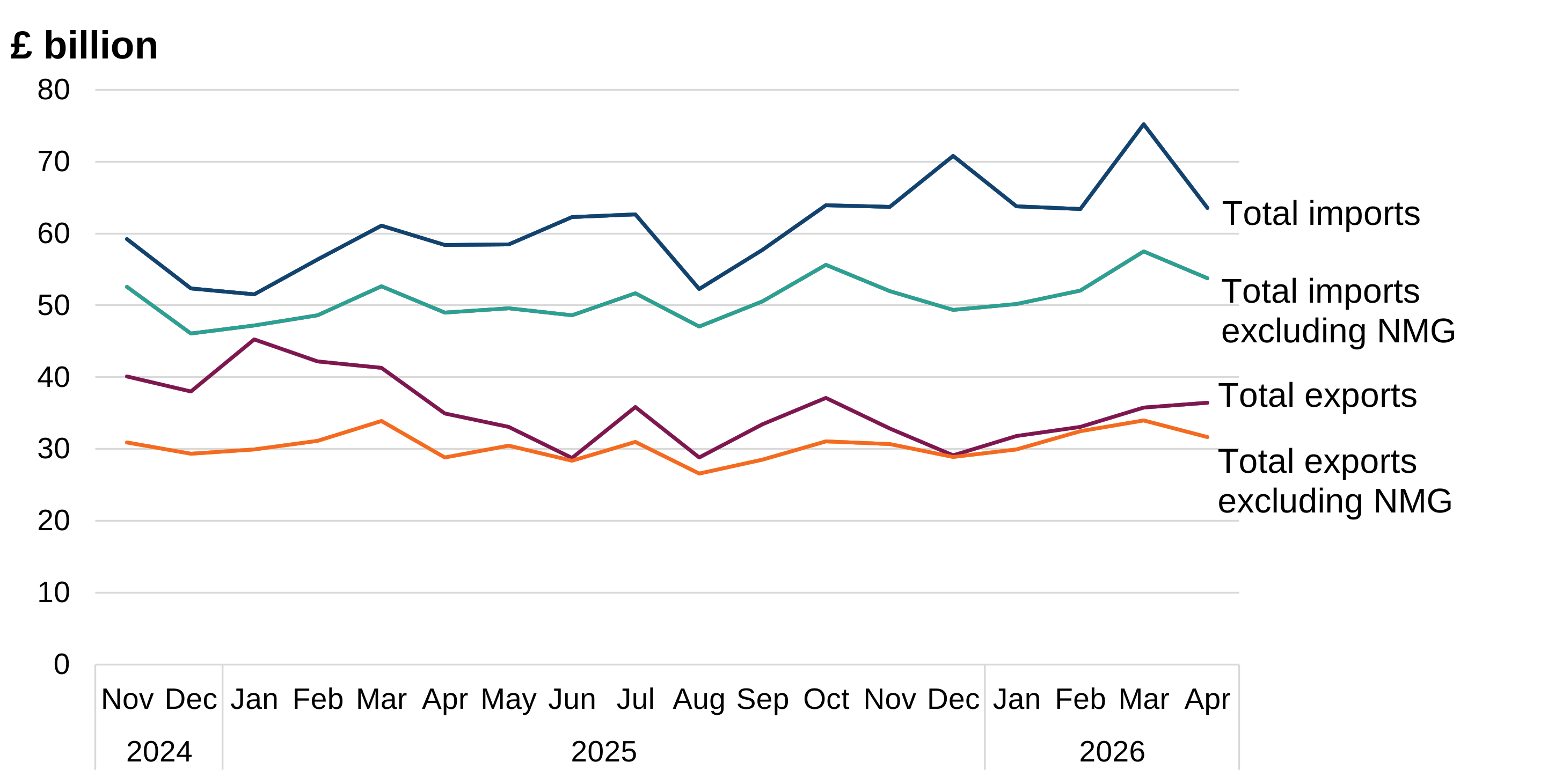
Figure 2 shows exports and imports including and excluding non-monetary gold.
Source: UK overseas trade in goods statistics from HM Revenue & Customs
Note: 2025 and 2026 data is provisional.
NMG exports increased by £3.0 billion in April 2026, while all other exports decreased by £2.3 billion.
NMG imports decreased by £7.9 billion in April 2026, and all other imports decreased by £3.8 billion.
Table 1: UK monthly imports of NMG from non-EU countries by value and net mass, December 2025 to April 2026
| Month of account | Value (£ billion) | Net mass (kg) | Unit price per kg (£) |
|---|---|---|---|
| December 2025 | 20.8 | 206,283 | 100,726 |
| January 2026 | 12.7 | 177,005 | 71,691 |
| February 2026 | 10.3 | 99,940 | 103,246 |
| March 2026 | 16.4 | 148,139 | 110,545 |
| April 2026 | 9.4 | 87,227 | 107,385 |
Source: UK overseas trade in goods statistics from HM Revenue & Customs
The decrease in value of imports of NMG was largely driven by a decrease in quantity from non-EU countries on March 2026, down 41%. This was accompanied by a decrease in unit price in imports from non-EU countries, down 3% over the same period. Together, these led to a decrease in value of 43%.
EU and non-EU trade in goods
Exports to the EU accounted for 46% of the total value of exports, or 51% when excluding NMG.
Imports from the EU accounted for 46% of the total value of imports, or 54% when excluding NMG.
Table 2: Total UK trade in goods with EU and non-EU, including and excluding the impact of NMG, April 2026
(£ billion)
| Flow | EU |
EU excl NMG |
Non-EU |
Non-EU excl NMG |
Total | Total excl NMG |
|---|---|---|---|---|---|---|
| Exports | 16.9 | 16.1 | 19.5 | 15.5 | 36.4 | 31.7 |
| Imports | 29.5 | 29.0 | 34.1 | 24.8 | 63.6 | 53.7 |
Source: UK overseas trade in goods statistics from HM Revenue & Customs
Note: 2025 and 2026 data is provisional.
EU exports for April 2026 were £16.9 billion. This was a decrease of £0.1 billion, or 1%, on March 2026, but an increase of £2.5 billion, or 17%, compared with April 2025.
Non-EU exports for April 2026 were £19.5 billion. This was an increase of £0.8 billion, or 4%, on March 2026, but a decrease of £0.9 billion, or 5%, compared with April 2025.
EU imports for April 2026 were £29.5 billion. This was a decrease of £2.0 billion, or 6%, on March 2026, but an increase of £2.4 billion, or 9%, compared with April 2025.
Non-EU imports for April 2026 were £34.1 billion. This was a decrease of £9.7 billion, or 22%, on March 2026, but an increase of £2.8 billion, or 8.8%, compared with April 2025.
Figure 3: Total UK monthly trade in goods with EU and non-EU, November 2024 to April 2026
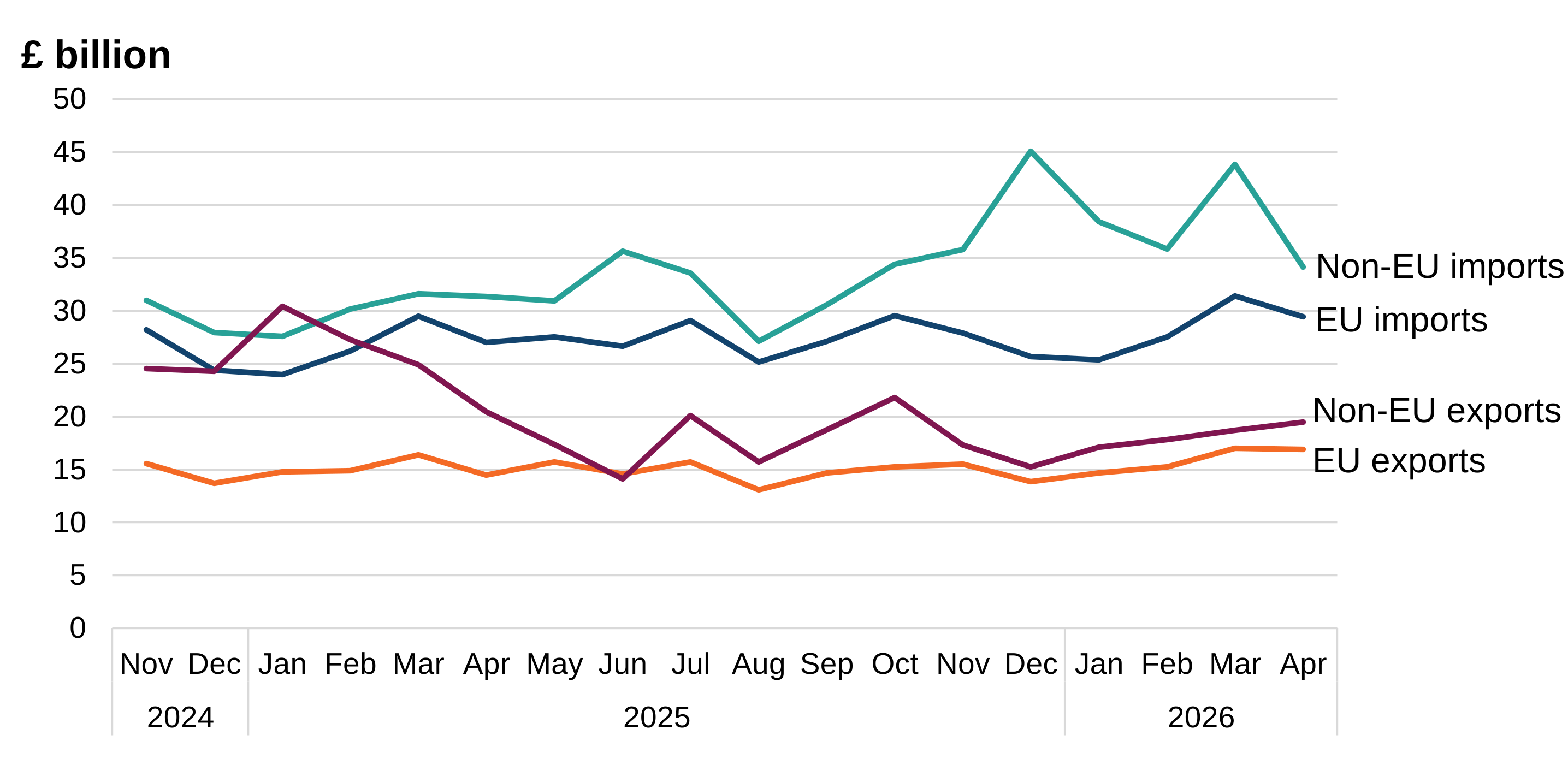
Figure 3 shows total exports and imports for EU and non-EU trade for the period from November 2024 to April 2026.
Source: UK overseas trade in goods statistics from HM Revenue & Customs
Note: 2025 and 2026 data is provisional.
EU exports decreased by £0.1 billion in April 2026. Non-EU exports increased by £0.8 billion, driven by Precious metals.
EU imports decreased by £2.0 billion in April 2026, driven by Precious metals and Motor vehicles. Non-EU imports decreased by £9.7 billion, driven by Precious metals and Mineral fuels.
Exports: Country analysis
You can explore more UK export country data in the interactive data tables.
China had the largest value increase on March 2026, up 70%.
Hong Kong had the largest value increase on April 2025, up to almost 3.5 times the value.
Table 3: UK exports of goods to the top 5 partner countries, value comparison with March 2026 and April 2025 (£ million)
| Partner country | April 2026 | March 2026 | April 2025 |
|---|---|---|---|
| USA | 4,081 | 4,453 | 4,562 |
| China | 3,827 | 2,248 | 3,261 |
| Germany | 3,027 | 3,398 | 2,564 |
| France | 2,733 | 2,133 | 1,926 |
| Netherlands | 2,585 | 2,593 | 2,121 |
Source: UK overseas trade in goods statistics from HM Revenue & Customs
Note: 2025 and 2026 data is provisional.
The USA remained the largest export partner country by value in April 2026. This was despite a decrease in value on March 2026, down £372 million. This was led by Pharmaceutical products and Mechanical appliances. It also decreased in value on April 2025, down £481 billion. This was dominated by Precious metals.
China rose to second largest export partner in April 2026, up from fifth. It had an increase in value on March 2026, up £1.6 billion. This was dominated by Precious metals. It also had an increase in value on April 2025, up £565 million. This was driven by Precious metals, partially offset by Motor vehicles.
Germany became third largest export partner in April 2026, down from second. It had a decrease in value on March 2026, down £371 million. This was driven by Pharmaceutical products, Motor vehicles, and Mineral fuels. In contrast, it had an increase in value on April 2025, up £462 million. This was led by Mechanical appliances and Precious metals.
Hong Kong fell to sixth place in April 2026, down from fourth. This was despite a small increase in value on March 2026, up £28 million. It also had an increase in value on April 2025, up £1.8 billion. This was led by Precious metals.
Figure 4: Historical export values for the top 3 export partner countries, November 2024 to April 2026
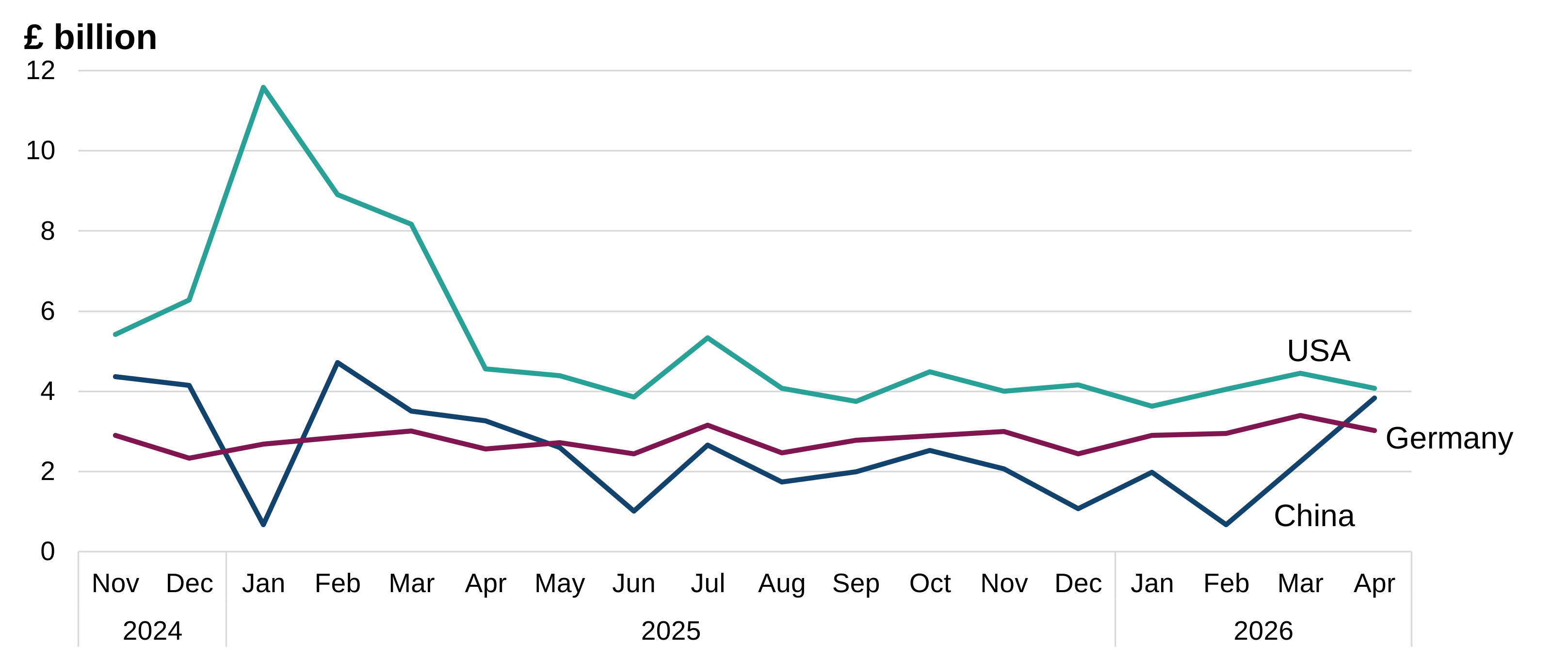
Figure 4 shows the values for the top 3 export partner countries for the period from November 2024 to April 2026.
Source: UK overseas trade in goods statistics from HM Revenue & Customs
Note: 2025 and 2026 data is provisional.
The USA accounted for 11% of the UK’s total exports in April 2026. This was down from 12% in March 2026 and down from 13% in April 2025. The value of exports to the USA decreased by 8% on March 2026 and decreased by 11% on April 2025.
China accounted for 11% of the UK’s total exports in April 2026. This was up from 6% in March 2026 and up from 9% in April 2025. The value of exports to China increased by 70% on March 2026 and by 17% on April 2025.
Germany accounted for 8% of the UK’s total exports in April 2026. This was down from 10% in March 2026 but up from 7% in April 2025. The value of exports to Germany decreased by 11% on March 2026 but increased by 18% on April 2025.
Exports: Chapter analysis
You can explore more UK export chapter data in the interactive data tables.
Precious metals had the largest value increase on March 2026, up 37%.
Mechanical appliances had the largest value increase on April 2025, up 12%.
Table 4: UK exports of goods of the top 5 chapters, value comparison with March 2026 and April 2025 (£ million)
| Chapter | April 2026 | March 2026 | April 2025 |
|---|---|---|---|
| Mechanical appliances | 7,428 | 7,574 | 6,643 |
| Precious metals | 6,704 | 4,896 | 7,137 |
| Mineral fuels | 3,054 | 2,572 | 2,439 |
| Motor vehicles | 2,342 | 2,862 | 2,541 |
| Electronic equipment | 2,333 | 2,404 | 1,939 |
Source: UK overseas trade in goods statistics from HM Revenue & Customs
Note: 2025 and 2026 data is provisional.
Mechanical appliances remained the top export chapter in April 2026. This was despite it having a decrease in value on March 2026, down £147 million. This was driven by the Netherlands and the USA, partially offset by the UAE. In contrast it had an increase in value on April 2025, up £784 million. This was led by Hong Kong, Germany, and the UAE.
Precious metals remained in second place in April 2026. It had an increase in value on March 2026, up £1.8 billion. This was dominated by China and France, partially offset by Switzerland. In contrast, it had a decrease in value on April 2025, down £433 million. This was driven by Switzerland, Azerbaijan, and the USA, partially offset by Hong Kong, China, and France.
Mineral fuels rose to third place in April 2026, up from fourth. It had an increase in value on March 2026, up £482 million. This was driven by the Netherlands and Spain. It also had an increase in value on April 2025, up £616 million, driven by the Netherlands, Spain, and Ireland.
Figure 5: Historical export values for the top 3 export chapters, November 2024 to April 2026
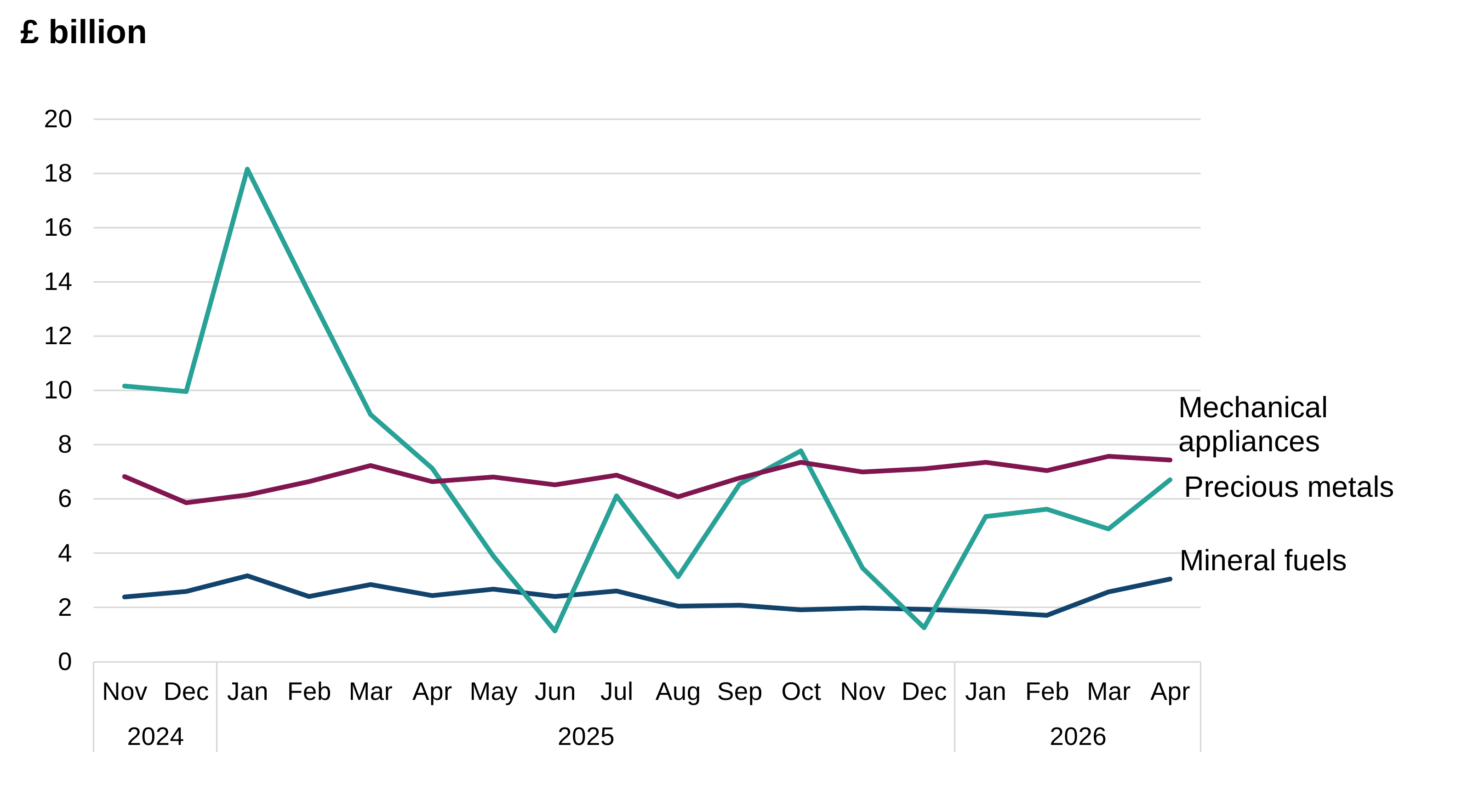
Figure 5 shows the values for the top 3 export chapters for the period from November 2024 to April 2026.
Source: UK overseas trade in goods statistics from HM Revenue & Customs
Note: 2025 and 2026 data is provisional.
Mechanical appliances accounted for 20% of the UK’s total exports in April 2026, down from 21% in March 2026, but up from 19% in April 2025. The value of exports of Mechanical appliances decreased by 2% on March 2026 but increased by 12% on April 2025.
Precious metals accounted for 18% of the UK’s total exports in April 2026. This was up from 14% in March 2026, but down from 20% in April 2025. The value of exports of Precious metals increased by 37% on March 2026 but decreased by 6% on April 2025.
Mineral fuels accounted for 8% of the UK’s total exports in April 2026. This was up from 7% in both March 2026 and April 2025. The value of exports of Mineral fuels increased by 19% on March 2026 and increased by 25% on April 2025.
Imports: Country analysis
You can explore more UK import country data in the interactive data tables.
Switzerland had the largest value decrease on March 2026, down 52%.
Switzerland had the largest value increase on April 2025, up to double the value.
Table 5: UK imports of goods from the top 5 partner countries, value comparison with March 2026 and April 2025 (£ million)
| Partner country | April 2026 | March 2026 | April 2025 |
|---|---|---|---|
| Germany | 6,426 | 7,810 | 6,184 |
| USA | 6,314 | 9,476 | 7,942 |
| China | 5,341 | 5,820 | 4,547 |
| Netherlands | 4,742 | 4,527 | 4,025 |
| Switzerland | 3,927 | 8,239 | 1,940 |
Source: UK overseas trade in goods statistics from HM Revenue & Customs
Note: 2025 and 2026 data is provisional.
Germany became the UK’s largest import partner in April 2026, up from third in March 2026. This was despite it having a decrease in value on March 2026, down £1.4 billion. This was driven by Precious metals and Motor vehicles. In contrast, imports from Germany had an increase in value on April 2025, up £242 million. This was led by Electronic equipment, Mechanical appliances, and Precious metals, partially offset by Motor vehicles.
The USA fell to second place in April 2026. It had a decrease in value on March 2026, down £3.2 billion. This was dominated by Precious metals. It also had a decrease in value on April 2025, down £1.6 billion. This was dominated by Precious metals, partially offset by Mineral fuels.
China rose to third place in April 2026, up from fourth. This was despite it having a decrease in value on March 2026, down £479 million. This was led by Motor vehicles, Furniture and light fittings, and Mechanical appliances, partially offset by Precious metals. In contrast, imports from China had an increase in value on April 2025, up £794 million. This was led by Motor vehicles, Articles of iron or steel, Mechanical appliances, and Precious metals.
Switzerland fell to fifth place in April 2026, down from second. It had a decrease in value on March 2026, down £4.3 billion. In contrast, it had an increase in value on April 2025, up £2.0 billion. Both changes were dominated by Precious metals.
Figure 6: Historical import values for the top 3 import partner countries, November 2024 to April 2026
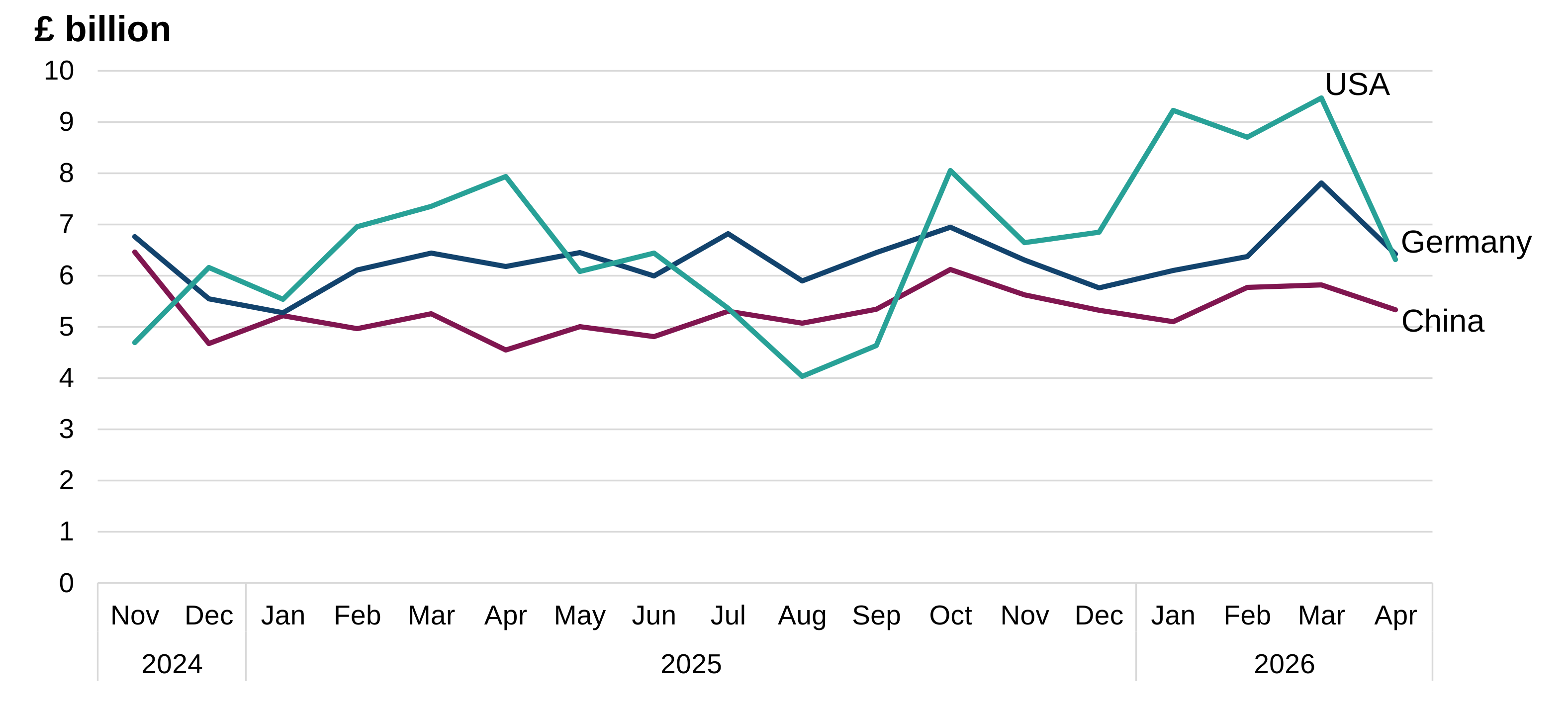
Figure 6 shows the values for the top 3 import partner countries for the period from November 2024 to April 2026.
Source: UK overseas trade in goods statistics from HM Revenue & Customs
Note: 2025 and 2026 data is provisional.
Germany accounted for 10% of the UK’s total imports in April 2026. This was unchanged on March 2026 but down from 11% in April 2025. The value of imports from Germany decreased by 18% on March 2026 but increased by 4% on April 2025.
The USA accounted for 10% of the UK’s total imports in April 2026. This was down from 13% in March 2026 and down from 14% in April 2025. The value of imports from the USA decreased by 33% on March 2026 and decreased by 21% on April 2025.
China accounted for 8% of the UK’s total imports in April 2026. This was unchanged on March 2026 and April 2025. The value of imports from China decreased by 8% on March 2026 but increased by 17% on April 2025.
Imports: Chapter analysis
You can explore more UK import chapter data in the interactive data tables.
Precious metals had the largest value decrease on March 2026, down 43%.
Mineral fuels had the largest value increase on April 2025, up 42%.
Table 6: UK imports of goods of the top 5 chapters, value comparison with March 2026 and April 2025 (£ million)
| Chapter | April 2026 | March 2026 | April 2025 |
|---|---|---|---|
| Precious metals | 11,684 | 20,606 | 10,773 |
| Mechanical appliances | 8,195 | 8,521 | 7,089 |
| Mineral fuels | 6,401 | 6,761 | 4,503 |
| Motor vehicles | 6,327 | 7,147 | 6,018 |
| Electronic equipment | 5,193 | 5,137 | 4,725 |
Source: UK overseas trade in goods statistics from HM Revenue & Customs
Note: 2025 and 2026 data is provisional.
Precious metals remained the UK’s top import chapter in April 2026. This was despite it having a decrease in value on March 2026, down £8.9 billion. This was led by Switzerland, the USA, Canada, and Germany, partially offset by Uzbekistan. In contrast, imports of Precious metals had an increase in value on April 2025, up £912 million. This was driven by Switzerland, Canada, and South Africa, partially offset by the USA.
Mechanical appliances remained the UK’s second largest import chapter in April 2026. It had a decrease in value on March 2026, down £326 million. This was led by Hungary, the USA, and Germany, partially offset by Ireland. In contrast, imports of Mechanical appliances increased in value on April 2025, up £1.1 billion. This was driven by Ireland and China.
Mineral fuels rose to third place in April 2026, up from fourth. This was despite it having a decrease in value on March 2026, down £359 million. This was driven by Norway, Kuwait, Nigeria, and the UAE, partially offset by the Netherlands. In contrast, imports of Mineral fuels increased in value on April 2025, up £1.9 billion. This was led by the Netherlands, the USA, and Norway.
Figure 7: Historical import values for the top 3 import chapters, November 2024 to April 2026
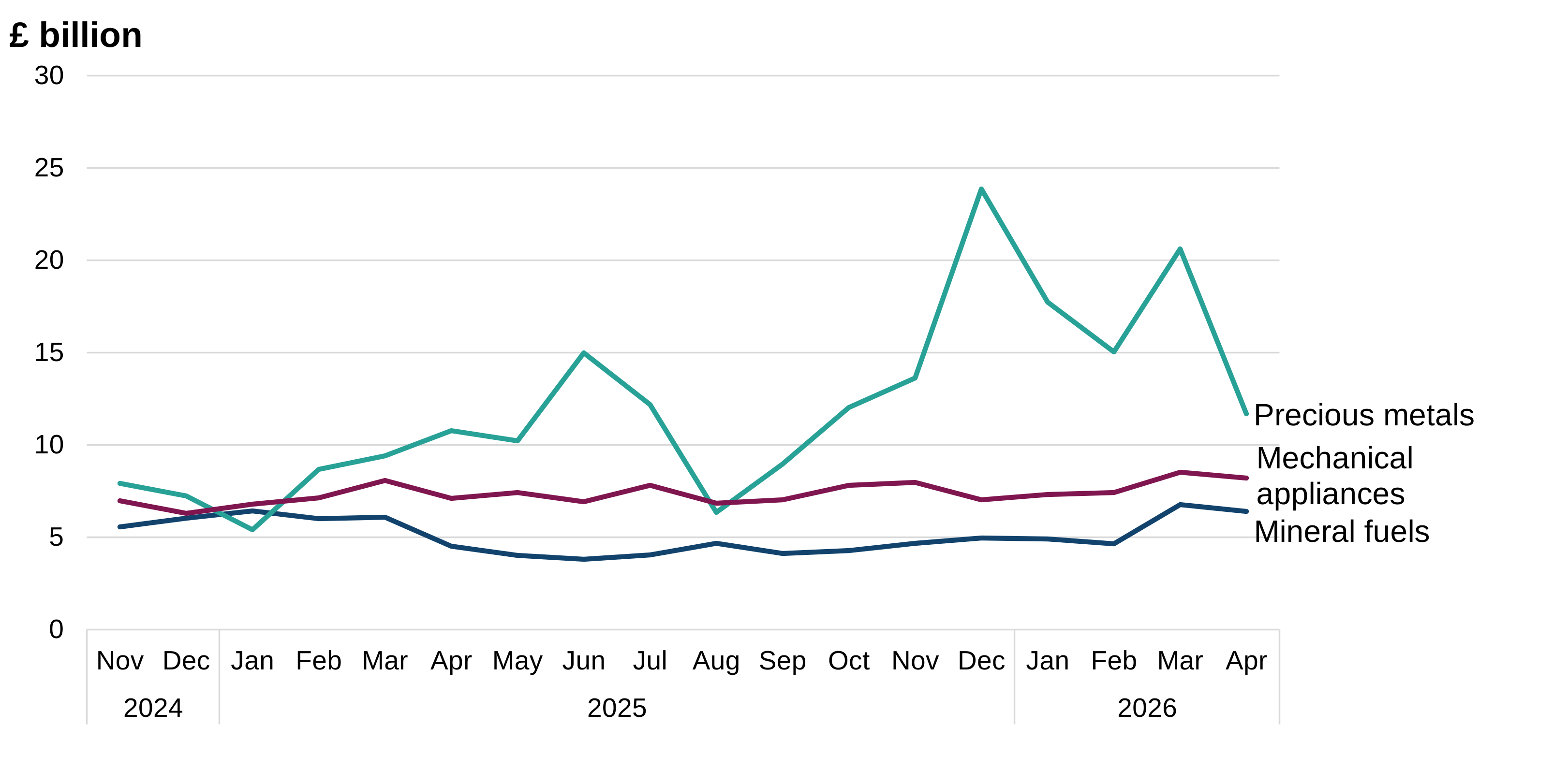
Figure 7 shows the values for the top 3 import chapters for the period from November 2024 to April 2026.
Source: UK overseas trade in goods statistics from HM Revenue & Customs
Note: 2025 and 2026 data is provisional.
Precious metals accounted for 18% of the UK’s total imports in April 2026. This was down from 27% in March 2026 and unchanged on April 2025. The value of imports of Precious metals decreased by 43% on March 2026 but increased by 8% on April 2025.
Mechanical appliances accounted for 13% of the UK’s total imports in April 2026. This was up from 11% in March 2026 and up from 12% in April 2025. The value of imports of Mechanical appliances decreased by 4% on March 2026 but increased by 16% on April 2025.
Mineral fuels accounted for 10% of the UK’s total imports in April 2026. This was up from 9% in March 2026 and 8% in April 2025. The value of imports of Mineral fuels decreased by 5% on March 2026 but increased by 42% on April 2025.
Focus
Table 7: UK exports of Mineral fuels, value comparison with March 2026
| Partner country |
April 2026 (£ million) |
March 2026 (£ million) |
Change (£ million) |
Change (%) |
|---|---|---|---|---|
| Netherlands | 1,132 | 830 | 302 | 36 |
| Spain | 198 | 68 | 131 | 193 |
| China | 113 | 8 | 105 | 1,394 |
| Germany | 60 | 164 | -104 | -63 |
Source: UK overseas trade in goods statistics from HM Revenue & Customs
Download table 7: UK exports of Mineral fuels, value comparison with March 2026 (ODS, 10.5 KB)
Note: 2025 and 2026 data is provisional.
In April 2026, UK exports of Mineral fuels had the second largest value increase of all chapters on March 2026. This was an increase of £482 million, or 19%.
Between March 2026 and April 2026, exports of Mineral fuels to the Netherlands rose by the largest amount, £302 million, or 36%.
Exports of Mineral fuels to Spain rose by £131 million, to 3 times the value.
Exports of Mineral fuels to China rose by £105 million, from £8 million.
In contrast, exports of Mineral fuels to Germany decreased by £104 million, or 63%.
Table 8: UK imports of Mineral fuels, value comparison with March 2026
| Partner country |
April 2026 (£ million) |
March 2026 (£ million) |
Change (£ million) |
Change (%) |
|---|---|---|---|---|
| Norway | 1,900 | 2,351 | -451 | -19 |
| Kuwait | 33 | 349 | -317 | -91 |
| Nigeria | 0 | 211 | -211 | -100 |
| Netherlands | 1,081 | 603 | 478 | 79 |
| USA | 1,490 | 1,318 | 172 | 13 |
Source: UK overseas trade in goods statistics from HM Revenue & Customs
Download table 8: UK imports of Mineral fuels, value comparison with March 2026 (ODS, 10.5 KB)
Note: 2025 and 2026 data is provisional.
In April 2026, UK imports of Mineral fuels had the fourth largest value decrease of all chapters on March 2026. This was a decrease of £359 million, or 5%.
Between March 2026 and April 2026, imports of Mineral fuels from Norway decreased by the largest amount, £451 million, or 19%.
Imports of Mineral fuels from Kuwait decreased by £317 million, or 91%.
Imports of Mineral fuels from Nigeria decreased by £211 million to zero in April 2026.
In contrast, imports of Mineral fuels from the Netherlands increased by £478 million, or 79%.
Imports of Mineral fuels from the USA increased by £172 million, or 13%.
Value changes within Mineral fuels were volatile between March 2026 and April 2026. They were caused by both changes in volume and unit price depending on partner country and the specific fuel being traded, with one factor often counteracting the other. You can explore more detailed data in the interactive data tables.