UK armed forces mental health 2025/26: annual report
Published 2 July 2026

© Crown copyright 2026
This publication is licensed under the terms of the Open Government Licence v3.0 except where otherwise stated. To view this licence, visit nationalarchives.gov.uk/doc/open-government-licence/version/3 or write to the Information Policy Team, The National Archives, Kew, London TW9 4DU, or email: psi@nationalarchives.gov.uk.
Where we have identified any third party copyright information you will need to obtain permission from the copyright holders concerned.
This publication is available at https://www.gov.uk/government/statistics/uk-armed-forces-mental-health-annual-statistics-financial-year-202526/uk-armed-forces-mental-health-202526-annual-report
1. Main Points
The rate of UK armed forces personnel seen by military healthcare services for a mental health related reason in 2025/26 was 11.8%, a statistically significant decrease from the rate of 12.3% in 2024/25.
-
1 in 8 (11.8%, n=17,826) UK armed forces personnel were seen by military healthcare services for a mental health related reason in 2025/26.
-
Rates of personnel seen in military healthcare for a mental health related reason rose over time to 13.2% in 2022/23; annual rates have since fallen and were statistically significantly lower in 2025/26 compared to the previous year. This was driven by a fall in presentations among both Army personnel and among all personnel aged between 25 and 29 years.
-
Personnel from all age groups accessed military mental healthcare, however those aged 30-49 years had statistically significantly higher rates than other age groups. Females sought help more than males, as seen in the UK general population.
-
Most personnel seeking military mental health care go to their military GP in the first instance. 1 in 8 (11.5%, n=17,326) personnel were seen by their GP in the latest year.
-
The majority of patients who seek mental health care are managed by their military GP, however some with more complex needs will receive treatment from specialist mental health care providers. The rate of personnel requiring specialist mental health services remained stable in 2025/26 at 1 in 52 (1.9%, n=2,833).
-
There were some conditions that were more likely to be managed by GPs such as stress, phobias and sleep disorders. Other conditions such as PTSD and depression were more likely to require treatment by specialist mental health clinicians.
-
The rate of PTSD among serving personnel remains low at 0.3%, which represents 3 in 1,000 personnel assessed with the disorder in 2025/26.
-
The overall rate of mental health in the UK armed forces was broadly comparable to that seen in the UK general population.
-
However, latest data shows the rate for those needing specialist mental health treatment was lower in the UK armed forces than that seen in the UK general population.
Responsible Statistician: Deputy Head Defence Statistics Health
Further information or mailing list: Analysis-Health-PQ-FOI@mod.gov.uk
Background Quality Report: Background Quality Report
Would you like to be added to our contact list, so that we can inform you about updates to these statistics and consult you if we are thinking of making changes? You can subscribe to updates by emailing Analysis-Health-PQ-FOI@mod.gov.uk
Our statistical practice is regulated by the Office for Statistics Regulation (OSR). OSR sets the standards of trustworthiness, quality and value in the Code of Practice for Statistics that all producers of official statistics should adhere to.
You are welcome to contact us directly with any comments about how we meet these standards. Please contact us at analysis-publications@mod.gov.uk. Alternatively, you can contact OSR by emailing regulation@statistics.gov.uk or via the OSR website .
2. All mental health in the UK armed forces
This section presents information on UK armed forces personnel seen in any military healthcare setting for a mental health related reason. This includes those seen by clinicians in primary care (GP’s) and/or by specialist mental health clinicians at a MOD Department of Community Mental Health (DCMH). The majority of patients who seek mental health care are managed by their military GP through a care model introduced in 2018 which sees low risk patients with less complex presentations of common mental disorders being offered self-help and psychosocial interventions in primary care before assessment for referral to MOD Specialist Mental Health Services. Some patients with more complex needs will receive treatment from specialist mental health care providers.
Personnel can be counted in both the GP and specialist services rates and therefore the rates are not mutually exclusive and cannot be added together. It is not possible to identify and follow distinct episodes of care from first presentation to the GP through the care pathway due to the way data is collated in the electronic medical record and therefore a rate of those managed solely by their GP cannot be provided.
2.1 UK armed forces personnel seen in any military healthcare setting for a mental health related reason. Percentage of personnel at risk.
2016/17 to 2025/26
Source: DMICP
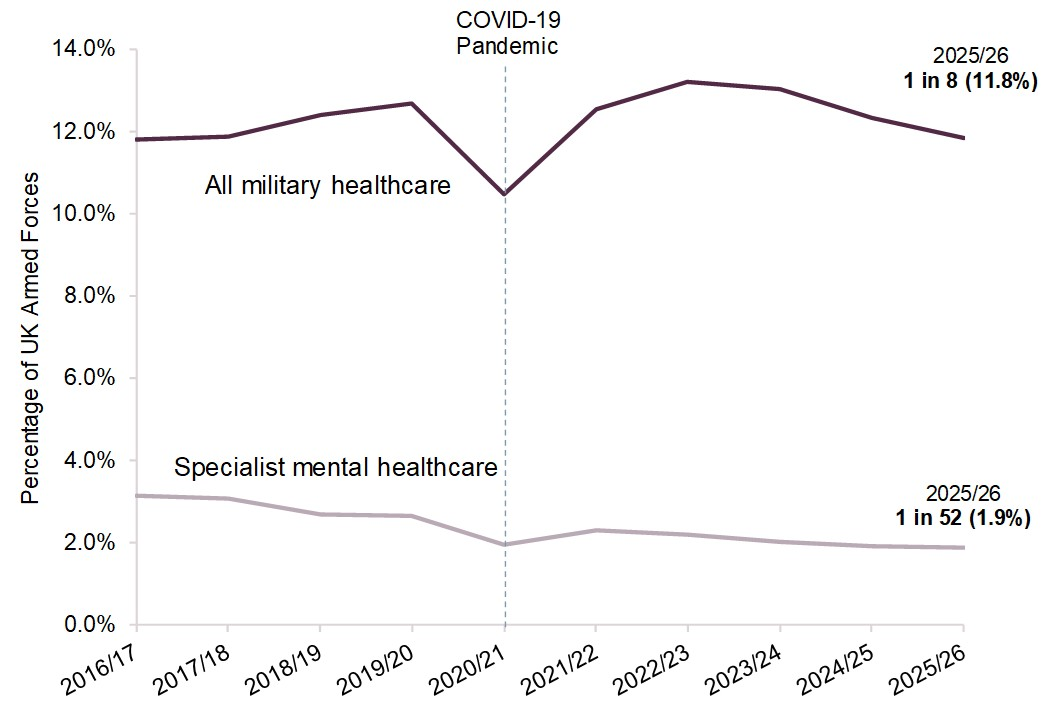
Description of Figure 2.1: Line chart showing the percentage of UK armed forces who have been seen in any military healthcare setting for a mental health related reason (dark purple) and those seen in specialist mental healthcare (light purple) each year between 2016/17 and 2025/26.
There has been a downward trend in the rate of UK armed forces personnel seen in any military healthcare setting for a mental health related reason over the last three years. In 2025/26, the rate of UK armed forces personnel seen in any military healthcare setting for a mental health related reason was 11.8% (n=17,826), a statistically significant decrease compared to the previous year. The rate of personnel seen for a mental disorder at MOD specialist mental health services remained stable at 1.9% (n=2,833) in 2025/26.
Most personnel seeking military mental health care go to their GP in the first instance. 11.5% (n=17,326) of personnel were seen by their GP in the latest year.
3. All mental health in the UK armed forces demographic risk groups
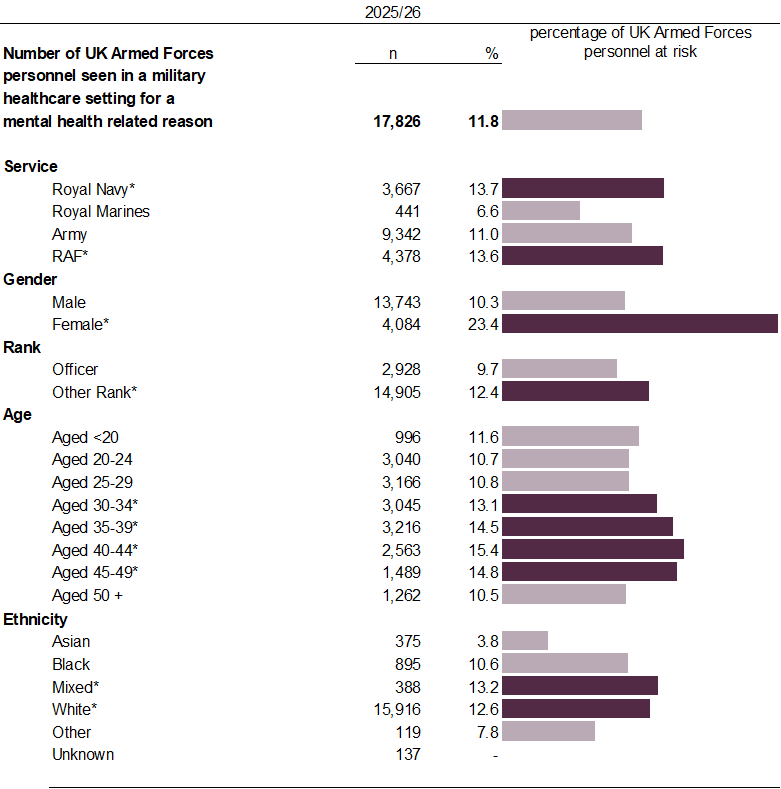
The demographic risk groups of personnel seen in any military healthcare setting for a mental health related reason in 2025/26 were broadly similar to the risk groups previously reported. In 2025/26 the following statistically significant differences were observed:
-
Higher in Royal Navy and RAF personnel
-
Lower in Royal Marines
-
Higher in females
-
Higher in Other Ranks
-
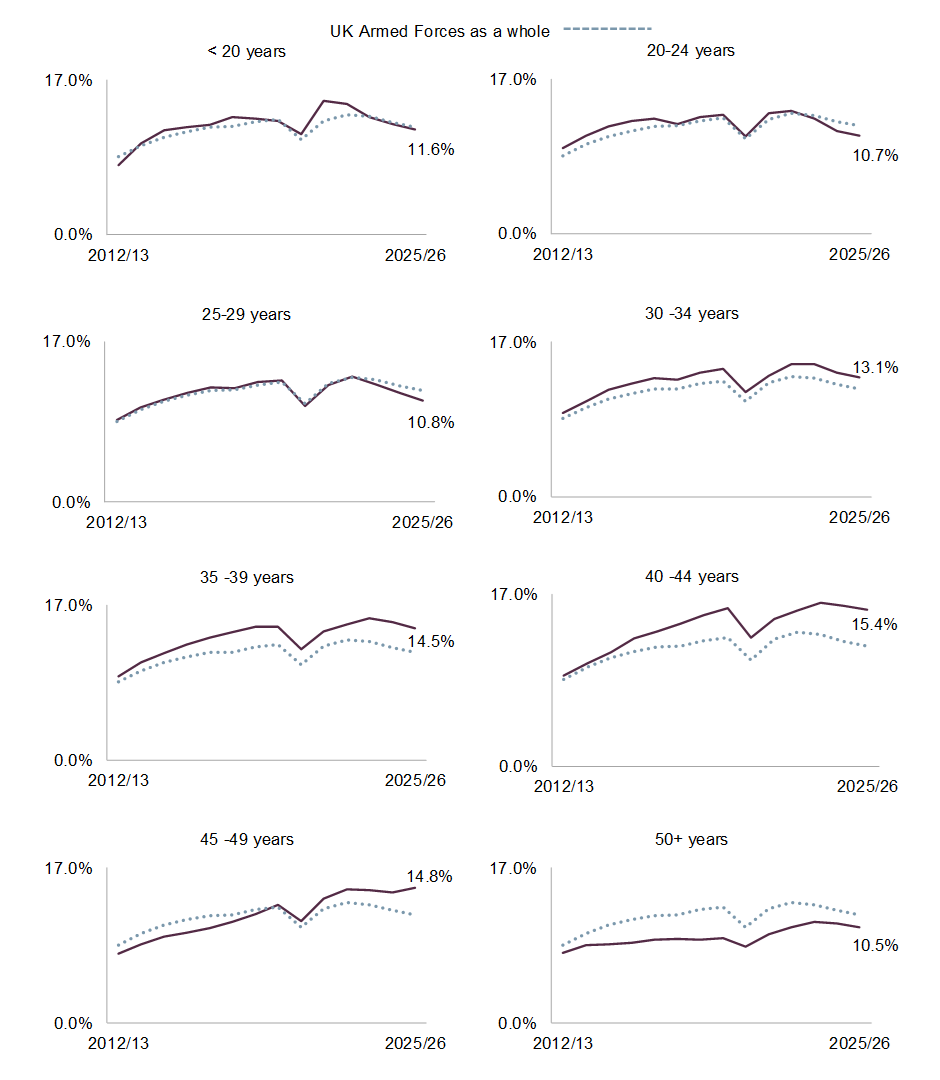
Higher in those aged 30 to 49 years
-
Higher in personnel from white and mixed ethnic groups
-
Lower in personnel from the Asian ethnic group
The risk groups for those seen in any military healthcare setting for a mental health related reason remain consistent year on year. Some possible explanations for the statistically significant differences observed among the risk groups are provided below.
The lower rates observed among Royal Marines may be due to the rigorous training they undergo to ensure only the ‘elite’ go forward as Royal Marines (thus the selection process removes those that may be more susceptible to mental health problems). In addition, high levels of preparedness may serve to lessen the impact of operational deployment experiences on mental ill health among the Royal Marinesa.
The differences between Other Ranks and Officers may be due to educational and/or socio-economic background, where both higher educational attainment and higher socio-economic background are associated with lower levels of mental ill health disorderb.
3.1 UK armed forces personnel seen in any military healthcare setting for a mental health related reason by demographics, number[footnote 1] and percentage of personnel at risk[footnote 2][footnote 3].
2025/26
Source: DMICP and JPA
Description of Table 3.1: The number of UK armed forces personnel seen in any military healthcare setting for a mental health related reason & percentage of UK armed forces personnel at risk in 2025/26, by demographics. Statistically significant higher risk groups shown in dark purple.
In 2025/26 there was a statistically significant decrease in the annual rate of mental health presentations compared to the previous year among:
-
Army personnel
-
Males
-
Other Ranks
-
Personnel aged 25 to 29 years
-
Personnel from the white ethnic group
3.2 UK armed forces personnel seen in any military healthcare setting for a mental health related reason, by demographics. Percentage.
2012/13 to 2025/26
Source: DMICP and JPA
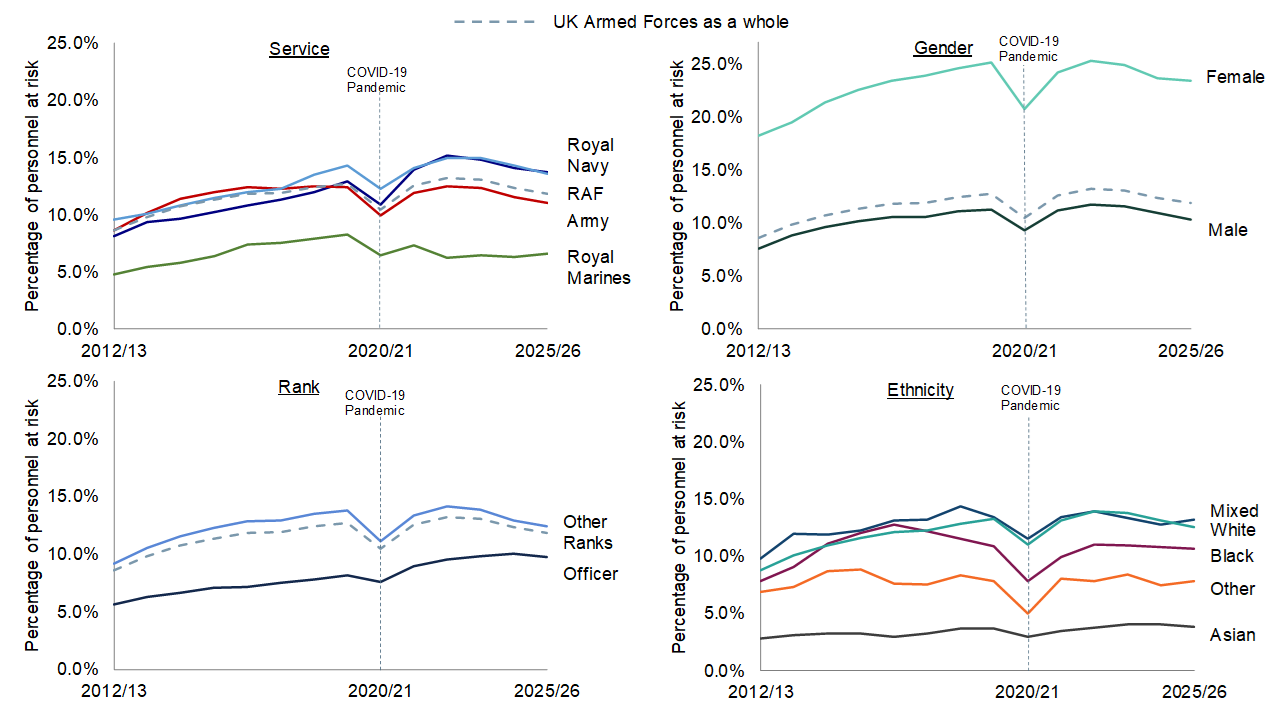
Description of Figure 3.2: Line charts showing the percentage of UK armed forces personnel who have been seen in any military healthcare setting for a mental health related reason between 2012/13 and 2025/26, by demographics. All groups are compared relative to the UK armed forces as a whole (dashed grey line).
3.3 UK armed forces personnel seen in any military healthcare setting for a mental health related reason, by age group. Percentage.
2012/13 to 2025/26
Source: DMICP and JPA
Description of figure 3.3: Line chart showing the percentage of UK armed forces personnel who have been seen in any military healthcare setting in for a mental health related reason each year between 2012/13 and 2025/26 by age group. Each group is compared relative to the UK Armed forces as a whole (dashed grey line).
4. Specialist mental health care in the UK armed forces
This section provides a more detailed summary of those patients requiring treatment by specialist mental health clinicians at MOD specialist mental health services. UK armed forces personnel may access specialist mental health care as an outpatient in the community at a MOD DCMH and/or as an in-patient in hospital via the MOD in-patient care provider. Clinicians record the patient’s initial mental health assessment based on the presenting signs and symptoms. Some patients are assessed by clinicians as having no specific and identifiable mental disorder and are not included in this analysis.
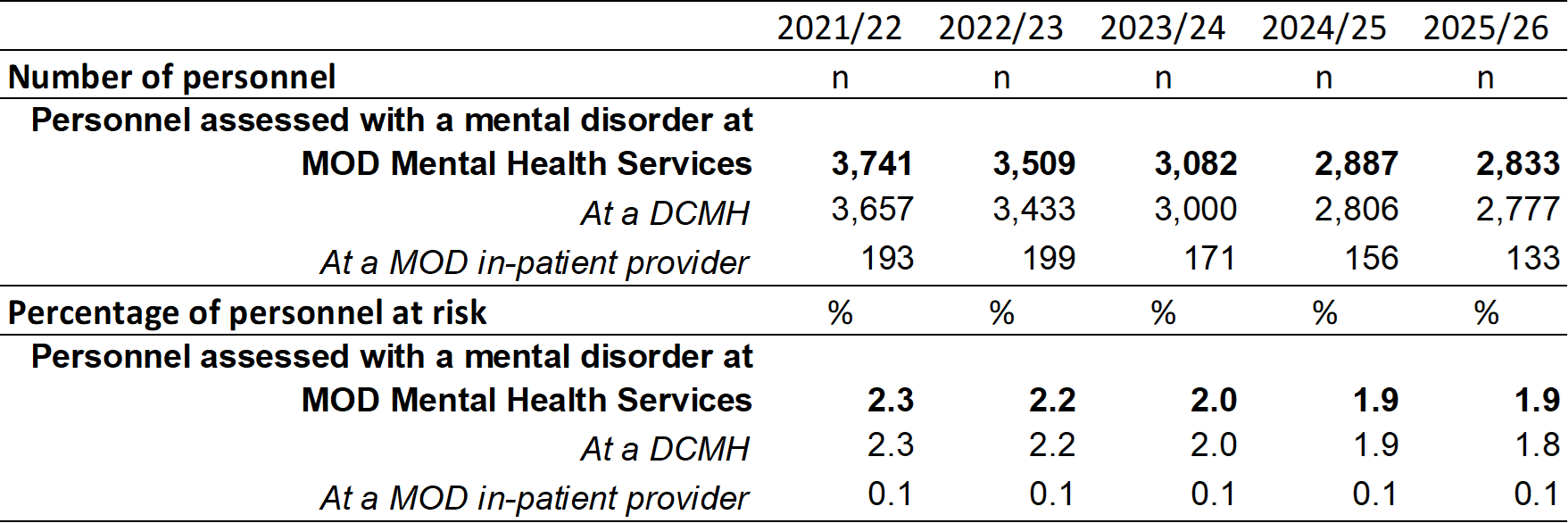
4.1 UK armed forces personnel assessed with a mental disorder at MOD specialist mental health services by service provider, numbers and percentage of personnel at risk.
2020/21 to 2025/26
Source: DMICP and SSSFT
Description of Table 4.1: The number of UK armed forces personnel assessed with a mental disorder each year at MOD specialist mental health services between 2020/21 and 2025/26, by service provider. Number & percentage of personnel at risk are given.
In 2025/26, the rate of UK armed forces personnel requiring specialist mental healthcare at MOD specialist mental health services was 1.9% (n=2,833), the same as the previous year’s rate.
The demographic risk groups seen in MOD specialist mental health services in 2025/26 were similar to those presenting at any military healthcare setting for a mental health related reason. In 2025/26 these were: Royal Navy personnel, Females and Other Ranks.
5. Trends in UK armed forces mental disorders at MOD DCMH
Information on the disorders seen among UK armed forces personnel are presented in this section for patients seen by specialist mental health clinicians. The patient’s initial mental health assessment is recorded based on the presenting signs and symptoms, categorizing to World Health Organisation’s International Statistical Classification of Diseases and Health-Related Disorders 10th edition (ICD-10) mental disorders (more details can be found in the Glossary). A patient admitted to a MOD in-patient provider will be discharged back to the care of a DCMH and therefore the data in this section presents mental health disorders recorded at a MOD DCMH.
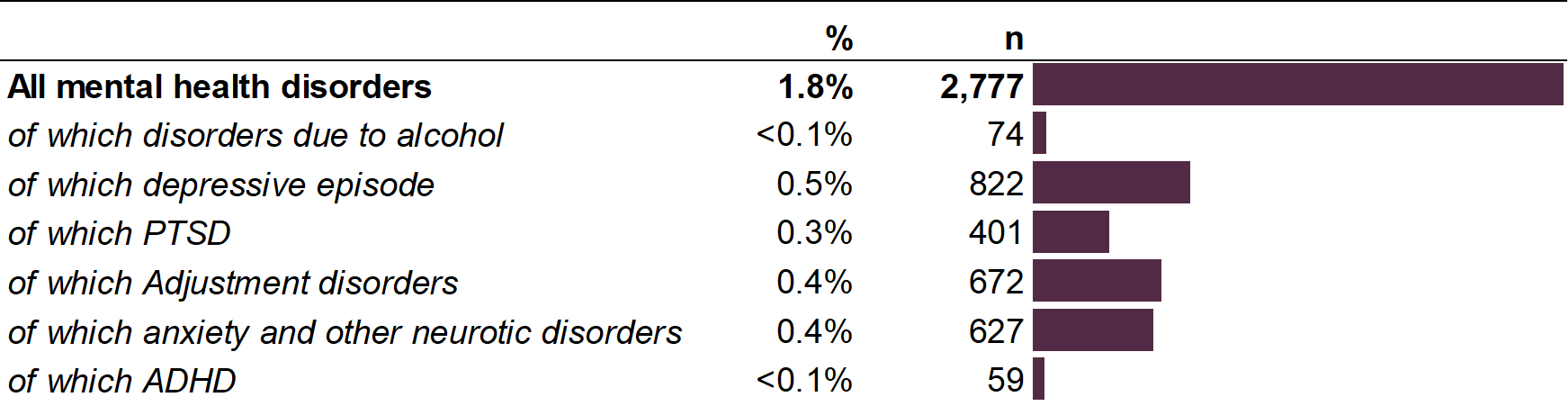
5.1 UK armed forces personnel assessed with a mental disorder at a MOD DCMH by disorder, number and percentage of personnel at risk.
2025/26
Source: DMICP
Description of Figure 5.1: The number and percentage of UK armed forces personnel assessed with a mental disorder at a MOD DCMH in 2025/26 by disorder.
In 2025/26, Depressive episodes continued to be the most common mental disorder assessed at a MOD DCMH, accounting for 30% of all disorders assessed by specialist mental health clinicians (n=822, 0.5% of all UK armed forces personnel).
Adjustment disorders and Anxiety were the second and third most common mental disorders seen at MOD DCMH, representing around a quarter of all disorders seen by specialist mental health clinicians (n=672 and 627 respectively, 0.4% of UK armed forces personnel).
In the UK general population, Mixed Anxiety and Depression and Generalised Anxiety disorders were also the most common conditions seen. The higher rates of Adjustment disorders seen in the UK armed forces compared to the UK general population may reflect the impact of Service life with routine postings every few years and operational tours. Adjustment disorder is a short-term condition occurring when a person has difficulty managing or adjusting to a particular source of stress such as a major life change, loss or event.
The proportion of initial assessments for PTSD and Psychoactive Substance Misuse due to alcohol in 2025/26 remained low at 14% (n=401, 0.3% of personnel) and 3% (n=74, <0.1% of personnel) of all mental disorders assessed at a MOD DCMH respectively.
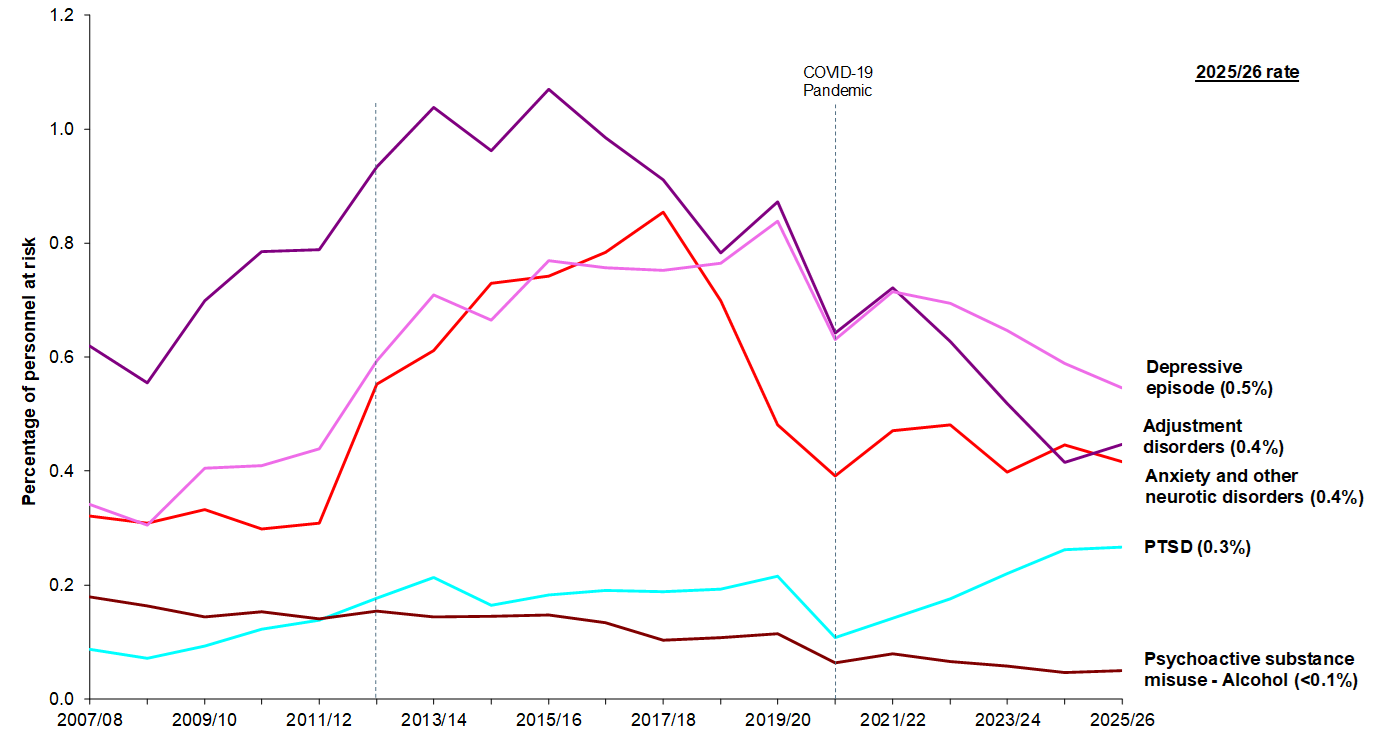
5.2 UK armed forces personnel mental disorders at initial assessment at MOD DCMH, percentage of personnel at risk[footnote 4].
2007/08 to 2025/26
Source: DS Database and DMICP
Description Figure 5.2: Line chart showing the percentage of UK armed forces personnel assessed with a mental disorder at a MOD DCMH each year between 2007/08 and 2025/26, by disorder.
There has been a downward trend in the rate of all mental health disorders seen at MOD DCMH. This is in line with the decrease in the overall rate of personnel seen in specialist mental health services.
Rates of personnel seen for PTSD remain small and there was no statistically significant increase in rates year on year. In 2025/26, the rate of personnel seen for PTSD was 3 per 1,000 (n=401, 0.3%).
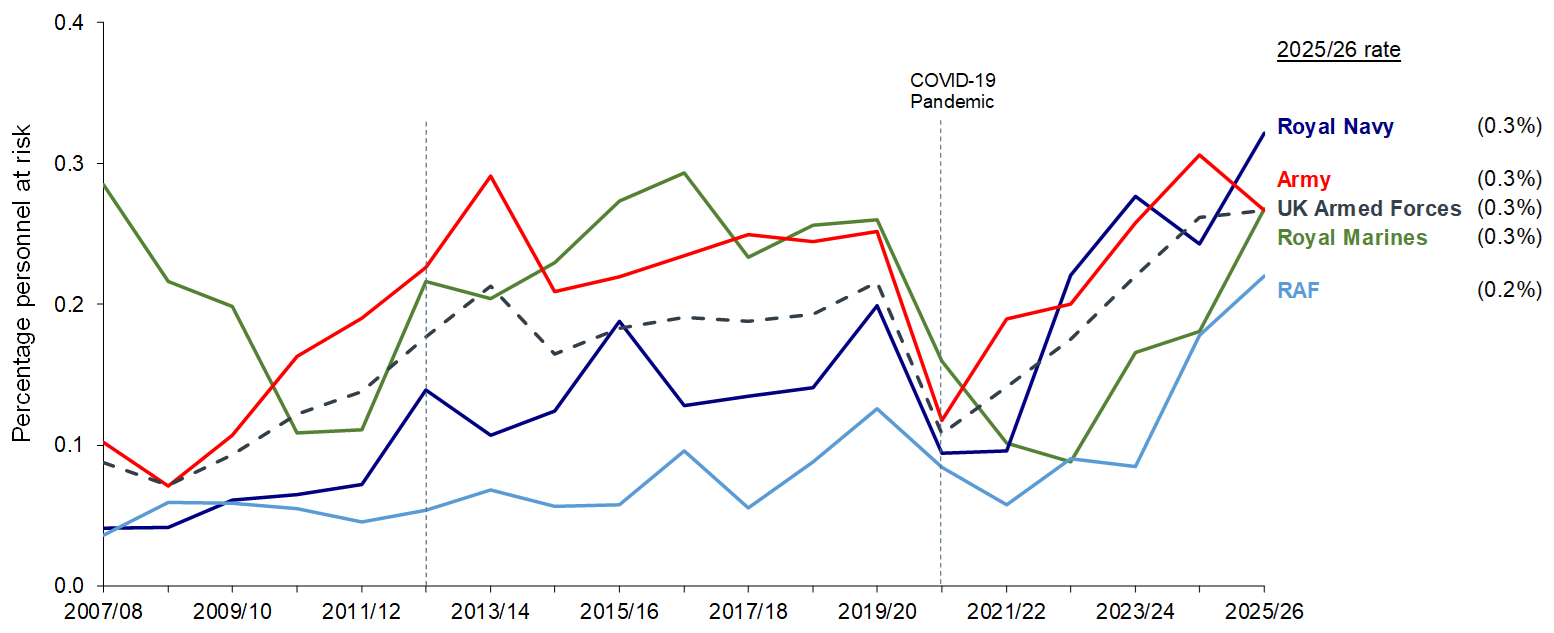
5.3 UK armed forces personnel with an initial assessment at MOD DCMH, for PTSD by Service, percentage personnel at risk[footnote 4].
2007/08 to 2025/26
Source: DS Database, DMICP and JPA
Description of Figure 5.3: Line chart showing the percentage of UK armed forces personnel with an initial assessment at a MOD DCMH for PTSD each year between 2007/08 and 2025/26, by service. Each group is compared relative to the UK armed forces as a whole (dashed grey line).
In 2025/26, the rate of PTSD was similar for each service with 0.3% of personnel (3 in 1,000) or fewer with an initial assessment for PTSD at MOD DCMH.
6. Comparisons to the UK general population
Analysis in this section compares UK armed forces personnel seen by clinicians in military primary care (GP’s) and/or by specialist mental health clinicians at a MOD DCMH to the UK general population.
6.1 UK armed forces personnel seen in any military healthcare setting
The rate of UK armed forces personnel seen in any military healthcare setting for a mental health related reason in 2025/26 (11.8%) was broadly comparable to those seen in the UK general population. As a crude comparison, the Adult Psychiatric Morbidity Survey 2023/24c (latest information available) carried out by NHS Digital shows that in England, 13.2% of adults reported discussing their mental health with a GP in the past year.
Gender
Within the UK armed forces, rates of personnel seen in military healthcare for any mental health related reason were significantly higher amongst females compared to males throughout the period presented.
This finding was replicated in the civilian population where females were more likely to have a common mental health condition than males. A study following up the mental health of adults suggested that this is because females were likely to have more interactions with health professionalsd. MOD has not investigated whether females in the UK armed forces have more interactions with health professionals than their male colleagues.
Ethnicity
Within the UK armed forces in 2025/26, personnel from the white and mixed ethnic groups were significantly more likely to be seen in military healthcare for a mental health related reason, and personnel from Asian ethnic groups were significantly less likely to be seen than all other ethnic groups.
As a crude comparison, the Adult Psychiatric Morbidity Survey 2023/24c showed that in England, the white British and white other ethnic groups were most likely to report receiving treatment (18.4% and 16.7% respectively). Treatment rates among black, Asian, and mixed or other ethnic groups, were significantly lower than those in the White British ethnic group.
6.2 UK armed forces personnel seen by MOD Specialist mental health services
The rate of mental disorders among UK armed forces personnel seen by MOD specialist mental health services (1.9%) was lower than the rate of 6.8% of the UK general population who accessed secondary mental health services in 2024/25 (latest data available)e.
Published annual data for those referred to specialist mental health services in the UK general population for 2025/26 is currently unavailable. However, published provisional monthly information on referrals to mental health specialist services among the UK general populationf suggests the number of referrals may be similar in 2025/26 to those seen in 2024/25.
It should be noted that comparisons with the UK general population are difficult for a number of reasons. Due to the nature of the role UK armed forces personnel undertake, in particular access to weapons; a patient’s GP may refer at an earlier stage to specialised mental health services compared to the UK general population. In addition, the source of the UK general population statistic for specialist mental ill-health also covers services such as Adult Learning Disability which are not relevant to the UK armed forces population (this service accounted for approximately 4% of all secondary mental health service usage in 2024/25).
The lower rates seen among UK armed forces personnel accessing specialist mental health services compared to the UK general population may be due to the rigorous selection of individuals into the UK armed forces which may prevent those with more serious mental disorders joining the Services; as well as the role tight unit cohesion plays in maintaining good mental health. In addition, UK armed forces personnel who have a mental disorder which prevents continued Service in the military environment may be considered for medical discharge, thus more severe cases of mental health may not remain in the UK armed forces population.
7. Royal Navy personnel mental health 2007/08 to 2025/26
-
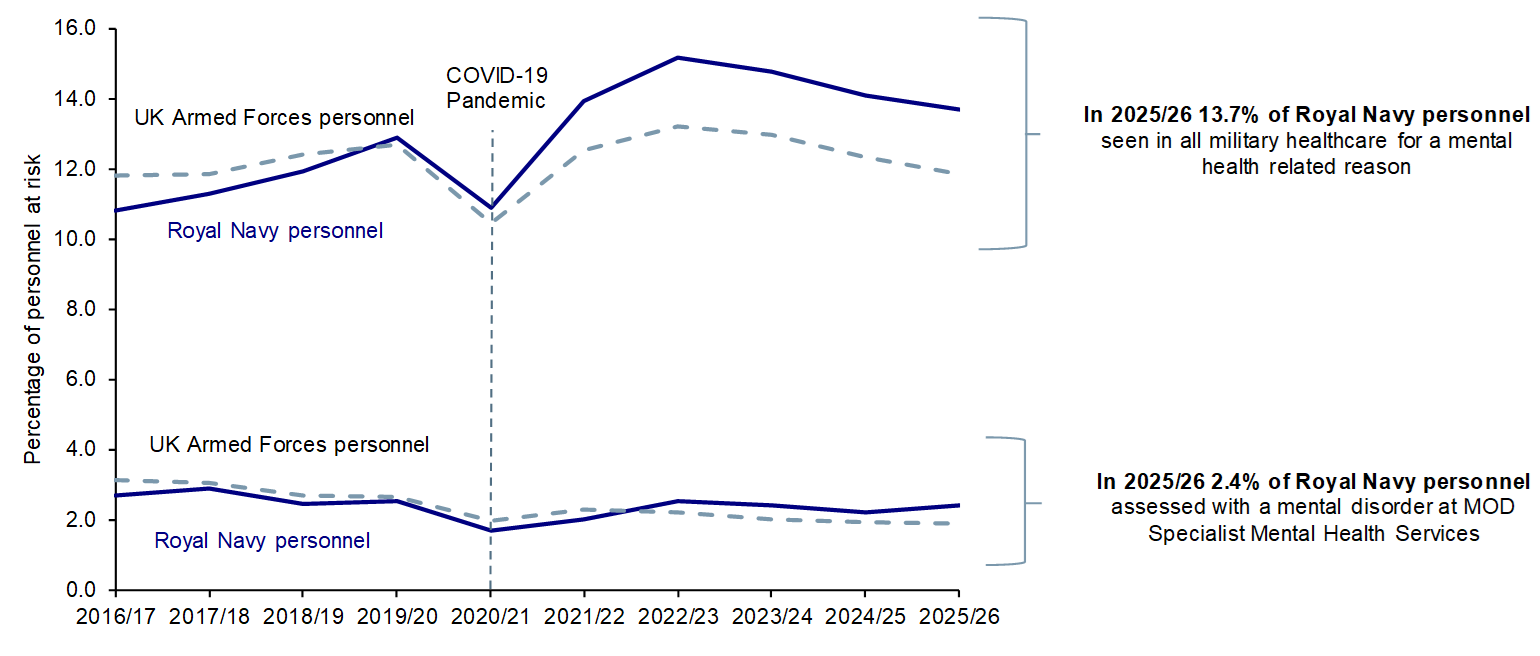
1 in 7 (13.7%, n = 3,667) Royal Navy personnel were seen in military healthcare for a mental health related reason in 2025/26.
-
1 in 41 (2.4%, n = 650) Royal Navy personnel were seen by a specialist mental health clinician for a mental disorder in 2025/26.
-
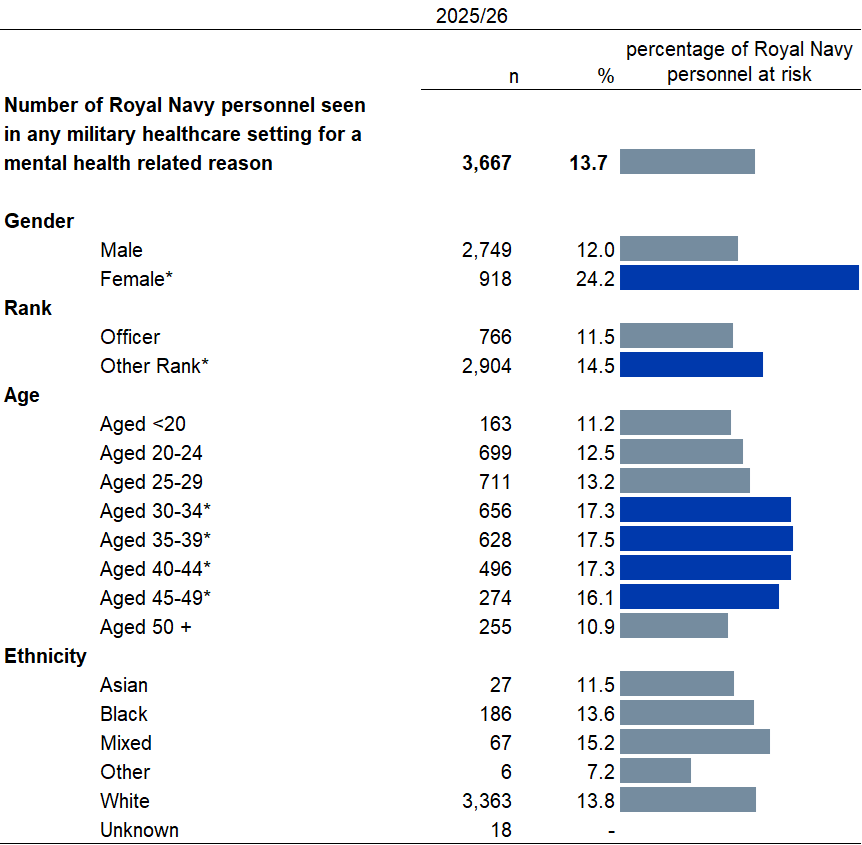
Higher presentations seen in any military healthcare setting for a mental health related reason among: Females, Other Ranks, and personnel aged between 30 and 49.
-
The most prevalent disorders at MOD specialist mental health services were: Depressive Episode and Anxiety
7.1 Royal Navy personnel seen in any military healthcare setting for a mental health related reason. Percentage of personnel at risk.
2016/17 to 2025/26
Source: DMICP and SSSFT
Description of Figure 7.1: Line chart showing the percentage of Royal Navy personnel (blue lines) who have been seen in any military healthcare setting for a mental health related reason and those seen in specialist mental healthcare each year between 2016/17 and 2025/26. Each group is compared relative to the UK armed forces as a whole (dashed grey line).
7.2 Royal Navy personnel seen in any military healthcare setting for a mental health related reason by demographics, number[footnote 5] and percentage of personnel at risk[footnote 2].
2025/26
Source: DMICP, SSSFT and JPA
Description of Figure 7.2: The number of Royal Navy personnel seen in any military healthcare setting for a mental health related reason & percentage of personnel at risk in 2025/26, by demographics. Statistically significant higher risk groups shown in dark blue.
8. Royal Marine personnel mental health 2007/08 to 2025/26
-
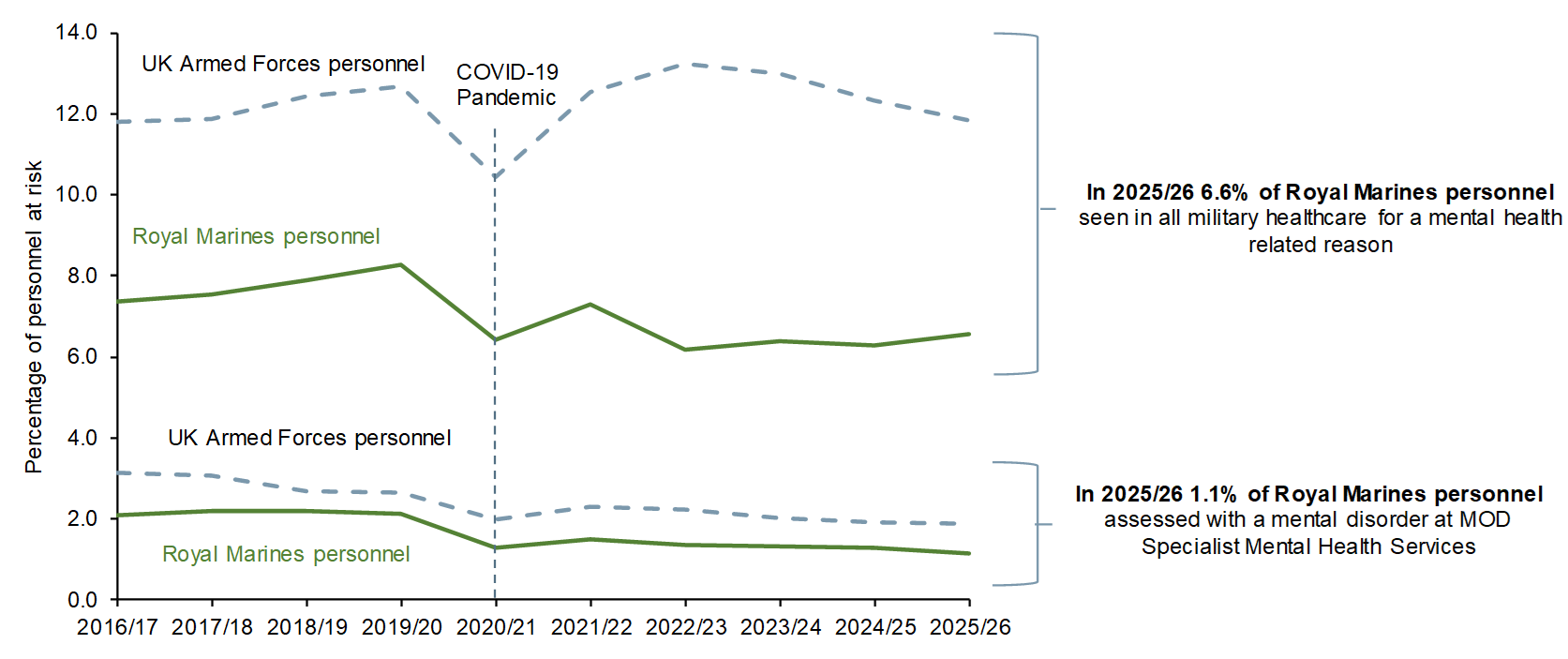
1 in 15 (6.6%, n = 441) Royal Marine personnel were seen in military healthcare for a mental health related reason in 2025/26.
-
1 in 87 (1.1%, n = 77) Royal Marine personnel were seen by a specialist mental health clinician for a mental disorder in 2025/26.
-
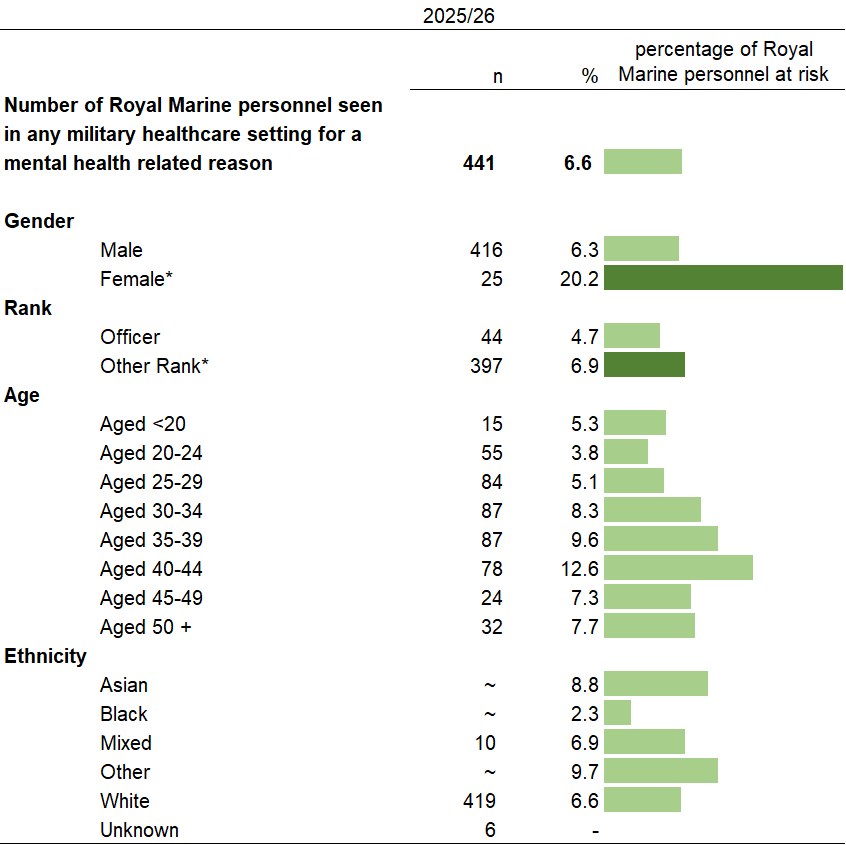
Higher presentations seen in any military healthcare setting for a mental health related reason among: Females and Other Ranks
-
The most prevalent disorders at MOD specialist mental health services were: Depressive Episode and Adjustment disorder
8.1 Royal Marine personnel seen in any military healthcare setting for a mental health related reason. Percentage of personnel at risk.
2016/17 to 2025/26
Source: DMICP and SSSFT
Description of Figure 8.1: Line chart showing the percentage of Royal Marine personnel (green lines) who have been seen in any military healthcare setting for a mental health related reason and those seen in specialist mental healthcare each year between 2016/17 and 2025/26. Each group is compared relative to the UK armed forces as a whole (dashed grey line).
8.2 Royal Marine personnel seen in any military healthcare setting for a mental health related reason by demographics, number[footnote 5] and percentage of personnel at risk[footnote 2].
2025/26
Source: DMICP, SSSFT and JPA
Description of Figure 8.2: Number of Royal Marine personnel seen in any military healthcare setting for a mental health related reason & percentage of personnel at risk in 2025/26, by demographics. Statistically significant higher risk groups shown in dark green.
9. Army personnel mental health 2007/08 to 2025/26
-
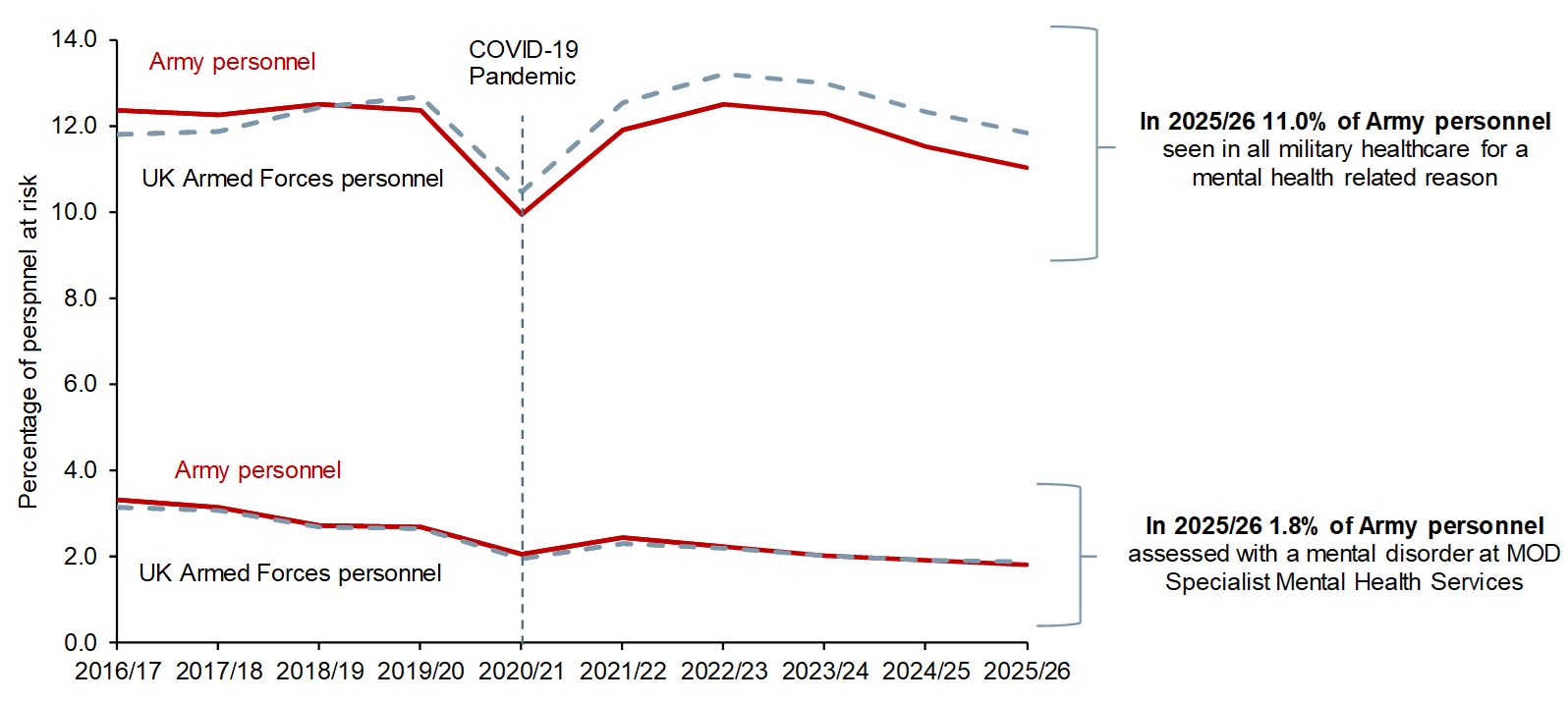
1 in 9 (11.0%, n = 9,342) Army personnel were seen in military healthcare for a mental health related reason in 2025/26.
-
1 in 55 (1.8%, n = 1,553 ) Army personnel were seen by a specialist mental health clinician for a mental disorder in 2025/26.
-
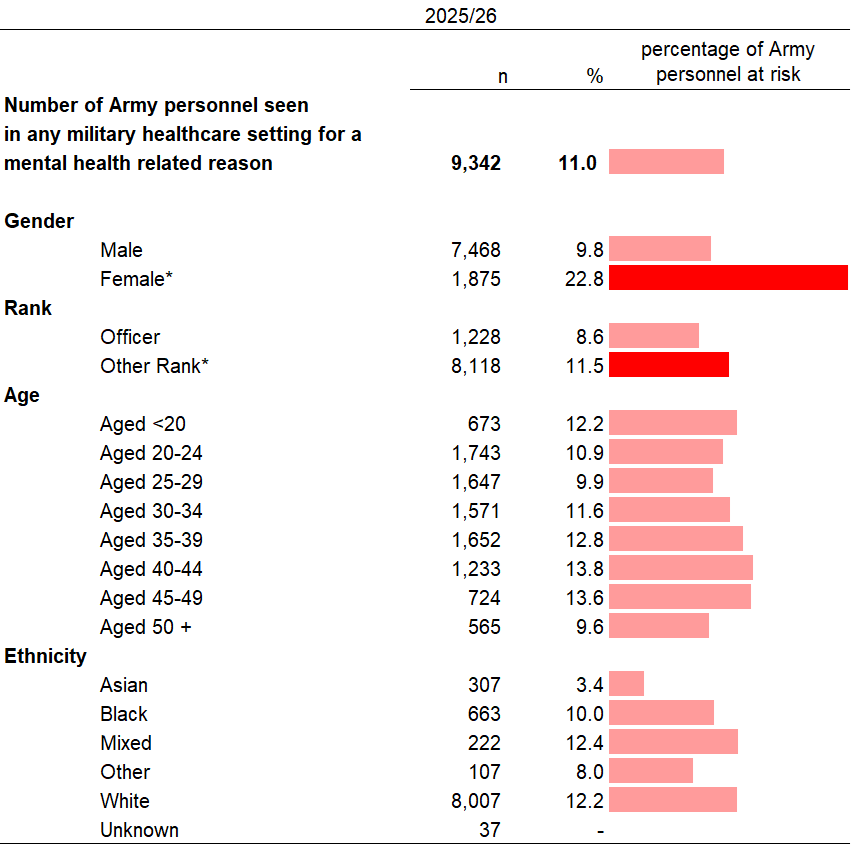
Higher presentations seen in any military healthcare setting for a mental health related reason among: Females and Other Ranks
-
The most prevalent disorders at MOD specialist mental health services were: Adjustment Disorder and Depressive Episode
9.1 Army personnel seen in any military healthcare setting for a mental health related reason. Percentage of personnel at risk.
2016/17 to 2025/26
Source: DMICP and SSSFT
Description of Figure 9.1: Line chart showing the percentage of Army personnel (red lines) who have been seen in any military healthcare setting for a mental health related reason and those seen in specialist mental healthcare each year between 2016/17 and 2025/26. Each group is compared relative to the UK Armed forces as a whole (dashed grey line).
9.2 Army personnel seen in any military healthcare setting for a mental health related reason by demographics, number[footnote 5] and percentage of personnel at risk[footnote 2].
2025/26
Source: DMICP, SSSFT and JPA
Description of Figure 9.2: Number of Army personnel seen in any military healthcare setting for a mental health related reason & percentage of personnel at risk in 2025/26, by demographics. Statistically significant higher risk groups shown in dark red.
10. RAF personnel mental health 2007/08 to 2025/26
-
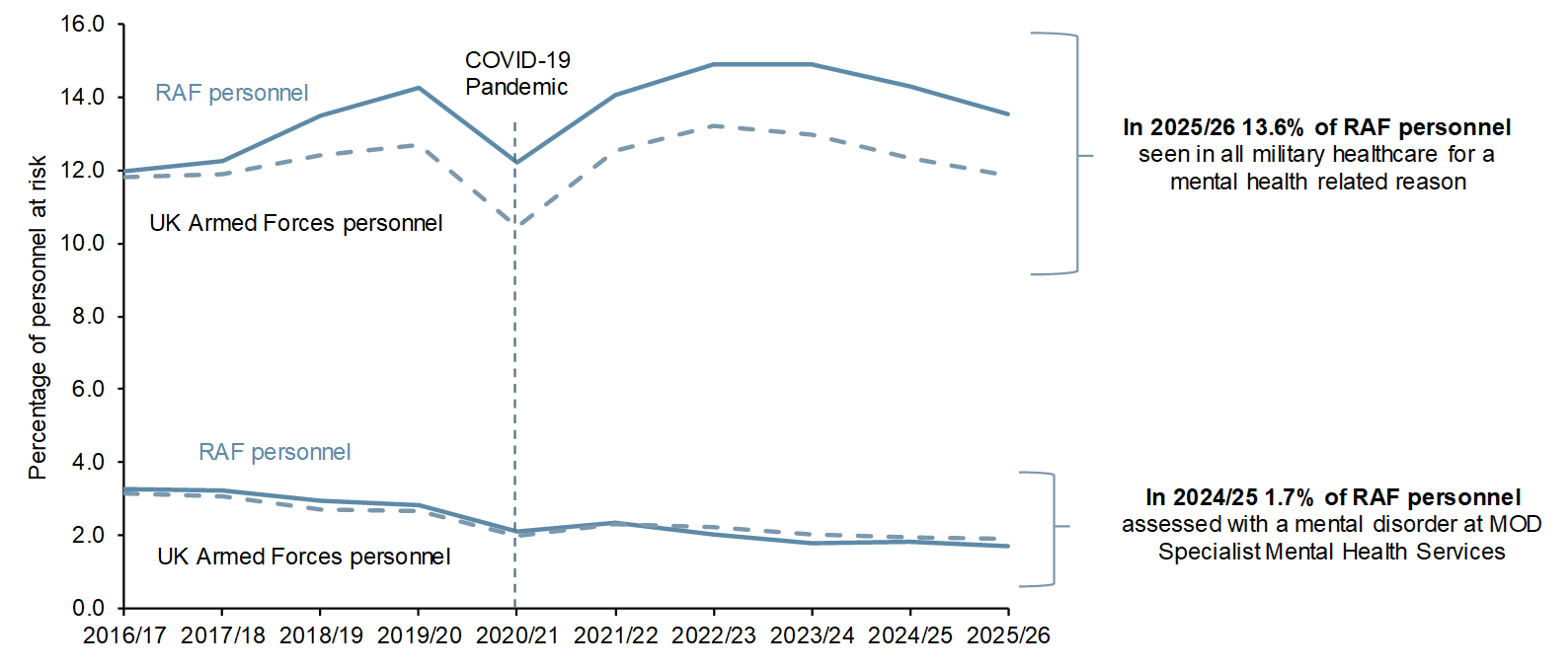
1 in 7 (13.6%, n = 4,378) RAF personnel were seen in military healthcare for a mental health related reason in 2025/26.
-
1 in 58 (1.7%, n = 553) RAF personnel were seen by a specialist mental health clinician for a mental disorder in 2025/26.
-
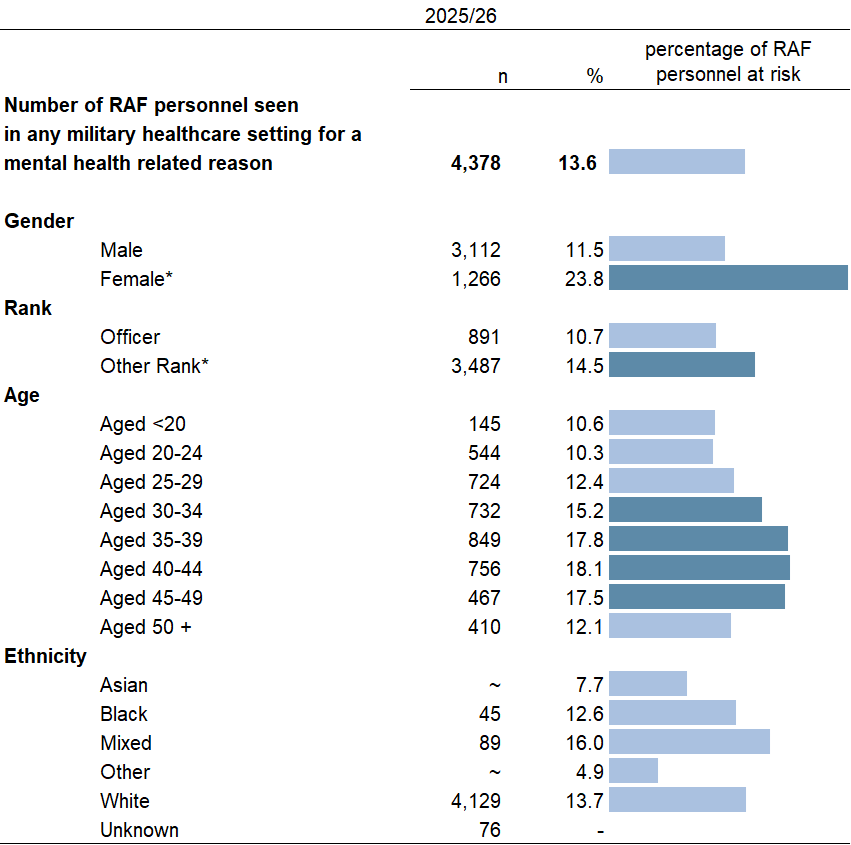
Higher presentations seen in any military healthcare setting for a mental health related reason among: Females, Other Ranks and personnel aged between 30 and 49
-
The most prevalent disorders at MOD specialist mental health services were: Depressive Episode and Anxiety
10.1 RAF personnel seen in any military healthcare setting for a mental health related reason. Percentage of personnel at risk.
2016/17 to 2025/26
Source: DMICP and SSSFT
Description of 10.1: Line chart showing the percentage of RAF personnel (blue lines) who have been seen in any military healthcare setting for a mental health related reason and those seen in specialist mental healthcare each year between 2015/16 and 2025/26. Each group is compared relative to the UK armed forces as a whole (dashed grey line).
10.2 RAF personnel seen in any military healthcare setting for a mental health related reason by demographics, number[footnote 5] and percentage of personnel at risk[footnote 2].
2025/26
Source: DMICP, SSSFT and JPA
Description of Figure 10.2: The number of RAF personnel seen in any military healthcare setting for a mental health related reason & percentage of personnel at risk in 2025/26, by demographics. Statistically significant higher risk groups shown in dark blue.
11. Glossary
Admissions In-patient admissions to the MOD mental health in-patient care providers.
All mental health is defined as those seen for a mental health related issue in either primary care or specialist mental health care at a MOD DCMH.
Army the British Army consists of the General Staff and the deployable Field Army and the Regional Forces that support them, as well as Joint elements that work with the Royal Navy and Royal Air Force. Its primary task is to help defend the interests of the UK.
Assessed without a mental disorder A few patients present to DCMH with symptoms that require the treatment skills of DCMH staff, whilst not necessarily having a specific and identifiable mental disorder as defined under ICD-10.
Defence Medical Information Capability Programme (DMICP) is the MOD electronic medical record.
Department of Community Mental Health (DCMH) are specialised psychiatric services based on community mental health teams closely located with primary care service at sites in the UK and abroad.
Electronic medical record is where all UK armed forces healthcare data is stored. The system is known as DMICP.
FTRS (Full-Time Reserve Service) are personnel who fill Service posts for a set period on a full-time basis while being a member of one of the Reserve Services, either as an ex-regular or as a volunteer. An FTRS reservist on:
-
Full Commitment (FC) fulfils the same range of duties and deployment liability as a regular Service person;
-
Limited Commitment (LC) serves at one location but can be detached for up to 35 days a year;
-
Home Commitment (HC) Is employed at one location and cannot be detached elsewhere.
Each Service uses FTRS personnel differently:
-
The Naval Service predominantly uses FTRS to backfill gapped regular posts. However, they do have a small number of FTRS personnel that are not deployable for operations overseas. There is no distinction made in terms of fulfilling baseline liability posts between FTRS Full Commitment (FC), Limited Commitment (LC) and Home Commitment (HC).
-
The Army employ FTRS(FC) and FTRS(LC) to fill Regular Army Liability (RAL) posts as a substitute for regular personnel for set periods of time. FTRS(HC) personnel cannot be deployed to operations and are not counted against RAL.
-
The RAF consider that FTRS(FC) can fill Regular RAF Liability posts but have identified separate liabilities for FTRS(LC) and FTRS(HC).
Gurkhas are recruited and employed in the British and Indian Armies under the terms of the 1947 Tri-Partite Agreement (TPA) on a broadly comparable basis. They remain Nepalese citizens but in all other respects are full members of HM Forces. Since 2008, Gurkhas are entitled to join the UK Regular Forces after 5 years of service and apply for British citizenship.
International Statistical Classification of Diseases and Health-Related Disorders 10th edition (ICD-10) is the standard diagnostic tool for epidemiology, health management and clinical purposes. The following ICD 10 Chapters have been included in this report:
-
F10 to F19 Mental and behavioural disorders due to psychoactive substance misuse, including alcohol. A wide variety of disorders that differ in severity (from uncomplicated intoxication and harmful use to obvious psychotic disorders and dementia), but that are all attributable to the use of one or more psychoactive substances (which may or may not have been medically prescribed).
-
F30 to F39 Mood affective disorders, including depressive episodes. Disorders in which the fundamental disturbance is a change in affect or mood to depression (with or without associated anxiety) or to elation. The mood change is usually accompanied by a change in the overall level of activity; most of the other symptoms are either secondary to, or easily understood in the context of, the change in mood and activity. Most of these disorders tend to be recurrent and the onset of individual episodes can often be related to stressful events or situations. Includes Manic and Bipolar affective disorders, Depressive and recurrent Depressive episodes and other mood affective disorders.
-
F40 to F49 Neurotic Stress related and somatoform disorders, including Adjustment disorders, Anxiety and PTSD. This includes mental disorders characterized by anxiety and avoidance behaviour, with symptoms distressing to the patient, intact reality testing, no violations of gross social norms, and no apparent organic aetiology. ‘Other neurotic disorders’ are mostly made up of reactions to stress and anxiety disorders that do not include adjustment disorders or PTSD.
-
F00 to F09, F20 to F29 and F50 to F99 are presented as ‘Other mental health disorders’. This includes, disorders grouped together on the basis of their having in common a demonstrable etiology in cerebral disease, brain injury, or other insult leading to cerebral dysfunction; schizophrenia, personality disorders and eating disorders.
In-patient services are provided through eight NHS trusts in the UK which are part of a consortium headed by the Midlands partnership Foundation Trust (MPFT) and at Gilhead IV Hospital, Bielefield, Germany under a contract with Guys and St Thomas Hospital in the UK up until April 2013 and from this date the Soldiers, Sailors, Airmen and Families Association (SSAFA) through the Limited Liability Partnership.
Joint Personnel Application (JPA) is the MOD system used to gather patients’ demographic information, including; service, gender, rank, date of birth, regular/reserve status, ethnicity and deployment.
Mental health related diagnosis codes are the way mental health data is stored in the electronic medical record. The list of codes include all disorders under Chapter V (F00 to F99) of ICD-10 as well as other signs and symptoms of mental health.
Mental disorder Patients assessed by clinicians at a MOD DCMH or in-patient provider with a mental and behavioural disorder categorised under Chapter V (F00 to F99) in ICD-10.
Military healthcare setting represents primary care and MOD Specialist Mental Health Services.
Military Provost Guard Service (MPGS) provides trained professional soldiers to meet defence armed security requirements in units of all three Services based in Great Britain. M P G S provide armed guard protection of units, responsible for control of entry, foot and mobile patrols and armed response to attacks on their unit.
Mobilised Reservists are Volunteer or Regular Reserves who have been called into permanent service with the Regular Forces on military operations under the powers outlined in the Reserve Forces Act 1996. Call-out orders will be for a specific amount of time and subject to limits (e.g. under a call-out for warlike operations (Section 54), call-out periods should not exceed 12 months, unless extended.)
MOD Specialist Mental Health Services encompass the delivery of care through MOD’s DCMH for outpatient care, and all admissions to the MOD’s in-patient care contractor. It does not cover mental health care for patients treated wholly in the primary care setting by GP’s.
New episodes of care are new patients or patients who have been seen at a DCMH but were discharged from care and have been referred again. This represents the level of clinical activity/prevalence and does not represent the number of personnel assessed as an individual may have more than one episode of care.
Non-Regular Permanent Staff (NRPS) are members of the Army Volunteer Reserve Force employed on a full-time basis. The NRPS comprises Commissioned Officers, Warrant Officers, Non - Commissioned Officers and soldiers posted to units to assist with the training, administrative and special duties within the Army Reserve. Typical jobs are Permanent Staff Administration Officer and Regimental Administration Officer. Since 2010, these contracts are being discontinued in favour of FTRS (Home Commitment) contracts. NRPS are not included in the Future Reserves 2020 Volunteer Reserve population as they have no liability for call out.
Number of Personnel represents the number of individuals with an initial assessment at MOD Specialist Services. An individual may have more than one episode of care, but the individual will only be counted once in the number of personnel.
Officer is a member of the Armed Forces holding the Queen’s Commission to lead and command elements of the forces. Officers form the middle and senior management of the Armed Forces. This includes ranks from Sub-Lt/2nd Lt/Pilot Officer up to Admiral of the Fleet/Field Marshal/Marshal of the Royal Air Force but excludes Non-Commissioned Officers.
Operation HERRICK is the name for UK operations in Afghanistan which started in April 2006. UK Forces are deployed to Afghanistan in support of the UN authorised, NATO led International Security Assistance Force (IASF) mission and as part of the US-led Operation Enduring Freedom (OEF).
Operation SHADER is providing military support to the US led Coalition to defeat Daesh in Iraq and Syria.
Operation TELIC is the name for UK operations in Iraq which started in March 2003 and finished on 21 May 2011. UK Forces were deployed to support the Government’s objective to remove the threat that Saddam Hussein posed to his neighbours and his people and, based on evidence available at the time, disarm him of his weapons of mass destruction. The Government also undertook to support the Iraqi people in their desire for peace, prosperity and freedom.
Operation TORAL started 1 December 2014, is the UK’s post 2014 contribution to operations in Afghanistan under the NATO RESOLUTE SUPPORT MISSION.
Other Ranks are members of the Royal Marines, Army and Royal Air Force who are not officers. Other Ranks include Non-Commissioned Officers.
Personnel at Risk is defined as the number of serving UK Armed Forces personnel eligible for mental healthcare. This includes regular UK Armed Forces personnel, Ghurkhas, Military Provost Guard Staff, mobilised reservists, Full Time Reserve Service personnel and Non-regular Permanent Staff.
Primary care is the level of healthcare provided by a General Practitioner (GP) or medical officer. This does not include specialist mental health care.
Rate Ratio (RR) provides a comparison of cases seen between personnel identified as having deployed to a theatre and those who have not been identified as having deployed to either theatre. A rate ratio less than 1 indicates lower rates in those deployed than those not deployed, whereas a rate ratio greater than 1 indicates higher rates in those deployed than those not deployed. If the 95% confidence interval does not encompass the value 1.0, then this difference is statistically significant.
Royal Air Force (RAF) is the aerial defence force of the UK.
Royal Marines (RM) are sea-going soldiers who are part of the Naval Service. RM officer ranks were aligned with those of the Army on 1 July 1999.
Royal Navy (RN) are sea-going defence forces of the UK but excludes the Royal Marines and the Royal Fleet Auxiliary Service (RFA).
Specialist mental health care clinicians are those that provide care at MOD Specialist Mental Health Services. These include; psychiatrists, psychologists, mental health nurses, mental health social workers and occupational therapists.
SSSFT, now MPFT, is the Midlands partnership Foundation Trust which heads up the consortium providing in-patient care through eight NHS trusts in the UK.
Strength is defined as the number of serving UK Armed Forces personnel.
Treated solely in primary care refers to those patients who have not been seen at a MOD DCMH in the 6 months before or the 9 months after being seen in primary care with a mental health related diagnosis.
UK Regulars are full time Service personnel, including Nursing Services, but excluding FTRS personnel, Gurkhas, Naval activated Reservists, mobilised Reservists, Military Provost Guarding Service (M P G S) and Non-Regular Permanent Service (NRPS). Unless otherwise stated, includes trained and untrained personnel.
12. Data Definitions and Methods
12.1 Data Sources - All mental health seen in a military mental healthcare setting
All data has been sourced from MOD’s patient electronic medical record (DMICP)
12.2 Data Sources - MOD specialist mental health services
Defence Statistics receive data from Department of Community Mental Health (DCMH) and in-patient providers for all UK regular Armed Forces personnel from the following sources:
For DCMH data:
-
Between 01 January 2007 and 30 June 2014, the report captures data provided by DCMHs to Defence Statistics in monthly returns
-
For the period 01 April 2012 to 30 June 2014, new episodes of care data was also sourced from the electronic patient record held in Defence Medical Information Capability Program (DMICP) in addition to those provided by DCMH in monthly returns
-
Since 01 July 2014, DMICP was the single source of DCMH new episodes of care data
For in-patient data:
- Since January 2007, SSSFT and Gilead IV hospital, Bielefeld have submitted relevant in-patient records.
12.3 Data Coverage - All mental health seen in a military mental healthcare setting
This section includes all UK Armed Forces personnel, Regular and Reserves, who have a mental health related diagnosis code entered into their electronic medical record in any military healthcare setting, including primary care and specialist mental health care.
Mental health related diagnosis data entered into their electronic medical record is only available from April 2012. The data covers the period 1 April 2012 to 31 March 2025.
Mental health related diagnosis codes have been included if they sit within chapter V (Mental, Behavioural and Neurodevelopment disorders) of the International Statistical Classification of Diseases and Health-Related Disorders 10th edition (ICD-10). ICD-10 is the standard diagnostic tool for epidemiology, health management and clinical purposes. Some codes that fall outside of this chapter have been included in the analysis, these are signs and symptoms that can relate to mental health. These have been included on the recommendation of clinicians working within the MOD. The full list of read codes included are presented in the Background Quality Report (BQR).
12.4 Data Coverage - MOD specialist mental health services
The data in this section includes Regular UK Armed Forces personnel, Gurkhas, Military Provost Guard Staff, mobilised reservists and Full Time Reserve Service (Full Commitment) personnel as they have full entitlement to DCMH care. The data may also contain other Reservists (including non-mobilised and other FTRS status) as these individuals can be referred to a DCMH for an occupational opinion relating to their mental health problem.
DCMH staff record the initial mental health assessment during a patient’s first appointment, based on presenting complaints. The information is provisional and final diagnoses may differ as some patients do not present the full range of symptoms, signs or clinical history during their first appointment.
A number of patients present to DCMH with symptoms that require the treatment skills of DCMH staff, whilst not necessarily having a specific and identifiable mental disorder. These cases are referred to as “assessed without a mental disorder”.
12.5 Methodology - All mental health seen in a military mental healthcare setting
It is not possible to identify and follow distinct episodes of care from first presentation to the GP through the care pathway due to the way data is collated in the electronic medical record and therefore a rate of those managed solely by their GP cannot be provided. A crude methodology has been used to enable exploratory analysis to identify patients treated solely in primary care for their mental health issue. This is those who have not been seen at a MOD DCMH in the 6 months before or the 9 months after being seen in primary care with a mental health related diagnosis.
Mental health related read codes are used to identify UK Armed Forces personnel seen in any military healthcare setting for a mental health related reason. These codes are recorded in a patient’s electronic medical record by a primary care clinician and/or a specialist mental health clinician at a MOD DCMH and could be a continuation of mental health care as well as new episodes.
12.6 Methodology - MOD specialist mental health services
DCMH are specialised psychiatric services based on community mental health teams closely located with primary care services at sites in the UK and abroad. All UK based and aero-medically evacuated Service personnel based overseas requiring in-patient admission are treated by one of eight NHS trusts in the UK which are part of a consortium headed by the Midlands partnership Foundation Trust (MPFT), was SSSFT; UK based Service personnel from British Forces Germany are treated at Gilead IV hospital, Bielefield under a contract with Soldiers, Sailors, Airmen and Families Association (SSAFA) through the Limited Liability Partnership. When presenting in-patient data in this report, the data include returns from both contract providers.
Due to the methodology changes implemented in July 2009 and in July 2013, when looking at trends over time for new episodes of care across the series of published reports, it is advisable to note:
-
Prior to 2009/10, only an individual’s first attendance at a DCMH or an in-patient provider were included in the data submitted by DCMHs to Defence Statistics
-
Since 2009/10, the report captures all new episodes of care provided by DCMH to Defence Statistics in monthly returns
-
Since 2012/13, the report captures all new episodes of care recorded in the MOD patient electronic record in addition to monthly submissions provided by DCMH to Defence Statistics
Changes made to the methodology in July 2009 and July 2013 can be read in more detail in the Background Quality Report.
12.7 Rates
Rates enable comparisons between groups and over time, taking account of the number of personnel in a group (personnel at risk) at a particular point in time. The number of events (i.e. mental disorders) is then divided by the number of personnel at risk per annum and multiplied by 1,000 to calculate the rate per 1,000 personnel at risk.
12.8 Percentage
Previous publications of this report have provided rates alongside numbers to provide context and comparison between groups. This information is still available in the supplementary tables accompanying the release of this report, however, due to user feedback, this publication now provides a focus on the percentage of the population at risk. This is calculated in the same way as the rate per 1,000 but multiplying by 100 instead of 1000, i.e. the number of events (for example mental disorders) is then divided by the number of personnel at risk per annum and multiplied by 100 to calculate the percentage of personnel affected. The percentages presented have been rounded to one decimal place.
12.9 Confidence Intervals
Confidence Intervals use the standard error to derive a range in which we think the true value is likely to lie. It gives an indication of the degree of uncertainty of an estimate and helps to decide how precise a sample estimate is by giving a range of values likely to contain the given statistic. The wider the interval, the less precise the estimate is.
In order to calculate confidence intervals around an estimate we use the standard error for that estimate. The estimate and its 95% confidence interval are presented as: the estimate plus or minus the margin of error. The lower and upper 95% confidence limits are given by the sample estimate plus or minus 1.96 standard errors. The margin of error is calculated as:
Margin of error = 1.96 × standard error
In order to understand if a difference in rates is statistically significant, 95% confidence intervals are used. Statistical significance indicates that a finding is not due to chance. If a 95% confidence interval around a rate excludes the comparison value, then a statistical test for the difference between the two values would be significant at the 0.05 level. If two confidence intervals do not overlap, a comparable statistical test would indicate a statistically significant difference.
12.10 Strengths and weaknesses of the data presented in this report
A key strength of this report is the presentation of the number of Service personnel who have been seen for a mental health related reason, as reported by clinicians. The inclusion in this report of data direct from the legal electronic patient record improves the robustness and integrity of the underlying data. As the data is held in a pseudo-anonymised format in the DMICP data warehouse, patient consent is not an issue. A further strength is the use of the pseudo-anonymised patient identifier to enable validation of data therefore improving accuracy and enabling linkage to deployment records to identify any effect of deployment on mental health in the UK Armed Forces. In addition, the tables in this report have been scrutinised to ensure individual identities have not been revealed inadvertently.
Mental disorder types reported here are the clinician’s initial assessment during a patient’s first appointment within military healthcare, based on presenting complaints, therefore final diagnosis may differ as some patients do not show full range of symptoms, signs or clinical history during their first appointment. It should also be noted that the clinician’s primary diagnosis is reported here, however patients can present with more than one disorder. It is also not unusual for a patient to be given more than one diagnosis. For those seen in primary care, it was not possible to identify which disorders were the primary diagnosis and which were the comorbid conditions. Therefore, all diagnosis, regardless of whether it was the primary or comorbid condition, have been included in the all mental health analysis.
A further weakness with this data is that it is not currently possible to report those treated solely within primary care from those requiring specialist mental health services as it is not possible to identify and follow distinct episodes of care from first presentation to the GP through the care pathway due to the way data is collated in the electronic medical record.
Changes in methodology in 2009/10 and 2012/13 also make it difficult to compare data over time. In addition, DMICP is a live system and extracts for this report are taken six weeks after the end of the reporting period. Therefore, any amendments to records or late data entries may be excluded from this report.
More detailed information on the data, definitions and methods used to create this report can be found in the Background Quality Report.
13. References
a. Sundin J., Jones N., Greenberg N., Rona R., Hotopf M., Wessely S., and Fear N. (2010) Mental Health among commando, airborne and other UK Infantry personnel Occupational Medicine, 60, 552-559.
b. Meltzer H, Singleton N, Lee A et al (2002). The social and economic circumstances of adults with mental disorders, Her Majesty’s Stationery Office (HMSO): London.
c. Morris, S., Hill, S., Brugha, T., McManus, S. (Eds.), Adult Psychiatric Morbidity Survey: Survey of Mental Health and Wellbeing, England, 2023/4. NHS England.
d. Singleton N, Lewis G (2003). Better or Worse: A longitudinal study of the mental health of adults living in private households in Great Britain, Her Majesty’s Stationery Office (HMSO): London.
e. Mental Health Bulletin, 2024-25 Annual report - NHS England Digital.
f. NHS Digital Mental Health Services Monthly Statistics
14. Further Information
14.1 Symbols
~ In line with JSP 200 (December 2025) to ensure individuals are not inadvertently identified suppression methodology has been applied to reduce the risk of disclosure, numbers fewer than five have been suppressed and presented as ‘~’. Where there was only one cell in a row or column that was fewer than five, the next smallest number has also been suppressed so that numbers cannot simply be derived from totals.
14.2 Revisions
There are no regular planned revisions of this bulletin. Amendments to figures for earlier years may be identified during the annual compilation of this bulletin. This will be addressed in one of two ways:
-
Where the number of figures updated in a table is small, figures will be updated and those which have been revised will be identified with the symbol “r”. An explanation for the revision will be given in the footnotes to the table
-
Where the number of figures updated in a table is substantial, the revisions to the table, together with the reason for the revisions, will be identified in the commentary at the beginning of the relevant chapter / section, and in the commentary above affected tables. Revisions will not be identified by the symbol “r” since where there are many revisions in a table this could make them more difficult to read
Occasionally updated figures will be provided to the editor during the year. Since this bulletin is published electronically, it is possible to revise figures during the year. However, to ensure continuity and consistency, figures will only be adjusted during the year where it is likely to substantially affect interpretation and use of the figures.
14.3 Contact Us
Defence Statistics welcome feedback on our statistical products. If you have any comments or questions about this publication or about our statistics in general, you can contact us as follows:
Defence Statistics Health: Analysis-Health-pq-foi@mod.gov.uk
If you require information which is not available within this or other available publications, you may wish to submit a Request for Information under the Freedom of Information Act 2000 to the Ministry of Defence. For more information, refer to the FOI page on the gov.uk website.
Other contact points within Defence Statistics are:
Defence Expenditure Analysis Analysis-Expenditure-PQ-FOI@mod.gov.uk
Price Indices Analysis-Econ-PI-Contracts@mod.gov.uk
Naval Service Workforce Analysis-Navy@mod.gov.uk
Army Workforce Def-Strat-Stat-Army-Enquiries@mod.gov.uk
RAF Workforce Analysis-Air@mod.gov.uk
Tri-Service Workforce Analysis-Tri@mod.gov.uk
Civilian Workforce Analysis-Civilian-Enquiries@mod.gov.uk
Please note that these email addresses may change later in the year.
If you wish to correspond by mail, our postal address is:
Defence Statistics Health
Ministry of Defence, Abbey Wood (North)
Teak Wing 3
Bristol
BS34 8QW
For general MOD enquiries, please call: 020 7218 9000
For Press Office, please call: 020 721 87907
-
Numbers within demographic groups may not sum the total. Personnel who have more than one episode of care in a year and whose age group, rank, service, gender or ethnicity records have changed will be counted once in each sub-category. Demographic information may be missing for some personnel at first presentation ↩
-
‘*’ denotes significantly higher rates to comparison group(s) ↩ ↩2 ↩3 ↩4 ↩5
-
Unknown refers to where an individual preferred not to declare their ethnicity or where there was no ethnicity recorded. No rate has been calculated for this group ↩
-
Dotted lines on 2012/13 represent revised methodology to include electronic patient record data source (refer to Data, Definitions and Methods). ↩ ↩2
-
Numbers within demographic groups may not sum the total as personnel who have more than one episode of care in a year and change age group or rank will be counted once in each sub-category ↩ ↩2 ↩3 ↩4