Trip chaining: 2024
Updated 5 February 2026

© Crown copyright 2026
This publication is licensed under the terms of the Open Government Licence v3.0 except where otherwise stated. To view this licence, visit nationalarchives.gov.uk/doc/open-government-licence/version/3 or write to the Information Policy Team, The National Archives, Kew, London TW9 4DU, or email: psi@nationalarchives.gov.uk.
Where we have identified any third party copyright information you will need to obtain permission from the copyright holders concerned.
This publication is available at https://www.gov.uk/government/statistics/nts-factsheets/trip-chaining-2024
About this factsheet
The National Travel Survey (NTS) is a household survey of personal travel by residents of England travelling within Great Britain. Data is collected via interviews and a seven-day travel diary, which enables analysis of patterns and trends in travel behaviours. This factsheet presents new analysis on trip chaining using NTS data, by looking at how people link trips for different purposes together into a single chain and is a different methodology to previous work published by the Department for Transport (DfT) on this topic. This approach helps reveal the complexity of daily routines and how people combine activities within their travel. The statistics presented within this factsheet can be found within the Trip chaining 2024 table.
Definition of trip chaining
In the NTS, a trip is defined as a one-way course of travel with a single main purpose. A trip chain is a series of consecutive trips made on a day by an individual. This analysis includes trip chains which start and end at the anchor points of home, work or education, where people spend a large amount of their time. A trip chain includes two or more trips in a chain which start or end at work or education and three or more trips in a chain which also start or end at home. Trip chains can occur at any time of day and can use one or more modes of transport.
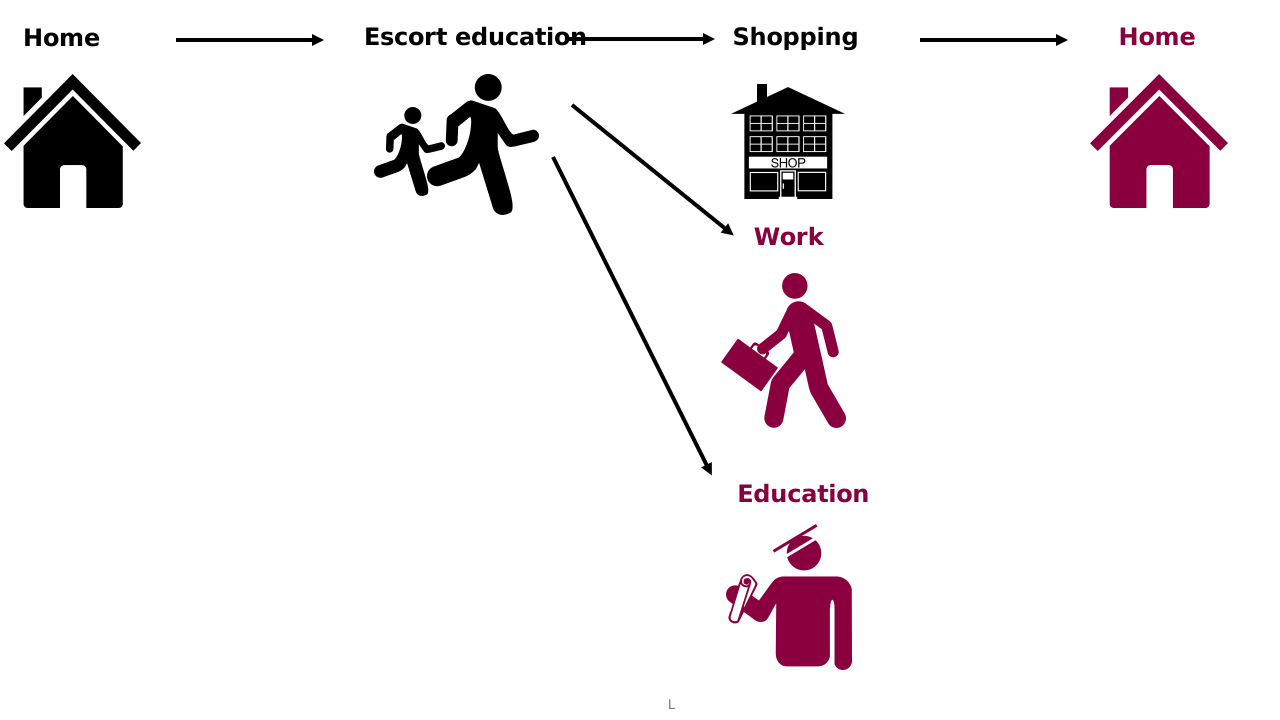
For example: Home to Escort education to Shopping to Work (three link chain). They are considered one connected trip chain because they happen in a continuous sequence.
For a full list of definitions of each trip purpose, see the background information section.
Examples of trip chains which end at home, work or education (anchor points):
Main findings
- It is estimated that 12% of all trips made were part of trip chains
- The most common trip chain was for home to shopping to shopping to home (5% of trip chains)
- The most common trip chain that ends at work started from home to escort education to work (representing 28% of trip chains that end in work). Around 18% of trip chains that end in work were made by females who work part time, compared with 3% for males who work part time
- Around 89% of trip chains involved a car (as a driver or passenger) and 8% of trip chains involved a public transport mode
- Around 15% of trip chains were multi-modal (involving more than one mode of transport within the trip chain). For single trips, around 7% of trips were multi-modal (involving more than one transport mode)
- Females are more likely to trip chain than males with 14% of trips made by females forming part of a trip chain, this reduces to 11% for males. Females across all age bands made a higher proportion of their trips as trip chains than males across all age bands
- The highest proportion of trips that are part of trip chains were completed by people aged 30 to 39 (14%)
- Females aged 30 to 39 made the highest proportion of their trips as trip chains (17%), this was higher than males aged 30 to 39 (12%)
- Disabled people are slightly more likely to trip chain (13% of trips made by disabled people were as trip chains), this compares to 12% for non-disabled people
All trip chains
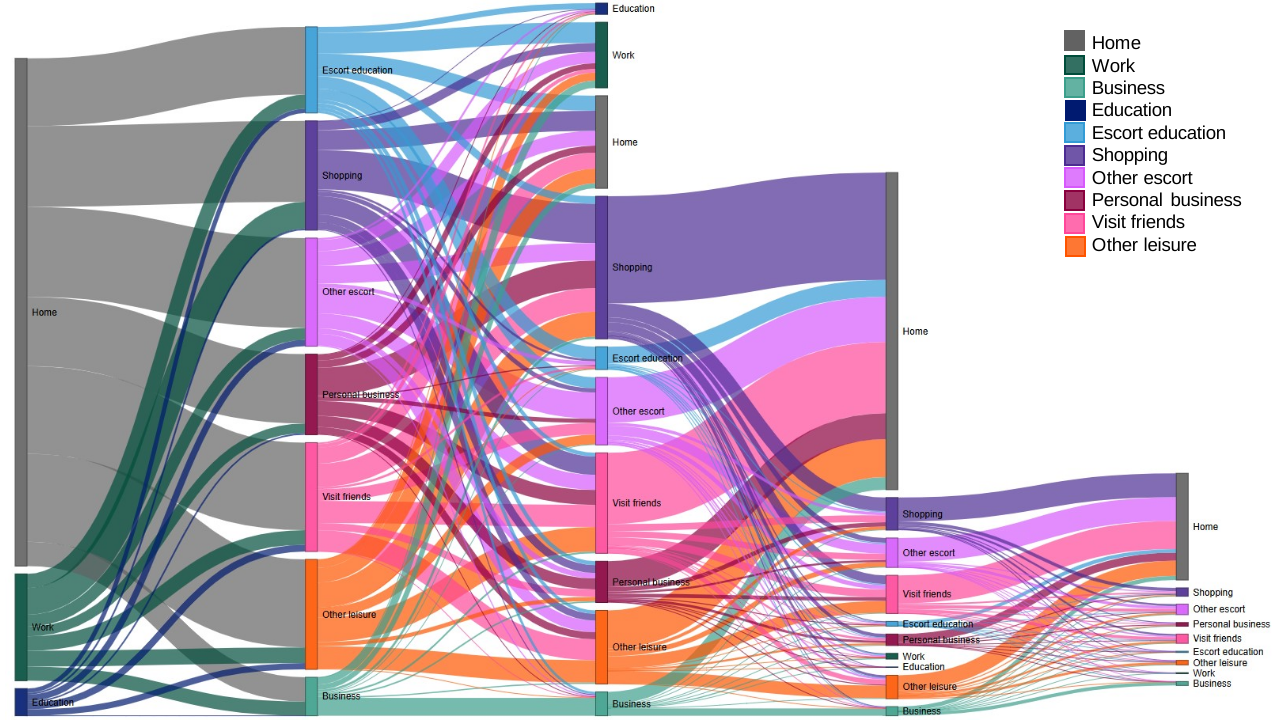
Around 12% of all trips made in 2024 were part of trip chains.
Around 6% of trip chains have 5 or more links. Each column represents a trip purpose from to a trip purpose to, and the thickness of lines is proportional to the number of trip chains. In 2024, there were some people who made 12 trips in a chain.
Chart 1: Flow of trip purposes within trip chains of up to 4 links: England, 2024
For a full list of definitions of each trip purpose, see the background information section.
All trip chains:
- The most common trip chain was home to shopping to shopping to home (5% of trip chains). This was followed by home to personal business to shopping to home (3%) and home to other leisure to shopping to home (3%)
- Around 17% of trip chains started at work and the most common type included shopping before heading home. Other common trip chains which started from work included: work to escort education to home and work to visit friends to home
- Around 4% of trip chains started with education and the most common type started with education then included other escort before heading home. Other common trip chains which started with education included education to visit friends to home, and education to other leisure to home
- In 2024, 89% of trip chains involved a car (as a driver or passenger) and 8% of trip chains involved a public transport mode
Trip chains which end at work
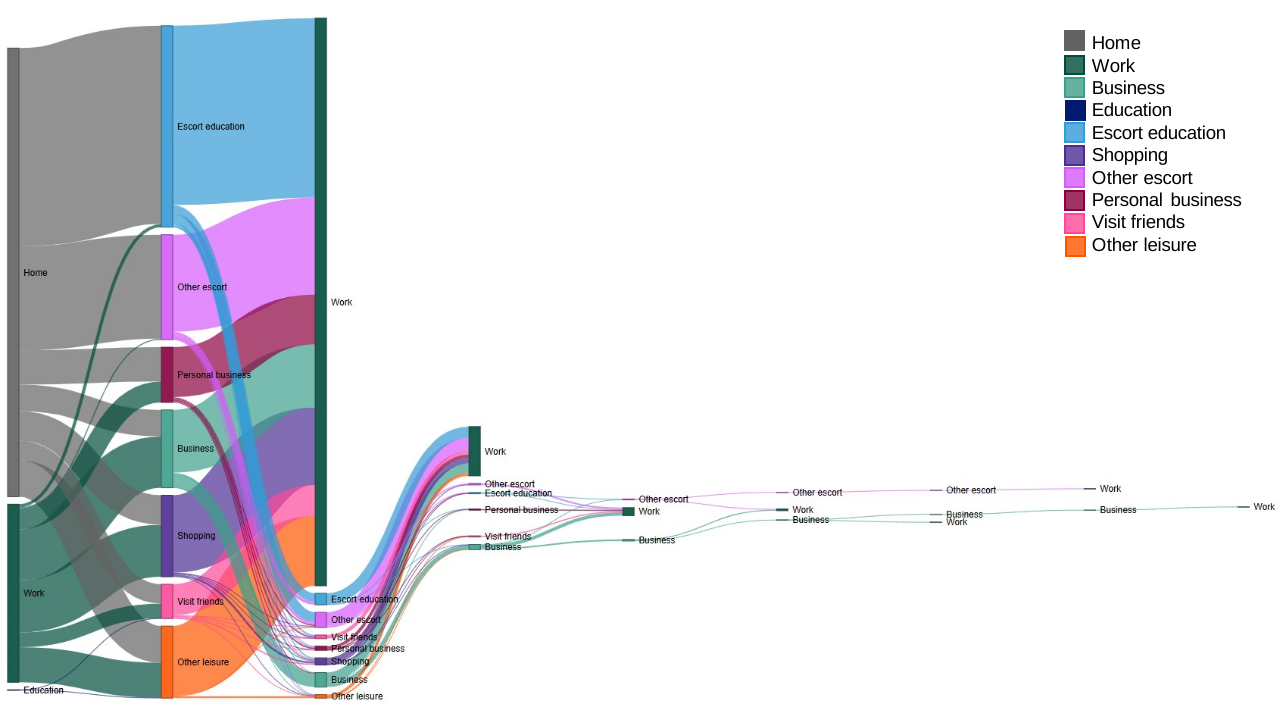
Chart 2: Flow of trip purposes within trip chains that end at work: England, 2024
Trip chains which end at work:
- Around 11% of trip chains end at work in 2024
- The most common type of trip chain ending at work started from home and then went on to escort education and then work (28% of trip chains that end at work). Of which, 17% of these trip chains ending at work for home to escort education to work were completed by females, which was higher than 12% done by males
- Other common trip chains that end at work included home to other escort to work (15% of trip chains that end at work), and work to shopping to work (8% of trip chains that end at work)
- Around 52% of trip chains that end in work were completed by females and the remaining 48% by males
- Around 17% of trip chains that end in work were made by females aged 30 to 39, whilst 15% were made by males aged 30 to 39
- Around 18% of trip chains that end in work were made by females who work part time, whilst 3% were made by males who work part time
Multi-modal trip chains
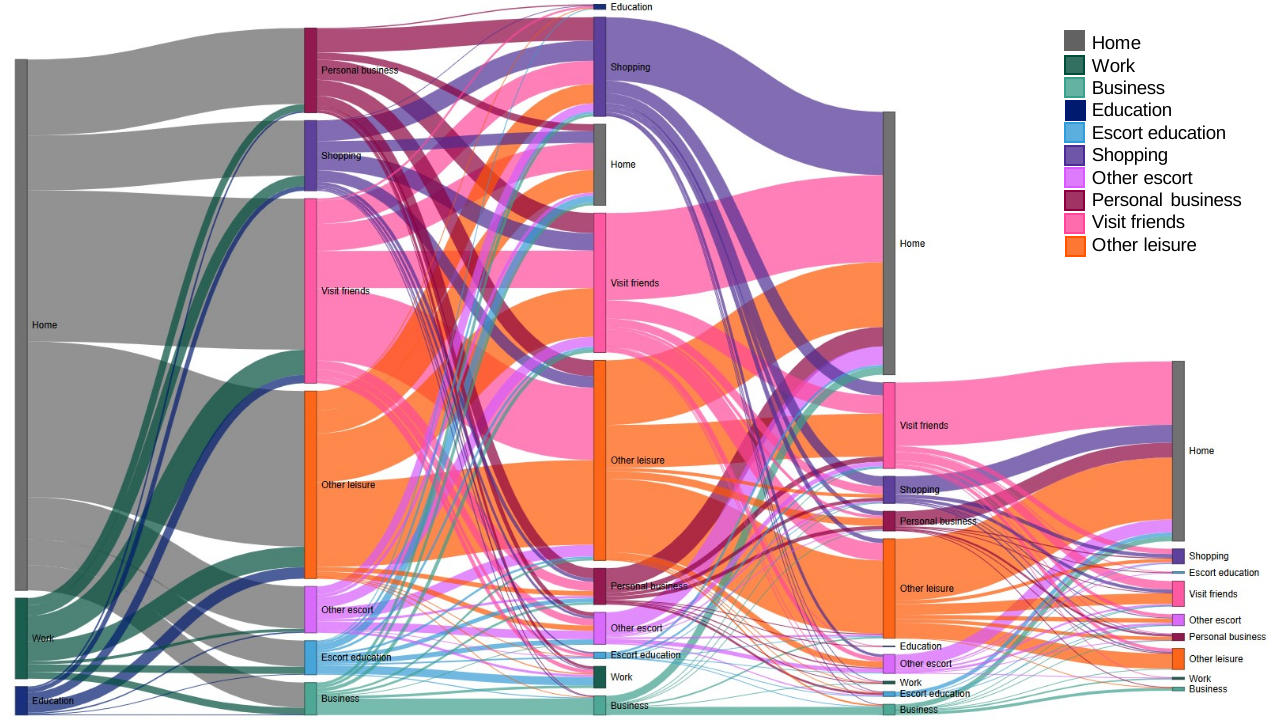
Most trip chains used a single mode of transport, with 15% using more than one mode. Around 13% of multi-modal trip chains have 5 or more links.
Chart 3: Flow of trip purposes for multi-modal trip chains of up to 4 links: England, 2024
Multi-modal trip chains:
- In 2024, 15% of trip chains were multi-modal (involved more than one transport mode) within the trip chain. For single trips, around 7% of trips were multi-modal (involving more than one transport mode) in 2024
- Multi-modal trip chains can utilise any combination of modes and purposes, therefore they vary considerably with no clear overall pattern of modes or purposes, although the majority of them involve use of a car
Chart 4: Flow of main modes for multi-modal trip chains of up to 4 links: England, 2024
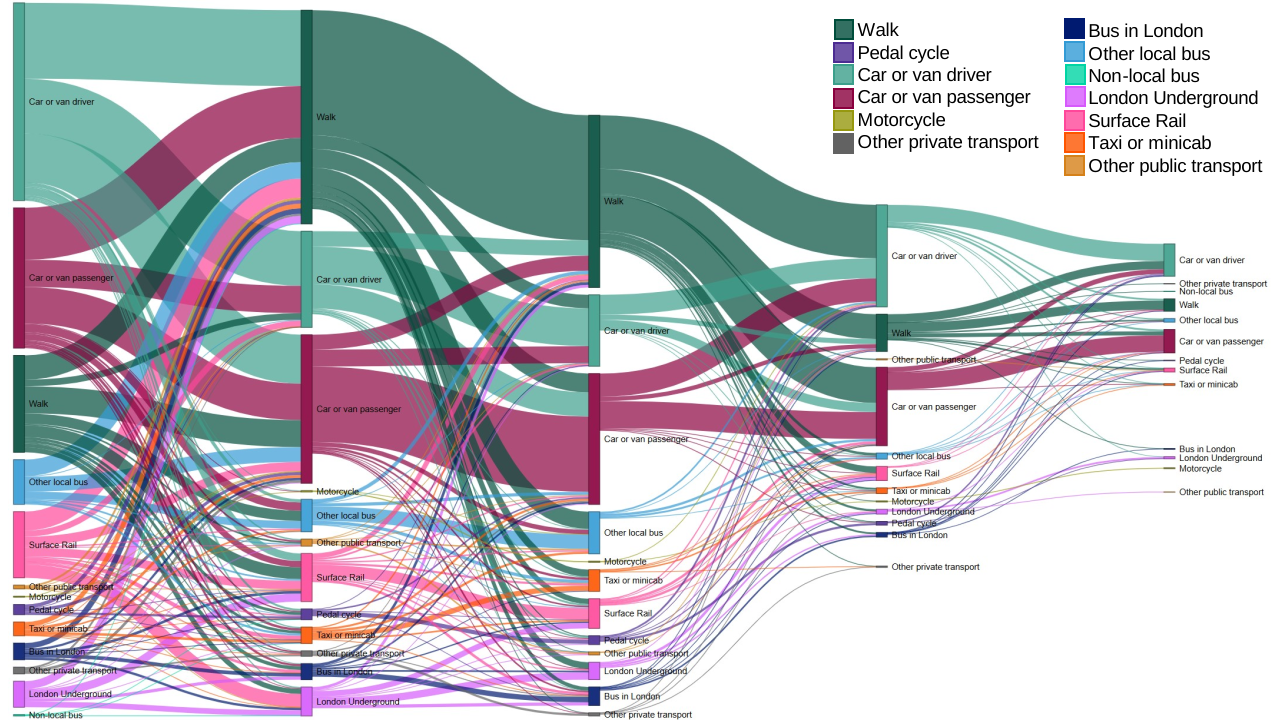
Multi-modal trip chains by main mode:
- In 2024, 71% of multi-modal trip chains involved a car (as a driver or passenger) and 44% of multi-modal trip chains involved a public transport mode
- Among multi-modal trip chains, the most common starting mode was travelling as a car driver (32%), followed by car passenger (22%) and walking (16%)
Who makes trip chains?
Sex
Chart 5: All trips by sex that form part of trip chains (percentage): England, 2024
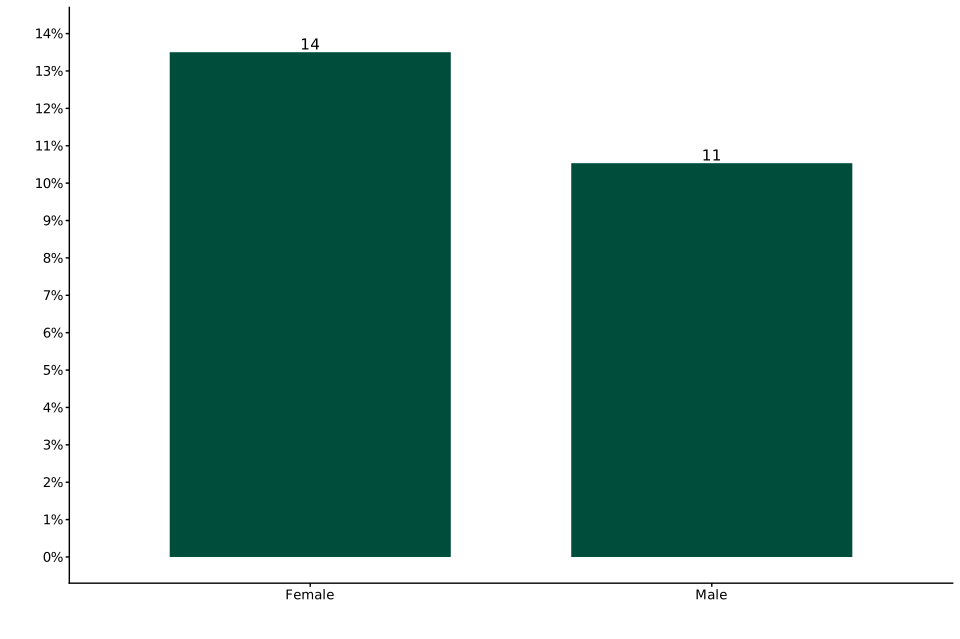
In 2024, 14% of trips completed by females are part of trip chains. This proportion reduces to 11% for males.
Trip chains by sex:
- For females the most common trip chain was from home to shopping to shopping to home (4.5% of trip chains made by females). This is the same for males (4.7%)
- Home to escort education to work (3.3%) was the fourth most common trip chain for females. This was ranked fifth for males (3.0%)
Table 1: Top 5 trip chains made by females
| Rank | Trip purpose 1 | Trip purpose 2 | Trip purpose 3 | Trip purpose 4 | Proportion of trip chains (%) |
|---|---|---|---|---|---|
| 1 | Home | Shopping | Shopping | Home | 4.5 |
| 2 | Home | Personal business | Shopping | Home | 3.5 |
| 3 | Home | Other leisure | Shopping | Home | 3.5 |
| 4 | Home | Escort education | Work | 3.3 | |
| 5 | Work | Shopping | Home | 2.9 |
Table 2: Top 5 trip chains made by males
| Rank | Trip purpose 1 | Trip purpose 2 | Trip purpose 3 | Trip purpose 4 | Proportion of trip chains (%) |
|---|---|---|---|---|---|
| 1 | Home | Shopping | Shopping | Home | 4.7 |
| 2 | Home | Other leisure | Visit friends | Home | 3.5 |
| 3 | Home | Other leisure | Shopping | Home | 3.1 |
| 4 | Home | Personal business | Shopping | Home | 3.0 |
| 5 | Home | Escort education | Work | 3.0 |
Age
Chart 6: All trips by age that form part of trip chains (percentage): England, 2024
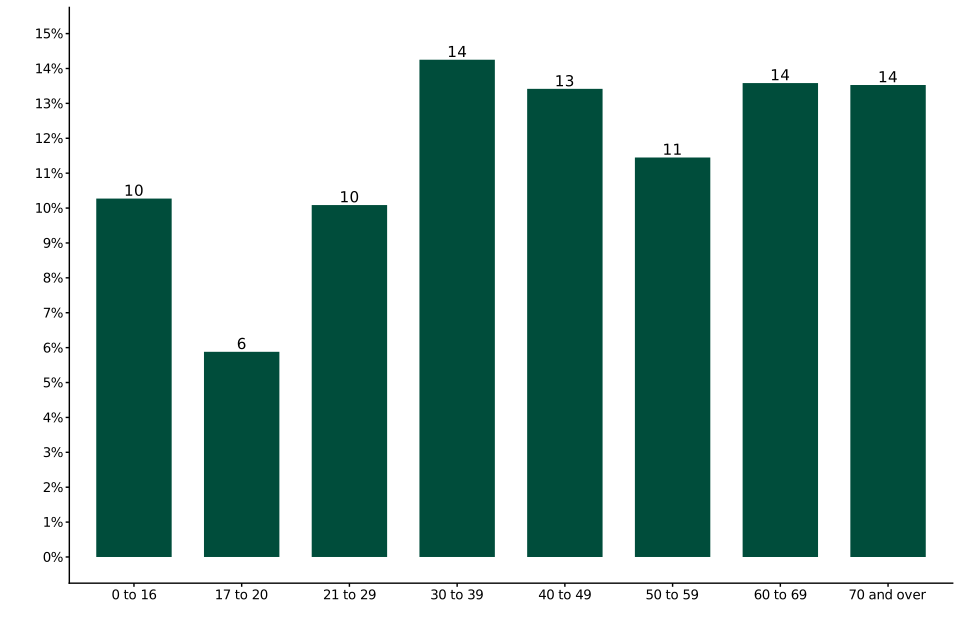
In 2024, people aged 30 to 39 (14%) made the highest proportion of their trips in trip chains, followed by people aged 60 to 69 (14%), 70 and over (14%) and 40 to 49 (13%). People aged 17 to 20 were least likely to make trip chains (6%), followed by people aged 21 to 29 (10%), 0 to 16 (10%) and 50 to 59 (11%).
Trip chains by age band:
- The most common trip chains for people aged 30 to 39 were for trips from home to escort education to work (6.2%). The reverse sequence of trips for work to escort education to home formed the fourth highest proportion of trip chains (3.9%)
Table 3: Top 5 trip chains made by people aged 30 to 39
| Rank | Trip purpose 1 | Trip purpose 2 | Trip purpose 3 | Trip purpose 4 | Proportion of trip chains (%) |
|---|---|---|---|---|---|
| 1 | Home | Escort education | Work | 6.2 | |
| 2 | Home | Other escort | Work | 4.2 | |
| 3 | Home | Shopping | Shopping | Home | 4.1 |
| 4 | Work | Escort education | Home | 3.9 | |
| 5 | Home | Other leisure | Shopping | Home | 3.6 |
Disability status
Chart 7: All trips by disability status that form part of trip chains (percentage): England, 2024
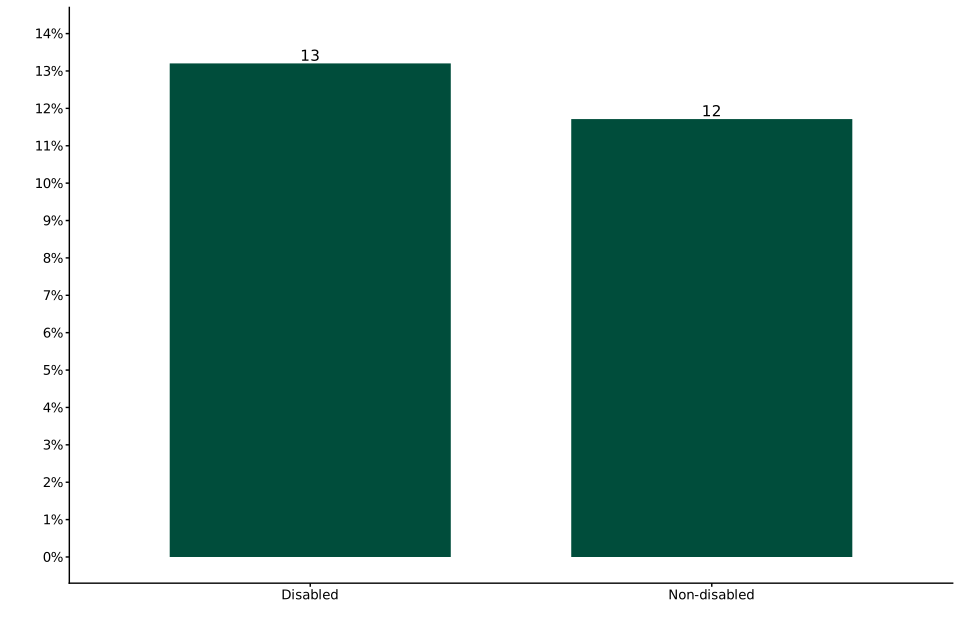
In 2024, 13% of trips completed by disabled people are in trip chains, compared to 12% for people who are non-disabled.
Trip chains by disability status:
- The most common trip chain for people with a disability was for trips from home to personal business to shopping to home (6.5%)
- The most common trip chain for people with no disability was for trips from home to shopping to shopping to home (4.7%)
Table 4: Top 5 trip chains made by people with a disability
| Rank | Trip purpose 1 | Trip purpose 2 | Trip purpose 3 | Trip purpose 4 | Proportion of trip chains (%) |
|---|---|---|---|---|---|
| 1 | Home | Personal business | Shopping | Home | 6.5 |
| 2 | Home | Shopping | Shopping | Home | 5.6 |
| 3 | Home | Visit friends | Shopping | Home | 4.2 |
| 4 | Home | Shopping | Visit friends | Home | 3.5 |
| 5 | Home | Other leisure | Shopping | Home | 3.2 |
Table 5: Top 5 trip chains made by people with no disability
| Rank | Trip purpose 1 | Trip purpose 2 | Trip purpose 3 | Trip purpose 4 | Proportion of trip chains (%) |
|---|---|---|---|---|---|
| 1 | Home | Shopping | Shopping | Home | 4.7 |
| 2 | Home | Other leisure | Shopping | Home | 3.5 |
| 3 | Home | Escort education | Work | 3.5 | |
| 4 | Work | Shopping | Home | 3.2 | |
| 5 | Home | Personal business | Shopping | Home | 3.0 |
Working status
Chart 8: All trips by working status that form part of trip chains (percentage): England, 2024
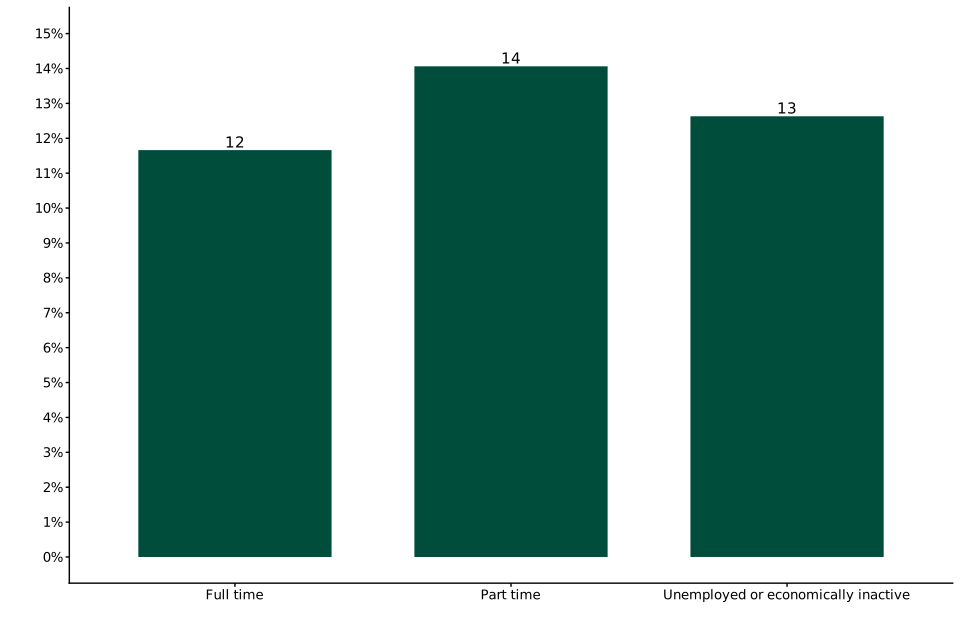
In 2024, 12% of trips completed by people in full time employment were part of trip chains. This rises to 13% for those who are unemployed or economically inactive, and 14% for people working part time.
Trip chains by working status:
- The most common trip chains by people working full time were trips from work to shopping to home (5.4%)
- The most common trip chains by people working part time were trips from home to escort education to work (6.0%)
- The most common trip chains by people unemployed or economically inactive were trips from home to shopping to shopping to home (8.5%)
Table 6: Top 5 trip chains made by people working full time
| Rank | Trip purpose 1 | Trip purpose 2 | Trip purpose 3 | Trip purpose 4 | Proportion of trip chains (%) |
|---|---|---|---|---|---|
| 1 | Work | Shopping | Home | 5.4 | |
| 2 | Home | Escort education | Work | 5.1 | |
| 3 | Home | Shopping | Shopping | Home | 4.0 |
| 4 | Work | Other leisure | Home | 3.1 | |
| 5 | Home | Other leisure | Shopping | Home | 3.1 |
Table 7: Top 5 trip chains made by people working part time
| Rank | Trip purpose 1 | Trip purpose 2 | Trip purpose 3 | Trip purpose 4 | Proportion of trip chains (%) |
|---|---|---|---|---|---|
| 1 | Home | Escort education | Work | 6.0 | |
| 2 | Home | Shopping | Shopping | Home | 4.2 |
| 3 | Home | Other leisure | Shopping | Home | 3.4 |
| 4 | Work | Escort education | Home | 3.2 | |
| 5 | Work | Shopping | Home | 3.1 |
Table 8: Top 5 trip chains made by people unemployed or economically inactive
| Rank | Trip purpose 1 | Trip purpose 2 | Trip purpose 3 | Trip purpose 4 | Proportion of trip chains (%) |
|---|---|---|---|---|---|
| 1 | Home | Shopping | Shopping | Home | 8.5 |
| 2 | Home | Personal business | Shopping | Home | 6.9 |
| 3 | Home | Other leisure | Shopping | Home | 5.0 |
| 4 | Home | Visit friends | Shopping | Home | 4.0 |
| 5 | Home | Shopping | Visit friends | Home | 3.5 |
Rural-urban classification of residence
Chart 9: All trips by rural-urban classification of residence that form part of trip chains (percentage): England, 2024
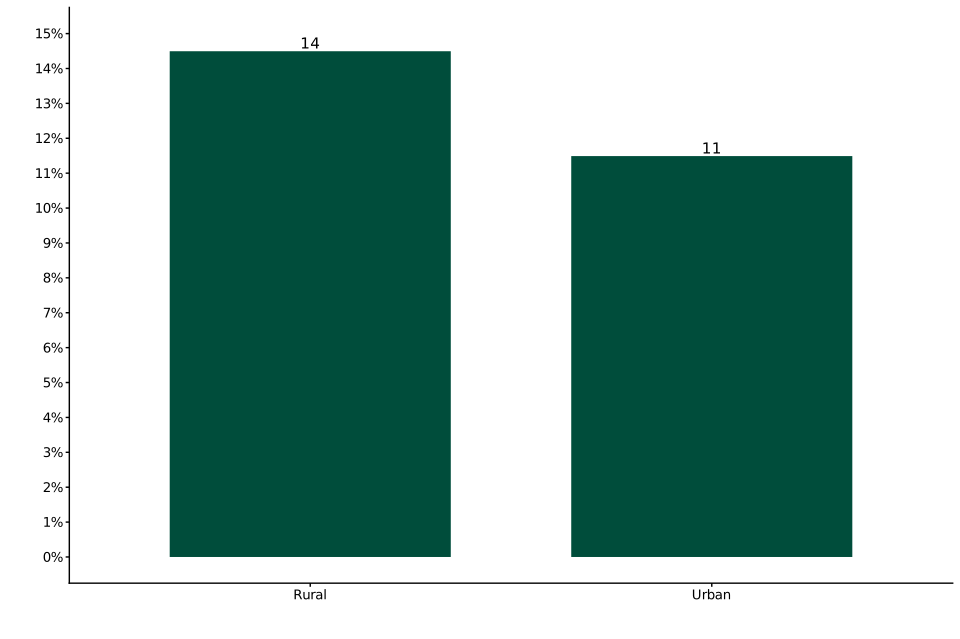
In 2024, 14% of trips completed by people who live in rural areas were trip chains, compared to 11% by people who live in urban areas.
Trip chains by people living in rural and urban areas:
- The most common type of trip chain made by people living in rural areas was the same as those living in urban areas, namely home to shopping to shopping to home (4.8% for people living in rural areas and 4.6% by people living in urban areas)
Table 9: Top 5 trips chains made by people living in rural areas
| Rank | Trip purpose 1 | Trip purpose 2 | Trip purpose 3 | Trip purpose 4 | Proportion of trip chains (%) |
|---|---|---|---|---|---|
| 1 | Home | Shopping | Shopping | Home | 4.8 |
| 2 | Home | Other leisure | Shopping | Home | 3.4 |
| 3 | Home | Personal business | Shopping | Home | 3.4 |
| 4 | Home | Other leisure | Visit friends | Home | 2.8 |
| 5 | Work | Shopping | Home | 2.5 |
Table 10: Top 5 trip chains made by people living in urban areas
| Rank | Trip purpose 1 | Trip purpose 2 | Trip purpose 3 | Trip purpose 4 | Proportion of trip chains (%) |
|---|---|---|---|---|---|
| 1 | Home | Shopping | Shopping | Home | 4.6 |
| 2 | Home | Escort education | Work | 3.4 | |
| 3 | Home | Personal business | Shopping | Home | 3.3 |
| 4 | Home | Other leisure | Shopping | Home | 3.3 |
| 5 | Work | Shopping | Home | 3.0 |
Age and sex
Chart 10: All trips by sex and age that form part of trip chains (percentage): England, 2024
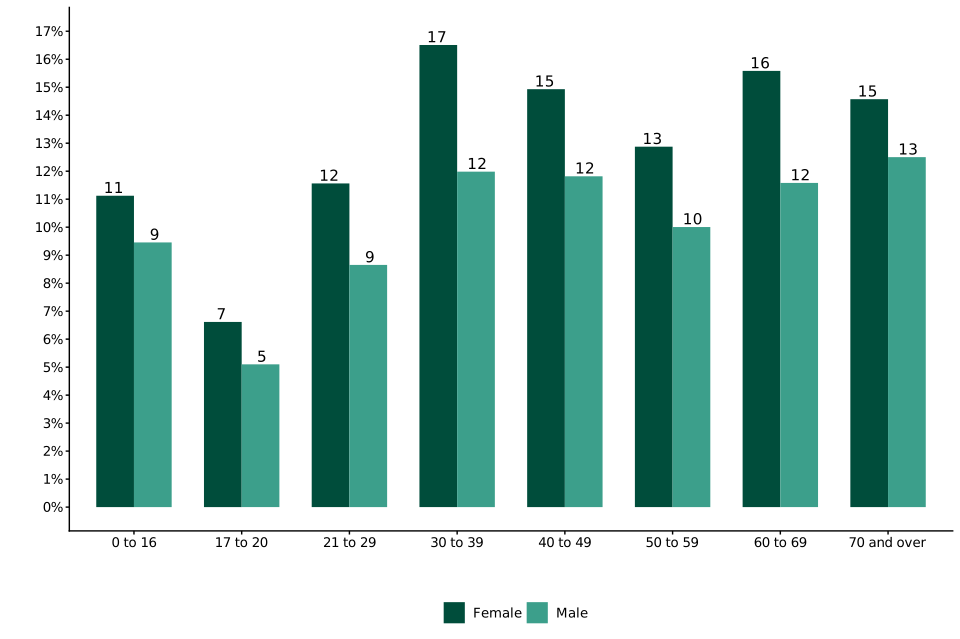
Females across all age bands made a higher proportion of their trips as trip chains than males across all age bands. Females aged 30 to 39 made the highest proportion of their trips as trip chains (17%), this was higher than males aged 30 to 39 (12%). Males aged 70 and over made the highest proportion of their trips as trip chains (13%).
Working status and sex
Chart 11: All trips by sex and working status that form part of trip chains (percentage): England, 2024
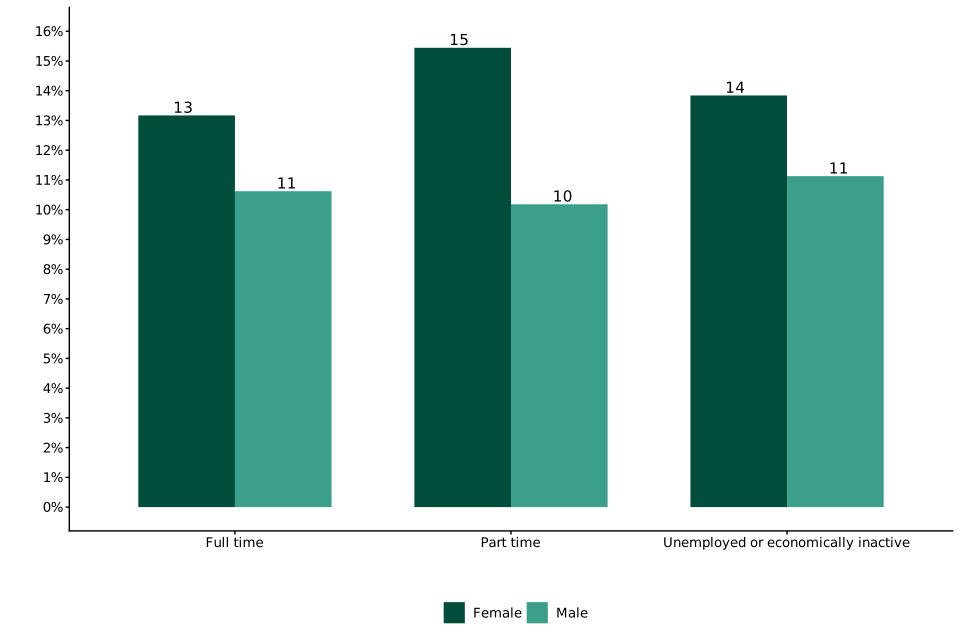
Females across all working status categories made a higher proportion of their trips as trip chains than males across all working status categories. Females working part time made the highest proportion of their trips as trip chains (15%), this was higher than males working part time (10%). Females working full time made 13% of their trips as trip chains, whereas males working full time made 11% of their trips as trip chains. Males unemployed or economically inactive made the highest proportion of their trips as trip chains (11%), this was 14% for females unemployed or economically inactive.
Background information
Definitions
In the NTS, a trip is defined as a one-way course of travel with a single main purpose. In this factsheet, the term link is used with the same meaning.
Trip chain: A series of two or more trips which start or end at work or education and a series of three or more trips which start or end at home.
Trip purpose: The purpose of a trip is taken to be the activity at the destination, unless that destination is ‘home’ in which case the purpose is defined by the origin of the trip. For this analysis trip purposes are defined by their larger grouping. For example, food shopping and non-food shopping are defined as shopping.
Work: Trips to a usual place of work from home, or from work to home.
Business: Personal trips in course of work, including a trip in course of work back to work. This includes all work trips by people with no usual place of work (for example site workers) and those who work at or from home.
Education: Trips to school or college, by full time students, students on day-release and part time students following vocational courses.
Escort education: To drop off a child or other household member at school, college or university.
Shopping: All trips to shops or from shops to home, even if there was no intention to buy. Consecutive trip purposes of shopping to shopping can occur when there is a change in the mode of transport, and if using public transport, use different tickets.
Other escort: To escort someone for purposes other than education such as dropping them off at home, to work, in the course of work, shopping or to personal business. The purpose of escorting someone.
Personal business: Visits to services, for example hairdressers, launderettes, dry-cleaners, betting shops, solicitors, banks, estate agents, libraries, churches; or for medical consultations or treatment; or for eating and drinking, unless the main purpose was entertainment or social.
Visit friends: This includes eating or drinking with friends or relatives, visiting friends or relatives at their home and to go out for other social reasons.
Other leisure: This includes entertainment or public social activities, participating in sport, going to the gym, to go to a holiday base, to go out for a day trip or just for a walk and to go out for some other non-escort reason.
Trips excluded from the trip chain analysis
For 5% of trips there was no recorded starting trip from home, work or education on the same day, and these trips were excluded from this analysis. This proportion increases to 9% when calculated from the dataset which includes the weighted trip chains.
For days where people made one trip, or two continuous trips at most which start and end at home, these trips were excluded from this analysis as these are not considered trip chains. This is 79% of all trips (which includes the weighted trip chains).
Overall, 88% of trips (which includes the weighted trip chains) were not part of trip chains.
Trips included in the trip chain analysis
The remaining 12% of trips (which includes the weighted trip chains) were part of trip chains. These trip chains start and end at home, work or education where people spend a large amount of their time. Trip chains include two or more trips which start or end at work or education and three or more trips which also start or end at home.
How the trip chain proportions were calculated
In order to calculate proportions of trips that were in chains:
1) The NTS data is usually grossed up for short walks (walks of under a mile), this is because short walks are recorded on day 1 of the travel diary only, and therefore where a short walk is made on day 1, data for the rest of the travel week is grossed up to include short walks. This is to reduce respondent burden on data collection. All 2024 NTS travel diary data is used for this analysis but not grossed up for short walks as these would overweight trip purposes where a short walk was made on day 1 of the travel diary.
2) New weights were calculated for trip chains to enable comparison between chains of different lengths (sum of weighted trips divided by the number of links in a trip chain).
3) Weighted trip chains were divided by total weighted trips to calculate the proportion.
4) Trip chains were then grouped to demonstrate how prevalent certain trip chains were.
Further information is available, including:
Instructions for printing and saving
Depending on which browser you use and the type of device you use (such as a mobile or laptop) these instructions may vary.
You will find your print and save options in your browser’s menu. You may also have other options available on your device. Tablets and mobile device instructions will be specific to the make and model of the device.
How to search
Select Ctrl and F on a Windows laptop or Command and F on a Mac.
This will open a search box in the top right-hand corner of the page. Type the word you are looking for in the search bar and press enter.
Your browser will highlight the word, usually in yellow, wherever it appears on the page. Press enter to move to the next place it appears.
Contact details
National Travel Survey statistics
To hear more about DfT statistical publications as they are released, follow us on X at DfTstats.