Horticulture statistics 2025
Updated 25 June 2026

© Crown copyright 2026
This publication is licensed under the terms of the Open Government Licence v3.0 except where otherwise stated. To view this licence, visit nationalarchives.gov.uk/doc/open-government-licence/version/3 or write to the Information Policy Team, The National Archives, Kew, London TW9 4DU, or email: psi@nationalarchives.gov.uk.
Where we have identified any third party copyright information you will need to obtain permission from the copyright holders concerned.
This publication is available at https://www.gov.uk/government/statistics/latest-horticulture-statistics/horticulture-statistics-2025
These statistics cover area, production, trade, and valuation of horticulture crops in the United Kingdom from 1985 to 2025. The published data is available in the accompanying dataset, including estimated data for individual fruit and vegetable varieties and aggregated ornamental production.
Key Messages
-
The value of home-produced vegetables increased by 0.4% to just over £2.1 billion in 2025, with production volumes rising 8.0% to 2.6 million tonnes. The value of field vegetables grew by 0.8% to £1.7 billion, while the value of protected vegetables decreased by 1.1% to £431 million.
-
Home-produced fruit has increased in value to £1.1 billion, an increase of 5.0% compared to 2024, with production volumes increasing 2.3% to 577 thousand tonnes. The value of fruit grown in the open increased by 4.8% to just over £1 billion and the value of glasshouse fruit increased by 7.8% to £52 million.
-
UK ornamentals were worth £1.6 billion in 2025, a decrease of 2.0% compared to 2024.
Figure 1: Value of fresh fruit, vegetables, and ornamentals, 2024 and 2025 (£ million)
| Type | 2024 | 2025 |
|---|---|---|
| Vegetables | 2,109 | 2,117 |
| Fruit | 1,083 | 1,137 |
| Ornamentals | 1,649 | 1,616 |
Key words
-
Home-produced - This relates to fruit, vegetables and ornamentals grown within the UK.
-
Field vegetables -This refers to vegetables grown in the open, including roots, onions, brassicas and legumes.
-
Protected vegetables - This refers to vegetables grown in a protected environment, glasshouse or polythene tunnel, including tomatoes and lettuce.
-
Total supply – This refers to overall availability of a crop; home-produced + imports – exports = total supply.
Section 1 – Vegetables
Vegetable Production, supply and value.
Figure 2: Home produced vegetables as a percentage of total supply (£ million)
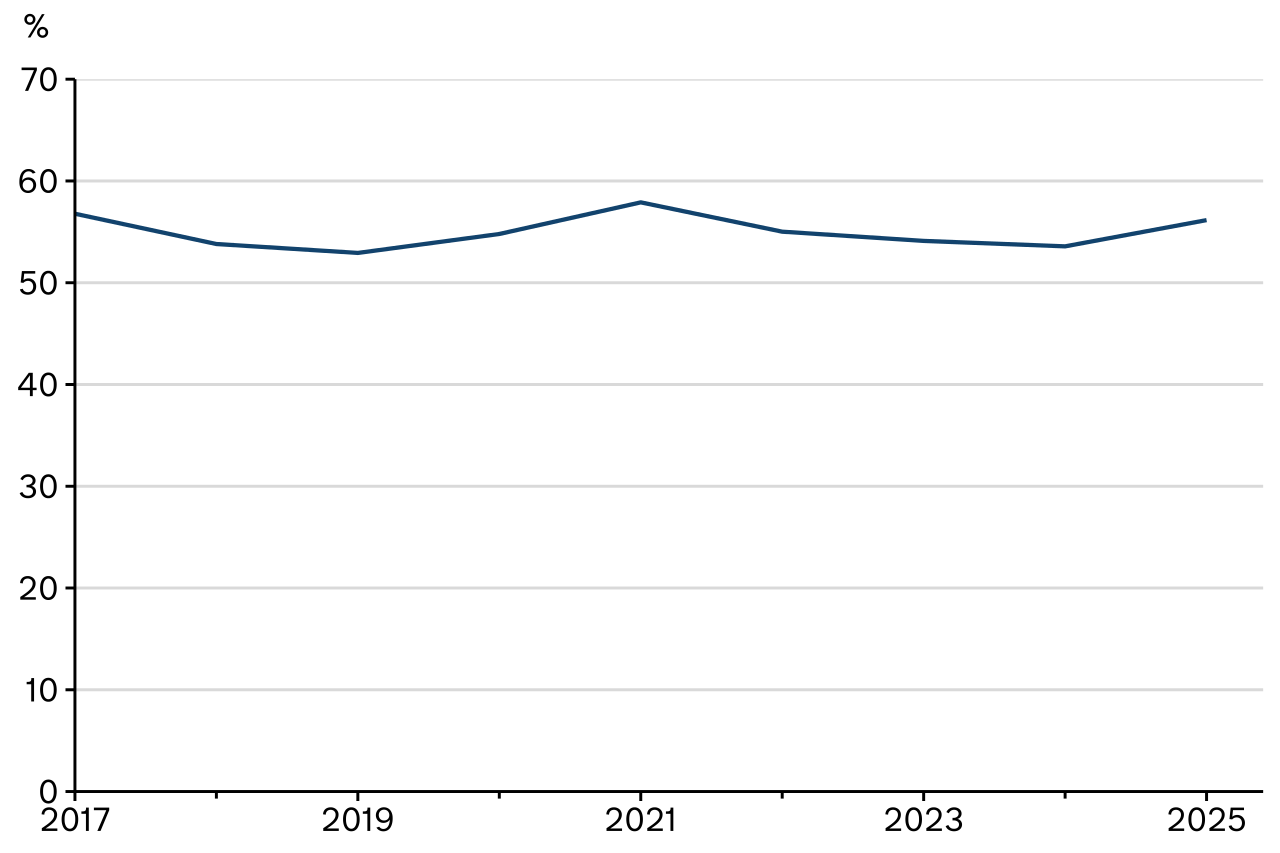
Figure 3: Total supply of vegetables (thousand tonnes)
| Year | Supply |
|---|---|
| 2017 | 4,753 |
| 2018 | 4,595 |
| 2019 | 4,700 |
| 2020 | 4,655 |
| 2021 | 4,534 |
| 2022 | 4,330 |
| 2023 | 4,332 |
| 2024 | 4,531 |
| 2025 | 4,670 |
-
Home production increased by 8.0% to 2.6 million tonnes and the value increased by 0.4% to £2.1 billion.
-
Total supply increased by 3.1% to 4.7 million tonnes. Imports of vegetables decreased by 3.0% to 2.1 million tonnes and exports decreased by 12% to 66 thousand tonnes.
-
Home production of vegetables contributed to around 56% of the total UK supply in 2025, compared to 54% in 2024.
-
See tables 13 to 16 in the dataset for individual crop details of production.
In 2025, the value of vegetable production rose by 0.4% to just over £2.1 billion, with total output increasing by 8.0% to 2.6 million tonnes. The area planted with vegetables increased by 6.7% to 104 thousand hectares. Domestic production accounted for 56% of the UK’s total fresh vegetable supply, up two percentage points from 2024.
Growing conditions in 2025 were dominated by prolonged dry weather and water availability constraints. Many field vegetable crops experienced dry conditions from early spring through summer, with irrigation access becoming increasingly critical; in some areas abstraction restrictions were imposed, forcing growers to alter cropping plans or relocate production. Establishment was particularly challenging for spring and early summer plantings on unirrigated land, leading to patchy crops and yield penalties, especially in eastern regions such as Lincolnshire. While rainfall later in the season improved growth for some autumn and winter crops, the combination of early season drought, high summer temperatures and ongoing regulatory pressure on water use, highlighted water security as the key constraint on UK vegetable production in 2025.
1.2 Field vegetables
Figure 4: Value of field vegetables (£ million)
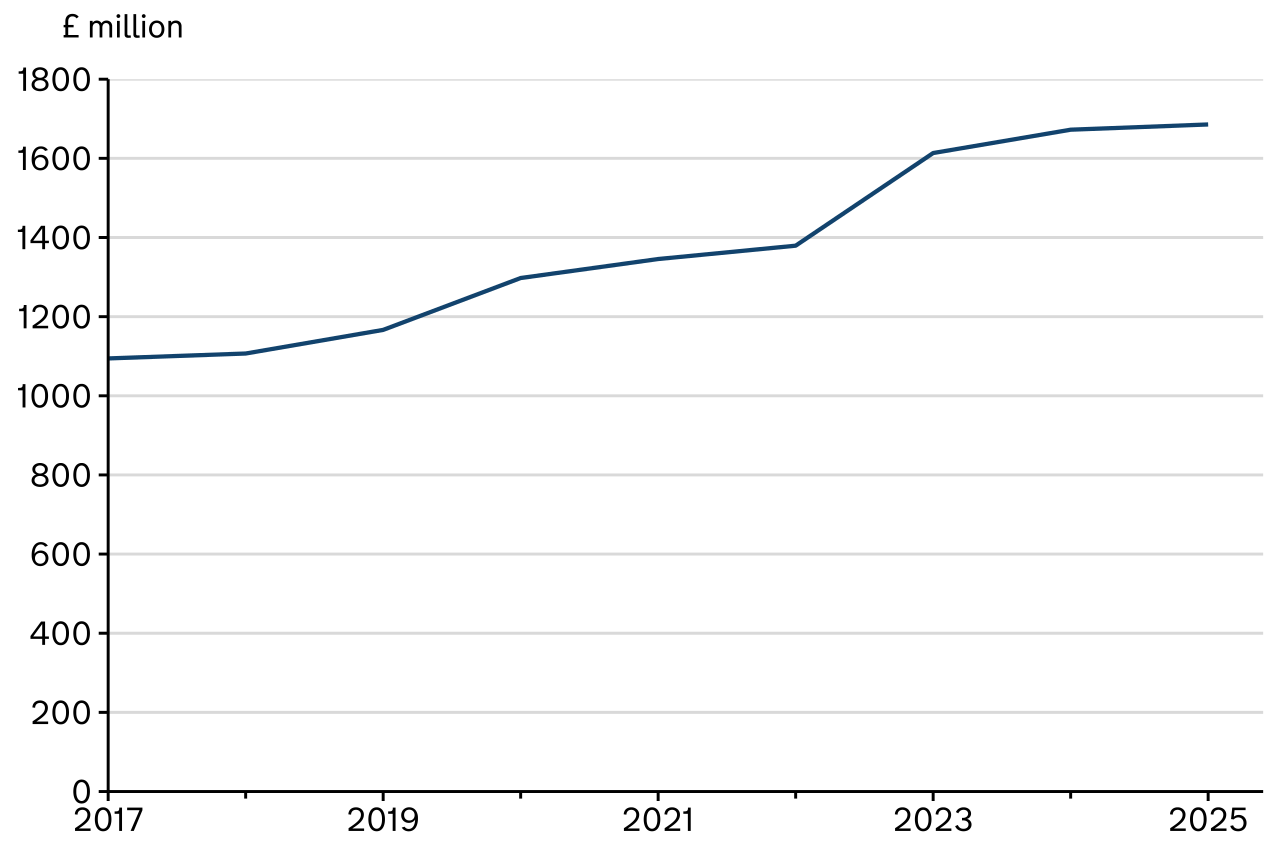
Figure 5: Production of field vegetables (thousand tonnes)
| Year | Production |
|---|---|
| 2017 | 2,409 |
| 2018 | 2,198 |
| 2019 | 2,217 |
| 2020 | 2,281 |
| 2021 | 2,355 |
| 2022 | 2,135 |
| 2023 | 2,090 |
| 2024 | 2,169 |
| 2025 | 2,364 |
-
Field-grown vegetables accounted for £1.7 billion of total value in 2025, the highest level on record, despite only modest growth in value of 0.8%.
-
Total field vegetable production reached 2.4 million tonnes, up 9.0% on 2024. With the area used increased by 6.7% to 103 thousand hectares.
-
See tables 13 to 16 in the dataset for individual crop details of area, production and value for field vegetables
Brassica. Unseasonably warm weather in December 2024 accelerated cauliflower maturity, resulting in a supply shortfall in January 2025. This deficit was partially offset by imports from Spain and France. In contrast, colder conditions in early January subsequently delayed the development of later-maturing cauliflower varieties. From March onwards, the UK brassica crop experienced prolonged dry conditions. Much of Lincolnshire lacks access to irrigation, as groundwater extraction is limited due to salinity issues. Approximately 60% of the brassica crop was planted in June and July for harvest during the autumn, winter, and following spring period. At planting, soil conditions were extremely dry, leading to uneven crop establishment and ultimately lower yields across the sector.
Cropping areas for red and white cabbage remained strong, while kale plantings were broadly unchanged. In contrast, the area dedicated to other brassicas declined slightly in the East of England. Overall, the total area planted with brassicas increased by 7.0% to 22 thousand hectares. Despite this expansion, total value fell by 9.2% to £350 million, reflecting lower cauliflower and cabbage prices alongside reduced yields. As a result, total production declined by 3.6% to 341 thousand tonnes.
Cabbage. Cabbage area planted increased by 9.7% to 3,762 hectares this year, with production rising by 4.1% to 138 thousand tonnes. Savoy cabbage is now grown throughout the year, reflecting its growing popularity as an all-season vegetable. This shift has driven increased summer production and has largely displaced traditional round-headed, smooth summer cabbage in the market. The summer drought had a particularly severe impact on cabbage, more so than other brassica crops, as a large proportion of the production area is concentrated in Lincolnshire. Limited access to irrigation in the region exacerbated the effects of dry conditions, resulting in reduced yields across the entire cabbage sector. The crop’s total value decreased by 7.9% to £87 million.
Broccoli yields fell by 16% to 9.9 tonnes per hectare (t/ha). In 2025, total production decreased by 11% to 69 thousand tonnes, despite the planted area increasing by 5.8% to 6,992 hectares. Market prices rose by 8.8% to £2.46 per kg; however, the overall crop value declined slightly by 0.2% to £122 million compared to 2024. The area of broccoli increased in 2025 due to favourable spring planting conditions across most of the country, apart from Lincolnshire.
The reduction in yield was partly attributed to dry conditions in Lincolnshire, alongside a longer-term shift towards Tenderstem®, which produces lower yields than whole-head broccoli. Seed companies have started to introduce alternative green sprouting broccoli varieties, marketed as “Sweet Stem,” to avoid the Tenderstem® trademark. Growers produce Tenderstem® under licence and are not permitted to grow other green sprouting varieties. This crop remains highly labour intensive, requiring three to four harvests per planting. As new varieties become more widely available, competition may increase, potentially placing downward pressure on market prices as control of the market becomes less concentrated.
Cauliflower is produced year-round in South West England, while in the rest of the UK it is typically harvested from May to mid-December. In 2025, the cauliflower market was relatively slow, as many consumers opted for alternative ready to eat products. Production in Lincolnshire declined due to drought conditions, whereas South West growers benefited from a warm, wet autumn and early winter, which helped to offset some of the overall impact on crop yields. Overall, cauliflower yields fell by 11% to 10.7 t/ha. Market prices declined by 15% to £0.94 per head, contributing to a 17% drop in total crop value to £72 million. Although the planted area increased by 8.7% to 8,459 hectares, total production still decreased by 3.3% to 91 thousand tonnes.
Carrots were valued at £242 million, down 2.7% compared with 2024. This decline was primarily driven by a 16% fall in average market prices for topped and washed carrots, which dropped to £0.51 per kilogramme. Despite lower prices, yields remained stable at 83 t/ha and the area planted increased by 11% to 11 thousand hectares.
Demand for carrots remains strong, particularly for pre-prepared products serving the retail and catering sectors. Production is now highly advanced, enabling the UK to be largely self-sufficient for almost the entire year. Investment in irrigation infrastructure helped protect crops during dry conditions, while favourable weather reduced the incidence of cavity spot, resulting in fewer rejections and improved marketable yields. Growers continue to diversify into specialist varieties, including multi-coloured and bunched ‘Chantenay’ carrots, to meet evolving consumer preferences.
Dry bulb Onion yields were largely unaffected by the dry weather as large scale growers typically have access to irrigation. Although harvesting conditions in September were ideal, some growers were forced to leave crops in the field due to limited indoor storage capacity and reduced cold storage availability, driven by high energy costs. Crops harvested in October experienced poorer quality as wetter conditions reduced yields.
This season has been the worst on record for fusarium and bacterial storage rots, with losses of up to 15%. Growers are also facing increasing difficulty in sourcing disease free land. To mitigate quality risks, many have adopted optical grading technology, which helps reduce the likelihood of rejection by retailers and consumers. Overall, onion yields increased by 46% compared with 2024, reaching 52 t/ha. With planted area rising by 6.6% to 7,715 hectares, market prices fell by 14% to £0.61 per kilogramme. As onions are a storage crop, annual production and value figures do not always align with growing conditions in a single year as they reflect the availability of stocks from previous harvests. Consequently, the total value of the UK onion crop increased by 33% to £209 million in 2025, alongside a 56% rise in output to 399 thousand tonnes.
Table 1: Field vegetable total value and production
| Calendar Year | 2021 | 2022 | 2023 | 2024 | 2025 | % Diff |
|---|---|---|---|---|---|---|
| Value (£ million) | 1,346 | 1,379 | 1,613 | 1,672 | 1,686 | 0.8% |
| Production (million tonnes) | 2.4 | 2.1 | 2.1 | 2.2 | 2.4 | 9.0% |
1.3 Protected vegetables
Figure 6: Value of protected vegetables (£ million)
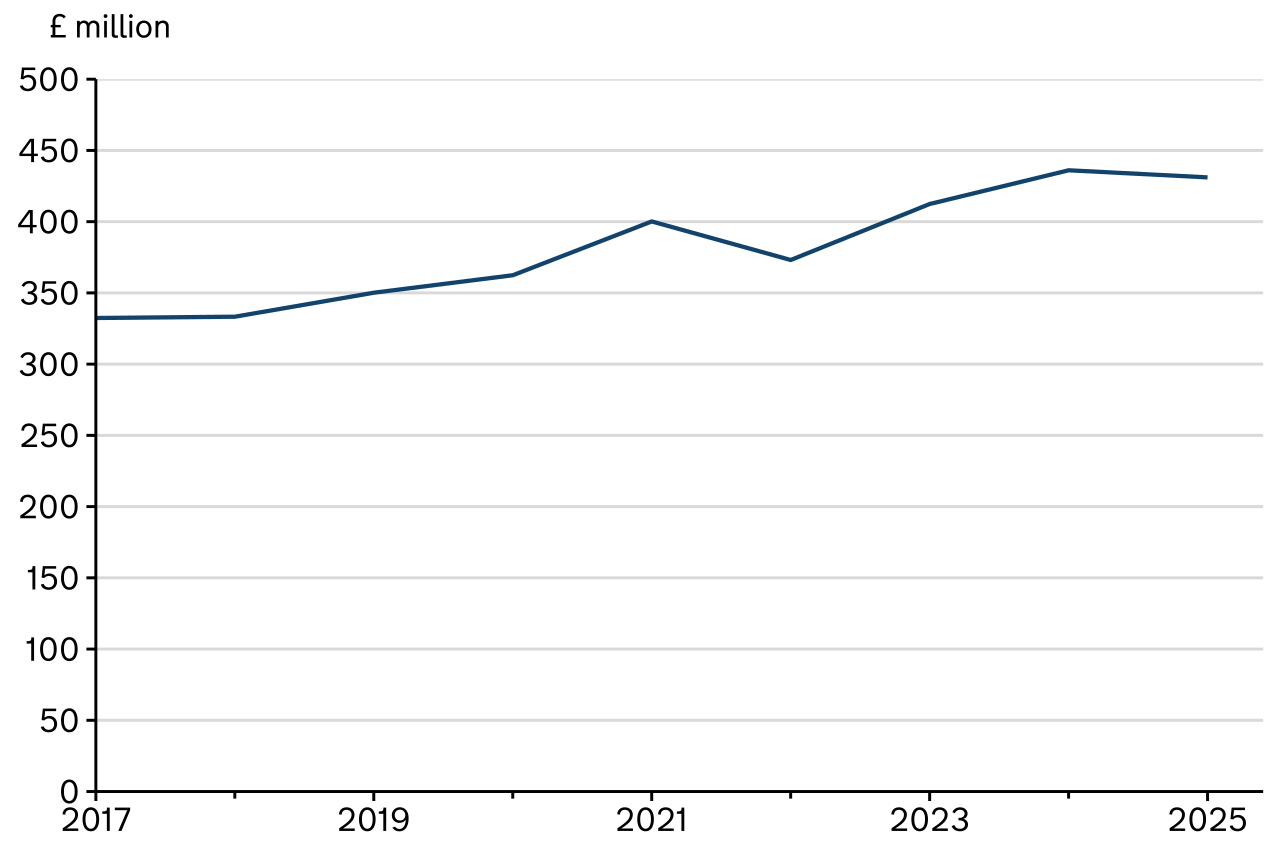
Figure 7: Production of protected vegetables (thousand tonnes)
| Year | Production |
|---|---|
| 2017 | 290 |
| 2018 | 275 |
| 2019 | 270 |
| 2020 | 269 |
| 2021 | 270 |
| 2022 | 248 |
| 2023 | 254 |
| 2024 | 259 |
| 2025 | 258 |
-
The value of protected vegetables decreased by 1.1% in 2025 to £431 million.
-
Production of protected vegetables decreased by 0.3% in 2025 to 258 thousand tonnes, with the area used increasing by 4.7%, to 866 hectares.
-
See tables 17 and 18 in the dataset for individual crop details of area, production and value for protected vegetables.
Following a subdued start to the year, extended periods of bright, settled weather stimulated strong growth, excellent fruit set, and improved ripening across most crops. Consequently, most yields showed improvement compared with 2024. Although energy prices were volatile early on, they generally softened relative to previous seasonal peaks, giving growers increased confidence in heating and CO₂ enrichment strategies. Labour availability remained consistent throughout the year, enabling timely planting and harvesting operations.
Tomato production in 2025 increased by 4.1% to 79 thousand tonnes. Strong fruit set, rapid ripening, and consistently high fruit loads drove record early season harvests, with many growers reporting that picking teams struggled to keep pace. Yields remained broadly stable at 350 t/ha, while the planted area expanded by 7.2% to 226 hectares.
Cucumber growers recorded a slight increase in yields, reaching 510 t/ha, but a 5.7% reduction in planted area to 100 hectares. Three crop planting strategies delivered consistently strong performance, while two crop systems produced more variable results, influenced by replant timing and late season light levels. Fusarium incidence was notably lower than in 2024, reflecting improved hygiene practices and the increased adoption of resistant, grafted rootstocks. Overall production declined by 3.8% to 51 thousand tonnes.
The protected lettuce area increased by 6.1% to 458 hectares in 2025, supported by consistent processor demand, particularly from sandwich manufacturers. However, aphid resistance concerns intensified, prompting collaborative industry research to identify improved control strategies ahead of the next season. Yields declined by 14% to 31 t/ha compared with 2024, contributing to an overall production decrease of 8.9%, to 14 thousand tonnes.
Table 2: Protected vegetable total value and production
| Calendar Year | 2021 | 2022 | 2023 | 2024 | 2025 | % Diff |
|---|---|---|---|---|---|---|
| Value (£ million) | 400 | 373 | 412 | 436 | 431 | -1.1% |
| Production (Thousand Tonnes) | 270 | 248 | 254 | 259 | 258 | -0.3% |
Section 2 – Fruit
2.1 Fruit production, supply and value
Figure 8: Home produced fruit as a percentage of total supply
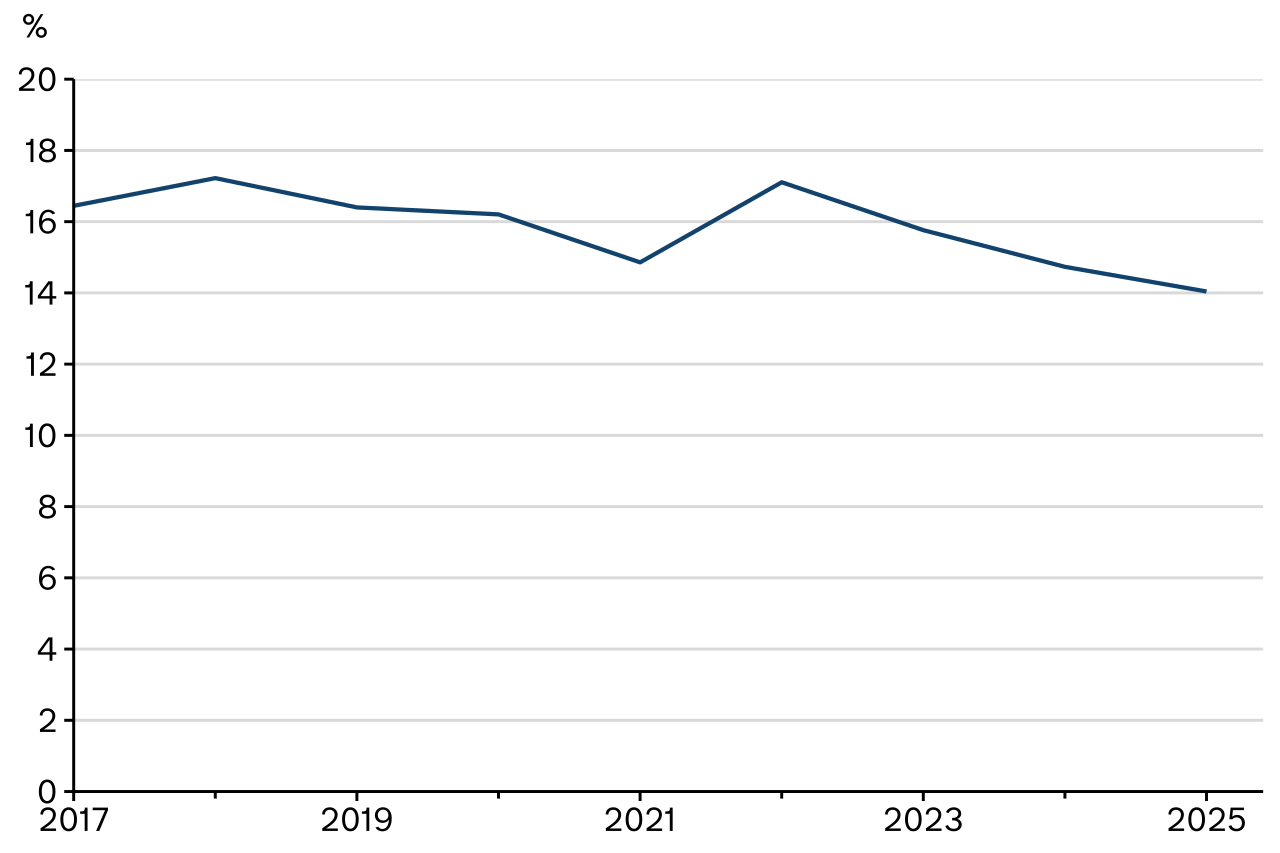
Figure 9: Total supply of fruit (thousand tonnes)
| Year | Supply |
|---|---|
| 2017 | 4,559 |
| 2018 | 4,234 |
| 2019 | 4,182 |
| 2020 | 4,041 |
| 2021 | 3,864 |
| 2022 | 3,908 |
| 2023 | 3,694 |
| 2024 | 3,827 |
| 2025 | 4,107 |
-
Home production contributed 14% of the total UK supply of fruit in 2025, down from the 2024 figure of 15% (see table 2 in the dataset).
-
The value of fruit production increased by 5.0% to just over £1.1 billion.
-
Fruit production increased by 2.3% to 577 thousand tonnes. With the area used reducing by 3.9% to just under 30 thousand hectares.
-
Total supply of fruit increased by 7.3% to 4.1 million tonnes in 2025, imports increasing 8.2% to 3.6 million tonnes and exports increasing by 12% to 39 thousand tonnes.
-
See tables 4 to 6 in the dataset for individual crop details of area, production and value for fruit.
In 2025, total UK fruit production increased modestly to 577 thousand tonnes, up 2.3% on 2024, despite a further contraction in planted area, which fell by 3.9% to 29,634 hectares. Orchard fruit output increased by 3.9% to 443 thousand tonnes, reflecting improved cropping in apples, pears and cherries following favourable blossom conditions. Soft fruit production declined by 2.7% to 134 thousand tonnes, largely due to heat‑related yield losses in strawberries and raspberries along with planted area reductions across all soft fruit. These trends reflect the growing season, with high temperatures and drought stress limiting fruit initiation in soft fruit later in the year, while early flowering and good pollination benefitted top fruit.
The value of fruit production rose to £1.1 billion, an increase of 5.0% on 2024. Value growth was driven primarily by higher average prices, particularly for strawberries and raspberries, which more than offset lower production volumes in some crops. Soft fruit continued to account for the majority of production value, increasing 6.0% to £776 million despite lower output. Orchard fruit value rose by 2.8% to £361 million. Imports increased in volume and value, especially for soft fruit, underlining the continued importance of overseas supply when domestic production is constrained.
Table 3: Fruit total value and production
| Calendar Year | 2021 | 2022 | 2023 | 2024 | 2025 | % Diff |
|---|---|---|---|---|---|---|
| Value (£ million) | 920 | 1,046 | 1,037 | 1,083 | 1,137 | 5.0% |
| Production (Thousand tonnes) | 574 | 668 | 582 | 564 | 577 | 2.3% |
Figure 10: Value of fruit (£ million)
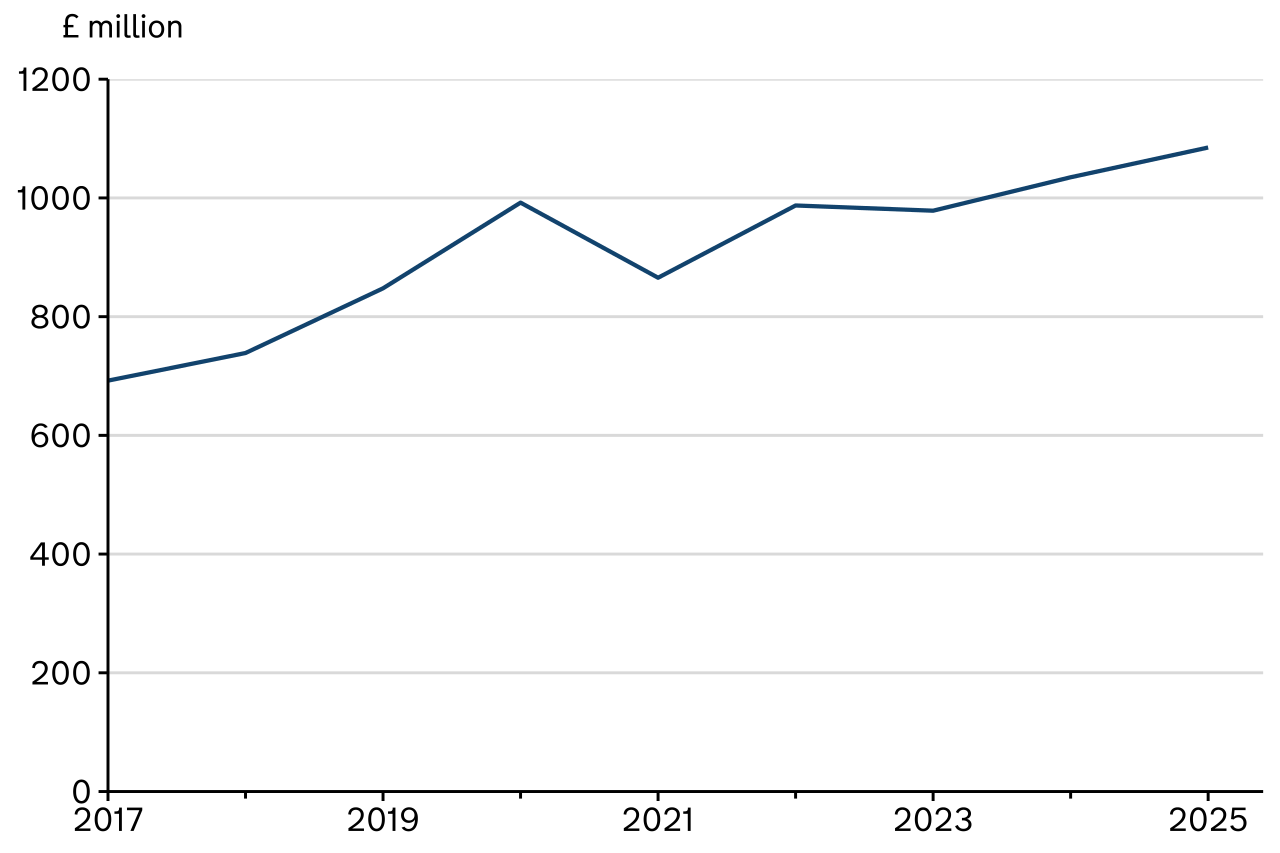
Figure 11: Production of fruit (thousand tonnes)
| Year | Production |
|---|---|
| 2017 | 750 |
| 2018 | 729 |
| 2019 | 686 |
| 2020 | 655 |
| 2021 | 574 |
| 2022 | 668 |
| 2023 | 582 |
| 2024 | 564 |
| 2025 | 577 |
2.2 Soft Fruit
- The value of soft fruit increased by 6.0% to £776 million, with the area planted falling 6% to 10 thousand hectares and production falling 2.7% to 134 thousand tonnes.
Strawberry production declined to 93 thousand tonnes, down 5.7% when compared with 2024. This reduction was largely due to prolonged hot weather, which adversely affected fruit initiation later in the season. Despite lower volumes, the total value of strawberries increased by 5.4% to £454 million, supported by a higher average price at £4.89/kg. The total cultivated area remained stable at 4,602 hectares.
Crop development progressed steadily early in the year, with minimal frost damage in January and February. The first flower trusses appeared at the end of February, broadly in line with the usual seasonal timing. By mid-March, plants were in full flower, and berries were swelling rapidly by the end of the month. Harvesting began approximately one week earlier than normal, commencing in the final week of April. The overwintered crop was harvested in May, around three weeks earlier than usual, driven by unusually warm conditions. However, the persistent heat accelerated fruit development and ripening, leading to a temporary market glut. This disrupted harvest schedules, compressing picking windows and affecting supply consistency. Subsequently, a shortage occurred during the peak demand period of the Wimbledon fortnight, requiring imports to meet market needs. Continued high temperatures further impacted production programmes; in some cases, harvesting finished earlier than expected. Where crops experienced heat induced thermodormancy, fruit initiation ceased entirely, resulting in reduced yields of 21 t/ha, a 3.5% reduction on 2024.
Raspberry production increased 9.9% to 17 thousand tonnes, and total value rose by 16% to £221 million, with an average market price of £11.19/kg. The raspberry growing area declined marginally by 1.5% to 1,344 hectares. Crop development began early, with plants starting to grow in February and reaching flowering stage by the end of March. Growth accelerated rapidly in April, and harvesting commenced by the end of May. Picking progressed quickly through June, well ahead of the usual schedule. However, some fruit suffered solar damage during periods of intense, clear, hot weather. Summer fruiting varieties completed harvesting earlier than normal, finishing by mid-July. Primocane varieties followed but delivered lower yields than usual, primarily due to the high temperatures experienced earlier in the season. As a result, most harvesting was completed earlier than typical, finishing by the end of September to early October.
2.3 Orchard fruit
-
The value of orchard fruit increased by 2.8% to £361 million. The planted area fell by 2.7% to just over 19 thousand hectares, while total production rose by 3.9% to 443 thousand tonnes.
-
The value of dessert apples increased by £16 million to £209 million in 2025, an 8.1% increase on 2024.
The value of culinary apples fell by 18% in 2025 to £37 million, driven by a 9.7% decrease in market prices (£1.34 per kg) and a 2.9% fall in yields to 25 t/ha. The planted area declined by 3.3% to 2,048 hectares, while total production fell by 6.1% to 51 thousand tonnes. Weather conditions during flowering were less favourable for pollination in Bramley orchards than for dessert apples, resulting in poorer fruit set in most orchards compared with the previous year. The exceptionally hot summer led to an earlier start to harvesting for the fresh market, beginning in late July. Picking for long term storage commenced up to two weeks earlier than usual, in mid-August, and this earlier timing persisted throughout the harvest period. Yields were lower than in 2024, mainly due to restricted fruit size caused by high temperatures, particularly in orchards without irrigation.
Market conditions were challenging, with slow sales as significant volumes of Bramley apples from the 2024 harvest remained in storage and there was limited demand from the processing and juicing sectors. As in recent years, the grubbing of older, less productive orchards has continued, reflecting growers’ efforts to adapt to declining demand.
The area planted with Gala apples remained broadly stable in 2025 at 2,719 hectares. Yields increased significantly by 20% to 44 t/ha, resulting in a 21% rise in production to 120 thousand tonnes. Total value grew by 18% to £136 million, despite a 2.4% decline in average market price to £1.23 per kg. Gala blossom was abundant, and full flowering coincided with favourable weather conditions for pollination, leading to strong fruit set across most orchards. Harvesting began around two weeks earlier than usual, in early September, and was also completed approximately two weeks ahead of schedule, finishing in October. As is typical, most orchards were picked over more than once to maximise yield and quality. Fruit colour was reported to be exceptionally good. As in recent years, many growers continued to grub out older, less productive orchards. However, this was more than offset by new plantings, resulting in a small net increase in the overall area.
Pear production increased markedly to 22 thousand tonnes, up 14% on 2024, following good flowering and fruit set. Pear value rose in line by 15% to £21 million, despite a small reduction in area 1,390 hectares.
Plum production fell sharply to 3.3 thousand tonnes, down 26% as drought conditions reduced fruit size and marketable yields. Value declined by 29% to £5.4 million, and area fell by 6.3% to 300 hectares, continuing the long‑term decline in the crop.
Cherry production increased to 6.4 thousand tonnes, up 5.3%, supported by dry conditions during harvest which reduced losses from cracking. Cherry value rose by 5.7% to £37 million, although area fell by 4.1% to 710 Hectares, reflecting limited new planting.
Section 3 - Trade in fruit and vegetables
Figure 12: Imports of fruit and vegetables (£ million)
| Year | Vegetable imports | Fruit imports |
|---|---|---|
| 2021 | 2,370 | 3,733 |
| 2022 | 2,732 | 3,902 |
| 2023 | 3,101 | 4,040 |
| 2024 | 3,198 | 4,570 |
| 2025 | 3,194 | 4,985 |
Figure 13: Exports of fruit and vegetables (£ million)
| Year | Vegetable exports | Fruit exports |
|---|---|---|
| 2021 | 73 | 63 |
| 2022 | 85 | 64 |
| 2023 | 82 | 70 |
| 2024 | 95 | 73 |
| 2025 | 80 | 80 |
Table 4: Fruit and vegetable trade values and volumes
| Calendar Year | 2021 | 2022 | 2023 | 2024 | 2025 | % Diff | |
|---|---|---|---|---|---|---|---|
| Imports value (£ million) | |||||||
| Veg Imports | 2,370 | 2,732 | 3,101 | 3,198 | 3,194 | -0.1% | |
| Fruit Imports | 3,733 | 3,902 | 4,040 | 4,570 | 4,985 | 9.1% | |
| Exports value (£ million) | |||||||
| Veg Exports | 73 | 85 | 82 | 95 | 80 | -15% | |
| Fruit Exports | 63 | 64 | 70 | 73 | 80 | 8.4% | |
| Imports (‘000 tonnes) | |||||||
| Veg Imports | 1,978 | 2,044 | 2,063 | 2,179 | 2,113 | -3.0% | |
| Fruit Imports | 3,327 | 3,277 | 3,148 | 3,298 | 3,569 | 8.2% | |
| Exports (‘000 tonnes) | |||||||
| Veg Exports | 69 | 96 | 75 | 75 | 66 | -12% | |
| Fruit Exports | 37 | 38 | 36 | 34 | 39 | 12% |
Source: HMRC
-
Vegetable exports (including re-exports) were worth £80 million in 2025, 15% lower than 2024 whilst volumes decreased by 12% to 66 million tonnes.
-
Vegetables imports cost £3.2 billion in 2025, a 0.1% decrease on 2024 with volumes decreasing by 3.0% to just over 2.1 million tonnes.
-
Fruit exports (including re-exports) were worth £80 million in 2025, an 8.4% increase. Volumes of exports increased by 12% to 39 thousand tonnes.
-
Fruit imports cost £5 billion in 2025, a 9.1% increase on 2024 with volumes increasing by 8.2% to 3.6 million tonnes.
Trade of fruit and vegetables to the UK by country
Figure 14: Vegetable imports by country as percentage of total value
| Country | Percentage |
|---|---|
| Netherlands | 7.9% |
| Spain | 6.0% |
| Morocco | 5.8% |
| Poland | 5.3% |
| Egypt | 4.3% |
Figure 15: Fruit imports by country as percentage of total value
| Country | Percentage |
|---|---|
| Brazil | 4.0% |
| Spain | 3.5% |
| Costa Rica | 3.4% |
| France | 3.2% |
| South Africa | 3.1% |
Figure 16: Vegetable exports by country as percentage of total value
| Country | Percentage |
|---|---|
| Irish Republic | 10% |
| France | 9.2% |
| Netherlands | 8.6% |
| Poland | 7.2% |
| Belgium | 6.1% |
Figure 17: Fruit exports by country as percentage of total value
| Country | Percentage |
|---|---|
| Irish Republic | 10% |
| Spain | 7.6% |
| Netherlands | 7.4% |
| Germany | 6.1% |
| France | 5.9% |
Section 4 – Ornamentals
Figure 18: Value of ornamentals (£ million)
-
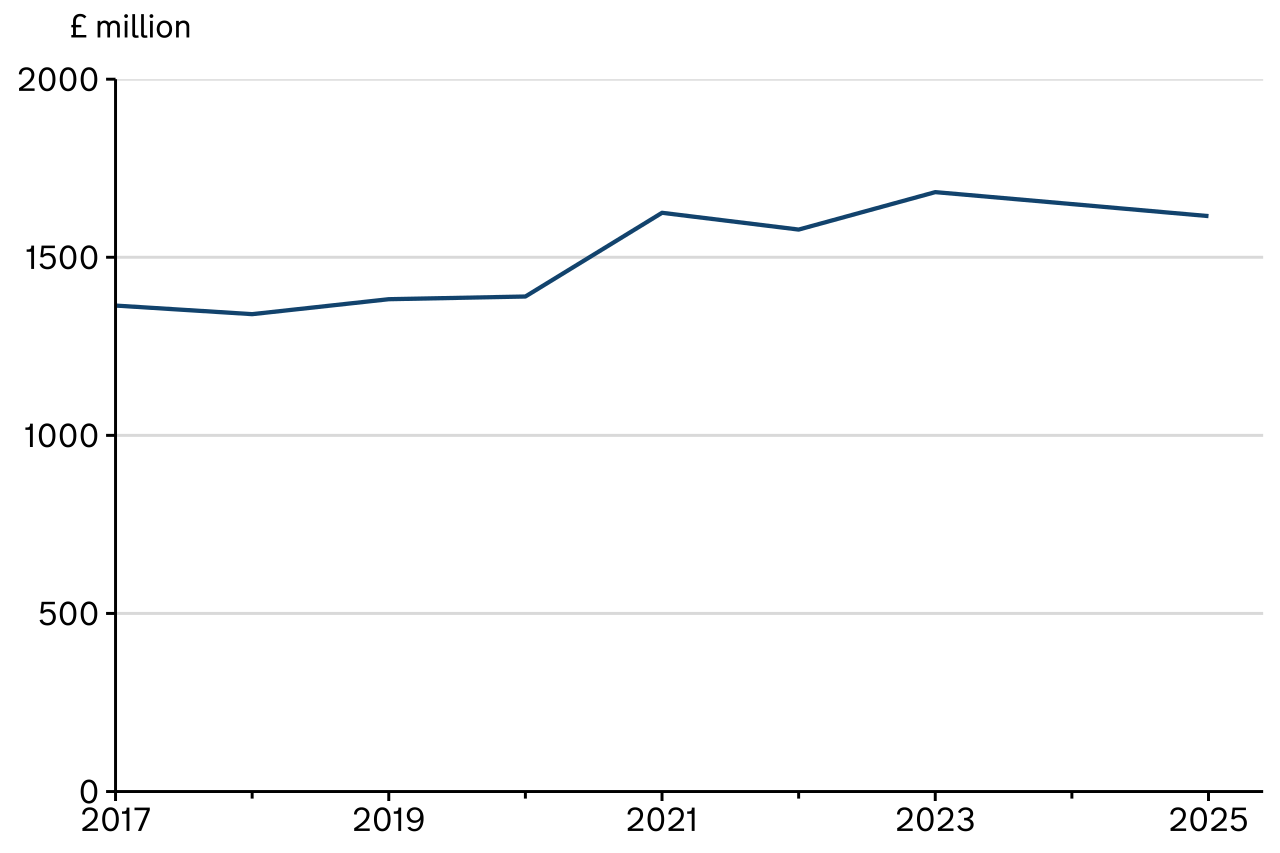
The value of production in the ornamental sector decreased by 2.0% to £1.6 billion between 2024 and 2025.
-
In 2025, hardy nursery stock showed a 2.2% decrease in value to an estimated £1.1 billion.
-
The pot plant sector saw an 1.1% increase in value to £347m.
-
Flowers and bulbs showed an 7.5% decrease in value to an estimated £158m.
The value of production in the UK ornamental sector decreased by 2.0% to £1.6 billion in 2025. This reflects ongoing cost pressures and softer market conditions across much of the sector. Hardy ornamental nursery stock (HONS), which accounts for the largest share of production, saw a 2.2% fall in value to £1.1 billion. Flowers and bulbs recorded a larger decline, with production value falling by 7.5% to £158 million, while the pot plant sector continued to show resilience, increasing by 1.1% to £347 million.
Overall trends in 2025 were shaped by higher labour, energy and input costs, alongside uneven demand during a hot, dry growing season. The prolonged dry conditions affected establishment and growth in parts of the field grown sector, while reduced consumer spending constrained retail demand, particularly during peak summer months. Some recovery in sales later in the year, combined with continued demand from the amenity sector, helped to stabilise returns for container‑grown and pot plant producers. However, heightened competition from imports, delayed planting programmes and rising production costs continued to place pressure on margins across much of the ornamental horticulture industry.
In 2025, production costs in the HONS sector continued to rise, driven by increases in labour expenses and the costs associated with plant health inspections. Growers reliant on mains water for irrigation also faced higher costs, reflecting both price rises and increased demand during a summer marked by widespread drought conditions across much of the UK. The prolonged hot, dry summer, coupled with reduced disposable incomes, negatively impacted sales. Dry conditions set in as early as March, making it difficult to establish field-grown crops, particularly where irrigation was unavailable. This led to higher rates of crop failure and poor establishment in some cases. Growth of certain native, field-grown stock was also suppressed by elevated soil and air temperatures, although conditions improved later in the season, with increased rainfall and cooler temperatures supporting a degree of recovery.
In the container-grown nursery stock sector production costs continue to rise and, although sales have improved for some growers, profitability remains under pressure, with many customers seeking discounts to maintain their own margins. There is also ongoing concern among growers about further increases in labour costs. Sales trends broadly mirrored those of last year, with strong early-season demand driven by a warmer, drier-than-average spring. Retail demand declined earlier than usual in those regions most affected by prolonged dry conditions though some recovery was seen in late summer and autumn, as more consistent rainfall returned across much of the country.
The protected ornamentals sector (bedding and pot plants) followed a similar pattern to 2024, with some growers reducing production in anticipation of weaker demand linked to inflation and the rising cost of living. Increases in input costs, including pots, growing media, plant protection products, fuel, energy, and transport also contributed to upward pressure on retail prices. Despite these challenges, growers continued to innovate, introducing new product lines where possible.
Table 5: Value of ornamentals £ million
| Calendar Year | 2021 | 2022 | 2023 | 2024 | 2025 | % Diff |
|---|---|---|---|---|---|---|
| Flowers and Bulbs | 130 | 165 | 158 | 171 | 158 | -7.5% |
| Pot Plants | 325 | 285 | 331 | 343 | 347 | 1.1% |
| Hardy Ornamental Nursery Stock | 1,170 | 1,128 | 1,194 | 1,135 | 1,111 | -2.2% |
| UK Total: | 1,625 | 1,578 | 1,683 | 1,649 | 1,616 | -2.0% |
4.1 Trade in Ornamentals
Figure 19: Imports and exports of ornamentals (£ million)
| Year | Imports | Exports |
|---|---|---|
| 2021 | 1,258 | 56 |
| 2022 | 1,534 | 49 |
| 2023 | 1,457 | 54 |
| 2024 | 1,459 | 49 |
| 2025 | 1,553 | 59 |
-
The value of ornamental imports increased by 6.4% to £1.6 billion.
-
Exports of ornamentals were worth £59 million in 2025, a 20% increase on 2024 (see tables 26 and 27 in the dataset for more details on imports and exports of ornamentals).
Figure 20: Ornamental imports by country as percentage of total value
| Country | Percentage |
|---|---|
| Netherlands | 14% |
| Irish Republic | 14% |
| Kenya | 10% |
| Belgium | 5.7% |
| Denmark | 5.3% |
Figure 21: Ornamental exports by country as percentage of total value
| Country | Percentage |
|---|---|
| Netherlands | 13% |
| Irish Republic | 10% |
| U.S.A. | 9.3% |
| Germany | 8.7% |
| Sweden | 7.8% |
Section 5 – About these statistics
Methodology
Data presented in Horticulture Statistics publication are at United Kingdom level only.
For England and Wales, an external provider collects data on area, yield and production for Defra under contract. The members of the Fruit Crop Intelligence Committees were contacted individually for their information. The ADAS Fruit Key Convenor made direct contact with individual growers, Producer Organisations, ADAS colleagues, independent consultants, propagators and cider makers to gather confidential information on top fruit planting, grubbing and yields. This combination of the confidential information and the output of the Crop Intelligence Committee members have given a high level of assurance for the data collection methodology and summary data. For the field vegetables sector, the contractor continued to maintain our increased network of industry contacts and gained further additional key contacts, particularly in the South West. These contacts cover key individual producers, packers and consultants, in all key vegetable sectors. For the ornamentals sector the contractor contacted a broad grower base that covers all sectors and targets larger companies, whilst ensuring that growers delivering across all market sectors (landscape, garden centres, DIY stores and retailers) were represented within the data.
Yields are calculated as production divided by area. For crops that can be stored (for example, dry bulb onions), this method includes output drawn from stocks carried over from the previous year. This method is currently under review to better reflect the growing conditions of the current season.
For Scotland, the crop area data for fruit, vegetables and ornamentals come from the annual June Census. The latest edition of the Economic Report on Scottish Agriculture (ERSA), compiled by the Rural and Environmental Science and Analytical Services division (RESAS) in the Scottish Government (SG), includes information on the output and value of horticulture. Estimated prices use the previous year’s survey data adjusted by latest price data taken from the Glasgow Market price data. Yields and price data for strawberries and blackcurrants are derived from a postal survey of horticultural units. Yield data for other vegetables and orchard fruit uses data collected by Defra for crops grown in England and Wales.
For Northern Ireland, the Agricultural Census, which is an annual sample survey of farmers conducted in June, collects crop area data. Key industry contacts provide representative yield and farm-gate price data. These are compared across sources and against general trends and considering wider agronomic and market knowledge of each of the different sectors to ensure the data are credible and representative. Price data consider the end use of the produce and any price differentials to derive a representative weighted annual average price. The volume of output considers marketings in each particular year so for crops such as apples where the crop is marketed over two years, it will consider marketings from two seasons for each calendar year. Emphasis is placed on data for the main high value items with mushrooms being the main contributor and driver for horticulture. In this case data are obtained directly from industry and represent 75% of total mushroom production.
Trade data are sourced by Defra through HM Revenue and Customs import and export records. Detailed commodity codes are used to identify specific categories.
Impartial intelligence gathered from a wide range of sources provides the evidence to make the estimates in this document. The associated meta-data provides more details.
Quality
The data are collected and collated along sector lines by specialist horticultural consultants, who are knowledgeable of the crops and various production methods for each sector. Standard operating procedures are in place for collecting and recording the data. In addition to the broad method which sources and compares information from different origins, estimates are compared against other official survey data figures where possible e.g. Defra June Survey. The figures are also checked for consistency and trend analysis against historic data. Quality assurance of the data is conducted by the project manager and a dedicated quality control manager. The list of growers and other contacts is regularly reviewed and maintained to ensure that it is kept up to date. Panel membership relevant to fruit data collection is kept under review to assist maintenance of up-to-date knowledge of the crops being reported.
In addition, an annual narrative highlighting the main factors that have affected crop areas and harvested production is provided to explain and justify the estimates, including any significant variation in yields, production and shifts in cropping area.
Due to the way in which the data are sourced, it is not possible to calculate standard errors or confidence intervals. The general target coverage in terms of area grown is to obtain cropping information based on at least 80% of the latest Defra published figure for horticulture. For crops where production is more dispersed i.e. grown by a relatively large number of smaller growers, this can be challenging, in such cases, greater reliance is placed on information on sources other than just the key growers. Northern Ireland data was unavailable when the UK estimates were compiled. As a result, the 2024 figures for Northern Ireland were estimated using published historical data.
Revisions policy
Figures in the statistical notice and datasets for the latest year reported are provisional and subject to revision. We will provide information about any revisions we make to previously published information in the statistical notice, and the associated datasets. Revisions could occur for various reasons, including when data from third parties is unavailable or provisional at the time of publishing.
Revisions
The 2024 figures are now final estimates. From previously published figures, changes have been made to the trade data (imports and exports). There have been revisions to vegetables, ornamentals, and fruit data from 2018 onwards due to revised devolved authority data. Errors were found in the calculations for table 12 Apples (HMP), this has now been corrected and revised back to 2011.
Data users
The UK government use these statistics to support policy makers and improve profitability of the horticulture sector, to monitor productivity and competitiveness including supply and self-sufficiency, to inform growers and the trade about markets, to assess the impact of disease outbreaks, e.g. E-coli.
Future publications
This is an annual release. The next release will be in June 2027.
Section 6 - What you need to know about this release
This section ensures any important information is clearly explained so users do not misunderstand the data.
Contact details
Responsible statistician: Lisa Brown
Email: crops-statistics@defra.gov.uk
Media enquiries: 0330 041 6560
Public enquiries: 020 802 66340
Accredited Official Statistics Status
Accredited official statistics are called National Statistics in the Statistics and Registration Service Act 2007. An explanation can be found on the Office for Statistics Regulation website.
These statistics were independently reviewed by the Office for Statistics Regulation in 2014. They comply with the standards of trustworthiness, quality and value in the Code of Practice for Statistics and should be labelled ‘accredited official statistics’.
Since the latest review by the Office for Statistics Regulation, we have continued to comply with the Code of Practice for Statistics and have enhanced data quality by reviewing methodologies and data sources.
You are welcome to contact us directly with any comments about how we meet these standards (see contact details above). Alternatively, you can contact OSR by emailing regulation@statistics.gov.uk or via the OSR website.
Section 7 - Glossary
-
Planted area (hectares) - This relates to the ‘planted’ area on which the crops are grown - excluding hedgerows etc. and excludes multi-cropping. This area relates to the June survey area. In the case of orchards, it relates to the ‘tree’ area rather than the field area (this is in line with the Orchard Fruit Survey).
-
Marketable yield (t/ha) - This relates to the average tonnage harvested per planted hectare considering any waste losses (post-harvest). Wastage relates to any post-harvest item for which no income is obtained, such as storage losses, including both weight loss and rots.
-
Marketable production (tonnes) - The total figure for the harvested crop is derived from the planted area multiplied by harvested yield considering wastage figures (post-harvest).
-
Multi-cropping - The cultivation of more than one crop on the same piece of land in one year. Multi-cropping is considered when calculating production and value. Multi-cropping is not reflected in the areas.
-
Farm-gate prices (in £/tonne) or value based on farm-gate price - The price the farmer is paid for his produce with no extra delivery or packaging costs.