HMRC tax receipts and National Insurance contributions for the UK (annual bulletin)
Updated 22 September 2026

© Crown copyright 2026
This publication is licensed under the terms of the Open Government Licence v3.0 except where otherwise stated. To view this licence, visit nationalarchives.gov.uk/doc/open-government-licence/version/3 or write to the Information Policy Team, The National Archives, Kew, London TW9 4DU, or email: psi@nationalarchives.gov.uk.
Where we have identified any third party copyright information you will need to obtain permission from the copyright holders concerned.
This publication is available at https://www.gov.uk/government/statistics/hmrc-tax-and-nics-receipts-for-the-uk/hmrc-tax-receipts-and-national-insurance-contributions-for-the-uk-new-annual-bulletin
Released 21 August 2026. Next release due early 2027.
About this release
This release provides an annual record of receipts over the last 20 years from tax and duties, National Insurance contributions (NICs), and fines and penalties that HM Revenue and Customs (HMRC) are responsible for collecting. Receipts are on a cash basis and so represent when a payment for a tax liability is received by HMRC.
This release focuses on annual cash receipts and receipts as a proportion of Gross Domestic Product (GDP).
Receipts data in this publication for the latest tax year 2025 to 2026 are now aligned to the HMRC annual report and accounts published on 9 July 2026. Differences between these two publications occur as the latter presents data on an accrued basis.
The graphs in this release include annual receipts data (available in the statistics table for HMRC tax receipts and NICs for the UK) and receipts as a proportion of non-seasonally adjusted GDP (available in the publication GDP deflators at market prices, and money GDP March 2026 (Spring Statement).
Receipts data in the more recent years are liable to revision, mainly for:
-
Corporation Tax as the totals are gross of provisional estimates for tax credits and due to the lag in return data becoming available, are subject to change
-
National Insurance contributions (NICs) as the totals are gross of provisional estimates for statutory payments and are subject to change
Detail on methodology, quality and other information, useful websites and links are published in the quality report for HMRC tax receipts and National Insurance contributions for the UK.
Executive Summary
Total annual receipts in the tax year 2025 to 2026
HMRC collected £937.8 billion in taxes in 2025 to 2026, an increase of 9.2% from the year before.
During 2025 to 2026, receipts from Income Tax, Capital Gains Tax and NICs combined accounted for 59% of annual receipts.
Over the last decade, Income Tax, Capital Gains Tax and NICs made up on average 56% of total annual receipts with VAT and business taxes the next largest contributors, contributing an average 20% and 10% of total receipts respectively.
Further data on annual contributions by tax in percentage terms, are published in the statistics table for HMRC tax receipts and NICs for the UK on GOV.UK.
Total annual receipts, and receipts as a proportion of GDP
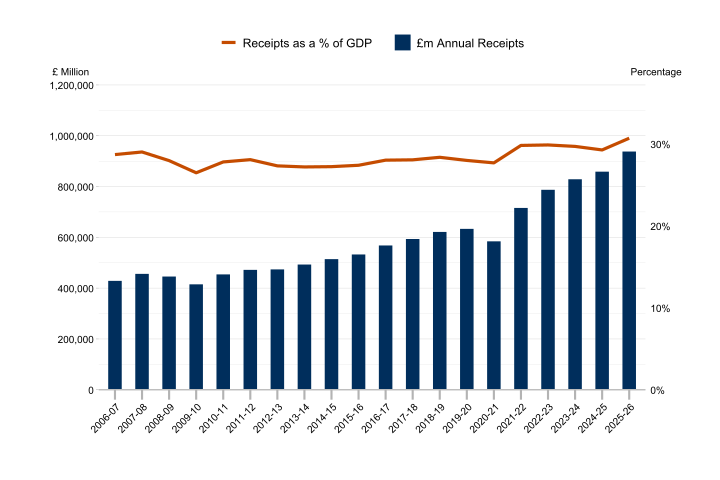
Annual receipts and receipts as a proportion of GDP from the tax year 2006 to 2007 are shown in Figure 1 below.
Figure 1. Annual receipts and receipts as a proportion of GDP
The data in figure 1 shows:
-
receipts over the last 20 years have grown from £428.6 billion in 2006 to 2007, to £937.8 billion in 2025 to 2026
-
receipts as a proportion of GDP over the last 20 years have grown from 28.7% in 2006 to 2007, to 30.7% in 2025 to 2026
-
the slight fall in 2008 to 2010 was due to a period of economic slowdown during the global financial crisis
-
receipts fell to £584.2 billion in 2020 to 2021, due to the economic impact of the COVID-19 pandemic and the subsequent government policies to support business and individuals
Income Tax, Capital Gains Tax and National Insurance contributions
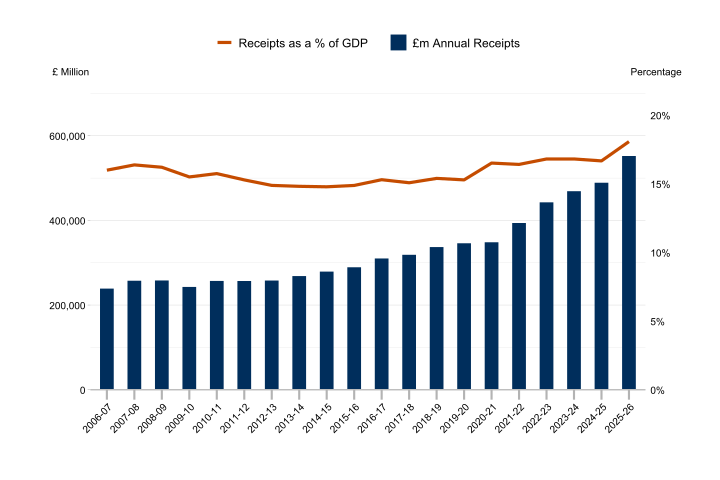
Annual receipts and receipts as a proportion of GDP from the tax year 2006 to 2007 are shown in Figure 2 below. Receipts for the tax years 2010 to 2011, through to, 2012 to 2013, include Bank Payroll Tax.
Figure 2. Annual receipts and receipts as a proportion of GDP
The data in figure 2 shows:
-
receipts over the last 20 years have grown from £238.8 billion in 2006 to 2007, to £552.1 billion in 2025 to 2026
-
receipts as a proportion of GDP over the last 20 years have grown from 16.0% in 2006 to 2007, to 18.1% in 2025 to 2026
-
annual receipts fell slightly in 2009 to 2010 due to the economic slowdown
-
receipts as a proportion of GDP in the tax year 2019 to 2020 were 15.3% compared to 16.4% in 2007 to 2008 and this fall can be partly attributed to structural changes such as above-inflation increases in the personal allowance
-
the slight growth in annual receipts in 2020 to 2021, to £348.3 billion, is a smaller increase than in preceding years, and this is likely due to a combination of reduced economic activity leading to lower tax liabilities and deferral and non-payment of liabilities during the COVID-19 pandemic
-
receipts in 2021 to 2022 then increased to £393.9 billion mainly due to strength in both employee earnings during that year along with some self-assessed income streams and asset disposals during 2020 to 2021, though also partly due to the deferred payments from the year before
-
receipts in 2023 to 2024 are £468.9 billion (16.8% as a proportion of GDP) and higher than the preceding year despite reductions to NICs rates and an increase to the primary threshold for employee NICs, reflecting pay growth and the impact of maintaining the personal allowance and basic rate limit at their 2022 to 2023 levels
-
receipts in 2024 to 2025 are £489.0 billion (16.7% as a proportion of GDP), and this year-on-year increase is despite a reduced rate for employee NICs, reflecting pay growth and the continued ‘freeze’ of income tax thresholds
-
receipts in 2025 to 2026 are £552.1 billion (18.1% as a proportion of GDP), and this large year-on-year increase is partly due to the Employer Class 1 NICs rate increase and a reduction in the Secondary Threshold which increased cash receipts from May 2025
Value Added Tax (VAT)
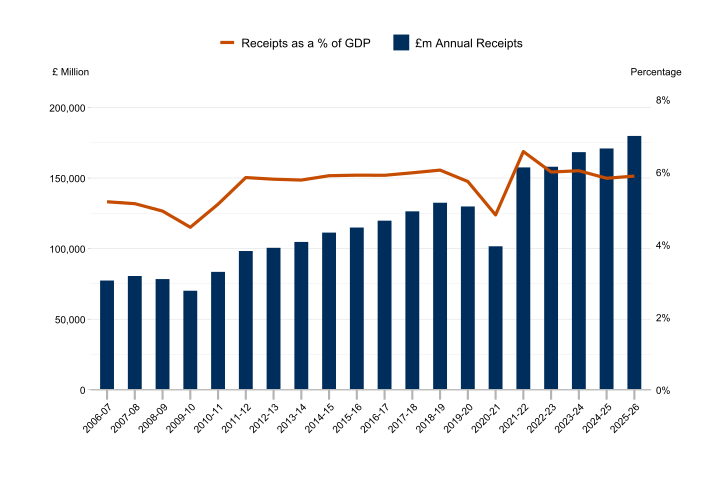
Annual receipts and receipts as a proportion of GDP since the tax year 2006 to 2007 are shown in Figure 3 below.
Figure 3. Annual receipts and receipts as a proportion of GDP
The data in figure 3 shows:
-
receipts over the last 20 years have grown from £77.4 billion in 2006 to 2007, to £179.9 billion in 2025 to 2026
-
receipts as a proportion of GDP over the last 20 years have grown from 5.2% in 2006 to 2007, to 5.9% in 2025 to 2026
-
annual receipts in 2020 to 2021 fell to £101.7 billion (from £129.9 billion the year before), and this fall can be attributed to the VAT payment deferment policy and the temporary reduced 5% rate for hospitality, holiday accommodation and attractions, alongside wider economic impacts of COVID-19
-
receipts in 2024 to 2025 are £171.0 billion and the relatively small growth from £168.4 billion in the previous year could be attributed to a lower share of consumption on goods at the standard rate of VAT than was the case in 2023 to 2024
-
receipts in 2025 to 2026 have increased to £179.9 billion (5.9% as a proportion of GDP) which could be attributed to the nominal tax base for VAT increasing due to inflation and policy measures
Business Taxes
This section includes Corporation Tax, Petroleum Revenue Tax, Bank Levy (from 2011 to 2012), Bank Surcharge (from 2016 to 2017), Diverted Profits Tax (from 2016 to 2017), Digital Services Tax (from 2021 to 2022), Residential Property Developer Tax and Energy Profits Levy (from 2022 to 2023), Economic Crime Levy and Electricity Generator Levy (from 2023 to 2024). Total receipts are gross of company tax credits and, due to the lag in return data becoming available, are subject to change.
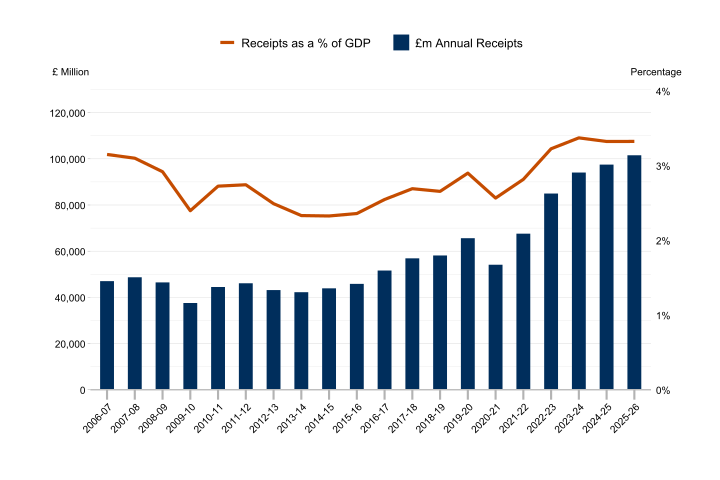
Annual receipts and receipts as a proportion of GDP from the tax year 2006 to 2007 are shown in Figure 4 below.
Figure 4. Annual receipts and receipts as a proportion of GDP
The data in figure 4 shows:
-
receipts over the last 20 years have grown from £47.0 billion in 2006 to 2007, to £101.5 billion in 2025 to 2026
-
receipts as a proportion of GDP over the last 20 years have grown from 3.1% in 2006 to 2007, to 3.3% in 2025 to 2026
-
the falls observed in 2008 to 2009 and 2009 to 2010 were the result of declining company profits during the global financial crisis
-
receipts reached £65.6 billion in 2019 to 2020 (2.9% as a proportion of GDP), partly due to the introduction of a payment timing change for the largest companies which brought forward their Corporation Tax quarterly instalment payments by four months, and had the effect of boosting receipts in this year
-
receipts fell to £54.1 billion in 2020 to 2021 (2.6% as a proportion of GDP) mainly due to the economic impacts of the COVID-19 pandemic, alongside a reduction of the receipts boost from the payment timing change mentioned above
-
receipts in 2022 to 2023 increased to £85.0 billion (3.2% as a proportion of GDP) partly due to higher offshore receipts, a result of high energy prices following Russia’s invasion of Ukraine, and the new Energy Profits Levy
-
receipts increased further to £94.1 billion in 2023 to 2024 (3.4% as a proportion of GDP) largely due to the increase in the main rate of Corporation tax from 19% to 25% in April 2023 alongside the new Electricity Generator Levy, partly offset by lower offshore receipts
-
2024 to 2025 receipts increased to £97.5 billion (3.3% as a proportion of GDP) as the full effects of the Corporation tax rate increase fed through to payments
-
receipts in 2025 to 2026 are £101.5 billion (3.3% as a proportion of GDP) mainly due to strong onshore Corporation Tax receipts
Stamp Taxes including Annual Tax on Enveloped Dwellings
Annual receipts and receipts as a proportion of GDP from the tax year 2006 to 2007 are shown in Figure 5 below.
The data includes receipts from Annual Tax on Enveloped Dwellings from September 2013. The data excludes receipts for land transaction taxes devolved to Scotland from April 2016, and to Wales from April 2018.
Figure 5. Annual receipts and receipts as a proportion of GDP
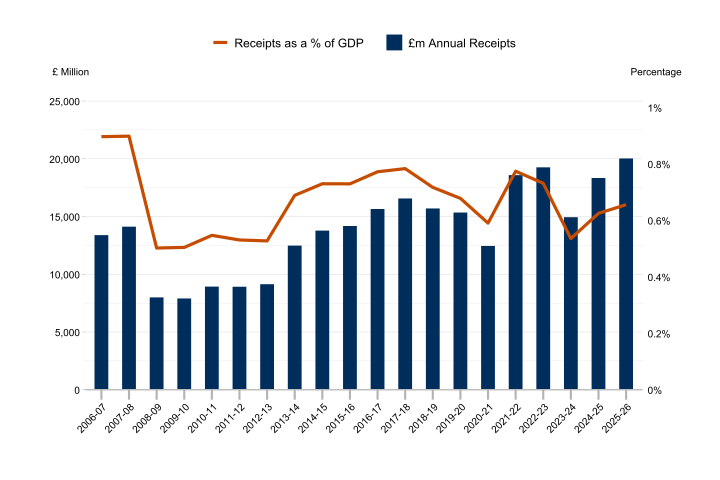
The data in figure 5 shows:
-
receipts over the last 20 years have grown from £13.4 billion in 2006 to 2007, to £20.0 billion in 2025 to 2026
-
receipts as a proportion of GDP over the last 20 years have fallen from 0.9% in 2006 to 2007, to 0.7% in 2025 to 2026
-
year-on-year increases from 2013 to 2014 were mainly due to higher property prices and numbers of transactions, as well as major policy changes to the rates and thresholds for residential Stamp Duty Land Tax (this includes a tax rate increase for residential properties priced above £925,000, introduced in December 2014)
-
receipts growth continued in 2016 to 2017 and 2017 to 2018 due to the introduction of higher rates of Stamp Duty Land Tax on additional dwellings in April 2016
-
the falls observed from 2018 to 2019 are due to a combination of market uncertainties and the introduction of First Time Buyers’ Relief, which came into effect in November 2017
-
lower receipts in 2020 to 2021 are mainly due to a fall in property sales, market uncertainties surrounding the COVID-19 pandemic and the introduction of the temporary reduced rates for Stamp Duty Land Tax on residential properties
-
receipts in 2021 to 2022 increased to £18.6 billion partly due to higher numbers of transactions completed before the end of the Stamp Duty Land Tax holiday which ended on the 30 June (residential nil-rate band of £500,000) and 30 September (residential nil-rate band of £250,000)
-
2022 to 2023 receipts increased further to £19.3 billion due to a combination of increases in average property prices and the end of the Stamp Duty Land Tax holiday
-
receipts decreased in 2023 to 2024 to £14.9 billion due to a combination of falls in the number of property transactions and increases to the nil rate tax band for residential properties and generosity of First Time Buyers’ Relief from September 2022
-
2024 to 2025 receipts increased to £18.3 billion mainly driven by the increase to the higher rates of Stamp Duty Land Tax on additional dwellings on 31 October 2024 and higher transaction levels
Hydrocarbon Oil (fuel duty)
Annual receipts and receipts as a proportion of GDP from the tax year 2006 to 2007 are shown in Figure 6 below.
Figure 6. Annual receipts and receipts as a proportion of GDP
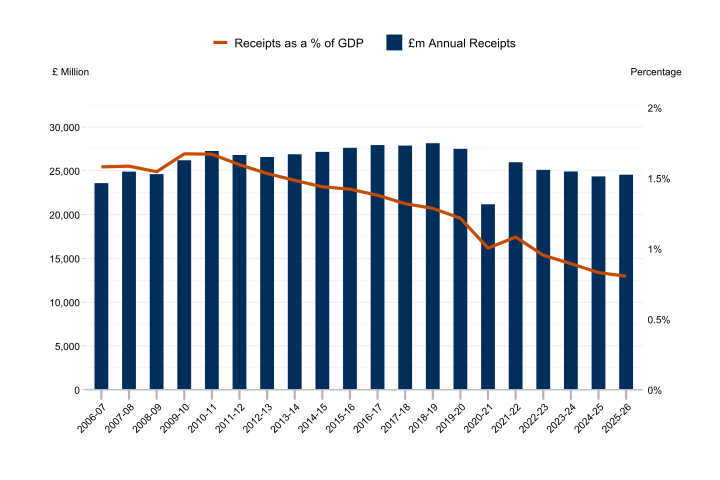
The data in figure 6 shows:
-
receipts over the last 20 years have grown slightly from £23.6 billion in 2006 to 2007, to £24.6 billion in 2025 to 2026
-
receipts as a proportion of GDP over the last 20 years have fallen from 1.6% in 2006 to 2007, to 0.8% in 2025 to 2026
-
receipts in 2019 to 2020 fell slightly to £27.5 billion (from 28.1 billion in 2018 to 2019) partly due to uncertainties surrounding the onset of the COVID-19 pandemic
-
receipts in 2020 to 2021 were £21.2 billion due to the significant economic impacts of the pandemic and associated restrictions on travel
-
receipts in 2022 to 2023 of £25.1 billion fell from £26.0 billion in 2021 to 2022, and this could be the net result of decreases in Unleaded petrol and Gas oil receipts being partially offset by increases in Bioethanol and Biodiesel receipts
-
the slight annual falls in each year from 2022 to 2023, to £24.6 billion in 2025 to 2026 is primarily driven by a fall in diesel receipts due to a general move away from diesel towards alternative fueled vehicles, including electric and hybrid electric vehicles
Tobacco Duty
Annual receipts and receipts as a proportion of GDP from the tax year 2006 to 2007 are shown in Figure 7 below.
Figure 7. Annual receipts and receipts as a proportion of GDP
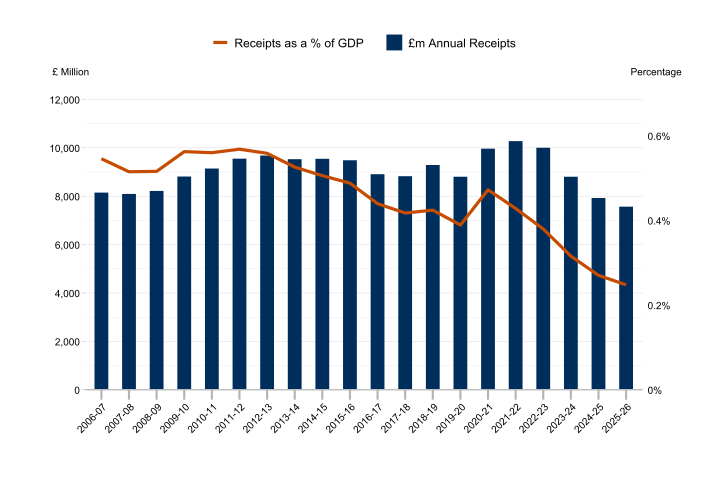
The data in figure 7 shows:
-
receipts over the last 20 years have fallen slightly from £8.1 billion in 2006 to 2007, to £7.6 billion in 2025 to 2026
-
receipts as a proportion of GDP over the last 20 years have fallen from 0.5% in 2006 to 2007, to 0.2% in 2025 to 2026
-
from 2008 to 2009 receipts over the next few years increased to £9.7 billion in 2012 to 2013, mainly due to an increase in duty rates
-
receipts in 2018 to 2019 increased slightly possibly due to changes in the timings of budget and trader behavior
-
receipts in 2020 to 2021 grew further to £10.0 billion, largely as a result of increases in duty rates
-
in 2022 to 2023, receipts were £10.0 billion (a slight decrease from £10.3 billion in 2021 to 2022) and could be due to the unwinding of COVID-19 impacts such as the uplifting of travel restrictions which allowed for more opportunity to purchase off-duty cigarettes and the continued shift towards other tobacco products, which have lower duty rates
-
subsequent falls in receipts from £8.8 billion in 2023 to 2024, to £7.6 billion in 2025 to 2026 aligns with government objectives to reduce uptake and use of tobacco products across the country, as the duty tax was partly designed with this in mind
Alcohol Duty
Annual receipts and receipts as a proportion of GDP from the tax year 2006 to 2007 are shown in Figure 8 below.
Figure 8. Annual receipts and receipts as a proportion of GDP
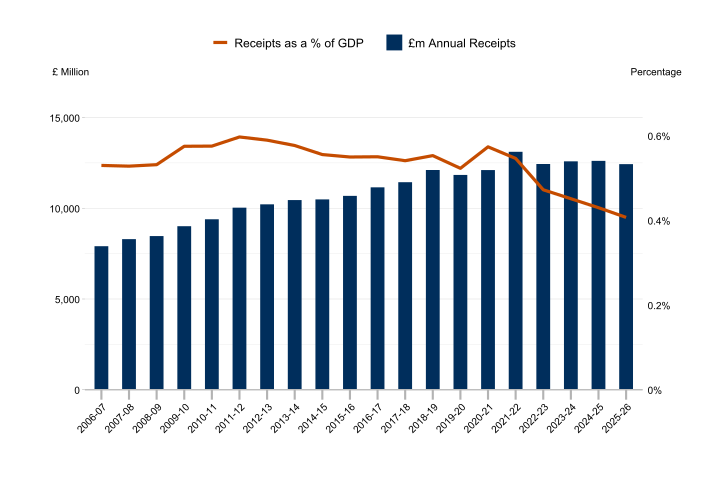
The data in figure 8 shows:
-
receipts over the last 20 years have grown from £7.9 billion in 2006 to 2007, to £12.4 billion in 2025 to 2026
-
receipts as a proportion of GDP over the last 20 years have fallen slightly from 0.5% in 2006 to 2007, to 0.4% in 2025 to 2026
-
receipts in 2020 to 2021 increased to £12.1 billion, from £11.8 billion in 2019 to 2020 mainly due to an increase in spirits and wine duty receipts
-
in 2022 to 2023, receipts fell to £12.4 billion from £13.1 billion in 2021 to 2022 and could be explained by the COVID impact unwinding where there was an increase in off-trade consumption due to lockdown which increased duty receipts
-
receipts from 2023 to 2024 have remained relatively constant
Environmental taxes
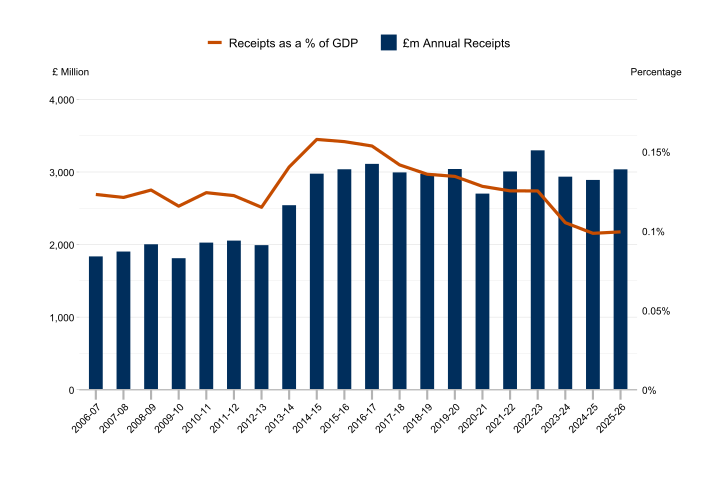
Annual receipts and receipts as a proportion of GDP from the tax year 2006 to 2007 are shown in Figure 9 below.
Environmental taxes include receipts from Landfill Tax, Climate Change Levy, Aggregates Levy, Carbon Price Floor, from 2013 to 2014, and Plastic Packaging Tax from 2022 to 2023. The data excludes Landfill Tax receipts devolved to Scotland from 2015 to 2016, and to Wales from 2018 to 2019.
Figure 9. Annual receipts and receipts as a proportion of GDP
The data in figure 9 shows:
-
receipts over the last 20 years have grown from £1.8 billion in 2006 to 2007, to £3.0 billion in 2025 to 2026
-
large increases observed in 2013 to 2015 are mainly due to an increase in Climate Change Levy receipts following the introduction of Carbon Price Floor
-
the slight fall in receipts from 2017 to 2020 (though remaining constant at around £3.0 billion) reflects a gradual increase in Climate Change Levy (and Carbon Price Floor) receipts, alongside a gradual decline in receipts from Landfill Tax as a result of operators moving away from landfill to other methods of dealing with waste
-
in 2020 to 2021, receipts fell to £2.7 billion due to economic impacts of the COVID-19 pandemic but increased back up to £3.0 billion in 2021 to 2022
-
an increase to £3.3 billion in 2022 to 2023 and can be explained by the introduction of the new Plastic Packaging Tax from April 2022
-
receipts fell in 2023 to 2024 to £2.9 billion (0.11% as a proportion of GDP) across almost all environmental taxes except for Plastic Packaging Tax
-
receipts since 2021 to 2022 have remained broadly stable at around £3.0 billion
Air Passenger Duty
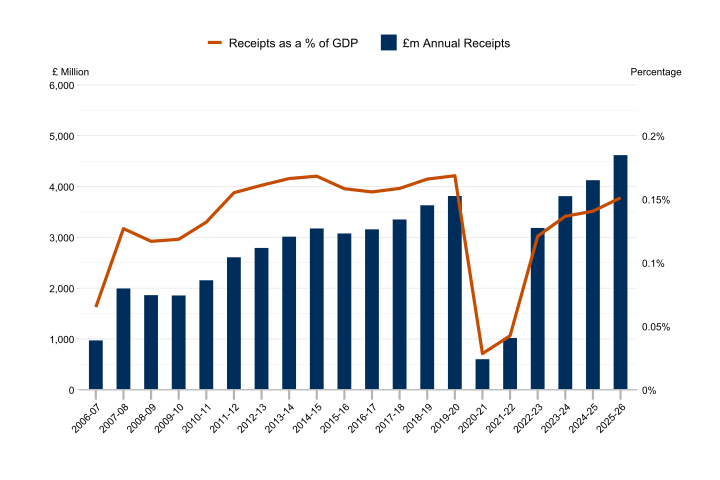
Annual receipts and receipts as a proportion of GDP from the tax year 2006 to 2007 are shown in Figure 10 below.
Figure 10. Annual receipts and receipts as a proportion of GDP
The data in figure 10 shows:
-
receipts over the last 20 years have grown from £1.0 billion in 2006 to 2007, to £4.6 billion in 2025 to 2026
-
receipts as a proportion of GDP over the last 20 years have increased slightly from 0.1% in 2006 to 2007, to 0.2% in 2025 to 2026
-
the sharp increase observed in 2007 to 2008, the gradual increase from 2010 to 2011 onwards, and a decrease in 2015 to 2016 are all related to policy changes including rate, exemption and banding changes
-
receipts from 2016 to 2017 through to 2019 to 2020 have steadily risen possibly due to increased passenger travel
-
a significant fall in 2020 to 2021 to £0.6 billion reflects the large impact on the aviation sector and passenger flights due to the COVID-19 pandemic
-
receipts in 2021 to 2022 are £1.0 billion, remaining low due to travel restrictions in place at the time
-
receipts increased in 2022 to 2023 to £3.2 billion (0.12% as a proportion of GDP), due to the lifting of travel restrictions previously in place
-
receipts from 2023 to 2024 have returned to and surpassed pre-pandemic levels indicating the industry’s continued growth
Inheritance Tax
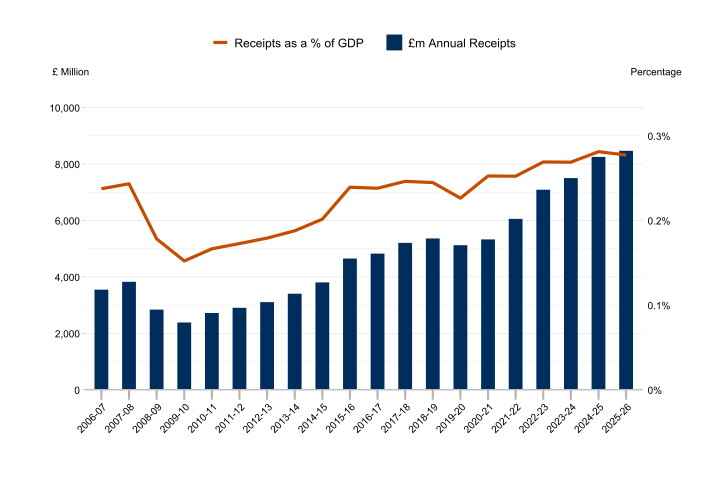
Annual receipts and receipts as a proportion of GDP since the tax year 2006 to 2007 are shown in Figure 11 below.
Figure 11. Annual receipts and receipts as a proportion of GDP
The data in figure 11 shows:
-
receipts over the last 20 years have grown from £3.5 billion in 2006 to 2007, to £8.5 billion in 2025 to 2026
-
receipts as a proportion of GDP over the last 20 years have grown slightly from 0.2% in 2006 to 2007, to 0.3% in 2025 to 2026
-
the gradual increase in receipts from 2006 to 2008 is due to increases in the value of tax-liable assets in this period, particularly residential property
-
due to both the introduction of the Transferable Nil Rate Band for deaths occurring from October 2007 and a fall in the value of most asset classes, receipts fell sharply in the second half of 2008 and in most of 2009
-
a slight fall in receipts in 2019 to 2020 is most likely due to the introduction of the Residence Nil Rate Band threshold, which had been introduced in stages since 2017 to 2018
-
receipts in 2019 to 2020 were also affected by the Ministry of Justice’s announcement of an increase in probate fees from April 2019 (subsequently cancelled) which caused some executors to bring forward their tax payments (into 2018 to 2019) to avoid the prospective higher fees
-
receipts in 2020 to 2021 increased compared to the previous year (although remaining slightly below 2018 to 2019 levels) partly due to the higher number of wealth transfers that took place during this tax year, itself the result of higher-than-usual deaths due to the effect of COVID-19 pandemic
-
the continued growth in receipts from 2022 to 2023 is also likely due to a combination of the recent rises in asset values and government decisions at various recent fiscal events to maintain the tax-free thresholds at their 2020 to 2021 levels up to and including 2030 to 2031
Statistics on deaths in the UK are available from the Office for National Statistics, National Records Scotland and Northern Ireland Statistics and Research Agency websites.
Contacts
For any further information, queries or to provide feedback on this publication, please contact either K Mason or S Harry at crosscuttingstatistics@hmrc.gov.uk.