UK Fusion Energy Ltd Strategy (accessible version)
Updated 20 April 2026

© Crown copyright 2026
This publication is licensed under the terms of the Open Government Licence v3.0 except where otherwise stated. To view this licence, visit nationalarchives.gov.uk/doc/open-government-licence/version/3 or write to the Information Policy Team, The National Archives, Kew, London TW9 4DU, or email: psi@nationalarchives.gov.uk.
Where we have identified any third party copyright information you will need to obtain permission from the copyright holders concerned.
This publication is available at https://www.gov.uk/government/publications/uk-fusion-energy-ltd-ukfe-strategy/uk-fusion-energy-ltd-strategy-accessible-version
Foreword
UK Fusion Energy is one of the world’s leading fusion companies. The government completely backs the UK Fusion Energy vision set out in this document, to build on our national strengths to take fusion from the lab to the grid, delivering major benefits to the UK now and for generations to come.
Lord Vallance of Balham - Minister for Science, Innovation, Research and Nuclear
Our purpose
Delivering STEP and successive fusion power plants by acting as a national fusion systems integrator, and working with industrial partners to develop and deploy the technologies and capabilities required.
Summary
Who we are
UK Fusion Energy Ltd (UKFE), formerly UK Industrial Fusion Solutions Ltd, is among the most advanced and best-capitalised fusion companies globally. Born out of the UK Atomic Energy Authority (UKAEA), the world’s largest national fusion laboratory, and backed by the UK Government, we are building on over 70 years’ experience across all aspects of fusion energy development, including 40 years of operating JET [footnote 1] to integrate the delivery of commercial fusion energy plants and build the associated industry.
Our next step on this journey is the STEP [footnote 2] Fusion project – a prototype plant we are building and will operate at West Burton, by the River Trent, in the Midlands from 2040, a catalyst for the fusion sector in the energy heartland of the UK. We have strong national and regional support including £1.3 billion of funding for the next stage of STEP Fusion. We are proving the technologies required and completing an integrated design which will deliver net power to the grid, breed its own tritium fuel, and demonstrate a path to commercial availability.
Our strategy on a page
Global demand and opportunity
Fusion energy is one of the most significant global opportunities of the century. As worldwide demand for clean, secure and scalable power accelerates, fusion offers stable, low‑carbon energy capable of deployment anywhere across the globe – an industrial opportunity valued at £3-12 trillion [footnote 3] by the end of the century. Progress is rapid, and while major milestones remain, the next critical phase is industrial: building the capability to manufacture and integrate fusion systems at scale. Now is the time for society, industry and investors to help shape, and benefit from, an entirely new energy sector as it matures.
National strength
With over seven decades of leadership in fusion research, engineering and operations, the UK brings unparalleled depth in science, technology, IP and systems integration. And the UK also leads on the conditions for success, being the first country to set up a positive regulatory approach for fusion and to commit to developing a market framework for fusion energy. The UK’s Fusion Strategy [footnote 4] sets out the national ambition, and UK Fusion Energy translates this ambition into reality through a distinctive operating model based on commercially relevant integrated design and true partnering with the best of industry.
As whole plant integrator, UK Fusion Energy orchestrates the end-to-end development of fusion facilities - from concept and design through construction and operation - working with industrial primes to co-develop the critical technologies and industrial capabilities needed for fusion at scale - with applications far beyond the sector itself.
Industrial partners
UK Fusion Energy is now assembling world-class industrial partners and supply chains to bring together and optimise the full suite of technologies and systems required to deliver whole‑plant fusion solutions safely. We are already building a thriving industry which benefits from the global market for these technologies with applications spanning beyond fusion. Industrial partners involved in the development of STEP Fusion will be ideally placed to deliver the future fleet of commercial fusion plants.
As integrator, we aim to provide commercial fusion plants globally, enabling our industrial partners to win work around the world. Commercial opportunities exist now in developing technologies for fusion and adjacent sectors
Investors
Fusion creates significant investment opportunities from now. At the company level, UK Fusion Energy will come forward with opportunities for investors in due course as we demonstrate further progress on the STEP Fusion prototype. At the supply chain level, and in the very near term, UK Fusion Energy will work with industry partners to secure investment into them, leveraging the capability they build through STEP Fusion and the multiple adjacent advanced technologies they can develop from the IP we license to them. And there are also opportunities on our site at West Burton and in the surrounding region, where our STEP Fusion project is an anchor for the wider Trent Clean Energy Supercluster [footnote 5] and its high-value industries, creating scalable pathways for long-term investment.
Global opportunity
Why fusion?
Fusion energy powers the stars; on earth it can be a game changing technology. The market demand is huge and those who commercialise fusion will lead an energy revolution with rewards counted in trillions of pounds.
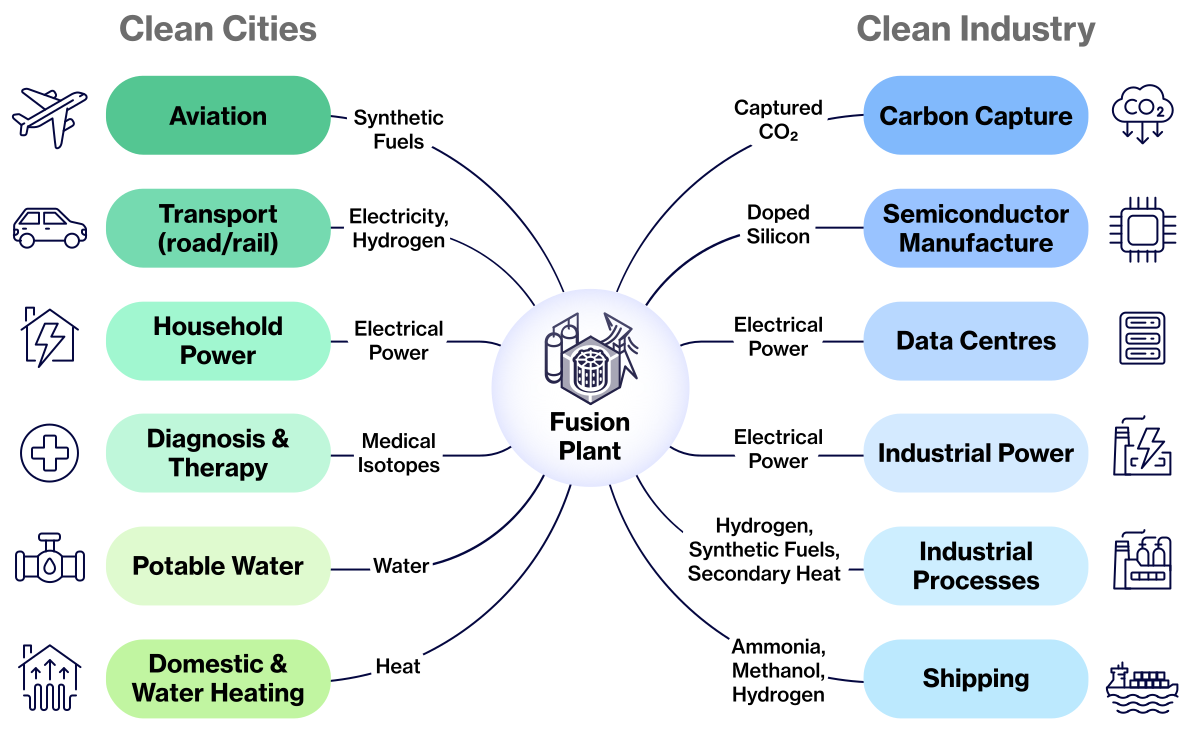
Fusion energy is reliable, it doesn’t depend on seasonal variation, the sun or the wind. Fusion fuel is abundant, it can be found in our seas and the earth’s crust. Fusion is energy efficient, it is the most power-dense process available on earth. Fusion energy is clean, it is low carbon with low land usage. The fusion process is safe, it can be readily controlled. Fusion energy has many uses for the neutrons, high grade heat and firm electricity it can produce.
Figure 1 - Many uses for the neutrons, high grade heat and firm electricity produced by a commercial fusion energy plant
Description of figure 1:
Diagram showing a commercial fusion energy plant at the centre, distributing different outputs to a range of applications labelled Clean Cities and Clean Industry.
On the Clean Cities side, the outputs support aviation (via synthetic fuels); road and rail transport (via electricity and hydrogen); household power (electrical power); diagnosis and therapy (medical isotopes); potable water (water); and domestic and water heating (heat).
On the Clean Industry side, the outputs support carbon capture (captured carbon dioxide); semiconductor manufacturing (doped silicon); data centres (electrical power); industrial power (electrical power); industrial processes (hydrogen, synthetic fuels and secondary heat); and shipping (ammonia, methanol and hydrogen).
The global landscape
The race to commercial fusion energy is now accelerating, and nations are moving fast to secure their early position in a future global fusion market, estimated to be worth trillions of pounds by the end of the century. The US hosts the largest cluster of fusion start‑ups, China is driving progress through strong state backing, while the EU combines flagship programmes like ITER with a growing mix of public–private initiatives.
But it is not a winner takes all market. There are multiple approaches and room for many industrial players across design, manufacturing and operation. Many core capabilities are common to different designs, creating significant export opportunities. With its clear strategy and national fusion integrator, the UK is positioning itself not just to take part in this industry but to lead it.
UK leadership
Government commitment
The UK stands out for its strategic, whole‑system approach. As the first country to publish a national fusion strategy, the first to regulate specifically to help safe fusion deployment and the first to commit to developing a market framework for fusion generated energy, it is setting the conditions for success. In 2025 the Government backed this with £2.5 billion of funding for fusion energy, of which £1.3 billion funds UK Fusion Energy to deliver the next stage of STEP Fusion.
A strong science base
UK Fusion Energy has come from UKAEA, the world’s largest national fusion laboratory and the only one with the experience of operating a fusion machine with a power plant relevant fuel mix – the Joint European Torus (JET) – for 40 years. UKAEA supports UK Fusion Energy as its Fusion Partner, bringing unrivalled expertise in plant integration and operation, as well as plasma science, robotics, materials research and fusion fuel systems. And the National Lab continues to drive new understanding with investments in its world leading spherical tokamak (MAST Upgrade), in tritium breeding research through the LIBRTI programme, and in digital technologies through the Culham Campus being the first UK AI Growth Zone.
Taking the next STEP
UK Fusion Energy’s purpose is to deliver STEP Fusion and successive fusion power plants by acting as a national fusion systems integrator, and working with industrial partners to develop and deploy the technologies and capabilities required, leveraging, strengthening and amplifying the UK-based industrial and technology ecosystem.
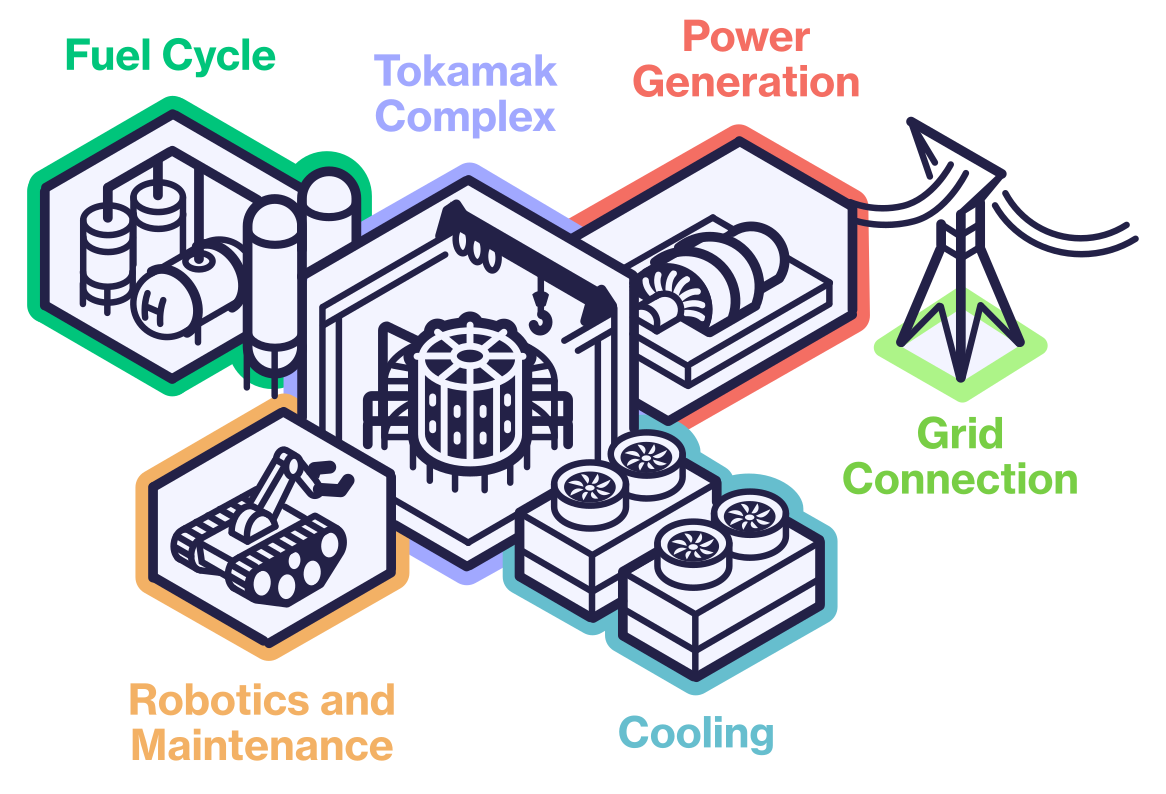
Figure 2 - The key systems to be integrated in a fusion power plant
Description of figure 2:
Diagram showing the main systems that interface with the central tokamak complex in a fusion power plant.
The tokamak complex is shown at the centre. Surrounding it are five connected systems: the fuel cycle, which supplies and processes fusion fuel; power generation, which converts energy from the tokamak into usable electricity; grid connection, which exports electricity to the external power network; cooling, which removes heat from the plant; and robotics and maintenance, which support inspection, handling and remote operations within the facility.
Each system is shown as a distinct component linked directly to the tokamak complex, indicating their integration within the overall plant.
Solving all the core challenges of fusion
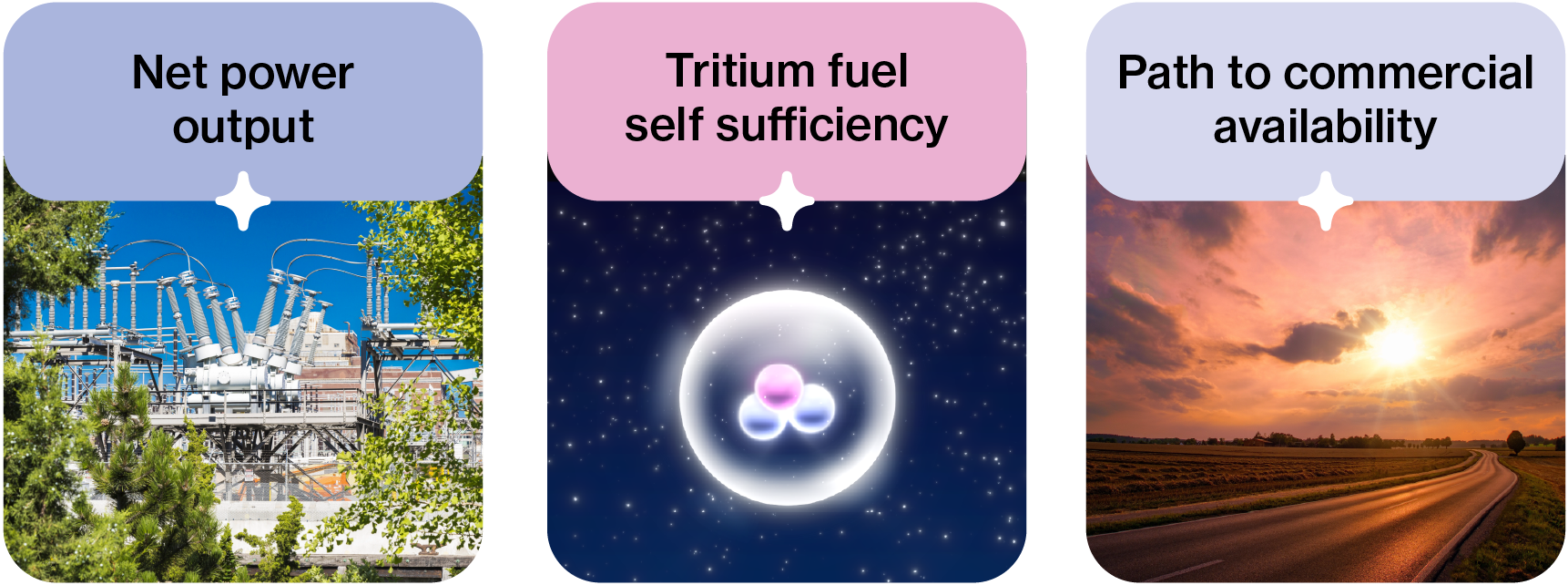
Our first plant, the STEP Fusion Prototype, which we aim to be operational in 2040, will prove the essential features required for commercial fusion power, as shown below. Crucially, only by safely solving all three core challenges within a single plant can fusion become a commercially viable energy solution. UK Fusion Energy and the UK ecosystem is uniquely positioned to deliver this.
Figure 3 - The essential features of a commercial fusion power plant, that STEP Fusion is proving
Description of figure 3:
Diagram presenting three key features demonstrated by the STEP Fusion programme, shown as three adjacent panels. The first panel relates to net power output, represented by electricity generation infrastructure. The second panel relates to tritium fuel self‑sufficiency, illustrated by an atomic‑scale image representing tritium fuel. The third panel relates to progress towards deployment, represented by a road leading into the distance. Each panel highlights one essential capability required for a viable commercial fusion power plant.
Our progress
UK Fusion Energy has been established with integration in its DNA. Our operating model is based on world-class partnering that brings the best capabilities together in a single, coherent framework to accelerate innovation, reduce delivery risk, and ensure that fusion technologies developed in the UK generate long-term value. Since STEP Fusion began in 2019, we’ve built the agile, end to end design team spanning every discipline, and the digital backbone to convert design into manufacturing reality. We are now demonstrating core technologies and generating IP across the plant. We understand this complex problem and what it takes to solve it, including how each system influences the others and what trade-offs are needed for success, with a commitment to safety in the design as our number one priority. Our system of systems view of STEP Fusion at the end of this document gives a flavour of the systems we are integrating.
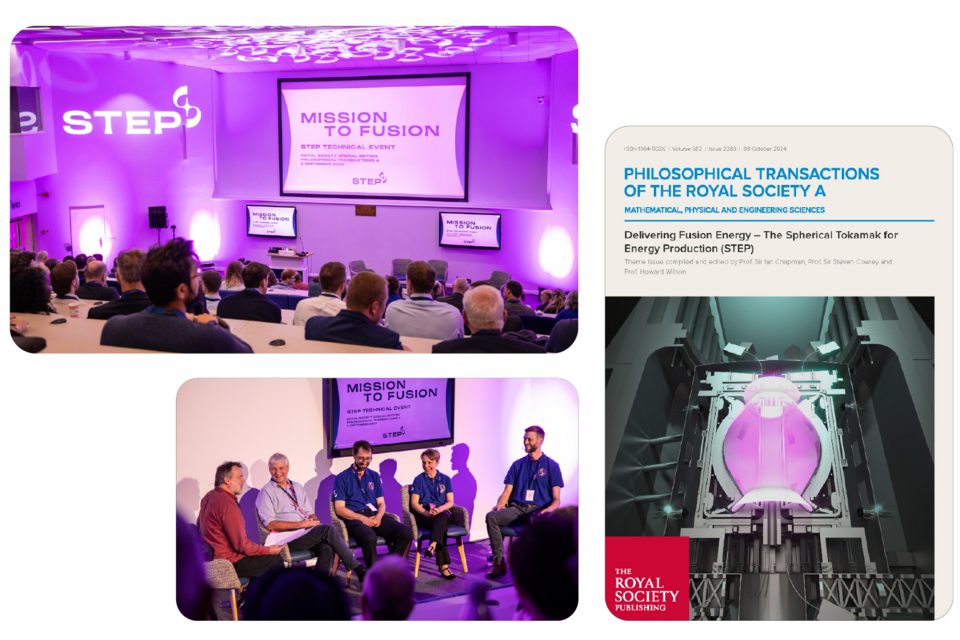
And we are making rapid progress. Our concept design is validated progressively by an independent international panel (an earlier version was presented in the Royal Society’s Journal [footnote 6].
Recent technical highlights include:
-
Next-generation High Temperature Superconducting (HTS) magnet designs that confine fusion plasma with dramatically reduced power demand, pushing magnet performance to the forefront of global innovation
-
Proof-of-principle remountable magnet joints, a critical enabler for practical maintenance strategies and long-term plant operability
-
Advanced microwave gyrotron development, improving heating efficiency and reliability, essential for sustaining a stable fusion reaction
-
Maintenance-led design that cleverly integrates multiple parts of a tokamak to enable faster maintenance and component upgrade, without compromising safety
-
Integrated digital engineering and design management, laying the foundation for AI-powered digital twins that link experimental data to high-fidelity simulation - boosting accuracy, efficiency, and confidence in our designs
Figure 4 - In 2024 the Royal Society published a special edition giving a complete snapshot of the STEP Fusion design
Description of figure 4:
Composite image showing material associated with the publication of a Royal Society special journal edition on the STEP Fusion design.
On the left are two photographs from a related event, showing an audience seated in a lecture theatre with STEP branding and a panel discussion taking place on stage beneath presentation screens. On the right is the cover of the Royal Society journal edition, titled Philosophical Transactions of the Royal Society A, featuring an illustrated view of the STEP tokamak design.
UK Fusion Energy - the integrator
An integrated delivery team
Delivering fusion energy is not just a technical challenge, it is an organisational one. To deliver the fusion power plants of the future, UK Fusion Energy is now sourcing and selecting the best industrial partners to build a world leading Integrated Delivery Team. Initially through the STEP Fusion project, we will learn by delivering, fast, safely, and to a high quality; this will build our collective capability; which will help secure investment at all levels of the enterprise we create.
Figure 5 - A reinforcing cycle supporting delivery, integration and investment
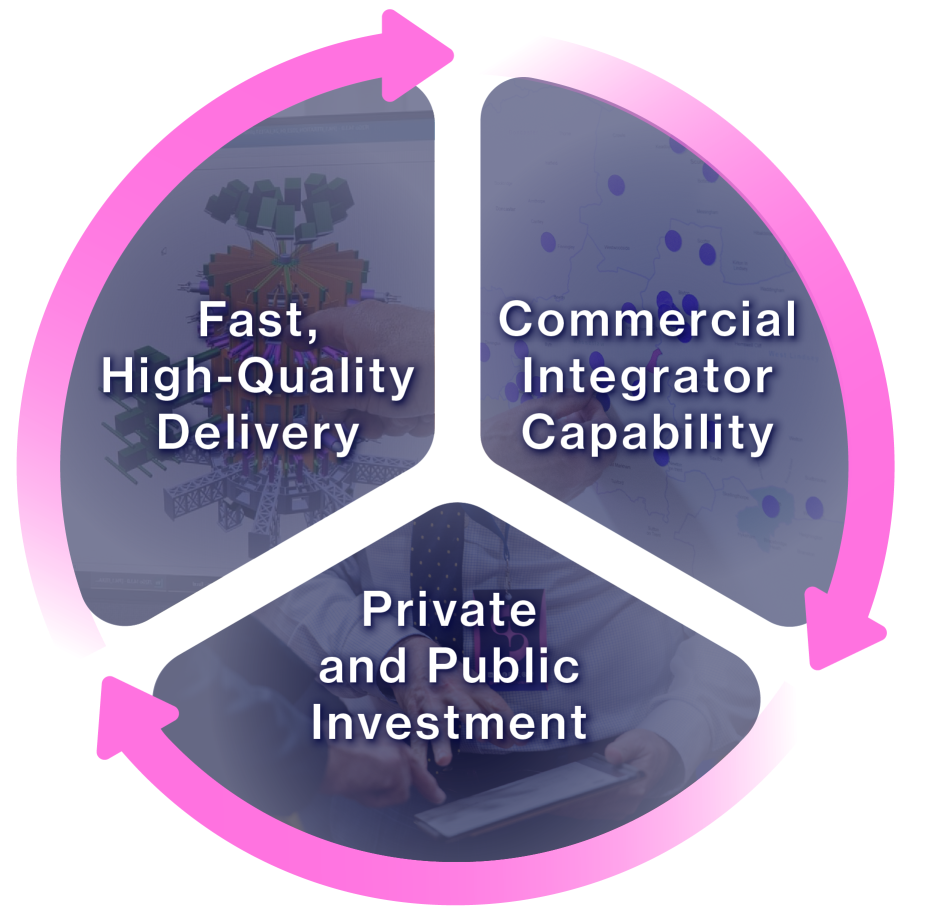
Description of figure 5:
Circular diagram divided into three connected segments, with directional arrows indicating an ongoing cycle.
The three segments are labelled Fast, high‑quality delivery, Commercial integrator capability, and Private and public investment. The arrows show these elements reinforcing each other in a continuous loop, with no defined start or end point. The figure presents delivery performance, commercial integration and investment as interdependent components within a single system.
Key partners
As the whole plant integrator, we lead overall plant design and delivery and take the associated risk. Through working with us, partners at every level develop capabilities and products that can serve multiple fusion programmes, and markets well beyond fusion now. We are guiding and inspiring all the capabilities required to take fusion to market. This includes combining world‑class engineering with commercial expertise, major programme delivery, investment insight, design authority, business development and strategic partnering – supported by an operating model that aligns us and our partners around a shared mission. The unique know‑how, experience and systems-level understanding developed through STEP Fusion positions UK Fusion Energy and its partners to deploy commercial fusion plants globally.
Figure 6 - Our partnering model for delivering STEP Fusion
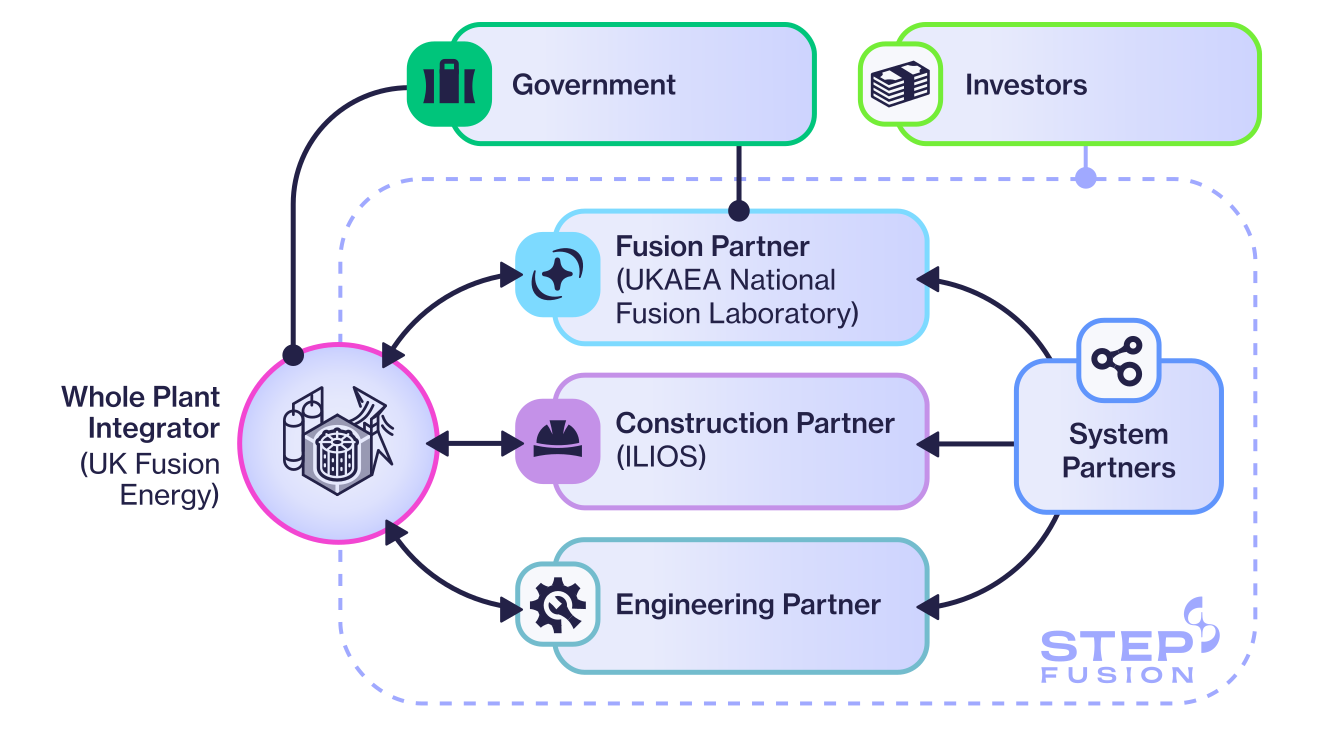
Description of figure 6:
Diagram showing the partnering model for delivering STEP Fusion, arranged around a central delivery structure.
On the left of the diagram is a circular element labelled Whole Plant Integrator (UK Fusion Energy). Arrows extend from this element towards partners shown to the right. At the centre are three horizontally aligned boxes. At the top centre is Fusion Partner (UKAEA National Fusion Laboratory). In the middle centre is Construction Partner (ILIOS). At the bottom centre is Engineering Partner. Each of these is connected by arrows to the Whole Plant Integrator on the left. On the right-hand side is a box labelled System Partners, which is connected by arrows to the construction and engineering partners, and back towards the fusion partner, indicating two‑way interactions. Above the central partners are two separate boxes. At the top left is Government, linked by a vertical line to the Fusion Partner. At the top right is Investors, shown connected into the partnership structure.
A dashed boundary surrounds the central and right-hand elements, indicating the overall STEP Fusion delivery system.
Fusion Partner
The UKAEA National Fusion Laboratory is UK Fusion Energy’s Fusion Partner, providing unparalleled support through its mission to “Deliver foundational research, technology and innovation in support of the fusion sector through world-leading fusion expertise and capability.” UKAEA will also commercialise some aspects of its fusion expertise through a pipeline of spin outs, IP licenses, and joint ventures with industry partners. The companies created and enhanced in this way will play a key part in the UK Fusion Energy supply chain.
Construction Partner
We have already appointed the Construction Partner for STEP Fusion, ILIOS [footnote 7]. This collaboration brings strong construction expertise, programme delivery capability and industry leadership into STEP Fusion.
Engineering Partner
We will need world leading capability in major engineering, from concept through to manufactured product and we intend to approach the market with this opportunity. In the near-term, engineering works will be delivered by a range of partners, a pipeline of opportunities for these works will be published. This includes partners specialising in specific systems, as outlined below.
System Partners
We are also now identifying key partners at the system level, those companies that specialise in specific critical technologies needed for STEP Fusion and beyond. Our first System Partner is Tokamak Energy, a UK firm with leading capability in High Temperature Superconducting (HTS) Magnets and a pedigree in fusion. UK Fusion Energy’s pipeline of opportunities, including those for major system partners, will fill out over the next 2 years.
Tokamak Energy, founded in 2009 as a spinout from the UK Atomic Energy Authority, has become a global leader in fusion and HTS magnet technologies. The company has raised $335 million from private and government sources, enabling rapid expansion of its devices, magnet systems and international reach.
Digital & AI underpinning our partnerships
UK Fusion Energy is working with global digital companies to maximise the role of digital and AI in developing its capability. The three main areas we are exploring are:
- Developing fusion technology
AI techniques could play a significant role in plasma control, in developing and qualifying materials, and in accelerating our leading edge high performance computing simulations
- Supporting the whole plant integrator role
Integrating a wide range of organisations across a supply chain requires a strong digital backbone. Learning lessons from other industries and projects, UK Fusion Energy is now investing significantly in digital approaches and is supported by Dassault Systèmes in this area
- Accelerating the schedule
Digital and AI techniques could play a significant role in reducing the time from concept to detailed design – a major opportunity for industry to develop and test new approaches
Figure 7 - STEP Fusion has a digital backbone, accelerating innovation, reducing risk, and maximising value
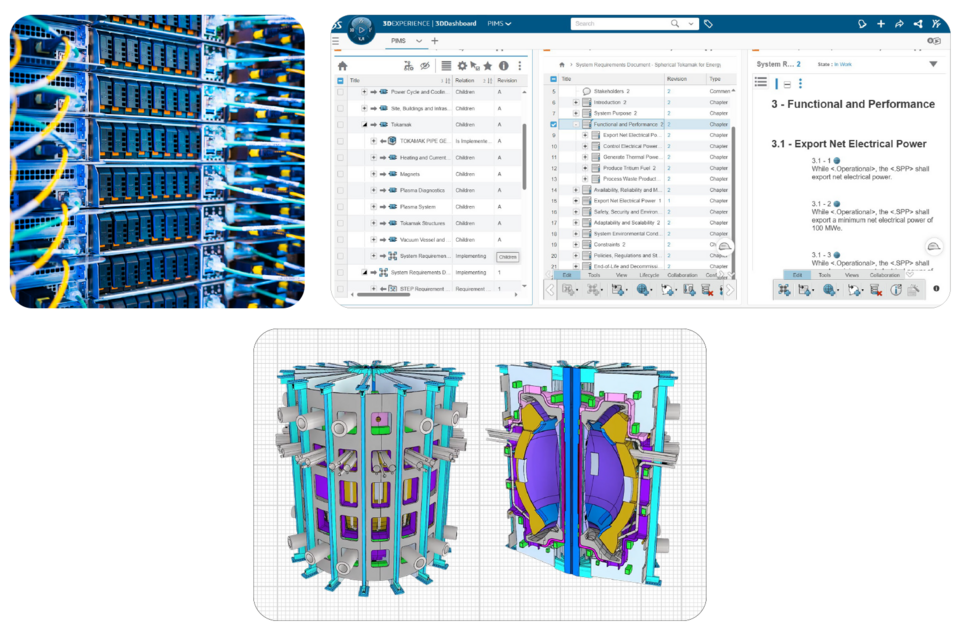
Description of figure 7:
Composite image showing three elements of the digital backbone used for STEP Fusion. At the top left is a photograph of server racks, representing the digital infrastructure. At the top right is a screenshot from the project information management system (PIMS), showing structured plant information and technical data held in a single system. At the bottom is a computer‑aided design (CAD) model of the STEP tokamak, shown as a complete external model alongside a cross‑sectional view.
West Burton - the heart of the fusion revolution
The fusion industry that we are now growing will be rooted in West Burton, by the River Trent, home of STEP Fusion in the East Midlands. The benefits will be felt across the whole of the UK, building on our existing national strengths. West Burton will be the centre of a globally significant cluster that we are now catalysing, attracting high-tech industries and investment into the region, bringing in businesses and creating a knowledge hub for advanced technology.
Figure 8 - West Burton has been powering the UK for 60 years. As the home of STEP Fusion it is pioneering clean energy for generations to come
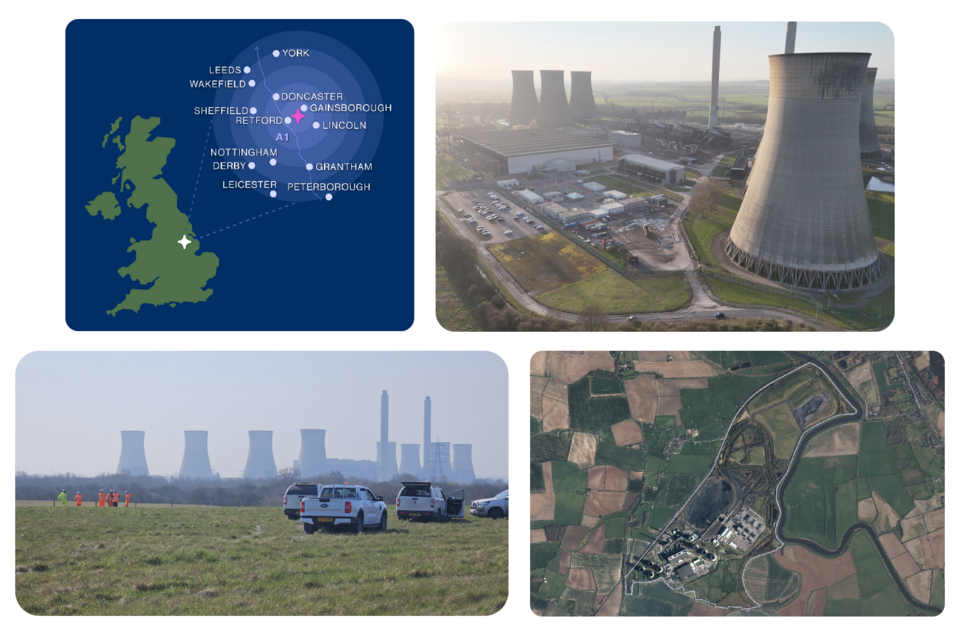
Description of figure 8:
Composite image showing the West Burton site and its location. At the top left is a map of the United Kingdom highlighting the location of West Burton and nearby towns and cities. At the top right is a satellite view of the West Burton site. At the bottom left is a photograph taken from a drone, showing the West Burton site from above at a lower altitude with cooling towers in the foreground and background with associated power plant buildings. At the bottom right is a ground level photograph taken within a field on the site with pickup trucks and people in high-vis in the foreground and the plant cooling towers in the background.
As UK Fusion Energy grows into a global commercial fusion plant integrator, we will help secure UK jobs and capabilities across the entire supply chain for decades to come, ensuring that the economic value of fusion is felt locally, nationally and for generations into the future.
STEP Fusion has already catalysed the creation of the Trent Clean Energy Supercluster, led by the East Midlands Combined County Authority (EMCCA).
Value in the journey
Building a fusion power plant requires integrating the solutions to some of the hardest engineering challenges on Earth:
-
Components operate at extreme limits
-
Robotics must work reliably in extreme environments where humans cannot
-
Heat, radiation, materials, and safety must be managed simultaneously
-
Thousands of highly complex systems designed and integrated into a single, coherent machine
Solving these challenges creates enduring capability, the kind that underpins the wellbeing of populations, national resilience, economic strength and global influence. That capability in turn creates new products and services that drive growth. We are already seeing fusion-led development driving value in healthcare, infrastructure, space, defence, and future energy systems, through adjacent applications.
HTS magnets for healthcare
STEP Fusion derived advances in HTS magnets offer transformative benefits for Magnetic Resonance Imaging (MRI) systems, resulting in economic and social benefits in a global market. More powerful HTS magnets lead to reduced scan times and better image quality, which is particularly beneficial for brain imaging. The market for MRI body scanning systems is estimated to be worth $23.4 billion by 2035. Beyond MRI, HTS magnets will improve particle therapy for cancer treatments and Nuclear Magnetic Resonance (NMR) systems for drug discovery, markets expected to be worth $4.2 billion and $2.6 billion respectively in 2035.
Microwave sources powering 6G
More efficient and lower cost microwave sources known as gyrotrons are being developed for STEP Fusion to heat the plasma. As well as being a key building block for commercialising fusion energy, gyrotrons have a range of other valuable uses from high tech manufacture and deep drilling to telecoms. Gyrotrons can play a key role as high frequency microwave sources for 6G, the next generation of mobile telecoms. 6G will provide ultra-fast speeds of up to 1 TBps, bringing numerous benefits from native AI integration to improved access for rural communications. STEP Fusion developed gyrotrons can capture a share of a projected market of over $20 billion by 2033.
Figure 9 - Adjacent markets which may benefit from fusion technology
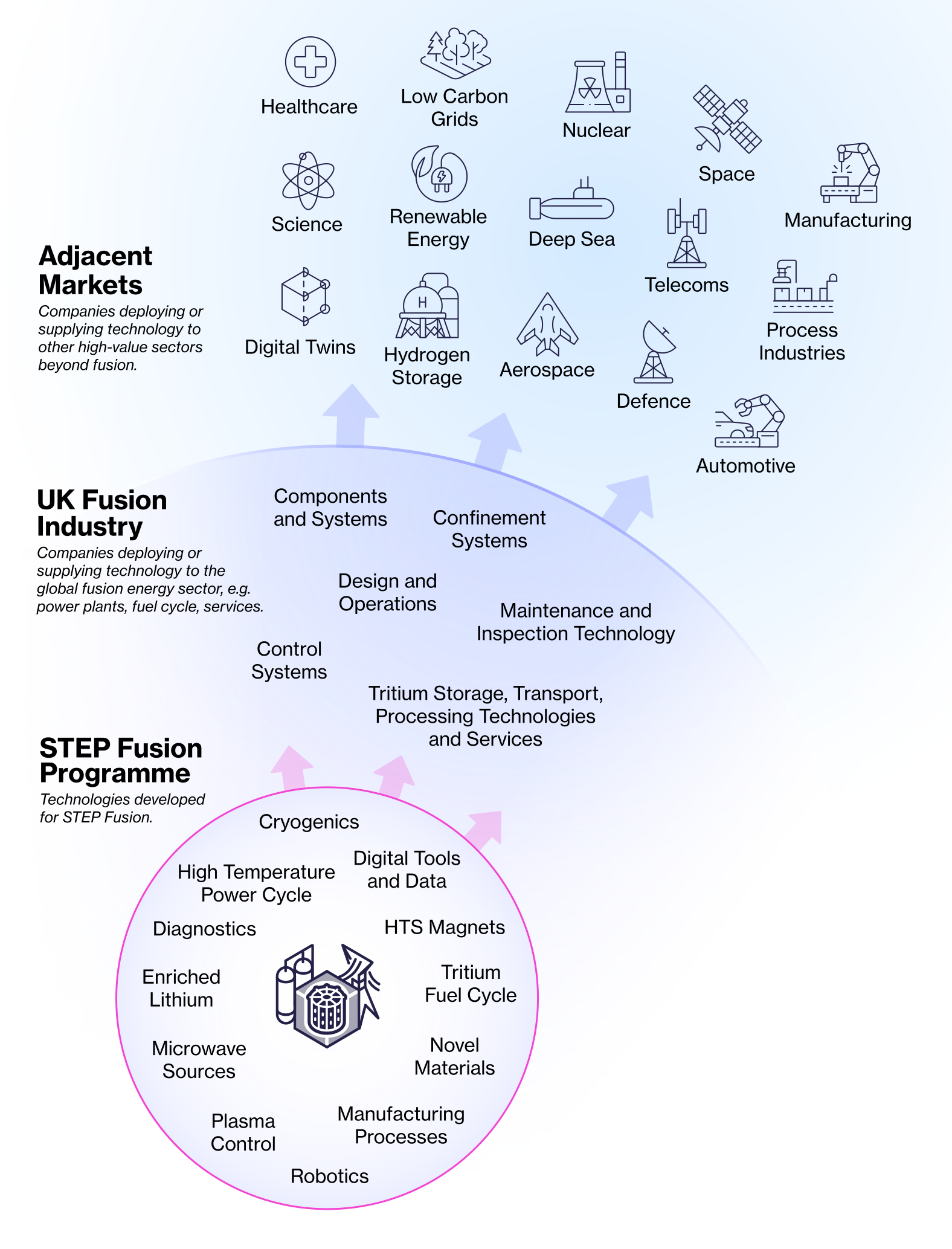
Description of figure 9:
Diagram showing a layered relationship between fusion technologies, the UK fusion industry and adjacent markets.
At the bottom is a circular area showing technologies developed within STEP Fusion, including digital tools and data, cryogenics, tritium fuel cycle, materials, diagnostics, power systems, magnets, manufacturing processes, robotics and plasma control. Above this is a wider area showing UK fusion industry activities, such as components and systems, confinement systems, design and operations, control systems, tritium handling, and maintenance and inspection technology. At the top are icons representing adjacent markets, including healthcare, science, low‑carbon grids, nuclear, renewable energy, deep sea, space, manufacturing, digital twins, hydrogen storage, aerospace, telecoms, defence, process industries and automotive.
Arrows point upwards from fusion technologies towards these wider markets.
Opportunities
Industry opportunities
Fusion energy is a tough problem, but solving tough problems develops new capabilities, products and services that can grow new revenue streams and new businesses. That is already happening. A key part of UK Fusion Energy’s role as a whole plant integrator is to bring together the right industrial team to deliver fusion, and to support its growth and sustainability. As well as acting as “first customer” for many companies in fusion, we will help open doors to other programmes and, through licensing IP, will help our partners grow.
Our industrial partners are and will be highly diverse, from large to small, from well-established names to new startups, from those with a laser focus on fusion to those reaching into a range of sectors. UK Fusion Energy’s approach to integrated delivery draws on global success stories from industries such as aerospace, automotive, energy and defence. The announcement of Tokamak Energy as our Magnets Partner is one such success story.
We will publish a growing pipeline of commercial opportunities and would like to hear from companies now that have capabilities and innovations that could make a difference.
Figure 10 - STEP Fusion supply chain impact April 2019 - February 2026
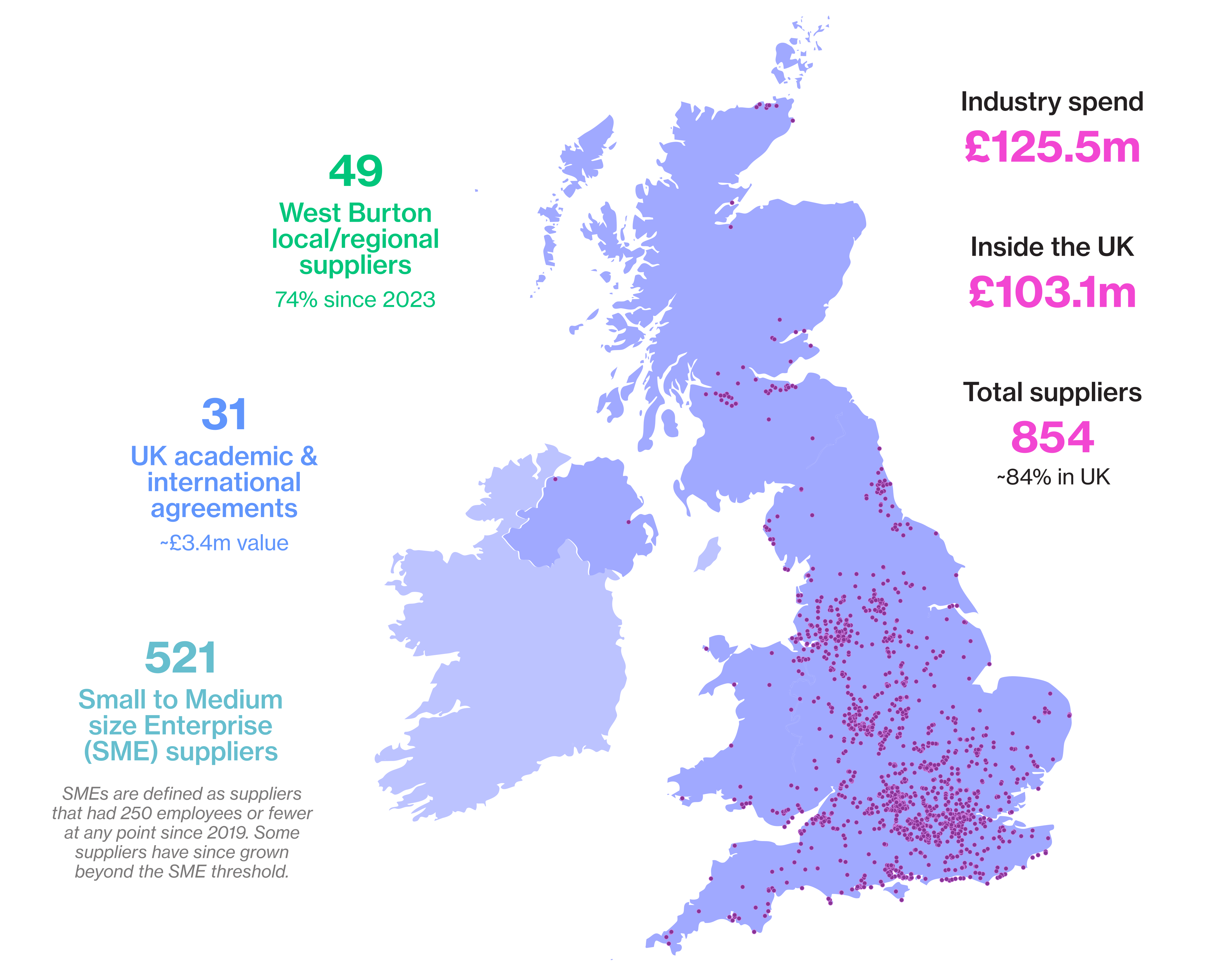
Description of figure 10:
Map of the United Kingdom showing the distribution of suppliers involved in the STEP Fusion supply chain. The map is covered with point markers indicating supplier locations, with a high concentration in England.
Accompanying text states industry spend of £125.5 million, of which £103.1 million is inside the UK. The total number of suppliers is 854, with 84 per cent based in the UK. Additional figures shown are 49 West Burton local and regional suppliers, representing 74 per cent since 2023; 31 UK academic and international agreements, with a value of £3.4 million; and 521 small to medium‑sized enterprise suppliers. A note explains that SMEs are defined as suppliers with 250 employees or fewer at any point since 2019, and that some suppliers have since grown beyond the SME threshold.
Investor opportunities
As UK Fusion Energy develops and delivers STEP Fusion with partners, significant opportunities open from now for a range of investors – financial partners, industrial majors and partner nations. Our aim is to provide integrated commercial fusion plants globally, enabling our industrial partners to compete and trade in global markets, providing huge opportunities for returns to investors at two levels.
Firstly, there are opportunities through investing in the supply chain that will learn and develop through working with UK Fusion Energy on STEP Fusion, developing capabilities, products and services applicable to other fusion programmes worldwide, and also developing adjacent technologies such as new materials, new digital capabilities and robotics. These opportunities exist now and will continue to grow.
Secondly, as we gain confidence in overall fusion plant viability, UK Fusion Energy will itself look to raise investment as we demonstrate our ability to be the whole plant integrator of commercial plants beyond the prototype. In due course UK Fusion Energy will come forward with an investment prospectus.
There are also important opportunities at the site of STEP Fusion in the Midlands. We aim to help develop a vibrant business park around the STEP Fusion plant and are now looking to attract companies to locate on the site, or nearby in the region. We are working closely with key stakeholders such as EMCCA to support that inward investment.
Figure 11 - Our integration model for delivering commercial fusion plants
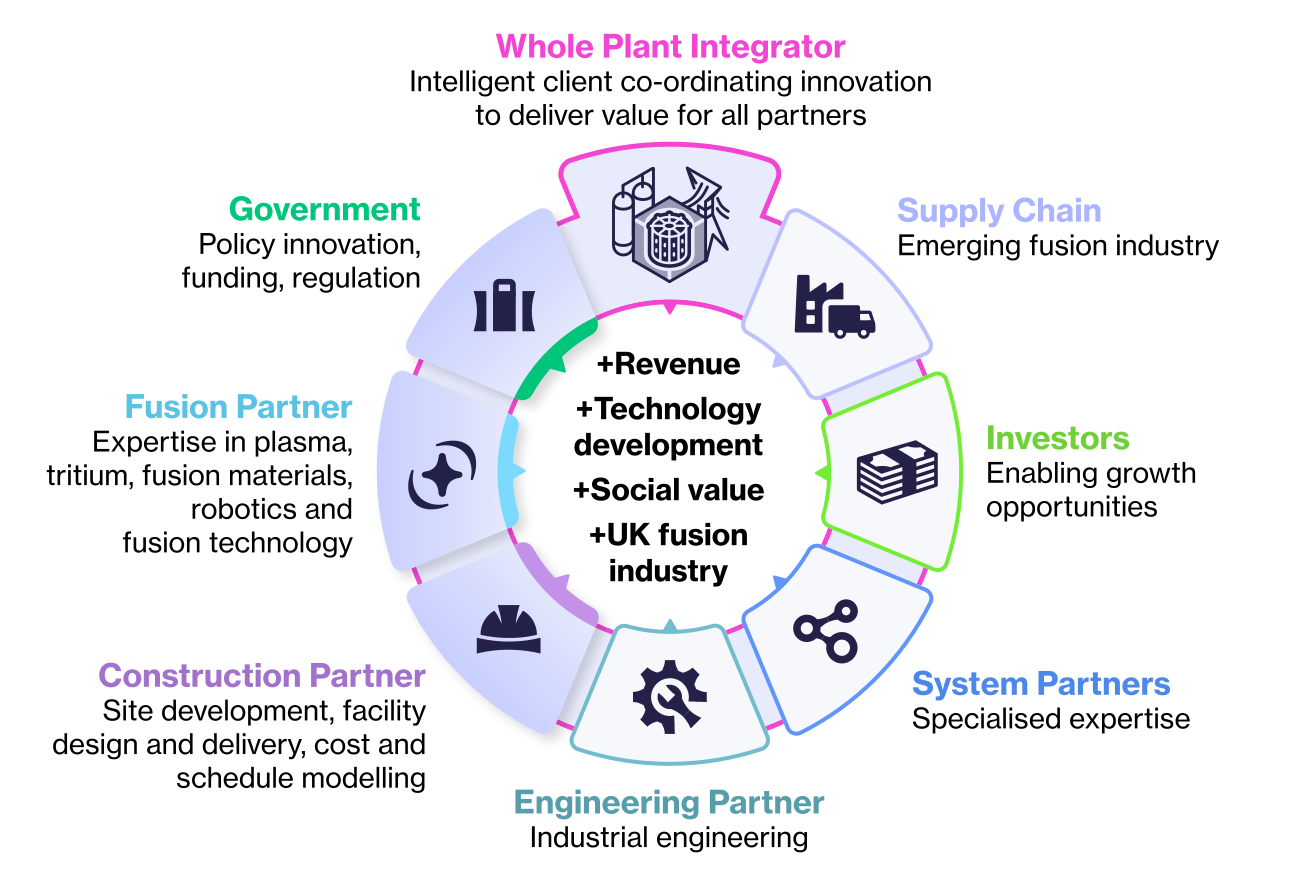
Description of figure 11:
Circular diagram showing the integration model for delivering commercial fusion plants, with a central role and surrounding partners.
At the centre is a circle containing the text “+Revenue”, “+Technology development”, “+Social value”, and “+UK fusion industry”. At the top of the circle is Whole Plant Integrator, described as “Intelligent client co‑ordinating innovation to deliver value for all partners”. This sits above the central outcomes.
Arranged clockwise around the circle are partner roles. On the upper right is Supply Chain, described as “Emerging fusion industry”. To the right is Investors, described as “Enabling growth opportunities”. On the lower right are System Partners, described as “Specialised expertise”. At the bottom is Engineering Partner, described as “Industrial engineering”. On the lower left is Construction Partner, described as “Site development, facility design and delivery, cost and schedule modelling”. On the left is Fusion Partner, described as “Expertise in plasma, tritium, fusion materials, robotics and fusion technology”. On the upper left is Government, described as “Policy innovation, funding, regulation”.
All roles are shown as connected segments within a continuous circular structure, indicating integration around the central outcomes.
System of systems
Our design team are mapping out the complexities of realising the STEP Fusion plant, understanding how all the systems interact and optimising our prototype to deliver the essential features required for commercial fusion plants; net power, tritium fuel self-sufficiency and a path to commercial availability.
Figure 12 – the STEP Fusion systems of systems
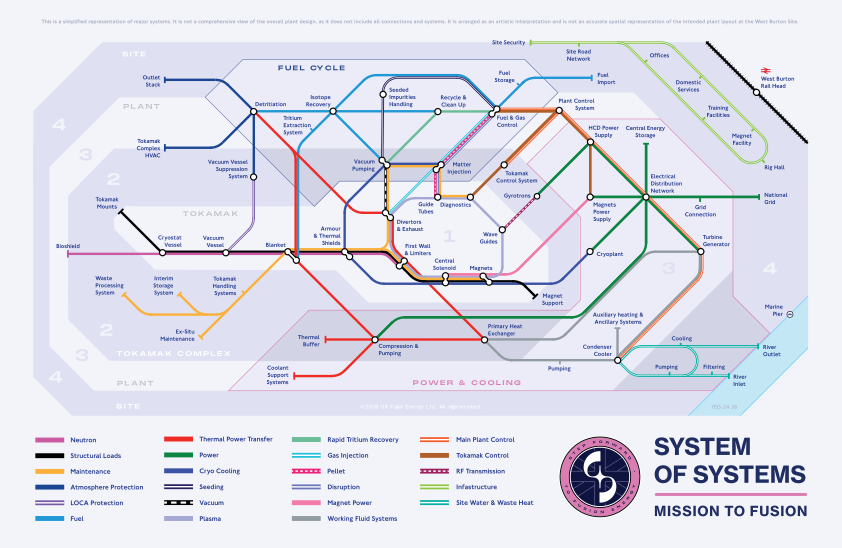
Description of figure 12:
Simplified schematic diagram showing how the main systems within the STEP Fusion plant connect and interact.
The diagram is arranged as a series of labelled zones, including the site, plant, tokamak complex and tokamak, with systems shown crossing between zones. Coloured tube lines run across the diagram to represent different system flows and interfaces, such as fuel, cooling, power, control, protection and maintenance‑related systems. A legend identifies the different system types represented by each line colour.
The layout is deliberately reminiscent of a transport or network map, using simplified lines and junctions to show connections and interfaces rather than physical routing. The figure is intended to demonstrate how multiple systems are integrated within a single plant. It is a simplified representation and does not show accurate spatial relationships or scale.
Footnotes
-
Joint European Torus – the most powerful fusion energy device to date and one of only two tokamaks that have ever operated the Deuterium-Tritium fuel mix needed for commercial plants. ↩
-
Spherical Tokamak for Energy Production ↩
-
https://www.gov.uk/government/publications/clean-energy-industries-sector-plan ↩
-
https://www.gov.uk/government/publications/uk-fusion-strategy-2026 ↩
-
A Joint Venture of Kier and Nuvia, supported by AECOM, AL_A and Turner and Townsend. ↩