Thames Estuary Asset Management (TEAM) 2100 programme
Updated 24 November 2025
Applies to England

© Crown copyright 2025
This publication is licensed under the terms of the Open Government Licence v3.0 except where otherwise stated. To view this licence, visit nationalarchives.gov.uk/doc/open-government-licence/version/3 or write to the Information Policy Team, The National Archives, Kew, London TW9 4DU, or email: psi@nationalarchives.gov.uk.
Where we have identified any third party copyright information you will need to obtain permission from the copyright holders concerned.
This publication is available at https://www.gov.uk/government/publications/thames-estuary-asset-management-team-2100-programme/thames-estuary-asset-management-team-2100-programme
1. Background
London and the Thames Estuary out to Essex and Kent is at significant risk from tidal flooding. Unless this risk is managed, tidal flood risk will increase over time, due to:
- climate change
- population growth
- ageing flood defences
In 2012, the Environment Agency and partners published the Thames Estuary 2100 (TE2100) plan. This sets out a strategy to manage this risk until the end of the century and beyond. The TE2100 plan is:
- internationally recognised as a leading example of climate change adaptation
- designed to be flexible and adapt to different projections for climate change and sea level rise
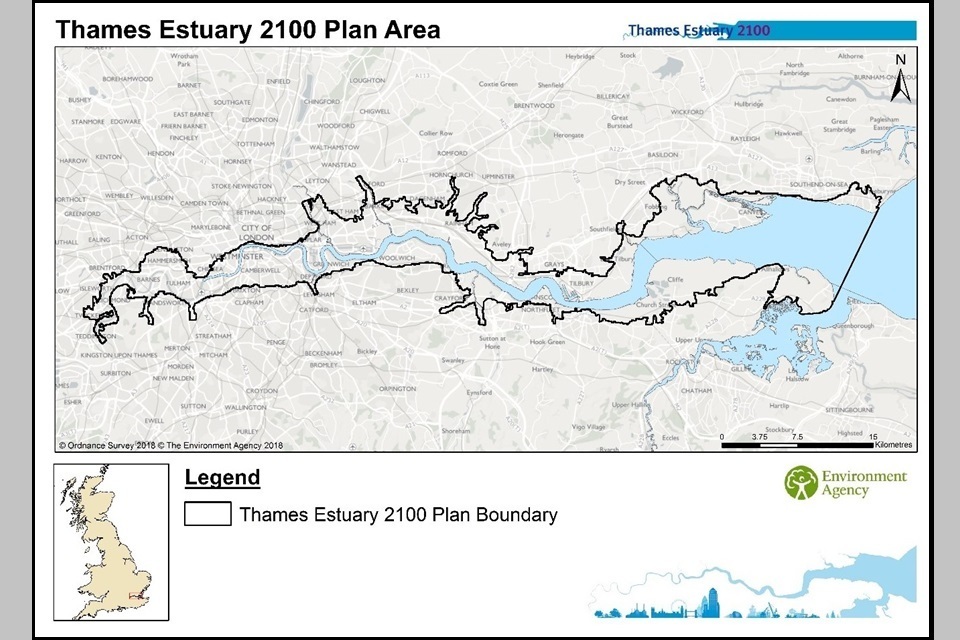
Image 1: The boundary of the Thames Estuary 2100 Plan. Image courtesy of the Environment Agency.
2. Timeline of activities
The TE2100 plan has 3 phases of activity:
-
until 2035: maintain and improve current flood defences, safeguard areas of land required for future improvements to flood defence, influence local plans and strategies, and monitor how the estuary and the climate is changing
-
2035 to 2050: raise flood walls and embankments, improve smaller barriers while reshaping the riverside environment through development, and in about 2040 decide on an end of the century option for the future of the Thames Barrier
-
2050 to 2100: implement the option for the future of the Thames Barrier and adapt other flood defences as required to work alongside this to protect the estuary
3. TEAM2100: purpose
Thames Estuary Asset Management 2100 (TEAM2100) was set up to carry out the first 10 years of work outlined in the TE2100 plan. The team has been a collaborative partnership between:
- Environment Agency
- Jacobs - programme management, engineering and design
- Balfour Beatty - construction
Many of the flood defences were over 30 years old, and, in some cases, over 100 years old. TEAM2100 took on the UK’s largest single programme of flood risk management work, valued at over £450 million in total. The work is one of the government’s top 40 major infrastructure projects.
The programme started in 2015 with a series of investigations to gather information about the whole flood defence system and the condition of individual assets.
TEAM2100 used these investigations to inform the:
- 10-year work programme of refurbishment and replacement
- management of the system of defences over the next 100 years
The work:
- prioritised investment in high-risk flood defences
- better predicted asset deterioration and intervention strategies
- provided greater value for public money through innovation, improved collaboration, and joint planning with the supply chain
The programme, which completed in March 2025, pioneered a new asset management approach for the Environment Agency. This involved investing early to maintain the condition of flood defences to reduce the risk of failure. It has helped ensure the tidal walls, embankments and barriers along the Thames Estuary continue to protect people and property from tidal flooding.
The programme covered a complex system of defences including:
- 9 major barriers, including the Thames Barrier, shown in image 2
- 350km of walls and embankments
- 900 other structures, including flood gates, outfalls, and pumps
These defences work together to protect around 1.42 million people and an estimated £321 billion worth of property from tidal flooding. TEAM2100 successfully completed the first 10 years of TE2100 plan, better protecting over 34,000 homes and achieving £110 million in capital efficiencies.
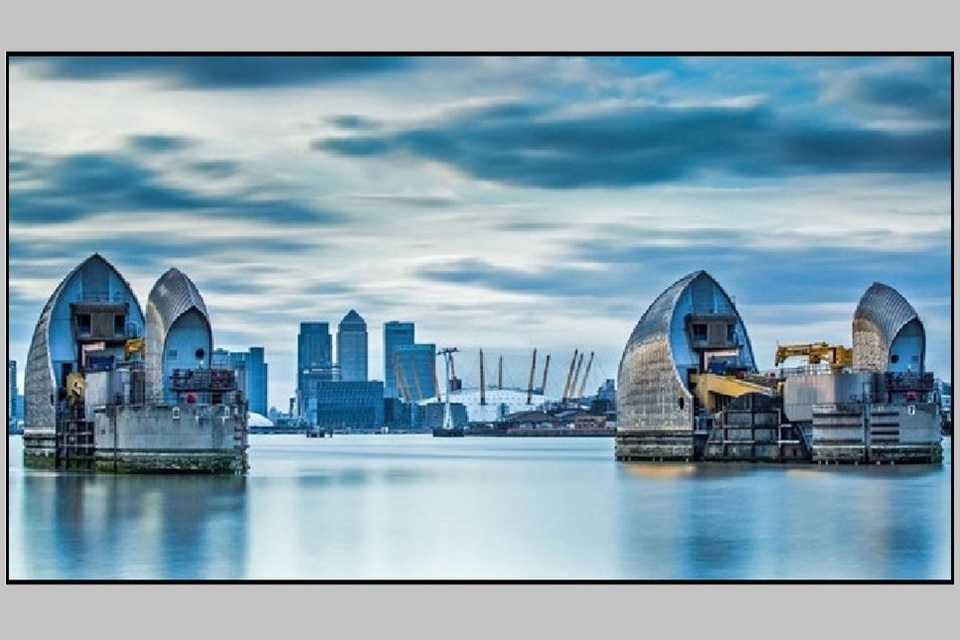
Image 2: The Thames Barrier. Image courtesy of the Environment Agency.
4. Outcomes
The main objective of TEAM2100 was to manage the tidal flood risk in the Thames Estuary from Teddington to Sheerness in Kent and Shoeburyness in Essex. It did this through asset refurbishment and replacement.
The secondary objectives of the programme were to:
- maintain and improve flood risk management assets
- enhance environmental and sustainability outcomes
- achieve efficiencies within the programme
The programme met both the main and the secondary objectives and achieved the following:
- it was the UK’s first FCRM programme to obtain ISO55001 certification, setting a new standard in flood risk management
- it stepped away from traditional approaches and used an innovative method to integrate stakeholders into projects
- surpassed the original full business case target for flood protection
5. Ways of working
TEAM2100 worked as an integrated delivery team with other specialist contractors, using a one-team approach. We used a range of activities and communications channels to update and engage with all staff working on the programme. This resulted in a strong collaborative spirit.
The programme fully embraced the challenges of cross-organisation working and co-locating. We provided team building opportunities and gave all staff insights training into personality and working styles.
Throughout every activity in the programme, we focused on:
- health and safety
- wellbeing
- the environment
- sustainability
6. Project case studies
Examples of the topic areas that guided the work on the TEAM2100 programme were:
- asset management
- digital and geographic information system (GIS)
- innovation
- sustainability
- stakeholder engagement
- efficient ways of working
6.1 Asset management
Throughout the 10 years, the programme focused on developing world-class asset management. To do this, we combined the Environment Agency’s existing best practice with new techniques and models. One of the main objectives was to improve how data was gathered and analysed to help understand the condition of individual assets.
6.2 Examples of completed asset management projects
6.2.1 Asset management - policy unit defect analysis project
Data on the condition of assets was gathered which allowed the team to plan the maintenance schedules according to the repair needs. This was a cost-effective and sustainable approach to managing the flood defence assets.
6.2.2 Asset management in the Deptford Walls project
This project looked at the design and construction of repair works needed, such as:
- cracking and degradation in brickwork
- revetment damage
- material loss
- loss of section and cavity formation in the brickwork to four historic masonry and concrete retaining walls
The planned intervention included:
- repointing and re-casement of brickwork
- replacement of concrete revetment
- crack stitching and cavity repairs
- removal of tree growth and vegetation
- localised rebuild of failed brickwork
6.3 Digital and geographic information system (GIS)
TEAM2100 built ‘Estuary Eye’, which is an award-winning intelligent web-based GIS. Estuary Eye brought together the Environment Agency’s existing data from both traditional surveys and more novel techniques, such as drone videos and satellite data. This is shown in image 3.
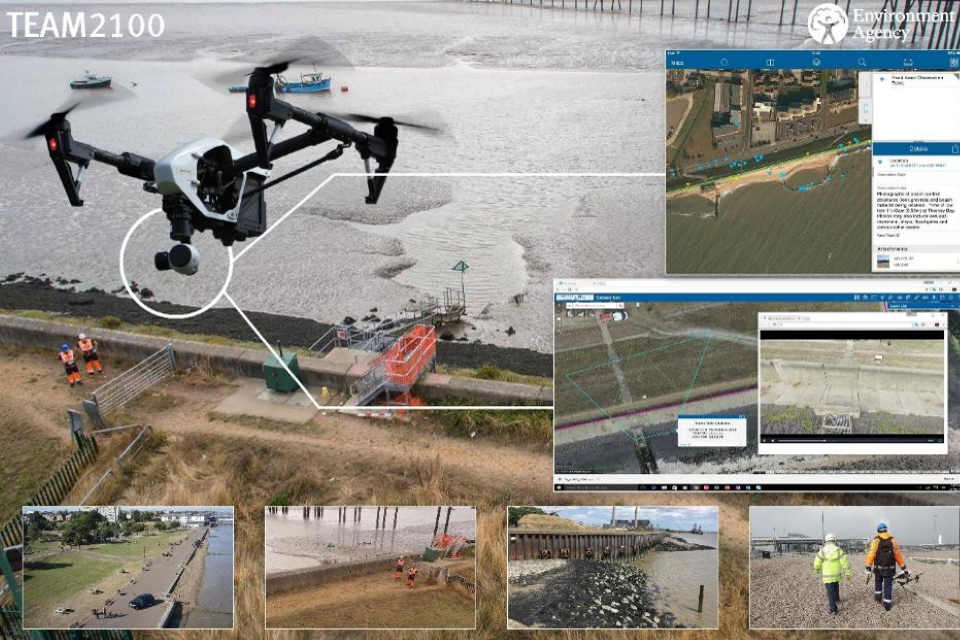
Image 3: Use of drones to capture video and survey data into Estuary Eye. Image courtesy of the Environment Agency.
When TEAM2100 was established, the programme had to manage a huge amount of data all at once. This included:
- historical information
- infrastructure assessments
- details about new projects
Estuary Eye was developed to display all this data and use it to inform decision making. The digital map-based format made it easier for users to find and view data relating to TEAM2100’s flood defence assets.
6.4 Example of project completed using GIS
Across the projects, we collected data using drones and iPads and added to Estuary Eye. The data on this system was used to inform the design of new defence work.
6.4.1 Lake Four pumping station project
Lake Four Pump House is a crucial flood relief station in Thamesmead, southeast London. The team completed a feasibility test of ‘Leica TruView’, which is a system where digital reality data can be viewed and shared. Using this system, a 3-dimensional model was developed. This is shown in image 4. The model captured high-quality imagery and accurate floor-to-ceiling measurements, creating a versatile data set for many uses.
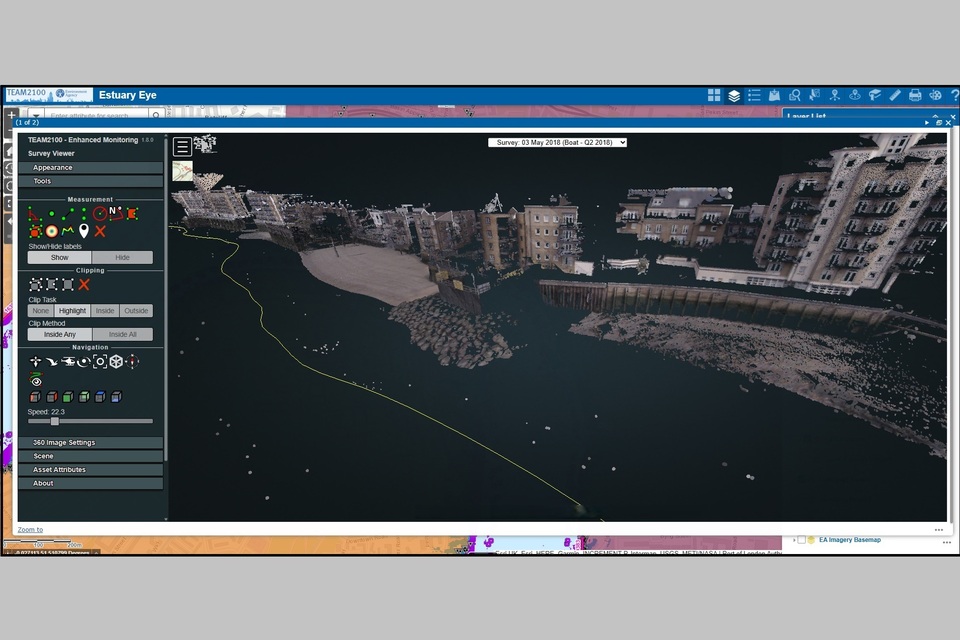
Image 4: Three-dimensional (3D) data stored in Estuary Eye. Image courtesy of the Environment Agency
6.5 Innovation
The innovation function was established from the very beginning of the TEAM2100 programme and managed:
- the collection, approval and implementation of ideas
- a research and development fund which supported the implementation of innovation proposals
6.6 Examples of innovation in completed projects
6.6.1 Canvey Island southern shoreline revetment project
At Canvey Island a range of innovations were incorporated into the works. These included:
- trialling the use of ultra-low carbon (Cemfree) concrete for the revetment repairs, steps, and side walls, specifically using the commercial Alkali Activated-Cementitious Materials (AACMs) Cemfree
- biodiversity improvements - 3 concrete rock pools were installed at the Open Stone Asphalt (OSA) rock interface - this is shown in images 5a, 5b and 6

Image 5a: Precast rock pool at eastern end of works - Leigh Beck. Image courtesy of the Environment Agency.
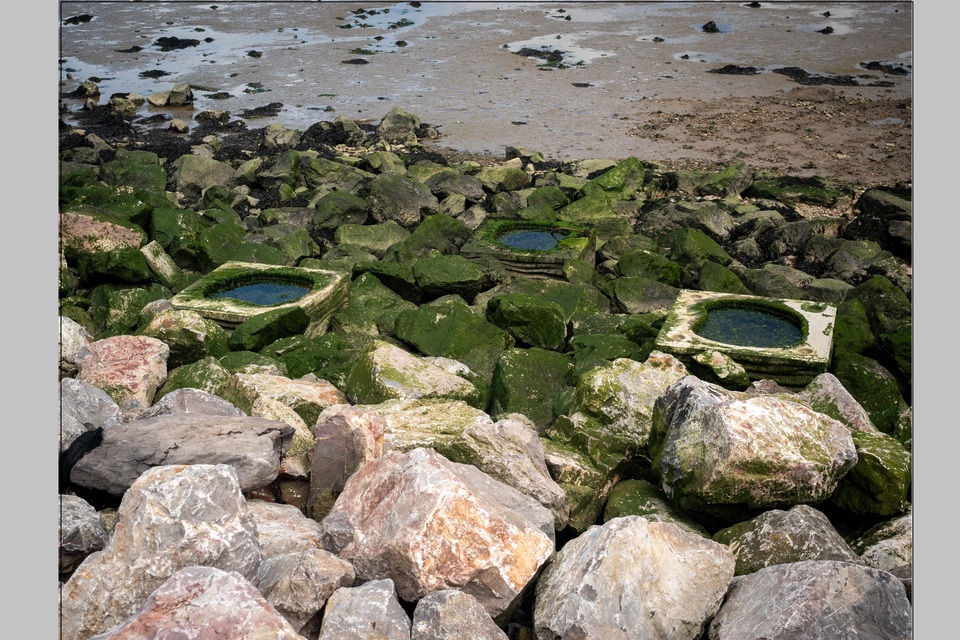
Image 5b: Precast rock pool at eastern end of works - Leigh Beck. Image courtesy of the Environment Agency.
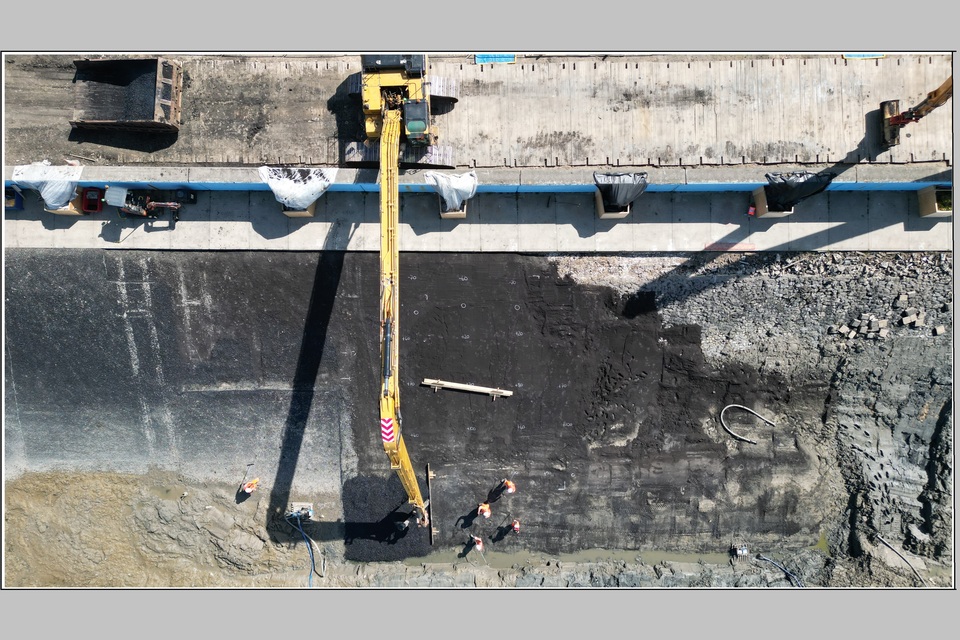
Image 6: Placement of Open Stone Asphalt (OSA) at Canvey Island. Image courtesy of the Environment Agency.
- development of a methodology using Ground Penetrating Radar (GPR) to identify potential voids in the revetment defence and manage the amount of existing revetment that needed to be removed
- first UK trial application of CeramycGuard, shown in image 7 - this is a coating for concrete that uses particles to create a ceramic surface layer, protecting the concrete from water damage extending asset life
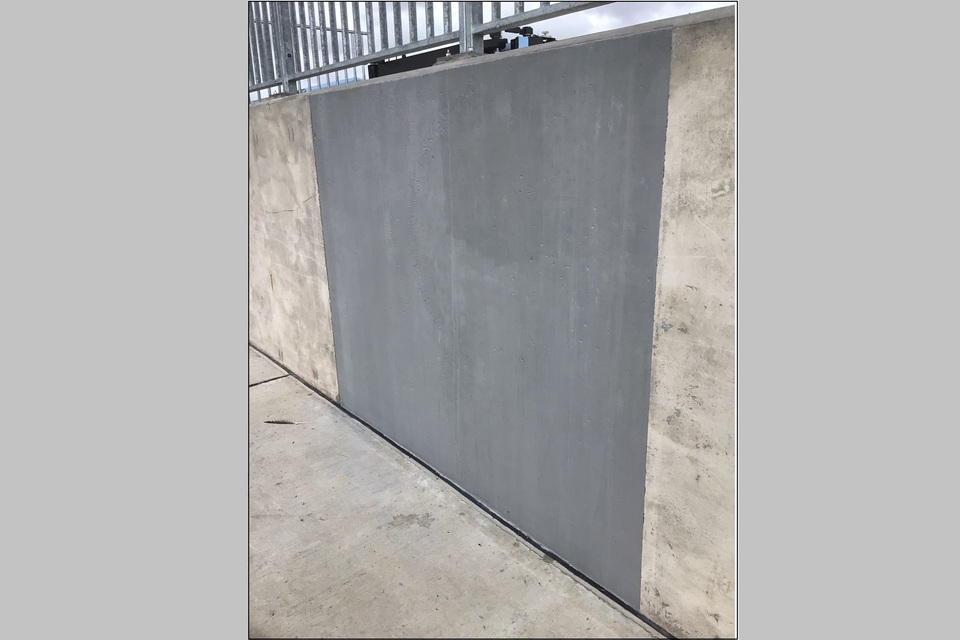
Image 7: CeramycGuard coated section of the precast wall. Image courtesy of the Environment Agency.
6.7 Sustainability
Sustainability was a major consideration in the TEAM2100 programme and integral in the decision-making processes. The carbon intensity of projects was calculated at each phase of works. The objective was to reduce carbon by more than 30% from the initial appraisal, through detailed design to final delivery. Our approach mirrored the 4 main objectives outlined in the Environment Agency’s Sustainability plan.
6.8 Examples of sustainability in completed projects
6.8.1 46 Nine Elms project
The 46 Nine Elms project presented several positive environmental opportunities, including:
- installing modified fenders to promote biodiversity, shown in image 8 – the fenders have a specific pattern etched into the timber to provide habitats for marine life in the intertidal zone
- additional planting within the landward side of the park, providing environmental net gain and creating more natural habitats for wildlife
- replacement of a tree stump with a native species of tree
The new habitats created could potentially compensate for the loss of Buddleia (a non-native species growing out of the wall used by pollinators). The final design has the lowest capital and whole life carbon and does not result in any encroachment into the river environment.

Image 8: Timber fender with special design providing habitats for aquatic wildlife. Image courtesy of the Environment Agency.
6.8.2 Canvey Island southern shoreline revetment project
The Canvey Island project used many sustainability initiatives, including:
- use of Automatic Number Plate Recognition (ANPR) to capture vehicle data to calculate the carbon for these vehicles travelling to site
- use of low emissions machinery
- solar-powered security systems and eco-cabins
- use of a carbon calculator to monitor, report and steer delivery to achieve low carbon solutions
- use of low carbon materials in the precast elements and the maintenance access track repairs and improvements
- Open Stone Asphalt (OSA) was an excellent substrate for species of seaweed that was common in the area but did not grow on concrete blocks. This reduced the need for disposal of large portion of the existing revetment
- Cradle to Cradle (eC2eC) product lifecycle assessment undertaken at outset of construction to identify/use Cradle to Cradle materials
6.8.3 Purfleet and Grays ground anchor assessment phase 3 project
The scheme was sustainable as it used very little machinery for the anchor testing. We created a specialised data methodology to determine a bespoke optimal load for each anchor. This will extend the lifespan of existing flood defences by preventing or reducing corrosion, wear, and damage of the anchors and their components.

Image 9a: Anchor head ground covers and an exposed anchor head. Image courtesy of the Environment Agency.
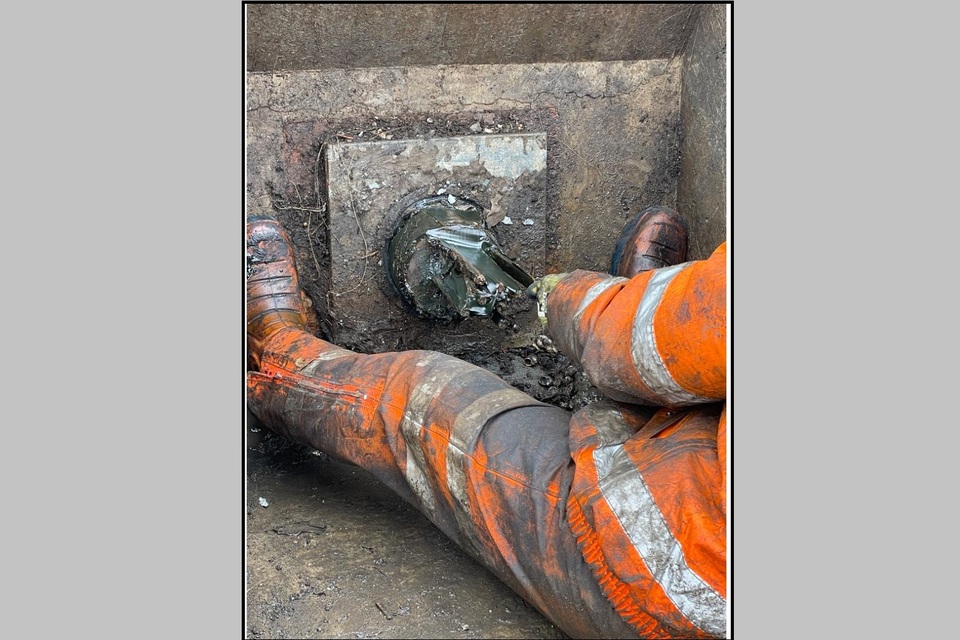
Image 9b: Anchor head ground covers and an exposed anchor head. Image courtesy of the Environment Agency.

Image 9c: Anchor head ground covers and an exposed anchor head. Image courtesy of the Environment Agency.
6.8.4 Duke Shore Wharf project
Due to erosion issues caused by natural river processes, the existing flood wall had to be realigned at this location. The impacts of this work were mitigated by integrating rock pools into the concrete bench to create intertidal habitats. This is shown in image 10.
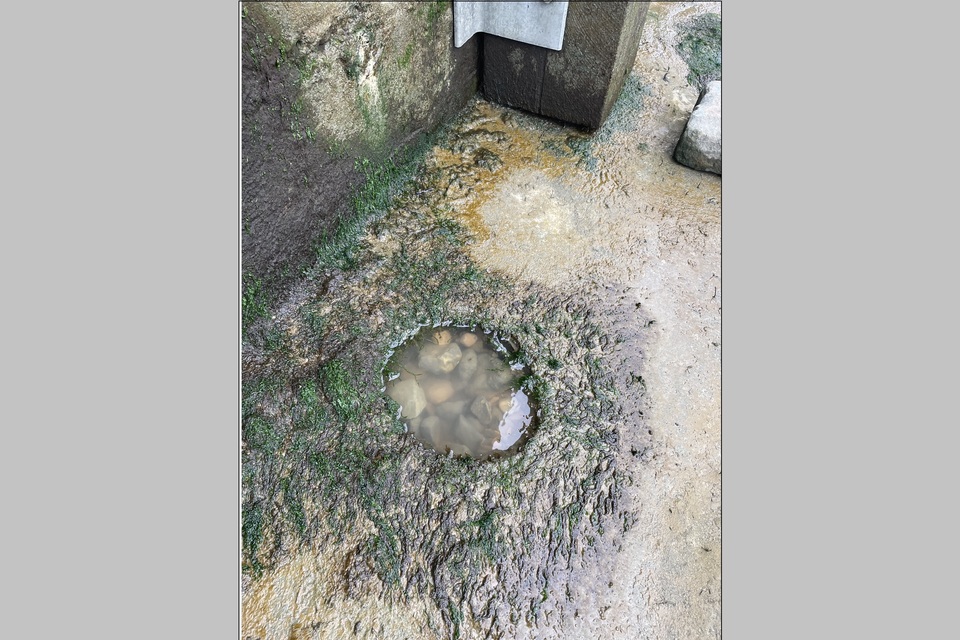
Image 10: A rock pool in the concrete bench. Image courtesy of the Environment Agency.
Additionally, we installed over 20 full-height size fender posts along the frontage to provide extra habitat for marine organisms. This is shown in image 11. Among them was an Accoya® fender, a Cradle to Cradle (C2C) certified product. These fenders were sourced through secondary hardwood timber markets, embracing a circular economy approach.

Image 11: The fenders and bench at Duke Shore Wharf. Image courtesy of the Environment Agency.
6.8.5 Thames Barrier fire systems
Submersible cameras were used to carry out an inspection of the internal conditions of the water tanks. This prevented the need to drain the water tanks for an operator to check the tank internally.
All waste generated from this project was recycled and the details recorded in the site waste management plan.
6.9 Stakeholder engagement
The primary objective of the stakeholder engagement team was to develop and maintain strong relationships with stakeholders by using:
- clear communication
- early engagement
- collaboration
In addition, the team had an important role in supporting the Environment Agency in its communications with:
- government
- politicians
- the media
Stakeholder engagement helped to mitigate potential issues and enhance the reputation of the TEAM2100 programme.
Programme-wide stakeholder engagement included representatives from TEAM2100 visiting school events. For example at the ‘London Schools’ Climate Kick-Start’ event, TEAM2100 representatives educated students about:
- climate change
- wildlife loss
- air pollution
6.10 Examples of stakeholder engagement in completed projects
6.10.1 Canvey Island southern shoreline revetment project
As the construction of the revetment was very close to residential areas and businesses, it was essential to communicate regularly with individual business and residents personally.
The approach included:
- monthly newsletters
- one-to-one meetings
- weekly opportunities to speak directly with the engagement team
- responding to dedicated public telephone line and public email enquiries
- twice yearly public information drop-in events
- ad-hoc pop-up engagement events, representing the project at community events
- arranging presentations to local groups, shown in image 12
- organising the delivery of historical project artefacts to community groups for display and preservation and involving local schools to design posters for site hoarding
This helped us to mitigate the risks of working in proximity so that any:
- issues were handled early
- impact on the project’s timeline with early resolutions

Image 12: TEAM2100 engagement events at Canvey Island. Image courtesy of the Environment Agency.
6.10.2 46 Nine Elms project
During the 46 Nine Elms Project, the project team:
- responded to several queries from stakeholders and arranged engagement sessions with stakeholders to update them on the progress of the project
- engaged with the community engagement regarding the landscaping elements of the project - local schools/volunteering groups involved in the planting or placing name tags on additional trees to add a personal touch
- collaborated with the community which helped design information boards to promote learning about biodiversity
6.10.3 Deptford Wall project
On the Deptford Walls project, the project team oversaw the development and installation of two historical information boards. The boards allow passers-by to catch up on all things past at Billingsgate Dock and Greenwich Steam Ferry. They also carry information about work to help protect the local area from flooding, while also enhancing environmental habitats.
6.10.4 Tilbury Fort project
We engaged with nearby stakeholders, including English Heritage at Tilbury Fort, before and during the site works. A factsheet for the works was produced and distributed to stakeholders.
6.11 Efficiency
The TEAM2100 programme identified efficient ways of working, recorded them, and allocated a cost-saving estimate for each. The efficiencies contributed to the Environment Agency’s national targets.
The next section gives examples of efficiency in projects we have completed.
6.11.1 Thames Barrier principal gate inspections project
During the principal gate inspections, several efficiencies were captured including:
- access improvement - instead of costly modifications, the team found a cheaper way to improve access to the gate
- combining individual project tasks together - access bridge and ladder inspections were combined and undertaken together, to save time and money
- optimised working - the gate cleaning, inspection, and repair process was made more efficient by focusing on smaller areas and using quick-install cathodic protection instead of slow recoating, reducing the inspection time greatly
6.11.2 Shifter track projects
TEAM2100 carried out replacement works to the worn shifter tracks on the 61 metre Thames Barrier gates. This improved the reliability of the latching mechanism with the use of higher specification track materials. Efficiencies were built from the application of learning from works on previous gates, including:
- quality plan - this was strictly followed to ensure excellent quality records
- issue investigation - quality records helped eliminate work standards as a cause
- priming exposed metal/welds - priming was carried out immediately after completion, ideally within the same shift, to prevent corrosion
- completing alternative works to avoid standdown minimised corrosion risk
6.11.3 Asset management plan (AMP) development:
In line with the Institute of Asset Management ISO 55001, asset management plans were developed and made the following efficiencies:
- they were developed to be adaptable – making them easily to update with new information, technology, policy, or environmental changes
- contained comprehensive records – utilised document asset history, current status, and future plans for better decision-making
- featured a dashboard – which supported decision-making, unique to the Environment Agency
- overall improved flood defence and water management - to support better management
7. What next
The Environment Agency will continue to work with stakeholders to manage the tidal flood risk in the Thames Estuary. Asset interventions will continue in line with the flood risk management policies within the TE2100 plan. We are working towards raising the flood defence and a decision on end of century option in the next 15 years major programme. These activities will reduce the risk of flooding to people, properties and infrastructure in the Thames Estuary.
8. Contact us
You can email thamesestuary2100@environment-agency.gov.uk for more information on the project.