Police and crime commissioner review public survey 2020
Updated 18 December 2025
Applies to England and Wales

© Crown copyright 2025
This publication is licensed under the terms of the Open Government Licence v3.0 except where otherwise stated. To view this licence, visit nationalarchives.gov.uk/doc/open-government-licence/version/3 or write to the Information Policy Team, The National Archives, Kew, London TW9 4DU, or email: psi@nationalarchives.gov.uk.
Where we have identified any third party copyright information you will need to obtain permission from the copyright holders concerned.
This publication is available at https://www.gov.uk/government/publications/police-and-crime-commissioner-review-public-survey-2020/police-and-crime-commissioner-review-public-survey-2020
1. Introduction
This pack presents findings of a survey of the public covering attitudes to Police and Crime Commissioners (PCCs) and local police governance.
-
the survey was conducted for part one of the Home Office’s review into PCCs
-
fieldwork was conducted in August to September 2020
-
BMG Research conducted the research on behalf of the Home Office
-
figures shown on charts represent percentages in decimal form
2. Key findings
Interest
- the public are more interested in wider policing issues than the Police (Fire) and Crime Commissioners (P(F)CCs) or mayors’ role in policing more specifically
Awareness
-
in their respective areas, a majority of the public claim to either be aware of P(F)CCs, or aware that the mayor is responsible for crime and policing and holds the function of a PCC
-
those in mayoral areas significantly more likely to be able to name their mayor compared to those in P(F)CC areas naming their P(F)CC
Elections
-
only a third of the public knew that P(F)CCs were elected by the public
-
those in mayoral areas significantly more likely to have voted for their mayor compared to those in P(F)CC areas voting for their P(F)CC
-
most common reason for not voting in both areas was not being aware there was an election
Role
-
when asked about the role of P(F)CCs and mayors, the majority correctly identified their role in speaking to local people on policing and crime, deciding what police should focus on, and hiring and firing chief constables
-
other elements of their role were less well known
Interaction
-
those in mayoral areas significantly more likely to report having had direct contact with their mayor compared to those in P(F)CC areas with their P(F)CC
-
only a small proportion of people had direct contact with their P(F)CC
-
email was the most preferred method of communication in both areas
Transparency and accessibility
-
the majority would like to know more information about the work of their P(F)CC or mayor
-
the majority were not aware of P(F)CCs or mayors keeping in touch with the public, although a higher proportion were in mayoral areas
-
the most common answer to write a concern or complaint about the police in both areas was to write to an MP, not to contact the P(F)CC or mayor
Performance
-
those aware of P(F)CCs or mayors in their respective areas were more likely to be satisfied than dissatisfied that they are addressing policing crime priorities in their area
-
however, in P(F)CC areas more than half were neutral or didn’t know, reflecting the difficulty for many in being able to make a judgement on this
Fire and Rescue
- the majority of those in England and P(F)CC areas did not know about the option to take on oversight for Fire and Rescue, nor could they name members of their Fire and Rescue authority
3. Interest in local policing
The majority of the public are interested in local policing issues in their area and how well their local police force is performing.
Over 80% of the public from both P(F)CC areas and mayoral areas were interested in both:
-
finding out about policing issues in their local area
-
how well their local police force is performing
Those in mayoral areas were slightly more likely to be very interested.
In P(F)CC areas, on both questions levels of interest were highest amongst:
-
older respondents aged 55 and over (85% and 89% respectively)
-
those from higher social grade AB (90% and 91% respectively)
The same was true in mayoral areas on social grade AB (89% and 89% respectively) but not on age, where interest was more mixed. It was highest amongst:
-
those aged 25 to 34 (87% and 87% respectively)
-
those aged 65 and over (93% and 94% respecitvely)
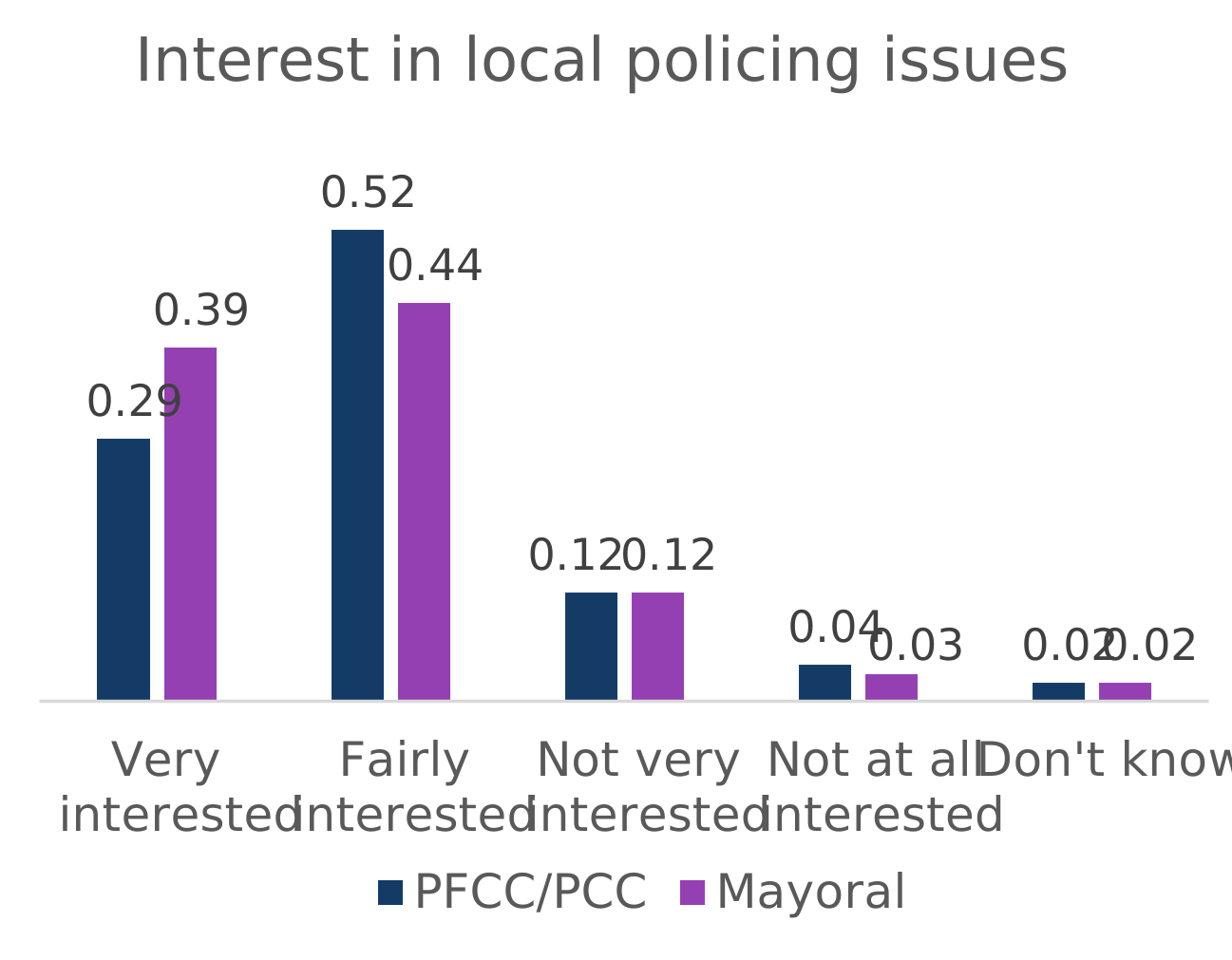
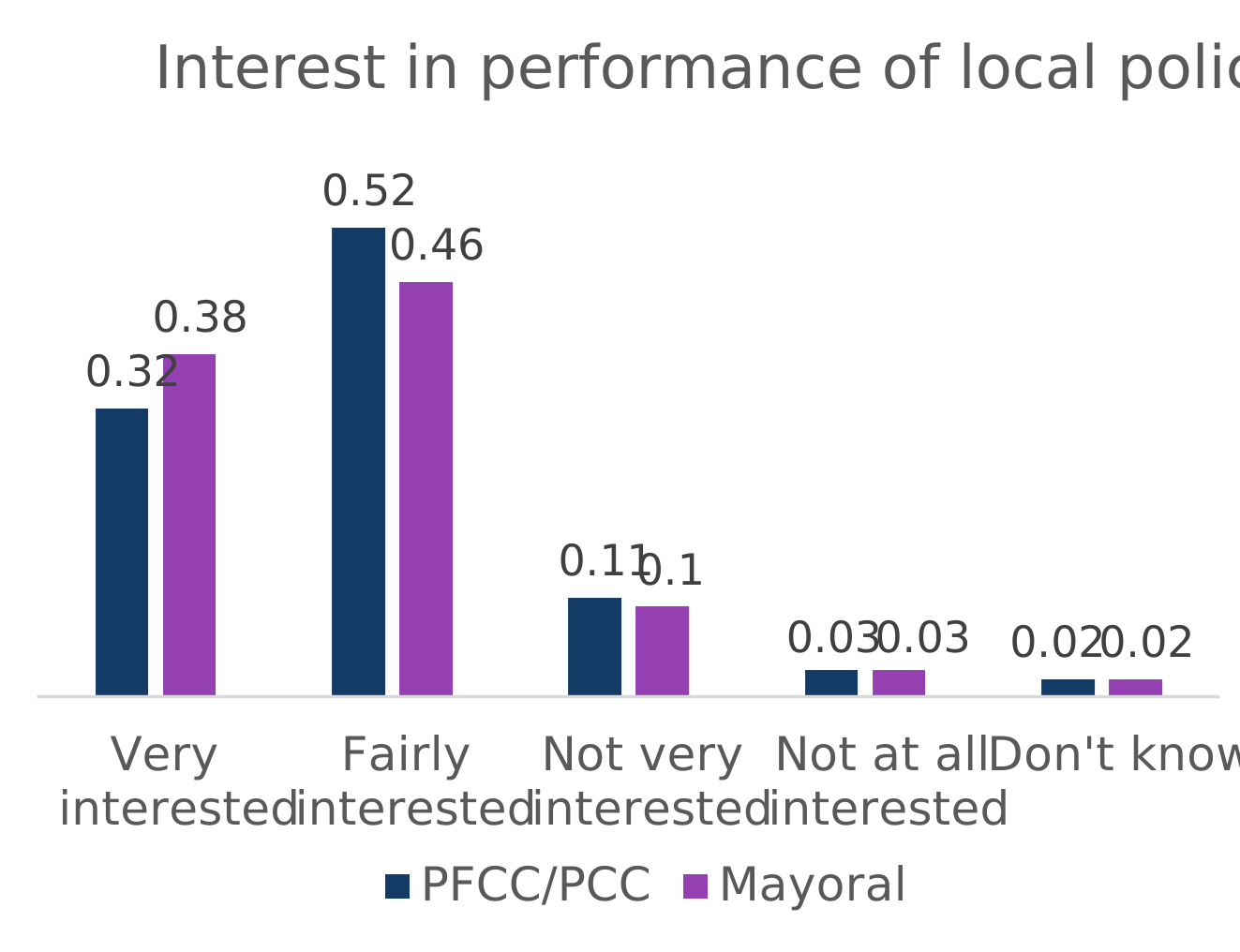
Question 1: How interested, if at all, are you in finding out about policing issues in your local area? Base: All respondents (3,432)
Question 2: How interested, if at all, are you in knowing more about how well your local police force is performing? Base: All respondents (3,432)
4. Public awareness of P(F)CCs and mayors
In their respective areas, a majority of the public claim to either be aware of P(F)CCs, or aware that the mayor is responsible for crime and policing and holds the function of a PCC.
-
nearly two-thirds (65%) of the public in P(F)CC areas claimed they were aware of P(F)CCs; this figure is in line with other recent estimates from the Crime Survey for England and Wales
-
60% of the public in mayoral areas claimed they were aware that the mayor is responsible for crime and policing and holds the functions of a PCC
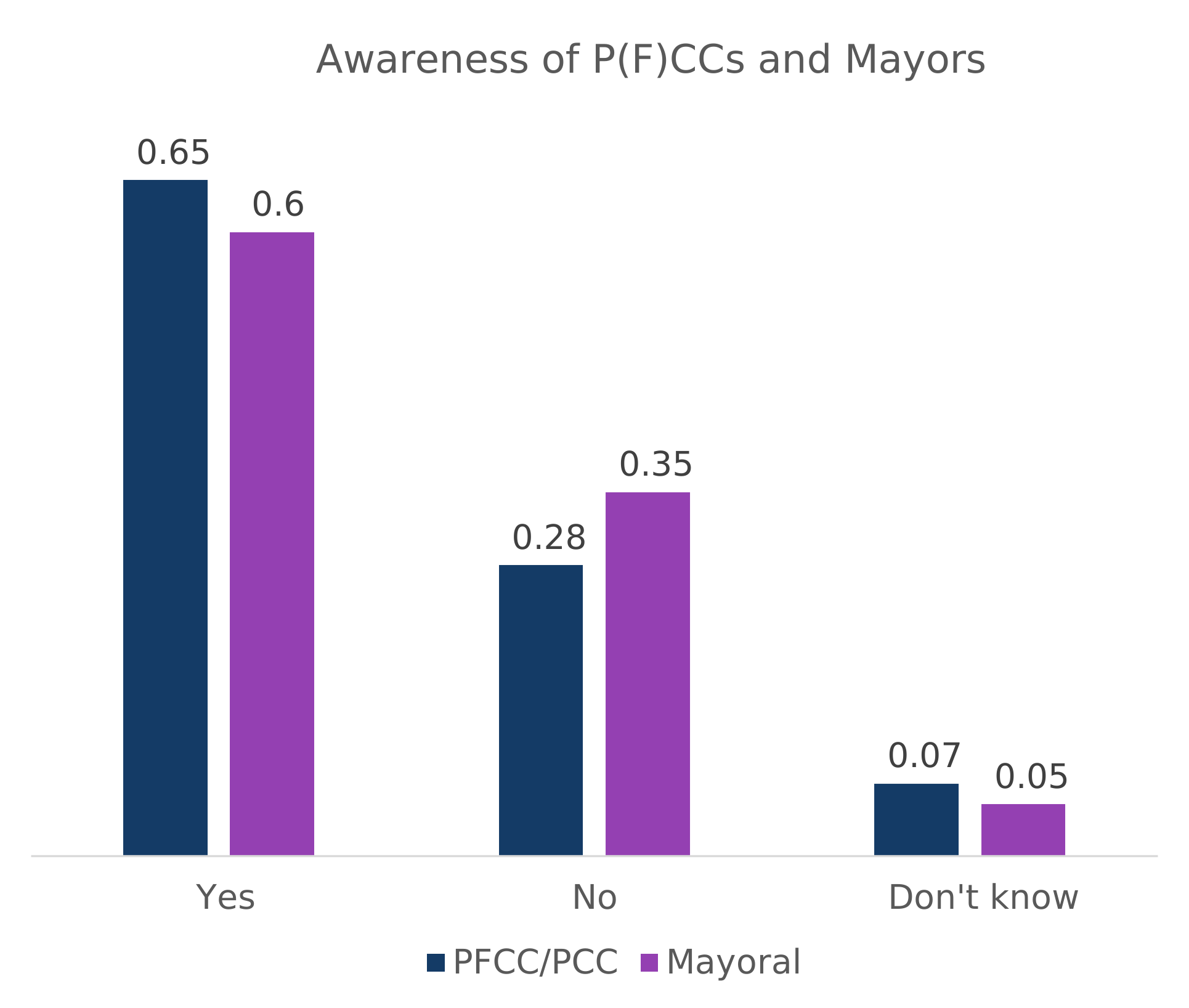
Question 3: PCCs were first introduced in 2012. Before this interview were you aware of Police and Crime Commissioners or that the mayor was responsible for crime and policing? Base: All respondents (3,432)
Males, older age groups, people from White ethnic groups and those in higher social grades are more likely to claim to be aware of P(F)CCs and mayors’ role.
In both P(F)CC and mayoral areas:
-
males claimed to be more aware of P(F)CCs and mayors’ role than females
-
older age groups claimed to be more aware than younger age groups and this goes up steadily amongst age groups in P(F)CC areas, whereas in mayoral areas, the 65 and over age category claim significantly higher awareness than all other age groups
-
White ethnic groups claimed to be more aware than people from ethnic minority backgrounds
-
those in higher social grades claim to be more aware than lower social grade groups
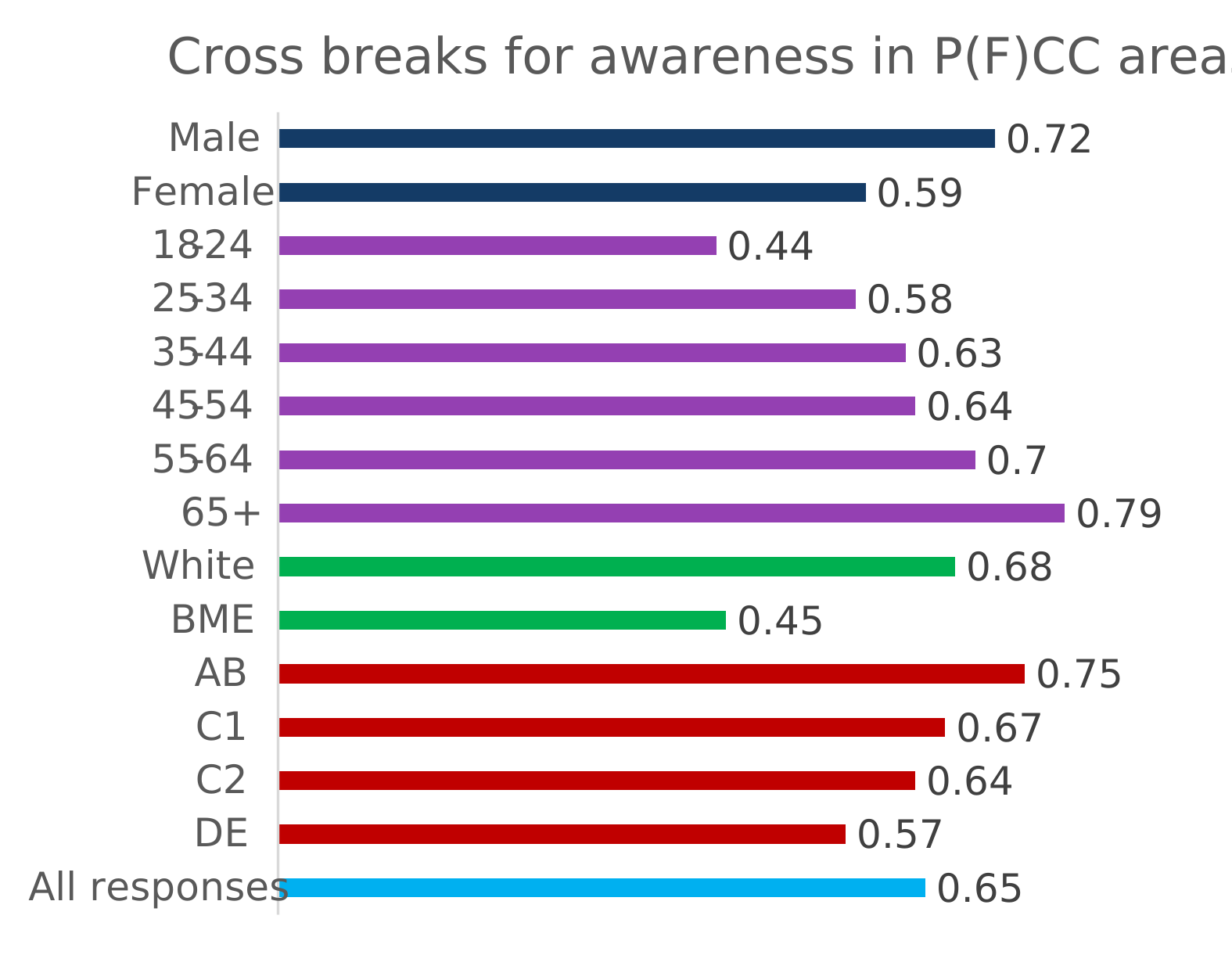
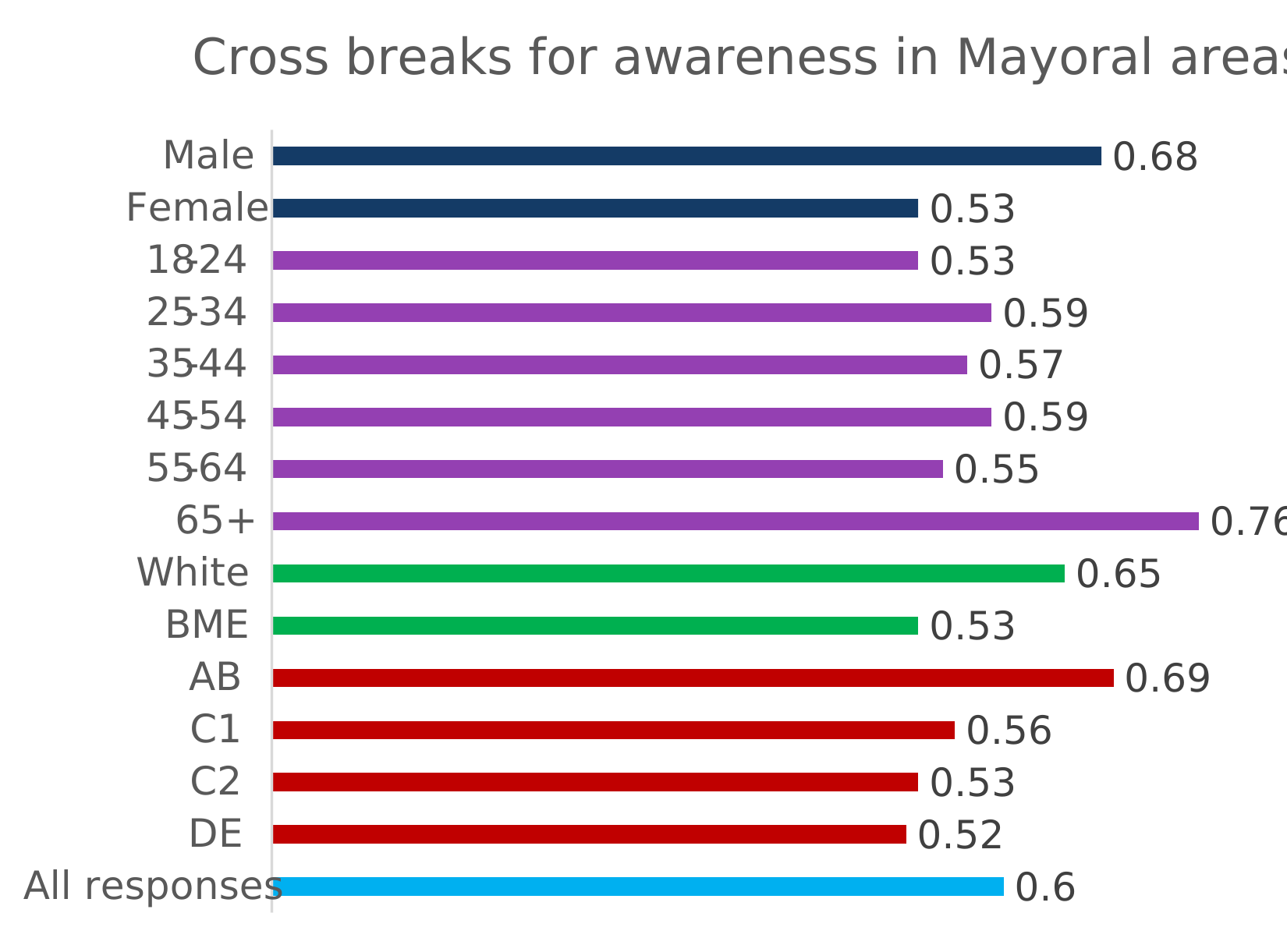
Question 3: PCCs were first introduced in 2012. Before this interview were you aware of Police and Crime Commissioners or that the mayor was responsible for crime and policing? Base: All respondents (3,432)
The public in mayoral areas are significantly more likely to claim they can name their mayor than those in P(F)CC areas are to be able to name their P(F)CC.
- just over two-thirds (68%) of the public in mayoral areas claim they can name their mayor, compared to 16% of respondents in P(F)CC areas who claim they can name their P(F)CC
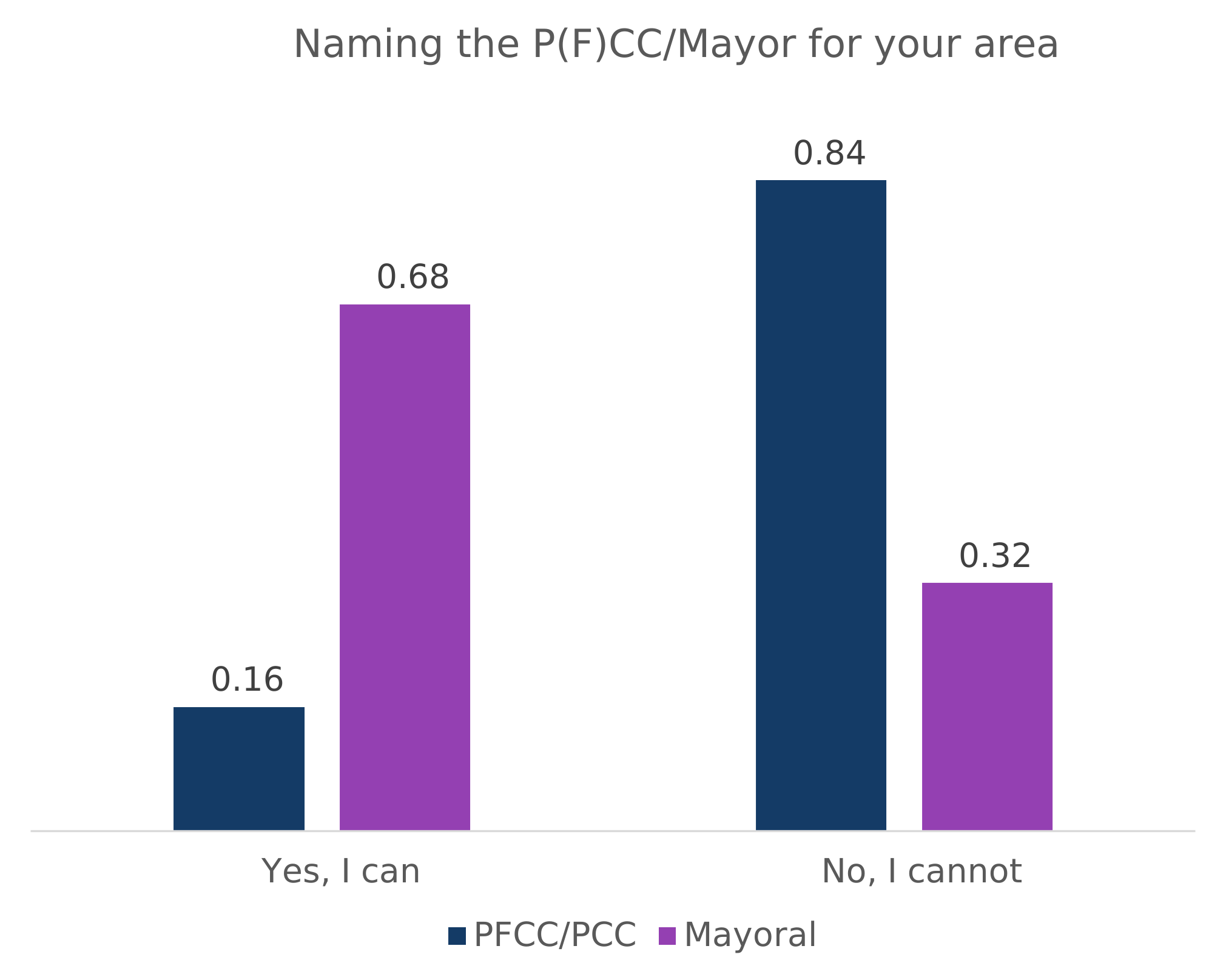
Question 4: Can you name the PCC or mayor for your area? Base: All respondents (3,432)
Males, higher social grades and those who are aware of P(F)CCs or mayors more likely to claim they can name their P(F)CC or mayor. White and older people also more likely to claim they can name their mayor.
In P(F)CC and mayoral areas:
-
males more likely to claim they can name their P(F)CC or mayor than females
-
higher social grade more likely to claim they can name their P(F)CC or mayor compared to lower social grades
-
those who claim they are aware of P(F)CC or mayors more likely to claim they can name their P(F)CC or mayor
In P(F)CC areas:
-
no significant differences between age groups
-
no significant difference in ethnicity
In mayoral areas:
-
White ethnic groups more likely to claim they can name their mayor more than people from ethnic minority backgrounds
-
those aged 65 and over more likely to claim they can name their mayor than younger age groups
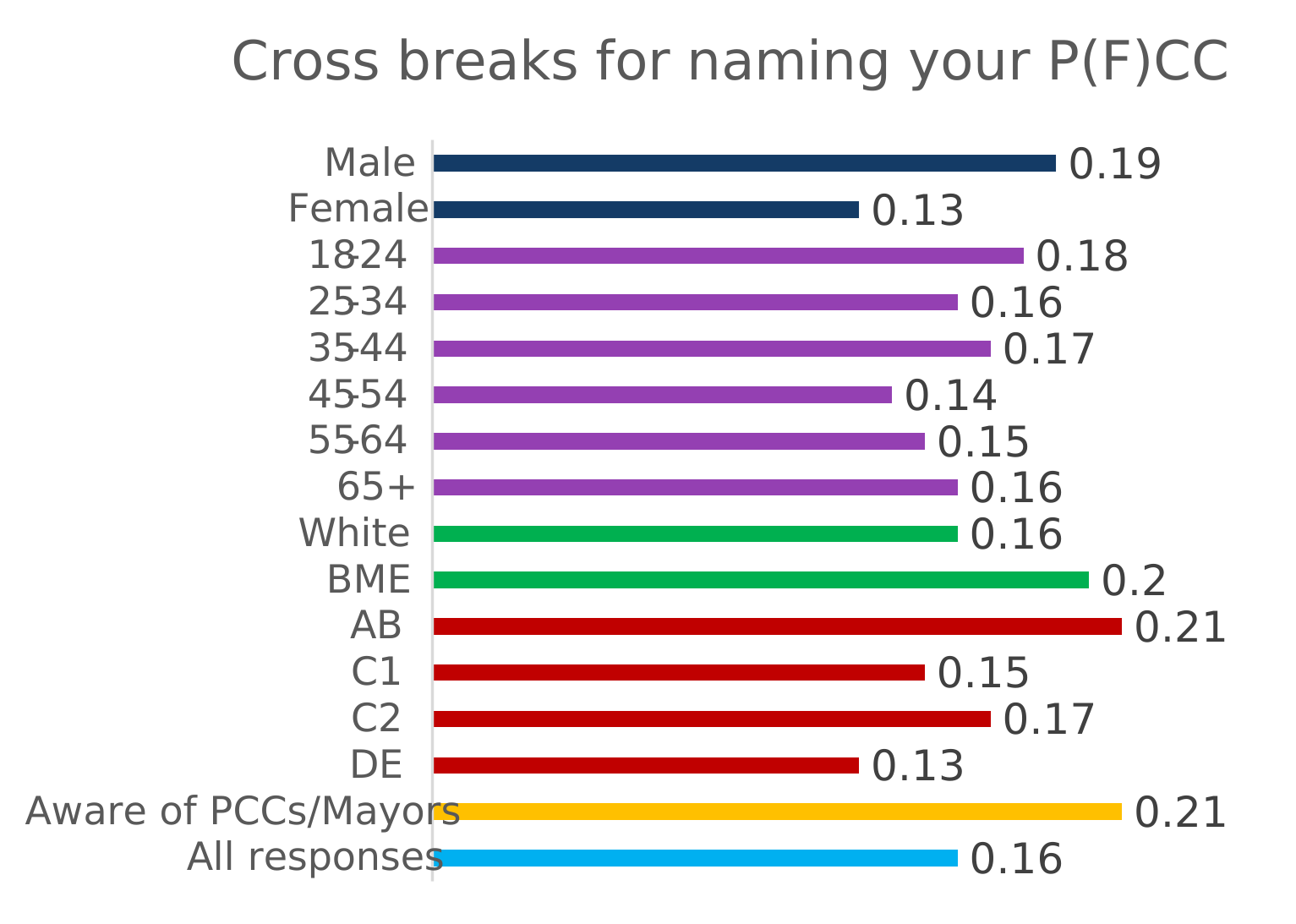
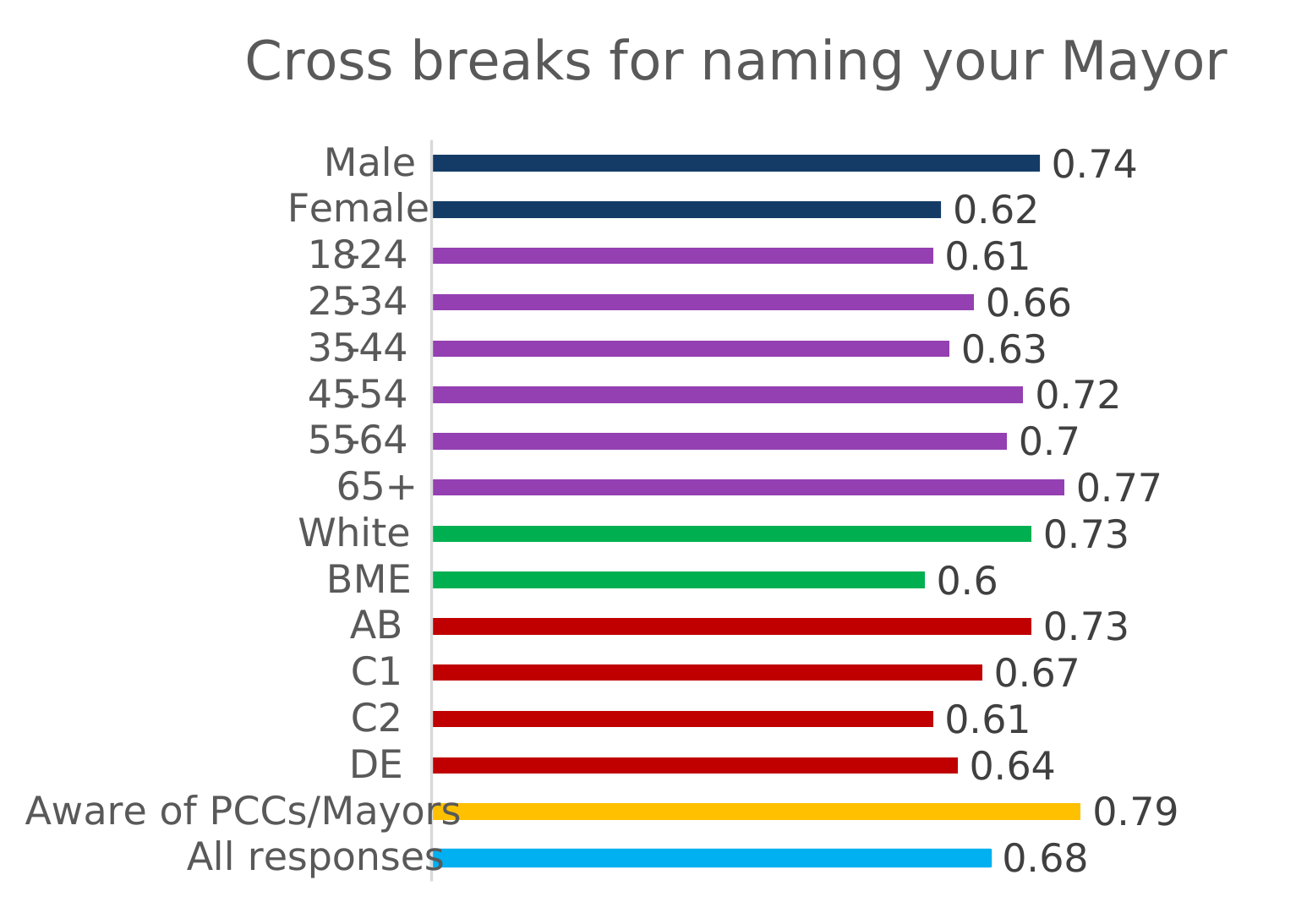
Question 4: Can you name the PCC or mayor for your area? Base: All respondents (3,432)
5. Public interest in P(F)CCs and mayors
The majority of the public are interested in P(F)CCs or mayors and their role in relation to policing.
Respondents showed high levels of interest in P(F)CCs and mayors’ roles in relation to policing. Just over three-quarters (76%) of the public in mayoral areas expressed that they were either ‘very interested’ or ‘fairly interested’ in their mayors role in relation to policing. This compares to 67% in P(F)CC areas who stated that they were either ‘very interested’ or ‘fairly interested’ in their P(F)CCs role in relation to policing. This difference is significant.
The results from this question are lower than for questions 1 and 2 (interest in local policing) which demonstrates that this interest in policing matters doesn’t fully translate to the P(F)CC/Mayor role.
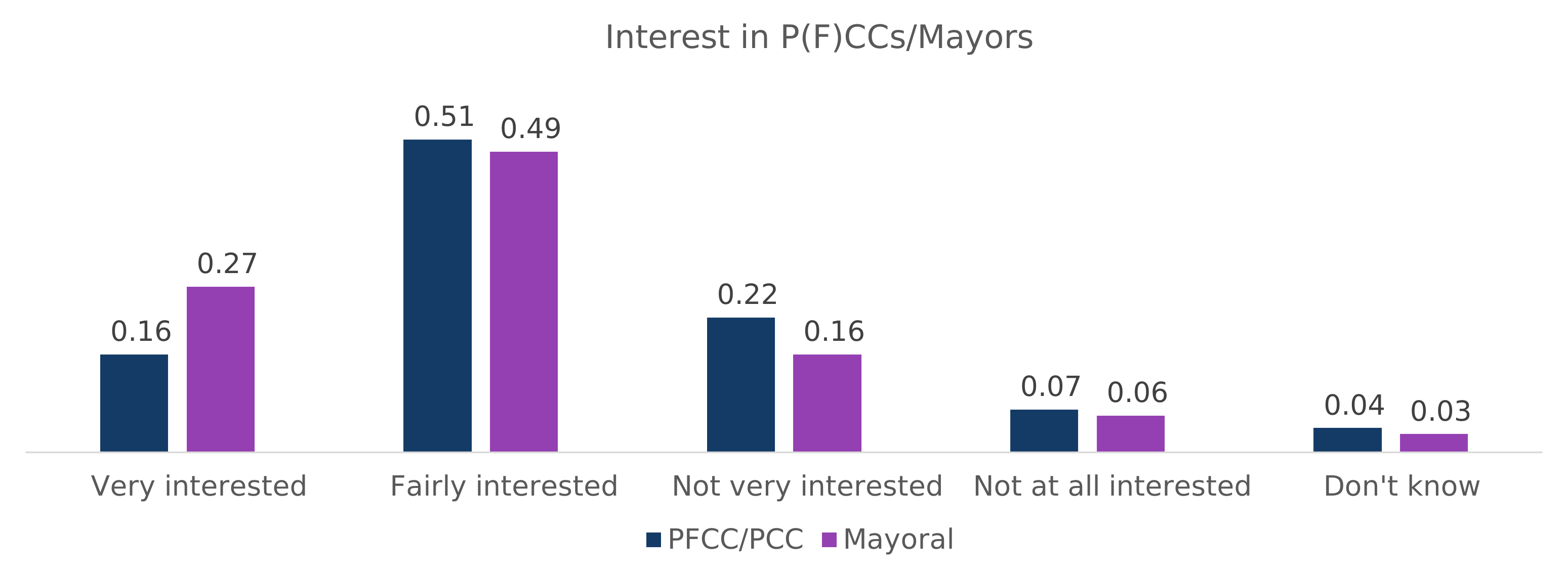
Question 5: How interested, if at all, are you in PCCs or mayors’ role in relation to policing? Base: All respondents (3,432)
Older age groups, higher social grades and those who claim they are aware of P(F)CCs or mayors are more likely to be interested in P(F)CCs or mayors.
In P(F)CC and mayoral areas:
-
no significant difference for gender
-
older age groups more likely to be interested in P(F)CCs or mayors and their role compared than younger age groups, particularly 65 and over age group in mayoral areas
-
higher social grades more likely to be interested in P(F)CCs or mayors and their role compared to lower social grades
-
those who claim they are aware of P(F)CC or mayors are more likely to be interested in P(F)CCs or mayors and their role
In P(F)CC areas:
- no significant difference in ethnicity
In mayoral areas:
- White ethnic groups are more likely to be interested than people from ethnic minority backgrounds
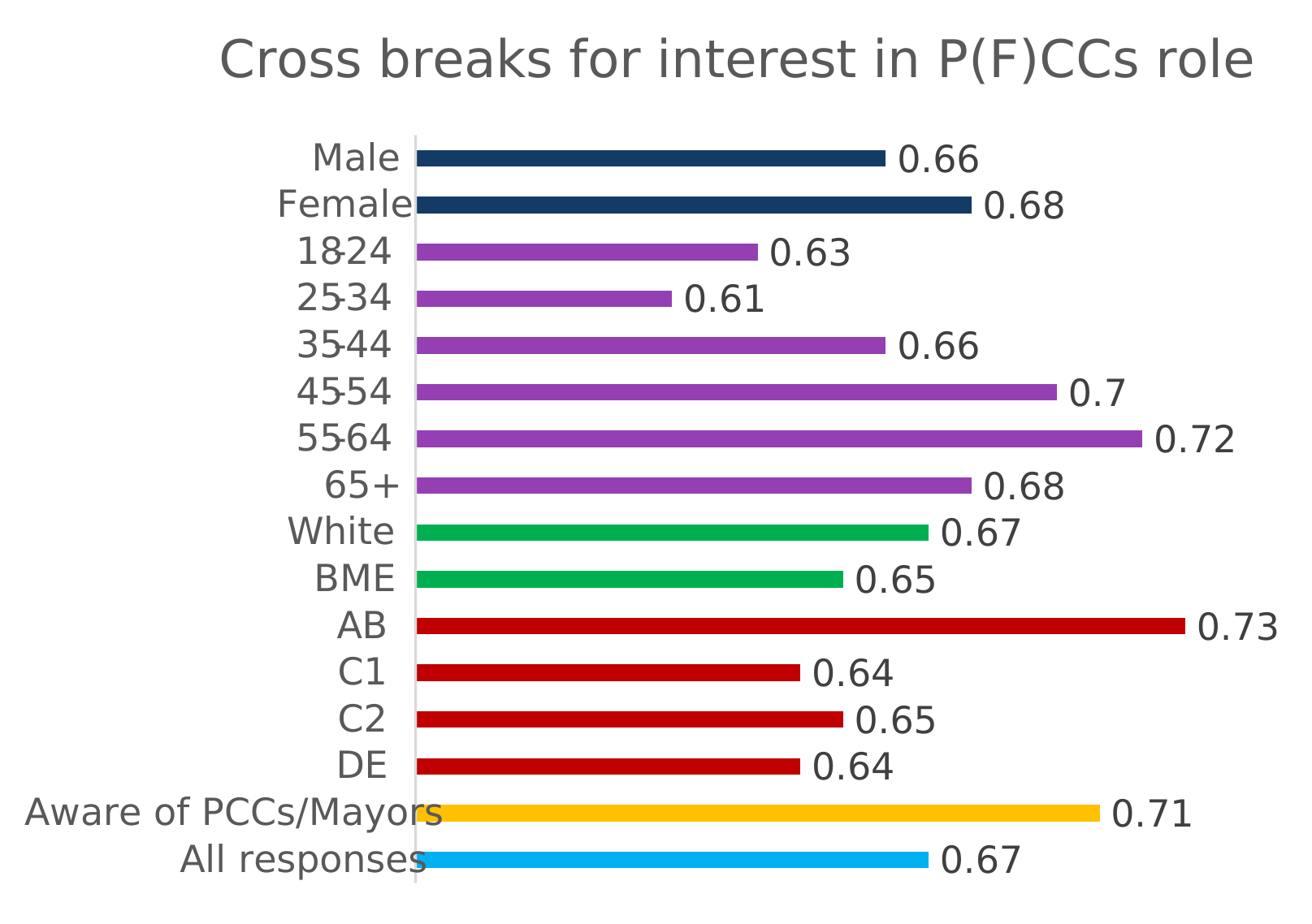
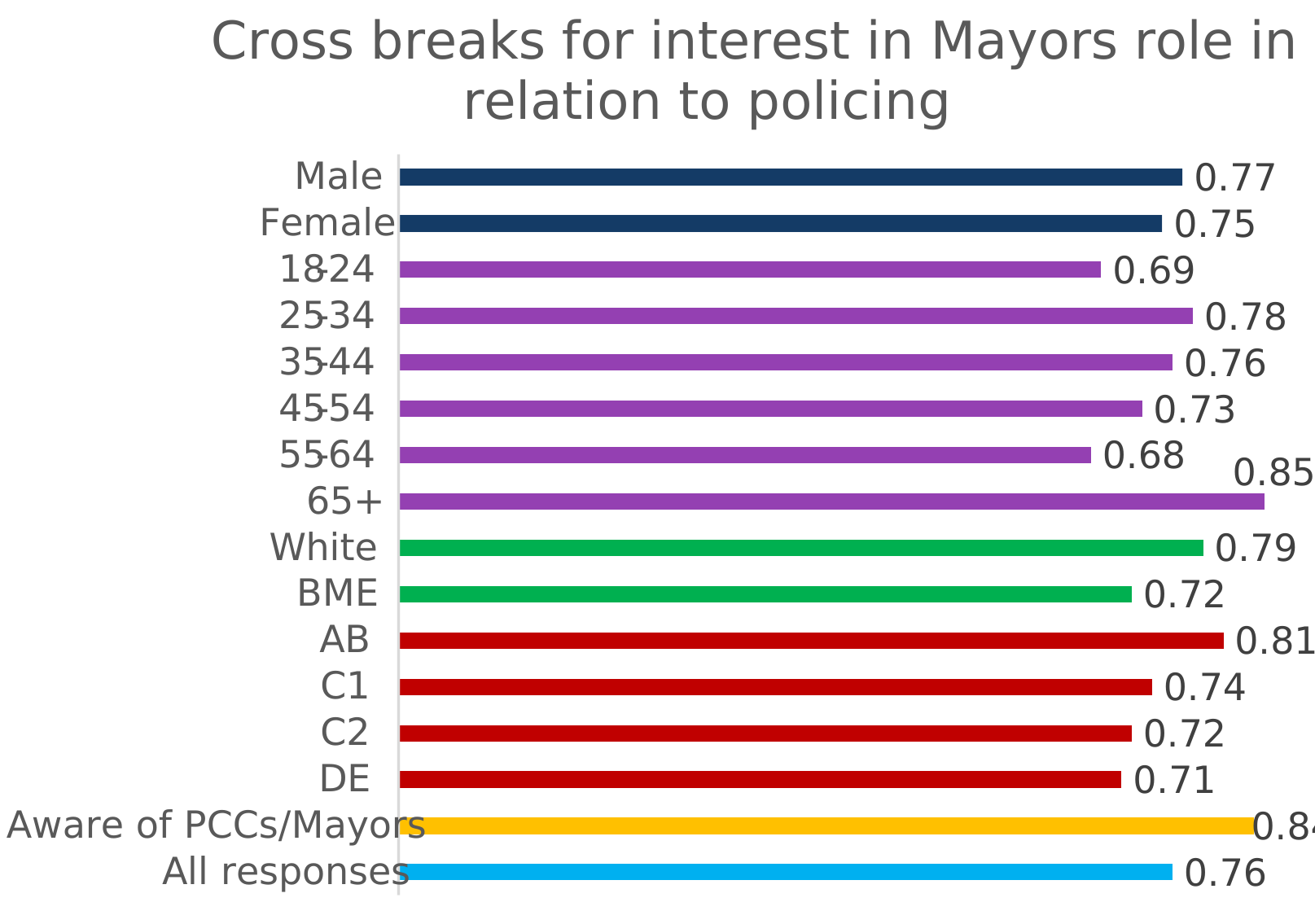
Question 5: How interested, if at all, are you in PCCs or mayors’ role in relation to policing? Base: All respondents (3,432)
6. Public awareness of P(F)CC and mayor elections
Only a third of the public in P(F)CC areas knew that P(F)CCs were elected by the public.
- just over a third of respondents (34%) in P(F)CC areas correctly answered that P(F)CCs are elected by the public
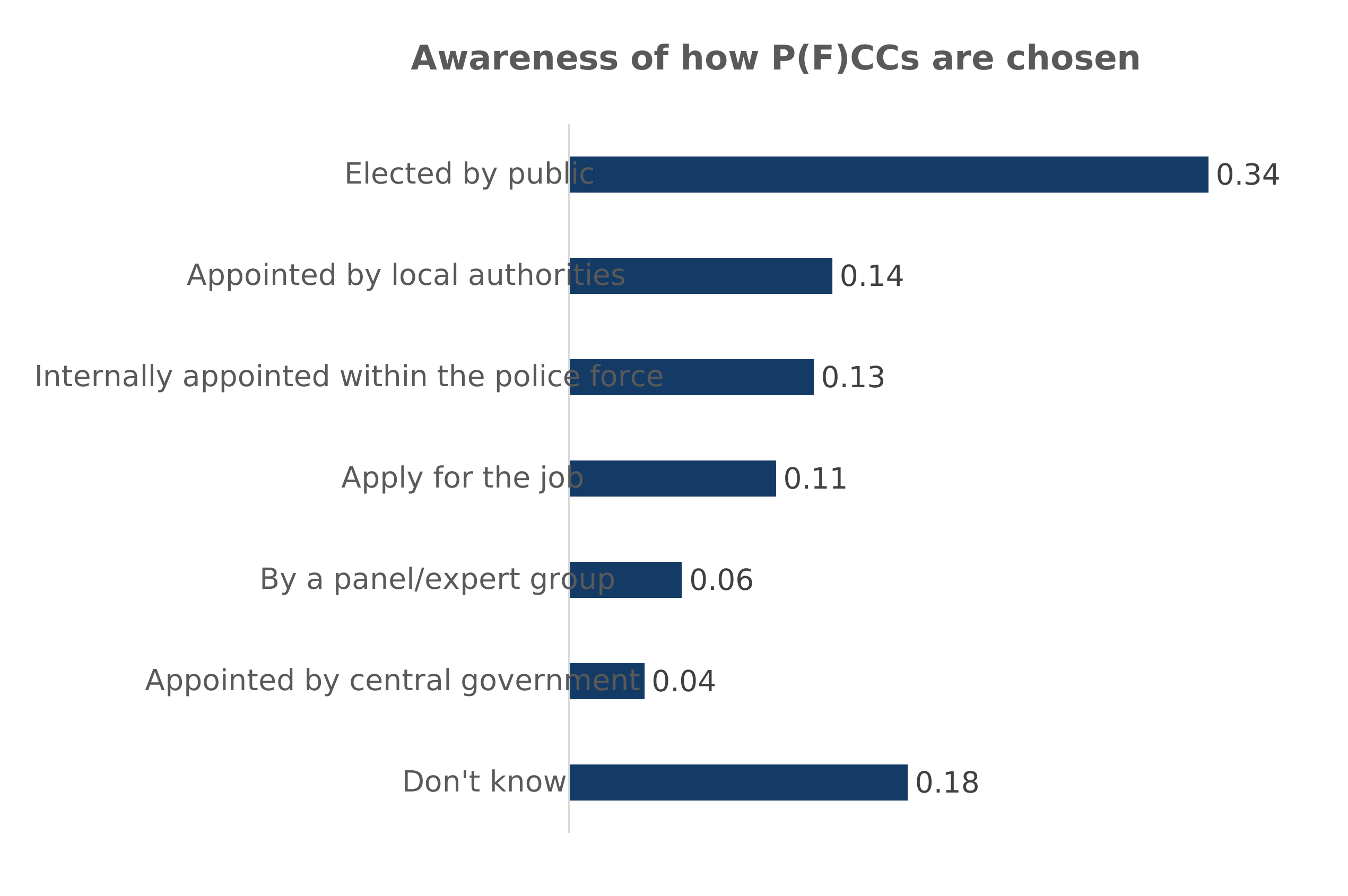
Question 6: How do you think that P(F)CCs are chosen? Base: Only asked to respondents in P(F)CC areas and those who are aware of P(F)CCs (1,642). This question was not asked to respondents in mayoral areas.
Males, older age groups and higher social grades are more likely to know that P(F)CCs are elected by the public.
-
males more likely to know that P(F)CCs are elected by the public
-
older age groups more likely to know that P(F)CCs are elected by the public
-
no significant difference for ethnicity
-
higher social grade groups more likely to know that P(F)CCs are elected by the public
-
no significant difference for those who stated that they are interested in P(F)CCs role
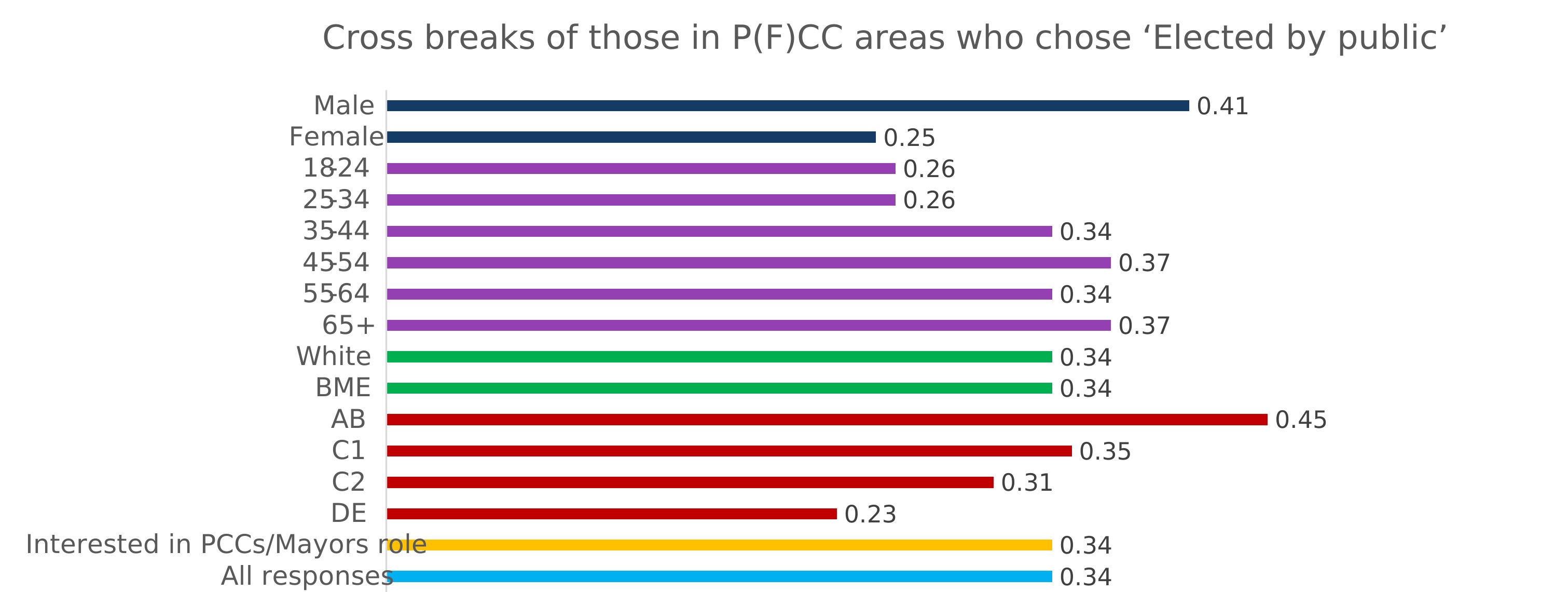
Question 6: How do you think that P(F)CCs are chosen? Base: Only asked to respondents in P(F)CC areas and those who are aware of P(F)CCs (1,642)
7. P(F)CC and mayoral elections
In their respective areas, the public are significantly more likely to recall voting in their most recent mayoral election than their P(F)CC election.
Approximately a quarter (24%) of those in P(F)CC areas voted in their last P(F)CC election. This is significantly different to nearly two-thirds (63%) of respondents in mayoral areas who stated that they voted in their last election.
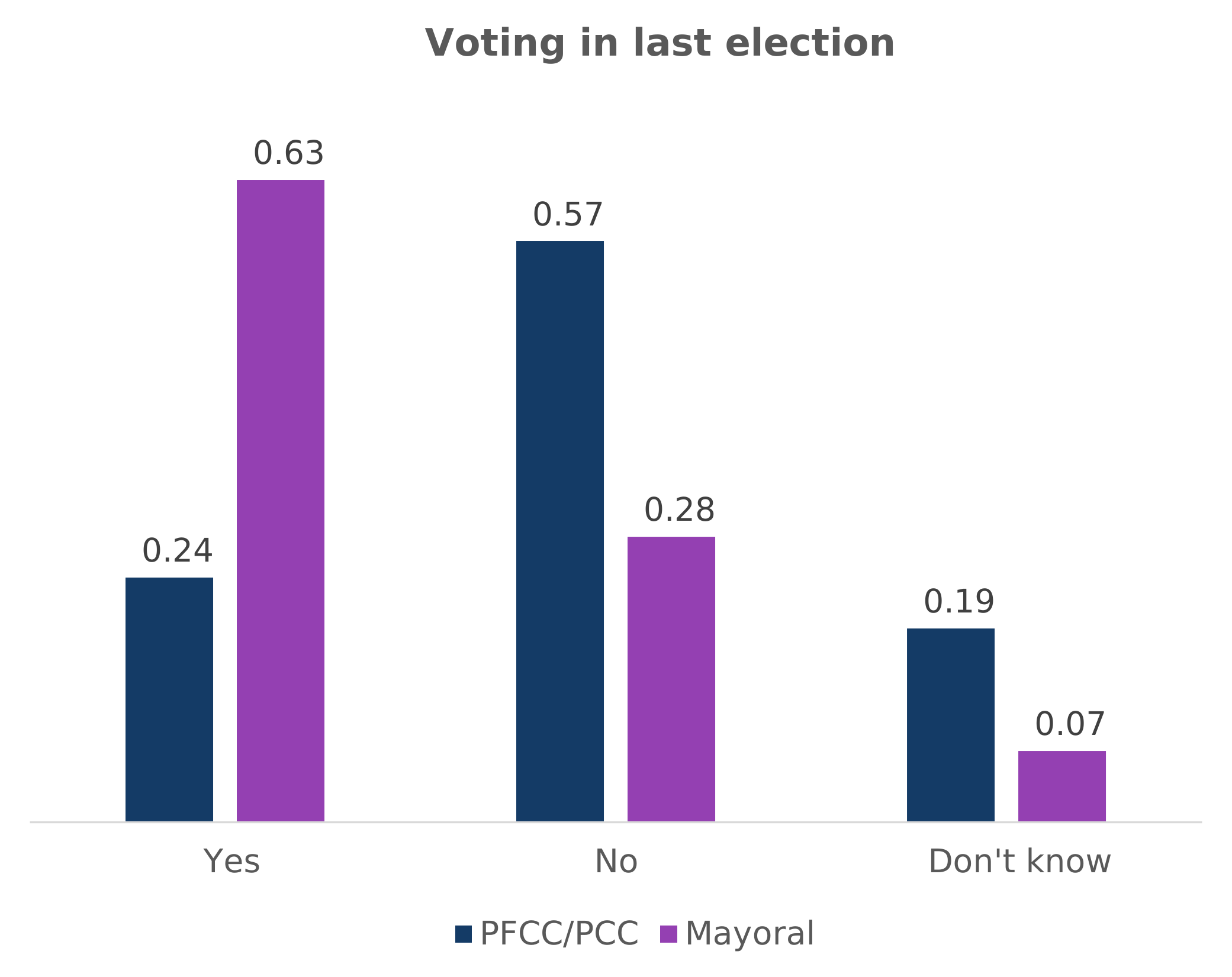
Question 7: PCCs and mayors are elected by the public. The last PCC and mayoral election took place in 2016 and 2017, did you vote in that election? Base: All respondents (3,432)
Older age groups, higher social grades, those who claim they are aware of P(F)CCs and mayors, and those interested in their role are more likely to recall voting.
In P(F)CC and mayoral areas:
-
older age groups more likely to have voted than younger age groups
-
higher social grades more likely to have voted
-
those who claim they are aware of P(F)CC and mayors and those who stated they were interested in P(F)CCs and mayors role were more likely to have voted
In P(F)CC areas:
-
males more likely to have voted than females
-
no significant differences for ethnicity
In mayoral areas:
-
no significant differences for gender
-
people from White ethnic groups more likely to have voted compared to people from ethnic minority backgrounds
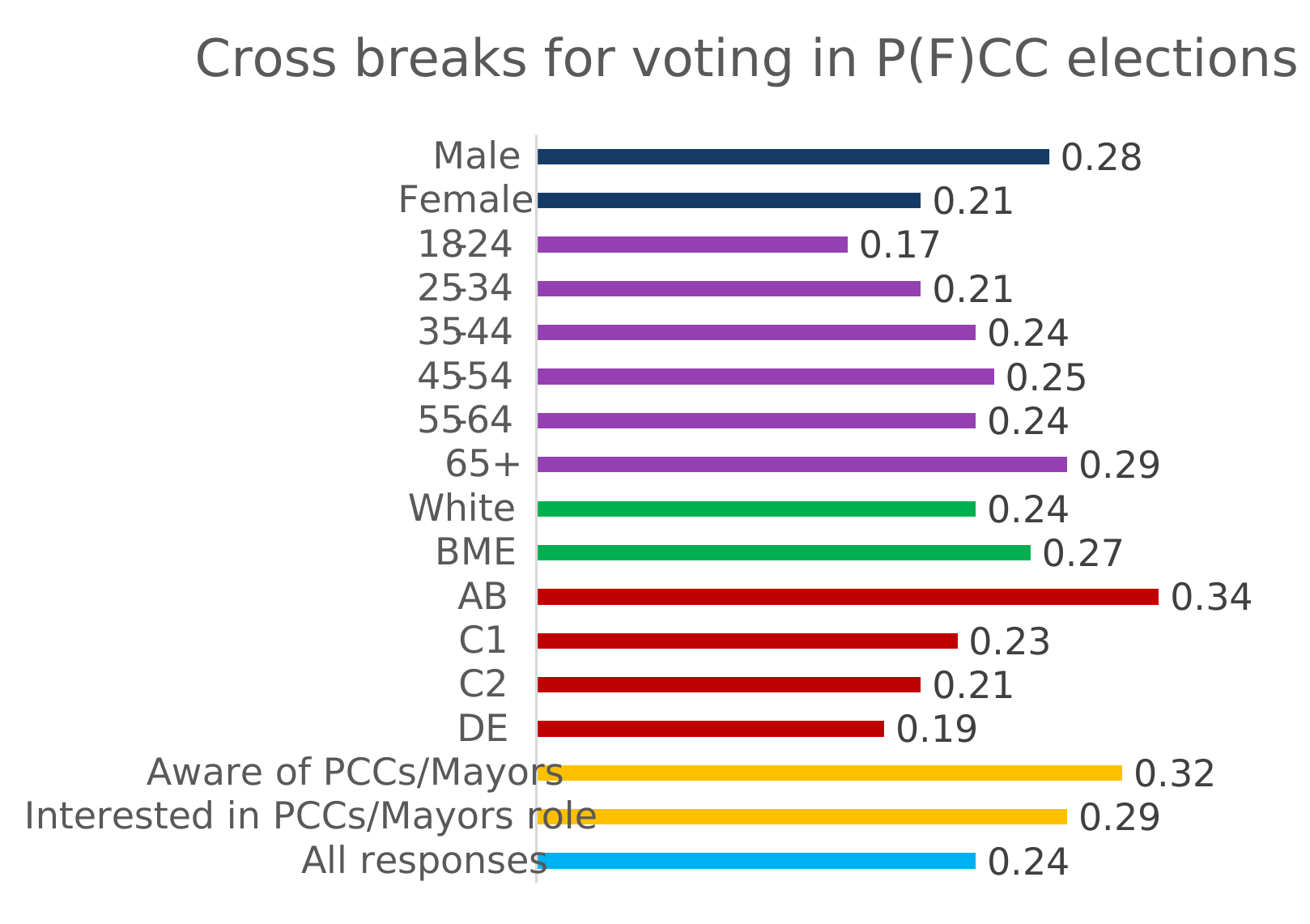
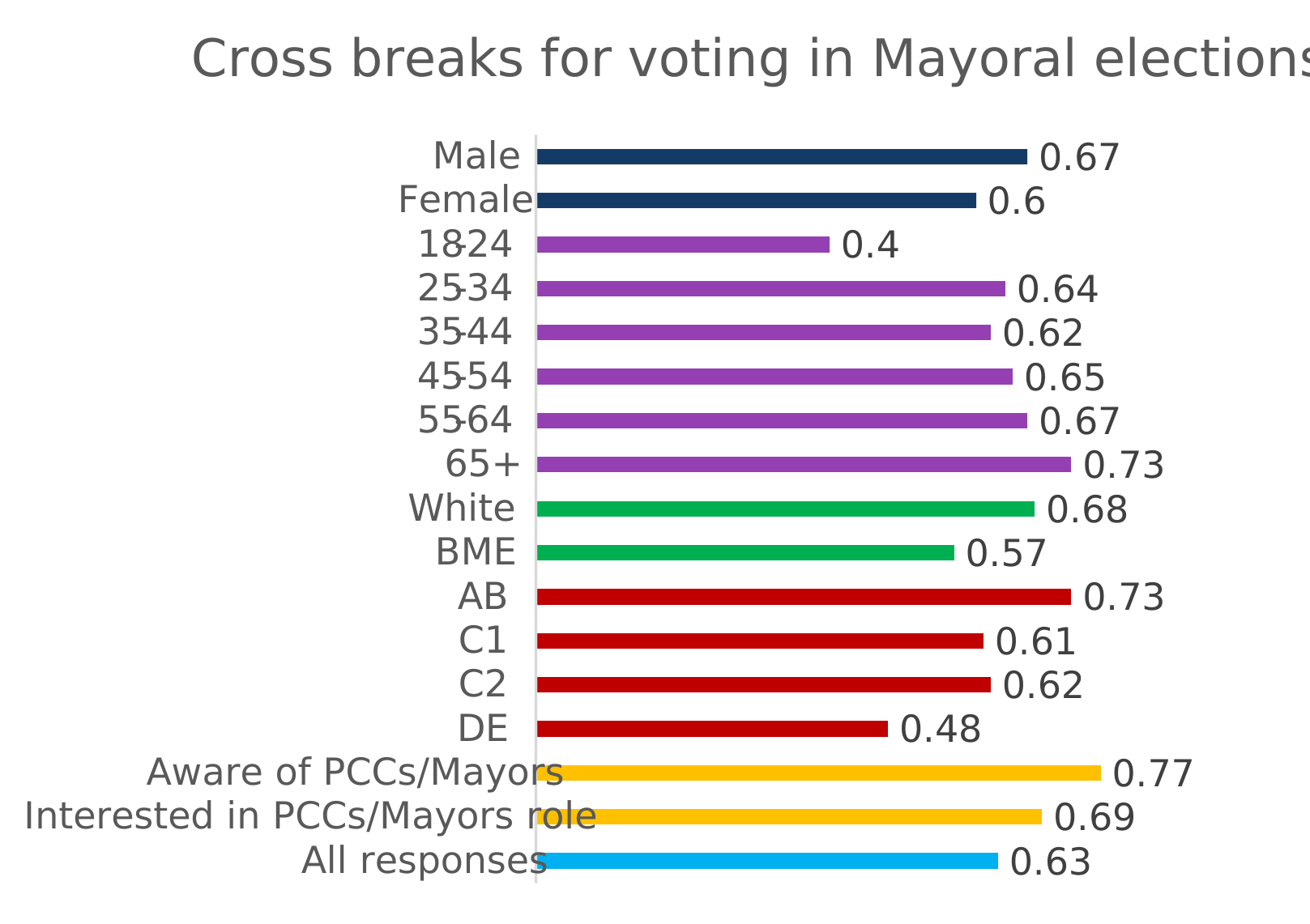
Question 7: PCCs and mayors are elected by the public. The last PCC and mayoral election took place in 2016 and 2017, did you vote in that election? Base: All respondents (3,432)
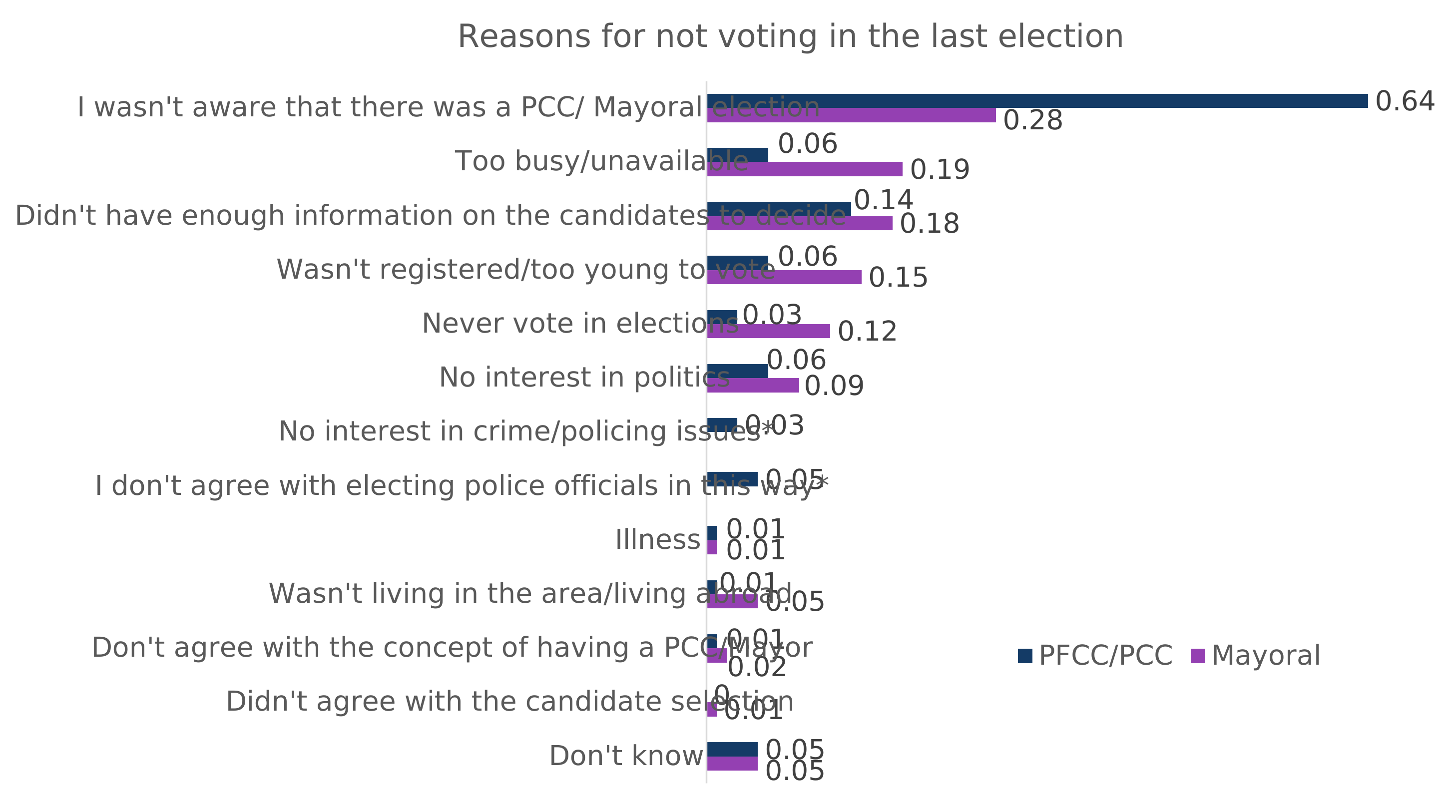
The most common reason for not voting in both areas was not being aware of the election taking place. This was significantly more common in P(F)CC areas though where nearly two-thirds of non-voters cited this reason.
- 64% of those who did not vote in P(F)CC elections weren’t aware there was an P(F)CC election, compared to 28% in mayoral areas
Notes:
- * Wasn’t asked to mayoral areas.
Question 8: Why didn’t you vote in that election? Base: respondents who stated they did not vote in last election (1,632)
8. Understanding the role of P(F)CCs and mayors
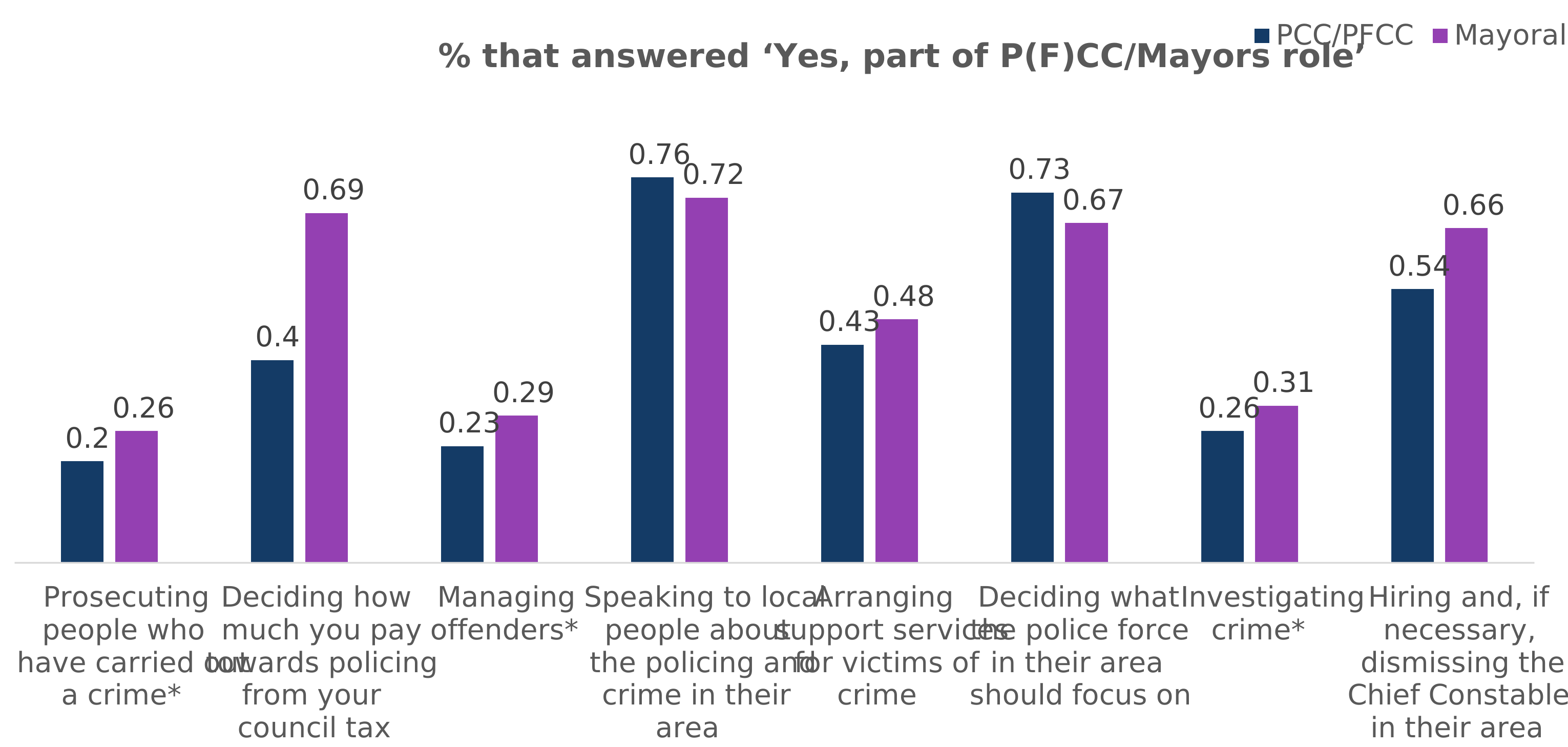
Of those aware of P(F)CCs and mayors, the majority correctly identified speaking to local people on policing and crime, deciding what police should focus on, hiring and firing chief constables, and council tax (mayoral only) as part of their role.
- the 3 incorrect answers were selected the least by those aware of P(F)CCs and mayors
Notes:
- * Refers to the incorrect statement.
Question 9: For each of the following statements, please state whether you think they are part of the role of PCCs or mayors’ policing responsibilities or not? Base: respondents aware of PCCs and mayors (2,229)
9. Interaction with P(F)CC and mayors
Of those aware of P(F)CCs and mayors, less than 1 in 10 reported having direct contact with their P(F)CC, compared to 1 in 4 in mayoral areas.
-
of those aware of P(F)CCs, less than 1 in 10 (8%) reported having direct contact with their P(F)CC
-
just over a quarter (26%) reported this in mayoral areas for contact with their mayor or deputy mayor
-
younger people in both areas were more likely to report having had contact
-
it is important to note that ‘direct contact’ was not defined when this question was asked, so may be interpreted in different ways
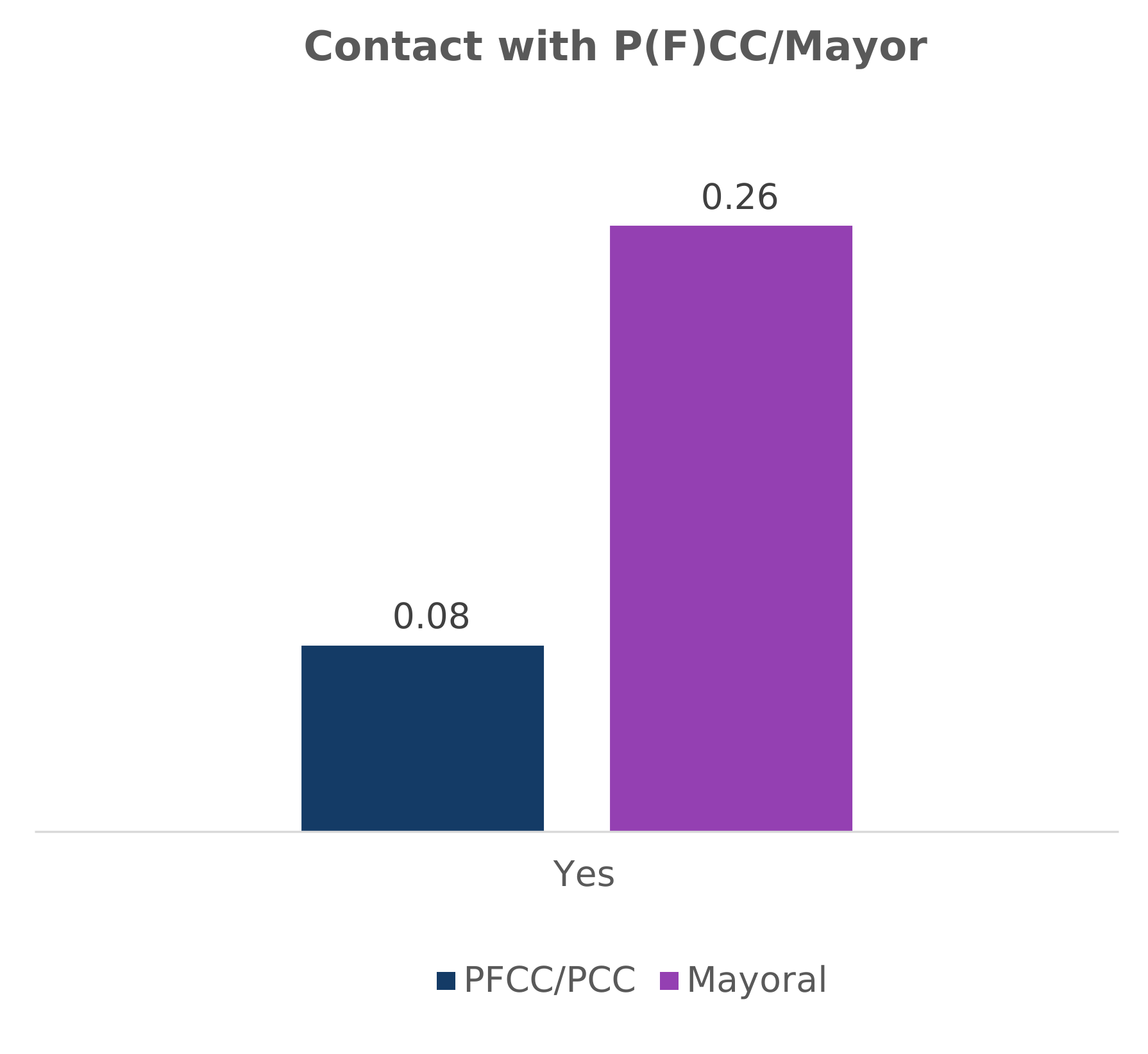
Question 10: Have you had any direct contact with the PCC in your local area or your mayor or Deputy Mayor for Policing and Crime in relation to policing issues? Base: respondents aware of PCCs and mayors (2,229)
By email was the most preferred method of communication for people from both P(F)CC and mayoral areas if they were to contact their P(F)CC or mayor on policing issues in the future.
- by email was the most preferred method of communication for people from both P(F)CC (46%) and mayoral (50%) areas if they were to contact their P(F)CC or mayor in future
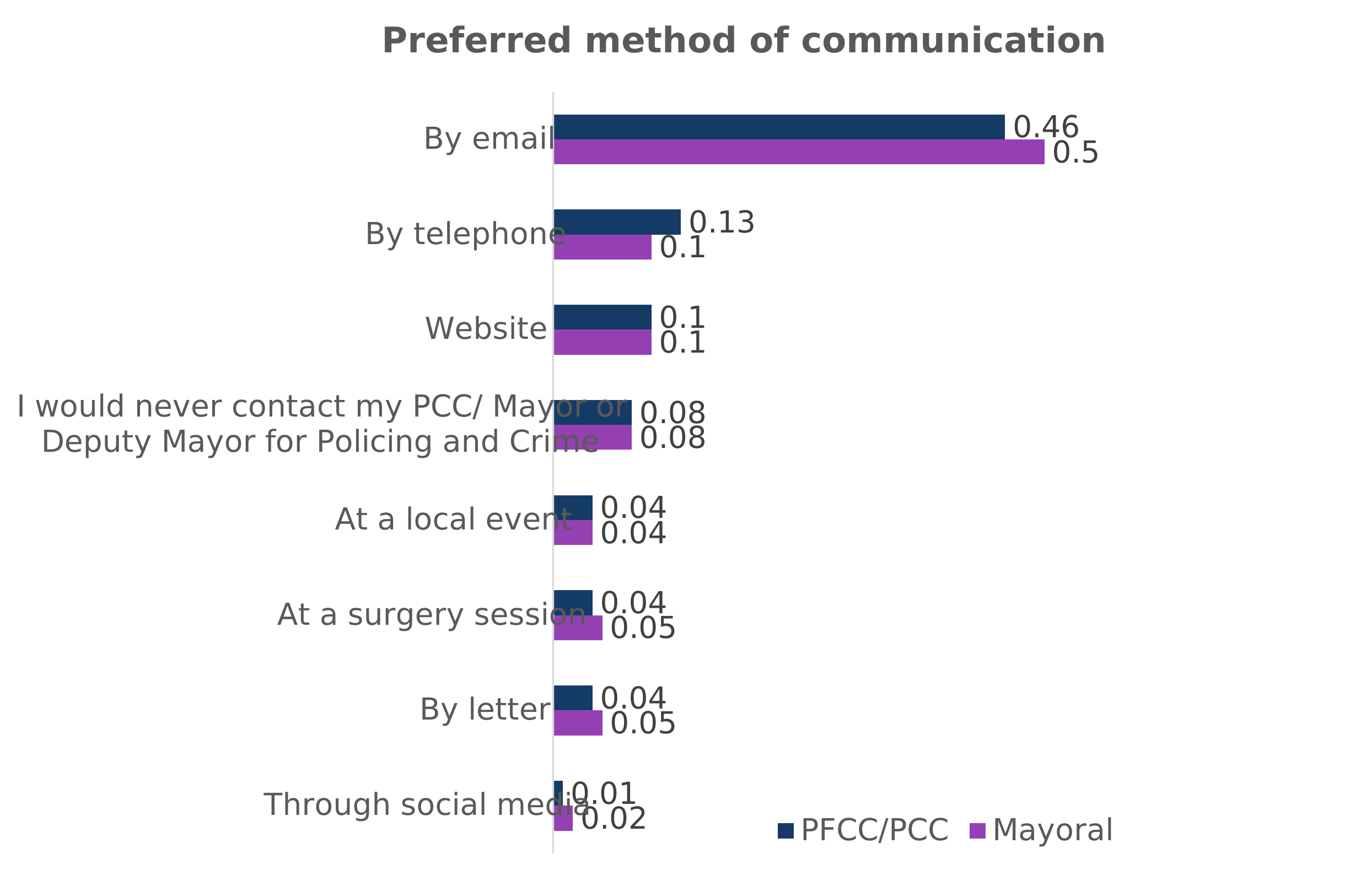
Question 11: If you wanted to contact your PCC or mayor or the Deputy Mayor for Policing and Crime on policing issues in the future, how would you prefer to do so? Base: respondents aware of PCCs and mayors (2,229)
10. Transparency and accessibility of information on P(F)CCs and mayors
The majority of the public stated would like to know more information about the work their P(F)CC or mayor are doing in relation to policing.
- approximately two-thirds of the public from both P(F)CC (63%) and mayoral areas (63%) stated that they would like to know more information about the work their P(F)CC or mayor is doing in relation to policing
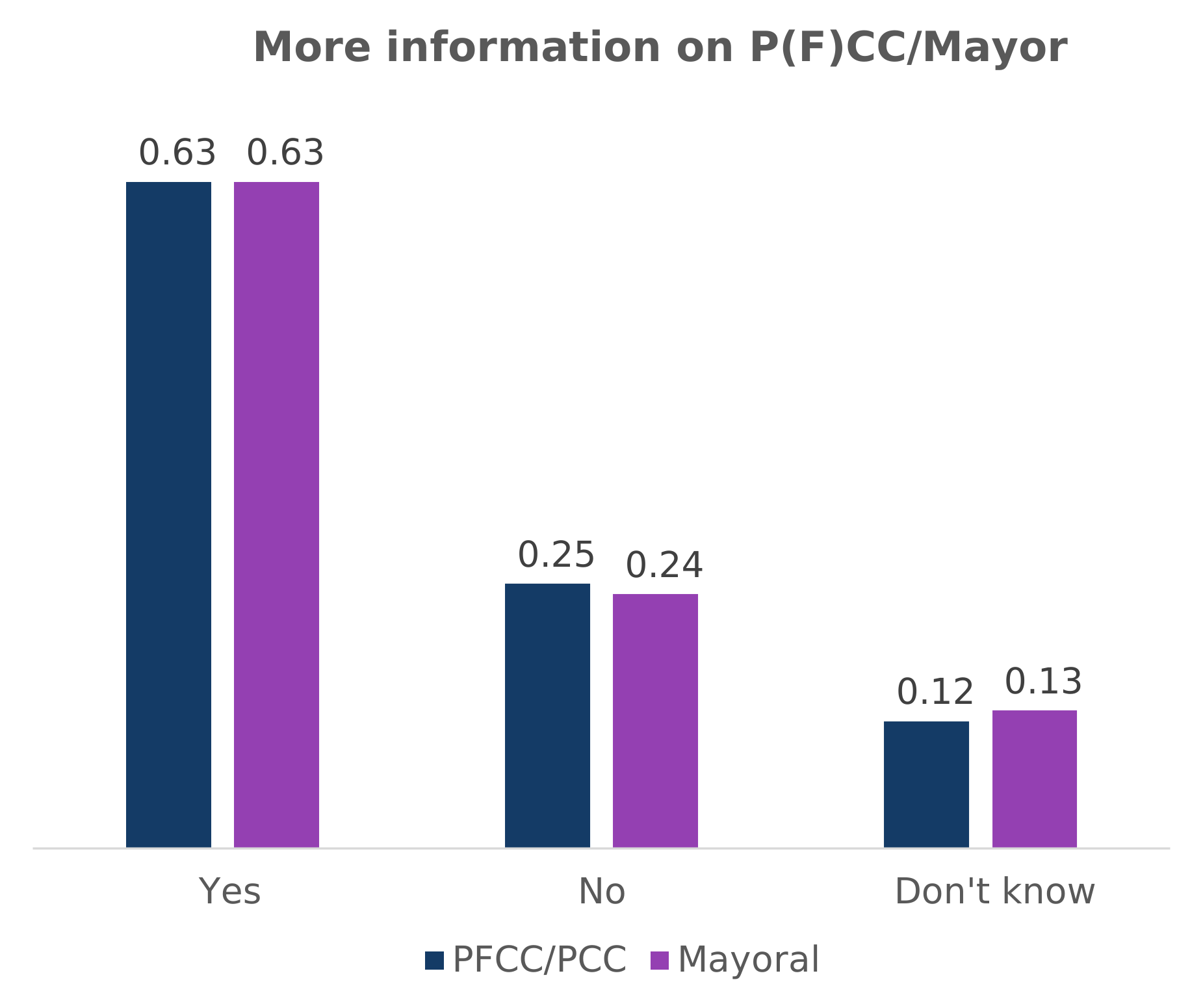
Question 12: Would you like to know more information about the work your PCC or mayor and Deputy Mayor for Policing and Crime are doing in relation to policing? Base: All respondents (3,432)
For those respondents who stated that they did want to receive more information on their P(F)CC or mayor, the majority would like to receive this information by email.
-
the majority of the public from both P(F)CC (69%) and mayoral (73%) areas would prefer to receive more information by email
-
by letter and through the P(F)CC or mayor website were the next most popular
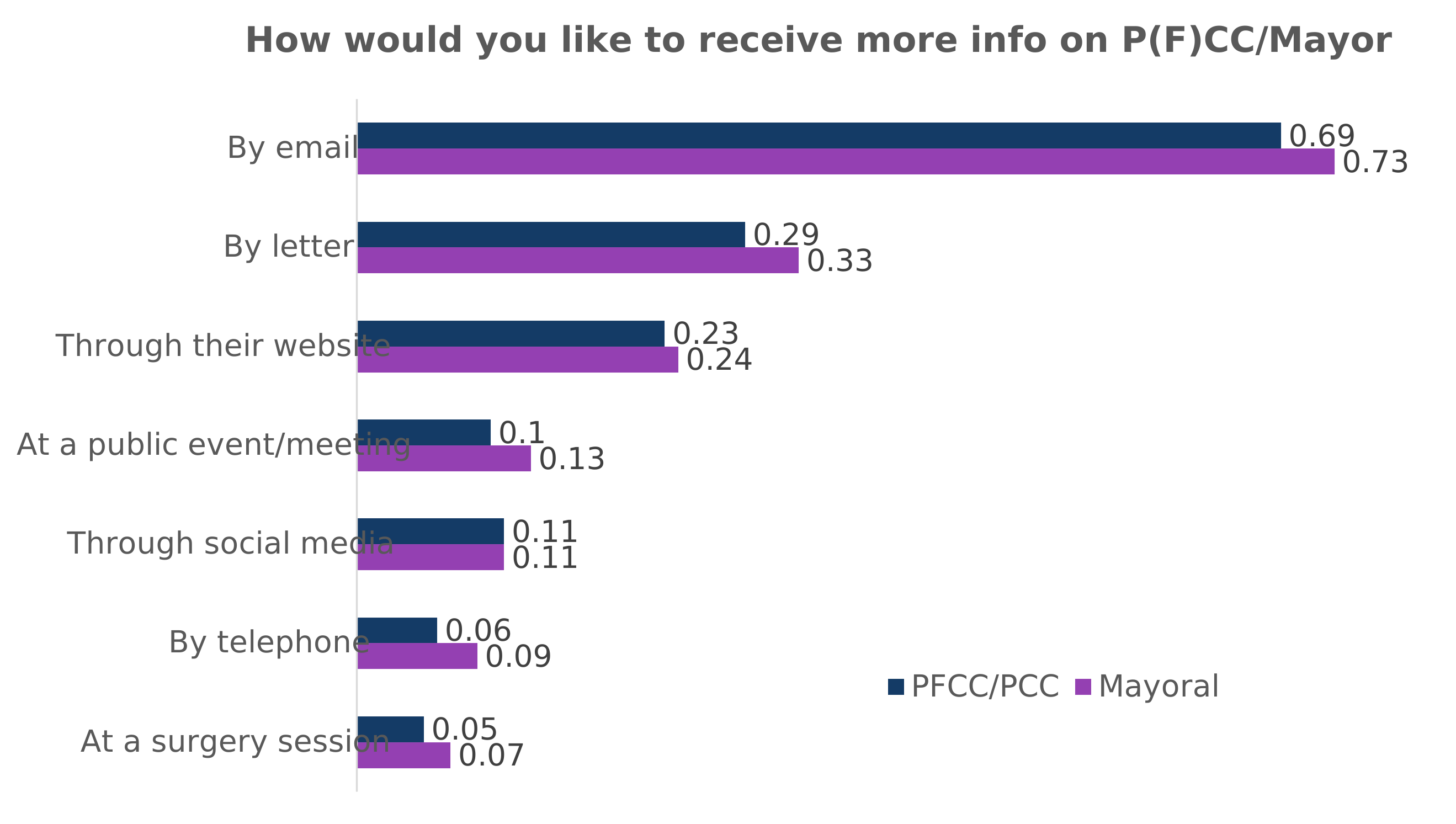
Question 13: Would you like to know more information about the work your PCC or mayor and Deputy Mayor for Policing and Crime are doing in relation to policing? Base: respondents who responded ‘Yes’ to question 12 (2,238)
For those aware of P(F)CCs and mayors, the majority were not aware of their PCC, Mayor or Deputy Mayor keeping in touch with the public via various methods of communication.
For those aware of P(F)CCs and mayors, the majority of the public in P(F)CC (70%) and mayoral (56%) areas were not aware of P(F)CCs or mayors in their area keeping in touch with public in any of the following ways:
- social media
- public or town hall meetings
- surgery session
- research with local residents
- public consultations
- webcasts or streams of public meetings
- sharing info through their website
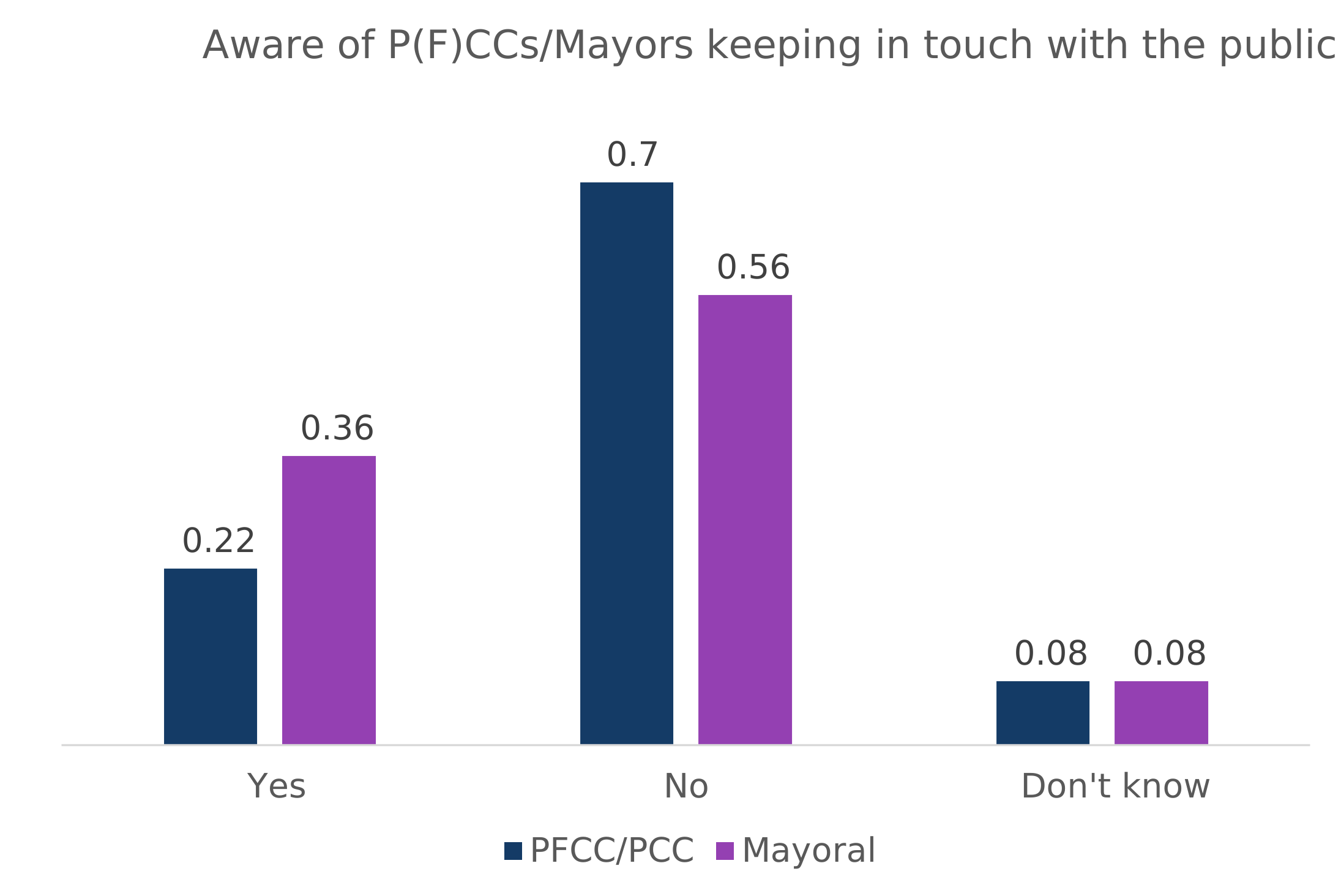
Question 14: PCCs, mayors and their Deputy mayors for Policing and Crime keep in touch with members of the public in their area in various ways. Are you aware of the PCC, Mayor or Deputy Mayor in your area doing any of these things? Base: respondents aware of PCCs and mayors (2,229)
Of those aware of their P(F)CC or mayor doing things to keep in touch with the public, their website, social media and public meetings were most well known.
-
the website, social media and public meetings were most well known
-
awareness of their website, social media, and webcasts or live streams of public meetings was higher in mayoral areas compared to P(F)CC areas
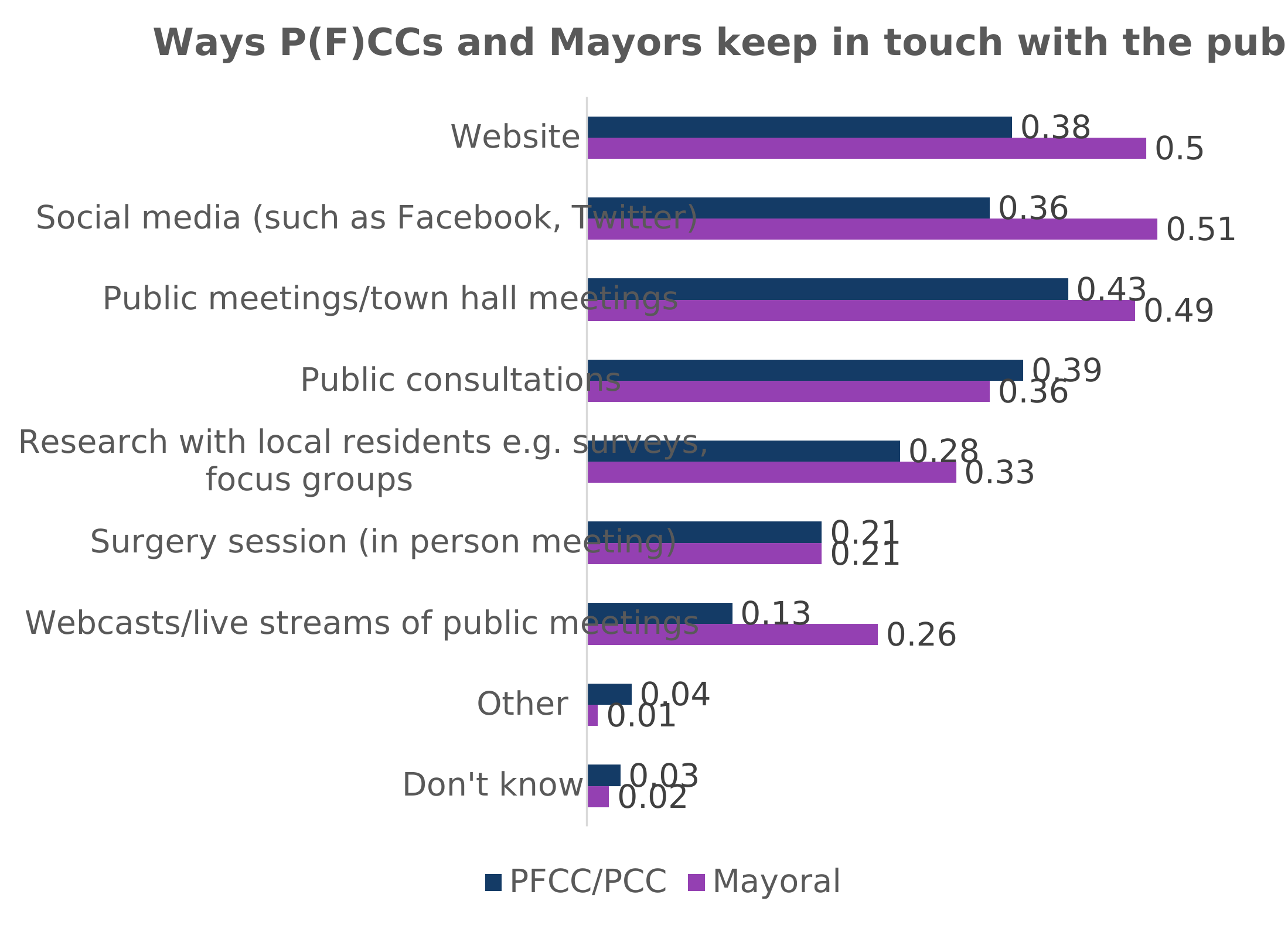
Question 15: Which of these things are you aware of the PCC in your area or your Mayor or Deputy Mayor are doing to keep in touch with members of the public? Base: respondents aware of PCCs and mayors and answered ‘Yes’ to question 14 (567)
When respondents were asked how they would raise a concern or complaint about their local police force, the most common response was that they would write to their MP.
- around a quarter (24%) of those in P(F)CC areas stated that they would contact their P(F)CC, compared to just under a fifth in mayoral areas that would contact their Mayor (18%) or Deputy Mayor (17%)
When looking at the cross breaks for contacting your P(F)CC or mayor:
-
males and higher social grades more likely to contact in both P(F)CC and mayoral areas
-
in mayoral areas, middle age groups more likely to contact mayor
-
in P(F)CC areas, older age groups more likely to contact P(F)CC
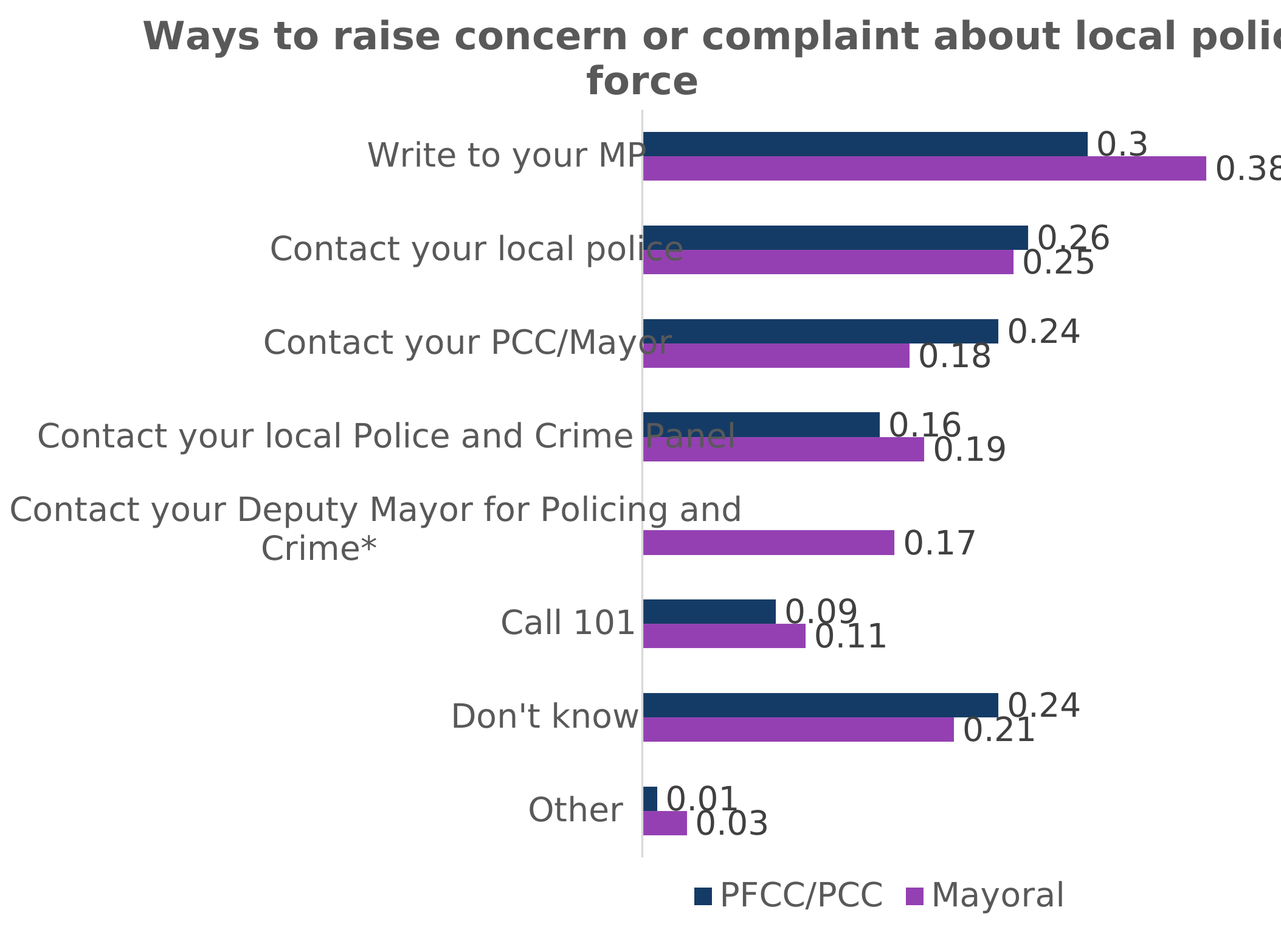
Question 16: If you had a concern or a complaint about the way your local police force was operating, how would you raise this? Base: All respondents (3,432)
11. Performance of P(F)CCs and mayors
Around a third of those aware of P(F)CCs and mayors were satisfied that their P(F)CC was addressing policing crime priorities in their local area, though many were unsure. Just under half in mayoral areas were satisfied.
-
32% of those aware of P(F)CCs and mayors were satisfied that their P(F)CC is addressing policing and crime priorities in their area; those in mayoral areas were more satisfied (45%)
-
in P(F)CC areas the majority were either neutral (36%) or did not know (21%) whether they were satisfied or not
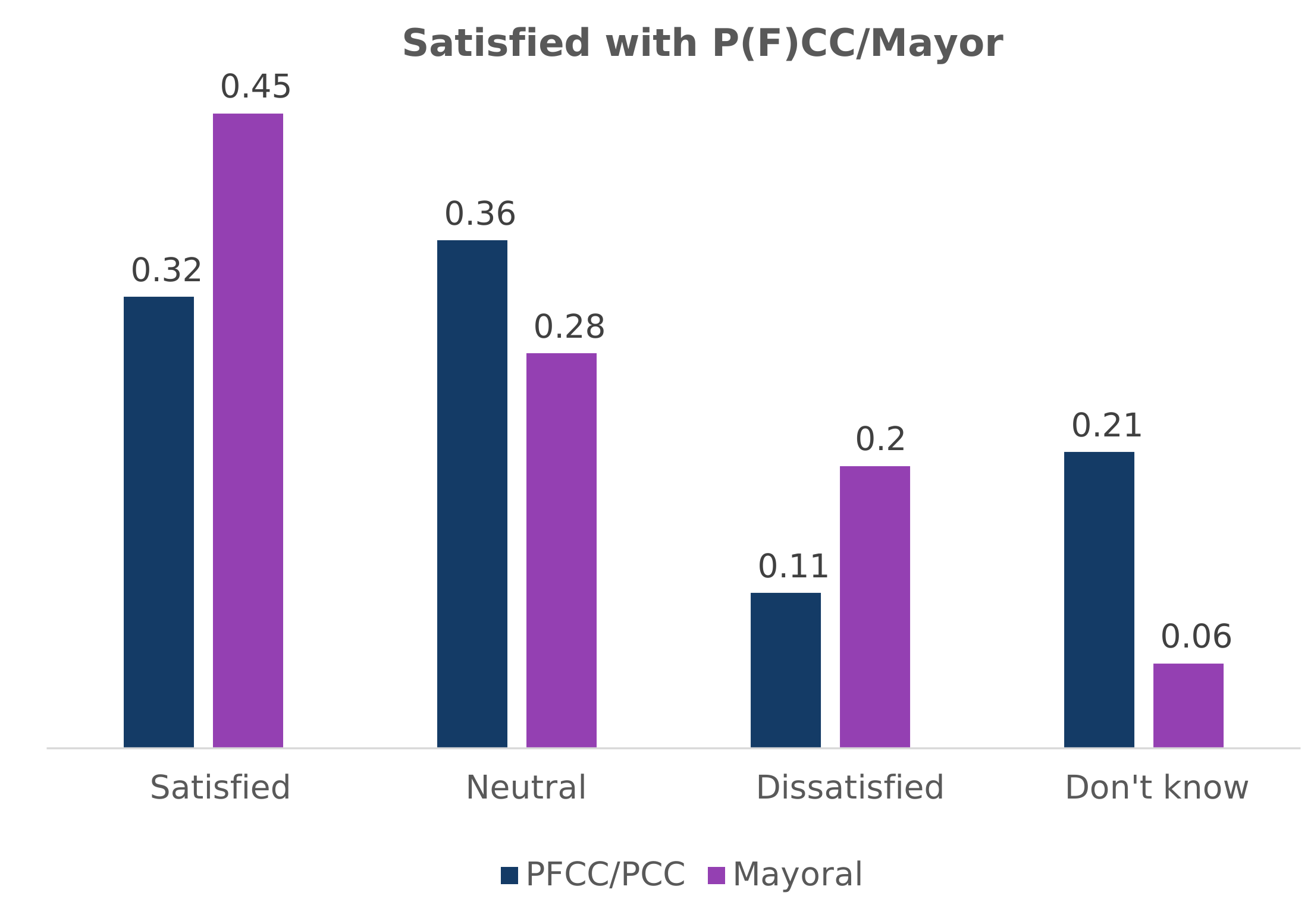
Question 17: How satisfied are you that your PCC or mayor is addressing policing and crime priorities in your local area? Base: respondents aware of PCCs and mayors (2,229)
Despite young people being the least likely to be aware of PCCs and mayors, those young people that are aware of them are also most likely to be satisfied that they are addressing policing and crime priorities in their area.
In P(F)CC and mayoral areas:
- those who stated they were interested in P(F)CCs and mayors’ role were more likely to be satisfied with their P(F)CC or mayor
In P(F)CC areas:
-
younger (18 to 34 year) age groups more likely to be satisfied with their P(F)CC than older age groups
-
people from ethnic minority backgrounds more likely to be satisfied with their P(F)CC than people from White ethnic groups
In mayoral areas:
-
males more likely to be satisfied with their mayor than females
-
25 to 44 year olds more likely to be satisfied with their mayor than those aged 45 and over
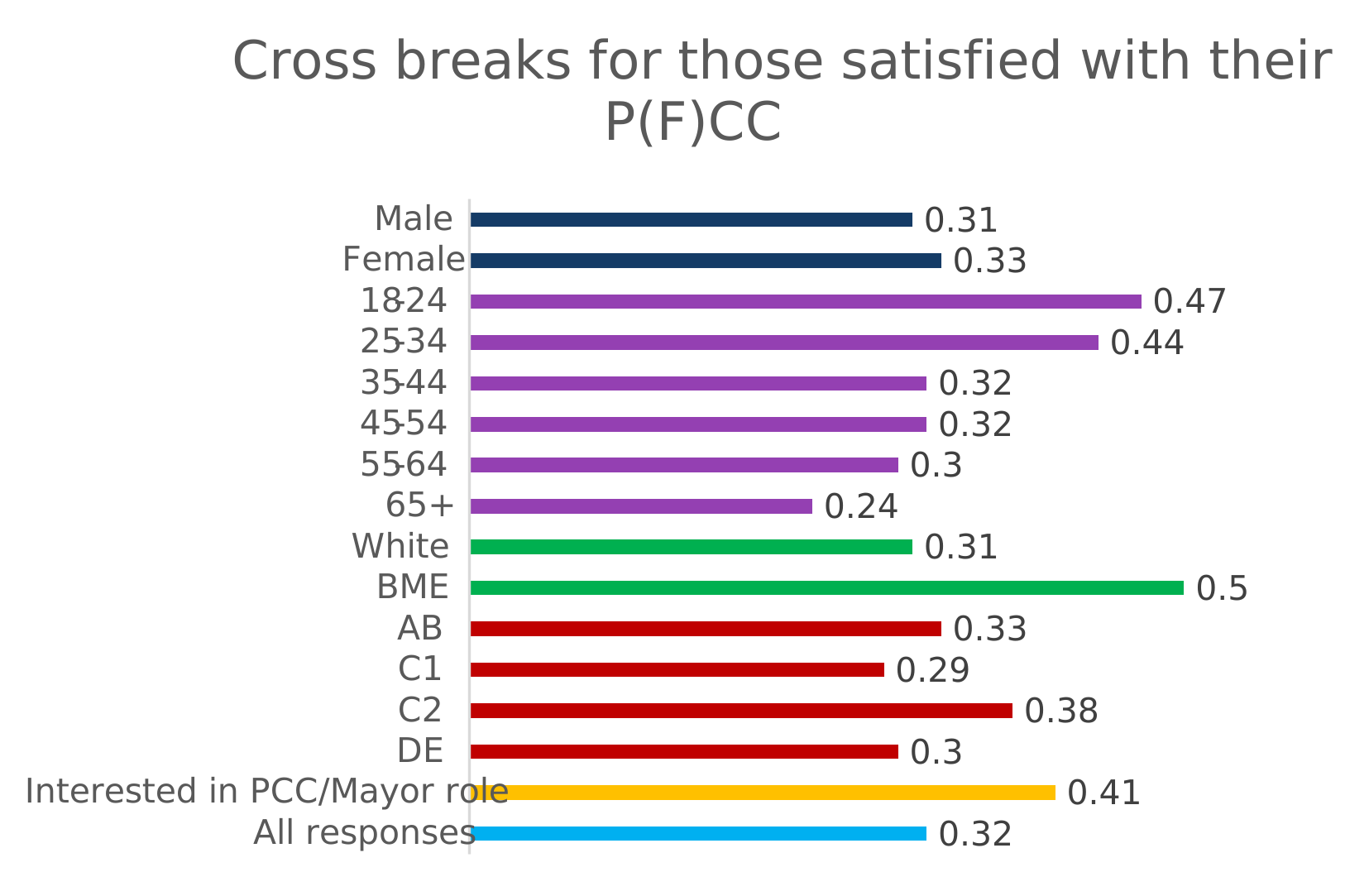
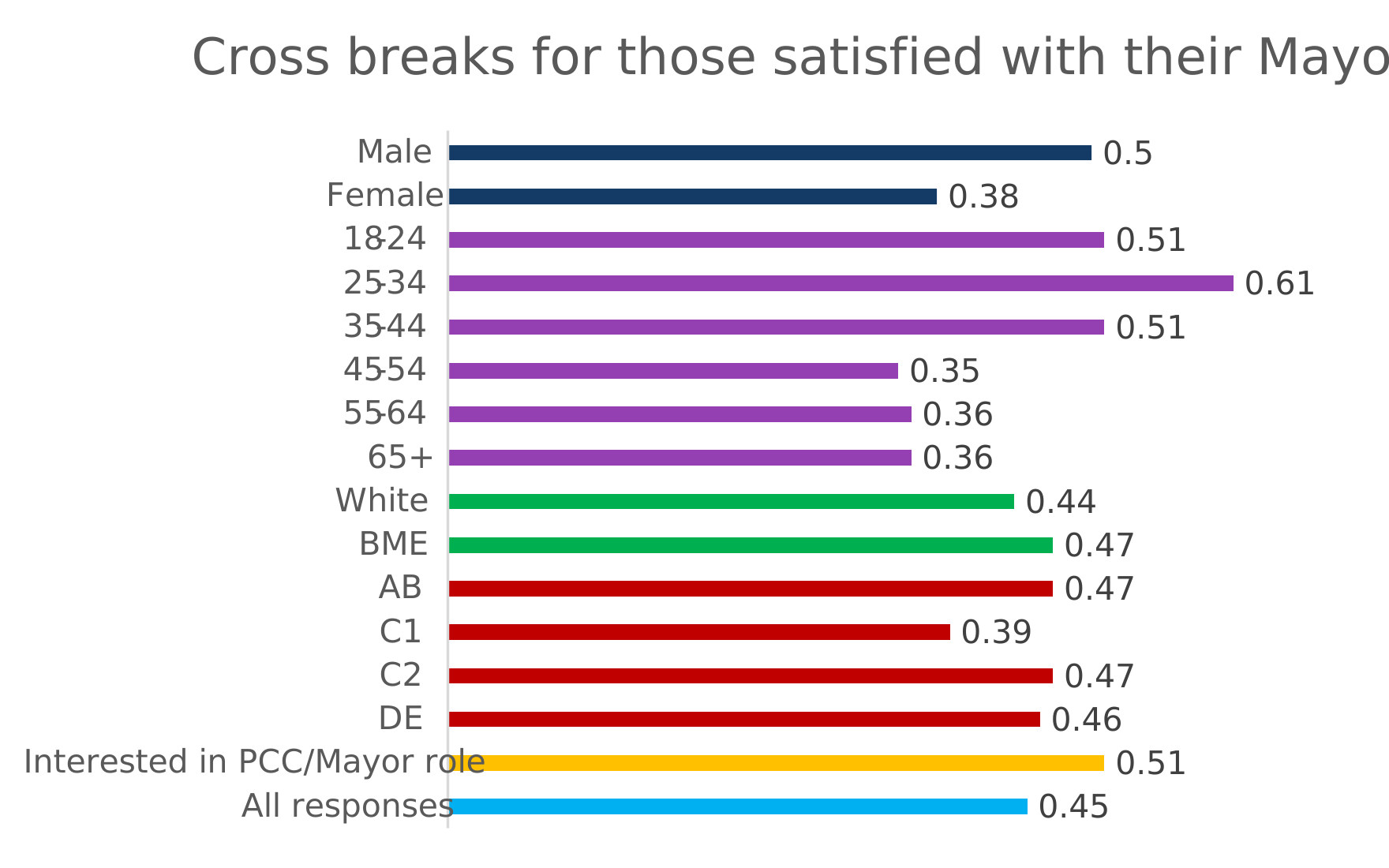
Question 17: How satisfied are you that your PCC or mayor is addressing policing and crime priorities in your local area? Base: respondents aware of PCCs and mayors (2,229)
Those in mayoral areas were more likely to feel they knew how to share their views on crime and policing than those in P(F)CC areas.
-
from those who were aware of P(F)CCs and mayors, 40% from mayoral areas agreed that they knew how to share their views on crime and policing issues with their mayor compared to 26% in P(F)CC areas
-
agreement that they would know how to share views on crime and policing was highest amongst younger age groups in both areas
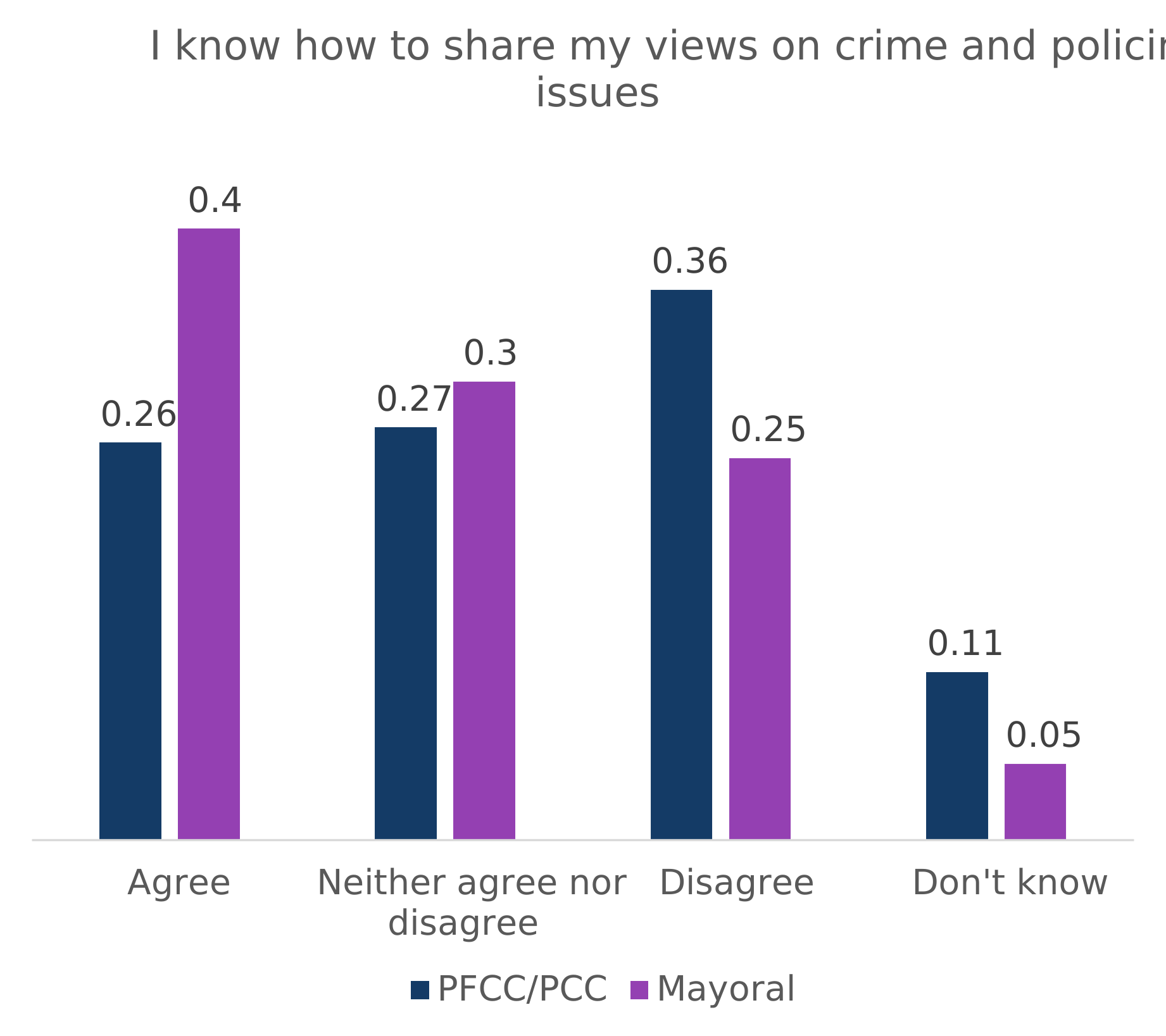
Question 18.1: To what extent do you agree or disagree with the following statements? I know how to share my views on crime and policing issues with my PCC or mayor. Base: respondents aware of PCCs and mayors (2,229)
Mayors are significantly more likely to have a strong public profile than P(F)CCs.
-
compared to P(F)CC areas where 19% agreed that their P(F)CC had a strong public profile, a significant number of respondents from mayoral areas agreed (46%) that their mayor had a stronger public profile
-
younger age groups were more likely to consider the P(F)CC or mayor to have a strong public profile
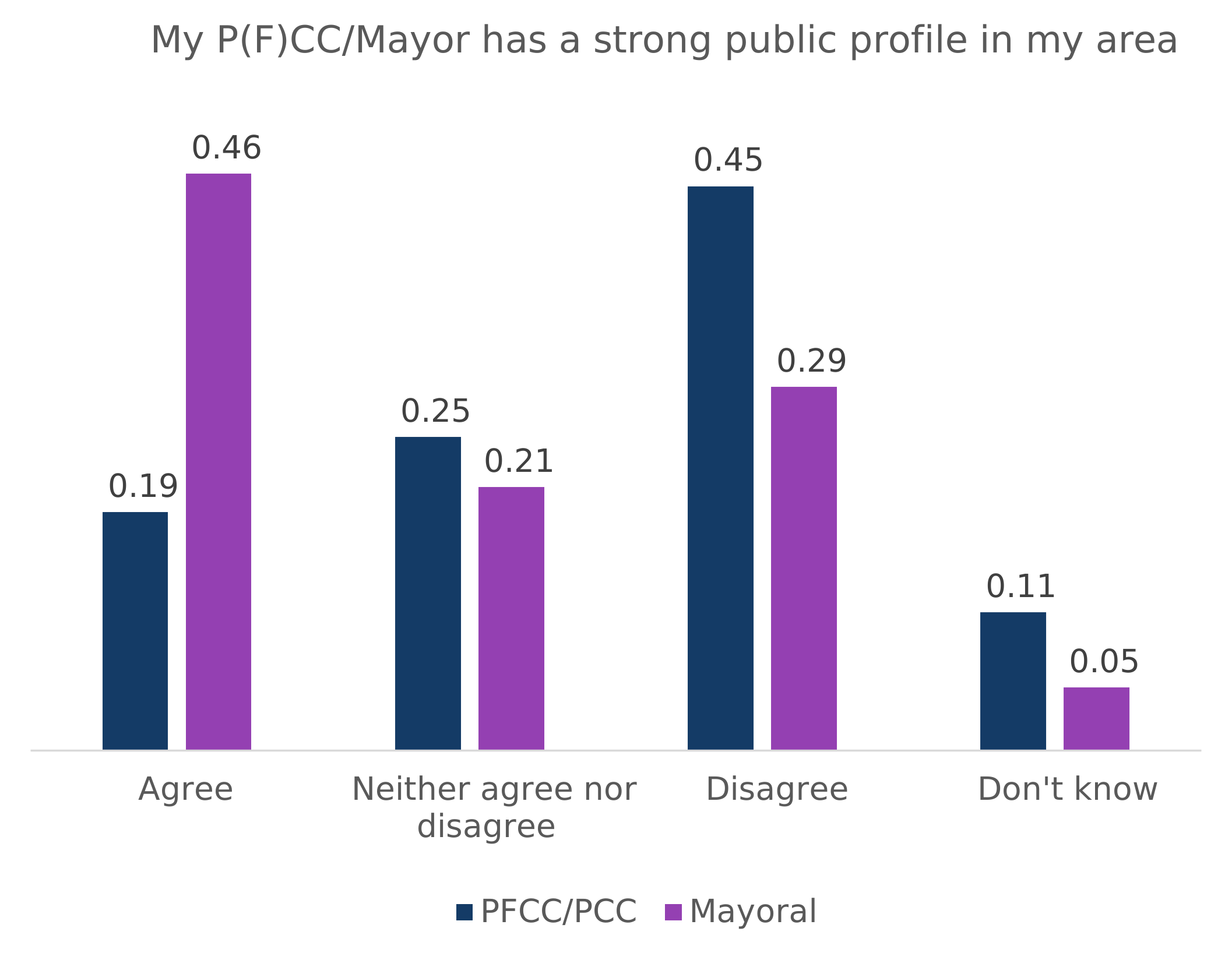
Question 18.2: To what extent do you agree or disagree with the following statements? My PCC or mayor has a strong public profile in my area. Base: respondents aware of PCCs and mayors (2,229)
12. Performance of deputy mayor
Those in mayoral areas mostly disagreed that their Deputy Mayor for Policing and Crime has a strong public profile in their area.
-
just under half (44%) of respondents from mayoral areas disagreed that their Deputy Mayor for Policing and Crime had a strong public profile in their area
-
1 in 4 people (26%) agree that their deputy mayor has a strong profile compared to 46% for mayor
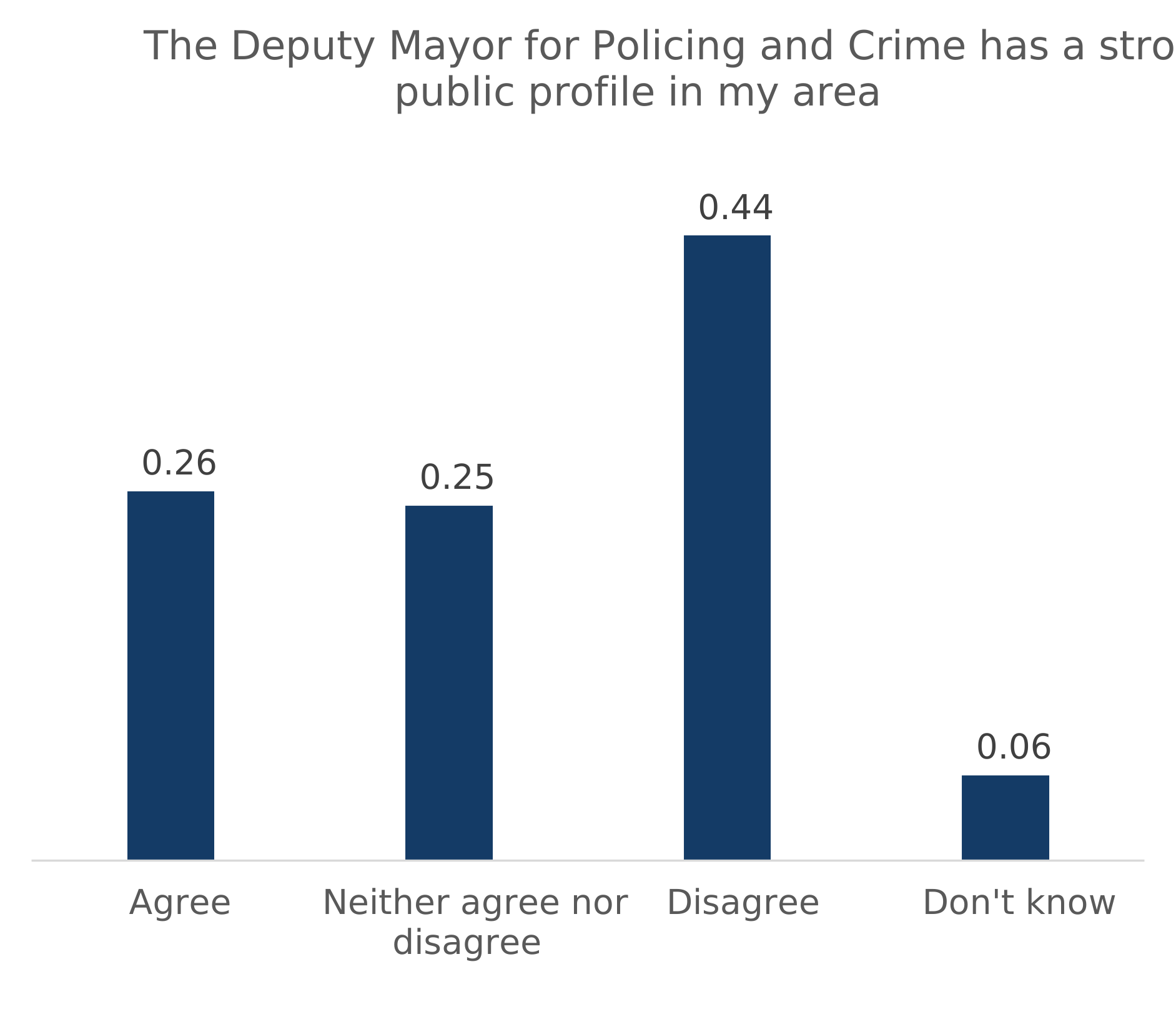
Question 18.3: To what extent do you agree or disagree with the following statements? The Deputy Mayor for Policing and Crime has a strong public profile in my area. Base: respondents from mayoral areas who are aware of mayors (587)
13. Performance of P(F)CCs and mayors
When asked if they were confident that their PCC or mayor will resolve crime and policing issues raised within their local community, neutral and don’t know answers were the most common.
-
neutral and don’t know answers were the most common, particularly for P(F)CC areas where around half selected these options
-
of those who gave their view, just over a third (36%) of respondents in mayoral areas agreed that they were confident that their mayor will resolve crime and policing issues raised within their local community
-
a smaller proportion agreed in P(F)CC areas (28%)
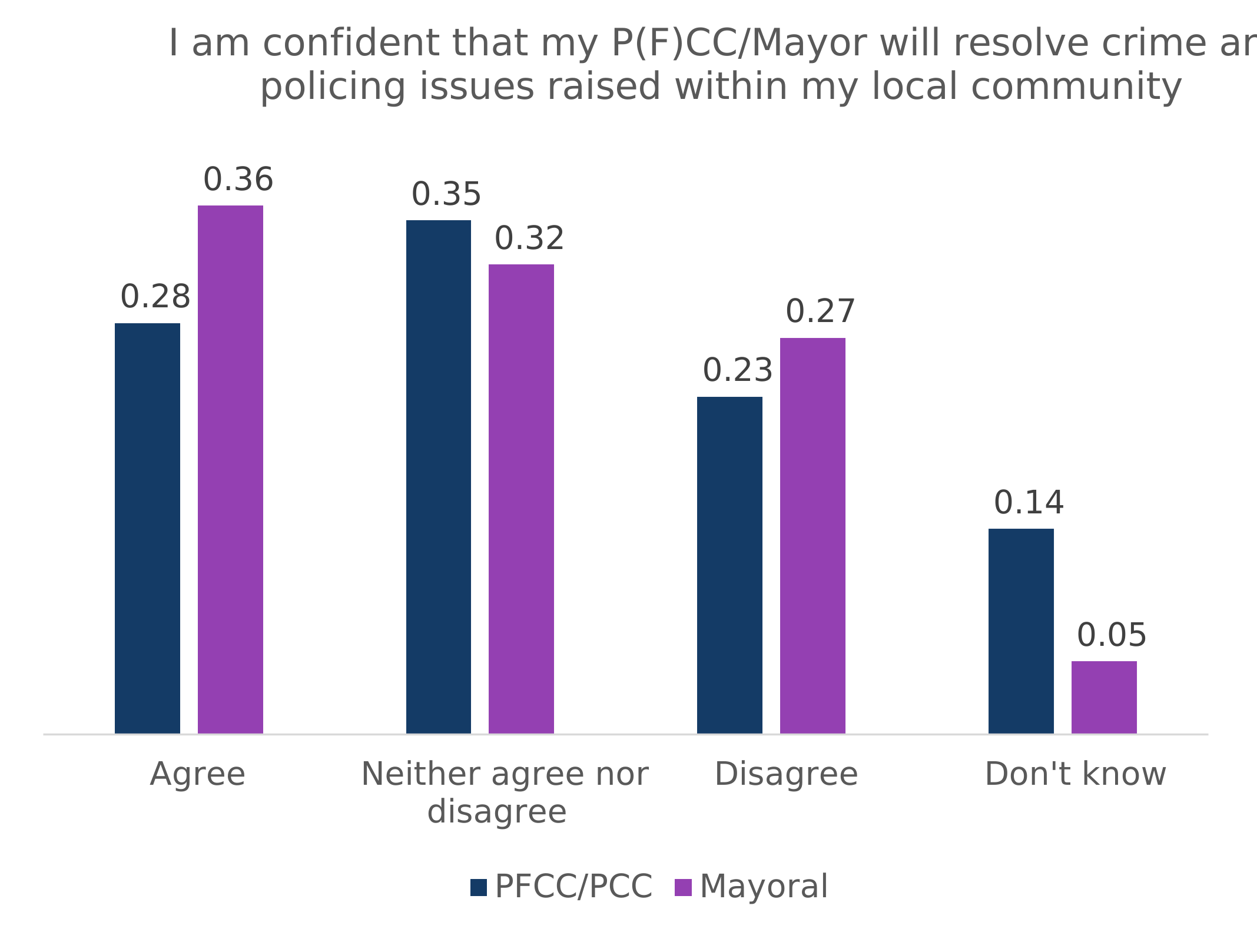
Question 18.4: To what extent do you agree or disagree with the following statements? I am confident that my PCC or mayor will resolve crime and policing issues raised within my local community. Base: respondents aware of PCCs and mayors (2,229)
When asked if they were confident that if they had a complaint about their police force it would be handled effectively by their P(F)CC or mayor, neutral and don’t know answers were the most common.
-
neutral and don’t know answers were the most common: (combined) 50% for P(F)CC areas and 40% for mayoral
-
those giving a view were more likely to agree, with around a third of respondents in both P(F)CC (32%) and mayoral (33%) areas agreeing that they were confident that if they had a complaint about their police force it would be handled effectively by their P(F)CC or mayor
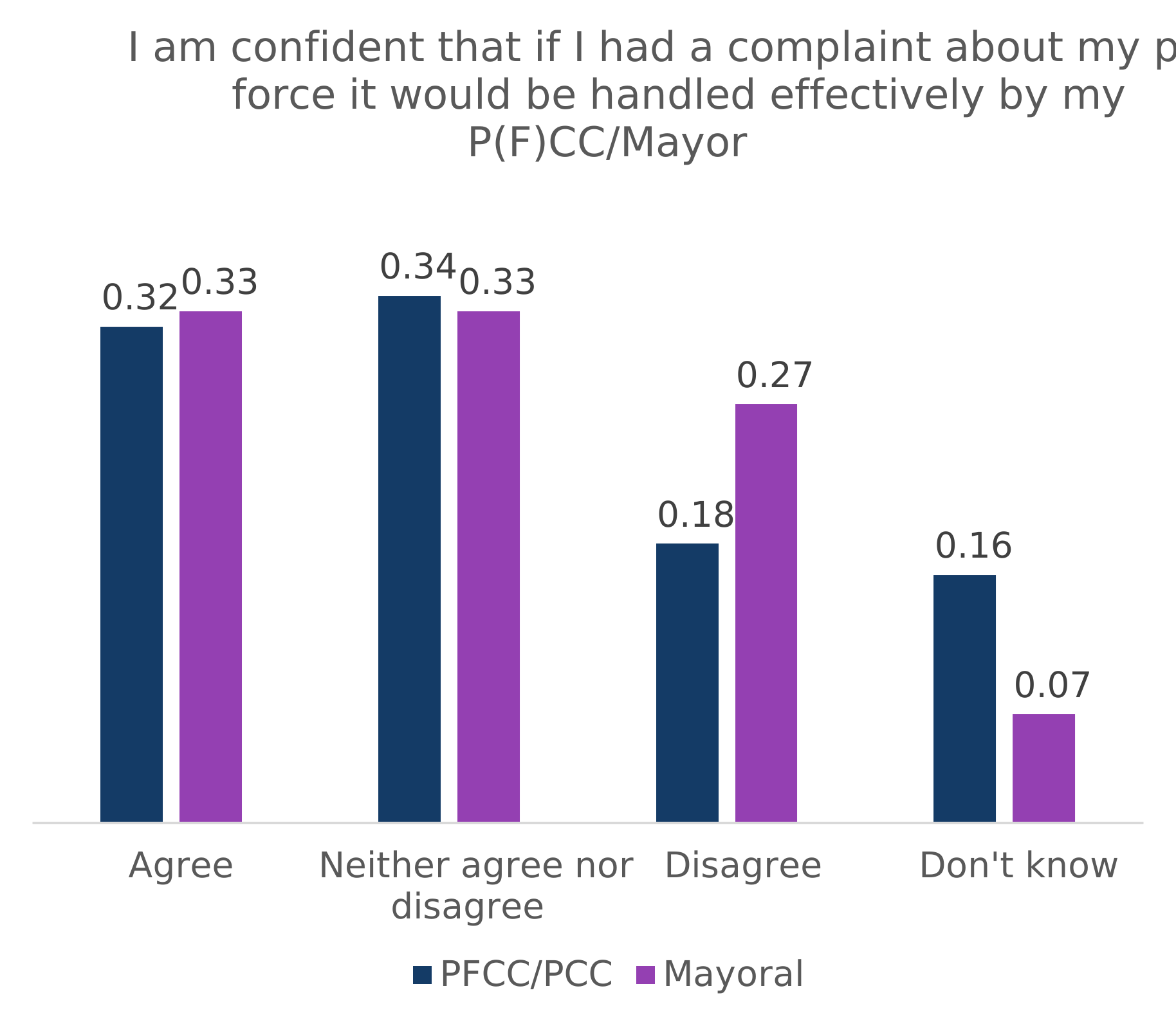
Question 18.5: To what extent do you agree or disagree with the following statements? I am confident that if I had a complaint about my police force it would be handled effectively by my PCC or mayor. Base: respondents aware of PCCs and mayors (2,229)
Those in P(F)CC areas are more likely to disagree that they know how to find the information they need to judge how well their P(F)CC or mayor is doing in relation to policing issues, whilst those in mayoral areas are more evenly spilt.
-
of those who are aware of P(F)CCs or mayors, 40% in P(F)CC areas disagreed that they would know how to find the information they need to judge how well their P(F)CC is doing in relation to policing issues, compared to 28% in mayoral areas
-
younger age groups were more likely to agree that they know how to find the information in both areas
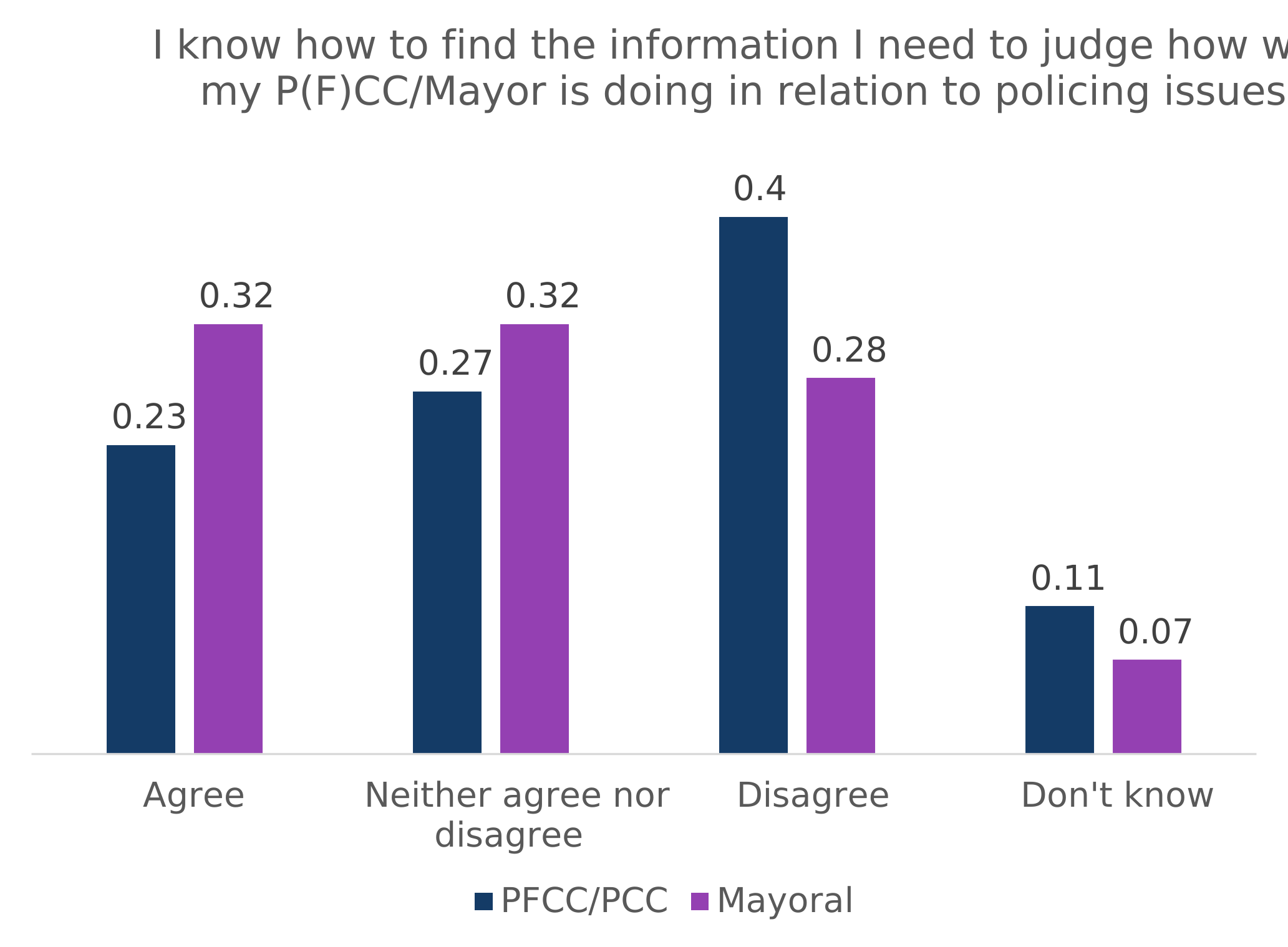
Question 18.6: To what extent do you agree or disagree with the following statements? I know how to find the information I need to judge how well my PCC or mayor is doing in relation to policing issues. Base: respondents aware of PCCs and mayors (2,229)
Information on the amount by which the level of crime has increased or decreased in the area was most likely to be seen as useful to help judge how well their P(F)CC or mayor is doing in relation to policing.
-
of those aware of P(F)CCs and mayors, over 60% in both mayoral (64%) and P(F)CC (61%) areas stated that information on the amount by which the level of crime has increased or decreased in the area would be useful to judge their P(F)CC or mayoral performance
-
approximately half in both areas stated that information on the way P(F)CCs and mayors handled complaints, and comparisons of crime levels with other areas would be useful
-
diversity statistics and PCC salary and expenses information were seen as less useful
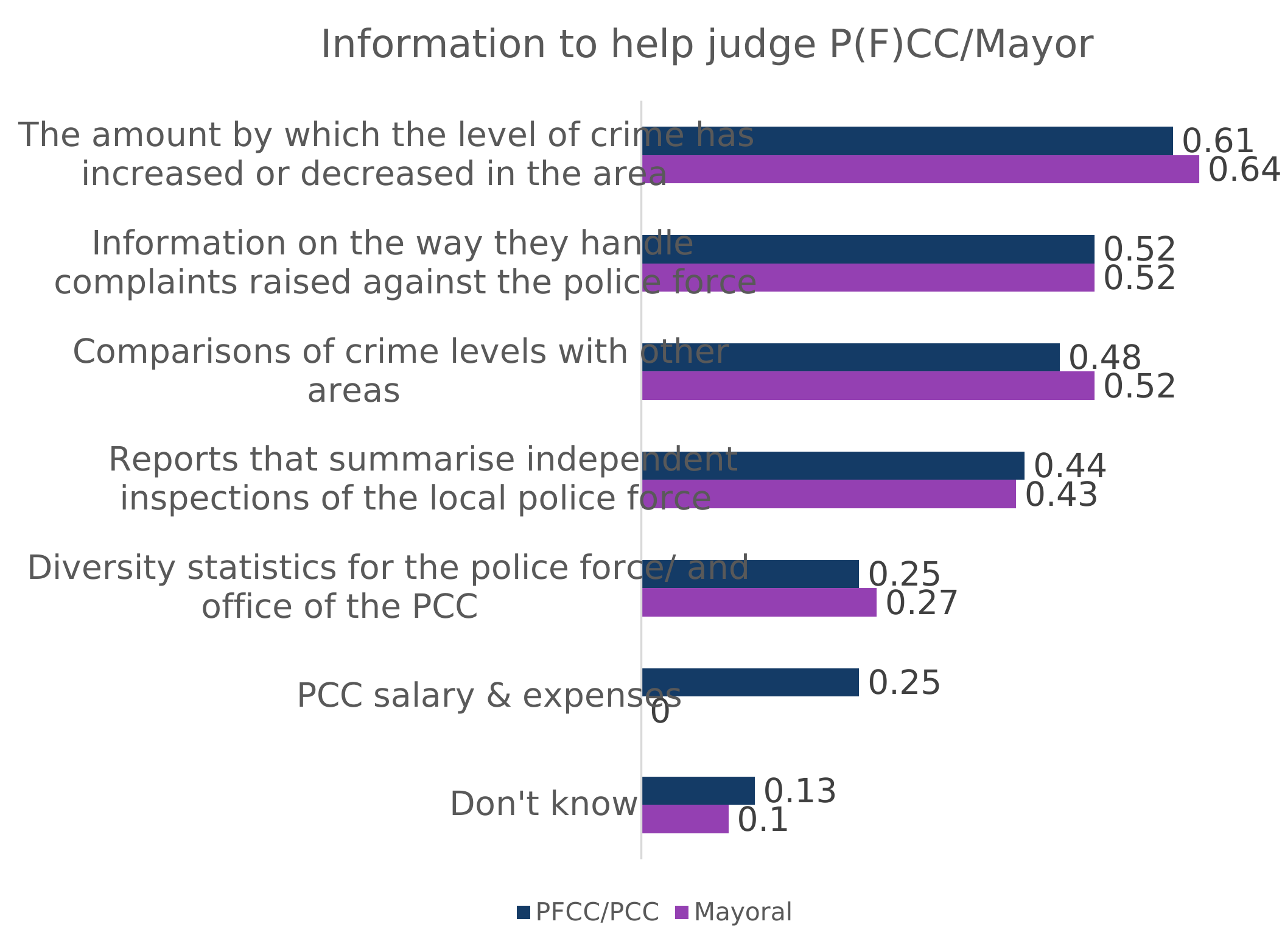
Question 19: What information would be most useful to help you judge how well your PCC is doing their job or mayor is doing in relation to policing? Base: respondents aware of PCCs and mayors (2,229)
When asked which one piece of information would be most useful in judging performance, information on changes in the level of crime in the area was most popular.
Almost all sub-groups selected information on changes in crime levels in the area as most useful. The one exception being for under 35s in mayoral areas who would find information on complaints more useful.
In both areas, young people are more likely to care about how complaints are handled than older people. The reverse is true for information on levels of crime.
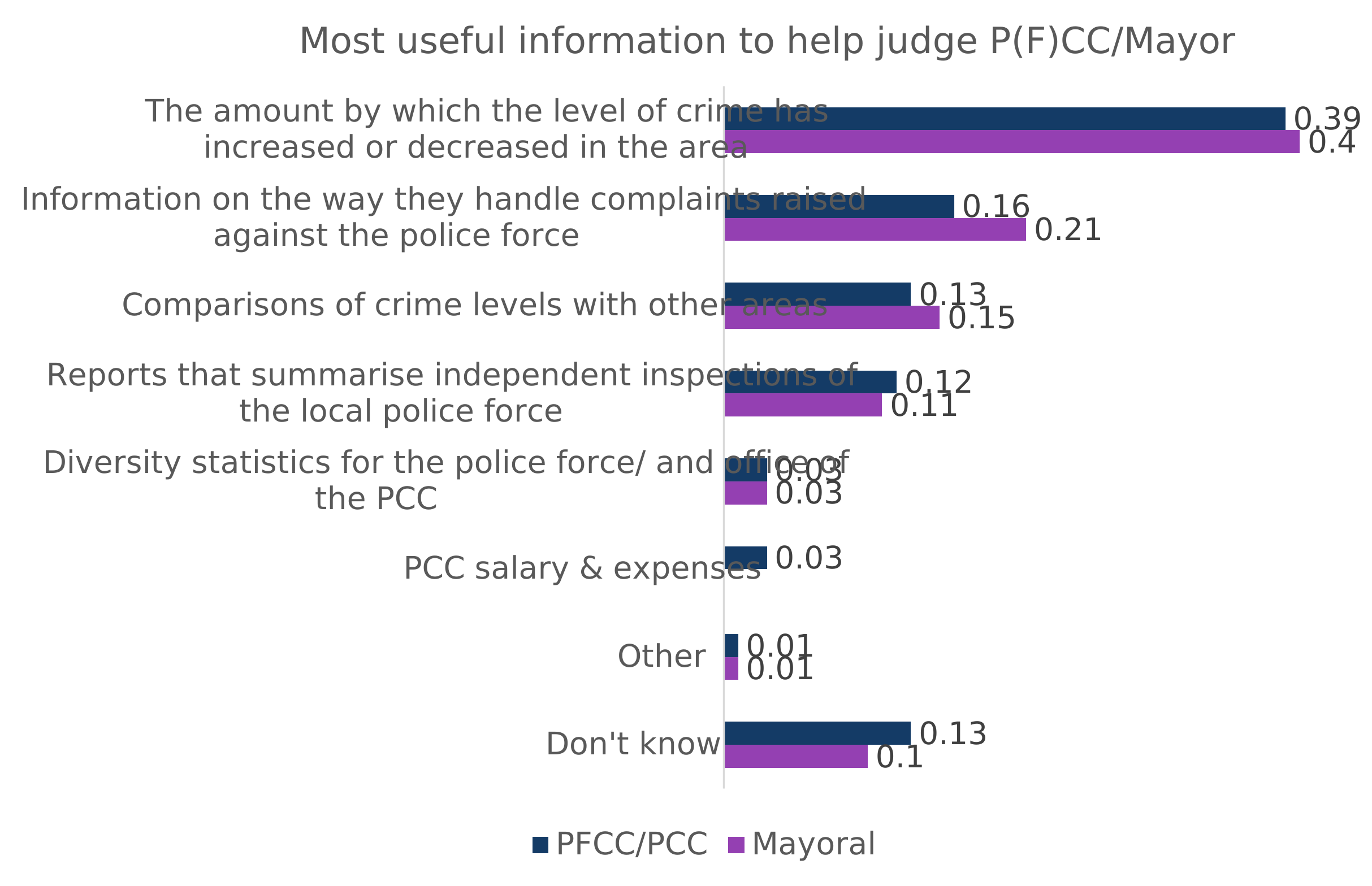
Question 20: Which one of these options do you think would be most useful to help you judge how your PCC is doing their job or how your mayor is doing in relation to policing? Base: respondents aware of PCCs and mayors (2,229)
14. Fire and Rescue services
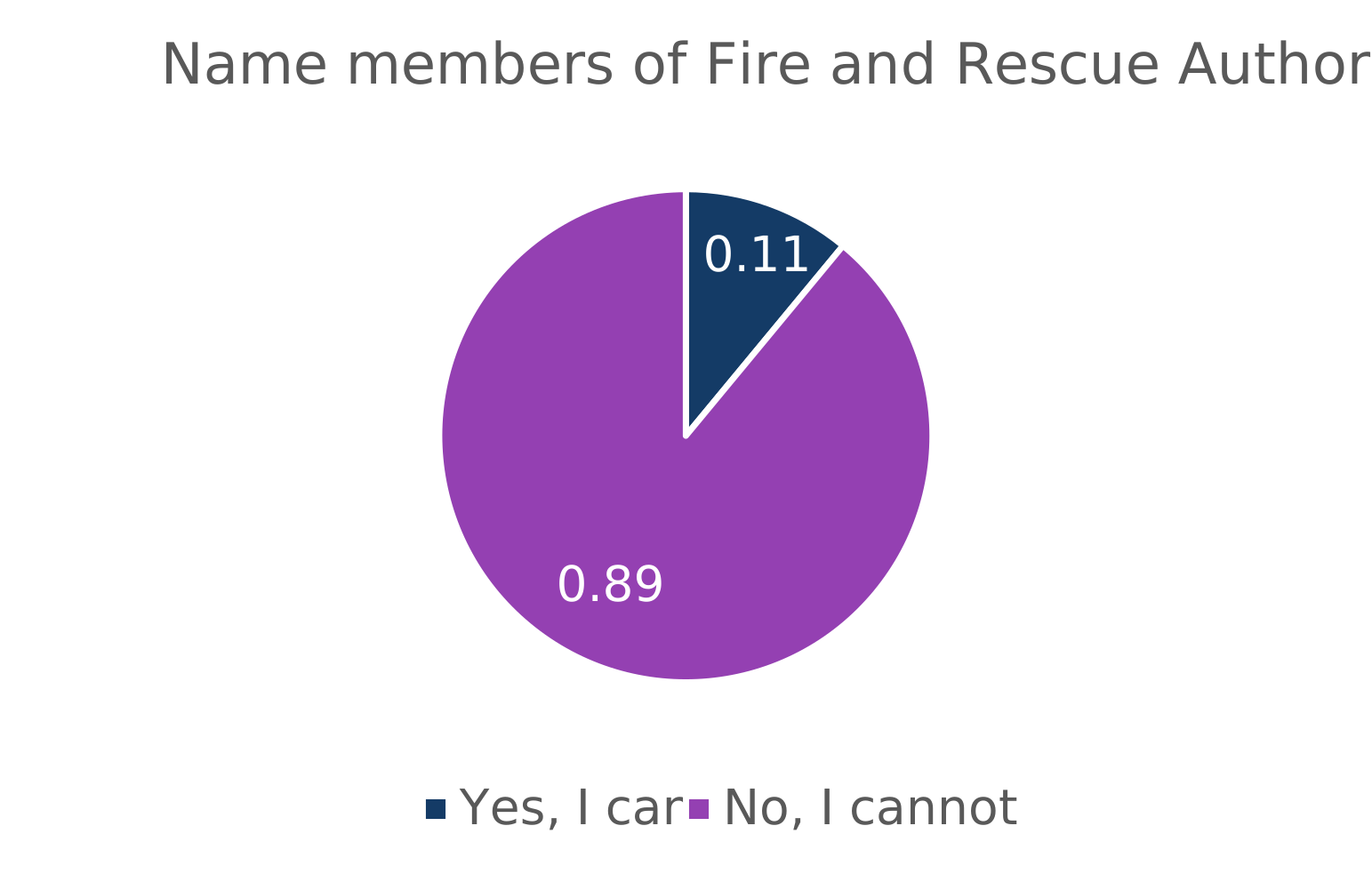
The majority of those in England and P(F)CC areas did not know that their PCC could request to take on oversight of fire and rescue services. The majority could also not name any members of the Fire and Rescue Authority in their area.
-
the majority of those in England and P(F)CC areas (82%) did not know that their P(F)CC could request oversight of fire and rescue services and become a PFCC
-
those living in PFCC areas (18%) were more likely to be aware of this, though not by a huge amount
-
the majority of those in England and PCC areas (89%) could not name any members of the Fire and Rescue Authority in their area
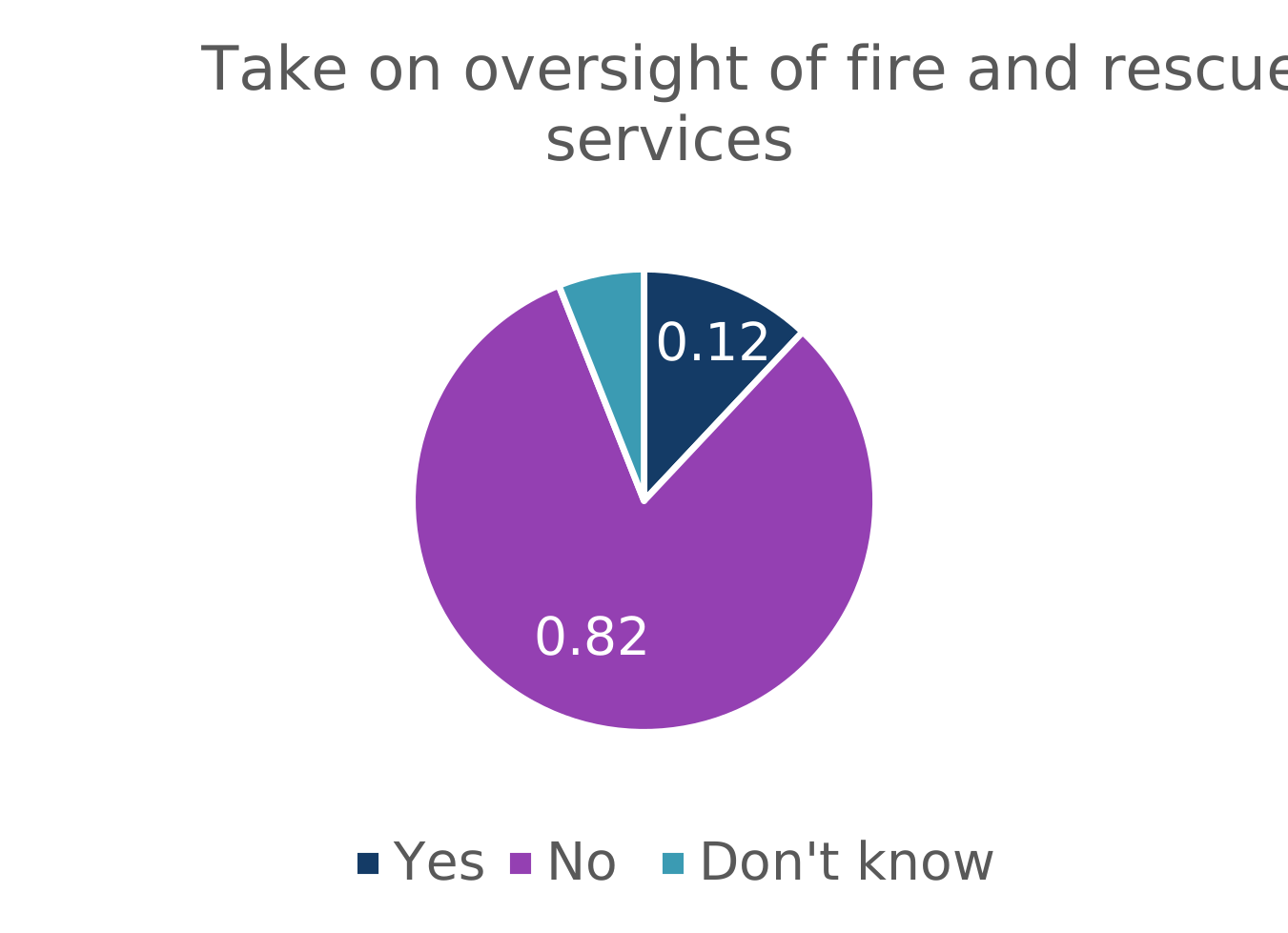
Question 21: Since 2017, PCCs in England can request to take on oversight of fire and rescue services in their local area and become a Police, Fire and Crime Commissioner. Before this survey, did you know this? Base: respondents in England and P(F)CC areas (2,291)
Question 22: Can you name any of the members of the Fire and Rescue Authority in your area? Base: respondents in England and in PCC areas (2,075)