Members' Voluntary Liquidations: A Statistical Review of MVL Practice and Outcomes Research Report March 2026
Published 18 June 2026
Applies to England and Wales

© Crown copyright 2026
This publication is licensed under the terms of the Open Government Licence v3.0 except where otherwise stated. To view this licence, visit nationalarchives.gov.uk/doc/open-government-licence/version/3 or write to the Information Policy Team, The National Archives, Kew, London TW9 4DU, or email: psi@nationalarchives.gov.uk.
Where we have identified any third party copyright information you will need to obtain permission from the copyright holders concerned.
This publication is available at https://www.gov.uk/government/publications/members-voluntary-liquidations-a-statistical-review-of-mvl-practice-and-outcomes/members-voluntary-liquidations-a-statistical-review-of-mvl-practice-and-outcomes-research-report-march-2026
Key Findings
This report presents the first large-scale empirical analysis of Members’ Voluntary Liquidation (MVL) outcomes in England and Wales. Commissioned by the Insolvency Service, through fair and open procurement, the research examines 2,309 MVL cases commenced between 2015 and 2024 across three dimensions: efficiency, effectiveness and open cases. The key findings based on the sample analysed are outlined below.
-
Creditors were paid within 12 months in 95% of closed cases.
-
The median duration of a completed MVL is 478 days, approximately 16 months (including the 90-day waiting period before dissolution).
-
The median cost of an MVL is 1.8% of assets realised.
-
Creditor recovery is near-universal: 99.8% of cases that were dissolved or had the final report filed achieved 100% recovery. The median return to members is 100% of the Declaration of Solvency estimated surplus.
-
Conversions to Creditors’ Voluntary Liquidation (CVL) are rare: in our sample, 7 cases (0.3%) converted from MVL to CVL.
Executive Summary
The evidence from this sample indicates that the MVL process operates effectively in delivering its core statutory purposes. Creditors are paid in full in virtually all cases, members receive the surplus estimated at the outset, and costs are proportionate to the assets under management. The principal area where performance is most variable is time to dissolution, which largely reflects administrative processes – including a statutory three-month waiting period – rather than delays in discharging creditor obligations.
Context
This report presents the findings of an analysis of Members’ Voluntary Liquidations (MVLs) in England and Wales. Commissioned by the Insolvency Service through fair and open procurement, the research was undertaken for two primary purposes: first, to better understand the potential impact of the High Court ruling in Noal SCSp & Ors v Novalpina Capital LLP & Ors [2025] EWHC 1392 (Ch), which addressed the interpretation of the 12-month payment period in the Declaration of Solvency; and second, to explore and understand the MVL landscape more generally, with particular focus on metrics around efficiency, effectiveness and open cases.
Scope and Data
The analysis is based on a robust stratified random sample of 2,309 MVL cases commenced between 2016 and 2024, drawn from five yearly cohorts (2016, 2018, 2020, 2022, 2024). Of these, 2,079 (90%) have been dissolved (Gazette Notice), 70 (3%) have reached the final report filed stage (pre-dissolution) – meaning the liquidator has filed a final account and vacated office, with the company awaiting the statutory three-month period before automatic dissolution under section 94 of the Insolvency Act 1986 – and 160 (7%) remain open.
Method
All Companies House filings for the 2,309 companies were downloaded from Companies House via the public data API between 13 and 15 January 2026. Documents filed after this date were not included in the data collection and therefore do not form part of the analysis. Data extraction was carried out using an AI-assisted pipeline, in which language models extracted the required variables and data points from the source filings. AI was used at the data collection and extraction stage; all subsequent analysis was conducted using standard statistical methods without AI involvement.
Quality assurance combined automated and human review. At the extraction stage, an automated process verified the internal consistency of each extracted value against the verbatim source text as well as statistical validation that included cross-variable consistency checks and distributional analysis to identify outliers and anomalies. This approach is consistent with the principles of responsible AI use set out in the Artificial Intelligence Playbook for the UK Government, maintaining robust human oversight and accountability throughout.
Efficiency
The research examines four efficiency metrics – time, cost, recovery rate, and members’ outcome – drawing on quantitative indicators. Although these frameworks were developed to assess insolvency systems, they have been applied here to MVLs as a solvent company procedure.
The median time from the resolution to wind up to dissolution is 478 days, or approximately 16 months. This includes a statutory three-month waiting period between the filing of the final account of the winding up under section 94 of the Insolvency Act 1986 and automatic dissolution under section 201 of that Act, during which no economic activity takes place. Only 24% of cases were dissolved within 12 months. The most recent cohort (2024) shows substantial improvement, with a median of 338 days and 56% dissolved within 12 months, coinciding with HMRC’s decision in December 2023 to cease providing tax clearance for MVLs.
The median cost of liquidation is just under 2% of total assets realised. For every pound distributed to members, approximately 2 pence was spent on liquidation costs. Fixed fee arrangements were used in nearly three-quarters (72%) of cases, while around a quarter (26%) relied on time and rate arrangements.
Creditor recovery is near-universal. Among the 2,149 cases that have been dissolved or have reached the final report filed stage, 99.8% achieved a recovery rate of 100% or above. The median members’ outcome is 100% of the Declaration of Solvency estimated surplus, with a narrow interquartile range of 99.6% to 100.4%, indicating that members typically receive the amount estimated by the directors at the outset.
Effectiveness
Creditors were paid within 12 months in 95% of closed cases. This rate is broadly consistent across all cohorts, ranging from 94% (2016) to 97% (2024).
Conversions to creditor’s voluntary liquidation (CVL) are rare. Seven cases (0.3%) converted from MVL to CVL, with the highest rate in the 2018 cohort (1.1%). Of the 7 conversions, 6 were sifted in by the Insolvency Service for potential investigation, and one resulted in a director disqualification. The disqualification rate is 0.04% of the full sample. These rates reflect the fundamentally different risk profile of solvent versus insolvent liquidations.
Open Cases
At the time of data extraction, 160 cases (7%) remained open. The vast majority (129) are from the 2024 cohort, which is expected given their more recent commencement dates. A further 27 are from the 2020 and 2022 cohorts, and 4 cases from the 2016 and 2018 cohorts have been open for 7 to 10 years.
Among the 160 open cases, 87 have no creditor obligations, 51 have fully paid their creditors, and 17 have yet to make creditor payments. A further 4 cases show partial recovery to date, with a median partial recovery of 62%.[1] The open case population does not present widespread indicators of systemic concern, though final outcomes remain uncertain.
1. Introduction
1.1 Purpose of this Research
A Members’ Voluntary Liquidation (MVL) is a formal process for winding up a solvent company. The directors make a Declaration of Solvency confirming the company can pay all its debts and interest within a specified period, and shareholders pass a resolution to wind up voluntarily. An insolvency practitioner (IP) is appointed as liquidator by the company to realise the company’s assets, settle any outstanding liabilities, and distribute the remaining surplus to members.
MVLs are a widely-used form of voluntary liquidation in England and Wales, in some years exceeding the number of creditors’ voluntary liquidations (CVLs)[2] – most recently in 2016 and 2021. An MVL may be preferred where the company holds significant assets, where there are potential or contingent liabilities, or where directors and shareholders seek assurance through the involvement of an independent IP. In addition, MVLs may offer more favourable tax treatment, as distributions are generally treated as capital rather than income, potentially attracting capital gains tax (and, in some cases, eligibility for Business Asset Disposal Relief) instead of higher rates of income tax.
This research was undertaken in the context of the High Court’s decision in NOAL SCSp & Ors v Novalpina Capital LLP & Ors [2025] EWHC 1392 (Ch), which considered the interpretation of the 12-month creditor payment requirement under section 89 of the Insolvency Act 1986 and has implications for MVL practice. Against that backdrop, the research had two primary purposes: firstly, to better understand the potential impact of the ruling on MVL practice; and secondly, to explore and understand the MVL landscape more generally, with particular focus on metrics around efficiency and effectiveness.
This report presents the results of a statistical analysis of 2,309 MVL cases commenced between 2016 and 2024. The analysis examines MVL performance across three broad areas – efficiency, effectiveness, and the distinction between open and closed cases – including time to completion, costs incurred, creditor recovery outcomes, and distributions to members. These metrics align with the quantitative indicators identified by the International Monetary Fund as central to assessing the efficiency of insolvency systems (Garrido, 2019) and with the World Bank’s Principles for Effective Insolvency and Creditor/Debtor Regimes (World Bank, 2021).
1.2 Scope and Objectives
The analysis is structured around the two purposes set out above. In respect of the Novalpina ruling[3] the data is examined to understand the extent to which current MVL practice meets the 12-month creditor payment test.[4] More broadly, the analysis examines MVL practice across the three areas outlined above: efficiency, effectiveness and case status (open vs. closed).
1.3 Structure of this Report
Section 2 provides the background to MVL practice and the regulatory context. Section 3 sets out the methodology, including the sample composition, case status classification, derived variables, and statistical methods. Section 4 presents the analysis. Section 5 draws conclusions. Annex A contains the statistical tables and Annex B provides methodology notes.
2. Background
2.1 The MVL Process
MVLs sit within the broader framework of corporate insolvency and dissolution in England and Wales. Unlike compulsory liquidations and CVLs, MVLs apply exclusively to solvent companies. The process is governed by the Insolvency Act 1986, as amended, and the Insolvency (England and Wales) Rules 2016.
The MVL process begins when the company’s directors make a statutory Declaration of Solvency (DoS), confirming that the company is able to pay all of its debts, including interest, within a period not exceeding 12 months from the commencement of winding up. Shareholders then pass a special resolution to wind up the company voluntarily and appoint a licensed IP to act as liquidator.
The liquidator’s role is to realise the company’s assets, settle outstanding liabilities, and distribute the remaining surplus to members in accordance with their entitlements. The liquidator may also need to pursue any claims the company has, manage ongoing contractual obligations, and deal with assets that are difficult to realise (such as property or intellectual property).
Once all assets have been realised and distributed, the liquidator prepares a final account, which they send to members. The company is then dissolved three months following registration of the final account at Companies House. The 12-month period specified in the DoS relates to the payment of creditors, not to the completion of the entire liquidation process.
2.2 The Novalpina Decision
The commissioning of this research is directly connected to a recent High Court decision with implications for MVL practice. In NOAL SCSp & Ors v Novalpina Capital LLP & Ors [2025] EWHC 1392 (Ch), the Court considered the interpretation of section 89 of the Insolvency Act 1986, which requires directors to declare that the company will be able to pay its debts in full, together with interest, within a period not exceeding 12 months of the commencement of winding up.
The case concerned Novalpina Capital LLP, which had entered MVL in May 2023. After the MVL commenced, creditor claims were notified that had not been anticipated in the DoS. The Court held that the 12-month requirement is a strict and objective test. The relevant question is not whether the company appears broadly solvent or balance-sheet solvent in a general sense, but whether all debts and liabilities (including contingent and disputed claims) can in fact be paid in full, with interest, within the 12-month period. Where that condition is not met, the liquidator is obliged under section 95 of the Insolvency Act 1986 to convene a meeting of creditors and convert the MVL into a CVL.
The joint statement issued by the Recognised Professional Bodies (see 2.3) following the decision noted that the ruling ‘contradicts the long-standing approach taken by much of the insolvency profession’ to MVLs (Joint RPB Statement, 2025). Industry practice had previously operated on the basis that an MVL could continue beyond 12 months provided the company remained balance-sheet solvent, without placing equivalent emphasis on ensuring payment within the statutory period.
The practical significance of the ruling is twofold. First, it increases the legal and compliance risk associated with cases in which creditor payment extends beyond 12 months, even where the company retains sufficient assets. Second, it places greater regulatory emphasis on adherence to statutory payment timeframes – an issue that this research is directly designed to address. At the time of writing, it is understood that permission to appeal has been sought, and the appellate position may provide further clarification. However, the first-instance ruling has already materially influenced the policy conversation around MVLs.
2.3 Regulatory Context
IPs operating in England and Wales are regulated by one of several Recognised Professional Bodies (RPBs), overseen by the Insolvency Service. The regulatory framework requires IPs to meet standards of competence, integrity, and transparency in their handling of insolvency cases.
Between 2015 and 2024, the number of MVLs commenced annually has fluctuated, influenced by changes in tax policy (particularly the introduction and revision of Entrepreneurs’ Relief, now Business Asset Disposal Relief), economic conditions, and the Covid-19 pandemic. This review provides an empirical basis for assessing whether the process is operating as intended across a robust sample of cases obtained through stratified random sampling.
2.4 Statutory Filing Requirements
The MVL process generates a sequence of statutory filings at Companies House, each marking a defined stage in the winding up. These filings are the primary source of data for this research.
Declaration of Solvency: Before the winding-up resolution is passed, a majority of the company’s directors must make a statutory Declaration of Solvency under section 89 of the Insolvency Act 1986, confirming that they have made a full enquiry into the company’s affairs and have formed the opinion that the company will be able to pay its debts in full within a period not exceeding 12 months from the commencement of winding up. The declaration must be made within five weeks before the passing of the winding-up resolution and a copy must be delivered to Companies House within 15 days of the resolution being passed on form LIQ01.
Resolution to wind up: A special resolution of the shareholders (requiring at least 75% of voting shares) formally places the company into members’ voluntary liquidation under section 84 of the Act. The resolution must be filed at Companies House within 15 days and advertised in the London Gazette within 14 days of being passed.
Appointment of liquidator: The shareholders appoint a licensed IP as liquidator under section 91 of the Act. The appointment must be notified to Companies House (using form 600). The liquidator assumes control of the company’s assets from the date of appointment.
Progress reports: If the liquidation extends beyond 12 months, the liquidator is required under section 92A of the Insolvency Act 1986 and Rule 18.7 of the Insolvency (England and Wales) Rules 2016 to produce annual progress reports covering receipts and payments, the status of asset realisations, and any other material developments. These are sent to all members and creditors and filed at Companies House (form LIQ03).
Final account and dissolution: On completion of the winding up, the liquidator prepares a final account of receipts and payments under section 94 of the Act and notifies members accordingly. The final account and a return are filed at Companies House (form LIQ13). The company is then automatically dissolved three months after the Registrar registers that return under section 201 of the Act. This three-month statutory waiting period (during which the liquidator has vacated office and no further substantive activity takes place) is included within the duration figures reported in this research. Reported case lengths therefore reflect the statutory process from the start of the liquidation to dissolution.
3. Methodology
The research methodology combined stratified random sampling (designed by the Insolvency Service), large-scale automated data collection from Companies House, AI-assisted extraction and validation of approximately 80 variables per case, and systematic quality assurance including both automated consistency checks and manual review. The full methodology, including the data collection pipeline, extraction architecture, and quality assurance procedures, is set out in Annex B. This section summarises the sample composition, case classification, derived variables, and statistical approach.
3.1 Sample
The analysis is based on a sample of 2,309 MVL cases commenced between 2015 and 2024. The sampling approach was designed to ensure that findings are generalisable to the wider population of MVL cases. To balance coverage of both pre- and post-Covid periods with a manageable sample size, cases were drawn from every other calendar year between 2016 and 2024, giving five single-year cohorts: 2016 (n=463), 2018 (n=368), 2020 (n=575), 2022 (n=415), and 2024 (n=488). Random selection within each cohort ensures that the sample reflects the structure and characteristics of the underlying population. The sample size was chosen to allow estimates to be produced with an indicative 95% confidence level and a margin of error of 5% for each cohort, in line with standard best practice. This supports robust comparisons across years and allows for meaningful sub-group analysis. Data was extracted from regulatory returns and case files using a structured extraction protocol with multi-model validation.
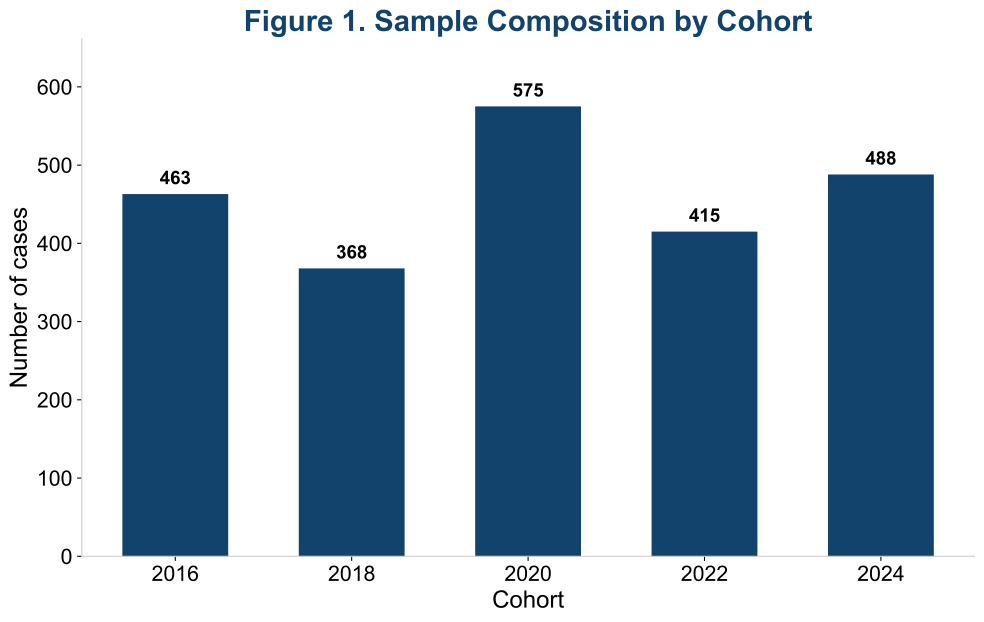
Figure 1. Sample composition by cohort (n=2,309)
3.2 Case Status Classification
Not all 2,309 cases in the sample are at the same stage. Approximately 90% of cases have fully dissolved with a final Gazette notice and are classified as ‘Dissolved (Gazette Notice)’. A further 3% have filed a final report but do not yet have a final Gazette notice; these are classified as ‘Final report filed (pre dissolution)’. The remaining 7% were still open at the time data was extracted from Companies House (13-15 January 2026). Because the reliability of derived metrics depends on the completeness of the underlying data, it is essential to distinguish between cases at different stages before calculating performance measures.
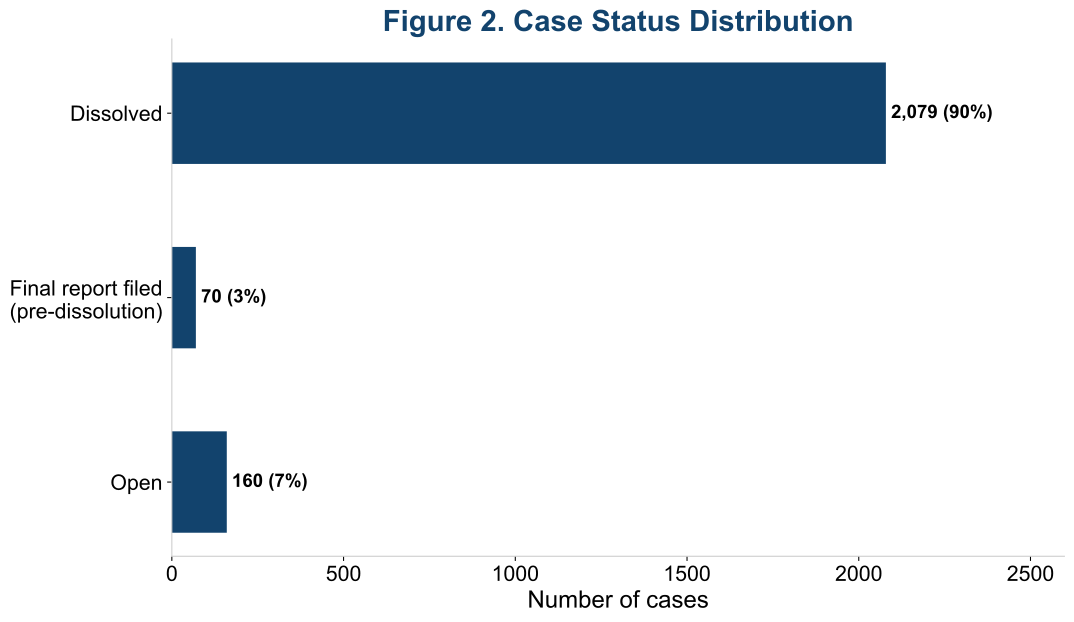
Figure 2. Case status distribution (n=2,309)
3.3 Analytical Variables
The analysis is structured around three areas, each drawing on specific metrics. These were selected to align with the quantitative evaluation framework set out in the Statement of Requirements, drawing on the IMF’s approach to measuring insolvency system performance (Garrido, 2019) and the World Bank’s principle that effective insolvency systems should aim for timely resolution (World Bank, 2021). Although these frameworks were developed in the context of insolvency systems, the underlying principles translate meaningfully to MVLs as a solvent winding-up procedure.
3.3.1 Efficiency
Efficiency is operationalised through four metrics: duration, cost, recovery rate, and members’ outcome.
Duration is the number of days from the start of the liquidation (appointment of the liquidator) to the date of dissolution. It measures the administrative efficiency of the process, how long it takes to wind up a solvent company. This metric is calculated only for closed cases (n=2,079), as only these have a definitive end date.
Cost is the sum of pre-appointment costs and IP remuneration charged, expressed as a percentage of total assets realised. It measures the proportionate expense of the liquidation process relative to the estate’s value.[5] This metric is calculated for closed and final report cases (n=1,805) where sufficient financial data is available.
Recovery rate is the total amount paid to creditors (excluding statutory interest) divided by the total amount owed to creditors. It measures the extent to which creditor claims are satisfied. This metric is calculated for closed and final report cases (n=2,147). Cases where both the amount owed and amount paid are zero are classified as 100% recovery, reflecting full satisfaction of a nil obligation.
Members’ outcome is total distributions to members (including distributions in specie) as a percentage of the Declaration of Solvency estimate. It measures what members receive relative to what was originally projected. This metric is calculated for closed and final report cases (n=2,004).
Together, these metrics provide a comprehensive picture of MVL performance: how long the process takes, how much it costs, whether creditors are paid in full, and whether members receive their expected returns. They are used consistently throughout the analysis sections that follow.
Table 1. Efficiency Analytical Variable Derivation
| Metric | Formula | Unit |
|---|---|---|
| Duration | End date minus start date | Days |
| Cost | (Pre-appointment costs + IP remuneration) / Assets realised | % |
| Recovery rate | Total paid to creditors / Total owed to creditors | % |
| Members’ outcome | Total distributions to members / DoS estimated surplus | % |
3.3.2 Effectiveness
Effectiveness is operationalised through three metrics: the proportion of cases in which creditors were paid within 12 months of appointment, the rate of CVL conversion, and enforcement outcomes. These metrics speak to whether the process is meeting its statutory obligations and being used appropriately.
Creditors paid within 12 months measures whether all creditor payments were made within 12 months of the commencement of the liquidation. This is the metric most directly relevant to the Declaration of Solvency and to the Novalpina ruling, which treated the 12-month period as a strict objective obligation. It is calculated for closed and final report cases (n=2,149).
CVL conversion measures the proportion of cases that converted from an MVL to a CVL during the course of the winding up. A conversion occurs when the liquidator concludes that the company is unable to pay its debts in full, triggering a switch to the insolvent regime. This metric is calculated across all cases (n=2,309).
Enforcement outcome records whether cases were sifted in for possible investigation and, where sifted in, whether an investigation outcome was reached. This metric is calculated across all cases (n=2,309).
Table 2. Effectiveness Analytical Variables
| Metric | Description | Unit |
|---|---|---|
| Creditors paid within 12 months | Whether all creditor payments were completed within 12 months of liquidator appointment | % |
| CVL conversion | Cases converted from MVL to CVL during the liquidation | % |
| Enforcement | Cases sifted in for investigation; cases reaching an investigation outcome | % |
3.3.3 Open Cases
Open cases are examined separately from the efficiency and effectiveness metrics. Cases that remain active at the point of data extraction do not have definitive end dates or final financial figures, and so cannot be assessed on duration, cost, or confirmed recovery. Instead, the analysis examines the scale and profile of open cases using available indicators: the value of assets currently held, whether creditors remain outstanding, and the proportion of open cases showing indicators consistent with full creditor recovery.
3.4 Statistical Methods
The data in this study are heavily right-skewed across most measures. In plain terms, this means that while the majority of MVL cases cluster around relatively modest asset, cost and distribution values, a small number of cases involve unusually high figures – for example, liquidations that take many years to close or where costs far exceed the assets involved (as there might be no assets, with costs met by a third party). These outliers pull the average (mean) upward, making it a misleading summary of what a “typical” case looks like.
To address this, the median is used as the primary measure of central tendency throughout this report. The median represents the middle value when all cases are ranked in order – half of cases fall above it and half below. Unlike the mean, the median is not distorted by a handful of extreme cases, making it a more reliable indicator of the typical MVL experience. Means are still reported for some analyses, but readers should interpret them with caution, as they will consistently appear higher than the median due to the influence of outliers. Our approach is consistent with IMF recommendations, showing that median values can provide better information, because typically there are large differences between large complex insolvency cases and small cases.
To describe how values are spread around the median, interquartile ranges are reported: that is, the range between the 25th and 75th percentile. This captures the middle 50% of cases and provides a practical sense of the normal range of variation, without being affected by extreme values at either end.
Correlations between metrics are assessed using Spearman rank correlation coefficients, which are designed for data that does not follow a normal bell-curve distribution and are robust to the influence of outliers. Statistical significance is assessed at the 5% level (p < 0.05).
3.5 Limitations and Uncertainty
Several sources of uncertainty should be considered when using and interpreting the findings in this report.
3.5.1 Sampling
As with any sample-based study, the results are subject to sampling error: the statistics reported are estimates of population parameters, not exact values. The target population consists of MVL cases commenced in every other calendar year between 2016 and 2024. Therefore, cases commenced in intervening years are not represented. While the sample was designed by the Insolvency Service to be representative of the MVL population across the defined period, the findings should be interpreted as indicative of patterns in the population rather than definitive measures of it.
3.5.2 Data Quality of Source Filings
The source documents vary in quality, format, and completeness. Filings ranged from digital documents, scanned forms to handwritten forms. Specific issues encountered included: arithmetic errors in filings, where totals did not reconcile with their stated components; inconsistencies between figures presented in tabular form and figures referenced in narrative text within the same filing; and cases where key information was omitted entirely. These issues are inherent to the underlying filings and are not introduced by the research process.
3.5.3 Use of AI-assisted Extraction
Data extraction was carried out using a multi-model AI pipeline. The use of language models to interpret unstructured filings solves typical draw-backs of manual data entry (see Annex B) but it might introduce a different type of potential error. AI models may misinterpret (particularly, ambiguous) text and might mis-state figures, particularly in documents of poorer visual quality.
To mitigate these risks, the extraction process was supported by a series of automated validation and quality assurance steps designed to test whether extracted values were consistent with the underlying source material and the agreed extraction rules. Where those checks identified ambiguity, inconsistency, or insufficient support, the relevant cases were escalated for manual review. These measures are consistent with the principles set out in the Artificial Intelligence Playbook for the UK Government, which emphasises robust human oversight and accountability in AI-assisted processes.
Notwithstanding these safeguards, the possibility remains that some extraction errors are present in the dataset. The effect of any such errors on the aggregate statistics is likely to be small, given the size of the sample and the concentration of results around central values.
3.5.4 Uncertainty in Aggregate Statistics
The median values, interquartile ranges, and percentages reported throughout this analysis are point estimates derived from the sample. They are subject to both sampling variability and measurement error from the sources described above. Where the report states that a metric is, for example, 100% across cohorts, this reflects the sample data; the true population value may differ. The consistency of results across cohorts and the large sample size provide confidence in the broad patterns identified, but precise figures – particularly for small subgroups – should be interpreted with caution.
4. Analysis
4.1 Efficiency
The MVL process appears efficient. The median cost is 1.8% of assets realised, creditors are paid in full in over 99% of cases, and members typically receive 100% of the estimated surplus. Duration is the only metric with notable variation: the median is 478 days, and fewer than one in four cases move to dissolution within 12 months.
Duration peaked in the 2020 cohort, consistent with Covid-era disruption, and improved sharply in the 2024 cohort, though that improvement should be treated with caution as some cases remain open. Cost showed little variation over time and was lowest in fixed-fee cases. Creditor recovery was effectively universal, with only 3 of 2,147 complete cases falling below full payment. Members’ outcome had a median of 100% with a tight interquartile range (99.6% - 100.4%), indicating that directors’ opening surplus estimates were generally reliable.
4.1.1 Duration
The median duration is 478 days, or approximately 16 months. The interquartile range extends from 373 days (approximately 12 months) to 722 days (approximately 24 months). The shortest case in the sample completed in 148 days (just under 5 months), while the longest took 3,786 days (over 10 years).
The distribution of durations is right-skewed, with a long tail of cases extending well beyond two years. Figure 3 shows the distribution across six duration bands. The most common duration band is 12 to 18 months, which accounts for 797 cases (38%). Only 13 cases (1%) completed in under 6 months, while 203 cases (10%) took longer than 36 months.
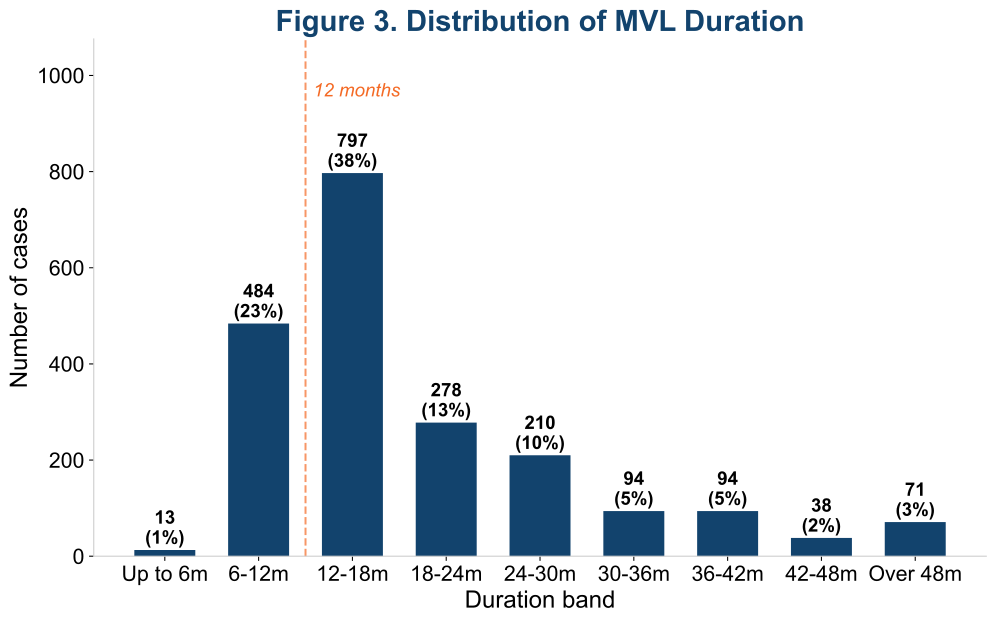
Figure 3. Distribution of MVL duration (closed cases, n=2,079)
Note: Duration bands include the upper limit but not the lower limit. A case lasting exactly six months is counted in the 0 to 6-month band. A case lasting six months and one day is counted in the 6 to 12-month band.
These figures indicate that MVLs routinely take longer than the 12 months, with a median of 478 days. While the DoS period relates specifically to creditor payments rather than overall completion, the fact that only 24% of cases achieve closure within 12 months suggests that the post-payment to creditors phase of the process adds substantial time. It should be noted, however, that approximately three months of the total duration in every case is time that is taken up by the statutory period before dissolution when no activities occur. The duration figures therefore include the period in which the process is, in effect, complete but formal dissolution has not yet occurred.
Duration by Cohort
Figure 4 shows how median duration has varied across the five cohorts. The 2020 cohort stands out with a median of 598 days, materially higher than any other period. This cohort encompasses cases that commenced during the onset and peak of the Covid-19 pandemic.
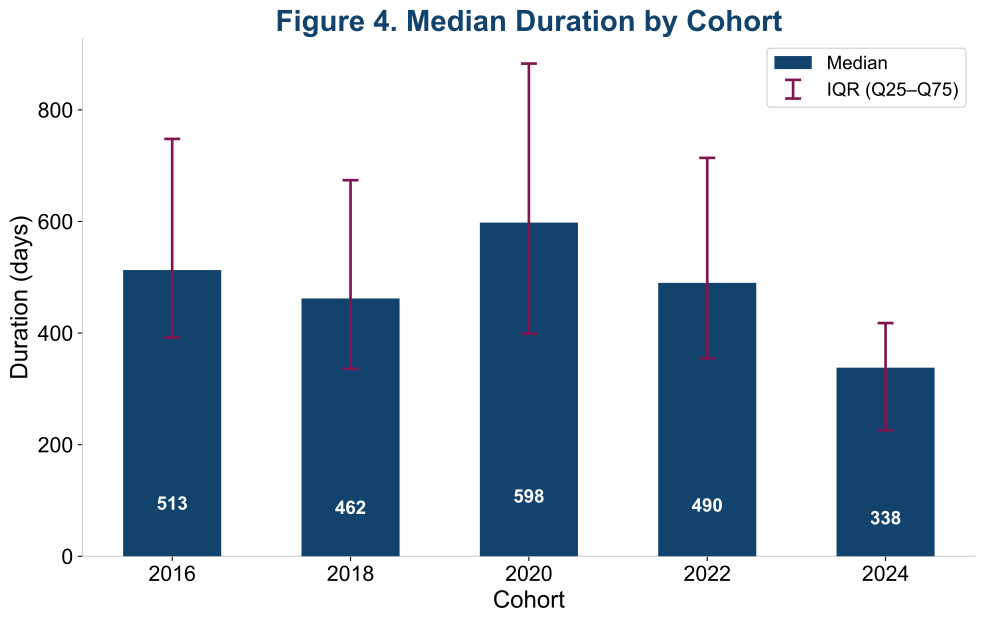
Figure 4. Median duration (days) by cohort, with interquartile range
The 2024 cohort shows a reduction in median duration to 338 days (11 months), with 56% of cases completing within 12 months. This represents an improvement compared with all earlier cohorts. However, the finding requires careful interpretation: 129 of the 488 cases in this cohort remain open. If these outstanding cases prove to be longer-running, the final median for this cohort will be higher than the current figure suggests.
The improvement in the 2024 cohort coincides with HMRC’s decision in December 2023 to cease providing tax clearance for MVLs (HMRC, 2023). The removal of the clearance requirement was expected to reduce average completion times in straightforward cases (ICAEW, 2023). While the data cannot establish a causal link, the timing is consistent with this policy change having had a material effect on the most recent cohort.
Figure 5 illustrates the proportion of each cohort that completed within 12 months. Completion within 12 months ranged from 7% (2020) to 56% (2024) across cohorts. The 2018 cohort recorded 30%, reflecting faster completion times in some pre‑pandemic periods.
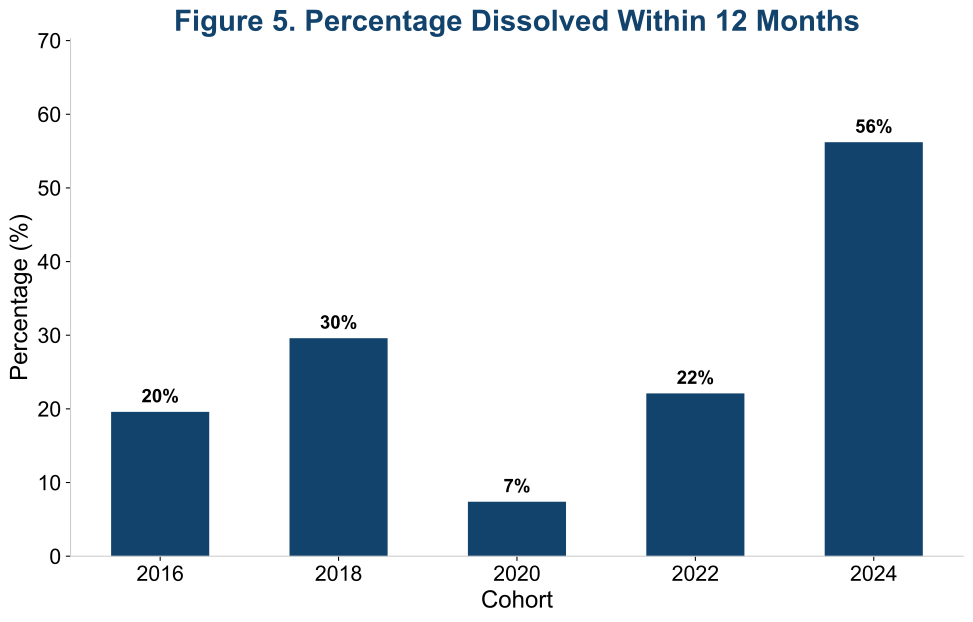
Figure 5. Percentage of MVLs completed within 12 months, by cohort
4.1.2 Cost of Liquidation
The median cost ratio is 1.8% of assets realised. Three-quarters of cases have a cost ratio below 4%. However, the distribution is heavily right-skewed: the mean of 5% is increased by cases where assets realised are extremely small (for example, £1 or £2) but IP fees are at standard levels. There are 72 cases with IP cost exceeding 100% of assets.
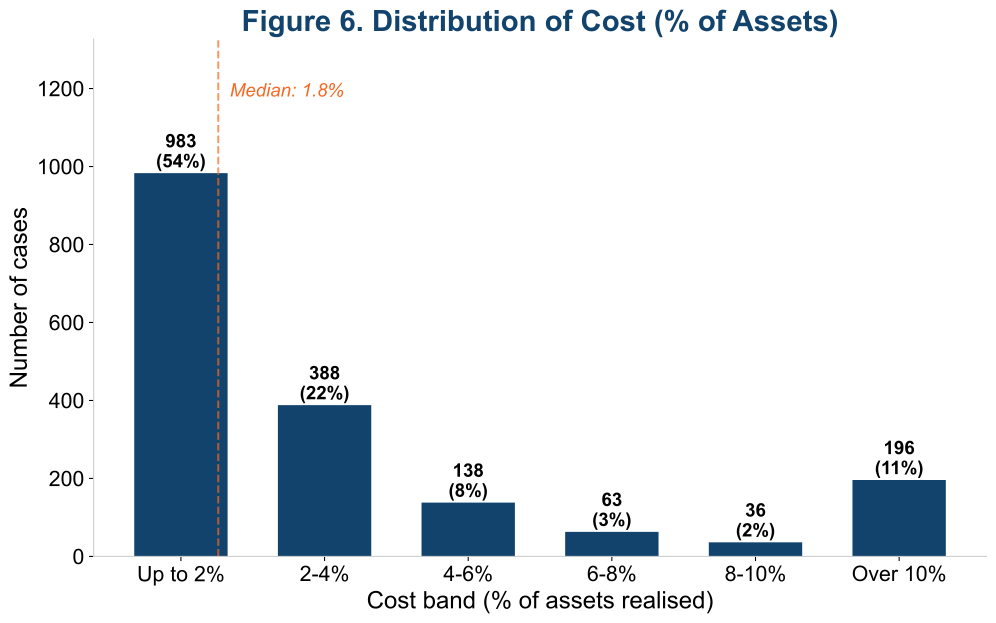
Figure 6. Distribution of cost as a percentage of assets realised (capped at 20%)
Note: Duration bands include the upper limit but not the lower limit. A case costing exactly 2% of assets realised is counted in the ‘Up to 2%’ band. A case with a cost of 2.1% is counted in the 2-4% band.
Cost by Cohort
Median cost ratios have remained broadly stable across cohorts, ranging from 1.6% (2024) to 2.0% (2018). Figure 7 shows that while the most recent cohort has the lowest median, the interquartile ranges overlap substantially. This suggests that the cost of an MVL, relative to assets, has not changed dramatically over the review period.
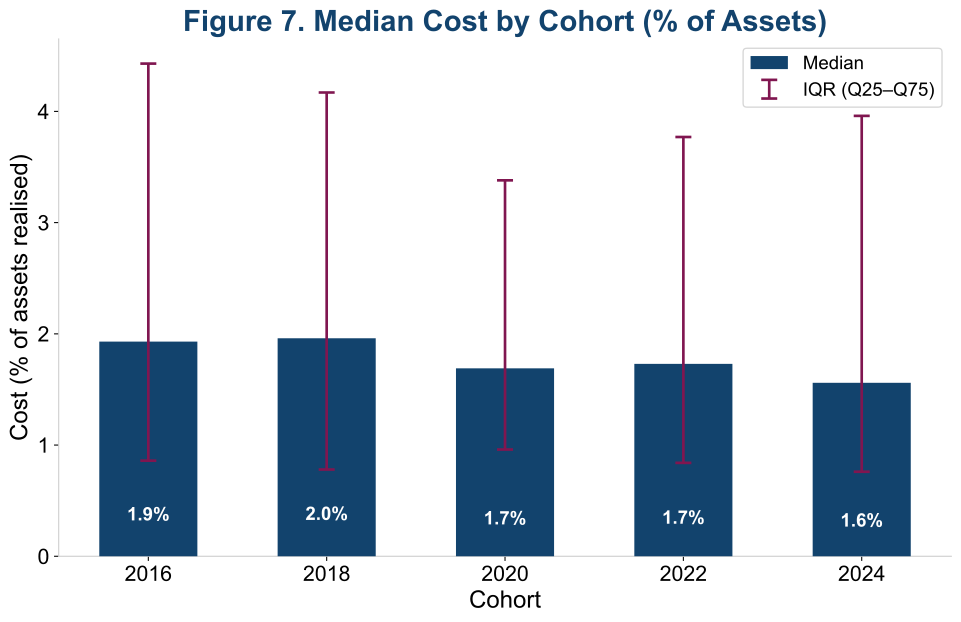
Figure 7. Median cost (% of assets) by cohort, with interquartile range
Fee Paid Components
The two components of total fee paid are pre-appointment fee and IP remuneration paid. This reflects the financial sum actually paid, before and after the commencement of the case, for the purpose of its winding up.
Across the sample, when excluding zero values, median IP remuneration paid is £2,750, with an interquartile range of £2,000 to £4,000. Median pre-appointment fee paid are £1,500 with an interquartile range of £995 to £2,500. Once again, excluding situations where either type of remuneration was not paid, the mean values are £2,097 for pre-appointment fee paid and £4,602 for remuneration paid.
In 22% of cases that are not open (477 out of 2,149), IP remuneration was paid by a third party rather than from the estate. This is a notable feature of MVL practice and may reflect arrangements where directors or shareholders agree to fund professional fees separately, preserving the estate for distribution, or cases where the liquidation is part of company group operations.
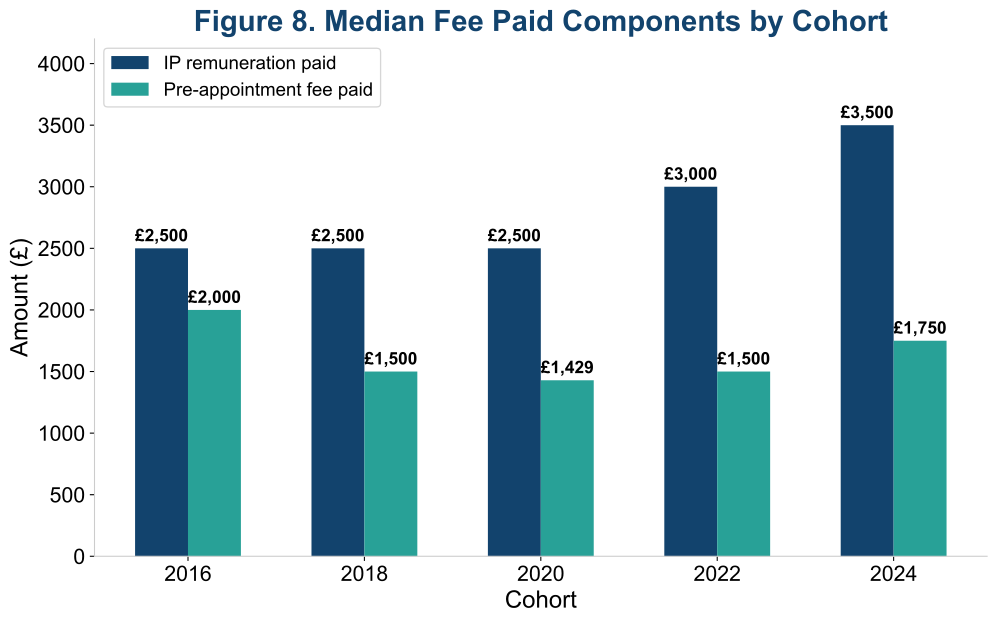
Figure 8. Median pre-appointment fee paid and IP remuneration paid by cohort (£)
- Note: Medians calculated using non-0 values.
4.1.3 Creditor Recovery
The headline finding on creditor recovery is unambiguous: 99.8% of cases achieved a 100% recovery rate. Of 2,147 cases, only 3 fell below 100% recovery. These were cases that converted to CVL.
This result is consistent with the fundamental characteristic of MVLs. These are solvent liquidations where the directors have sworn a statutory declaration that all debts can be paid. The data confirms that, in practice, this obligation is met in almost every case.
Of the 2,147 cases, 1,480 (69%) had no recorded creditor obligations: zero owed and zero paid. These are classified as 100% recovery by definition. The remaining 667 cases had positive amounts owed to creditors; of these, 664 (99.6%) achieved full recovery, and 3 (0.4%) did not.
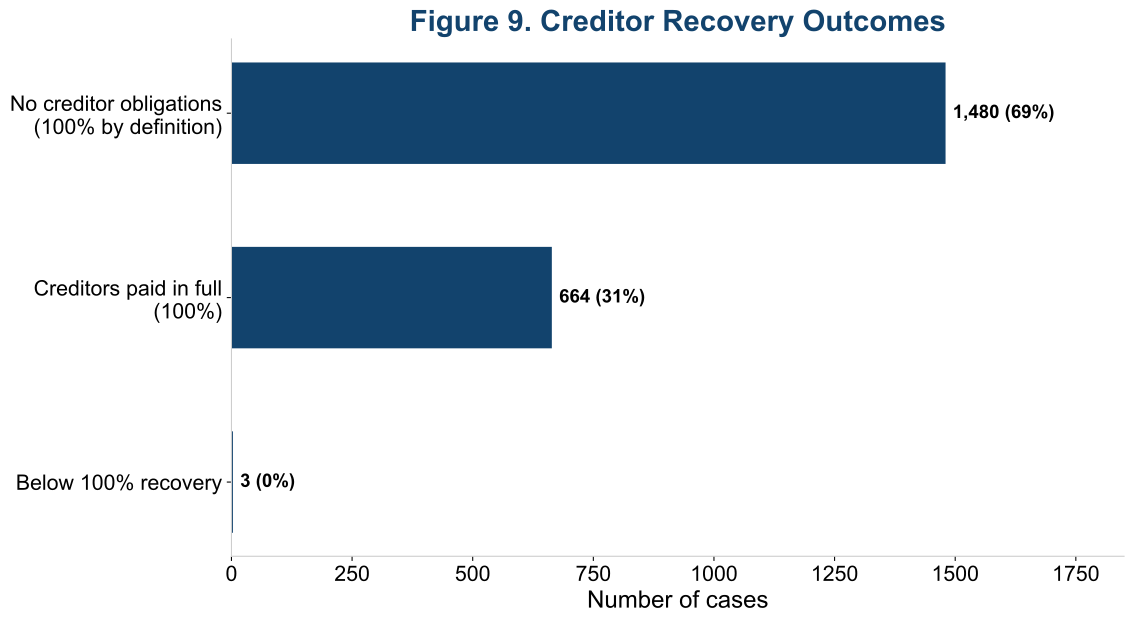
Figure 9. Creditor recovery outcomes across 2,147 complete cases
- Note: ‘No creditor obligations’ = cases where total owed to creditors and total paid to creditors were both zero.
Recovery rates are consistent across all five cohorts. The 2016 cohort recorded one case below full recovery, while the 2018 cohort recorded two. The 2020, 2022 and 2024 cohorts achieved 100% creditor recovery in all cases. For the cases that fell below full recovery, these were converted to CVLs.
The consistency of creditor recovery across cohorts is noteworthy. It suggests that the solvent nature of MVLs is not cohort-dependent and has not been materially affected by external economic shocks, including the Covid-19 pandemic. This stability is directly relevant in the context of the Novalpina decision, which focuses attention on whether creditors are paid in full within 12 months: the data suggests that, even where administrative closure is delayed, creditor payment is achievable.
4.1.4 Outcomes for Members
The median members’ outcome is 100%, meaning that at the median, members received exactly the surplus estimated in the DoS. The interquartile range is tight: 99.6% to 100.4%. This narrow spread indicates that the DoS estimate is generally a reliable predictor of the final distribution.
Approximately 62% of cases returned between 99% and 101% of the estimated surplus, with a further 12% and 11% returning between 90% and 98% and between 102% and 110%, respectively. Cases returning below 90% of the estimated surplus account for 8% of the total.[6] Some individual cases show very large deviations in both directions.
The close alignment between declared and realised surplus suggests that, in most cases, the DoS provides a broadly reliable basis for the liquidation. This is relevant to the policy question of whether MVLs are being used appropriately: if directors were systematically overestimating the surplus available, in order that the company access an MVL rather than have to enter a CVL, one would expect a wider dispersion of outcomes and a greater incidence of shortfalls. The narrow Interquartile range suggests this is not occurring at scale.
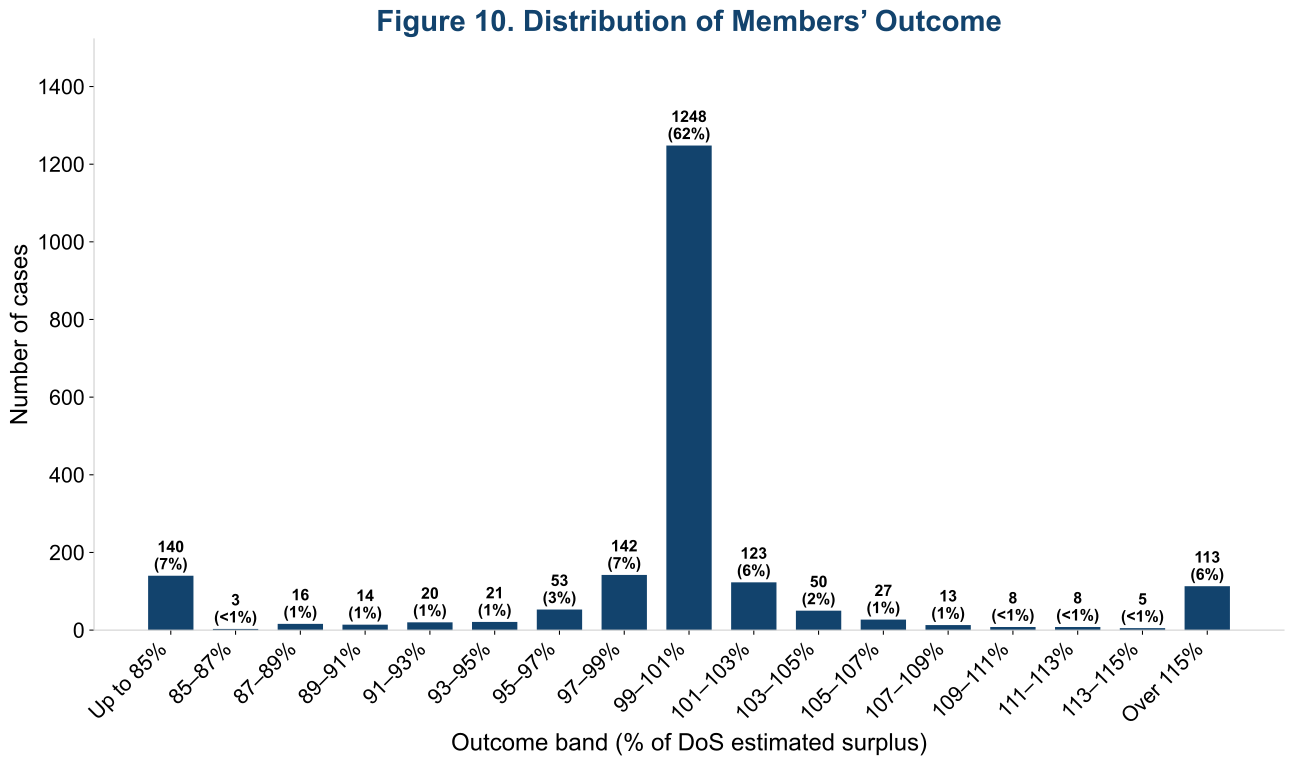
Figure 10. Distribution of member’’ outcome (% of DoS estimated surplus)
Note: Bands include the upper limit but not the lower limit. A case with a members’ outcome value of exactly 85% is counted in the ‘Up to 85%’ band; a case with a members’ outcome value of 85.1% is counted in the 85-87% band.
Members’ Outcome by Cohort
Figure 11 shows the median members’ outcome by cohort. The median is stable at 100% across all cohorts, but the interquartile range narrows over time: earlier cohorts show wider dispersion (particularly 2016 and 2018), while more recent cohorts cluster more tightly around 100%. This may reflect improvements in the accuracy of DoS estimates or changes in the profile of companies entering MVL.
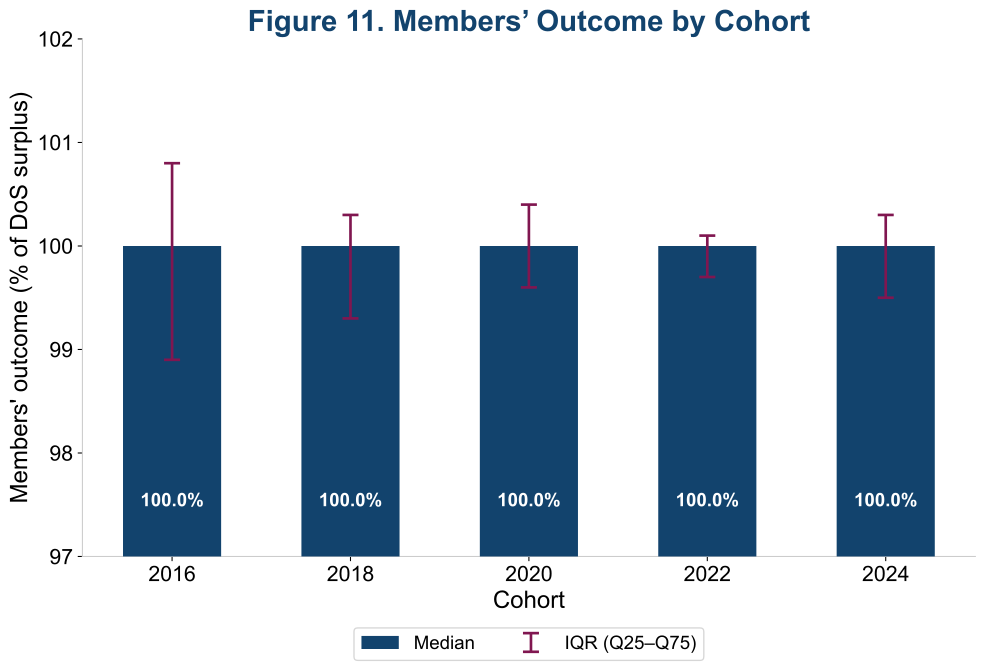
Figure 11. Median members’ outcome by cohort, with interquartile range
4.1.5 Relationships Between Efficiency Metrics
This section examines the relationships between the four core efficiency metrics using Spearman rank correlations.
Table 3. Spearman rank correlations between efficiency metrics (p < 0.05 threshold)
| Pair | Spearman rho | p-value | n | Sig. |
|---|---|---|---|---|
| Duration vs Cost | 0.007 | 0.75 | 1742 | No |
| Duration vs Recovery | -0.047 | 0.03 | 2079 | Yes |
| Duration vs Members’ | 0.0064 | 0.78 | 1936 | No |
| Cost vs Recovery | -0.036 | 0.12 | 1804 | No |
| Cost vs Members’ | -0.097 | 0.00 | 1758 | Yes |
| Recovery vs Members’ | 0.015 | 0.51 | 2004 | No |
The key findings from the correlation analysis are:
- Duration and cost are not correlated (rho = 0.007 p = 0.75). Longer cases do not systematically cost more as a proportion of assets. This suggests that the absolute level of fees may increase with duration, but so do the assets under management, leaving the ratio broadly unchanged.
- Cost and members’ outcome have a weak negative correlation (rho = -0.097, p < 0.001). Higher relative costs are associated with slightly lower returns to members. While statistically significant, the effect size is small.
- Duration and recovery have a weak negative correlation (rho = -0.047, p = 0.03). Longer cases are marginally less likely to achieve full creditor recovery, though the practical significance is minimal given that 99.8% of cases achieve 100% recovery.
Input-Output Ratio
The input-output ratio measures cost as a proportion of members’ outcome. The median ratio is 0.02, meaning that for every pound distributed to members, approximately 2 pence was spent on liquidation costs. The interquartile range is 0.01 to 0.04, indicating that the vast majority of MVLs operate with very low relative costs.
4.2 Effectiveness
Creditors were paid within 12 months in 95% of cases, consistent across all cohorts. CVL conversion was rare at 0.3% (7 cases). Among the small number of cases that converted to CVL, there was one recorded investigation outcome, resulting in a director disqualification.
4.2.1 Timeliness of Creditor Payments
The DoS requires directors to confirm that the company can pay all debts within 12 months. The analysis examines whether creditors were paid within this statutory timeframe.
Across the closed cases (2,149 cases), 2,032 (95%) had creditors paid within 12 months. A further 111 cases (5%) took longer and 6 cases converted to an insolvent winding up process. The rate is broadly consistent across cohorts, ranging from 94% (2016) to 97% (2024). Overall, the data confirms that MVLs overwhelmingly meet the statutory requirement for timely creditor payment.
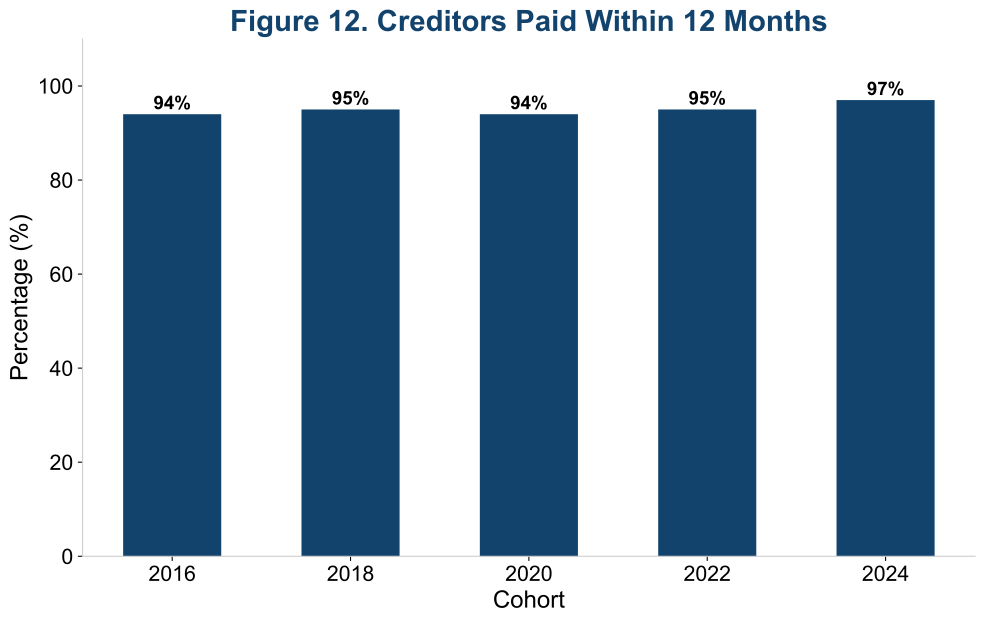
Figure 12. Percentage of creditors paid within 12 months, by cohort
The distinction between timeliness of creditor payment and timeliness of dissolution is central to interpreting these findings in the post-Novalpina context. The High Court’s ruling focused specifically on the ability to pay debts within 12 months, not on the duration of the liquidation as a whole (something for which there is no statutory requirement). The data shows that 95% of cases met this standard, even where many of those same cases remained open beyond 12 months. The joint RPB statement following Novalpina explicitly acknowledged that an MVL may continue beyond 12 months if creditors and interest have already been paid in full (Joint RPB Statement, 2025).
4.2.2 CVL Conversion
Across the sample, 7 cases (0.3%) converted from MVL to CVL. A conversion occurs when the liquidator forms the view that the company is unable to pay its debts in full, triggering a switch from the solvent to the insolvent winding-up regime.
CVL conversions are rare across all cohorts. The 2018 cohort had the highest rate at 1.1% (4 conversions from 368 cases). More recent cohorts show lower rates, with the 2020 and 2024 cohorts recording no conversions. The low overall incidence suggests that the Declaration of Solvency process is broadly effective at screening out insolvent cases.
The low rate of CVL conversion is consistent with MVLs predominantly being used for cases that are genuinely solvent.
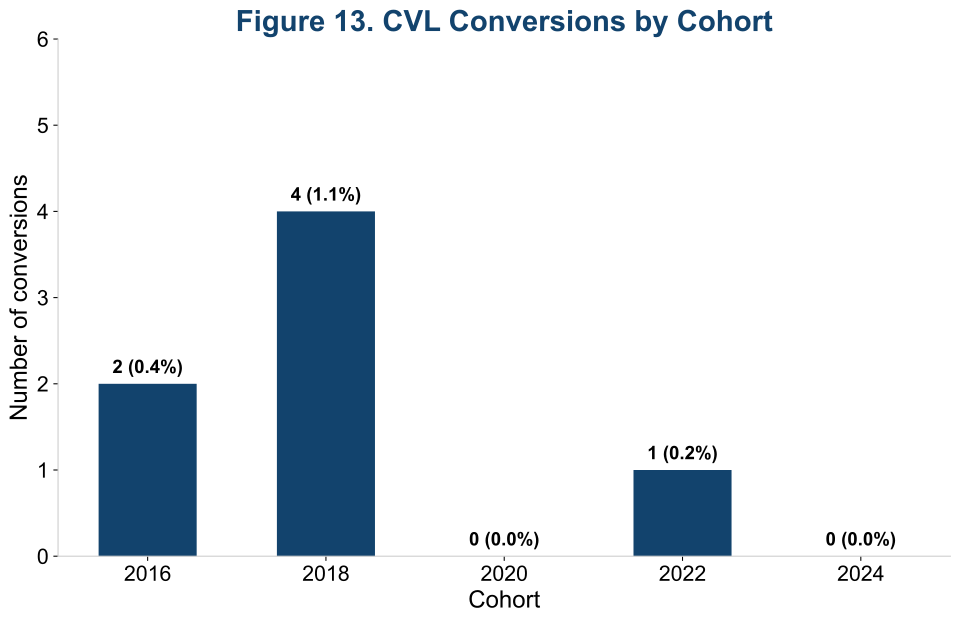
Figure 13. CVL conversions by cohort (count and percentage)
4.2.3 Investigations
In MVLs, IPs do not have a statutory duty to submit a report on directors’ conduct to the Insolvency Service (acting on behalf of the Secretary of State for Business and Trade). A conduct report is only required if the MVL converts into a CVL. Once converted, the case becomes subject to the same reporting requirements as other formal insolvency processes, and the Insolvency Service reviews the conduct report alongside any other intelligence received.
As described in the previous section, of the 2,309 cases in the sample, 7 (0.3%) converted from an MVL to a CVL. Of the 7 cases that converted to CVL, 6 were sifted in by the Insolvency Service for potential investigation. ‘Sift-in’ designates cases that meet the Service’s criteria for further consideration, but does not necessarily mean that an investigation was opened.
Of the 6 cases sifted in, one resulted in an enforcement outcome: a pre-issue undertaking, in which the director voluntarily agreed to be disqualified without court proceedings. This represents an investigation outcome rate of 0.04% of the full sample. No cases resulted in disqualification by court order. The very low rates of conversion, sift-in, and enforcement action are consistent with the solvent nature of MVLs.
4.2.4. Open Cases
At the time of data extraction, 160 cases (7%) remained open. The vast majority (129) are from the 2024 cohort, which is expected given the recent commencement dates. A smaller number are from earlier cohorts: 14 from 2020, 13 from 2022, and 4 combined from the 2016 and 2018 cohorts.
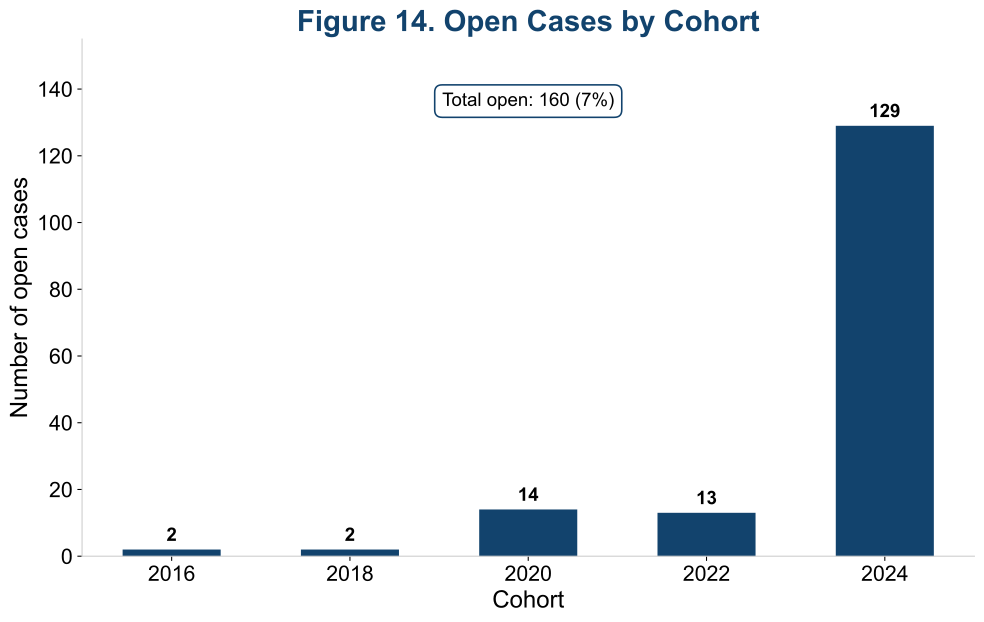
Figure 14. Open cases by cohort
Among the 160 open cases, 138 (87%) have no outstanding creditor obligations or appear to have fully paid their creditors. 21 cases (13%) have creditors who have not yet been fully paid, of these, 17 show no recovery to date and 4 show partial recovery, with a median recovery rate of 62%.[7] As these cases remain open, final outcomes are not yet determined.
Open cases hold substantial assets: the median assets held is approximately £354,638, with a mean of £1,694,596. Median cash funds held are considerably lower at £1,827, suggesting that a significant proportion of assets in open cases are tied up in non-cash form and are awaiting realisation.
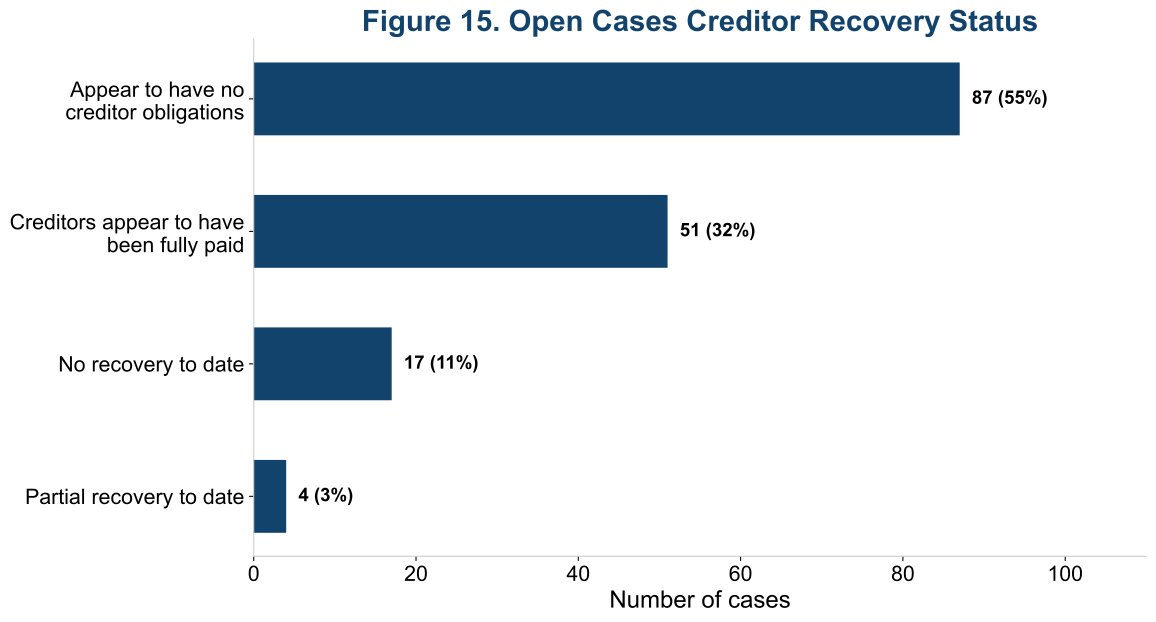
Figure 15. Open cases by recovery status
Open cases from earlier cohorts are of particular interest in the context of the Novalpina ruling. Cases that have been open for several years raise the question of whether creditors have been paid in full within the statutory 12-month period. The data shows that the majority of long-running open cases show indicators consistent with full creditor recovery, but the small number remaining open from as early as 2016 suggests that a subset of MVLs involve complexities, such as disputed claims, contingent liabilities, or hard-to-realise assets, that extend the process well beyond normal timeframes.
4.3 Additional Observations
Additional observations suggest that MVLs often involve practical administrative complexity rather than substantive solvency failure. Distributions in specie were recorded in just under half of cases and overdrawn directors’ loan accounts in a quarter of cases. More unusual features such as section 110 distributions were uncommon.
4.3.1 Distributions in Specie
Distributions in specie (transfers of company assets directly to members) were recorded in 1,006 cases (44%).[8] The median value of distributions in specie was approximately £65,643, with an interquartile range of £1,037 to £264,584. 14% of distributions in specie were under £10.
The prevalence of distributions in specie is notable: nearly half of all MVLs involve non-cash asset transfers. This practice is common where companies hold property, investments, or other assets that members wish to retain, and it avoids the cost and delay of converting these assets to cash before distribution. Where the director in question is also a member of the company, an overdrawn loan account balance may in some cases be settled by way of a distribution in specie – effectively offsetting the loan against the member’s share of the surplus – rather than requiring a cash repayment to the estate. Inter-company receivables are also frequently distributed in specie.
4.3.2 Overdrawn Directors’ Loan Accounts
Overdrawn directors’ loan accounts were identified in 541 cases (23%). The median overdrawn amount was approximately £100,885, with an interquartile range of £41,202 to £290,000. The maximum recorded overdrawn amount was £7,775,000.
These figures indicate that nearly a quarter of MVL companies have overdrawn directors’ loan accounts at the point of liquidation. In most cases, these balances are settled as part of the distribution process, but they represent a factor that the liquidator must address before final distributions can be made.
4.3.3 Other Notable Features
A small number of additional features were recorded across the sample. Section 110 distributions (section 110 Insolvency Act 1986) were used in 8 cases (0.3%). Corporate directors were present in 12 cases (0.5%). Dormant accounts filed prior to the DoS were identified in 151 cases (7%). Bounce Back Loans were present in 2 cases, and no cases involved cryptoassets.
The median DoS estimated surplus across the sample was £1,382,163, with an interquartile range from £47,797 to £374,483. Total distributions to members had a median of £127,552. The close alignment between these two figures at the median level reinforces the earlier finding that members typically receive close to the amount estimated in the DoS.
5. Conclusions
This analysis of 2,309 MVL cases provides the first large-scale empirical picture of how the Members’ Voluntary Liquidation process operates in practice in England and Wales. The findings are discussed below against the core research questions.
How efficient is the current MVL process?
The MVL process is efficient in economic terms. The median cost is 1.8% of assets realised, and the input-output ratio confirms that for every pound distributed to members, approximately 2 pence was spent on liquidation costs. These cost levels are substantially below those observed in insolvent liquidations.
The median duration to formal closure is 478 days with 24% of cases completed the process to dissolution (including the 3-month wait period prior to dissolution) within 12 months. However, 95% of cases paid all creditors within 12 months.
Is the process achieving its intended objectives?
The evidence indicates that the MVL process is substantively effective at delivering its core statutory purpose. Creditor recovery is near-universal: 99.8% of complete cases achieved full recovery. Members typically receive the surplus estimated by the directors, with a median outcome of 100% of the DoS estimated surplus and a narrow interquartile range of 99.5% to 100.3%.
CVL conversions are rare at 0.3% of the sample, suggesting that MVLs are generally being used for solvent companies. Of the 7 cases that converted, 6 were sifted in by the Insolvency Service, and one resulted in an enforcement outcome. The enforcement pipeline in MVLs is of a fundamentally different order from that observed in insolvent liquidations.
What has changed pre-Covid versus post-Covid?
The 2020 cohort recorded the highest median duration of 601 days and the lowest rate of completion within 12 months at 7%. This reflects the operational disruptions of the pandemic period.
The most recent cohort (2024) shows substantial improvement, with a median duration of 338 days and 56.2% of cases completing within 12 months – the best performance of any cohort in the sample. This improvement coincides with HMRC’s decision in December 2023 to cease providing tax clearance for MVLs. Cost ratios have remained broadly stable across all cohorts, and creditor recovery and members’ outcomes show no material variation pre- or post-pandemic, confirming that while the pandemic affected the speed of the process at the time, it is unlikely to have affected its substantive outcomes.
Implications of the Novalpina judgment in light of the evidence
The Novalpina ruling raised legal concerns for cases where creditor payment extends beyond 12 months. This study shows that creditors were paid within 12 months in 95% of cases. The data therefore suggests that the scenario at issue in Novalpina, where creditors remain unpaid beyond the DoS period, is rare in routine MVL practice.
What the findings mean for the regulatory framework
The low rates of CVL conversion (0.3%) and enforcement action (0.04%) are consistent with MVLs being predominantly used by solvent companies. The director conduct reporting framework, which is triggered only upon CVL conversion, appears appropriately calibrated to the risk profile of this population.
The data on cost, recovery, and members’ outcomes indicates that the current regulatory framework is producing consistent results across cohorts, fee bases, and case characteristics. There is no evidence from this sample of systematic issues in how MVLs are being conducted.
Overall Assessment
The evidence indicates that the MVL process operates effectively in delivering its core objectives: creditors are paid in full, members receive the expected surplus, and costs are proportionate. The principal area for attention may be the duration of the process.
This research fills a notable gap in the empirical literature on voluntary liquidations in the United Kingdom. As Hardman and MacPherson (2023) observed, there is only a limited body of empirical analysis of insolvency law across the UK. The published evidence base on MVLs specifically has been thinner still, with no comparable large-scale study of MVL outcomes. The data presented here provides an evidence base against which the implications of the Novalpina decision, and any future policy development in this area, can be assessed.
Annex A: Statistical Tables
Sample
Table A1. Sample Composition by Cohort
| Cohort | Cases | % of total |
|---|---|---|
| 2016 | 463 | 20% |
| 2018 | 368 | 16% |
| 2020 | 575 | 25% |
| 2022 | 415 | 18% |
| 2024 | 488 | 21% |
| Total | 2,309 | 100% |
Table A2. Case Status Distribution
| Status | Cases | % of total |
|---|---|---|
| Dissolved (Gazette Notice) | 2,079 | 90% |
| Final report filed | 70 | 3% |
| Open | 160 | 7% |
| Total | 2,309 | 100% |
Efficiency
Table A3. Duration Statistics by Cohort
Eligible cases: dissolved and final report filed.
| Cohort | Cases | Median (days) | Mean (days) | 25th percentile | 75th percentile | Min | Max | Within 12 months |
|---|---|---|---|---|---|---|---|---|
| 2016 | 460 | 513 | 651 | 398 | 750 | 162 | 3,446 | 20% |
| 2018 | 365 | 462 | 588 | 336 | 677 | 148 | 2,576 | 30% |
| 2020 | 556 | 598 | 727 | 458 | 884 | 185 | 3,786 | 7% |
| 2022 | 398 | 490 | 568 | 384 | 715 | 192 | 1,385 | 22% |
| 2024 | 300 | 338 | 355 | 281 | 428 | 158 | 676 | 56% |
| All | 2,079 | 478 | 601 | 373 | 722 | 148 | 3,786 | 24% |
Table A4. Distribution of MVL Duration
Eligible cases: dissolved and final report filed.
| Duration band | Cases | % of dissolved |
|---|---|---|
| 0–6 months | 13 | 1% |
| 6–12 months | 483 | 23% |
| 12–18 months | 798 | 38% |
| 18–24 months | 278 | 13% |
| 24–30 months | 210 | 10% |
| 30–36 months | 94 | 5% |
| 36–42 months | 94 | 5% |
| 42–48 months | 38 | 2% |
| 48+ months | 71 | 3% |
| Total | 2,079 | 100% |
Table A5. Cost Statistics by Cohort (% of Assets Realised)
Eligible cases: dissolved and final report filed.
| Cohort | Median | 25th percentile | 75th percentile |
|---|---|---|---|
| 2016 | 1.9% | 0.9% | 4.5% |
| 2018 | 2.0% | 0.7% | 4.2% |
| 2020 | 1.7% | 0.9% | 3.4% |
| 2022 | 1.7% | 0.8% | 3.7% |
| 2024 | 1.6% | 0.7% | 4.0% |
| All | 1.8% | 0.8% | 3.8% |
Note: Mean is not reported as the distribution is heavily right-skewed; the median is the appropriate measure of central tendency.
Table A6. Distribution of Cost as % of Assets Realised
| Cost band | Cases | % of total |
|---|---|---|
| 0–1% | 558 | 31% |
| 1–2% | 426 | 24% |
| 2–3% | 250 | 14% |
| 3–4% | 138 | 8% |
| 4–5% | 91 | 5% |
| 5–10% | 145 | 8% |
| 10–20% | 49 | 3% |
| 20%+ | 148 | 8% |
| Total | 1,805 | 100% |
Table A7. Creditor Recovery Rate by Cohort
Eligible cases: dissolved and final report filed.
| Cohort | Median | Recovery ≥ 100% |
|---|---|---|
| 2016 | 100% | 99.6% |
| 2018 | 100% | 99.5% |
| 2020 | 100% | 100.0% |
| 2022 | 100% | 100.0% |
| 2024 | 100% | 100.0% |
| All | 100% | 99.8% |
Table A8. Creditor Recovery Outcomes
Eligible cases: dissolved and final report filed.
| Category | Cases | % of total |
|---|---|---|
| No creditor obligations (100% by definition) | 1,480 | 69% |
| Creditors paid in full (100%) | 664 | 31% |
| Below 100% recovery | 3 | 0.2% |
| Total | 2,147 | 100% |
Note: No creditor obligation are cases where total owed to creditors and total paid to creditors were both zero.
Table A9. Members’ Outcome by Cohort (% of DoS Estimated Surplus)
Eligible cases: dissolved and final report filed, with valid DoS surplus and distribution data.
| Cohort | Cases | Median | 25th percentile | 75th percentile |
|---|---|---|---|---|
| 2016 | 417 | 100% | 99% | 101% |
| 2018 | 339 | 100% | 99.4% | 100.4% |
| 2020 | 539 | 100% | 100% | 100% |
| 2022 | 374 | 100% | 99.6% | 100.1% |
| 2024 | 335 | 100% | 99.7% | 100.3% |
| All | 2,004 | 100% | 99.5% | 100.4% |
Table A10. Distribution of Members’ Outcome (% of DoS Estimated Surplus)
| Outcome band | Cases | % of total |
|---|---|---|
| Below 80% | 128 | 6% |
| 80–90% | 36 | 2% |
| 90–98% | 245 | 12% |
| 99–101% | 1,248 | 62% |
| 102–110% | 216 | 11% |
| Above 110% | 131 | 7% |
| Total | 2,004 | 100% |
Effectiveness
Table A11. Creditors Paid Within 12 Months by Cohort
Eligible cases: dissolved and final report filed.
| Cohort | Cases | Paid within 12 months | % |
|---|---|---|---|
| 2016 | 458 | 429 | 94% |
| 2018 | 361 | 342 | 95% |
| 2020 | 554 | 518 | 94% |
| 2022 | 373 | 353 | 95% |
| 2024 | 402 | 390 | 97% |
| All | 2,148 | 2,032 | 95% |
Note: One case that converted to wind-up excluded.
Table A12. CVL Conversions by Cohort
| Cohort | Total cases | CVL conversions | % |
|---|---|---|---|
| 2016 | 463 | 2 | 0.4% |
| 2018 | 368 | 4 | 1% |
| 2020 | 575 | 0 | 0% |
| 2022 | 415 | 1 | 0.2% |
| 2024 | 488 | 0 | 0% |
| All | 2,309 | 7 | 0.3% |
Table A13. Enforcement Pipeline
| Stage | Cases | % of sample (n=2,309) |
|---|---|---|
| Total cases in sample | 2,309 | 100% |
| Converted to CVL | 7 | 0.3% |
| Sifted in for investigation | 6 | 0.3% |
| Investigation outcome recorded | 1 | 0.04% |
Open Cases
Table A14. Open Cases by Cohort
| Cohort | Open cases | Total in cohort | % open |
|---|---|---|---|
| 2016 | 2 | 463 | 0.4% |
| 2018 | 2 | 368 | 0.5% |
| 2020 | 14 | 575 | 2% |
| 2022 | 13 | 415 | 3% |
| 2024 | 129 | 488 | 26% |
| All | 160 | 2,309 | 7% |
Table A15. Open Cases – Creditor Recovery Status
| Category | Cases | % of open cases |
|---|---|---|
| No creditor obligations | 87 | 55% |
| Creditors fully paid | 51 | 32% |
| No recovery to date | 17* | 11% |
| Partial recovery to date | 4 | 3% |
| Total | 159** | 100% |
- Two open cases converted to CVL.
** One case not included due to the lack of clarity as to creditor payments.
Annex B: Methodology
B1. Sampling
The sampling approach was designed by the Insolvency Service using a stratified random sampling methodology. The target population comprised MVL cases commenced in every other calendar year between 2016 and 2024 in England and Wales. This biennial approach was designed to balance coverage of both pre- and post-Covid-19 periods while maintaining a manageable sample size. Stratification ensured proportional representation across the selected sampled years (2016, 2018, 2020, 2022 and 2024). Sample sizes for each sampled year were calibrated to satisfy the minimum thresholds corresponding to a 95% confidence level with a ±5% margin of error.
In practical terms, this means that if same sampling process were repeated many times, 95% of the resulting confidence intervals would be expected to contain the true population value. The final sample comprised 2,309 companies. The approach does not generalise to the intervening non‑sampled years (2017, 2019, 2021, 2023), which fall outside the target population.
B2. Data Collection
Data was collected from Companies House using the Companies House Public Data API. For each of the 2,309 companies in the sample, all available filings were downloaded programmatically in several rounds between the 13th and 15th of January 2026. This resulted in approximately 120,000 individual documents. The documents of primary interest were: the most recent accounts; the declaration of solvency; the notice of appointment of liquidator; and progress and final reports (LIQ03 and LIQ13 forms). Of the total files downloaded, approximately 12,700 documents were identified as directly relevant and usable for data extraction. These documents comprised an estimated 110,000 pages of source material.
B3. Rationale for the Methodology
The volume of source material made an AI-assisted extraction pipeline a practical choice given the project’s timeframe. Manual extraction of approximately 80 variables per case from documents of varying length, format, and quality would require large resources of trained coders. Even then, manual approaches face two recognised sources of error: incomplete capture, where reviewers overlook relevant data points across lengthy documents, particularly under time pressure or fatigue; and data entry error, including transcription mistakes, unit confusion, and misclassification of values.
The AI pipeline addresses both issues. Large language models, when used and supervised appropriately, are able to process documents in full, reducing the risk of missed data, even if the information is inconsistently scattered across different locations in the document.
Of course, AI-assisted extraction introduces its own limitations, discussed in section B6.
B4. Data Scoping and Variable Definition
Prior to extraction, a data scoping stage was undertaken to establish key reference variables for each company, including case start dates, end dates (where available), liquidator names, and IP firm identifiers. Where filings contained inconsistent or ambiguous date information, cross-referencing between multiple documents was used to establish the most reliable dates. The research team worked iteratively with the Insolvency Service to produce precise definitions for each of the approximately 80 variables to be extracted. Variable definitions specified the exact information to be captured, the document types likely to contain the relevant information, decision rules for handling ambiguous or conflicting information, and the expected data type and format. This iterative process was essential given the heterogeneity of MVL filings, which vary significantly in format, structure, and level of disclosure across IP firms and over time.
B5. Automated Extraction
Data extraction was performed using our AI tool, signAlTM, supported by a robust human-led review and quality control process. Each filing was assessed against the variable definitions to identify and capture the relevant values. Outputs were then subjected to a machine-led validation process designed to assess consistency, completeness, and alignment with the agreed extraction rules. This review considered whether the extracted value was supported by the source text, whether the interpretation matched the variable definition, and whether the result was coherent in the context of the wider document. Where the review identified ambiguity, inconsistency, or insufficient support in the source material, the item was escalated for human review. Large language models from OpenAI, Anthropic, and Google were used in the extraction and validation stages.
Across the project, approximately 217,000 individual variable extractions were completed from the relevant documents. The variable definitions were refined iteratively in close collaboration with the Insolvency Service team.
B6. Quality Assurance
Quality assurance was conducted at multiple stages. First, an automated process verified the internal consistency of each extraction against the verbatim source text, identifying cases where the extracted value did not align with the quoted source material. The results were reviewed by researchers and any required changes were made by them with reference to the original documents. The long-format extraction results (containing over 217,000 rows) were then compiled into the wide-format dataset required by the Insolvency Service, with one row per company. At this stage, derived variables were calculated based on the extracted values.
The compiled dataset was subjected to systematic researcher-driven quality checks, including arithmetic consistency checks (verifying that component values sum correctly to reported totals), cross-variable logic checks (ensuring that reported payments are consistent with reported owed amounts), and range and distributional checks to identify outliers or implausible values. Where discrepancies were identified, the research team returned to the original filings to verify the values.
B7. Analysis
The analysis was conducted using a purpose-built analytical pipeline. The pipeline applied two main stages. In the first stage (data derivations), the core metrics that operationalise efficiency were derived from the extracted variables: duration in days (difference between case start and end dates, restricted to closed cases); cost as a percentage of assets (pre-appointment costs plus IP remuneration charged, divided by total assets realised, restricted to closed and final report cases with positive assets); recovery rate (total paid to creditors divided by total owed, with zero/zero cases classified as 100% recovery); and members’ outcome (total distributions to members divided by Declaration of Solvency estimated surplus). Quality checks verified the arithmetic and logical consistency of the derived values. In the second stage (analytical execution), descriptive statistics were computed for each metric, both overall and by biennial cohort. Spearman rank correlation coefficients were calculated to assess pairwise relationships between the four efficiency metrics, with statistical significance assessed at the p < 0.05 level. The median is used as the primary measure of central tendency throughout, consistent with IMF guidance that mean values can be misleading in heavily skewed distributions (Garrido, 2019).
B8. Missing Data and Outlier Treatment
Missing data was handled on a per-metric basis. Cases with missing values for a given metric were excluded from the analysis of that metric. No imputation was performed. The valid observation counts reported in each section reflect the applicable sample size after exclusions. The cost metric is subject to extreme outliers caused by cases with very low asset values but standard-level professional fees. For distributional analysis, cost ratios above 20% are grouped into an upper band. For recovery rate, cases where both the amount owed to creditors and the amount paid to creditors are zero are classified as 100% recovery, reflecting the fact that these MVLs had no creditor obligations to discharge.
B9. Limitations and Data Quality
Several limitations should be noted. The source filings vary considerably in quality, format (digital, handwritten, etc), and completeness. Specific issues encountered during extraction included: arithmetic errors in some filings, where totals in receipts and payments tables did not reconcile with the stated components; inconsistencies between figures presented in tabular form and figures referenced in the narrative text of the same filing; inconsistencies between progress reports, text that was confusing or did not provide the required information; and opaque or ambiguous language that made it difficult to determine what was being conveyed. These issues are inherent to the source data and affect data extraction. The multi-model extraction architecture was designed to mitigate such risks but it cannot fully eliminate these challenges. Finally, cases that remained open at the time of data extraction have definitive information only up to the most recent filing. Their final duration, cost, and outcome metrics are not yet known and may differ from current values. The data was downloaded from Companies House between the 13th and 15th of January 2026.
Annex C: References
ASIC (2024) Review of simplified liquidations: Report to the Minister. Sydney: Australian Securities and Investments Commission.
Companies House (2025) Companies register activities: statistical release April 2024 to March 2025. Cardiff: Companies House.
Garrido, J. (2019) ‘The Use of Data in Assessing and Designing Insolvency Systems’. IMF Working Paper, WP/19/27. Washington, DC: International Monetary Fund.
Hardman, J. and MacPherson, A. (2023) ‘Small and state-funded: An empirical study of liquidations in Scotland’. International Insolvency Review, 32(3), pp. 420-446.
HMRC (2023) Cessation of tax clearance for Members’ Voluntary Liquidations. London: HM Revenue and Customs, 6 December.
HMRC (2024) Insolvency Practitioner Bulletin 10: Updates to the Members’ Voluntary Liquidation Process. London: HM Revenue and Customs.
ICAEW (2023) ‘HMRC ceases providing tax clearance for members’ voluntary liquidations’. London: Institute of Chartered Accountants in England and Wales, December.
Insolvency Act 1986, c.45. London: HMSO.
Insolvency Service (2022) First Review of the Insolvency (England and Wales) Rules 2016. Birmingham: The Insolvency Service.
Insolvency Service (2024a) Creditors’ Voluntary Liquidation (CVL) Research Report for the Insolvency Service. Birmingham: The Insolvency Service.
Insolvency Service (2024b) Annual Review of Insolvency Practitioner Regulation 2024. Birmingham: The Insolvency Service.
Insolvency Service (2025) Commentary: Company Insolvency Statistics, December 2024. Birmingham: The Insolvency Service.
Joint RPB Statement (2025) Important update on MVLs: Joint RPB statement on the recent High Court decision of Noal SCSP & Ors v Novalpina Capital LLP & Ors. London: Recognised Professional Bodies.
NOAL SCSp & Ors v Novalpina Capital LLP & Ors [2025] EWHC 1392 (Ch).
The Gazette (2021) ‘Insolvency practitioners’ remuneration following the introduction of the new SIP 9’. The London Gazette.
World Bank (2020) Doing Business 2020: Comparing Business Regulation in 190 Economies. Washington, DC: World Bank Group.
World Bank (2021) Principles for Effective Insolvency and Creditor/Debtor Regimes. Washington, DC: World Bank Group.
[1] One case not included due to the lack of clarity as to creditor payments.
[2] Creditors’ voluntary liquidation is a form of voluntary liquidation used when a company is insolvent and lacks sufficient assets to pay its creditors.
[3] This concerned the interpretation of the requirement under section 89 of the Insolvency Act 1986 that creditors be paid within 12 months of commencement.
[4] It should be noted that the ruling is subject to appeal and does not yet represent settled law.
[5] It should be noted that if a distribution in specie (a transfer of assets directly to members rather than in cash) is not included within the total of assets realised in the filing, the denominator may be understated, which would inflate the cost percentage.
[6] There were 6 cases where the surplus included in the Declaration of Solvency was negative.
[7] One case not included due to the lack of clarity as to creditor payments.
[8] For 9 companies the value of the distribution was not specified.