Evaluation of the Medicines and Diagnostics Manufacturing Transformation Fund and the Life Sciences Innovative Manufacturing Fund
Published 14 April 2026

© Crown copyright 2026
This publication is licensed under the terms of the Open Government Licence v3.0 except where otherwise stated. To view this licence, visit nationalarchives.gov.uk/doc/open-government-licence/version/3 or write to the Information Policy Team, The National Archives, Kew, London TW9 4DU, or email: psi@nationalarchives.gov.uk.
Where we have identified any third party copyright information you will need to obtain permission from the copyright holders concerned.
This publication is available at https://www.gov.uk/government/publications/evaluation-of-the-medicines-and-diagnostics-manufacturing-transformation-fund-and-the-life-sciences-innovative-manufacturing-fund/evaluation-of-the-medicines-and-diagnostics-manufacturing-transformation-fund-and-the-life-sciences-innovative-manufacturing-fund
Evaluation of the MDMTF and LSIMF: summary
This paper presents a summary of an early-stage evaluation of the Medicines and Diagnostics Manufacturing Transformation Fund (MDMTF) and its successor, the Life Sciences Innovative Manufacturing Fund (LSIMF). These funds were established by the Office for Life Sciences (OLS) to strengthen the UK’s life sciences manufacturing capabilities, enhance global competitiveness, and build domestic health resilience. The evaluation, conducted by Ipsos, assessed the delivery processes, early-stage impacts, and value for money of the schemes.
Both funds experienced very high demand, with applications far exceeding the available budget, underscoring a significant need for capital investment support within the UK life sciences sector.
Scope
This early assessment focused on the MDMTF pilot and LSIMF waves 1&2 - covering projects funded through the 2021 and 2022 calls for proposals. Findings and recommendations focus on enhancing the effectiveness and impact of capital investments made under the current iteration of the programme (LSIMF 2025-30).
Key Findings: Programme delivery and process
The evaluation found that the evolution from the MDMTF pilot to the more structured LSIMF brought significant process improvements.
Positive Evolution: The introduction of an Expression of Interest (EOI) stage, application ‘waves’, and a formal scoring system for LSIMF were highly effective. These changes streamlined the application process, improved the management of applicant flow, and increased the transparency and accountability of decision-making compared to the MDMTF pilot.
Persistent Challenges: Despite these improvements, challenges remain. Some friction was identified between the schemes’ strategic objectives, in particular between monetised and non-monetised benefits (primarily health resilience). Furthermore, some applicants found guidance unclear, and the rigorous due diligence and monitoring processes, while effective at managing financial risk, were perceived as burdensome by some companies, particularly those putting forward smaller grant requests.
Key Findings: early-stage impacts
While it is still too early for the full, long-term impacts to be realised, the evaluation found evidence of progress against the schemes’ core objectives.
Additionality of Investment: The schemes’ success in generating genuinely additional investment presents a nuanced picture. For the majority of projects (8 out of 15), the evaluation found strong or reasonable evidence that the grant was critical in securing an investment for the UK that would otherwise have been delayed, scaled down, or located overseas. However, 2 projects, representing a substantial portion of the total funding, did not demonstrate strong evidence of added value, when compared to alternative investments companies would have made without OLS support.
Health Resilience: The funds have made a positive contribution to UK health resilience. 4 projects showed strong evidence of this, for example by onshoring the production of critical pharmaceutical ingredients or expanding the UK’s sterile fill-finish capacity, thereby reducing reliance on volatile global supply chains.
Innovation: Evidence for the adoption of innovative manufacturing practices is currently limited, as most projects are still in the early implementation or construction phases.
Employment: To date, 380 jobs have been created or safeguarded across the 8 projects that demonstrated clear investment additionality.
Research and Development (R&D) spillovers: Long-term impacts on R&D spillovers and follow-on investment are not yet observable, though some positive leading indicators were identified.
Key findings: Value for Money (VfM)
A VfM assessment was undertaken by updating the initial Benefit-Cost Ratio (BCR) calculated for each project at application stage, using a model developed by OLS. This VfM assessment suggests the portfolio is on track to deliver good overall value for money based on its monetisable benefits.
The updated programme-level BCR is estimated to be between 1.9 and 2.7.
There was significant variation at the project level, with individual BCRs ranging from 0.5 to 6.8. The lower BCRs of several projects can be explained by employment benefits being delayed and now being projected to materialise beyond the original 10-year appraisal period used in the OLS model.
Crucially, BCRs do not capture non-monetisable strategic benefits and therefore do not wholly reflect value for money. Projects with lower BCRs often scored highly on health resilience, underlining that those strategic considerations played a key role in funding decisions.
Summary of key recommendations
The evaluation identifies several key areas for OLS to consider as potential means of enhancing the effectiveness of LSIMF 2025-30.
Balance Strategic Objectives: OLS should clarify the priority of scheme objectives such as economic growth and health resilience. This could be achieved through a clearer articulation of weighting criteria and their application in the assessment process and communicating the process to potential applicants.
Increase Transparency: Future schemes should clarify guidance and feedback to applicants, providing detailed feedback on applications, explaining the rationale behind decisions, and offering specific suggestions for improvement. This would increase transparency in the grant award process – but any change will also need to consider the risks of helping applicants to “game” the system.
Streamline Due Diligence and Monitoring: OLS should explore ways to streamline these processes, reducing duplication of effort. This could include sharing guidance on required documentation earlier in the process, and more user-friendly monitoring systems. The benefits of any simplification should be balanced against the need to manage risk given the scale of HMG grant funding involved.
Strengthen Future Evaluation: To ensure the quality of future evaluations, the LSIMF privacy notice for applicants should explicitly include evaluations of the schemes in its purpose. This would address the opt-in bias that limited the present study and allow for a more robust assessment of the schemes’ full impact.
1. Programme Overview
Context for the funds
The United Kingdom has a distinguished history in life sciences manufacturing, with the sector representing a significant contributor to the national economy. According to the official Bioscience and Health Technology Sector Statistics 2023 to 2024 (BaHTSS), there were 1,860 life sciences companies in the UK with manufacturing as their primary activity in 2023/24. These companies employed more than 130,000 people and generated £46.5 billion in turnover.[footnote 1] In terms of economic contribution, data from the Office for National Statistics (ONS) shows the Gross Value Added (GVA) for the manufacturing of pharmaceuticals (SIC 21) was £24.9 billion in 2024.[footnote 2]
Despite this, challenges remain. As of 2023, the value of the UK’s export of pharmaceutical products has continued to lag behind key competitor countries like Germany, Switzerland, the USA and Ireland, as noted in the 2024 publication of the life sciences competitiveness indicators. [footnote 3] These trends are set against a backdrop of significant global growth potential in novel areas where the UK has existing strengths. The global market for cell and gene therapies, for instance, is projected to grow by 18% annually, and the global vaccines sector is expected to grow by 10% each year.[footnote 4] There are also strategic opportunities for the UK to gain a competitive advantage in areas like green medicines manufacturing and oligonucleotides.
Capitalising on these opportunities is constrained by several factors, including the substantial government support offered by global competitors and a historical UK fiscal environment that has been less competitive regarding capital allowances for investment. Furthermore, the COVID-19 pandemic highlighted the strategic importance of a robust domestic manufacturing capability to ensure the UK’s resilience during future health emergencies by expanding the ability to deploy countermeasures and respond to global supply chain challenges.
The MDMTF and LSIMF programmes
The establishment of the Medicines and Diagnostics Manufacturing Transformation Fund (MDMTF) and the Life Sciences Innovative Manufacturing Fund (LSIMF) reflects the implementation of a strategic policy intended to address identified gaps in the UK’s life sciences manufacturing sector. The 2017 Life Sciences Industrial Strategy highlighted concerns regarding the sector’s manufacturing base.[footnote 5] The onset of the COVID-19 pandemic underscored these concerns, revealing challenges in global supply chains and emphasising the perceived need for increased domestic manufacturing capacity. The MDMTF and LSIMF were established with the goal of strengthening the UK’s life sciences manufacturing capabilities. These funds aim to attract international manufacturing investments by providing capital grants, focusing on sectors such as cell and gene therapies and advanced diagnostics, with the intention of generating employment, building domestic resilience and enhancing the UK’s position in the life sciences field. The MDMTF was introduced as a pilot program with a limited budget, demonstrating the potential benefits of capital incentives. Insights from the pilot informed the design of the LSIMF, which featured an increased budget and extended operational timeframe. The LSIMF followed on from MDMTF, and was designed to address several key objectives:
-
Enhancing Global Competitiveness: By offering financial incentives, the fund attempts to make the UK a more attractive location for manufacturing investments, in response to similar initiatives by other countries.
-
Building Domestic Resilience: The fund seeks to support the development of domestic manufacturing capacity, thereby potentially reducing reliance on global supply chains and improving preparedness for health emergencies.
-
Leveraging Research and Development (R&D) Strengths: The aim is to facilitate the transition of innovative research into manufacturing outputs, with a focus on maximising economic benefits.
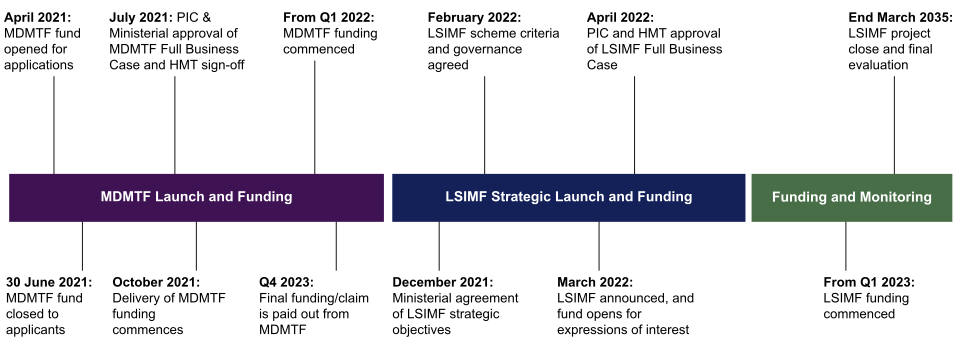
Figure 1.1: Timeline and delivery of the MDMTF and LSIMF
Theory of Change
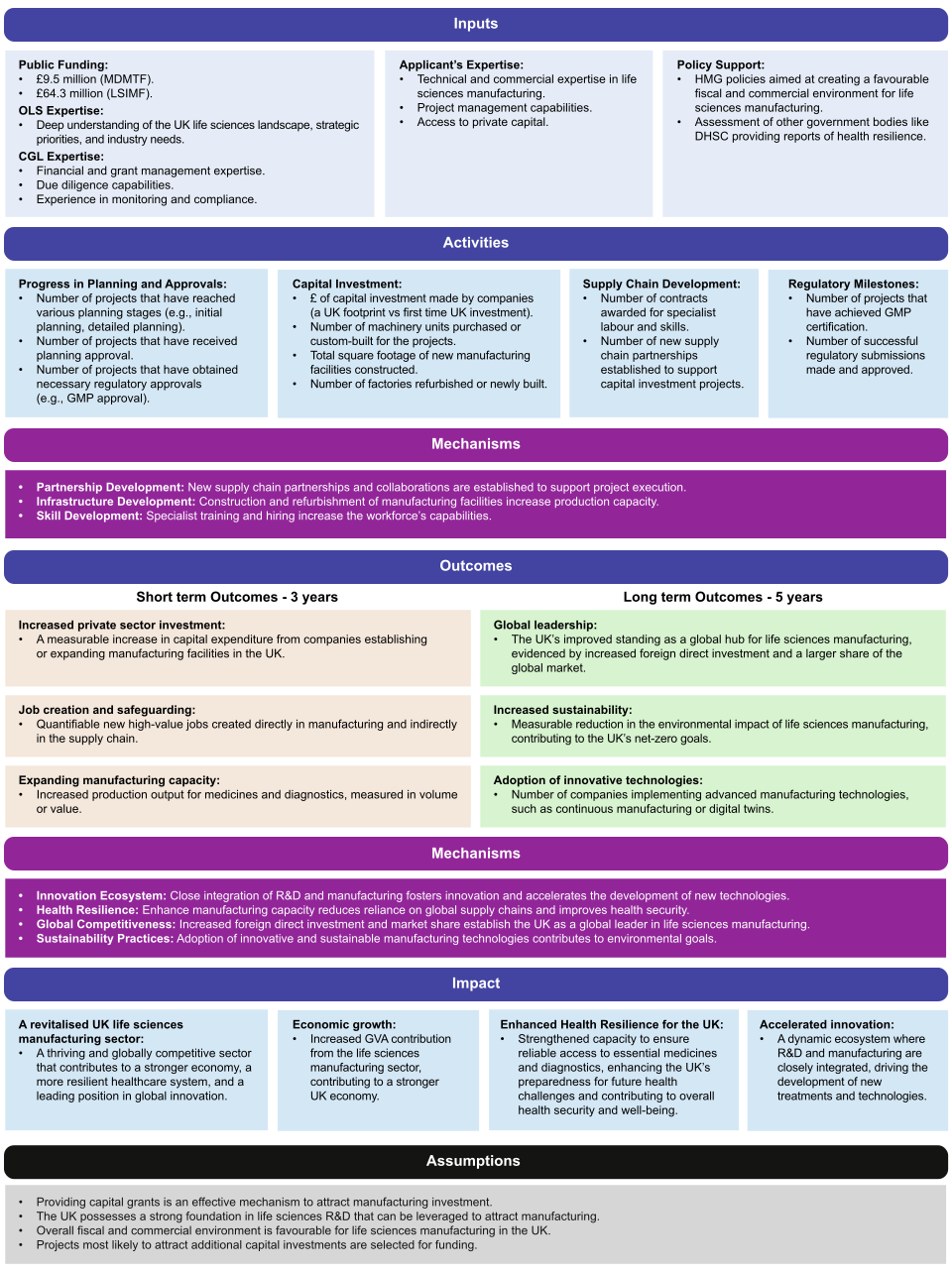
The underlying logic, or ‘Theory of Change’ (ToC), for the MDMTF and LSIMF posits that government intervention in the form of capital grants is necessary to overcome market failures and de-risk private sector investment in UK life sciences manufacturing. The ToC provided a conceptual framework for the impact evaluation, detailing how the activities involved were expected to lead to their intended outcomes and impacts. The ToC also includes the causal mechanisms linking activities, outcomes and impacts, and the key assumptions that need to hold for the schemes to progress towards the expected outcomes and impacts.
The principal market failure to justify the schemes is the reliability of supply of medicines and medical technology as a quasi-public good. The supply of medicines and medical technology is non-excludable, meaning that consumers cannot choose their desired level of reliability without it being provided for everyone else. In a competitive global market – which often locates manufacturing production where costs are cheaper – this risks the UK having insufficient capacity to ensure a reliable supply of essential medications.
Figure 1.2: Theory of Change
Governance and delivery processes
The governance and delivery of the LSIMF were designed to ensure strategic oversight, accountability, and efficient processing of applications, incorporating lessons learned from the MDMTF pilot. The governance structure of LSIMF involved several key bodies:
-
An Expert Panel, comprising life sciences manufacturing experts from industry, academia, UKRI and various research centres, assessed applications at the early stages of the application process. Their assessment considered factors such as health resilience, innovative technology deployment, and environmental benefits. The panel’s appraisals helped determine which projects aligned with the fund’s objectives and should proceed to the next stage. They assessed the initial presentation of the project for each company that passed the EOI stage.
-
OLS analysts and Department for Health and Social Care (DHSC) sector policy experts produced comprehensive assessment reports to support final funding recommendations. The health resilience assessment focused on projects’ capability to support domestic production of essential medicines or products crucial to the NHS. A BCR based upon monetisable benefits was calculated as part of the economic assessment, as well as an overall VfM assessment in line with HM Treasury’s Green Book.
-
A Programme Board reviewed assessment reports and drew up funding recommendations, collaborating with the Industrial Development Advisory Board (IDAB) for grants exceeding £5 million before advising government ministers.
-
The OLS manufacturing team managed the overall application and appraisal process, providing support and guidance to applicants.
-
The Central Grants and Loans (CGL) team were the delivery partner, conducting eligibility and financial viability checks, leading on due diligence for shortlisted applications, and overseeing the monitoring of funded projects.
The LSIMF delivery process was designed to select projects for funding that were best aligned with scheme objectives, and to support these projects effectively throughout delivery:
-
EOI: An initial application to assess eligibility and strategic fit.
-
Interviews: Shortlisted applicants present their proposals to the Expert Panel for scoring.
-
Full Application: Successful applicants are invited to submit a detailed application, including financial and economic cases.
-
Due Diligence: A comprehensive assessment of the proposal’s economic, financial, and delivery risks.
-
Final Approval: Recommendations are reviewed by ministers for final sign-off.
-
Monitoring: Funded projects are monitored, typically for ten years, through quarterly reports to track progress against key objectives like job creation and investment targets.
This structured process represents a significant evolution from the MDMTF, which operated under a more compressed timeline. The introduction of an EOI stage and application ‘waves’ in LSIMF intended to help manage application flow and provide clearer guidance to potential applicants.
2. Programme delivery
MDMTF launched in April 2021 and saw significant initial interest, with 100 potential applications started. However, a March 2022 spending deadline constrained timelines for promoting the schemes and subsequent application deadlines. Just 5 projects ultimately received funding totalling £9.5 million against an available budget of £20 million. The total value of all eligible applications reached £109.1 million, demonstrating a high level of demand for capital support within the sector that far exceeded the available funds.
The LSIMF, operating with a larger budget and a more structured, multi-wave application process, also experienced very high demand. In its first wave, 64 companies submitted an EOI, with 25 proceeding to a full application. This led to seven projects being approved for a total of £54.2 million in grant funding. The second wave attracted 11 EOIs, with 6 submitting full applications. From these, 3 projects were awarded grants totalling £10.1 million. Across both waves, the funds were heavily oversubscribed, underscoring the continued gap between the demand for capital investment support in the UK life sciences sector and the available public funding.
When considering the technology breakdown of projects funded by MDMTF and LSIMF, it is noticeable that a substantial amount of the funding was allocated to 2 projects outside of the technologies identified as of interest (as highlighted in applicant guidance and the initial business case). It can also be noted that a significant number of grants provided to projects (13 out of 15) were below £5 million, underlining the portfolio approach taken instead of a smaller number of large investments.
Table 1.1: Scheme and technology breakdown
| MDMTF | LSIMF 1 | LSIMF 2 | Total | |
|---|---|---|---|---|
| £ budget allocated | £20 million | £68 million | £88 million | |
| £ budget spent | £9.5 million | £54.2 million | £10.1 million | £73.7 million |
| Medical diagnostics | £3.6 million | £1.4 million | £4.9 million | £9.9 million |
| Human medicines | £5.9 million | £4.7 million | £2.6 million | £13.2 million |
| Complex medicines | £12.6 million | £12.6 million | ||
| Other medicines | £35.5 million | £35.4 million | ||
| MedTech | £2.6 million | £2.6 million |
Source: OLS programme documentation and proposal details
3. Evaluation approach
The evaluation employed a mixed-methods approach to provide a comprehensive early-stage assessment of the schemes. It consisted of a process change evaluation, an impact evaluation, and a VfM assessment.
Study scope
This early assessment focused on the MDMTF pilot and LSIMF waves 1&2 - covering projects funded through 2021 and 2022 calls for proposals. Findings and recommendations focus on enhancing the effectiveness of fund delivery and the impact of the capital investments made under the current iteration of LSIMF (referred to as LSIMF 2025-30).
Process change evaluation
This component assessed whether the changes made between the MDMTF and LSIMF led to more effective delivery. The evaluation examined key aspects of the schemes by drawing on evidence from programme documentation, stakeholder interviews, and project data. The focus was on:
-
Scope and Targeting: Whether the funds attracted applications aligned with their intended scope and priority technologies.
-
Governance: The effectiveness of governance processes in providing strategic direction and ensuring accountability.
-
Application and Decision-Making: The efficiency and transparency of the processes for reviewing applications and making funding decisions.
-
Due Diligence and Monitoring: The effectiveness of risk management through due diligence, contracting, and project monitoring.
Impact evaluation
The impact evaluation was guided by the scheme’s objectives and the Theory of Change, and sought to answer 5 key Evaluation Questions (EQs):
-
To what extent did the schemes enable additional capital investment?
-
What progress was made towards enabling economic growth (e.g., job creation/safeguarding)?
-
What progress was made towards boosting the UK’s health resilience?
-
How far did the schemes promote the uptake of innovative manufacturing practices?
-
Were there any unexpected outcomes of the fund?
A robust assessment of impacts ideally relies on a counterfactual evaluation, comparing outcomes for grant recipients with a similar group of companies that did not receive funding. This approach helps isolate the programme’s impact to establish causality and can include controlling for other observable factors. Ideally, this would involve using experimental methods where the intervention, here the capital investment support provided, is randomly allocated to projects. However, this was not feasible, not least because of the ex-post nature of the study, as well as potential political, ethical or legal issues associated with randomisation. Quasi-experimental methods were considered by the study team as the next robust alternative. However, for this study these were not feasible due to several factors:
-
Limited sample size: The relatively small number of projects that have reached the due diligence stage (12 MDMTF and 22 LSIMF applicants) and the subset of these that have been funded (15 projects) restricts the statistical power of any potential quasi-experimental approach.
-
A review of the funding process indicated that project selection was not entirely determined by proposal scores. While quantitative scores provide a valuable input, factors not captured by the scores, such as alignment with HMG strategic priorities, compliance with Grants Functional Standards, or the requirements for a financial guarantee, also influence funding decisions. This means that the highest-scoring proposals, based solely on quantitative criteria, did not always receive funding. This consideration of strategic factors, while essential for achieving the programme’s broader objectives, violates the continuity assumption necessary for certain quasi-experimental methods, such as Regression Discontinuity Design (RDD), which rely on a clear and consistent relationship between scores and funding decisions.[footnote 6]
-
Systematic differences between groups: Companies receiving funding might be systematically different from those that did not, even within the marginal applications. Factors like managerial quality, risk appetite, and access to other resources could influence both grant success and company performance. Whilst in principle some of these factors can be controlled for using matching methods, others maybe more difficult to resolve.
-
Long timelines to impact: The complex nature of capital investments in life sciences, and the early stage of projects in scope, suggest that a substantial proportion of impacts of interest may not be fully realised within the timeframe of the present evaluation and cannot be observed at this stage.
These issues may be resolved over time as the programme progresses, potentially allowing for a comprehensive follow-on evaluation in the future. This early assessment adopted a theory-based approach using process tracing. This is a case-based method to assess strength of evidence and the extent to which evidence agrees with causal mechanisms and critical pathways set out in a Theory of Change. It involves examining the causal chain of events within individual cases to understand how and why a programme contributed to observed outcomes. This approach allowed the study team to identify and verify the specific causal mechanisms at work, making it particularly suitable when a full counterfactual is not feasible.[footnote 7] Process tracing makes explicit assumptions about the weights assigned to observing specific evidence, and the extent to which these evidence sources support the primary hypothesis or the alternative hypothesis. David Collier[footnote 8] identifies 4 tests which can be applied to support the process of determining whether an observed association reflects a cause-and-effect relationship.
-
‘Straw-in-the-Wind’ test: this is a small sign that something is happening. The evidence collected affirms the relevance of hypothesis.
-
‘Hoop’ test: to indicate that the evidence must go through a difficult hurdle to affirm the relevance of the hypotheses, and in doing so it will somewhat weaken alternative explanations.
-
‘Smoking-Gun’ test: the strongest kind of circumstantial evidence. This indicates that the data confirms the hypothesis and substantially weakens alternative explanations.
-
Doubly Decisive: provides data to confirm the hypothesis and eliminate all alternative explanations.
Table 1.2: Process tracing tests
| SUFFICIENT FOR AFFIRMING CAUSAL INFERENCE | |||
|---|---|---|---|
| NECESSARY FOR AFFIRMING CAUSAL INFERENCE | No | Yes | |
| No | Straw-in-the-Wind | Smoking-Gun | |
| Passing: Affirms relevance of hypothesis but does not confirm it. | Passing: Confirms hypothesis. | ||
| Failing: Hypothesis is not eliminated but is slightly weakened. | Failing: Hypothesis is not eliminated but is somewhat weakened. | ||
| Implications for rival hypotheses: Passing slightly weakens them. Failing slightly strengthens them. | Implications for rival hypotheses: Passing substantially weakens them. Failing somewhat strengthens them. | ||
| Yes | Hoop test | Doubly Decisive | |
| Passing: Affirms relevance of hypothesis but does not confirm it. | Passing: Confirms hypothesis and eliminates others. | ||
| Failing: Eliminates hypothesis. | Failing: Eliminates hypothesis. | ||
| Implications for rival hypotheses: Passing somewhat weakens them. Failing somewhat strengthens them. | Implications for rival hypotheses: Passing eliminates them. Failing substantially strengthens them. | ||
Source: Collier 2011
Using the process tracing framework, evidence was synthesised against each causal mechanism and arrived at evaluative conclusions on whether the evidence supports the programme hypothesis (i.e. whether on balance of the evidence collected, MDMTF/ LSIMF activities led to the outcomes and impacts observed), through the following steps:
-
Using the process tracing framework, a series of evidence tests was designed against each hypothesis to inform design of research tools (e.g. topic guides and briefings for secondary data analysis).
-
Evidence was collected and coded against each case/project using the evidence tests designed in step 1.
Evidence was triangulated and analysed in an “open book” analytical framework. This was in the form of a spreadsheet coding and summarising observed evidence for each case against evidence tests for each causal mechanism, shared with OLS. Strength of evidence supporting the primary hypothesis was assessed for each case, using the approach set out in the table below.
Table 1.3: Strength of evidence against hypotheses / causal mechanisms
| Key | Explanation | Strength of evidence required |
|---|---|---|
| Strong support | At least one “sufficient” or “necessary and sufficient” process tracing test passed. No necessary tests failed. Allow failure of some tests which are “not necessary or sufficient”. | At least one Smoking-Gun or Doubly Decisive test passed. No Hoop tests failed but allow failure of some Straw-in-the-Wind tests. |
| Reasonable support | No necessary tests failed. Allow failure of some tests which are “not necessary or sufficient”. No “sufficient” or “necessary and sufficient” tests passed. | No Hoop tests failed but allow failure of Straw-in-the-Wind tests tests. No Smoking-Gun or Doubly Decisive tests passed. |
| Mixed support | Apparently contradictory results – including at least one “necessary” test being failed but also at least one “sufficient” test being passed. | Mix of Hoop test failures and Smoking-Gun or Doubly Decisive tests being passed. |
| Limited support | At least one necessary test being failed, and no “sufficient” tests being passed. | At least one Hoop test failed. No Smoking-Gun or Doubly Decisive tests passed. |
| No evidence/too early to test | No evidence or too early to confirm a hypothesis or its alternative explanation. | No evidence for or against Smoking-Gun/Doubly Decisive tests; majority of tests an not be undertaken due to lack of evidence. |
Value for Money (VfM) assessment
The VfM assessment involved updating the BCRs that were initially calculated during the project appraisal stage. This update used the latest available data from project monitoring reports and interviews with funded companies. The BCRs compare the monetisable economic benefits of the projects (such as direct and indirect job benefits and R&D spillovers) against the public cost of the grant funding. To undertake this analysis, an updated version of the OLS VfM model was used.
4. Evaluation findings
This evaluation provides an early assessment of the LSIMF and its predecessor the MDMTF. While the final, long-term impacts are yet to be fully realised, the evidence gathered so far offers valuable insights into the schemes’ effectiveness in achieving their objectives and identifies key areas for improvement.
Process change evaluation
The assessment of changes to delivery processes highlighted several positive effects of the revised delivery model. The introduction of the EOI stage and application waves for LSIMF streamlined the application process, enabling earlier filtering of unsuitable projects and facilitated a more manageable flow of applications. However, challenges remain in balancing strategic objectives, particularly health resilience with economic benefits, and further improvements are needed in transparency and communication with applicants. The due diligence and monitoring processes, while effective in managing risks, were sometimes perceived as burdensome, suggesting a need for reviewing the proportionality of checks. The following summarises the findings of the process change evaluation.
Scope and Targeting: Both schemes aimed at facilitating economic growth, focused on creating and safeguarding high-value jobs and leveraging significant private sector investment. This was complemented by the goals of boosting the UK’s health resilience through increasing domestic manufacturing capability of essential medicines and diagnostics, and championing innovation by encouraging the adoption of advanced manufacturing technologies to increase productivity and leapfrog competitors. Another key focus was the one of sustainability, following the strong governmental focus of achieving Net Zero. The scheme’s prioritisation of economic growth was seen by some stakeholders to be in tension with health resilience objectives, noting that projects with large health resilience value sometimes did not demonstrate a similar potential for economic growth.
Investment was intended to target high-value areas where the UK held scientific strength. This included Advanced Therapy Medicinal Products (ATMPs), such as cell and gene therapies, alongside other complex medicines and next-generation processes like continuous manufacturing. While this was the focus, the scope remained open to other projects across the wider fields of human medicines, medical diagnostics and medical technology (MedTech). Around half of the grant funding awarded was allocated to projects outside of the high-value areas initially identified.
Overall, both funds were successful in attracting interest and applications aligned with their scope and priority areas. Both schemes attracted a diverse portfolio of applicants that aligned with key objectives for economic growth, innovation, health resilience and sustainability.
Funded projects were broadly aligned with fund objectives, as well as the monetised benefits assessment of proposals. However, this varied across the portfolio of eligible applications, as demonstrated by an analysis of assessment scores. Most funded projects scored over 6 across the 3 core assessment criteria in their application (health resilience, innovation and sustainability).
MDMTF’s application process was found to lack clarity and guidance on some stages. A substantial number of companies started an MDMTF application but did not end up submitting it. Some companies consulted also highlighted a lack of clear, upfront guidance on the parental guarantee requirements.
Governance: MDMTF and LSIMF are structured around a multi-tiered system of oversight and expert review. Central to the process is a main Programme Board, which holds responsibility for the fund’s strategic direction and for making the ultimate funding recommendations to government ministers. Before reaching the board, applications undergo rigorous initial assessment by OLS analysts, CGL accountants and DHSC sector policy experts, which evaluate proposals against the fund’s specific strategic and technical criteria. Final approval for grants rests with ministers, particularly for significant awards. Grant awards over £5 million are also required to be reviewed by the independent Industrial Development Advisory Board (IDAB) before being approved by ministers.
The governance of the LSIMF evolved from its pilot predecessor, the MDMTF, by streamlining and specialising its structure while retaining the core features. The earlier MDMTF’s multi-layered system, which included a Programme Board, a general panel of assessors, and a separate advisory group, was consolidated. The LSIMF process introduced a more focused Expert Panel to score applications against specific strategic objectives. An EOI stage was introduced for LSIMF, and guidance for applicants revamped. The health resilience assessment was revamped to include wider benefits to the health system and formalised roles for the OLS manufacturing team and CGL to handle management and due diligence. Despite these structural changes, the LSIMF largely inherited its central Programme Board from the MDMTF, incorporating lessons from the pilot by adjusting assessment criteria to place a greater emphasis on health resilience, though concerns about balancing strategic goals with economic benefits persisted.
By and large, the assessment found the governance processes for LSIMF to be evolving positively, offering a solid foundation. The governance structure is robust and well-organised, providing clear accountability with the Senior Responsible Owner (SRO) overseeing a multi-layered approval process. This includes an Expert Panel and the Programme Board, with final ministerial sign-off, ensuring thorough scrutiny and alignment with formal procedures laid out in the Business Case. Moreover, in LSIMF accountability improved significantly by utilising clear scores for the key focus areas: health resilience, sustainability and innovation.
Further refinement may be required to clarify the strategic direction of the scheme. Feedback indicates opportunities to align strategic goals of the scheme, in particular the weight of the health resilience and economic growth objectives in project selection. Interviews revealed differing perspectives on the balance between strategic goals and economic benefits, with some advocating to further focus on attracting investments in critical areas for the UK’s health resilience, for instance products with single-source vulnerabilities.
The programme board regularly discusses and documents risks, including financial risks related to company performance and project delivery. Some tension between assessments provided by analysts and forensic accountants and the programme board’s decisions was highlighted, noting that projects with low BCRs sometimes proceeded due to their strategic importance. This suggests a need for greater clarity or guidance on how to balance these tensions and potentially a more balanced approach to risk management. Furthermore, several companies experienced pressure to meet specific spending deadlines, which created internal challenges and potentially increased project risks. This suggests a need for greater flexibility in project timelines and spending profiles set by HM Treasury.
The programme board and Expert Panel generally possessed relevant expertise, but there were some suggestions that there was potential overrepresentation from branded medicines to the potential disadvantage of generics or MedTech on the Expert Panel.
Application and Decision-Making: From MDMTF to LSIMF several changes were made to the application process:
-
Introduction of a mandatory EOI stage and 1-2-1 meetings to streamline the application process, filtering applicants early to ensure strategic alignment.
-
Implemented waves in the application process to encourage earlier submissions and prioritise applications that can deliver timely results, especially in the first year.
-
Introduced Pre-Market Engagement and workshops to guide companies through the application process, enhancing fairness and preparation.
-
Early-stage transparency and communication during webinars to set clear expectations and explain potential reasons for reduction of grants.
LSIMF has made impressive advances beyond its predecessor, with initiatives such as the EOI stage and application waves. While these innovations have yielded considerable benefits, there are opportunities to further refine the application and decision-making process to enhance clarity and transparency, thereby ensuring a smoother experience for all involved.
While the LSIMF’s revised guidance and application forms aimed to improve clarity, some companies still found aspects of the process unclear, particularly regarding financial reporting, grant size calculations, and the level of detail required in the full application. Clarity could also be improved on how the required financial guarantee (through parental or bank guarantee) can be demonstrated, alerting applicants early in the process to this requirement, and the evidence needed to demonstrate added value, vis-à-vis alternative investments companies would have made without OLS support.
The VfM methodology used to assess funding proposals was generally seen to be appropriate. However, some specific comments were made on whether the framework overweighs economic benefits over some more strategic added value of applications. This led to some projects being funded with low strategic scores (defined as health resilience or innovation scored below 6 out of 10). There may also be a mismatch between timescales needed to fully materialise the benefits of proposed capital investments, and the economic appraisal time period of 10 years for job creation and safeguarding benefits.
Time from full application to grant offer was around 5 months on average for MDMTF and doubled to 10 months for the LSIMF scheme due to the introduction of the EOI stage and the need for IDAB approval on several projects. Feedback from companies included concern over level of detail required during due diligence, extending the time from application to grant offer. Compared with other government capital investment schemes, there seems to be further room to minimise any potential delays during stages such as due diligence and the granting of formal offers. Improving the clarity of applicant guidance along the points suggested above may also help reduce the number of clarification questions that need investigation during the due diligence process.
Due Diligence and Monitoring: To secure funding from the LSIMF and MDMTF, applicants had to undergo a rigorous due diligence process, providing comprehensive financial and commercial evidence to demonstrate the project’s viability and strategic alignment. Following the award of a grant, recipients are subject to long-term monitoring for up to ten years to ensure key objectives, such as job creation and investment targets, are met. This 2-stage approach is designed to guarantee the effective use of public funds and the full realisation of the project’s anticipated benefits.
The programme’s due diligence, contracting, and monitoring frameworks are fundamentally effective in their core mission of safeguarding public funds and overseeing project delivery. The rigorous due diligence successfully managed financial risk, whilst standard contracts and monitoring ensured legal and operational oversight. The due diligence process, conducted by CGL and OLS, played a crucial role in assessing the financial viability and risk profiles of applicant companies. This process was appropriate and crucial to protect public funds. Some applicants considered the due diligence requirements as a source of friction, particularly those with large multinational structures or complex inter-company financial arrangements. The requirements for financial guarantees, while effective in mitigating risk, also presented challenges from some smaller and less established companies applying for funding. The length of time required, and regular occurrence of clarification questions meant that the due diligence process, whilst robust, often took several months to complete.
The monitoring process, involving quarterly reports and on-site visits, effectively tracked project progress and ensured compliance with grant conditions. However, the frequency and detail of reporting requirements were sometimes seen as burdensome by some funded companies, and grant contracts often required extensive negotiation. Clearly more time will have to elapse for some risks to materialise and the monitoring and risk management arrangements to be tested further. This may include for instance the effectiveness of clawback clauses in the case of project cancellation, suspension or change of focus. Furthermore, the programme’s contribution towards health resilience is currently underrepresented in the monitoring arrangements, and this may merit further consideration by OLS.
Depending on the risk appetite of OLS, there may be scope to introduce further proportionality in the forensic due diligence process, with more commercial flexibility within contracts. However, all changes made should be balanced against the overall need to maintain essential risk management and effective control of public spending.
Impact evaluation
5 hypotheses about the schemes were considered for the impact evaluation, 4 of which have been tested using process tracing. A summary of the evidence collected against these hypotheses is provided in the table below. The fifth hypothesis regarding R&D spillovers has not been tested as it is too early to assess impact.
Table 1.4: Strength of evidence against each hypothesis
| Hypothesis | Strength of evidence |
|---|---|
| Hypothesis 1 - Projects supported through MDMTF/LSIMF have enabled additional capital investment into life sciences manufacturing |
3/13 projects – Strong evidence supporting H1 5/13 – Reasonable evidence supporting H1 3/13 – Mixed evidence supporting H1 2/13 – Limited evidence supporting H1 |
| Hypothesis 2 - MDMTF/LSIMF has led to additional jobs created or jobs safeguarded |
3/13 – Strong evidence supporting H2 4/13 – Reasonable evidence supporting H2 1/13 – Mixed evidence supporting H2 2/13 – Limited evidence supporting H2 3/13 – No evidence/too early to test H2 |
| Hypothesis 3 - Projects supported through MDMTF/LSIMF have increased the UK’s health resilience |
3/13 projects – Strong evidence supporting H3 5/13 – Reasonable evidence supporting H3 2/13 – Limited evidence supporting H3 3/13 - No evidence/too early to test H3 |
| Hypothesis 4 - Projects supported through MDMTF/LSIMF have increased adoption of innovative manufacturing technologies |
2/13 – Strong evidence supporting H4 2/13 – Reasonable evidence supporting H4 2/13 – Limited evidence supporting H4 7/13 – No evidence / too early to test H4 |
| Hypothesis 5 - Projects supported through MDMTF/LSIMF have generated R&D spillover benefits and wider investments in the UK |
13/13 projects – No evidence/too early to test H5 |
Additionality of capital investment
Following the implementation of the MDMTF and LSIMF schemes, 15 life sciences manufacturing investments were in scope for this study, across various companies and project types, receiving grant support totalling £73.7 million. These investments encompassed new facility construction, expansion of existing sites, and adoption of innovative manufacturing technologies. However, the extent to which these investments are genuinely additional – that is, directly attributable to the funding provided by the schemes – required careful examination. Detailed project data and monitoring information was made available for 13 of these 15 projects.
This initial assessment of scheme impacts revealed a nuanced picture of additionality. Most projects (8/13) demonstrated strong or reasonable evidence of additionality. This was determined by examining evidence such as the existence of international footprints, the extent of formal consideration of alternative investment locations, and financial analysis showing lower profitability in the UK without the grant. These grants were critical in securing investments for the UK that were at risk of being delayed, significantly scaled down, or located in other countries. For 3 projects worth a combined £10 million, evidence shows that the grant was essential to meeting internal rates of return and investment criteria required for UK investments, demonstrating that the investments would not have proceeded in the UK at the same scale without HMG funding. However, 2 projects representing a substantial amount of the funding allocated did not demonstrate strong evidence of additionality.
Job creation and safeguarding
At this early stage, the evidence on employment impacts primarily reflects job safeguarding and initial hiring related to project construction and delivery, rather than large-scale creation of new jobs. Across 8 projects that demonstrated additionality of investment, a total of 380 jobs have been either created or safeguarded to date. Many projects forecast substantial long-term job creation once their new or expanded facilities are fully operational and utilised, however these projected job creation and safeguarding benefits have not yet materialised.
Contribution to health resilience
The schemes have made a positive contribution to strengthening UK health resilience, particularly in the manufacturing of essential medicines and diagnostics. 3 funded projects showed strong evidence of directly increasing health resilience, in the form of expanded manufacturing capacity for essential products and securing necessary regulatory approvals. 2 additional projects demonstrated a reasonable contribution. For many other projects, it is still too early to assess the full impact, as they were in the early stages of implementation, but their strategic importance was recognised by stakeholders interviewed, as well as through an independent assessment of their potential contributions to innovation and health resilience.
Uptake of innovative manufacturing practices
Evidence for the increased adoption of innovative manufacturing practices, a key goal of the funds, is currently limited to a small subset of projects. This is largely because many projects are in the early phases of construction or implementation. 2 projects showed strong evidence of adopting innovative technologies, confirmed through investment in novel processes, and increased manufacturing efficiency. For the majority of the portfolio, a comprehensive assessment of innovation adoption will only be possible after more time has elapsed. In particular, data showing novel manufacturing processes being utilised in production, and increasing manufacturing efficiency, was not available for any of the projects supported at this point in time.
R&D spillovers and follow-on investments
The evaluation found it was too early to assess impacts related to R&D spillovers and follow-on investment. These impacts are only expected to materialise sometime after projects are complete. Monitoring data showed that actual R&D spend to date has been below the levels projected at the application stage, meaning a full assessment will be a critical need for future evaluation.
Value for Money
The VfM assessment, based on updating BCRs, suggests the schemes delivered good overall value for money based on monetisable benefits, with a programme-level BCR ranging between 1.9 and 2.7. However, there was significant variation at the project level, with individual BCRs ranging from 0.5 to 6.8.
It important to note that BCRs are influenced by multiple factors – with additionality just being one. For instance, some projects experienced delays in completing planned capital investments, which pushed back parts of the projected employment benefits beyond the 10-year appraisal period. Projects with lower BCRs often scored highly on non-quantifiable health resilience benefits, suggesting these strategic considerations played a role in funding decisions. A few projects also had increased BCRs compared with the initial appraisal, largely due to an increase in expected employment benefits.
HM Treasury published a review of the Green Book in 2025[footnote 9] and has recently published an updated version of the Green Book.[footnote 10] One finding from the review was that government appraisal uses ‘arbitrary BCR thresholds’ and has an ‘overreliance on the BCR in decision making’. It is therefore integral to the LSIMF process that both monetised and non-monetised benefits, such as health resilience, factor into grant decisions, and the decision to award a grant is not solely based on the BCR.
5. Implications for LSIMF2025-30 Delivery and Future Evaluation Work
Several recommendations emerge from this evaluation to enhance the effectiveness and impact of the LSIMF 2025-30 and inform the design of future interventions.
A recurring theme throughout the evaluation was the potential tension between monetised and non-monetised benefits (primarily around health resilience). OLS should clarify the priority of scheme objectives, in particular whether strategic objectives (like health resilience) or economic growth should be prioritised in the assessment process. This could be achieved through a clearer articulation of weighting criteria and their application in the assessment process and communicating the process to potential applicants.
The assessment of potential health resilience benefits of proposed projects focused primarily on whether projects would provide additional manufacturing capacity to the UK, in particular with regards to established essential medicines and/or products crucial to the NHS. OLS may want to consider health resilience in slightly broader terms for future LSIMF2025-30 funding rounds, including onshoring of critical manufacturing capability in areas such as vaccines and novel therapeutics.
There is also further scope to increase transparency in the application and decision-making process, particularly regarding grant valuations and the reasons for funding decisions. Future schemes should consider how to clarify guidance and feedback to applicants, providing detailed feedback on applications, explaining the rationale behind decisions, and offering specific suggestions for improvement. This would increase transparency in the grant award process – but any changes will need to consider the possible increased risks of enabling applicants to “game” the system.
Similar to other capital investment schemes, effective delivery of LSIMF2025-30 requires weighing up the desired risk profile of projects funded and the robustness of project selection processes. While the CGL due diligence and monitoring processes were generally considered effective in managing risks, they were also perceived as burdensome by some companies due to the frequency and detail of reporting requirements. OLS should explore ways to streamline these processes, reducing duplication of effort. Introducing greater proportionality in due diligence, more commercial flexibility in agreements, and more user-friendly monitoring systems may help reduce the burden on companies. The benefits of any simplification should be balanced against the need to manage risk given the scale of HMG grant funding administered through the schemes.
OLS may want to review the economic appraisal methodology to address findings from this study:
-
Potential Minimum Acceptable BCRs: It is acknowledged that there may be strategic imperatives, in particular on health resilience grounds – which will not be reflected in BCRs - for supporting some projects. However, the fact that one project had an estimated BCR of only 1 at appraisal - which is now significantly lower on the latest evidence – at least raises potential questions about its value for money. There is an argument that projects with such low BCR should be subject to specific scrutiny to confirm whether their expected unquantified benefits mean that they will still offer reasonable value for money – even if, as will inevitably often occur, their outcomes do not realise as planned.
-
Treatment of Job Benefits: At present and linked to the period over which projects are subsequently monitored, job benefits are considered only over a 10-year appraisal period. However, given that major physical developments may take several years to become fully operational, this seems rather a short period to capture the benefits involved. It also means that relatively minor delays may lead to significant – and arguably disproportionate - disparities between the BCR as projected in the original appraisal and subsequently updated figures. These issues argue for considering job benefits over a longer, say 15-year, period, closer to the 20-year period over which R&D spillovers are considered.
-
Some applicant firms were not mature enough to provide the required parental guarantee, potentially suggesting that there is market demand for similar support targeted at growth stage companies that do not have the required accounts and financial reassurances required under LSIMF 2025-30.
6. Future evaluation needs
Clearly, more time has to elapse for MDMTF and LSIMF projects to fully realise their expected benefits, particularly around job creation and retention, follow on investment and R&D spillovers. OLS is planning to commission a future evaluation, using a larger sample of firms. A more fundamental question will be which method is appropriate to assess the circumstances where companies are faced with what may be a one-off decision, about whether or not to invest in the UK, and if so, when, where and on what scale.
Future evaluation would be facilitated by ensuring consent of applicant firms to retention of contact and application detail collected at the EOI stage for evaluation purposes. The present evaluation was limited by the need to collect applicant consent retrospectively, which resulted in limited access to unsuccessful applicants’ data. The scheme’s privacy notice for applicants should be reviewed to ensure future evaluations have full access to applicant details, potentially also emphasising the future benefits to companies.
Enabled by more complete applicant details, future evaluations should prioritise gathering feedback from all applicants, including those who were not funded, to gain a more complete picture of the schemes’ effectiveness and identify areas for improvement. This feedback could be collected at various stages of the application process, including at the point of rejection, and could explore factors such as the clarity of guidance, the burden of the application process, and the perceived fairness of the evaluation criteria. Understanding these factors will be crucial for informing the design and implementation of future interventions and ensuring they effectively reach and support a wider range of companies within the life sciences manufacturing sector.
Finally, future research could explore the potential barriers that prevent companies from applying to the scheme in the first place. This would require a different methodology, such as a wider survey of the UK life sciences manufacturing sector, to understand the perspectives of non-applicants and ensure future funds are designed to be as accessible and effective as possible.
-
Office for life sciences (2025): Bioscience and health technology sector statistics 2023 to 2024 GOV.UK ↩
-
Office for National Statistics. (2026): GDP output approach – low-level aggregates ↩
-
Office for Life Sciences. (2024): Life sciences competitiveness indicators 2024. GOV.UK ↩
-
Bell, J. (2017). Life Sciences Industrial Strategy. GOV.UK ↩
-
Pearl,J. et al. (2016), Causal Inference in Statistics. A Primer. ↩
-
Collier, D. (2011). Understanding Process Tracing. PS: Political Science & Politics. 44(4):823-830 ↩
-
Collier D. (2011). Understanding Process Tracing. PS: Political Science & Politics. 44(4):823-830 ↩
-
HM Treasury. (2025). Green Book Review 2025: Findings and Actions. GOV.UK ↩
-
HM Treasury. (2026). New Green Book to ensure that investment in all parts of the UK given a “fair hearing”. GOV.UK ↩