Clinical Governance Annual Report 2025 to 2026
Published 8 June 2026

© Crown copyright 2026
This publication is licensed under the terms of the Open Government Licence v3.0 except where otherwise stated. To view this licence, visit nationalarchives.gov.uk/doc/open-government-licence/version/3 or write to the Information Policy Team, The National Archives, Kew, London TW9 4DU, or email: psi@nationalarchives.gov.uk.
Where we have identified any third party copyright information you will need to obtain permission from the copyright holders concerned.
This publication is available at https://www.gov.uk/government/publications/clinical-governance-annual-report-2025-to-2026/clinical-governance-annual-report-2025-to-2026
Published June 2026
List of abbreviations
| Abbreviation | Definition |
|---|---|
| APS | Approved Practice Setting |
| CGEB | Clinical Governance and Excellence Board |
| CPBPG | Clinical Policy and Best Practice Group |
| CPD | Continuous Professional Development |
| CSEA | Clinical Significant Event Analysis |
| CTAG | Clinical Training and Guidance |
| CTGM | Core Training and Guidance Material |
| DBS | Disclosure and Barring Service |
| DWP | Department for Work and Pensions |
| EB | Editorial Board |
| FAS | Functional Assessment Service |
| GMC | General Medical Council |
| GPhC | General Pharmaceutical Council |
| HCP | Healthcare professionals |
| HCPC | Health and Care Professions Council |
| HAAS | Health Assessment Advisory Service |
| HTA | Health Transformation Area |
| HTP | Health Transformation Programme |
| IPR | Internal Process Review |
| NICE | National Institute for Health and Care Excellence |
| NHS | National Health Service |
| NMC | Nursing and Midwifery Council |
| PfDR | Prevention of Future Death Reports |
| RO | Responsible Officer |
| ROAG | Responsible Officer Advisory Group |
| OSEF | DWP Operational Stakeholder Engagement Forum |
| SCC | Severe Conditions Criteria |
| SCRM | Sanctions and Clinical Risk Management Policy |
| TAG | Training and Guidance |
| WPSC | Work and Pensions Select Committee |
List of figures
Figure 1: Average completion rates of the mandatory CPD programme of “actively employed” healthcare professionals, by health assessment supplier and the department as of March 2026.
Figure 2: Average completion rates of the mandatory CPD programme of healthcare professionals who have been in employment for 6-months or longer, by health assessment supplier and the department as of March 2026.
Figure 3: Proportion of healthcare professionals in active employment registered with each professional body in March 2026.
Figure 4: Unexpected findings as a rate of total assessments completed from October 2025 to March 2026.
Figure 5: Number of safeguarding reports relating to adults by abuse category from October 2025 to March 2026.
Figure 6: Number of safeguarding reports relating to children by abuse category from October 2025 to March 2026.
Figure 7: Volume of clinical significant events reported from April 2025 to March 2026.
Chief Medical Advisor foreword
Dr Gail Allsopp
I am delighted to present the second Clinical Governance Annual Report for the Department for Work and Pensions (DWP). This has been a year of great expansion within DWP Clinical. The entire team have worked at pace to deliver legislative change, enhance our clinical safeguarding practices, improve and streamline education material and create policies that are underpinned by a robust clinical evidence-base. We continue to work closely with our partners within the 4 health assessment suppliers and undertake strict assurance checks to understand what is working well and what can be further improved.
However, Clinical Governance does not stand alone. It is the vehicle by which we ensure our health assessments and all departmental clinical activity is safe, evidence based and fit for purpose. Whether as part of our business as usual activity, or as part of the reform agenda, the Department has fully embodied Clinical Governance, and I am immensely proud of the progress we have made since I started this journey in 2023.
This report provides a comprehensive overview of our progress, highlights key achievements, and sets out our priorities for the year ahead as we continue to strengthen clinical standards and support those who rely on our services. Highlights from this year include:
-
The clinical governance team commenced assurance visits with each of our health assessment suppliers and will continue to do so on an annual basis (or more frequently if outstanding issues are identified that require resolution).
-
Our education team has markedly expanded to facilitate the review and update of all training materials – a significant undertaking that remains ongoing. The newly formed Clinical Training and Guidance (CTAG) team is made up of Clinical Authors, Policy Educators, and a dedicated project team. The work undertaken will ultimately ensure consistency of training and delivery across all health assessment suppliers. The team are working towards a planned release of the continuing professional development (CPD) material in late 2026, on the official UK Government website.
-
The staffing within wider DWP Clinical has expanded and restructured to ensure that appropriately qualified individuals are in post to be able to advise on and help facilitate delivery of safe, fair, and accurate policies and procedures.
-
Following legislative change on 21 January 2026, all healthcare professionals who are employed or contracted on behalf of DWP must now undergo an Enhanced DBS check with barred list information. This brings our practice into line with the checks performed on NHS healthcare professionals.
-
DWP Clinical led extensive work to explain the Severe Conditions Criteria (SCC) to internal teams, contributing directly to drafting legislation and preparing resources for Ministers ahead of key parliamentary stages in both the House of Commons and House of Lords.
-
The reporting of unexpected findings is now routinely collected by the clinical governance team which occurs in approximately 4% of the health assessments undertaken. This means that 30,885 times over the last 6 months, our highly skilled healthcare professionals have proactively identified during an assessment, a new clinical condition or concern that the NHS is not aware of. Sharing this targeted information with the NHS, gives an opportunity for timely clinical review and assessment by the NHS, thereby helping to protect the individual’s overall physical and mental health.
-
Our work on safeguarding has progressed significantly. On more than 400 occasions clinical safeguarding concerns have been identified in adults or children and referred for appropriate support and intervention.
I am incredibly proud of the team and the work they are doing and will ensure that we continue to strive for the gold standard of clinical governance excellence through support, education and transparency feeding into our continual improvement approach.
Finally, I would like to send my heartfelt thanks to all the healthcare professionals undertaking our health assessments. The additional value they add in recognising safeguarding concerns and new or deteriorating health conditions, means that we can support the health and wellbeing of those who use our services, in addition to providing a service for the administration of benefits. They should all be enormously proud of the work that they do.
Introduction
We are pleased to present the DWP Clinical Governance Annual Report for 2025 to 2026. This report is the first to reflect a 12-month cycle of our clinical governance framework in action. This marks a significant milestone in our ongoing commitment to embedding strong clinical governance across the department.
We will continue to publish an annual Clinical Governance Annual Report as part of our routine assurance processes. Its purpose is to demonstrate how we are fulfilling our clinical governance responsibilities, while also promoting transparency, accountability, and a culture of continuous improvement throughout DWP.
Definition
Clinical governance is the framework through which the DWP ensures the continuous monitoring and improvement of clinical quality across its services. It provides a structured approach to guarantee that all clinical activities are delivered ethically, legally, and professionally. This framework underpins the department’s commitment to high-quality clinical interactions and supports its ambition to become a learning organisation. Clinical governance reinforces the importance of safeguarding claimants, maintaining accountability, and fostering trust between the public, the clinical profession, and the department.
Background
As noted in the 2024 to 2025 report, since 2023 there has been tremendous change in how clinical governance is embedded and progressed by the department. The work that we undertake is aligned to the 7 pillars of clinical governance. As a record of what we have achieved, the clinical governance tracking progress table details progress made on outstanding recommendations. See Table 3: Recommendation implementation progress.
The Work and Pensions Select Committee (WPSC) provides parliamentary scrutiny of the Department for Work and Pensions and its delivery of welfare and employment services. In 2025, the Committee published its report Safeguarding Vulnerable Claimants, which included recommendations relevant to the Chief Medical Advisor and the Department’s clinical governance arrangements. The Department has considered these recommendations and continues to monitor progress through established governance and assurance structures. Actions taken during the reporting period have included reviewing the involvement of clinical expertise in policy development, strengthening cross‑departmental working on safeguarding and information governance, and embedding learning from serious cases and external oversight into systems and processes. Progress against relevant recommendations is tracked and reported through the clinical governance framework (see Safeguarding Vulnerable Claimants 2025).
We will continue to improve our services and go further to ensure we can provide the best clinical service we are able to, aiming to ensure that our healthcare professionals (HCP) work as the advocate for people with health conditions and disabilities within the department. This second report demonstrates the progress we have made and covers all regulated healthcare professional teams working in or for DWP including:
- DWP employed HCPs who work across the department in policy, innovation, research, transformation, audit and contract management.
- HCPs[footnote 1] within the 4 health assessment suppliers[footnote 2] who provide the Health Assessment Advisory Service (HAAS) via the Functional Assessment Service (FAS) contracts. It is important to note that these suppliers all have their own clinical governance processes and policies in place. This work ensures that DWP has full oversight of those processes aiming to align them with consistency of reporting.
- Healthcare professionals employed by or contracted to the DWP Health Transformation Area (HTA) who undertake health assessments.
- Occupational Psychologists, as regulated by the HCPC, working in DWP.
Source of data for this report
The department utilises 2 tools to standardise the collection of data from health assessment suppliers and DWP regulated healthcare professional teams, the clinical governance dashboard and the Clinical Significant Event Analysis (CSEA) tool.
The data in this report, unless stated otherwise, are provided by the health assessment suppliers, including their partner organisations and DWP regulated healthcare professional teams via these 2 tools. It covers the period from April 2025 to the end of the reporting year, March 2026. Clinical governance data is provided monthly, and clinical significant event analysis data is provided quarterly.
For the first time, we have a full year of data which will enable us to ensure the health assessment suppliers, and our DWP teams, standardise their approach and we are able to learn from each other, striving to continually improve standards.
The collected data passes through a quality assurance process. An initial review is carried out by the health assessment suppliers or the DWP team leaders, and a second quality assurance review by the department’s clinical governance team. In addition, a formal face to face quality assurance check is undertaken at least annually.
All percentages and totals are calculated prior to rounding. As all figures within this report have been rounded, they may not add up.
Clinical governance
Clinical governance is a system by which the DWP can continuously monitor and improve the clinical quality of our services and safeguard high standards of clinical care.
- Healthcare professionals have conducted over 1.6 million assessments in this reporting period.
- The active workforce encompasses approximately 5,500 registered healthcare professionals.
- Provides strategic leadership and performance management to ensure services are delivered effectively and efficiently.
- Works in partnership with our health assessment providers to ensure Service Users are assessed safely and professionally.
Our approach to clinical governance is guided by the DWP Values. They are embedded in our day to day working practices with all our customers, colleagues and our partners, and they help us learn for the future.
- We care
- We deliver
- We adapt
- We work together
- We value everybody
Clinical governance in DWP
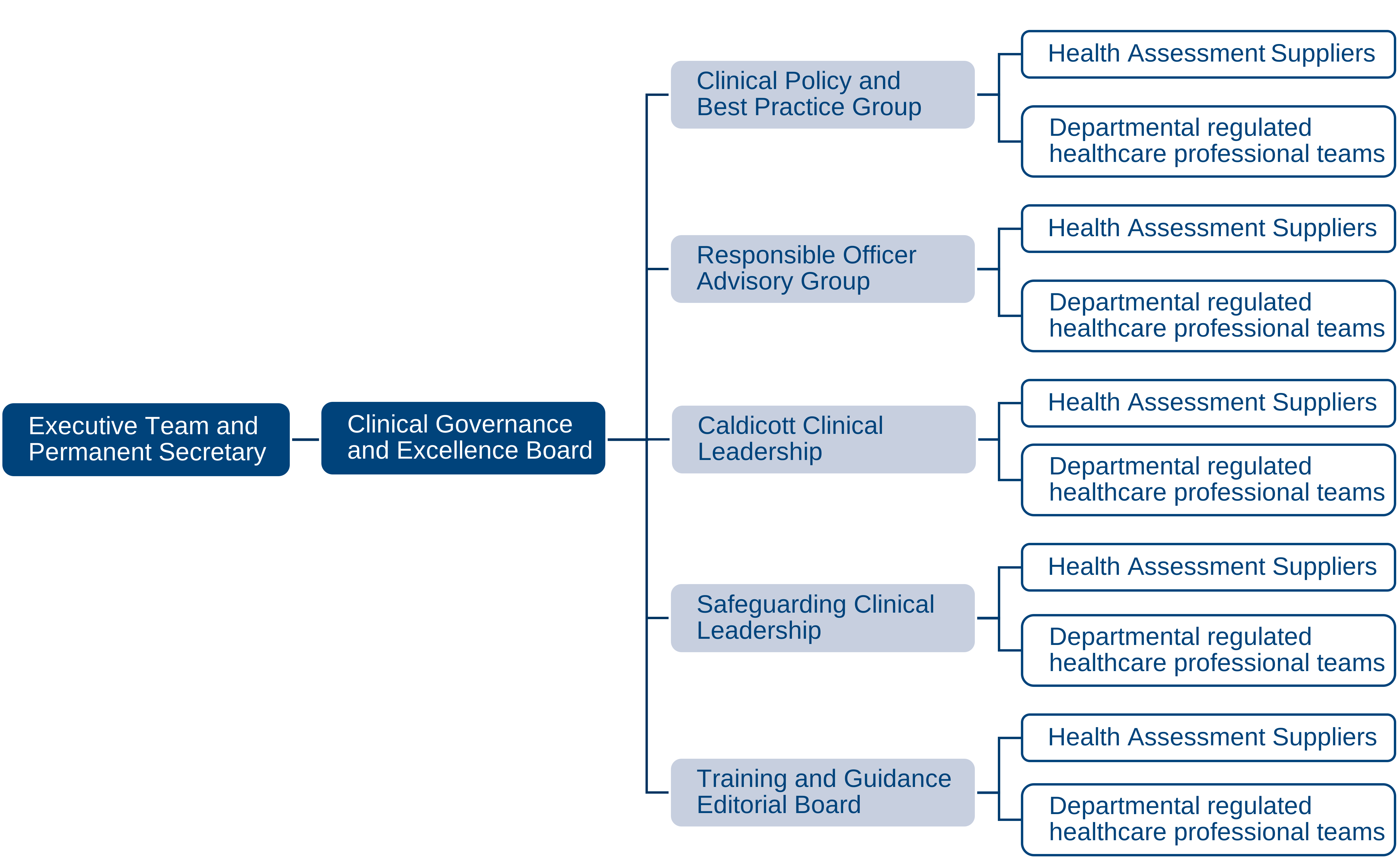
The Permanent Secretary has overall responsibility for clinical governance within the department and delegates this responsibility through the department’s Chief Medical Advisor. Governance is provided through the department’s standard governance processes complimented by the Clinical Governance and Excellence Board.
DWP clinical governance structure
Clinical governance arrangements and key activities
Clinical Governance and Excellence Board
The Clinical Governance and Excellence Board (CGEB) is chaired by a DWP Non-executive Director. This decision-making board includes a wide membership from across the department at director level to ensure that silo working is minimised. It connects the clinical leadership with policy, operations and customer experience teams. Key clinical members of the board include safeguarding leadership, Caldicott leadership and the Chief Medical Advisor. The board has an external member for additional accountability and scrutiny.
CGEB guides the clinical governance strategy, monitors performance, advises on significant risks and provides assurance. It ensures appropriate risk escalation to Ministers and the Executive Team. The board includes an external member to provide independent scrutiny and to ensure our processes align with best practice. To ensure the voice of our service users is heard, CGEB is closely affiliated with the departmental Operational Stakeholder Engagement Forum (OSEF). The Chief Medical Advisor attends OSEF biannually to update members and to ask for guidance on key decisions.
Since April 2025, CGEB has convened on 4 occasions in accordance with its terms of reference. During this period, the Board’s primary focus has been on enhancing the clinical quality of our services and aligning our standards and processes with NHS best practice.
Clinical Policy and Best Practice Group
The Clinical Policy and Best Practice Group (CPBPG) has evolved over the last year. It is a board that brings together healthcare professionals from across the health assessment suppliers and the department to:
- ensure those who undertake health assessments adhere to the department’s clinical governance standards, aligning standards across health assessment suppliers and the department’s own provision of assessment services
- identify areas for clinical continuous improvement
- innovate and drive positive clinical change
- ensure the users of our clinical services are at the heart of the assessment process
- maximise the potential and effectiveness of the department’s clinical assessment test and learn capacity
CPBPG is convened monthly and chaired by a senior departmental healthcare professional. Following a review during this reporting year, its membership has been amended and is now purely clinical. This change was introduced to improve the effectiveness of the meetings and ensure a stronger focus on enhancing clinical activity and supporting robust discussion regarding clinical aspects of policy and clinical governance.
The group provides a structured and collaborative clinical governance forum, led by the department, ensuring that all suppliers understand and apply DWP clinical governance standards. It fosters a shared approach to innovation, shared learning and service improvement, supporting the effective implementation of policy changes across suppliers and departmental teams. Through this collaborative model, the clinical governance team maintains clear visibility of risks, drives consistency of practice across suppliers, and provides formal assurance to the Clinical Governance and Excellence Board.
Clinical governance is scrutinised through a structured approach, with each meeting focusing on a specific pillar of clinical governance and a quarterly review of clinically significant event analyses. This process provides a comprehensive perspective on the practical implementation of clinical governance across all health assessment suppliers and departmental regulated healthcare professional teams.
Adherence to clinical governance standards is closely monitored, encouraging open, two-way discussions. Best practices are routinely shared, with a strong emphasis on continuous improvement and the aspiration for all health assessment suppliers to achieve gold-standard performance, placing service users at the centre of clinical decision-making. CPBPG fosters a culture of trust and transparency and offers assurance to the Clinical Governance and Excellence Board. This structured scrutiny ensures the clinical governance team has clear visibility of standards, risks and emerging themes, while the collaborative design of the group maintains its function as a shared space for multi‑professional learning, collective problem‑solving and assurance.
Stakeholders comprise clinical directors and clinical leaders from each of the 4 health assessment suppliers, as well as the department’s clinical leaders from all DWP teams. Key clinical board members include Safeguarding and Caldicott leads, the Chief Medical Advisor, the Chief Psychologist, clinical policy advisors, the clinical governance team, and the internal clinical audit team. This strong foundation of clinical collaboration is further enhanced by sharing information regularly with senior contract account managers and senior commercial, policy, and operational managers, to ensure that any decisions are informed by a multidisciplinary perspective.
Training and Guidance Editorial Board
The purpose of the Training and Guidance Editorial Board (TAG EB) is to have oversight and responsibility for DWP-owned clinical Core Training and Guidance Materials (CTGM). These materials form the authoritative foundation for developing training programmes and associated resources for healthcare professionals responsible for delivering assessments and/or audits across PIP, WCA, and Specialist Benefits administered by the DWP.
TAG EB convenes quarterly, providing a regular educational forum throughout the contract year for health assessment suppliers and DWP colleagues to discuss ongoing or new clinical training and guidance issues. This may include clinical, legislative, policy or medicolegal requirements which may impact healthcare professionals training and guidance.
TAG EB provides a collaborative space to ensure stakeholders have a clear understanding of changes and updates to DWP-owned clinical core training and guidance material. It is also used to promote and facilitate the sharing of information and best practice with regards to delivery of CTGM between health assessment suppliers and identify areas for continuous improvement across DWP and the health assessment suppliers by encouraging innovative thinking.
TAG EB is chaired by a senior departmental healthcare professional. The board is comprised of clinical education leads from the 4 health assessment suppliers alongside departmental representatives from clinical policy, Contract Management and Partner Delivery, independent audit and policy teams. TAG EB aims to support a culture of trust and transparency and provides onward assurances to CGEB. In addition to this collaborative role, TAG EB provides structured assurance on the quality, accuracy and consistency of CTGM to ensure material used across all suppliers aligns with legislation, national clinical standards and departmental expectations.
Responsible Officer
The department is a designated body, which is an organisation that employs doctors and is responsible for supporting those licensed doctors with annual appraisals and revalidation. The Responsible Officer (RO) plays a critical role (defined in legislation The Medical Profession (Responsible Officers) Regulations 2010) in maintaining and improving the quality of work undertaken by licensed doctors. This ensures that all doctors work in a well-managed environment in which their performance, conduct and behaviour are monitored against agreed national standards.
Since 2024, following the independent clinical governance review (Department for Work and Pensions: Development of a new approach to clinical governance 2023), our Chief Medical Advisor has been in post as the DWP RO. In 2025, following a further review of departmental capacity, a Deputy RO was appointed to assist the RO with their completion of regulatory duties and to sit within the clinical governance team.
A Responsible Officer Advisory Group (ROAG) meets biannually with scope to additionally meet at short notice should an urgent issue arise. Membership includes a multidisciplinary team with external expertise who hold the department to account to ensure our processes align with best practice. The ROAG aims to support a culture of trust and transparency and provides onward assurances to CGEB. Work will be undertaken throughout 2026 to assess the scope for extending such meetings to include representation from all DWP regulated healthcare professional groups, for example, Nursing and Midwifery Council (NMC) and Health and Care Professions Council (HCPC) registered deputy profession leads. In addition, quarterly meetings are held with the ROs from the 4 health assessment suppliers and the DWP RO to support openness, transparency, learning, continuous improvement and two-way feedback.
Extensive work has been undertaken with Human Resources (HR) colleagues to ensure that there is now a robust policy in place for any healthcare professionals employed by DWP who may be subject to a complaint or grievance. This ensures that the Head of Profession will be notified and have involvement to provide support and ensure that any regulatory issues that may arise are considered and managed appropriately. Following on from this, further work was completed to formalise and update DWP guidance documentation in respect of Medical Appraisals, Revalidation and Responding to Concerns. These revised policies were presented to the Clinical Governance and Excellence Board in January 2026.
A full review of our second annual appraisal cycle (April 2025 to March 2026) can be found in Annex A: Appraisals for doctors.
DWP Caldicott Guardian
In April 2024, a senior healthcare professional was appointed as the department’s first ever Caldicott Guardian, following recommendation and support from the National Data Guardian. The role of the Caldicott Guardian is to promote organisational and public trust by ensuring confidential clinical data is used ethically, legally and appropriately to improve outcomes, whilst putting the people who use our services first, protecting them and their confidential clinical data. A Deputy Caldicott Guardian was appointed in late 2025 to support the function.
The Caldicott Guardian is a member of CGEB, CPBPG and the DWP Data Board. During 2025, they have continued to champion the 8 Caldicott Principles, working closely with colleagues from data protection and legal teams.
A quarterly meeting is held to bring together Caldicott Guardians from across the health assessment suppliers and the departmental regulated healthcare professional teams. These meetings enable discussion about issues that may have arisen that required Caldicott input and encourage a two-way feedback process focused on continuous improvement.
A log is kept of all issues, risks and concerns that require input from Caldicott leadership, such as providing advice related to medical evidence questions, navigating consent requirements when sharing identifiable information and working with digital teams focused on digital transfer of such data. The Caldicott Guardian provides onward assurances to CGEB and the Data Board, aiming to support a culture of trust and transparency. Caldicott leadership also maintains formal oversight of all clinical data issues and risks, ensuring timely action, appropriate escalation and alignment with legal and ethical requirements.
Caldicott Guardian awareness training forms part of the mandatory continuous professional development programme that all departmental and health assessment supplier healthcare professionals are expected to undertake. Members of the executive team and CGEB have also committed to, or have already completed, the training and work is ongoing to expand awareness to other teams across the department.
DWP Clinical Safeguarding
A senior healthcare professional was appointed as the department’s first Clinical Safeguarding Lead in early 2024 to create, implement and oversee a new clinical safeguarding policy which was further updated in July 2025. A temporary appointment was made for 6 months in 2025 to develop a new departmental wide Safeguarding Approach, and the department’s clinical safeguarding processes were further strengthened in November 2025 when a new permanent Head of Clinical Safeguarding was appointed, to provide expert safeguarding knowledge and strategic safeguarding oversight. They are trained to level 5 in safeguarding adults and children.
These safeguarding leadership roles ensure that the safeguarding processes and training undertaken by our healthcare professionals in the department and by our health assessment suppliers are aligned to legislation and NHS best practice.
A quarterly cross-departmental meeting is held with safeguarding leads for each of the department’s regulated HCP teams and health assessment suppliers, to provide supervision and ensure a two-way feedback process for continual improvement. Safeguarding leadership has established links with the NHSE safeguarding lead and attend the cross-government safeguarding forum to ensure our standards align with best practice. This provides onward assurances to the Chief Medical Advisor and CGEB. Safeguarding leadership also provides authoritative oversight of safeguarding practice across all health assessment suppliers, ensuring risks are identified, escalated and managed consistently in line with statutory requirements for healthcare professionals.
Level 3 adult and child safeguarding training forms part of the mandatory continuous professional development programme that all departmental and health assessment supplier HCPs are expected to undertake, which is in line with best practice in the NHS and the Royal College of Nursing Intercollegiate Documents. Departmental HCPs are expected to attend six-monthly mandatory 1 hour safeguarding updates at the ‘All Clinician Call’ provided by the Clinical Head of Safeguarding, the most recent update was delivered in January 2026.
Level 1 safeguarding training will form part of the mandatory training from April 2026 for all non-clinicians who are working in the DWP Clinical team. The completion rates of this module are planned to be included in the subsequent annual clinical governance report.
Clinical governance framework
In July 2024, DWP published its Clinical Governance Standard, setting out the core policy alongside new organisational arrangements and governance structures. This included the adoption of the NHS framework based on the 7 pillars of clinical governance: education and training, clinical audit and quality improvement, clinical effectiveness, clinical staffing and management, service user involvement, clinical information governance, and clinical risk management.
7 pillars of clinical governance
- Education and training – ensures staff competence through ongoing development
- Clinical quality assurance and quality improvement – reviews practice and drives improvement
- Clinical Effectiveness – applies evidence-based standards for best outcomes
- Staffing and staff management – maintains workforce capability and leadership
- Service user involvement – engages service users for person-centred care
- Clinical risk management – identifies and mitigates risks to safety
- Information and data governance - protects confidentiality and supports decisions
Throughout the 2025 to 2026 reporting year, we have maintained robust monitoring of performance and compliance against these standards, providing monthly feedback to drive continuous improvement. In addition, we conducted face to face assurance visits across all health assessment suppliers and DWP regulated healthcare professional teams, analysed findings, shared best practice, and implemented agreed recommendations with further assurance visits as required to ensure changes made were implemented. These actions have strengthened compliance and enhanced the quality of clinical services.
Assurance continues to be provided to the CGEB and onward to the executive team and ministers, ensuring transparency, accountability, and confidence in our governance arrangements.
Pillar 1: Education and training
The first pillar aims to ensure that healthcare professionals have appropriate education and training in place to allow them to maintain the competencies required for their role and to meet professional registration requirements.
Core training and guidance material
In September 2024, DWP took ownership of over 900 documents, which comprise clinical training and guidance documents for healthcare professionals (who undertake Work Capability Assessments and functional assessments for Personal Independence Payment and Specialist Benefits) and clinical support documentation for decision makers (in relation to Attendance Allowance and Disability Living Allowance for children). The documents for HCPs who undertake assessments are called the Core Training and Guidance Materials (CTGM).
A review of all CTGM was undertaken, which identified bias and other inherent risks within the documentation. To fully mitigate all the risks, a new departmental clinical education team has been onboarded and upskilled. The CTGM is now in the process of being reviewed, updated and streamlined to ensure it aligns with newly designed quality standards.
All clinical CTGM will be produced and then reviewed and updated annually by the Clinical training and guidance (CTAG) team. All CTGM will be subject to a robust, multi-layered quality assurance process to ensure accuracy, relevance, and alignment with current best practice. This process includes:
-
External Clinical Quality Assurance: Independent healthcare professionals will conduct clinical quality assurance in accordance with recognised standards and up-to-date guidance (for example NICE Guidelines).
-
Internal Policy Assurance: DWP Policy Educators will undertake quality assurance to ensure compliance with policy intent.
Through this governance framework, the Editorial Board will receive assurance that all training and guidance materials remain authoritative, evidence-based, clinically consistent, and fit for purpose in supporting consistent, high-quality benefit assessment delivery across all contracted health assessment suppliers.
In October 2025 we received Ministerial agreement to publish the clinical CPD documents, with a planned release by Autumn 2026. Proactive publication will support the Government and DWP’s commitment to transparency and accountability and ensure consistent access to accurate clinical information. The documents will be made publicly available on GOV.UK.
Mandatory continuous professional development programme for healthcare professionals
In 2024, a new mandatory continuous professional development (CPD) programme was developed for all healthcare professionals who are either directly employed, loaned to or contracted by the department, as well as for all healthcare professionals who are employed by the health assessment suppliers. The mandatory CPD programme is based on best practice to ensure healthcare professionals gain a wide range of appropriate knowledge relevant to their role, maintain core safety knowledge and satisfy requirements for their regulatory body. It was reviewed and updated in 2025 and includes:
- Adult Level 3 Safeguarding[footnote 3]
- Child Level 3 Safeguarding[footnote 3]
- Consent
- Mental Capacity Act
- Data Security Awareness
- The Role of the Caldicott Guardian
- Basic Life Support Level 1[footnote 4]
- Equality and Diversity
- The Oliver McGowan Mandatory Training on Learning Disability and Autism Part 1
- Prevent duty training: Learn how to support people susceptible to radicalisation
The mandatory CPD programme is supplemented by additional continuous professional learning which is tailored to the needs of HCPs. Following a competitive procurement process, from 2025 an external company have provided a package of high quality, evidence based CPD for all the DWP Clinical Profession as well as an annual CPD Training Course.
There are approximately 5,500[footnote 5] actively employed healthcare professionals working within the health assessment suppliers and the department. 96% of these HCPs work within the health assessment supplier organisations, and 4% within the department. Figure 1 shows the average completion rate for the mandatory CPD programme of all “active” HCPs within the health assessment suppliers and the department. The overall average completion rate is 82%.
The “active” workforce has been defined as HCPs with an active employment status, and excludes individuals on long-term sickness leave, parental leave etc. HCPs who are on placement within DWP (for example, HCPs who are temporarily on placement from a health assessment supplier to the department) are included in the figures for the area they are loaned into. Those loaned out of the employing organisation are excluded from that organisation’s figures. Where it is unknown if they are on loan or not, and they are not working for the department, those individuals have been excluded, and clarification of their status is being sought.
Figure 1: Average completion rates of the mandatory CPD programme of “actively employed” healthcare professionals, by health assessment supplier and the department as of March 2026
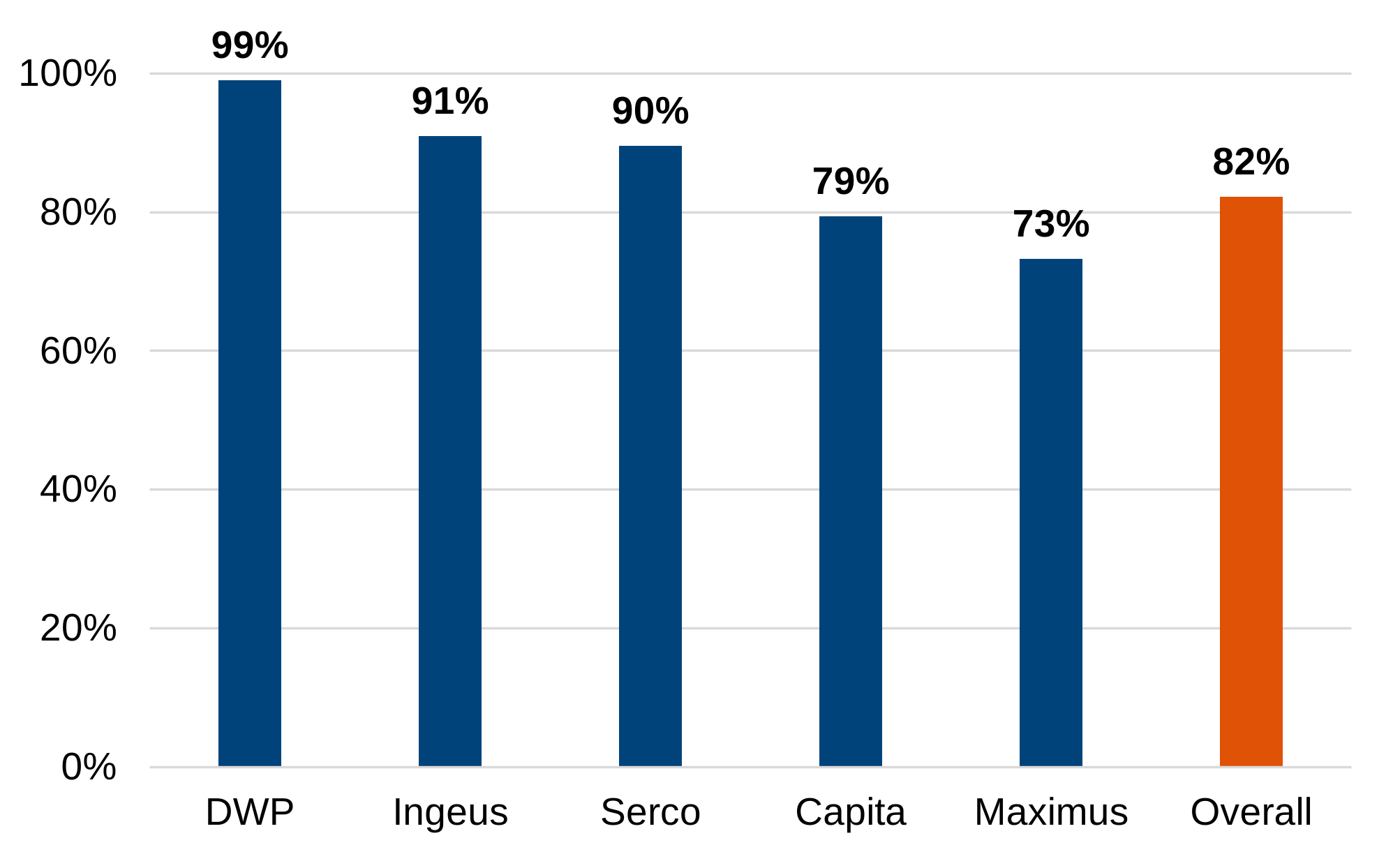
Included within “active employed” in Figure 1 are HCPs that:
- are undertaking assessments and are expected to have completed the mandatory CPD programme or are in roles that are not customer facing but have the requirement to complete the mandatory CPD programme
- are in their initial onboarding phase, which includes progressing through the completion of the mandatory CPD programme
- other individuals who have returned from extended absences and will be required to re-complete the mandatory CPD programme as part of their return to work
Figure 1 therefore includes individuals who are not undertaking assessments and are not reasonably expected to have completed mandatory CPD. It is therefore not the expectation that completion rates would be at 100% compliance.
The proportion of HCPs in their initial onboarding phase, at any one time, will vary between health assessment suppliers (for a number of reasons) and the department. Therefore, these figures are not comparable between suppliers or between suppliers and the department. It is, however, the expectation that all HCPs independently undertaking assessments will have completed all mandatory training modules before they start working with the public.
To demonstrate the impact these factors can have on overall completion rates, Figure 2 shows the mandatory CPD completion rates for all “active” HCPs who’ve been employed at each organisation for 6-months or longer. Those individuals within the first 6-months of employment would not plausibly be expected to have completed the mandatory CPD programme, due to being in the initial onboarding phase, and are excluded from Figure 2. The overall average completion rate increases from 82% to 90%.
Figure 2: Average completion rates of the mandatory CPD programme of healthcare professionals who have been in employment for 6-months or longer, by health assessment supplier and the department as of March 2026
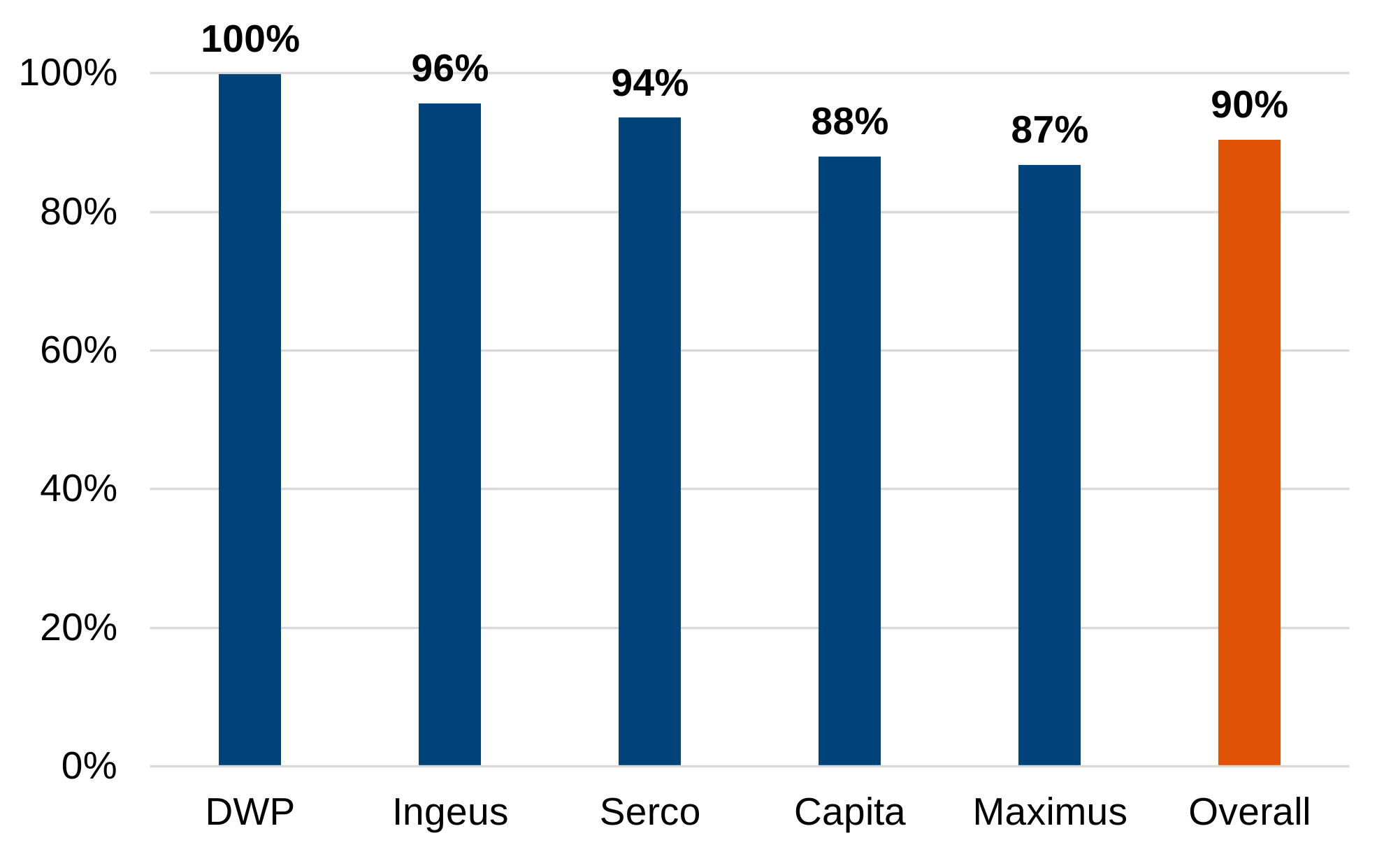
Whilst demonstrating the influence the number of new HCPs in the initial onboarding phase to an organisation can have on compliance rates, the measure in Figure 2 does not reflect only individuals that would reasonably be expected to have completed the mandatory CPD programme. For example, it does not exclude those returning from long-term absences or those who may take longer than average to complete the onboarding-phase, such as individuals who work part-time.
It is an objective for the next year to supplement the clinical governance dashboard reporting to better identify those where there is a requirement to have completed mandatory training and more accurately report on compliance rates.
Prevent duty training has been introduced as part of contract year 2, and the roll out of this module is in progress across health assessment suppliers and within the department. The completion rates of this module are planned to be included in the subsequent annual clinical governance report.
The completion rates by mandatory CPD module within each organisation is shown in Annex C.
The clinical profession within the department
In 2024, the clinical profession within the department was launched and aligned with best practice in other government departments aiming to support healthcare professionals to feel part of a valued community, embedding interdisciplinary working, promoting best practice and strengthening recruitment and retention. The profession includes our Doctors, Nurses, Physiotherapists, Occupational Therapists and Pharmacists. In the first year, the focus bought healthcare professionals together from across the department and built the appraisal, revalidation and education offer for the profession. This has been embedded further during this reporting year.
In October 2025, the clinical profession appointed a dedicated deputy clinical profession lead and clinical profession administrative support to work alongside the Chief Medical Advisor. Further to this, leads for the 3 professional regulatory bodies relating to DWP healthcare professionals (Nursing and Midwifery Council - NMC, General Medical Council - GMC and Health and Care Professions Council - HCPC were identified.
So far, the offer includes:
-
The departmental ‘All Clinician Call’. Monthly All Clinician Calls have become an embedded practice, and work continues to ensure these remain relevant and insightful to support ongoing development of the clinical team. This monthly hour-long session provides the clinical profession with a comprehensive range of educational sessions from external clinical experts, including from health, academia, clinical stakeholders and charities relating to the functional impacts of health conditions. It also supports wider development as a DWP healthcare professional. Feedback on the All Clinician Calls has been received from clinicians across all DWP clinical areas. Sessions were reported to be beneficial for professional development by 100% of respondents, with 90% indicating that they were very beneficial. All respondents confirmed that the content was applicable to their current clinical role, with 89% rating it as very applicable. Overall session ratings were consistently positive, with all sessions rated as fair or above, including 98% rated good or excellent. Qualitative feedback was highly positive, with clinicians describing the sessions as informative, engaging and well-structured, with clearly explained complex and relevant topics. Clinicians felt the delivery format, including real-life examples and practical scenarios, enhanced their knowledge, prompted new thinking, and supported learning in a meaningful and practical way.
-
The ‘Annual Clinical Conference’. This all-day event brings members of the DWP clinical profession together in-person to learn from sessions led by national clinical experts. The focus is on multidisciplinary learning and sharing best practice.
-
CPD learning resources for healthcare professionals to use independently and within their teams to ensure they meet regulatory body requirements and stay up to date with changing clinical practice. This includes access to articles covering a large range of medical topics and an online course that summarises the more relevant updates in clinical practice..
-
A quarterly newsletter focusing on increasing knowledge and awareness of work being undertaken in other departmental business areas, and clinical topics relevant to functional impairment.
-
The ‘Clinician Hub’: An online space for the DWP Clinical Profession to access information relating to clinical governance, professional registration and regulatory requirements; guidance and templates for reflective practice and peer support; a wide array of educational materials and any relevant news updates.
Pillar 2: Clinical audit and quality improvement
The second pillar aims to ensure that an interaction between a healthcare professional and the people who use our services is evidence-based, consistent and delivered right first time. The department has set standards for the quality of assessments for all health assessment suppliers and its own independent auditors. The department closely monitors all aspects of the process, including performance.
Audit refers to a comprehensive check of the elements of the assessment, including how evidence is collected, what further medical evidence has been considered and how the assessment report has been completed by the assessing healthcare professional. The check is completed against a set of guidelines to ensure a consistent approach is taken. This ensures that assessment reports are fit for purpose, clinically justified and sound, and provide sufficient information for the department to make an informed decision on entitlement to benefit.
All health assessment suppliers work with the department on plans to continuously improve assessment quality through a range of measures including audit procedures, clinical observations (by the department in PIP and WCA), tailored training and development plans and through providing feedback and support to healthcare professionals. Assessment quality is a priority for both the health assessment suppliers and the department.
The department works closely with health assessment suppliers to make improvements to guidance, training, and audit procedures through a continuous improvement approach to ensure a quality service is delivered. Quality performance is regularly reviewed at senior governance meetings held by both the department and the health assessment suppliers.
Audit grading and the audit escalation process
To ensure the quality and accuracy of assessment reports for health assessments, the department conducts a rigorous monthly audit of cases. The independent audit team meticulously reviews a randomly selected sample of assessment reports against established criteria, assigning grades to measure health assessment supplier performance against defined standards. This process serves to verify compliance and provide valuable feedback to the health assessment supplier, ensuring continuous learning and improvement.
Assessment reports that undergo audit are graded based upon their quality by the departmental independent audit team. Should the health assessment supplier contest an audit grade, a formal challenge process can be initiated. The independent audit team will review the case again and provide a written response aiming to provide more detailed learning. Grades may be adjusted, if appropriate, following a review.
If, following review, the health assessment supplier and the independent audit team disagree on the grading, the case can be escalated to the departmental clinical policy team for an independent review. A comprehensive and detailed review of the case is undertaken, working with a multidisciplinary team, which includes policy experts if necessary. This process allows the clinical policy team to consider whether changes to guidance and training may be required to more clearly articulate what is required within the health assessment process, through a continuous learning process.
Over the latter part of 2025, communication between departmental healthcare professionals and those working for health assessment suppliers has been reviewed and optimised to ensure alignment of practice across all parties. This is essential to support consistent and transparent decision making, aiming for the safety of claimants during the assessment process and the most appropriate outcome for their benefit entitlement.
Learning from the audit escalation process has been used to strengthen clarity and consistency in the application of existing clinical standards across the assessment system. Themes identified through senior clinical review have informed targeted refinements to training and guidance and supported wider clinical alignment activity, reinforcing consistent practice and high‑quality, evidence‑based decision making.
On average, 47 escalations have been undertaken per month from April 2025 to March 2026. Of these, 47% relate to PIP and 53% to WCA. 70% of assessment provider escalated cases resulted in the original audit grade being upheld[footnote 6].
Pillar 3: Clinical effectiveness
The third pillar aims to ensure that processes and policies are designed to achieve optimum outcomes for people who use our services, whilst supporting healthcare professionals to do the right thing, at the right time, with the right person, first time. It is a key component for improving safety.
The department has reviewed and updated its clinical policies and procedures to ensure clinical governance processes are more robust. This includes introducing the Clinical Governance Standard in 2024. An update to this standard is planned during 2026 and this will reflect any updated mandatory CPD requirements and the need for enhanced DBS checks for healthcare professionals. The following policies have all been updated and reviewed over the past year: Clinical Safeguarding Policy, Clinical profession policy, Caldicott Guardian Policy and the Medical appraisal, Revalidation and Responsible Officer Responding to concerns policies.
The clinical governance team provides oversight and assurance to suppliers’ monthly Quality and Consistency (QAC) meetings to review reported unexpected findings (UE1) and safeguarding events and to assess, learn from, and monitor emerging themes. These forums also provide an opportunity to share relevant DWP clinical governance updates and to reinforce mandatory governance expectations and ensure alignment with departmental around governance standards. This regular engagement supports ongoing assurance and promotes consistency in clinical governance practices across suppliers.
In addition to reviewing its own internal policies, the clinical governance team requested the collaboration of the health assessment suppliers and was grateful for the sharing of their clinical governance and Responsible Officer Annual reports to provide further assurance that the necessary processes are embedded within each organisation.
Pillar 4: Staffing and management
The fourth pillar aims to ensure the department, and the health assessment suppliers, employ regulated healthcare professionals in good standing with their regulator who are highly skilled, recruited in line with safer recruitment best practice and are working in a well-supported environment.
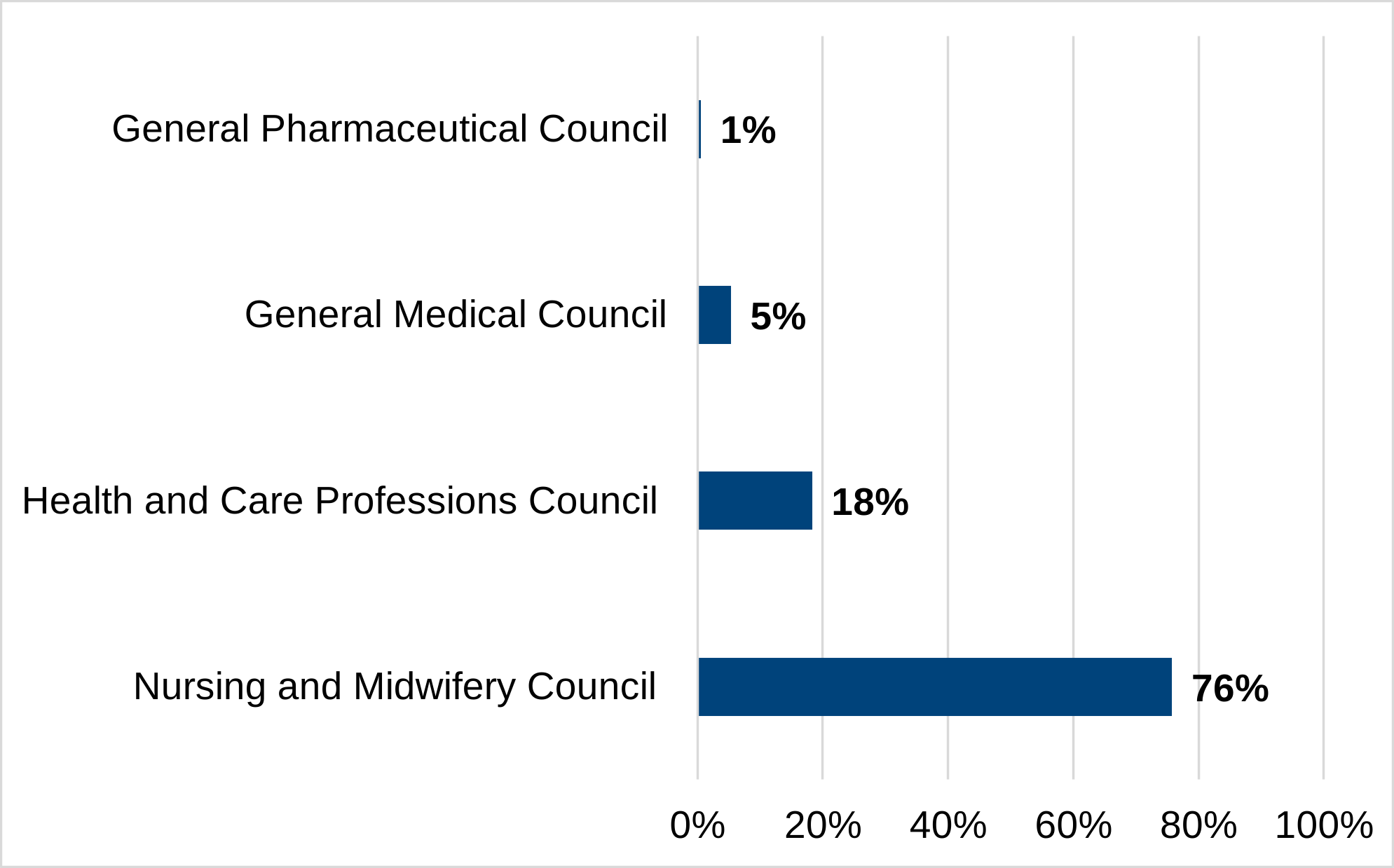
There are approximately 5,300[footnote 7] healthcare professionals actively working across the health assessment suppliers and over 200[footnote 7] healthcare professionals working for the department. As a requirement of employment, all healthcare professionals must be registered with a regulatory body and in good standing with their regulator. Nurses are registered with the Nursing and Midwifery Council (NMC), doctors with the General Medical Council (GMC), pharmacists with the General Pharmaceutical Council (GPhC), and physiotherapists, occupational therapists and psychologists with the Health and Care Professions Council (HCPC). Registration status and any issues with regulator body status is monitored monthly.
Figure 3: Proportion of healthcare professionals in active employment registered with each professional body in March 2026
Appraisal, revalidation and regulation
Doctors are required by law to undertake an annual appraisal to maintain their licence to practice with the General Medical Council. As of January 2026, there are now 18 doctors who are directly employed by the department, 13 of whom will have their appraisal completed annually at DWP via the appraisal process that can be seen in Annex A: Appraisals for doctors.
Note: as some of these 13 doctors joined the department during the appraisal year April 2025 to March 2026, not all required an appraisal to be immediately undertaken via DWP (as an annual appraisal had already been completed, in this appraisal year, prior to transfer). Five doctors employed by the department have their appraisals completed externally due to other professional roles they hold alongside their DWP role. Doctors who are employed by the health assessment suppliers undertake appraisals within their own organisation. Other healthcare professionals have varying requirements to maintain their regulatory body status. This is all monitored via the clinical governance dashboard.
HR investigations
Following the 2024 to 2025 report, the Chief Medical Adviser collaborated extensively with HR colleagues to update the DWP Policy on ‘How to investigate discipline and grievance cases’. This now has supplementary guidance detailing special arrangements for healthcare professionals employed by DWP to align DWP policy to best practice.
Where a healthcare professional is notified that a complaint or grievance has been made against them, the policy now formalises that the individual must notify their Head of Profession (i.e. depending on their exact role and qualification – this will be either the Chief Medical Advisor as Head of the Clinical Profession or the DWP Chief Psychologist as Head of Profession for Occupational Psychology) within 7 days and arrange to meet with them. The meeting will enable support to be provided and a decision to be made as to whether regulatory body involvement is required. Note: The meeting between the healthcare professional and Head of Profession will not explore the validity of the allegation, or the healthcare professional’s response as these matters are for the independent investigator to explore.
Investigations
When things go wrong, healthcare professionals can be referred to their regulator for investigation. A referral can be related to a wide range of issues such as a complaint, a probity concern or a criminal investigation. The department has a process in place to monitor these issues and to ensure the users of our services are protected whilst investigations are ongoing. For healthcare professionals directly employed by DWP, this has been formalised as noted above in the HR investigations section. There is additional guidance for the Responsible Officer which applies to investigating concerns regarding doctors employed by DWP and this is described in our Responsible Officer Responding to Concerns policy.
Sanctions and waivers
The DWP Sanctions and Clinical Risk Management Policy (SCRM) gained approval at the Clinical Governance Excellence Board in July 2025. This details how concerns related to individual healthcare professionals working in the health assessment supplier space will be managed by DWP. It focuses on DWP’s role in the receipt, processing and decision making related to concerns about clinical or other conduct matters regarding HCPs employed by our health assessment suppliers.
The health assessment supplier contracts with DWP specify that healthcare professionals must have no sanctions attached to their registration unless it relates to disability or an Approved Practice Setting (APS) requirement. In individual cases the requirement for HCPs not to have any sanction attached to registration may be waived subject to prior written agreement with DWP.
DWP’s role is not to make decisions on employability or fitness to practise, but to ensure any necessary steps are taken to protect claimants. This may be as an interim measure until definitive decisions have been reached by any external bodies such as the regulator or Crown Prosecution Service / Courts.
Illustrative case examples include:
A healthcare professional who has been referred to their regulator following an allegation of dishonesty or a healthcare professional who has made a self-referral to their regulator after being charged with a criminal offence.
A multidisciplinary team (MDT) meets to discuss any such cases referred to the department to agree whether further information is required or ultimately to provide an opinion as to whether a waiver can be supported or approval needs to be restricted or revoked. Over the past 12 months, the MDT have considered 17 regulatory body referral cases and 3 recruitment waiver cases.
Safer recruitment
The department is committed to safer recruitment in line with best practice. All healthcare professionals undergo a security check before they can work with people who use our services. In addition, as DWP have, since 2024, appointed the Chief Medical Adviser to be the Responsible Officer, the additional legal requirements detailed for RO’s in England, as defined in The Medical Profession (Responsible Officers) Regulations 2010, apply. This includes, but is not limited to:
- Ensuring that healthcare professionals have qualifications and experience appropriate to the work to be performed.
- Ensuring that that appropriate references are obtained and checked.
Arrangements are in place to ensure that all clinical recruitment is compliant with the legislative requirements.
Disclosure and Barring Service (DBS) Checks
As part of our commitment to safer recruitment, all healthcare professionals and relevant staff undergo DBS checks prior to commencing work with service users. Due to legal advice, from 2017 Healthcare professionals employed or contracted to undertake work on behalf of the DWP were only permitted to be checked to a basic level. A review of this process found it to not be appropriate and not a comparable level of check to healthcare professionals employed in more traditional clinical settings.
From 21 January 2026, legislation has been changed to mandate all healthcare professionals who are employed or contracted on behalf of DWP to undergo an Enhanced DBS check with barred list information. This process ensures that individuals are suitable to work with vulnerable groups and aligns with NHS best practice. DBS status is monitored and recorded within the clinical governance dashboard, and periodic rechecks are conducted in line with best practice and regulatory requirements every 3 years.
Indemnity
Healthcare professionals must have indemnity in place to undertake clinical work. Their indemnity arrangements are monitored within the clinical governance dashboard to ensure indemnity is in place and at the appropriate level for the service they provide. All HCPs have indemnity arrangements in place for clinical negligence events that could occur from their work, which is the mandatory requirement set by the department. It is the department’s best practice recommendation that regulatory body referral and Good Samaritan Acts indemnity is also in place for all HCPs, for which 82% of HCPs have indemnity arrangements in place for.
Employment and Pre‑Appointment Checks
Safer recruitment includes verification of identity, right‑to‑work, professional registration and fitness to practise, employment history and references. Completion is mandatory prior to start date, and compliance within the clinical governance dashboard is reporting at 100% as of the 31 March 2026. Ongoing monthly monitoring of professional registration status is conducted via the clinical governance dashboard. Any discrepancies are treated as incidents and managed through the clinical risk framework.
Pillar 5: External service user engagement
The fifth pillar aims to ensure service users have a voice within the DWP clinical governance processes and policies. This ensures our clinical services involve those who use our services, which aims to improve transparency and build trust. With 2 million health assessments undertaken each year this is an important part of the clinical governance framework.
Our formal service user involvement is through the DWP Operational Stakeholder Engagement Forum (OSEF). OSEF consists of over 50 national stakeholder organisations predominantly from charitable and welfare rights organisations who support the diverse range of people who use the department’s services on a non-contractual, non-payment basis. Through OSEF, members are updated on DWP initiatives and business change, and they can raise systemic issues across all benefit lines. Importantly, members can be involved in insight gathering and feedback sessions. The Chief Medical Advisor engages with this group by attending OSEF meetings on a 6-monthly basis, or more frequently if appropriate.
Prior to September 2024, some charities and stakeholder organisations were closely involved in the writing and review of clinical guidance. The process of developing clinical guidance has now been formalised internally within the Department with an external independent quality assurance process in place. We continue to hold a quarterly Training and Guidance Stakeholder Information Sessions. Charities and organisations with an interest in training and guidance are invited to attend these sessions to hear updates on the clinical training and guidance processes and to ask questions. Many attendees are members of OSEF.
It is important that people who use our services, and their representatives, have a voice within the process of educating healthcare professionals who work for the department. Any stakeholder who wishes to have closer involvement can request to be involved in teaching the department’s healthcare professionals at the monthly All Clinician Call. To ensure the quality of the information is in line with national standards, the material to be presented must be clinical in nature and delivered for healthcare professionals, by a healthcare professional. Content is reviewed by a senior departmental HCP prior to the sessions to ensure information is accurate, unbiased and in line with national guidelines.
The Disability Services Advocacy Team support a quarterly National Advocacy Board, which is hosted by the 4 health assessment suppliers on a rotating basis. This board aims to capture the national voice of the customer, provide a forum for feedback, offer a mechanism to share accurate and timely updates and information on service delivery and drive service improvements. From September 2025, a senior departmental HCP became a member of the National Advocacy Board to strengthen engagement with external service users and their representatives. Minutes of this meeting are shared with the Clinical Policy and Best Practice Group to ensure the feedback loop is completed and any recommendations can be considered within this multidisciplinary meeting. Clinical governance leadership ensures that insight from service users and advocacy groups is systematically incorporated into governance discussions, assurance processes and training development, strengthening accountability and transparency.
External oversight and independent scrutiny
In addition to direct service user and stakeholder engagement, the department’s clinical governance arrangements are subject to external oversight and independent scrutiny. The Clinical Governance and Excellence Board includes an independent external member who provides objective challenge and assurance on the development and operation of the clinical governance framework. Independent external representation is also embedded within key supporting governance structures, including the Functional Assessment Service Training and Guidance Editorial Board and the Responsible Officer Advisory Group, to ensure alignment with best practice and regulatory expectations.
During 2025 to 2026, the clinical governance team established a link with the department’s newly formed Disability Advisory Panel, strengthening connections between clinical governance activity and wider lived‑experience insight at departmental level.
These arrangements provide an additional layer of independent oversight, support transparency, and reinforce public confidence in the department’s clinical governance system.
Pillar 6: Clinical risk management
The sixth pillar aims for teams to ensure that healthcare professionals and their teams have the skills and capability to identify, assess, manage and monitor clinical risks with clear routes to report or escalate risks and incidents. Clinical risk management means that with near misses, or when things do not go to plan, there is a robust process in place to identify issues and learn from them, which is a core part of the department becoming a clinical learning organisation.
Unexpected findings data
The reporting process for unexpected findings was standardised across DWP regulated HCP teams and health assessment suppliers from October 2025. Whilst data was collected prior to this, the lack of comparability means this report will cover October 2025 to March 2026.
An Unexpected Finding (UE1) occurs and is reportable when, during an assessment a new condition is identified, a deterioration in a condition is identified, or clinical information is provided that is unknown to the claimant’s GP or most appropriate external NHS HCP. Where consent is appropriately gained from the person, this new clinical information is shared with the individual’s GP or most appropriate external NHS HCP. Anonymised data is collected as part of the clinical governance dashboard to monitor the volumes, type of UE1 and provide assurances that these events are recognised and escalated.
Case example of an Unexpected Finding
A claimant disclosed active suicidal ideation during a telephone assessment. The assessing HCP called 999 for an ambulance and the HCP remained on phone with the claimant until paramedics attended. The claimant’s GP was informed.
Figure 4 shows the rate of UE1 reports by month as a rate of the total number of assessments completed. The overall rate of UE1 reports for this period has remained at an average of 4% of assessments completed. This data and cross-supplier comparisons provide the department assurance that assessors consistently identify clinical concerns and that escalation pathways are functioning as intended across all health assessment suppliers.
Figure 4: Unexpected findings as a rate of total assessments completed from October 2025 to March 2026
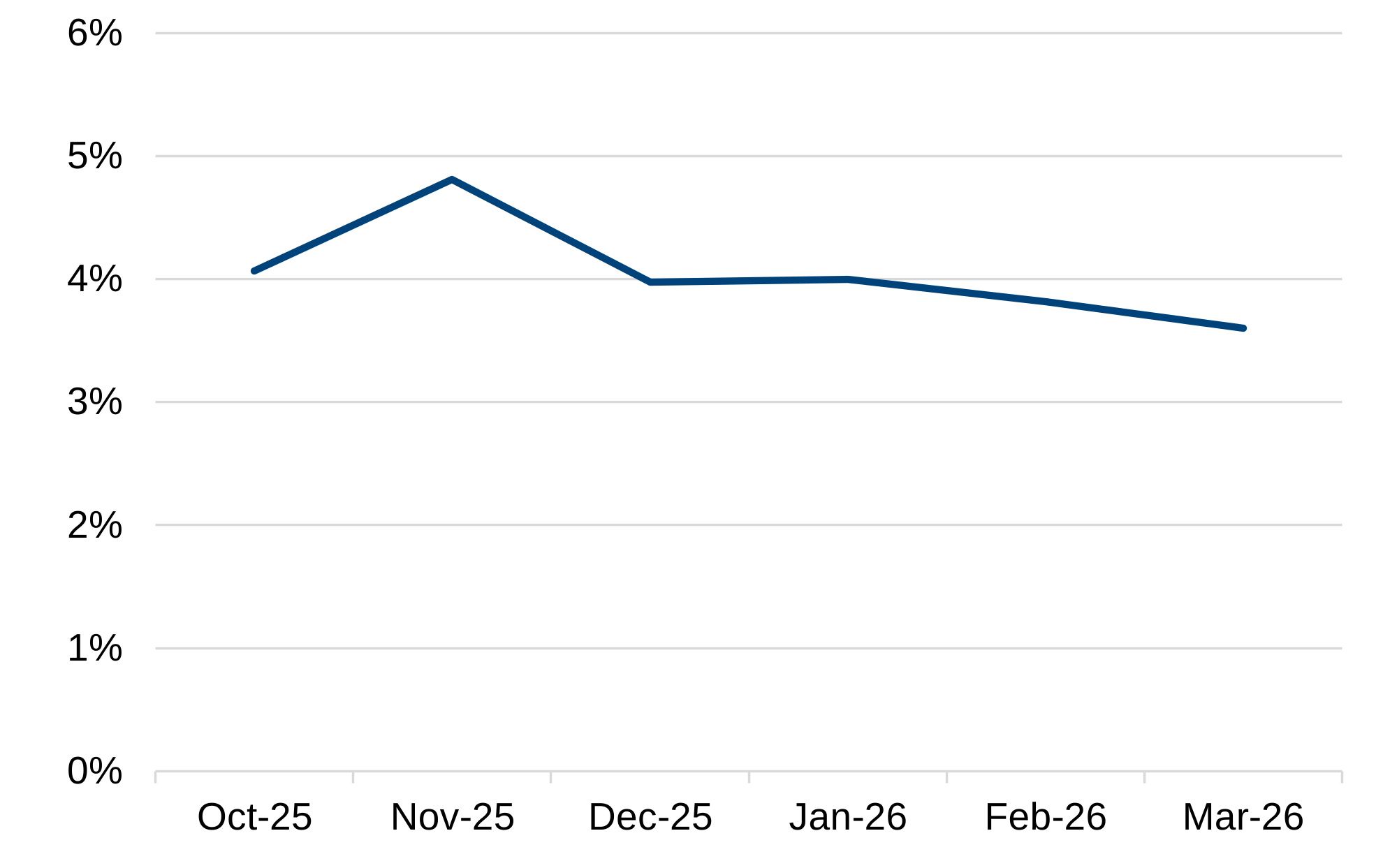
This data demonstrates the important role HCPs play in identifying clinical concerns during assessments. It highlights the positive unintended benefits of health assessments being completed by healthcare professionals. 30,885 new clinical concerns were picked up by our HCPs over this 6-month period, which may otherwise not have been identified. This impact on escalating concerns to the NHS is an under recognised contribution that our HCPs are making to the wellbeing of customers.
In 193 out of 30,885 cases, emergency services or psychiatric CRISIS teams were called for immediate intervention to support the individual. These include calls for the prevention of suicide, risk to self or others, or potentially life-threatening medical emergencies such as worsening shortness of breath and chest pain.
The majority of UE1 reports that did not require an emergency referral related to mental health conditions (Table 1), which is consistent in the reporting month on month. Non-emergency onward referrals are commonly made to the GP, for example a concern regarding worsening chronic health conditions or a suspected new diagnosis. The “Other” category seen in Table 1 includes various issues identified via the UE1 process, such as concerns related to substance misuse with mixed physical and mental health impacts, or incorrect use of medication that it was felt the NHS should be aware of from a safety perspective.
Table 1: Proportion of Unexpected Finding (UE1) reports from October 2025 to March 2026 by category
| Category of UE1 | Proportion |
|---|---|
| Mental health conditions | 73% |
| Physical health conditions | 16% |
| Other | 11% |
| Urgent mental health conditions | <1% |
| Urgent physical health conditions | <1% |
Safeguarding events data
The reporting process for safeguarding discussions and referrals was standardised across DWP regulated health care professional teams and health assessment suppliers from October 2025. This change ensures consistent reporting and aligns with the abuse categories set out in the Care Act 2014 and the Children Act 1989. Whilst data was collected previously, the lack of comparability means this report will cover October 2025 to March 2026.
The safeguarding data collected as part of the clinical governance dashboard records 2 aspects:
- The number of HCP safeguarding discussions that occur, that may or may not result in a safeguarding referral to the Local Authority. A safeguarding discussion is a documented consideration by the assessor that a safeguarding concern may exist. Reporting this as best practice provides early visibility of potential risks, even when a formal referral is not required.
- The number of safeguarding referrals which are submitted to the Local Authority Safeguarding Teams.
There is additional reporting for significant events that occur relating to safeguarding, where near misses or organisational learnings can be made. This is discussed in a later section (Clinical Significant Event Analysis).
Data is collected from across the health assessment suppliers and departmental regulated healthcare professional teams to provide robust oversight of safeguarding activity. This enables the department to assure that safeguarding concerns are being appropriately identified, recorded, and escalated in line with statutory and organisational requirements.
Both safeguarding discussions and safeguarding referrals to the Local Authority are captured. Recording discussions - whether they lead to a formal safeguarding referral or not - provides important assurance that health care professionals are actively considering safeguarding throughout the assessment process, applying professional judgment, and seeking appropriate next steps where risks are identified.
Capturing this information against the nationally recognised safeguarding categories allows the department to monitor trends, and ensure alignment with national safeguarding standards, processes and strategies. This dataset also supports the early identification of any gaps where additional departmental guidance, training or intervention may be required, tailored to the health assessment service. Taken together, these activities provide an important governance mechanism for monitoring safeguarding performance and supporting continuous improvement across the assessment system.
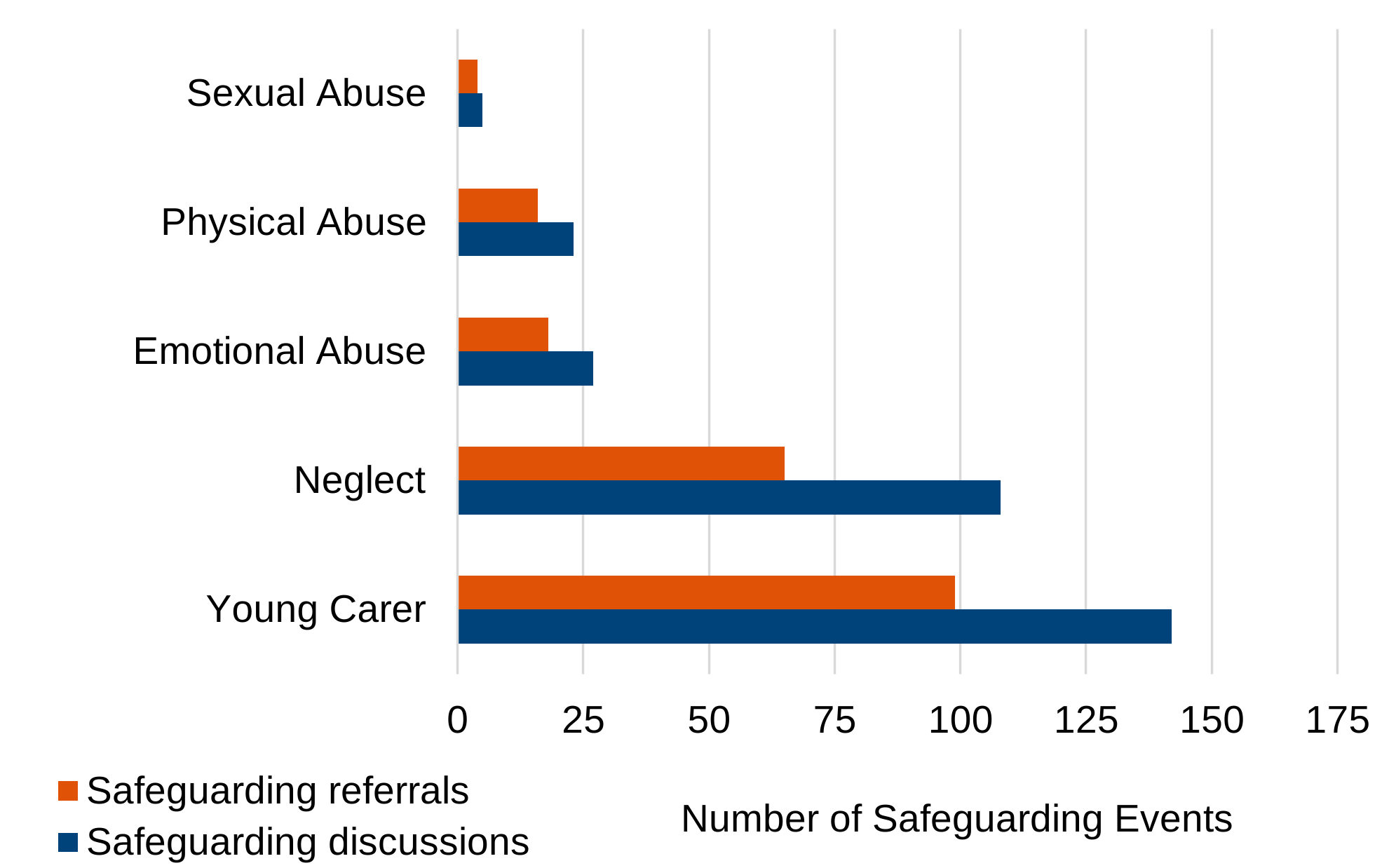
The total number of safeguarding discussions for October 2025 to March 2026 was 727, with 455 referrals to Local Authority Safeguarding Teams made across health assessment suppliers and DWP regulated healthcare professional teams. 57% of these related to adults and 43% to children. These are split by category in Figures 5 and 6. Self-neglect was the most frequent reported category of abuse for adults, and for children it was the identification of a child or young person providing caring responsibilities for someone with an illness, disability, mental health condition or difficulty with drugs or alcohol (recorded as “Young Carer” in Figure 6). Whilst “Young Carer” is not an abuse category specified in the Children Act 1989, additional reporting on this category is relevant and important within the health assessment space.
Figure 5: Number of safeguarding reports relating to adults by abuse category from October 2025 to March 2026.
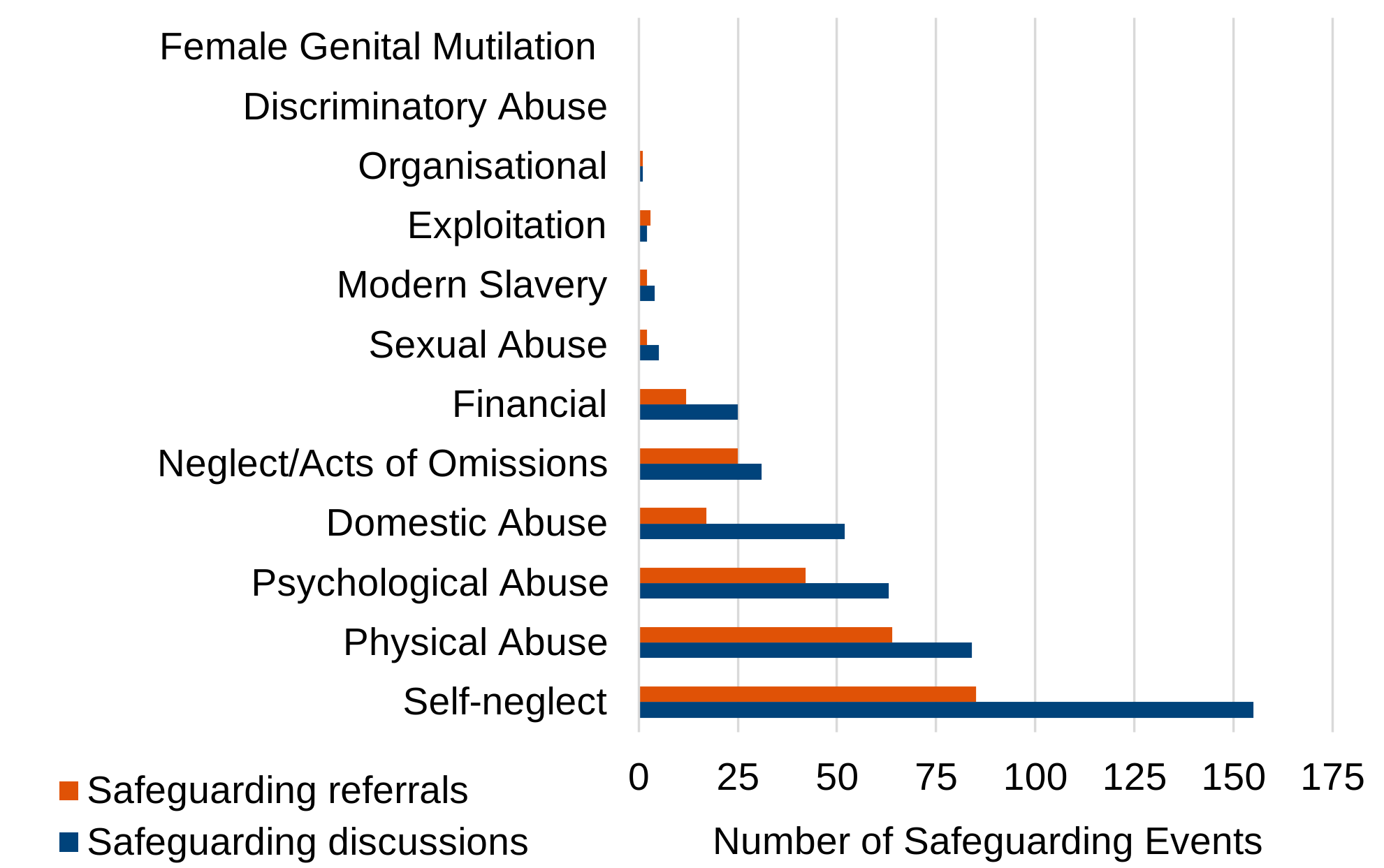
Figure 6: Number of safeguarding reports relating to children by abuse category from October 2025 to March 2026.
Clinical Significant Event Analysis (CSEA) reporting
An incident is any event or circumstance that has resulted in, or had the potential to result in, harm, loss, or simply a deviation from expected standards of policy, procedure, or professional practice.
This definition encompasses actual events, near misses, and identified risks. Importantly, incidents may also highlight that nothing went wrong in practice but nevertheless provide an opportunity to examine systems and processes for resilience and improvement. The occurrence of an incident, irrespective of its risk level, does not in itself indicate neglect, carelessness, or dereliction of duty. Reporting events should not be assumed to represent a substantial failure, but rather demonstrate a culture of vigilance, transparency, and learning. The DWP recognises that a positive trend in incident reporting is evidence of a mature and effective governance system.
Retrospective reports are made quarterly to the DWP clinical governance team by suppliers and DWP internal teams. The CSEA reporting tool and process has evolved since its introduction at the start of the FAS contracts in September 2024.
Initially, the ask was to report every event to the Department to provide oversight of the types of incidents and organisational reporting in place for each external supplier and DWP regulated healthcare professional team. This included events where best practice was followed and highlighted good practices, as well as near misses and incidents. Suppliers progressed through required contractual changes at differing times and had differing clinical governance processes for internal reporting and recording of incidents. This meant whilst every event was investigated within each organisation, there was not standardisation or comparability between the reports received into the Department until October 2025.
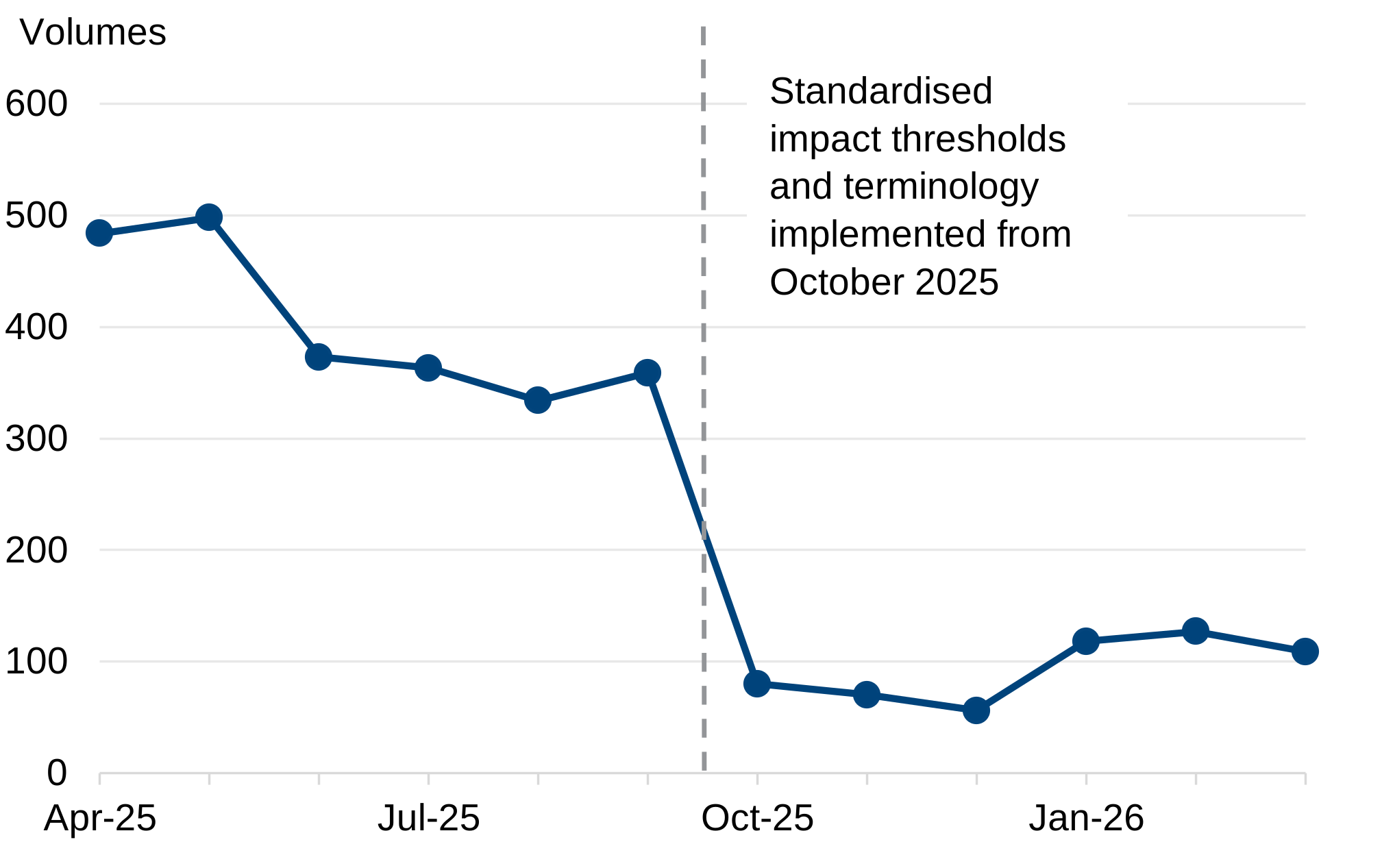
From April to September 2025, the department collaborated with suppliers to design a new standardised impact scoring tool. Standardised terminology was also further developed into the reporting tool. The reporting thresholds into the department were refined to ensure that risks escalated are significant events, or repeated trends of low-level issues. This refinement strengthened the department’s oversight by ensuring that, from October 2025, incidents with potential to cause harm, or those indicative of systemic weakness, continue to be escalated and reviewed at departmental level, while low‑impact events are managed by suppliers in line with best practice. (Note – some suppliers chose to voluntarily adopt this method prior to this date).
These advancements to the CSEA process were designed to improve the comparability and consistency of the data and align to Significant Event Analysis best practice.
Due to the above factors, the data from the 9 September 2024, the start of the FAS contracts, to 30 September 2025 is not directly comparable between the suppliers and DWP internal teams. From October 2025 onwards, data is standardised allowing the department to more robustly understand and analyse all clinical significant events reported. As the data grows, the information will allow the department to drive change in education, training, policies and processes to continuously improve our clinical services.
All data in this report presented as part of the Clinical Significant Events Analysis (CSEA) will therefore be split into 2 periods:
- data prior to the 30 September 2025
- 1 October 2025 to 31 March 2026
The data for this first period is included for completeness, but the reader should be aware this information is not directly comparable for the reasons previously described.
Clinical significant event analysis data
The implementation of the standardised thresholds has decreased the volume of events reported, reflecting improved triage to focus departmental oversight on incidents with potential for harm or systemic importance. The reduction in volume indicates that most incidents reported from 1 April 2025 to 30 September 2025 were of lower impact and either demonstrate best practice was followed or the incident reported did not result in harm. These are still recorded and actioned by the assessment providers. Of the total 2,971 incidents reported, 2,411 (81%) were escalated to DWP prior to the reporting threshold introduction and 560 (19%) were reported after (Figure 7, Table 2).
Figure 7: Volume of clinical significant events reported from April 2025 to March 2026.
Thematic learning from CSEA incidents reported
The CSEA tool aims to reflect on what happened and what the key actions and learning outcomes were from the event and the response. This understanding is important to provide appropriate oversight, embed continuous improvement and identify cross-supplier themes from significant events. All events are recorded against 5 main categories with an associated key action and key learning.
The volume of reports made against each main category for the 2 time periods are detailed in Table 2.
Table 2: Volume of clinical significant event reports for each of the main categories, before and after the implementation of standardised impact thresholds and terminology
| CSEA Main Category | April 2025 to Sept 2025 | Oct 2025 to March 2026 | Total |
|---|---|---|---|
| HCP compliance | 1,329 | 489 | 1,818 |
| Information governance | 566 | 7 | 573 |
| Complaints against HCPs | 326 | 61 | 387 |
| Incidents related to safeguarding | 62 | 2 | 64 |
| Other incidents | 128 | 1 | 129 |
| Total | 2,411 | 560 | 2,971 |
Health Care Professional (HCP) compliance was the most frequently reported category and included events where there was a breach of guidelines, incomplete reporting / inaccurate reporting and protocol violations.
Case example of an HCP compliance significant event
An assessor did not successfully renew their regulatory body registration due to a payment issue. This was identified early, and their system access was immediately suspended. Support was provided, and their registration was reinstated without delay. No claimants were assessed or referrals progressed during the period of the registration lapse.
Prior to the standardisation introduced in October 2025 this category averaged 55% of the total reported events (1,329 reports). This proportion changes to make up 87% of reported events (489 reports) from October 2025 to March 2026 (Table 2). Further thematic analysis of the data from October 2025 onwards has identified that remedial work is required to ensure unified application of the main categories occurs. For example, among the HCP compliance incidents reported from October 2025, 25 cases were identified that appeared to relate primarily to safeguarding and 27 cases to information governance. Often one incident can highlight an issue spanning multiple categories and therefore the choice of main category can be subjective. Further calibration work will be undertaken with the suppliers to ensure that the learning from the reporting can be maximised.
69% of compliance-related events reported from October 2025 were resolved and closed in the same period. The initial assessments and investigations into the incidents concluded that a gap in learning/understanding of process was identified, which suggested that refresher training courses or more in-depth supervision was required to help maintain standards.
Information governance events were the second most reported incident prior to October 2025 (23%, 566 reported events). These events included documentation errors, non-compliance with confidentiality protocols and potential data breaches. Seven information governance events were reported to the department from October 2025 (Table 2), however, please note the caveat referenced above that some of the events reported under HCP compliance related to information governance management. As a result, further alignment work will be undertaken.
Case example of an information governance significant event
An assessor uploaded a document to the wrong customer record. This was identified during an audit of the case. The issue was corrected immediately by removing the incorrect document and uploading it to the correct record. The incorrect document was only visible and accessed by an authorised practitioner before the corrective action was taken and was not disclosed to any customers. The healthcare professional received feedback and further training and guidance to reinforce correct IT processes and policy compliance.
The primary response to mitigate risks in this category was staff training on data protection and the provision of clear communication regarding information governance standards. If a personal data breach is likely to result in a risk of adversely affecting individuals’ rights and freedoms, then the Information Commissioner’s Office must be notified. None of the information governance events reported via the clinical significant events tool led to a notification to the Information Commissioner’s Office as the events did not meet this threshold.
The CSEA tool offers a retrospective look over past information governance incidents and provides assurance that events are reported and escalated in line with the DWP Security Incident Management Standard. Collaborative reviews with the DWP Security Incident Response Team and DWP Data Protection Officer’s Team have taken place to provide assurance these processes are adhered to correctly and best practice is embedded.
Complaints against HCPs amounted to the third highest proportion of reported incidents, making up 13% of all cases (387 reports). 96% of these were resolved and closed in the same period. This category only includes those complaints that were upheld after investigation and primarily included concerns relating to professional conduct, clinical decision-making, and claimant interactions. This category also included identified trends from complaints that are used to inform wider complaints initiatives within the individual organisations. The key governance actions taken to address these incidents included feedback and further education for the HCPs and compliance reviews to support continuous professional development.
Incidents related to Safeguarding from the CSEA reporting made up 2% of the total incidents with 64 reports. Of these, 62 reports were prior to the alignment in reporting thresholds and included events where good safeguarding practices were reported demonstrating the appropriate processes followed and people at risk of harm, abuse or neglect were fully supported.
Case example where best practice was followed
A healthcare professional raised a safeguarding concern related to neglect, specifically involving self-neglect and a deterioration in the claimant’s mental health. A referral was made to the appropriate safeguarding authorities, prompting inter-agency collaboration to support the individual. The clinical safeguarding lead followed up with the Local Authority to monitor the case and ensure appropriate ongoing support. The GP was informed.
Since alignment, only safeguarding events which did not follow expected process were reported. For the 2 reports made since October 2025, both involved safeguarding concerns missed during an assessment that were later identified at a quality review. Further exploration of the concerns was undertaken immediately when they were identified and relevant safeguarding actions completed. Remedial actions included appropriate reporting to relevant external stakeholders, such as the GP and Local Authority Safeguarding Team. In both instances, the HCP involved was provided with feedback and additional support and training and no harm came to the individual.
These findings fed into the overall safeguarding strategy within the health assessment supplier organisation and were reviewed by the DWP Clinical Head of Safeguarding to provide assurance that correct safeguarding processes were in place. Both incidents were resolved and closed in this period.
Additionally, as noted above, a further 25 incidents involving safeguarding concerns were reported under the main category of ‘HCP compliance’ and further work is being undertaken to understand why this category was chosen for reporting rather than ‘safeguarding’. As with the 2 incidents above, these 25 compliance-related safeguarding incidents were also reviewed by the DWP Clinical Head of Safeguarding with assurances provided to the department that correct safeguarding processes were in place.
Other incidents, including equipment malfunctions and system-related issues, accounted for 4% of total reported cases (129 reports). The fact that all, bar one incident, reported to the department were prior to October 2025 (Table 2) suggests these events are typically of lower impact and do not result in harm as they would otherwise meet the threshold for continued reporting to the department. Governance actions undertaken in response to these incidents included staff training, technical reviews, ensuring systems are in place to log and investigate incidents, and procedural refinements to minimise operational disruptions.
The absolute data by health assessment supplier and DWP regulated health care professional teams can be found in Annex D.
Prevention of Future Death Reports (PfDRs)
Coroners have a duty to make reports to a person, organisation, local government or government department where the coroner believes that action should be taken to prevent future deaths. These reports are important within the clinical governance framework.
The department’s customer experience team leads on the coordination of the departmental response when a Prevention of Future Death report is received. To ensure there is consistent senior oversight of all PfDR responses, the Chief Medical Advisor co-signs all responses that are returned to the Chief Coroner.
The number of reports received by the department are very small, with only 6 since the appointment of the Chief Medical Advisor in 2023. With small numbers it is difficult to identify any trends, however reports are presented at the CGEB and learning is therefore shared across the department at director level. Learning identified through Coroner recommendations are then tracked by the customer experience team to ensure improvements are made.
Internal Process Reviews
Internal Process Reviews (IPRs) are a thorough review of customer cases that seek to understand if the department’s interactions with customers have followed the correct operational processes, to identify if there are improvements that could be made to the department’s operational services.
IPRs are a tool to enable the department to identify any lessons to be drawn from how it discharged its operational responsibilities, rather than a process for assessing culpability for the incident being investigated. Where learning is identified from the IPR, this is taken forward with the appropriate service line in the department. If the learning relates to a health assessment that formed part of the customer journey, these are taken forward through the department’s Contract Management and Partner Delivery Team.
The department’s Chief Medical Adviser continues to work closely with the IPR team to ensure effective clinical oversight of IPR cases that involve a health assessment or raise any safeguarding concerns. Work to understand alignment of clinical reviews and IPRs was taken to DWP’s Serious Case Panel (the Panel) in February 2026, where the Panel agreed a process supporting 2 distinct investigations that will be brought together with the addition of a multidisciplinary team. IPRs will continue to focus on internal operational processes and clinical reviews will evaluate clinical aspects, which will include external partners. Work is now being taken forward to look at the design of this process to further enhance Departmental continuous learning.
Risk register
The department’s Risk Management Strategy and Framework sets out the process for identifying, managing, and mitigating key risks. Clinical risks are held by the Chief Medical Advisor and reported to the CGEB on a quarterly basis. Risks are also highlighted to the Executive Team biannually and any high risks will be expedited in line with DWP processes outside of this reporting cadence.
Pillar 7. Clinical data and information governance
The seventh pillar aims to ensure that confidential information about people who use our services is used ethically, legally and appropriately and that confidentiality is maintained. DWP takes its responsibility seriously and ensures that the right levels of security and protection are applied to information that it processes. Effective information management safeguards both our customers and our key corporate information, maintaining the department’s reputation and protecting the public purse.
It is the responsibility of every healthcare professional to ensure that confidential personal and clinical information is accurate, stored safely and securely, and yet accessible to those who need it. The Caldicott principles, the common law Duty of Confidentiality, and consent rules must be followed in addition to standard Information Governance and Data Protection requirements. All DWP employees are expected to complete Security training on an annual basis, and a Data Security Awareness module is part of the mandatory CPD programme that healthcare professionals must complete.
The Caldicott Guardian champions the Caldicott principles across DWP and plays a key strategic role in ensuring that DWP satisfies the highest practical standards for handling confidential information:
- ensuring data is held securely during ‘test and learn’ pilots
- ensuring confidential information is used ethically, legally and appropriately
DWP Assurance visits
During 2025 to 2026, the department implemented its first formal clinical governance assurance visit programme for health assessment suppliers and DWP regulated healthcare professional teams. This programme provides structured, evidence-based inspection and assurance against the DWP Clinical Governance Standard and the 7 pillars framework. Over the reporting period, assurance visits were completed with all 4 health assessment suppliers and 4 DWP regulated healthcare professional teams. The programme has been welcomed by health assessment suppliers and DWP teams alike, recognising this as the first coordinated assurance exercise of its kind within the department to support the achievement of high and consistent clinical governance standards.
Each visit is undertaken using a standardised inspection framework and evidence set, enabling performance to be assessed against agreed standards across the 7 pillars of clinical governance. During this first cycle, reviews focused on 6 pillars, with Pillar 5 (service user involvement) not formally assessed. This will be included in the next round of assurance visits to ensure full framework coverage. Findings from each visit are used to inform improvement actions, learning and ongoing assurance, and contribute to system-wide continuous improvement activity.
The assurance visits are now embedded as a routine annual cycle, with flexibility to introduce more frequent visits where additional support is required. Learning and themes from the programme are reported to the Clinical Governance and Excellence Board, strengthening strategic oversight and accountability. Looking ahead, the department aims to align the assurance visit methodology with the CQC inspection framework to further strengthen regulatory alignment, comparability and adherence to recognised industry standards.
Clinical governance tracking progress
Recommendations from the Department for Work and Pensions: Development of a new approach to clinical governance 2023 were all accepted by the department and we have continued to track progress. The last annual report detailed our completed tasks. Throughout 25-26 we worked to advance those tasks that remained in progress. Additional milestones will be added as new priorities are identified.
Table 3: Recommendation implementation progress
| Recommendation | Implementation | Next steps |
|---|---|---|
| Enhance clinical education and training offer. | In progress | Update and publish guidance to ensure alignment to best practice and proceed to review all guidance annually. |
| Digital collection of standardised data from health assessment suppliers and departmental regulated healthcare professional teams. | Complete | Ongoing monitoring will continue. Assurance visits were undertaken as planned and will be repeatedly at least annually. A data security review has been completed successfully. |
| Use all available clinical evidence to improve services. Include IPR, PfDR, complaints, and appeals in clinical governance reporting to aid learning for suppliers and internal teams. | In progress | A detailed review has been completed and presented to the Serious Case Panel. Better integration between clinical and operational investigations and a triage process using a multidisciplinary team has been agreed and will be implemented. |
Safeguarding Vulnerable Claimants 2025
The recommendations from the Department for Work and Pensions: Safeguarding Vulnerable Claimants 2025 inquiry, relating to the Chief Medical Advisor and their team, were reviewed by the department and we have continued to track progress.
WPSC report – recommendations
- Recommendation: We recommend that as a part of a systems-based approach to safeguarding, the Department introduce an explicit requirement that all significant new policies and policy changes, including those that fall outside the disability service area, are assessed by the Chief Medical Advisor’s team to understand their potential health impact on claimants. This should be accompanied by an appropriate expansion in resources for the team if needed. In light of the Government’s commitment to improve safeguarding practices, to accompany the safe implementation of health and disability benefit reforms, we suggest it would be appropriate for the Department to consider reinvesting a portion of the estimated savings to fund this work.
Response: A review of the involvement of the clinical team across all Policy areas was undertaken, with options presented to the Executive Team to improve inclusion of the clinical team within policy decision making. Following the Executive Team’s decision, targeted culture work was delivered to improve workforce confidence in engaging DWP clinical, measured before and after the intervention using a consistent 10 point scale. The weighted average confidence score increased from 3.56 to 7.65 out of 10, a 4.09-point improvement, representing a 115% increase in confidence compared with baseline levels.
Culture work continues to ensure policy teams are aware of the strengths of the clinical team and understand when and how to engage them. A further review of the impact will be undertaken in 2026.
2. Recommendation: We recommend the Department work with its Chief Medical Advisor, DWP’s Caldicott Guardian, and coroners to devise a way to record more systematically all cases of serious harms and deaths where the individual affected was in receipt of working-age benefits. The Department should then commit to publishing this information annually to aid transparency.
Response: The clinical team is working closely with the operations team to ensure interactions with the coroner, relating to inquests and cases of serious harm of death are jointly investigated and signed off, with learning embedded into systems. A new approach to enhance the inclusion of clinical oversight of the health assessment process within IPR investigations has been agreed, with use of a multidisciplinary team to triage all referrals into the department and is being implemented.
3. Recommendation: We seek reassurance that the Caldicott Guardian be included in any future service procurement process.
Response: The Caldicott Guardian is now embedded into the organisation, and a deputy Caldicott Guardian has been appointed. They work closely with commercial colleagues and are consulted when appropriate. Commercial guidance will be updated to ensure the Caldicott Guardian role is embedded within it.
Progress report 2025 to 2026 at a glance
Team achievements
- Recruitment to grow the team to 62 headcount with excellent engagement scores.
- One senior fellow and one fellow of the Faculty of Medical Leadership and Management awarded.
- Outstanding Contribution to Occupational Psychology award from the BPS Division of Occupational Psychology.
- Nominated for a civil service award for clinical governance.
- The clinical profession launched within DWP across the whole civil service.
Safeguarding
- Co-led on creation of the DWP wide 5-year safeguarding plan.
- Supported creation of bespoke level 3 safeguarding children and adults training for external suppliers to bring consistency and high-standards.
Work and Health
- Fit note patient presentation added to undergraduate medical exams so all medical students will be expected to manage a consultation on the fit note.
- Three peer reviewed publications on work and health.
- Defined and published a definition of prevention on work and health for the first time.
- Five keynote speeches on work and health.
- Meaningful activity language now in use across DWP and social prescribing embodied within the department.
- A college for work and health launched with the Faculty of Occupational Medicine for all work and health non-clinical professionals.
Key milestones and successes
- Legislation changed in January 2026 to allow enhanced security (DBS) checks to be undertaken on all clinicians.
- Gave evidence at a Work and Pensions Select Committee.
- Ministerial commitment to publish clinical CPD materials in Autumn 2026.
- Designed, developed and supported the legislative requirements for the Severe Conditions Criteria.
- Significant savings across Education and Clinical Governance costs from delivery of FAS contract changes.
- Fulfilling claimants’ legal rights to fair assessments for late further medical evidence.
Conclusions and the future
The foundations of our clinical governance arrangements, quality improvement and assurance process have now been laid. As we move forward, we will:
- maintain progress through continuously reviewing and learning from the data, understand challenges and seek ways to continuously improve
- regularly collect and analyse the data we collect on clinical governance and use this to directly impact and further improve our clinical services
- continue to complete face to face clinical governance assurance visits with all health assessment suppliers at least annually
- continue to push to embed the Clinical team fully into policy development and review progress
Aims for 2026 to 2027
- Implement a minimum completion rate for mandatory training for all healthcare professionals who should reasonably have completed this.
- Expand education and training compliance within the clinical governance processes.
- Enhance the clinical review alongside the IPR process.
- Embed clinical learning from Coroner Prevention of Future Death Reports and our Internal Process Reviews into the core training and guidance material for healthcare professionals, where this identified.
- Support the implementation of the Safeguarding 5-year road map and ensure all non-clinical teams working alongside healthcare professionals have completed level 1 safeguarding training.
- Work with policy colleagues and Suppliers to examine the audit criteria and determine if further changes would be beneficial.
- Add consideration of staff feedback into assurance visits.
- Look to use complaint and mandatory consideration data to further improve the clinical services we deliver.
We will continue to publish our report annually to ensure transparency in the processes we undertake, aiming to build trust with the public, professionals and their representatives.
Annex A: appraisals for doctors
The department commissioned a comprehensive medical appraisal service for connected doctors for 2025 to 2026.
Executive summary
- The Department for Work and Pensions commissioned 10 medical appraisals for the 2025 to 2026 year, and 14 appraisals were facilitated and completed after an influx of new doctors.
- 13 appraisals met all the previous NHS Category 1a standards. The documentation for 1 appraisal was signed off after the 28-day deadline. (The appraisal with a delay in sign-off was due to a life event for the appraiser, with no concerns or implications for the quality of the appraisal undertaken.)
- 13 elite appraisers were engaged to facilitate the appraisals.
- The average QI score reviewing the appraisal summaries was 18.6/20, which is outstanding, as 16 is considered satisfactory.
- 11 doctors returned feedback, a response rate of 79%. This is considered excellent for a survey of this kind and above the appraisal provider average of 72%.
- 61.4% of the feedback regarding the appraiser’s skills was rated ‘Outstanding’, and 29.5% ‘Very good’ by the doctors.
- one doctor left and 4 doctors joined the DWP over the course of the year, and the doctor who left and all 4 new doctors underwent an appraisal through the DWP.
- The appraisal service underwent a governance review with the DWP. The outstanding action to ensure all staff have been DBS checked has been completed.
- One doctor reported that their appraiser was ‘less than satisfactory’ and did not find their appraisal useful. This feedback underwent investigation and resolution. (A different appraiser will be provided next year; the appraiser is no longer engaged for DWP and a training update for all appraisers has been implemented.)
Complaints
We are pleased to report that there were no complaints relating to appraisals commissioned this year.
Appraisal audit information
| 2025 to 2026 | 2024 to 2025 | 2023 to 2024 | |
|---|---|---|---|
| Number of appraisals commissioned | 10 | 10 | 3 |
| Total completed appraisals | 14 | 10 | 3 |
| Completed appraisals: Documents received after 28 days | 1 | 1 | - |
| Appraisal delayed one month | - | 1 | - |
Spread of appraisals across the year by month
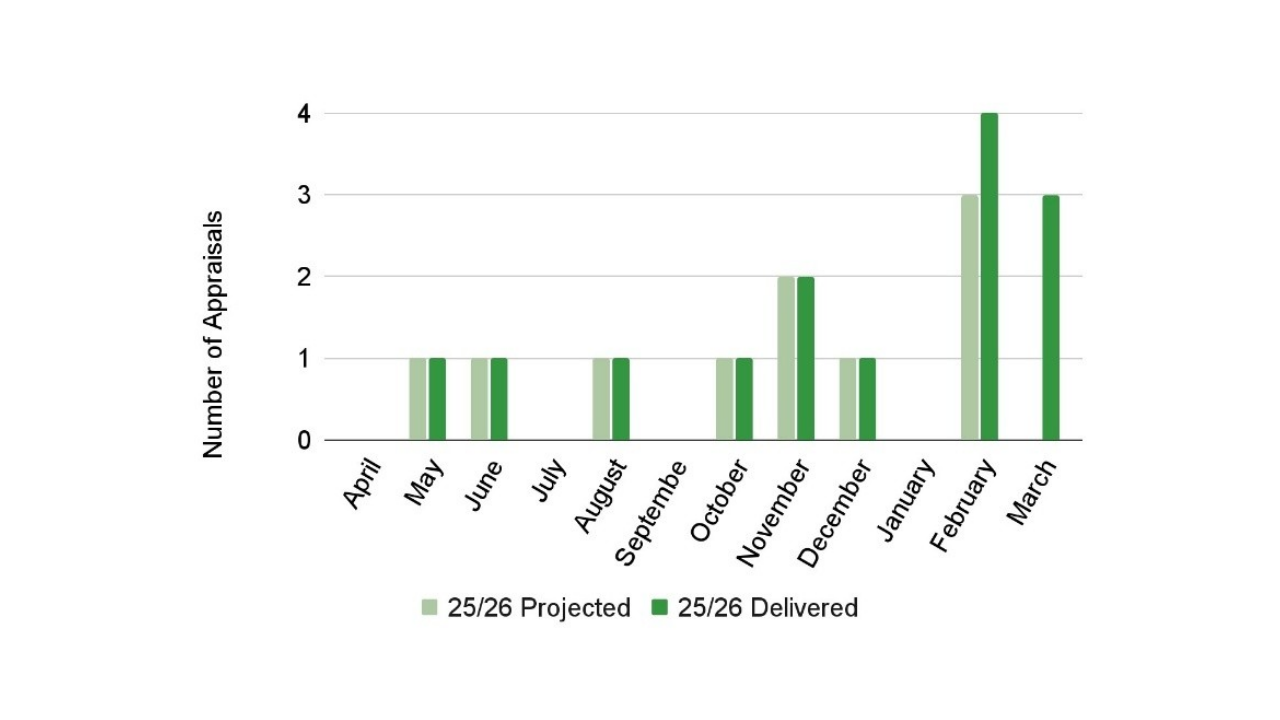
Time taken to complete all appraisal documentation
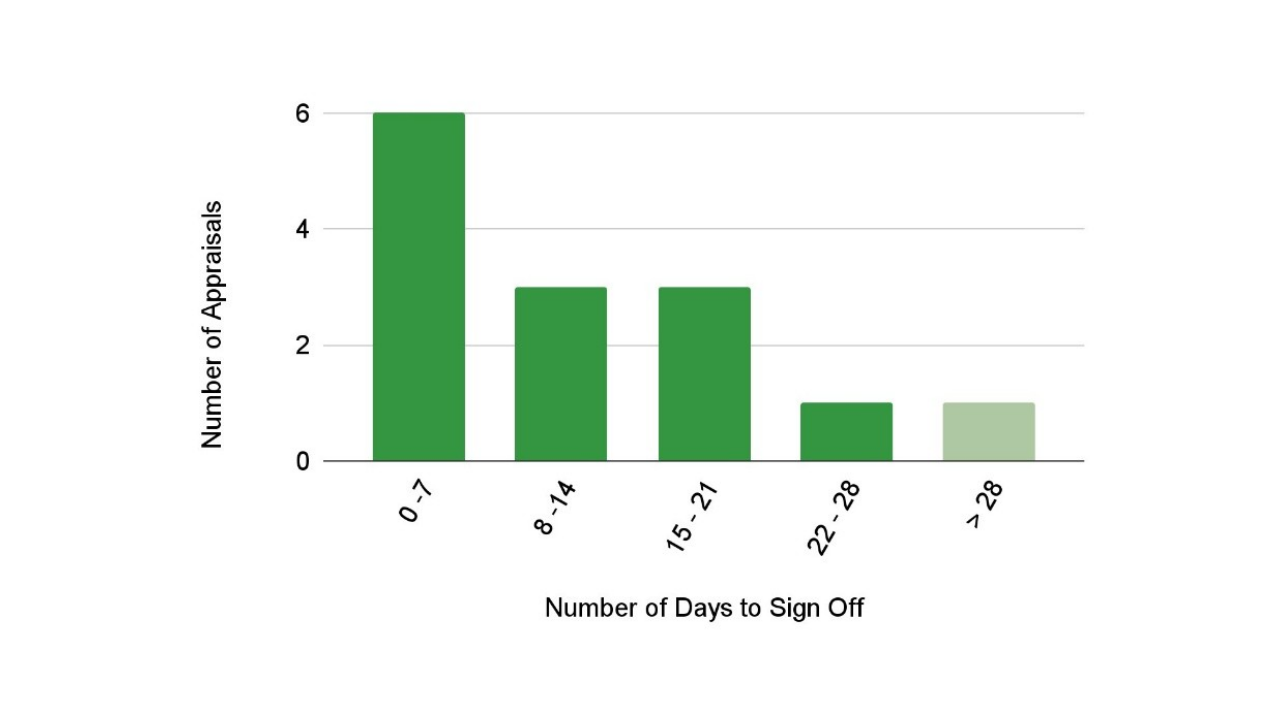
CPD of Appraisers
- The Appraisal service ran 10 one-hour lunch time drop-in CPD support group meetings, 2 on each day of the week.
- The appraisers participated in a whole day in-person Annual Conference in September 2025.
- Each appraiser is required to attend at least 2 separate CPD opportunities annually. This is in addition to any other CPD required by the other organisations for which they may complete appraisals.
- The CPD opportunities ensure appraisers professional judgement is calibrated with their peers, and they remain up to date with hot topics.
- Once in every revalidation cycle each appraiser is required to pass a summative assessment of their appraiser skills.
- Of the 56 UK appraisers engaged by the Appraisal provider, 40 have further qualifications in Medical Education, Medical Leadership and/or Coaching and Mentoring.
Quality assurance of appraisal outputs
The appraisal provider is committed to the very highest standards of appraisal summary. At least 2 appraisal summaries per appraiser are assessed by a member of its internal team. When necessary, an external lay person independently calibrates internal scoring.
Quality assurance scores
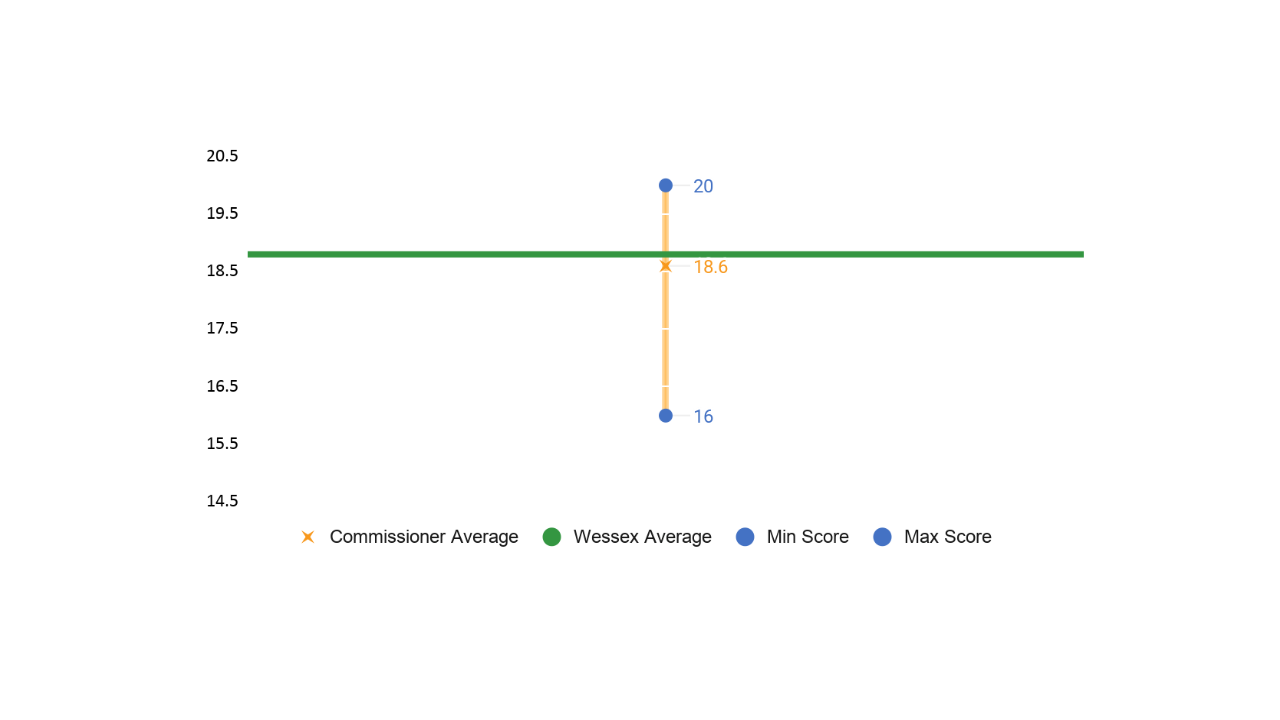
For the DWP appraiser summaries the mean score was 18.6/20 with the lowest score given being 16/20 and the maximum of 20/20. In comparison, the Appraisal provider average for 2025-26 across all quality assured summaries was 18.8/20.
Post-appraisal feedback
The overall return rate of 79% is excellent for a survey of this kind. We note very positive results in the main, with 90.9% ‘outstanding’ or ‘very good’ responses regarding appraiser skills.
Anonymised feedback is collated and analysed for each appraiser, who receive an annual Performance Development Review (PDR). All responses are reviewed internally each month, and noteworthy feedback is addressed with the individual at the time.
Duration of the appraisal discussion
There was one unusually short (less than 1.5 hours) appraisal, but in the feedback the doctor remarked: “The appraisal discussion took approximately 75 minutes. It didn’t feel short, and all areas were discussed in detail.” We therefore do not have any concerns regarding the length of this appraisal.
There were no unusually long (greater than 4 hours) appraisals in 2025 to 2026.
Durations of the appraisal discussions
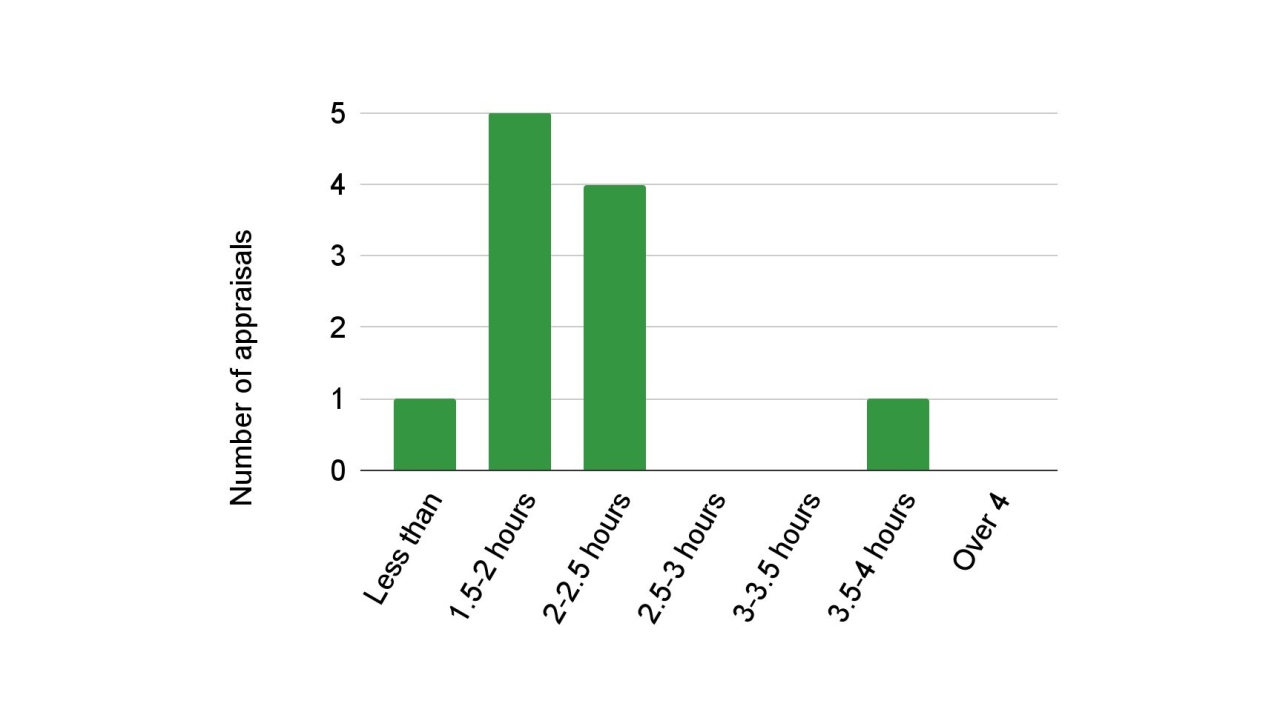
Rating of appraiser skill
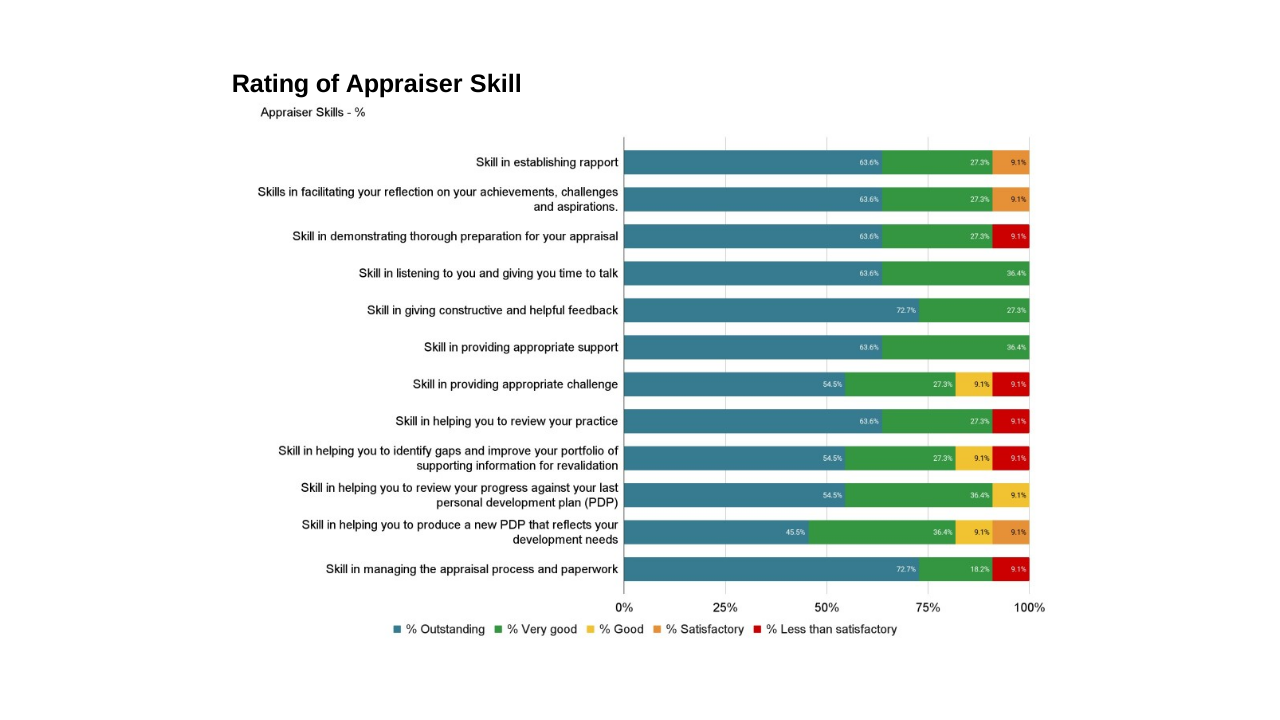
Rating of appraisal usefulness
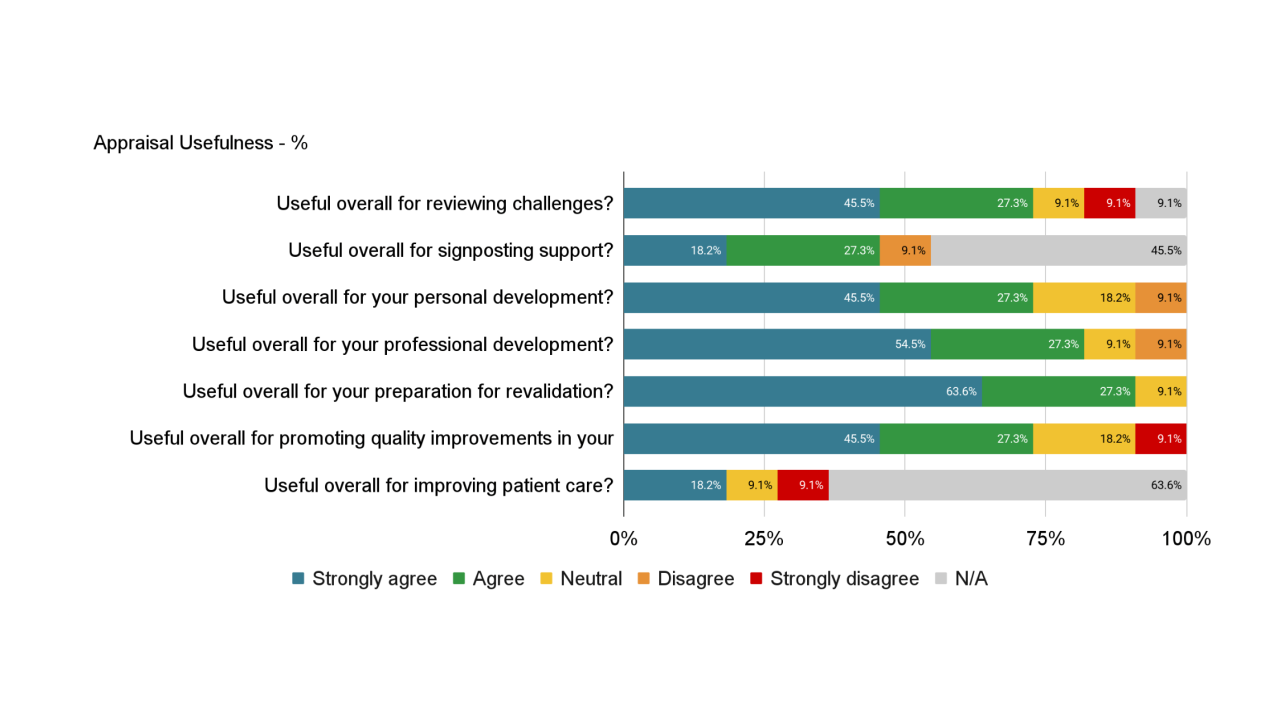
Annex B: designated body annual report summary
Outstanding actions from 2024 to 2025
- Updating HR processes to include investigating concerns for health care professionals - completed.
- Appointing a deputy RO, profession lead and support team - completed.
- Commissioning a new CPD programme – completed.
- Peer review of appraisal process – completed by the appraisal provider.
- Update 3 policies relating to doctor’s governance - completed.
- Enhance learning by closing the loop on internal process reviews – in progress.
Actions for 2025 to 2026
1A(i) Check annually that Dr Gail Allsopp remains an appropriate RO appointment.
1A(ii) Continue to support the RO role with appropriate commissioning of high-quality appraisals.
1A(iii) Continue to repeat the GMC Connect reconciliation exercise periodically when a doctor joins or leaves and ensure further reviews are undertaken prior to each ROAG meeting.
1A(iv) Maintain the annual review process to ensure that policies remain up to date and aligned with national guidance.
1A(v) Consider whether additional external peer review would be appropriate and remain prepared for any HLRO / regional review.
1A(vi) Review induction and support arrangements if the situation arises.
1B(i) Continue to ensure that all eligible doctors have an annual appraisal that meets the GMC requirements.
1B(ii) Support any doctor who is unable to have an appraisal in year for any reason and report the reasons why.
1B(iii) Maintain the annual review process for the medical appraisal policy in line with any updates in national policy.
1B(iv) Continue to monitor appraiser numbers against the number of doctors to be appraised in order to maintain a minimum ratio of 1 appraiser: 8 doctors as far as possible.
1B(v) Ensure that all medical appraisers have attended at least 2 support group and calibration events annually.
Manage any concerns about performance as an appraiser in a timely way as they arise.
1B(vi) Continue to work on incremental improvements to the appraisal and revalidation systems.
1C(i) Continue to make timely recommendations to the GMC about the fitness to practise of all doctors with a prescribed connection.
1C(ii) Continue to ensure that revalidation recommendation decisions are discussed with the doctor beforehand if a recommendation of deferral or non-engagement is planned and the confirmed recommendation is communicated promptly to the doctor once made to the GMC, together with any actions required.
Ensure reasons for deferral or non-engagement recommendations are recorded and well understood.
1D(i) Continue to deliver effective clinical governance by creating a culture where it is safe to speak up about safety concerns, and incidents are considered opportunities to learn and improve.
1D(ii) Consider how to improve systems to monitor the conduct and performance of doctors connected to the designated body.
1D(iii) Look for ways to improve systems to provide all relevant governance information for doctors in a convenient format to include at their appraisal.
1D(iv) Continue to maintain an up to date Responding to Concerns policy.
1D(v) Maintain a robust system and quality assurance process for responding to concerns, including number, type and outcome of concerns.
1D(vi) If ever requested or appropriate, provide an MPIT form quickly and effectively for any connected doctor, or doctor who is connected elsewhere but has done work for the designated body.
1D(vii) Maintain the safeguards to ensure clinical governance arrangements are fair and free from bias and discrimination.
Where appropriate, calibrate professional judgements with the GMC ELA.
1D(viii) Monitor the systems in place to capture development requirements and opportunities and integrate them into the organisation’s policies, procedures and culture.
1D(ix) The deputy profession lead is now in post and works alongside the regulatory body leads. DWP Clinical Profession guidance is being updated, and further work will be undertaken to improve and align processes. Consideration is being given as to how to expand the ROAG to include discussion re all healthcare professionals within the organisation.
1E(i) Ensure ongoing compliance with necessary checks is undertaken. Review recruitment guidance annually in line with other policies.
1F(i) Continue to work to enhance excellence in clinical care.
1F(ii) Continue to promote fairness, respect, diversity and inclusion.
1F(iii) Continue to support the open and transparent raising of concerns.
1F(iv) Continue to ensure that connected doctors are able to feedback about the organisation’s professional standards processes, including knowledge of the Complaints Policy.
1F(v) Ensure that if there is a concern or disciplinary process it is dealt with fairly in terms of country of primary medical qualification and protected characteristics as defined by the Equality Act.
1G Maintain the focus on quality improvement activities to create the highest-quality professional standards processes that can be shared as examples of best practice with other organisations.
Annex C: mandatory CPD completion rates
| Mandatory CPD module | Completion rate for all “active” HCPs | Completion rate for HCPs employed for 6-months or longer |
|---|---|---|
| Overall average | 82% | 90% |
| Data Security Awareness – Overall | 87% | 93% |
| Consent – Overall | 79% | 84% |
| Mental Capacity Act – Overall | 80% | 89% |
| Basic Life Support Level 1 – Overall | 80% | 89% |
| The Role of the Caldicott Guardian – Overall | 82% | 91% |
| Equality and Diversity – Overall | 82% | 90% |
| Adult Level 3 (or higher) Safeguarding – Overall | 85% | 95% |
| Child Level 3 (or higher) Safeguarding – Overall | 85% | 95% |
| The Oliver McGowan Mandatory Training on Learning Disability and Autism Part 1 – Overall | 80% | 89% |
| DWP regulated HCP teams’ overall average | 99% | 100% |
| Data Security Awareness – DWP regulated HCP teams | 100% | 100% |
| Consent – DWP regulated HCP teams | 99% | 100% |
| Mental Capacity Act – DWP regulated HCP teams | 100% | 100% |
| Basic Life Support Level 1 – DWP regulated HCP teams | 99% | 100% |
| The Role of the Caldicott Guardian – DWP regulated HCP teams | 100% | 100% |
| Equality and Diversity – DWP regulated HCP teams | 99% | 100% |
| Adult Level 3 (or higher) Safeguarding – DWP regulated HCP teams | 98% | 99% |
| Child Level 3 (or higher) Safeguarding – DWP regulated HCP teams | 97% | 99% |
| The Oliver McGowan Mandatory Training on Learning Disability and Autism Part 1 – DWP regulated HCP teams | 100% | 100% |
| Ingeus overall average | 91% | 96% |
| Data Security Awareness – Ingeus | 92% | 96% |
| Consent – Ingeus | 92% | 96% |
| Mental Capacity Act – Ingeus | 90% | 95% |
| Basic Life Support Level 1 – Ingeus | 88% | 95% |
| The Role of the Caldicott Guardian – Ingeus | 91% | 95% |
| Equality and Diversity – Ingeus | 96% | 99% |
| Adult Level 3 (or higher) Safeguarding – Ingeus | 91% | 96% |
| Child Level 3 (or higher) Safeguarding – Ingeus | 91% | 96% |
| The Oliver McGowan Mandatory Training on Learning Disability and Autism Part 1 – Ingeus | 89% | 94% |
| Serco overall average | 90% | 94% |
| Data Security Awareness – Serco | 89% | 92% |
| Consent – Serco | 99% | 100% |
| Mental Capacity Act – Serco | 87% | 92% |
| Basic Life Support Level 1 – Serco | 86% | 91% |
| The Role of the Caldicott Guardian – Serco | 90% | 93% |
| Equality and Diversity – Serco | 88% | 92% |
| Adult Level 3 (or higher) Safeguarding – Serco | 90% | 95% |
| Child Level 3 (or higher) Safeguarding – Serco | 90% | 95% |
| The Oliver McGowan Mandatory Training on Learning Disability and Autism Part 1 – Serco | 87% | 92% |
| Capita overall average | 79% | 88% |
| Data Security Awareness – Capita | 91% | 86% |
| Consent – Capita | 65% | 73% |
| Mental Capacity Act – Capita | 75% | 82% |
| Basic Life Support Level 1 – Capita | 77% | 81% |
| The Role of the Caldicott Guardian – Capita | 79% | 85% |
| Equality and Diversity – Capita | 80% | 79% |
| Adult Level 3 (or higher) Safeguarding – Capita | 85% | 91% |
| Child Level 3 (or higher) Safeguarding – Capita | 85% | 91% |
| The Oliver McGowan Mandatory Training on Learning Disability and Autism Part 1 – Capita | 77% | 82% |
| Maximus overall average | 73% | 87% |
| Data Security Awareness – Maximus | 76% | 90% |
| Consent – Maximus | 72% | 76% |
| Mental Capacity Act – Maximus | 72% | 86% |
| Basic Life Support Level 1 – Maximus | 70% | 85% |
| The Role of the Caldicott Guardian – Maximus | 74% | 88% |
| Equality and Diversity – Maximus | 69% | 83% |
| Adult Level 3 (or higher) Safeguarding – Maximus | 78% | 94% |
| Child Level 3 (or higher) Safeguarding – Maximus | 78% | 94% |
| The Oliver McGowan Mandatory Training on Learning Disability and Autism Part 1 – Maximus | 71% | 86% |
Annex D: absolute clinical significant events analysis data
Data has been split into 2 periods, April to September 2025 and October 2025 to March 2026, before and after implementation of standardised impact scoring and terminology.
| Organisation total or CSEA Main Category | April to September 2025 | October 2025 to March 2026 |
|---|---|---|
| Maximus total | 853 | 53 |
| Clinician Compliance – Maximus | 314 | 51 |
| Clinician Complaints – Maximus | 35 | 2 |
| Information Governance – Maximus | 399 | - |
| Safeguarding – Maximus | 28 | - |
| Other – Maximus | 77 | - |
| Capita total | 731 | 75 |
| Clinician Compliance – Capita | 356 | 73 |
| Clinician Complaints – Capita | 192 | 1 |
| Information Governance – Capita | 141 | 1 |
| Safeguarding – Capita | 25 | - |
| Other – Capita | 17 | - |
| Serco total | 455 | 325 |
| Clinician Compliance – Serco | 392 | 318 |
| Clinician Complaints – Serco | 38 | 6 |
| Information Governance – Serco | 9 | 1 |
| Safeguarding – Serco | - | - |
| Other – Serco | 16 | - |
| Ingeus total | 341 | 103 |
| Clinician Compliance – Ingeus | 263 | 52 |
| Clinician Complaints – Ingeus | 50 | 45 |
| Information Governance – Ingeus | 9 | 4 |
| Safeguarding – Ingeus | 2 | 2 |
| Other– Ingeus | 17 | - |
| DWP total | 31 | 4 |
| Clinician Compliance – DWP | 4 | 2 |
| Clinician Complaints – DWP | 11 | - |
| Information Governance – DWP | 8 | 1 |
| Safeguarding – DWP | 7 | - |
| Other – DWP | 1 | 1 |
-
Healthcare professionals: term used for GMC, NMC, HCPC and GPhC registered professionals. ↩
-
Functional Assessment Service is the name of the new contract awarded to health assessment suppliers Maximus, Ingeus, Capita and Serco. ↩
-
Occupational Psychologists and Trainee Occupational Psychologists in the Leadership Occupational Psychology team are required to complete Level 2 Adult and Child Safeguarding Training because they are not customer-facing. ↩ ↩2
-
Occupational Psychologists and Trainee Occupational Psychologists do not have the requirement to complete Basic Life Support as part of their mandatory CPD programme in line with the non-clinical nature of their profession. ↩
-
Figure is based on headcount, not FTE. Sourced from the clinical governance dashboard (March 2026). ↩
-
Escalations data sourced from the DWP Clinical escalations tracker. ↩
-
Figure is based on headcount, not FTE. Sourced from the clinical governance dashboard (March 2026). ↩ ↩2