2025–26 UK–Taiwan Business Survey: results
Published 29 July 2026

© Crown copyright 2026
This publication is licensed under the terms of the Open Government Licence v3.0 except where otherwise stated. To view this licence, visit nationalarchives.gov.uk/doc/open-government-licence/version/3 or write to the Information Policy Team, The National Archives, Kew, London TW9 4DU, or email: psi@nationalarchives.gov.uk.
Where we have identified any third party copyright information you will need to obtain permission from the copyright holders concerned.
This publication is available at https://www.gov.uk/government/publications/2025-2026-uk-taiwan-business-survey-results/2025-26-uk-taiwan-business-survey-results
1. Introduction
This latest edition of the UK–Taiwan Business Survey was conducted by the British Office Taipei between December 2025 and February 2026, in collaboration with the British Chamber of Commerce in Taipei. The aim was to generate up-to-date information on current sentiment among British companies active in Taiwan about the outlook for business in both an international and Taiwanese context, to determine their concerns, and highlight what they consider the most pressing issues that should be addressed in UK government policy and in bilateral exchanges between Westminster and Taipei. There was additional focus on the Enhanced Trade Partnership arrangement pillars - investment, digital trade, and energy and net zero.
106 companies participated in the survey, the highest response achieved since the survey was first conducted. The scope was extended this year to identify the views of Taiwanese companies on the prospects for international trade, and their experience of and attitudes towards doing business with the UK.
Businesses were all either:
- a UK company or a company with a UK footprint
- a Taiwanese company
Respondents represented a cross-section of companies of different sizes from less than 10 employees to more than 250 and from a range of industrial sectors.
For convenience of reading, the two sample segments are labelled as “UK companies” and “Taiwan companies”.
Note also that in many of the charts the percentages do not add to 100%. This is due to rounding up or down of certain figures.
2. Executive summary
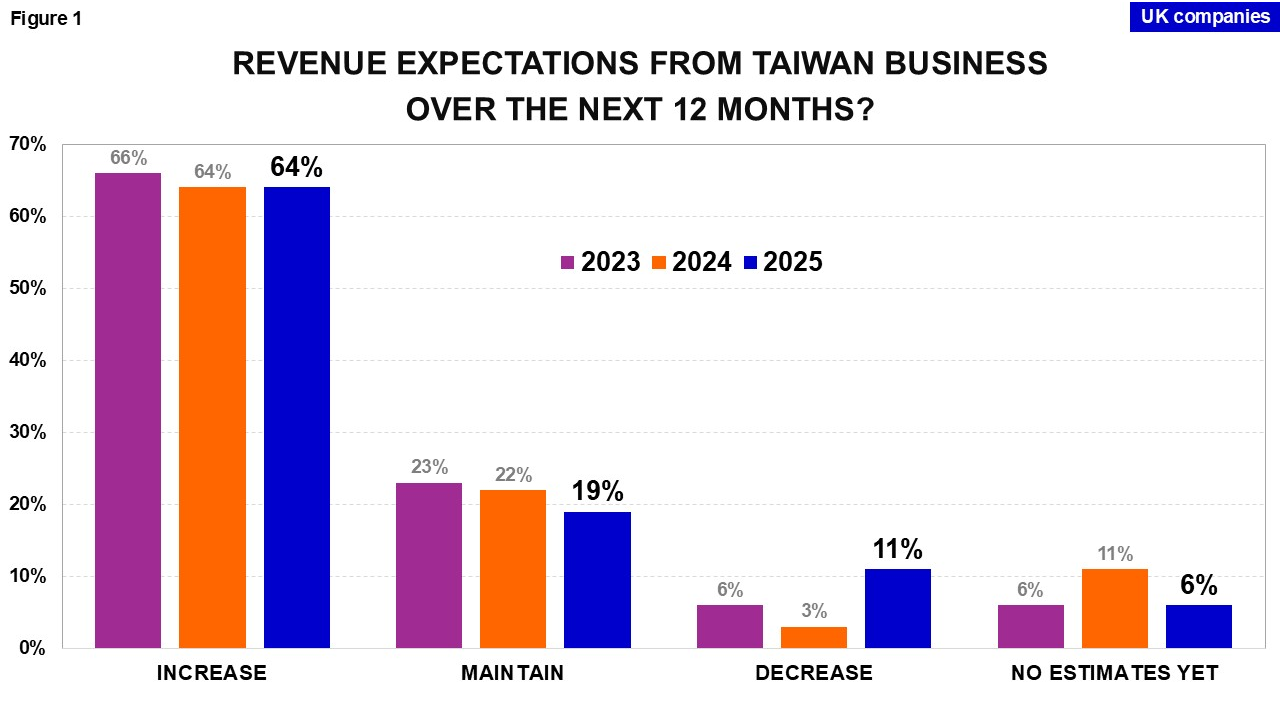
Despite increasing uncertainty over the cross-Strait relationship, 80% of UK companies in Taiwan feel “satisfied” or “neutral” about their current performance and 64% expect to see additional revenue growth in 2026, thanks to Taiwan’s steady economy, the high-performance of its tech sector and continued investment in its cutting-edge technology and innovation in the digital transformation.
73% of UK businesses feel that cross-Strait tensions have not damaged companies’ business performance in Taiwan (up from 68% in 2024).
Despite the broadly positive outlook (and some improvements in regulations in Taiwan), 59% of UK businesses claim it is becoming harder to operate here due to factors like increased competition and changing customer demand, tightening of regulations and geopolitics.
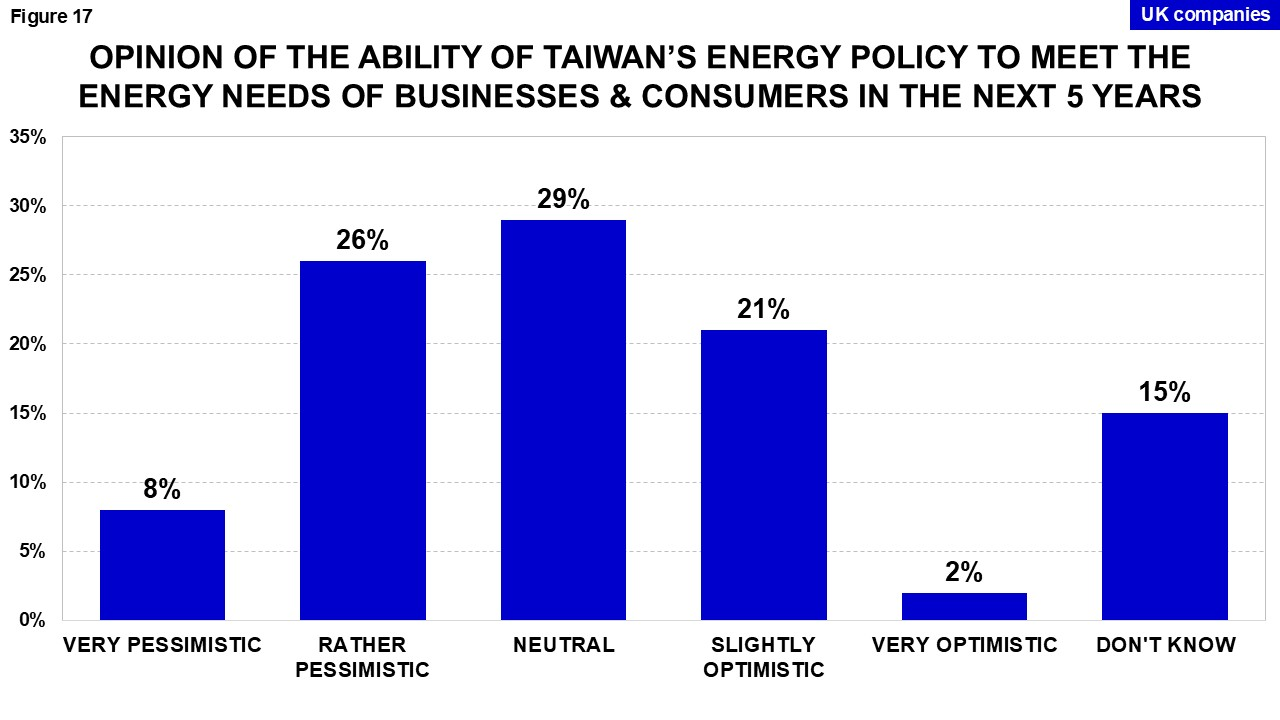
Taiwan’s energy supply is a critical area of concern for UK businesses operating here, with only 23% optimistic that current energy policies will be able to meet demand in the next five years.
Business leaders hope for more action from Taiwan to guarantee a stable and sufficient supply of energy.
Taiwan companies rate the UK highly as a prospective trading partner, and consider is preferrable to others including the US, China and several EU member states.
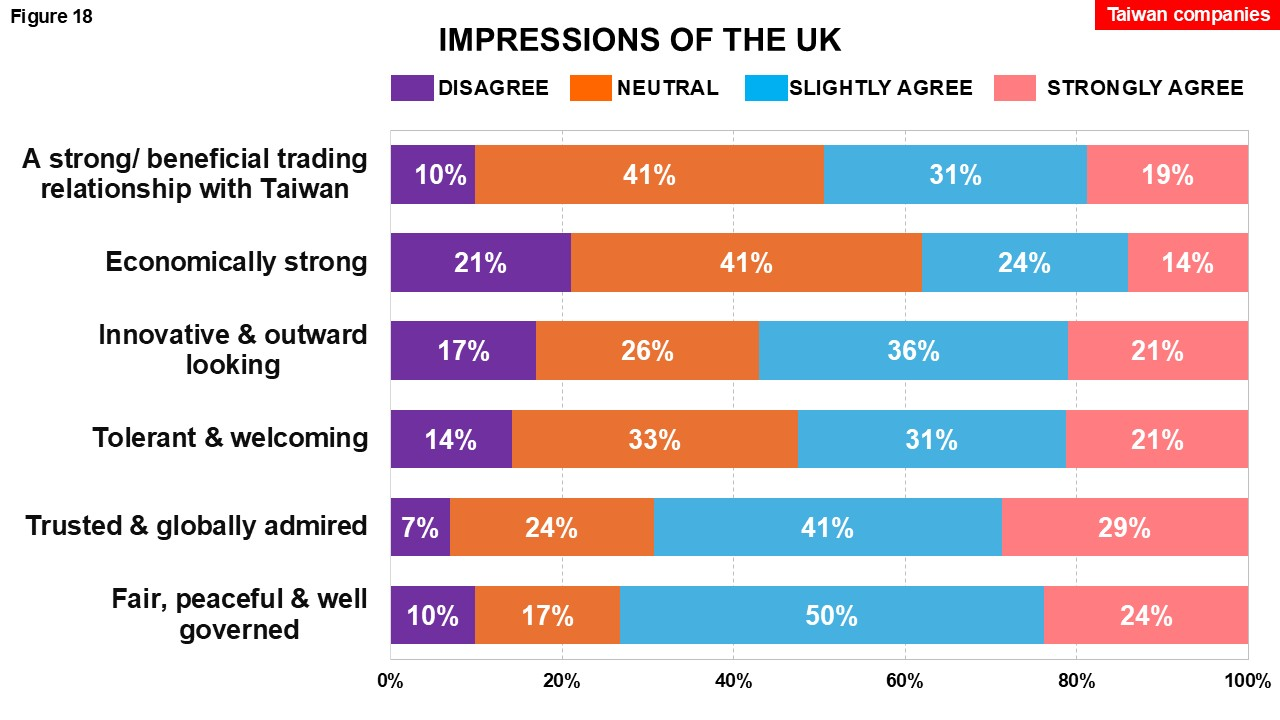
Taiwanese businesses surveyed praised the UK for being “fair, peaceful and well governed” and “trusted and admired globally”.
Despite positive sentiment towards the UK, only 7% of Taiwanese businesses expect a big increase in trade with the UK and other non-EU countries in western Europe.
Sustainability and achieving net zero operations are important strategy elements for 64% of Taiwan businesses, with respondents expressing interest in closer engagement with the UK on carbon reduction and energy efficiency solutions, greening of the supply chain and renewables.
3. Taiwan’s economic outlook and business performance
UK Companies’ expectations for their business revenue are much the same as in each of the last two surveys, with almost two-thirds anticipating increased income and a further one fifth projecting a stable level of revenue (figure 1).
The main reasons behind this optimism are:
- faith in the continued robustness of Taiwan’s economy (48%)
- the global geopolitical situation (48%), which, despite recent turmoil, has not impacted the majority of Taiwan operations (see below, Section 3)
- ongoing innovation in technology in Taiwan and digital transformation (43%)
- changes for the better in regulations and official policy (43%)
- stability in supply chains (35%)
- a favourable competitive landscape (35%)
- and encouraging trends in consumption (33%)
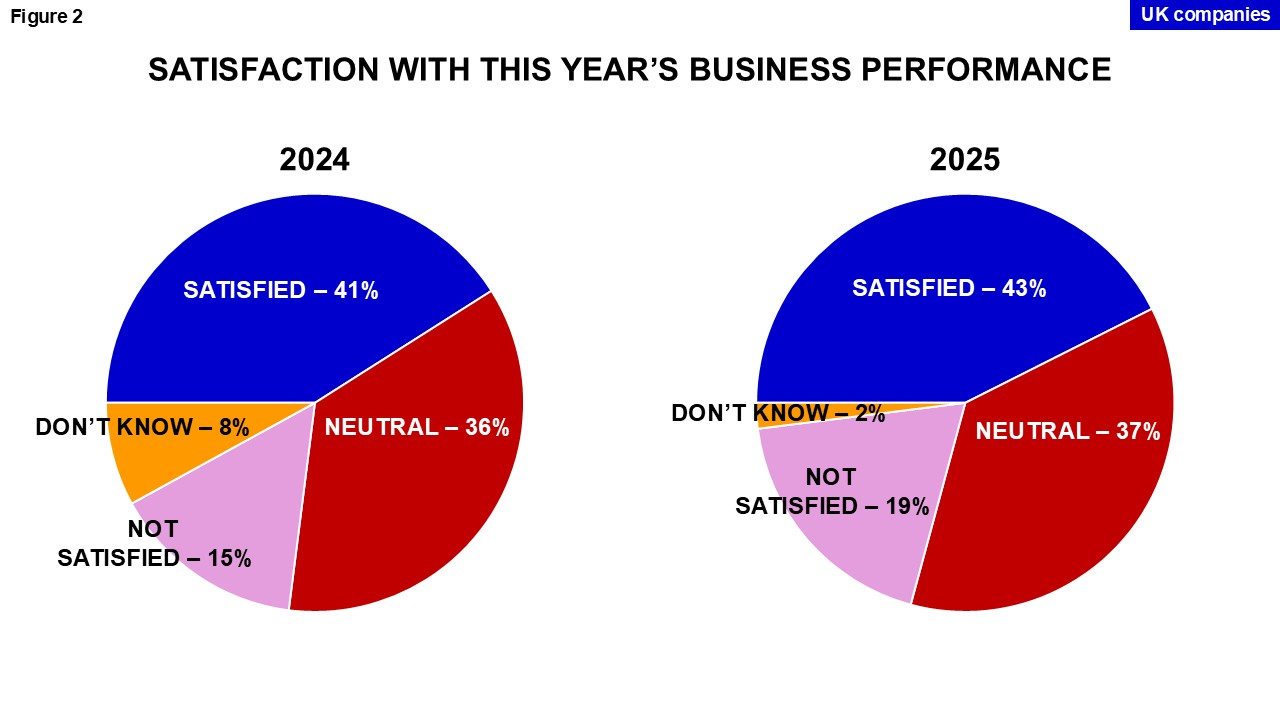
This relatively optimistic outlook for the coming year comes on the back of generally acceptable business results in 2025 (figure 2). Companies’ response to what they were able to achieve is almost exactly the same as in 2024 – 43% satisfied and 37% just neutral, compared 41% satisfied and 36% neutral in the last survey.
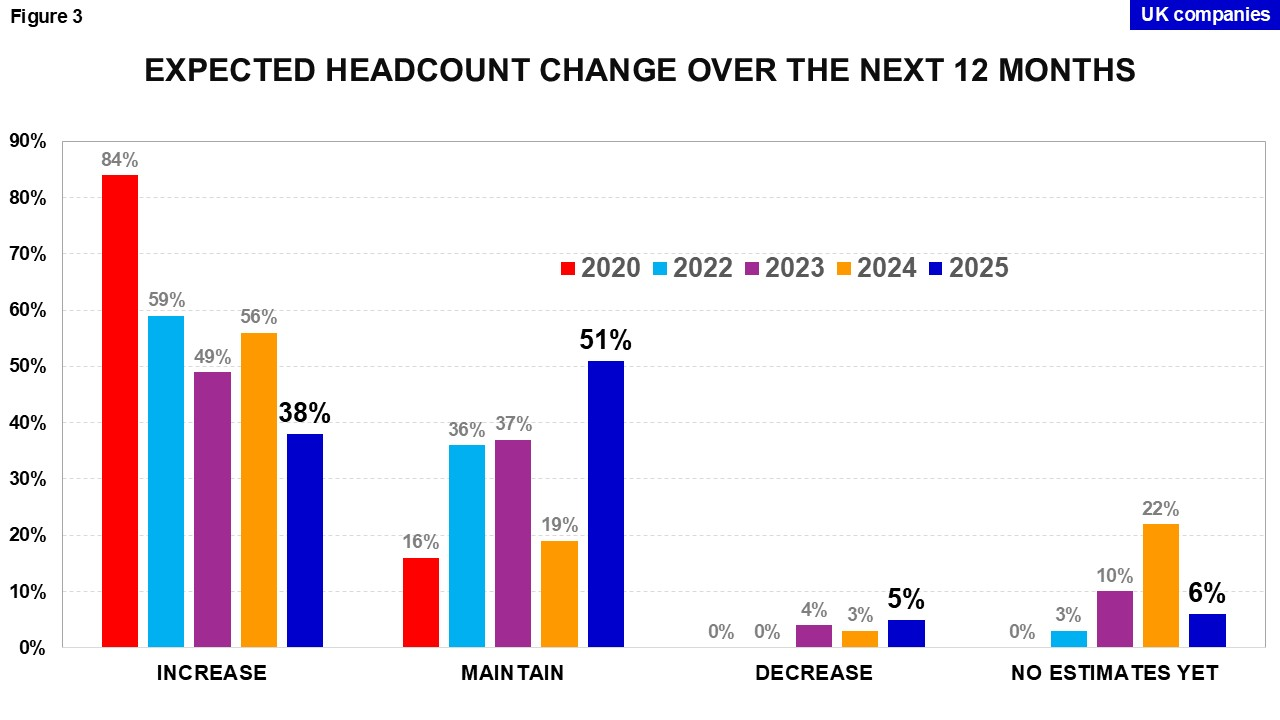
Against this level of adequate satisfaction around individual business performance, companies are looking to be less expansive in terms of staff recruitment than in previous years (figure 3). There is still a large proportion (38%) anticipating adding new personnel, but this is the lowest level recorded in the past five years. There is, however, no sign of impending widespread layoffs and 51% claim they will simply maintain their employee numbers.
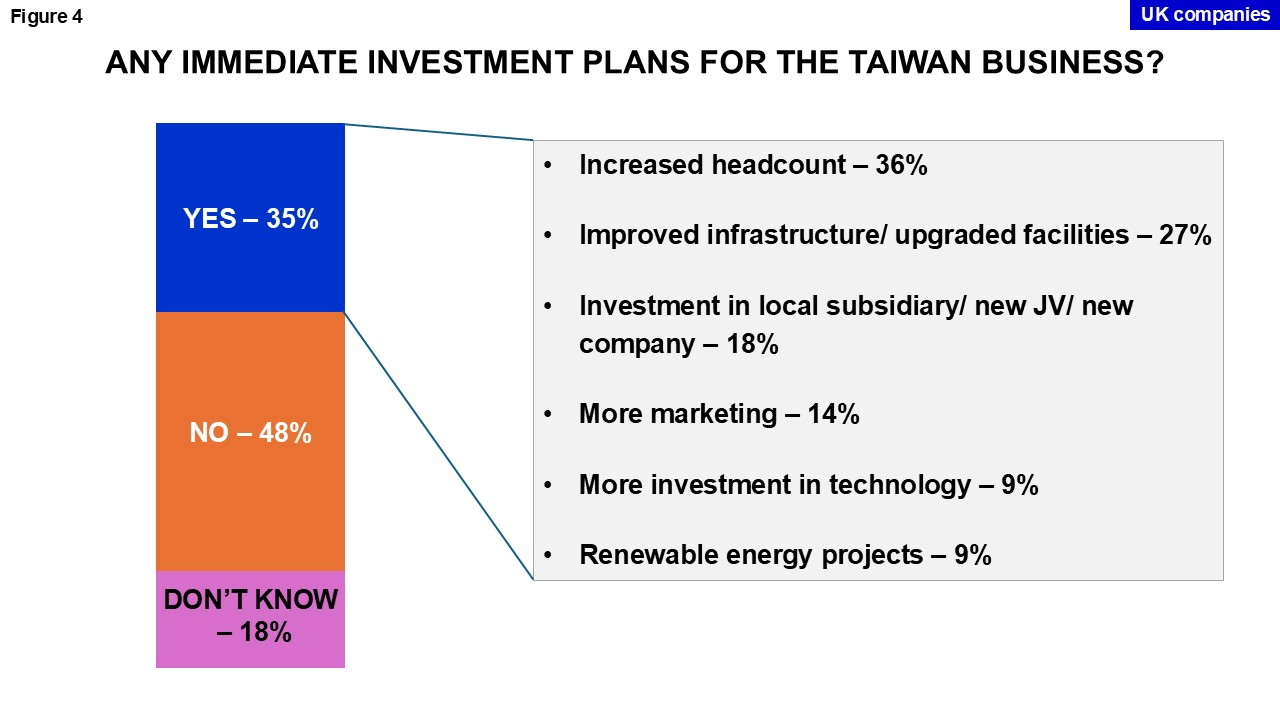
Many companies (35% of survey respondents) have plans to invest further in Taiwan (figure 4), most commonly in terms of workforce enlargement (36%), but also in terms of upgraded plant and office facilities (27%). A further 18% are looking to reinforce their presence, either through setting up new companies or joint ventures or by investing more in their established subsidiaries, while 14% will be putting more money into marketing programmes and 9% plan to spend more on technology.
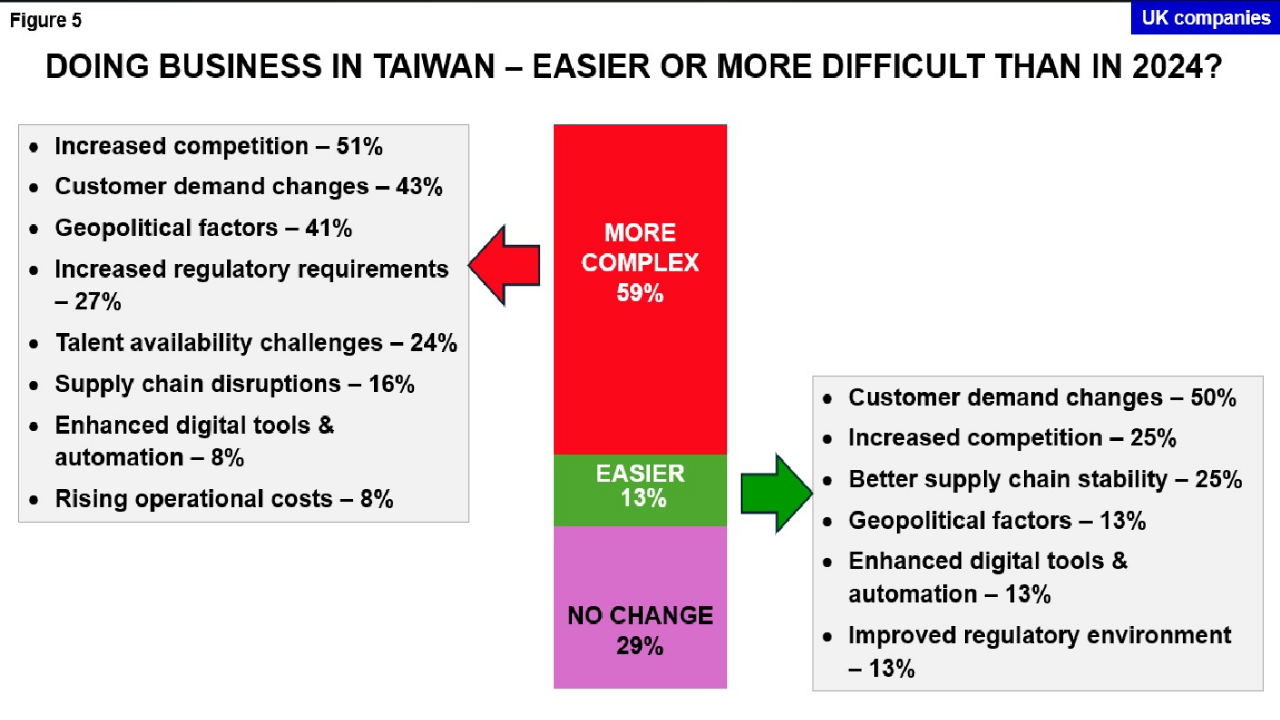
Though Taiwan continues to offer international companies plenty of opportunities, doing business day-to-day presents numerous challenges and 59% feel that it is more difficult to operate than it was a year ago (figure 5). They highlight an intensely competitive market environment and changing consumer dynamics (even though these were also named as drivers of revenue growth) as well as international politics.
Others claim that changing regulations, supply chain disruptions, and a scarcity of qualified skilled talent represent significant challenges.
4. The impact of geopolitical factors
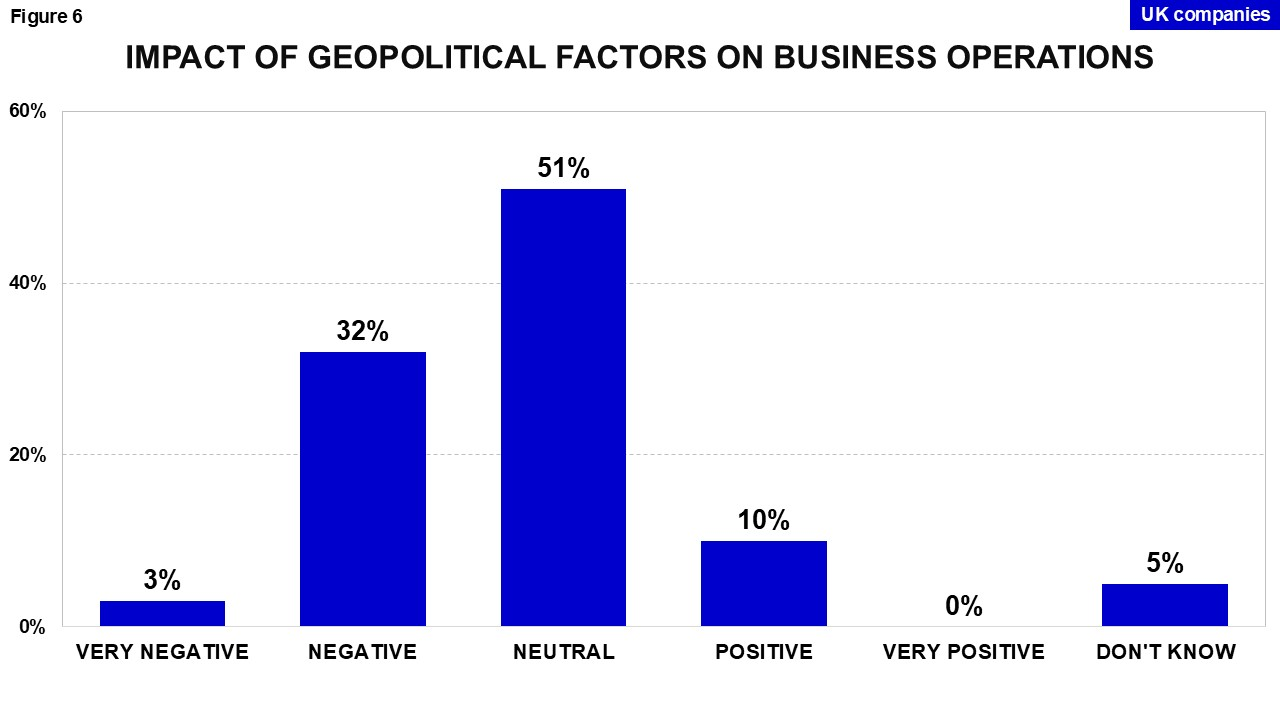
In 2024, over half of UK companies (53%) reported that global geopolitics had impacted their business operations. This year, that percentage has dropped, with 35% reporting that they have been adversely affected. In 2025, 51% felt no effect, while 10% actually saw some upside (figure 6).
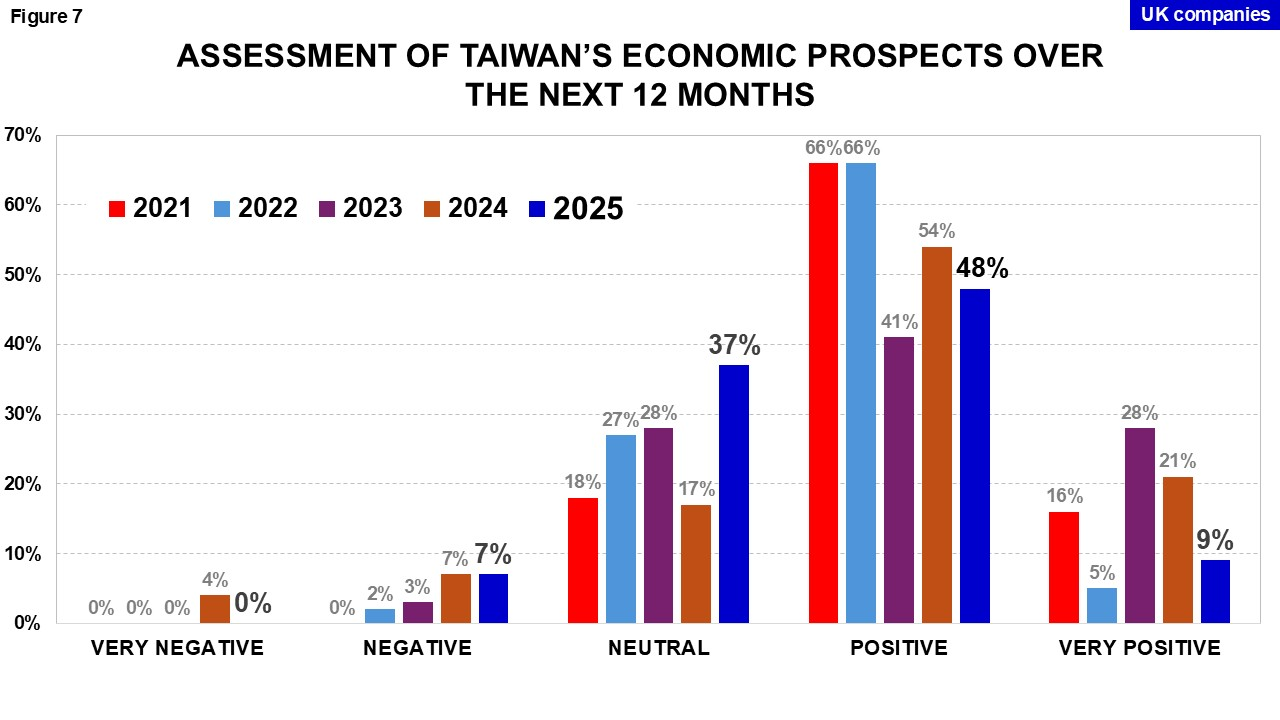
The overall sense is that the outlook for Taiwan’s economy in the next year is positive (figure 7), although there is more of an obvious sense of caution than previously. This can be inferred from the decline in outright positive ratings (57% in total compared with 75% in 2024 and 69% in 2023). This drop is counterbalanced by a rise in neutrality about the short-term outlook, up to 37% from 17% last year.
These views on Taiwan’s outlook for the next year are underpinned by an extensive list of qualitative observations offered up by survey respondents in which a number of consistent themes are visible – mostly positive, but also some cautionary and negative.
The dominant positive thread by far is the strength of Taiwan’s position internationally by virtue of its central role in the advanced technology sector, of course due to its semiconductor prowess, but also supported by high-quality R&D and critical involvement in the burgeoning AI sector.
Furthermore, Taiwan has built a reputation overseas as a stable and trustworthy market with a resilient economy so that international companies continue to see Taiwan as place to invest in.
Others point to the ongoing energy transition and believe that the implementation of the official strategy is also a positive sign for the economy.
Some within the energy sector, however, feel that progress is too slow and bogged down in bureaucracy, leading them to suggest that the future outlook for Taiwan is not bright.
Others are less upbeat about the overall health of the economy, while some believe that, even though the high-tech sector is forging ahead at breakneck speed, most other sectors are barely moving at all, creating a situation where everything stands or falls by what happens in the tech sector.
Some concerns stem from the fraught state of domestic politics, but the principal worry, is the unstable regional situation and the development of cross-Strait relations. The uncertainty is putting a major damper on some companies’ readiness to invest further in Taiwan.
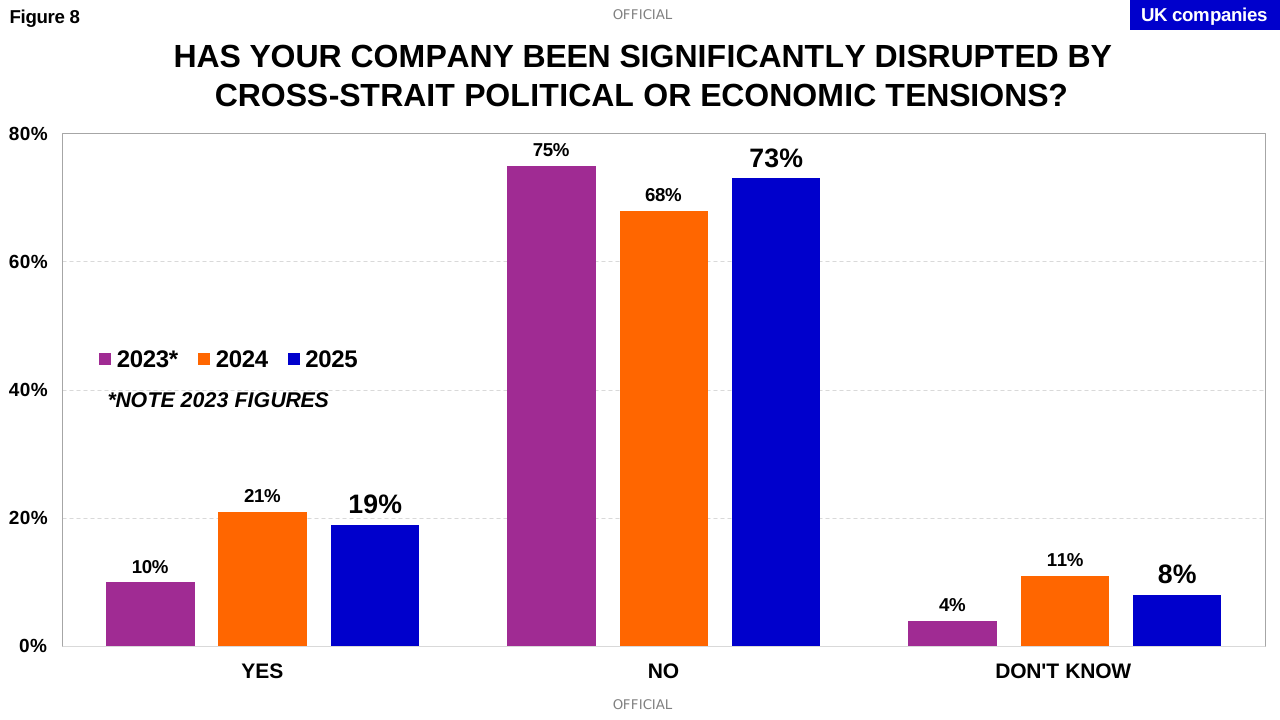
It has been noted in previous surveys that companies operating in Taiwan have not experienced major disruption as a result of cross-Strait tensions and that remains the case, as 73% report that their businesses have not been affected (figure 8).
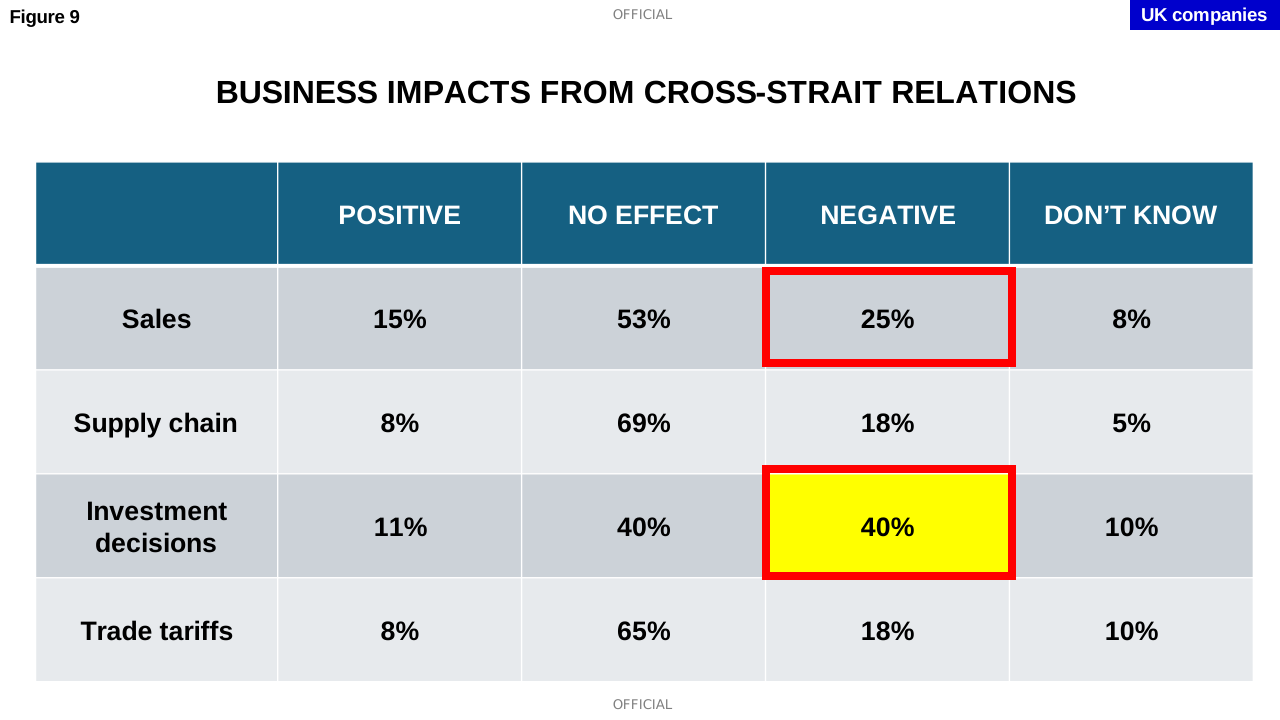
However, when looking into specific areas of operation, there is an indication that the cross-Strait situation is eroding some companies’ sales (mentioned by 25% in 2025, up from 17% in 2024), while the continuing tension is weighing heavily on future plans, as 40% (only 19% in 2024) now state that investment decisions are being reviewed (figure 9). It should be noted that, while there is some negative impact from crossStrait tension, the majority of companies have not seen any effect on sales or supply chains or been affected by trade tariffs.
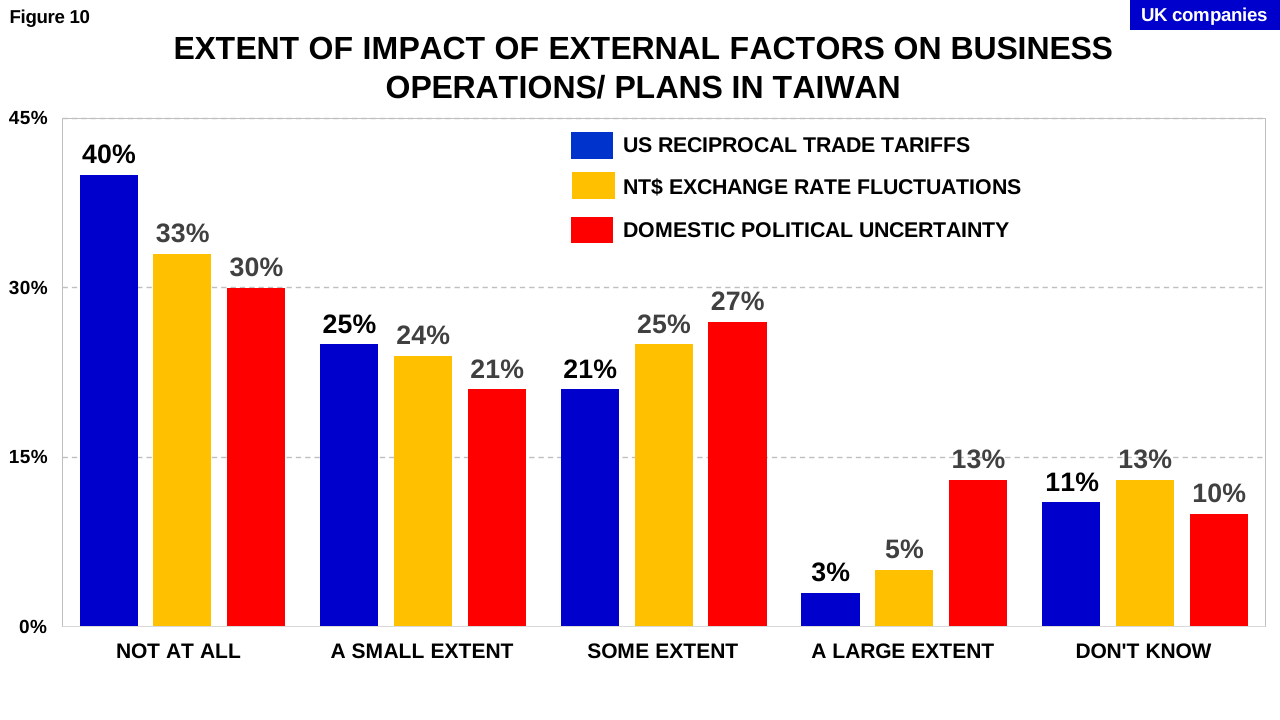
The survey looked at various external factors and sought opinions on the extent to which each is creating problems for businesses (figure 10). It should be borne in mind that the circumstances around all of these factors are dynamic and constantly evolving. These findings represent companies’ views at the time of the survey in early 2026.
US reciprocal trade tariffs
To this point, the direct impact has been relatively limited, although 46% have seen a “small” or “some” effect.
NT$ exchange fluctuations
The lack of stability in currency exchange rates has been slightly more impactful, but by no means disastrous – 30% no impact, 49% impacted to a small or some extent.
Domestic political uncertainty in Taiwan
The current situation where political infighting is severely restricting the enactment of any meaningful legislative programme is of more concern. While 30% have been able to carry on as usual, 13% say they have been affected to “a large extent” and 48% to a small or to some degree.
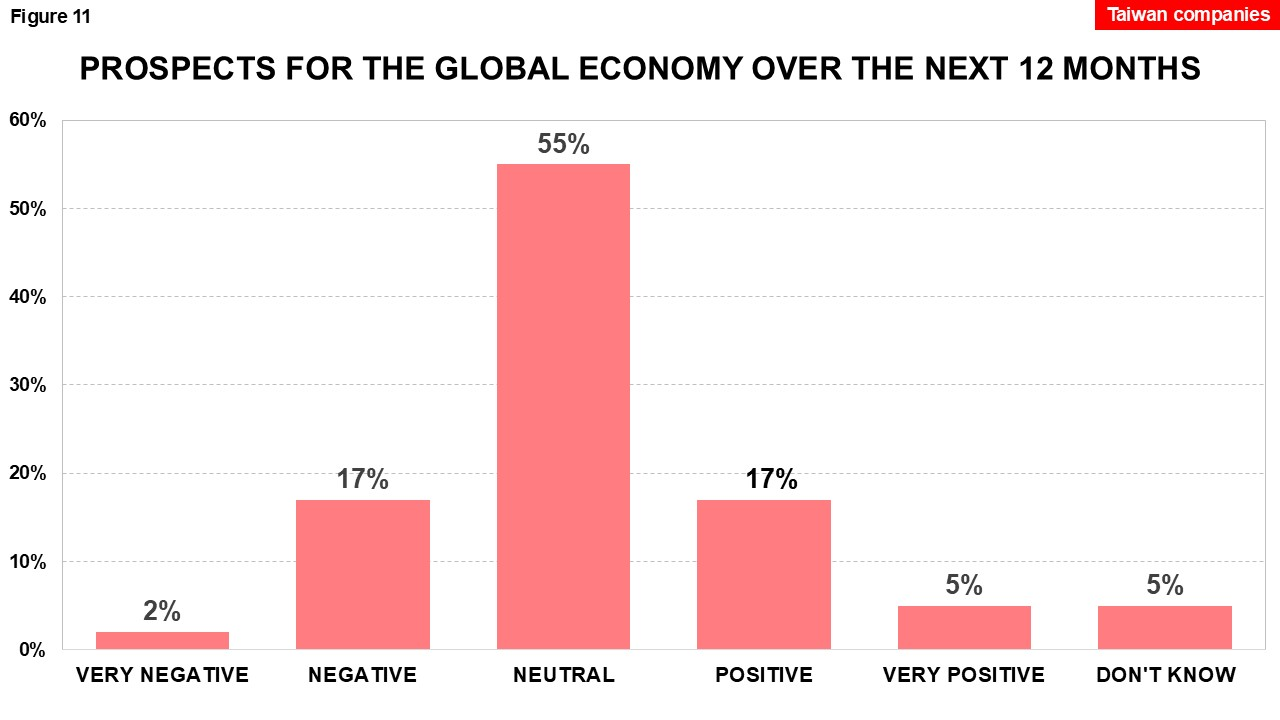
Taiwan companies have a reasonably cautious view of the global situation – a minority are optimistic (22%), but a similar proportion are pessimistic. Meanwhile, the majority are sitting on the fence (figure 11).
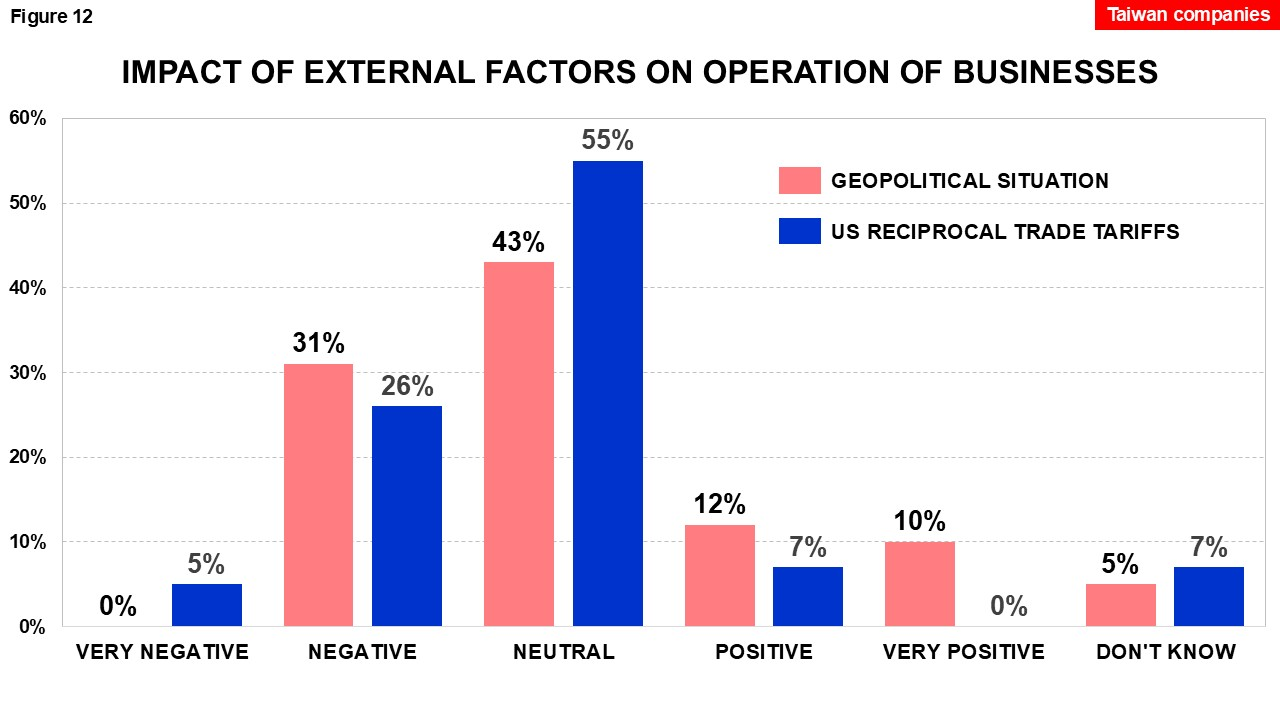
As to how companies’ performance has been influenced by what is happening on the global stage (figure 12), the shifting geopolitical dynamics have produced mixed outcomes. 31% have suffered as a result, but 22% say they have actually benefitted.
More than half have not felt any impact at all from US trade tariffs, but 31% have seen their businesses damaged, some of them (5%) quite significantly.
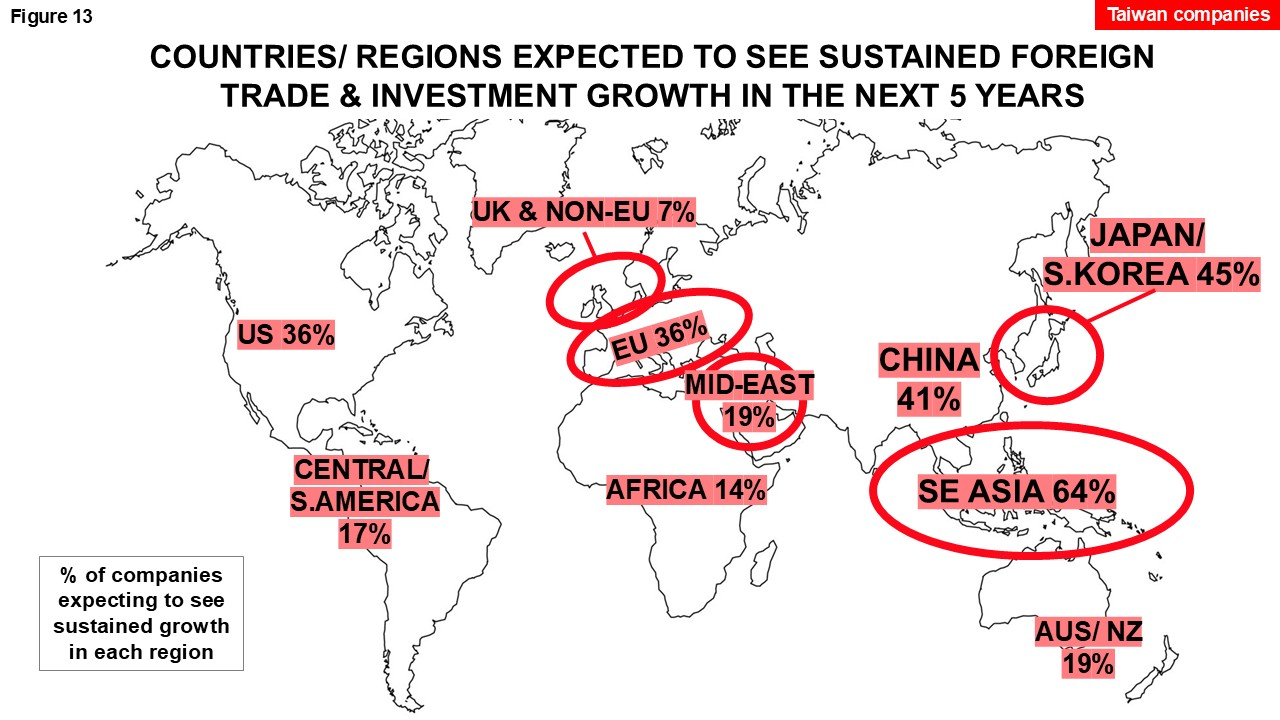
Although Taiwanese companies were rather non-committal in their view of the health of the global economy, all anticipate considerable future growth in foreign trade across a wide range of geographies (figure 13).
Most of the focus will be on Asia, especially Southeast Asia, while significant opportunities exist with Japan and Korea and also China.
Further afield, the US will continue to be an important partner, as will the European Union (EU). Beyond the EU borders, though, western Europe including the UK is thought to have much less potential.
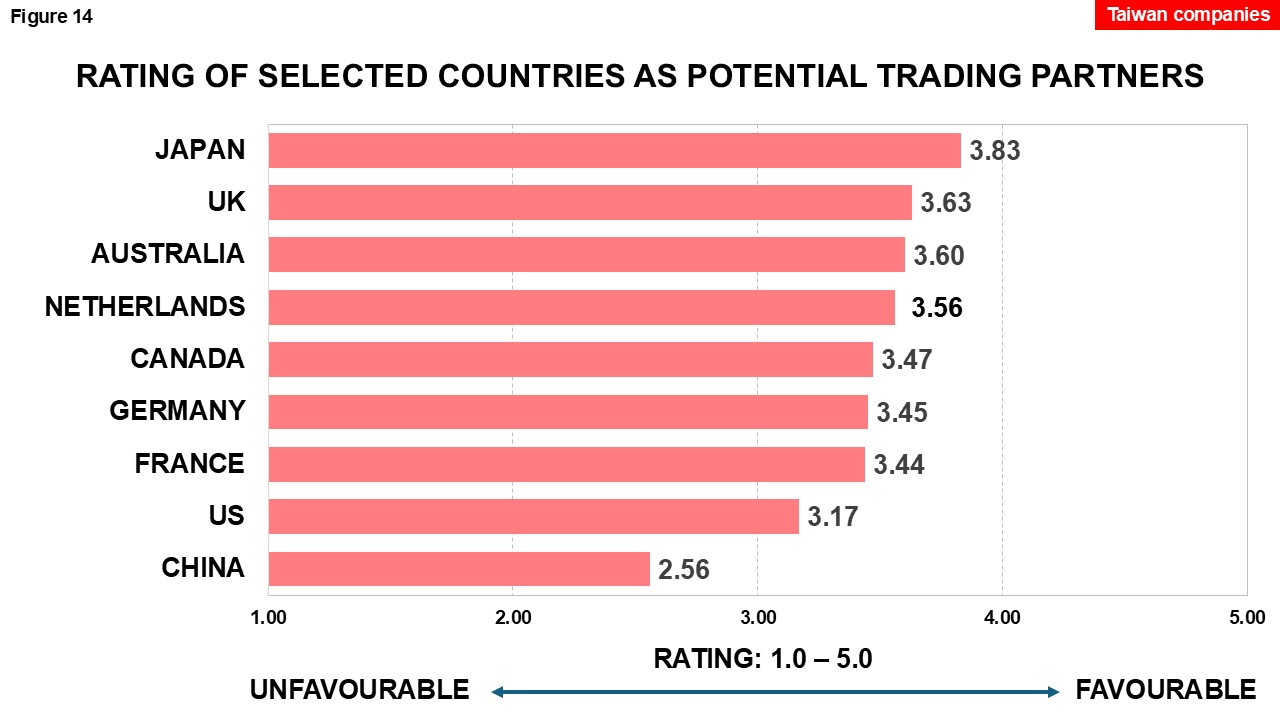
The UK is well regarded as a potential trading partner (figure 14), rating second in terms of favourability among a group of nine defined nations behind only Japan.
For all of Taiwan’s historical business relationships with China and the US, these two are at the bottom of list, with major EU nations and Australia and Canada in between.
5. UK companies doing business with Taiwan
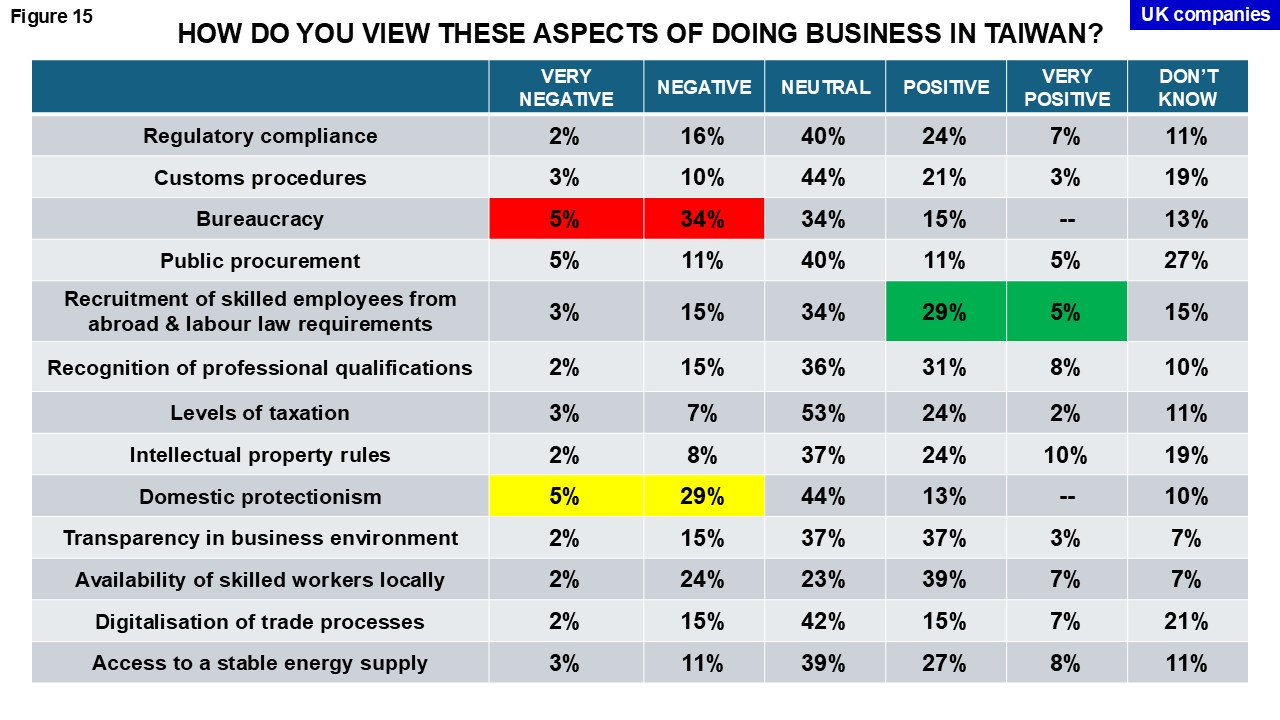
Entering the Taiwan market is relatively stress free – 42% say they have faced few entry barriers and 44% have encountered some obstacles. Domestic protectionism, which was highlighted as a problem by 43% of UK companies in 2024, is somewhat less of an issue this year, with 34% now rating it as an issue.
The major drawback – and an ongoing frustration from year-to-year – is official bureaucracy (39%).
On the plus side, companies feel more positive about the situation surrounding attracting foreign talent and the official moves taken to reduce legal obstacles around immigration (figure 15).
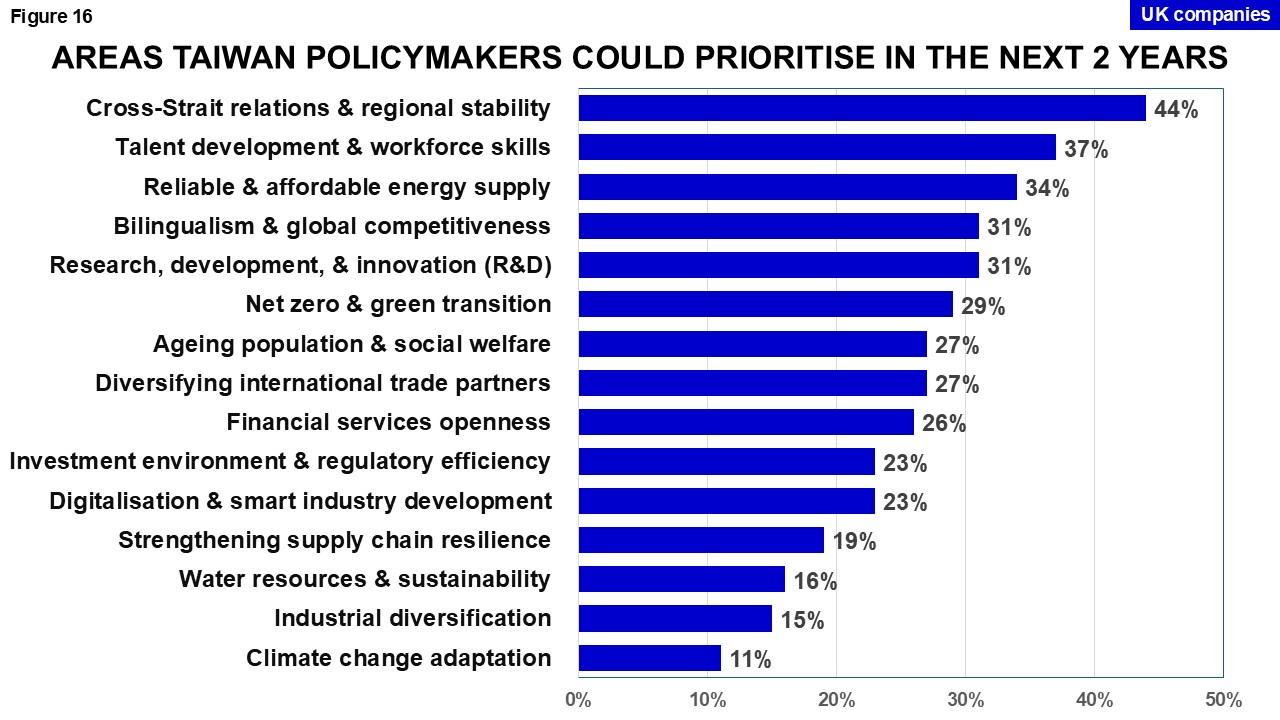
UK companies’ wish list of topics they feel policymakers should focus on start with the cross-Strait situation (figure 16) and also encompass basic operating necessities such as ensuring a ready supply of talented potential employees and a dependable supply of affordable energy.
Issues of sustainability, the energy transition and climate change adaptation are less immediate priorities.
Compared to previous years, the steady rise in the desire for stability in cross-Strait relations reflects the continual ratcheting up of tension and the higher sense of uncertainty and concern about the short- and medium-term outlook, even though businesses day-to-day are only experiencing limited disruption to their operations.
It is interesting to see that this issue, together with the essentials of talent availability and security of energy supply are top-of-mind for the commercial world, even though, as a sector in its own right, renewable energy is booming.
As companies look for clarity and reassurance around the energy situation, at a time when Taiwan’s attempt to transition away from fossil fuels and nuclear power while continuing to meet ever-increasing demand is under intense scrutiny, it is perfectly understandable that the commercial sector should look to the authorities to ensure that demand is fully satisfied.
Opinions are currently divided as to whether Taiwan can fulfil its obligations (figure 17) with the balance tipped slightly towards pessimism rather than optimism.
6. Taiwan companies doing business with the UK
50% of the companies who participated in the survey are currently doing business with the UK. Half of these have had a long relationship with the UK of more than five years, while 10% have begun doing business within the last year.
Additionally, 29% have plans to establish trading relationships in the next three years.
Taiwanese companies regard the UK very positively on a number of dimensions (figure 18). They see the UK as “fair, peaceful and well governed” and “trusted and globally admired”. They are less certain about how strong and beneficial the trading relationship between the UK and Taiwan is and they are not convinced that the UK is “economically strong”.
Those companies which are already doing business with the UK have very similar opinions but tend to feel somewhat more strongly that the UK is “innovative and outward looking”, and “tolerant and welcoming”. They are also more of the opinion that the UK–Taiwan trading relationship is “strong and beneficial”. However, they harbour the same doubts about the strength of the UK economy.
Overall, the organisations with UK connections have no major problems with doing business there. 55% say it is “easy” or “very easy” and 32% have a neutral opinion. Only 14% describe it as “difficult”.
In terms of setting up a business, the process of accessing information and applying for and obtaining permits, again there are few difficulties (although fully 46% were not able to offer an opinion).
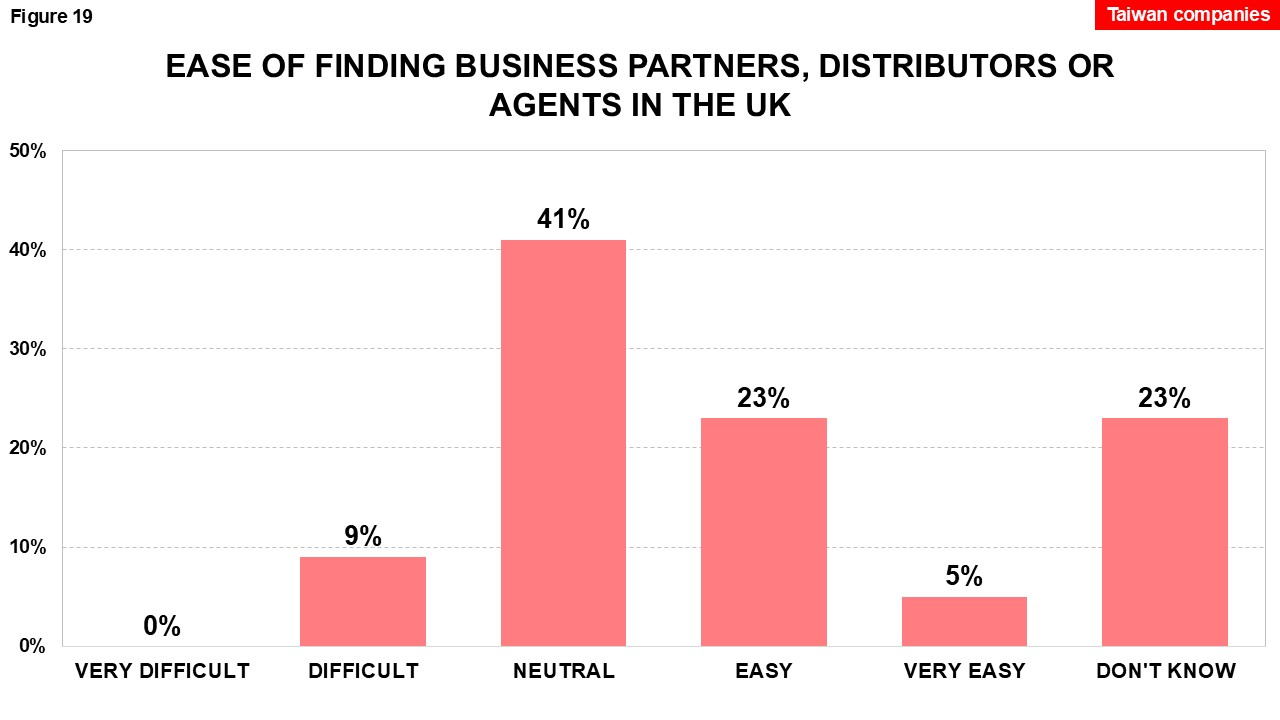
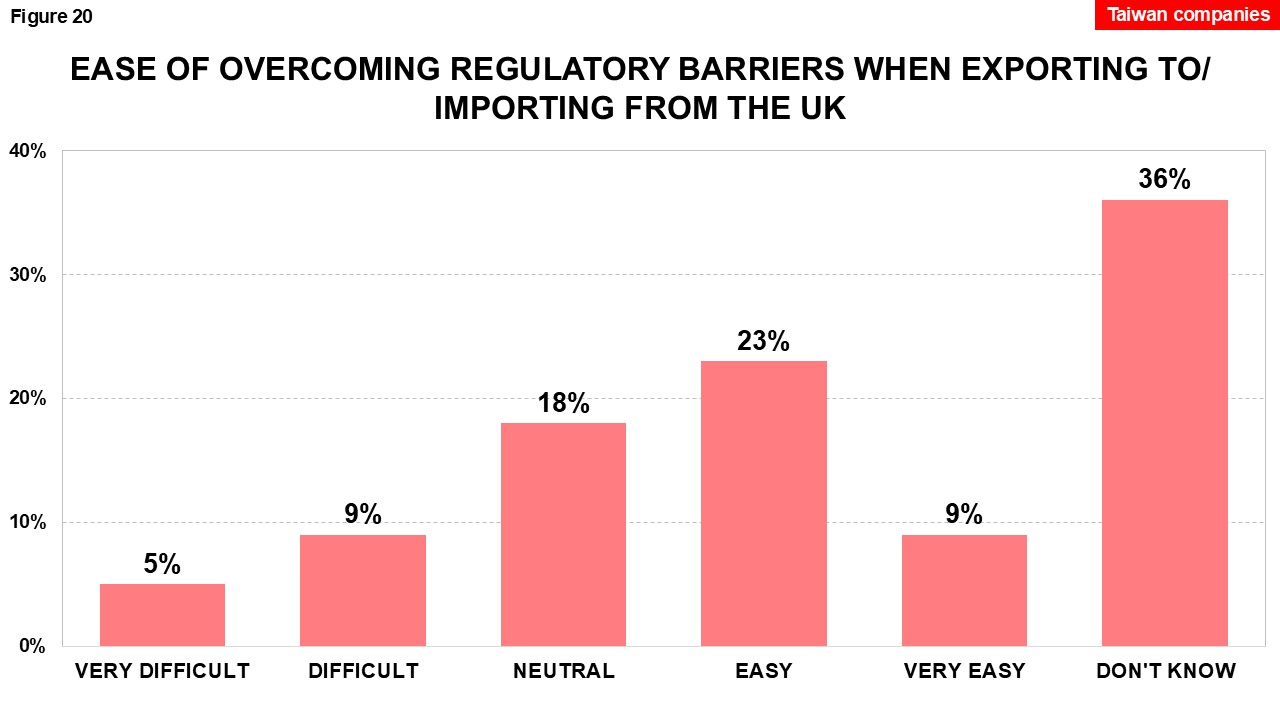
A similar picture emerges when it comes to companies’ experience of finding partners, agents or distributors in the UK (figure 19). Only 10% encountered any difficulties. Slightly more (15%) had problems tackling UK import/ export regulations, but 34% said it was “easy/ very easy” (figure 20).
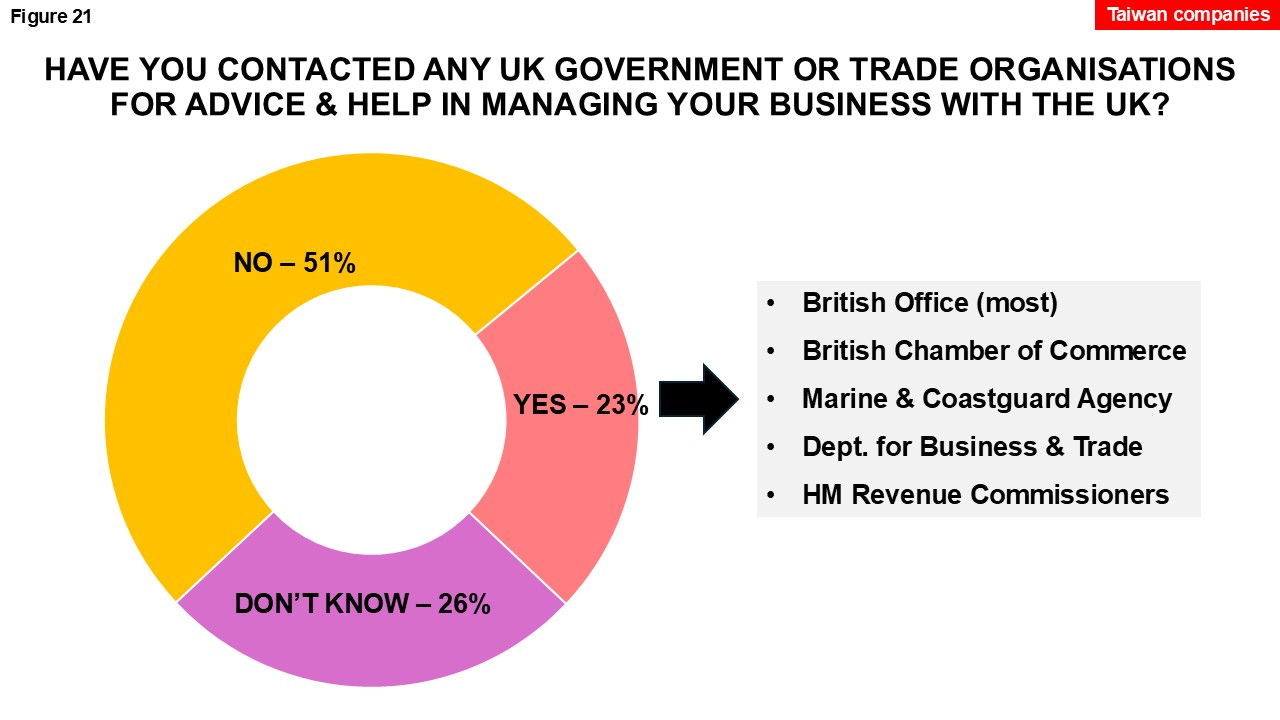
One third of Taiwan companies who have business interests in the UK have approached UK government offices or trade organisations for advice or help, the most widely used being the British Office in Taipei (figure 21).
7. Business feedback on the UK’s modern industrial strategy and the UK–Taiwan Enhanced Trade Partnership
UK–Taiwan trade and investment opportunities
The survey results suggest that both UK and Taiwanese companies are some way short of being fully informed about the UK’s overall industrial strategy and about the Enhanced Trade Partnership (ETP) memorandum of understanding and the three key pillars it encompasses - investment, digital trade, and energy and net zero.
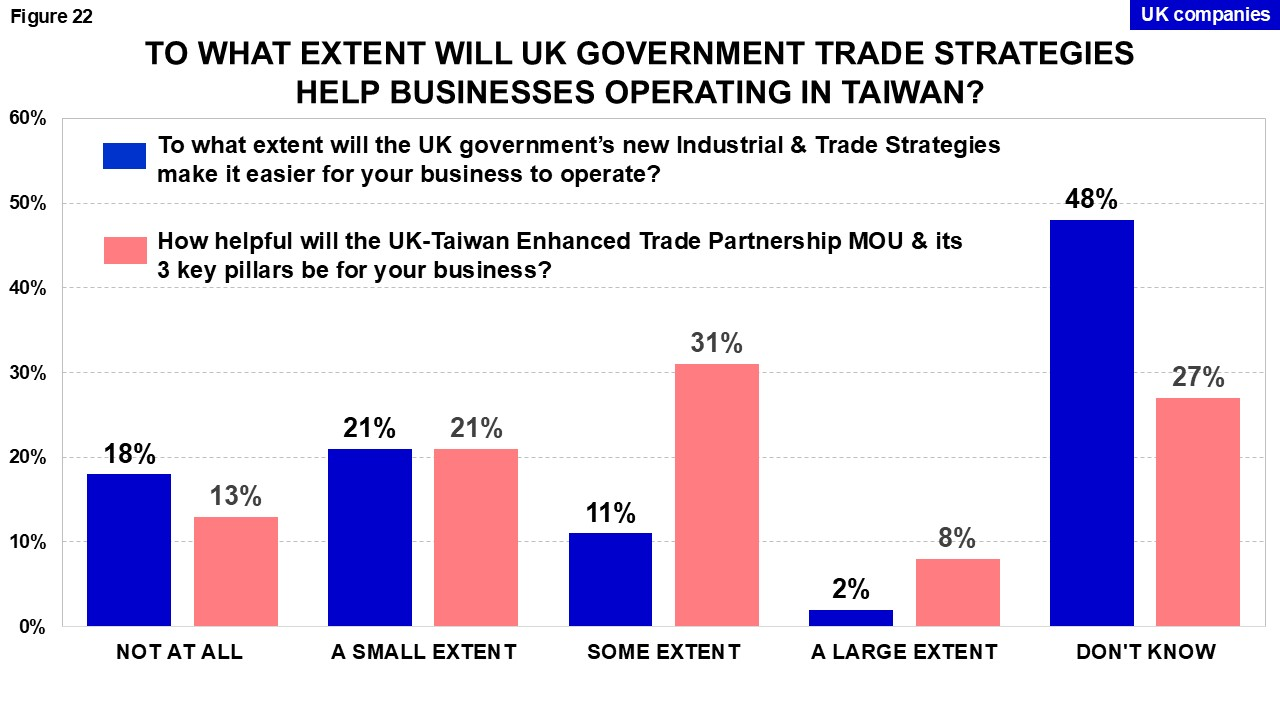
Almost half of UK businesses have no idea about the UK’s Modern Industrial Strategy. A smaller but still significant proportion (27%) cannot offer any comment about the ETP and its three pillars. However, 31% expect that the UK–Taiwan ETP will help them “to some extent” (figure 22).
Up till now, companies have seen little or no practical evidence of the ETP making a difference:
- 32% simply do not know if the ETP is having any effect
- 44% say it is still too early to tell
- 18% claim that there are no noticeable differences in the business environment
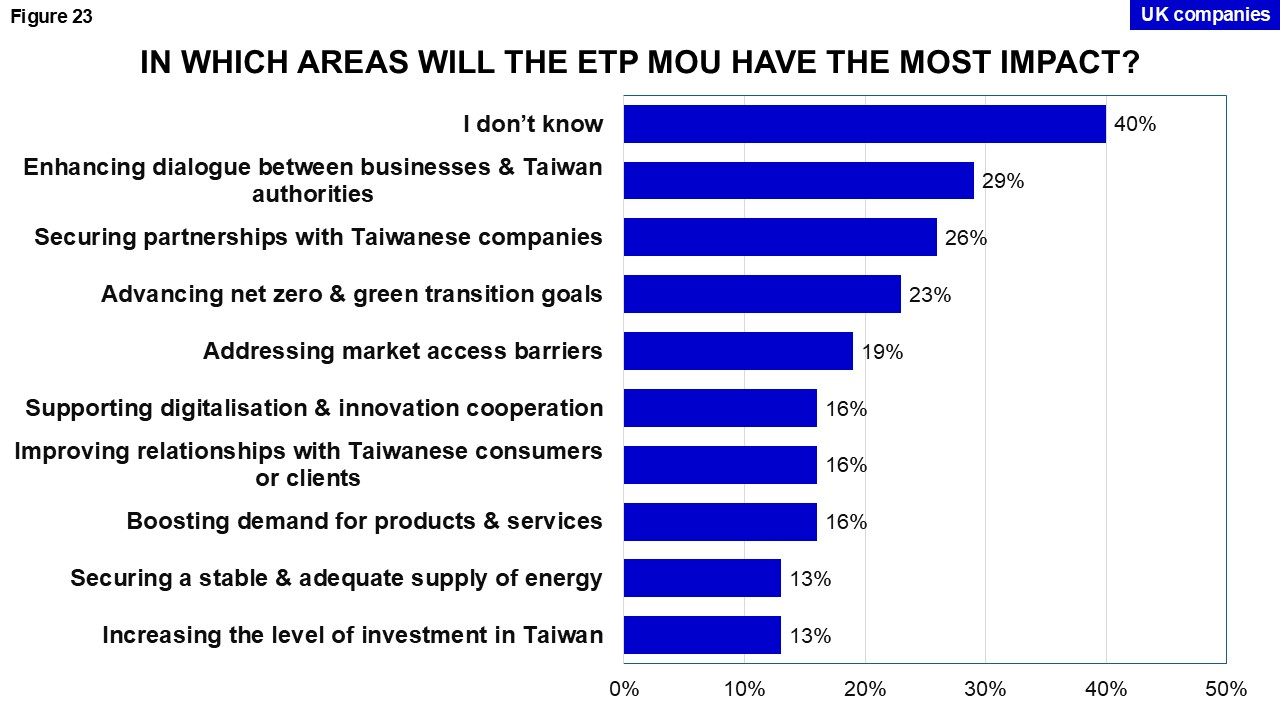
Looking ahead, 40% still do not know what to expect once the ETP is fully implemented. Others, though, did offer some thoughts on what they hoped for. The most widely hoped for benefits are:
(i) better dialogue with local officials
(ii) improved pathways to securing partnerships with Taiwan businesses; and
(iii) enhanced progress in the green energy transition towards Taiwan’s net zero goals (figure 23)
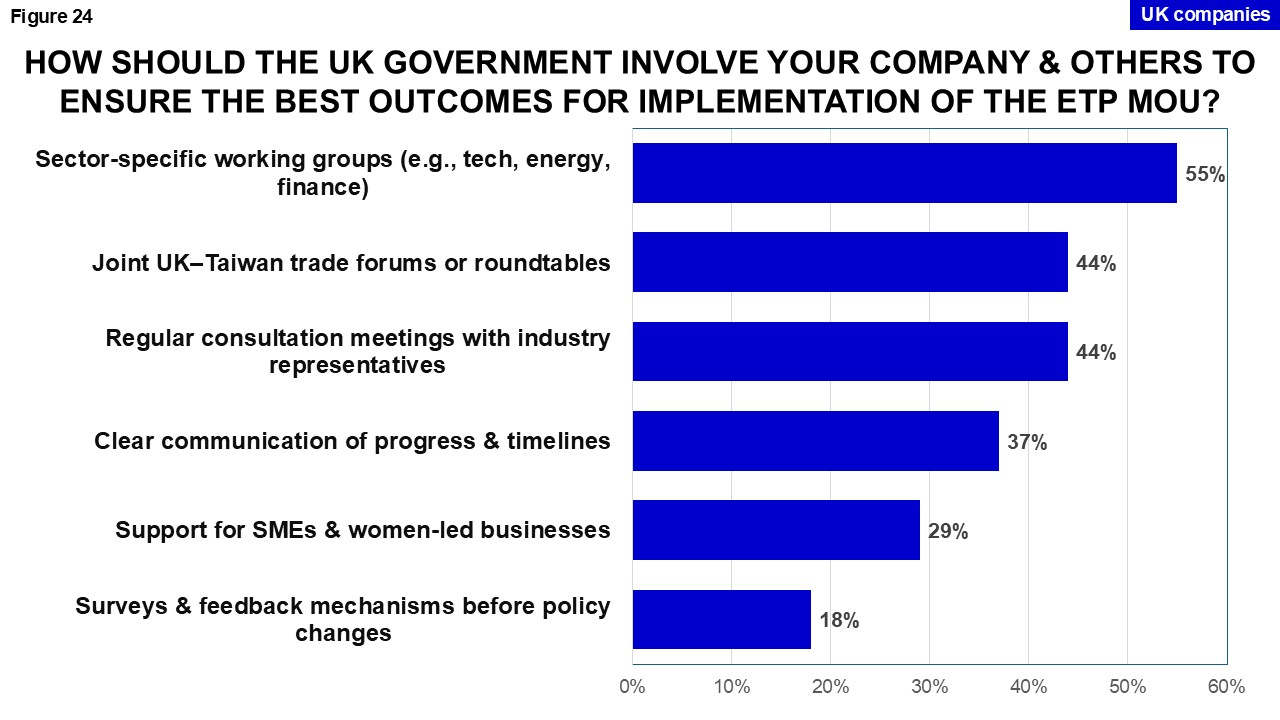
As UK and Taiwan officials progress the ETP , UK companies would welcome the opportunity to participate in a range of different discussion bodies, such as sector-specific working groups (most popular), joint UK–Taiwan roundtables, and meetings with industry representatives (figure 24).
Taiwan companies are also not familiar with what the ETP offers. 36% have not heard about it at all and another 43% have heard about it but that is all. They do not know its aims and goals.
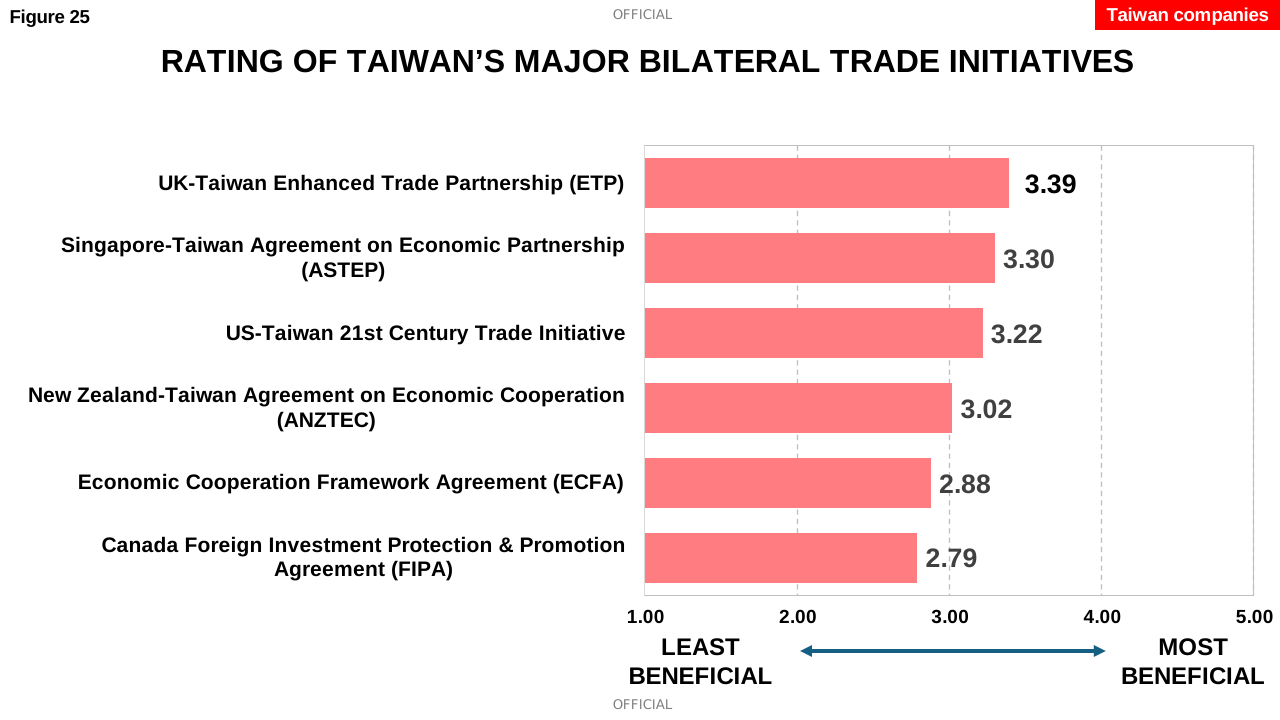
Despite having only the limited knowledge about the UK–Taiwan ETP and its contents, businesses see it as potentially the most beneficial for them of all the six major bilateral trade agreements Taiwan is party to (figure 25). It is rated marginally superior to the Singapore-Taiwan deal and ahead of the US-Taiwan initiative. The long-established agreement with China (ECFA) is felt to be of less benefit and the deal with Canada is considered to hold the lowest potential.
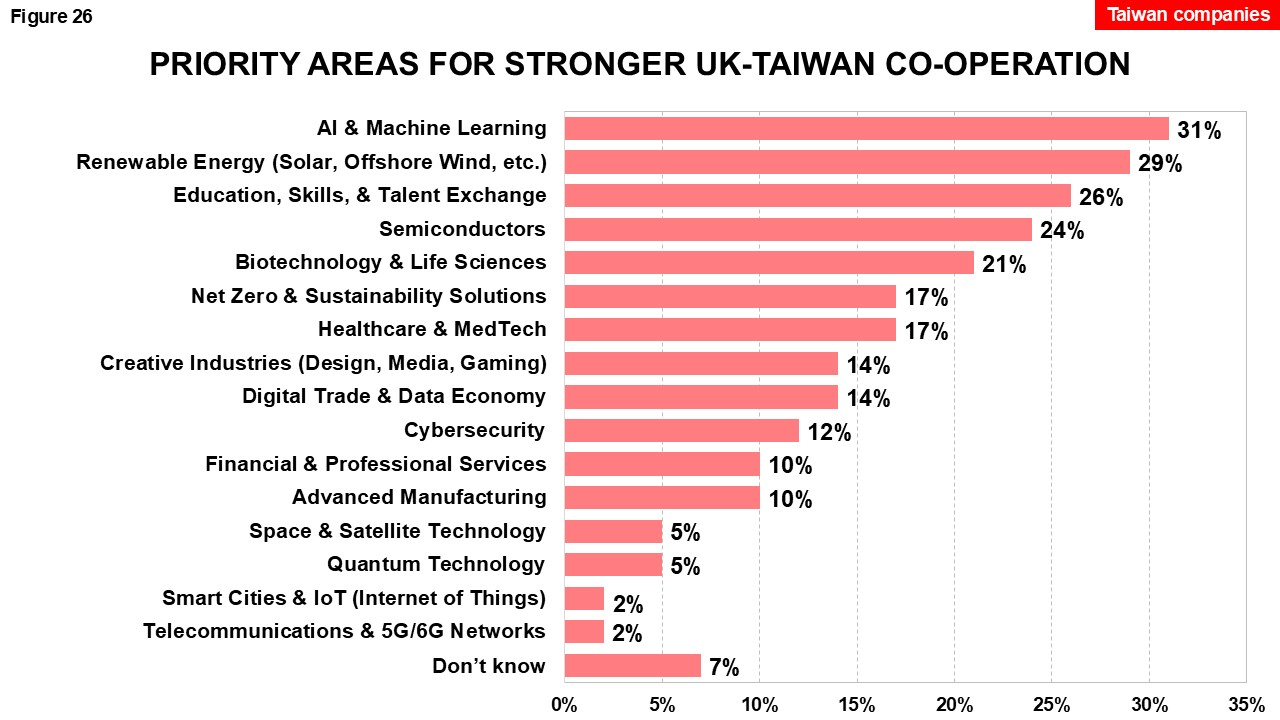
More generally, businesses nominated a number of sectors which they considered fruitful for further discussion and possible collaboration between Taiwan and UK parties (figure 26). Given Taiwan’s current industry profile, it is not surprising that many of the sectors are clustered around advanced computing and cutting-edge technology. Renewable energy features, too, as companies look to capitalise on Taiwan’s ongoing transition.
Energy and net zero transition: opportunities for UK–Taiwan collaboration
Among the Taiwan companies in this survey, 45% claim that sustainability and net zero strategies are very important and are already incorporated into their business plans. A further 19% say these topics are moderately important considerations.
Conversely, they remain a low priority for 21% and 12% are not focusing on them at all.
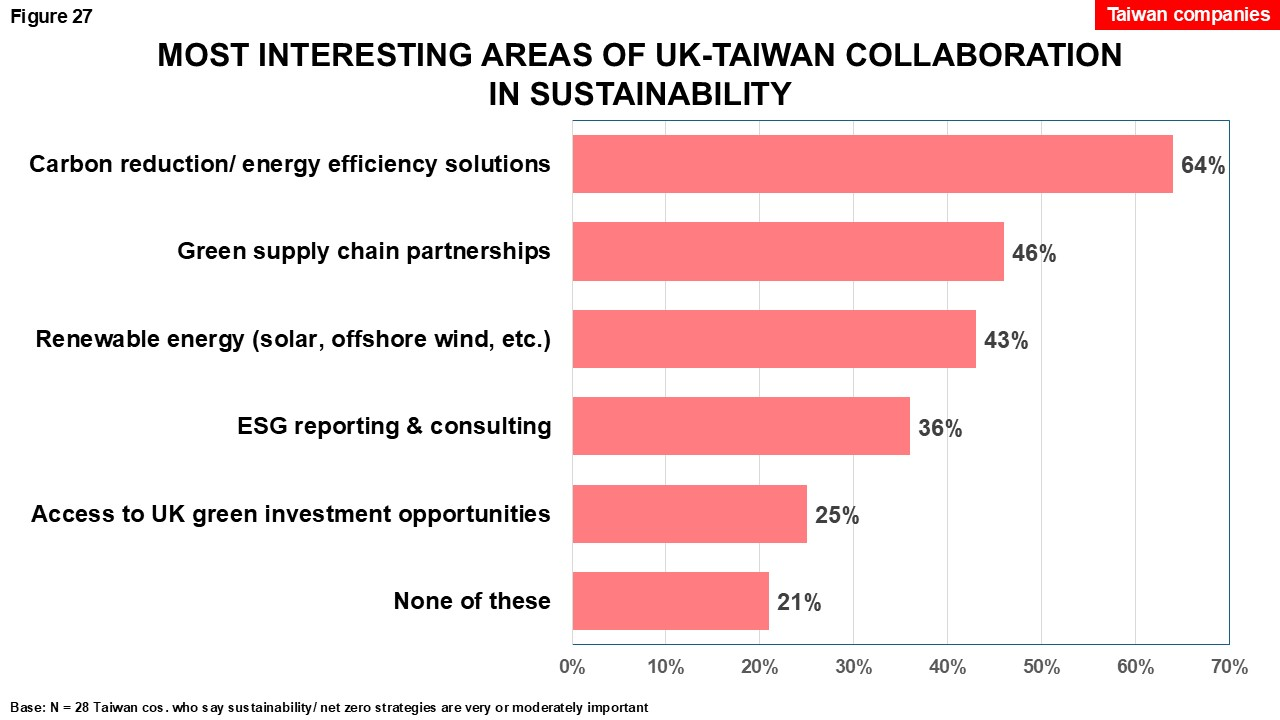
Among those who see energy and net zero strategies as very or moderately important, the most popular energy topic for closer collaboration with the UK is carbon reduction and energy efficiency (figure 27). It is fair to assume they see this as an opportunity to import new thinking to help drive down operating costs.
Other opportunities for cooperation are in building green supply chain partnerships and the whole area of renewables.
Digital transformation and digital trade
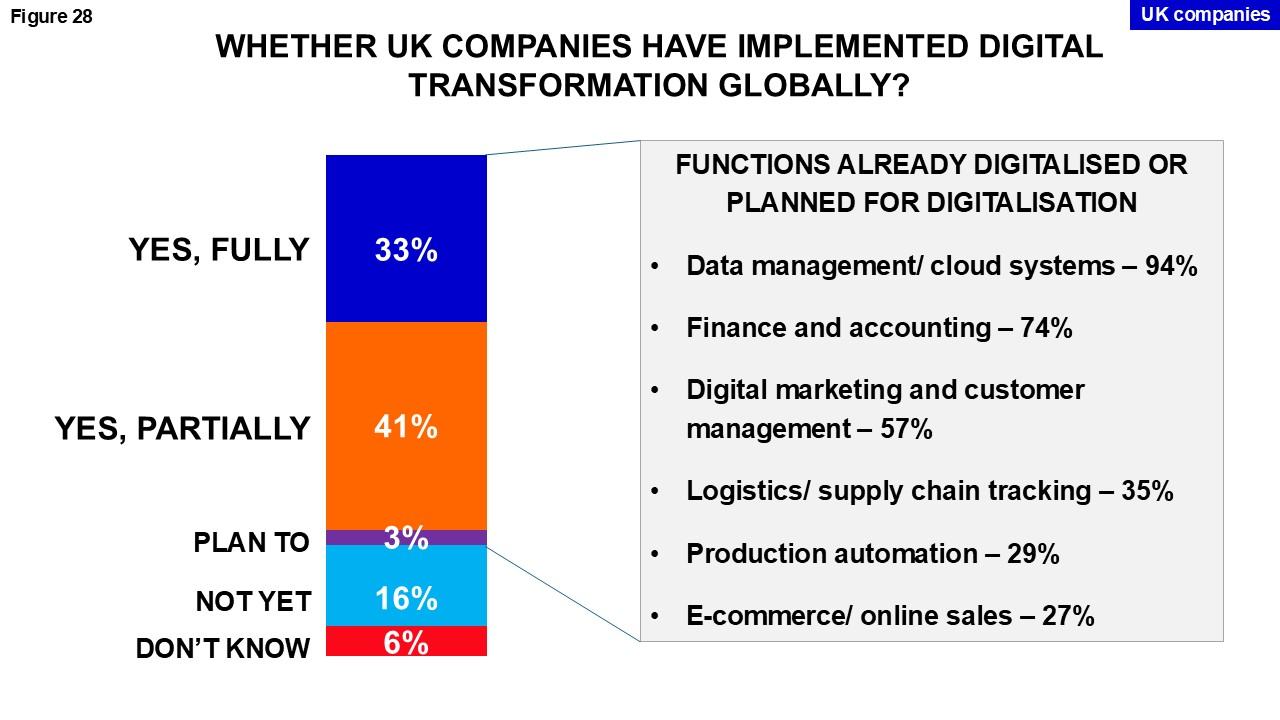
The process of digitalisation is well advanced in both UK and Taiwan business (figures 28, 29). Three quarters have either fully or partially implemented the change, and a few others plan to get started this year.
Both sets of companies have focused their attention most widely on data management and the adoption of cloud-based systems and on the finance and accounting area. Digital marketing and customer management is another key area, while Taiwan companies have also implemented e-commerce and online sales widely.
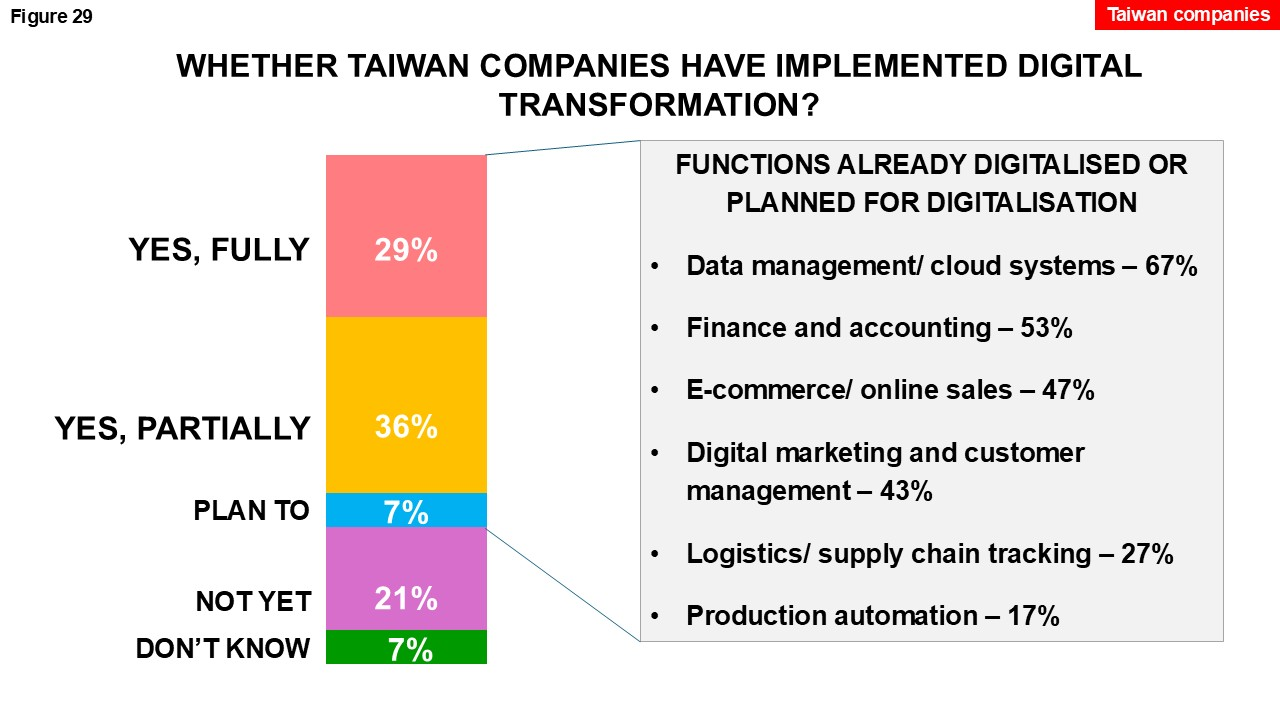
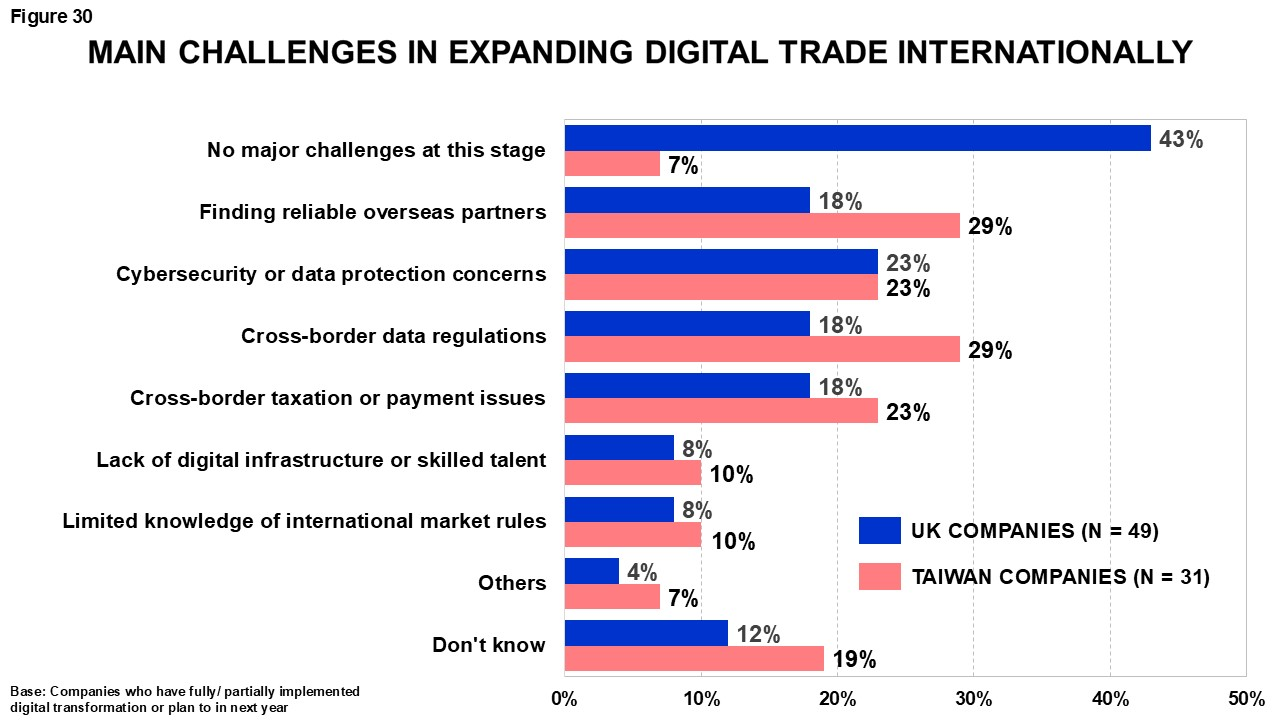
UK companies have encountered far fewer problems with extending digital trading overseas, but some have concerns about cybersecurity and data protection, and there can be issues with cross-border regulations, particularly related to payments and taxation. Finding the right overseas partner may also be problematic.
Taiwanese companies experience many of the same challenges, but apparently more frequently than their UK counterparts (figure 30).
8. UK service companies
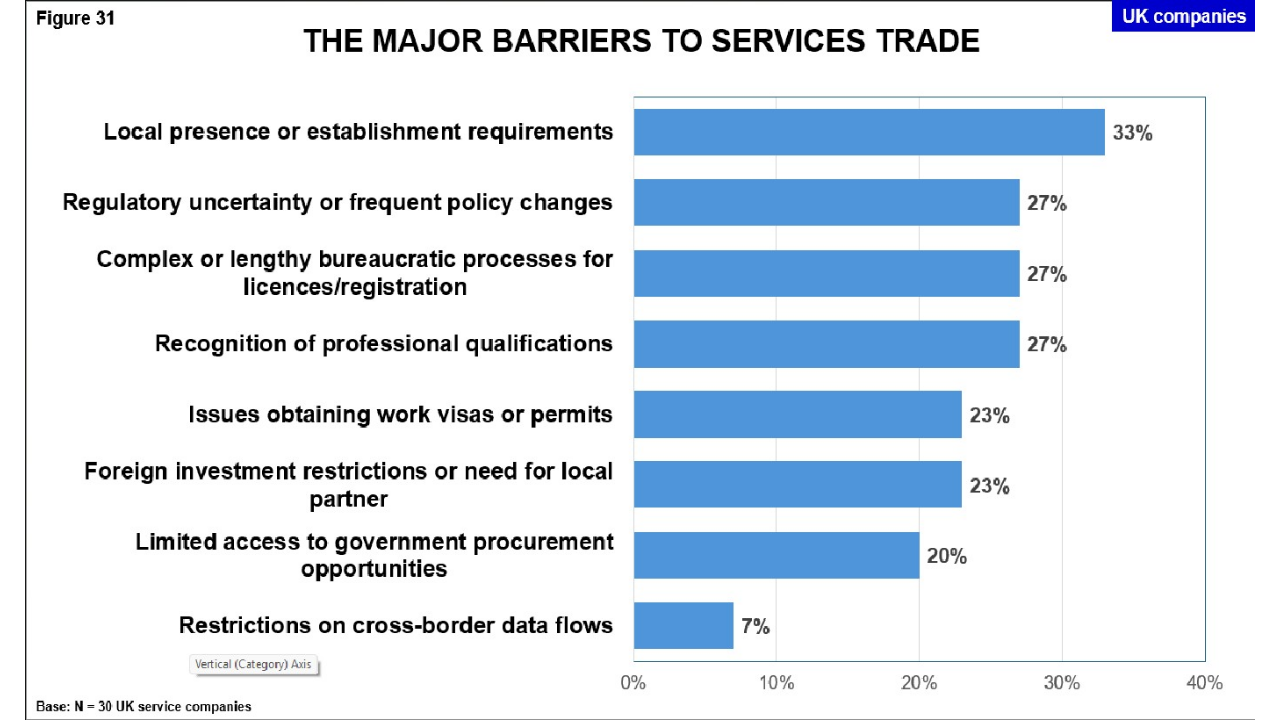
The survey sample includes 30 companies operating across various service sectors. They continue to face some barriers in operating in Taiwan (figure 31), the most common being difficulty in accommodating Taiwan’s local presence requirements. There are also issues with navigating the complex process of registering a service business and obtaining a licence to operate (27%). However, this is a major change compared to 2024, when 58% complained about convoluted bureaucratic procedures. Other issues are much the same as a year ago.
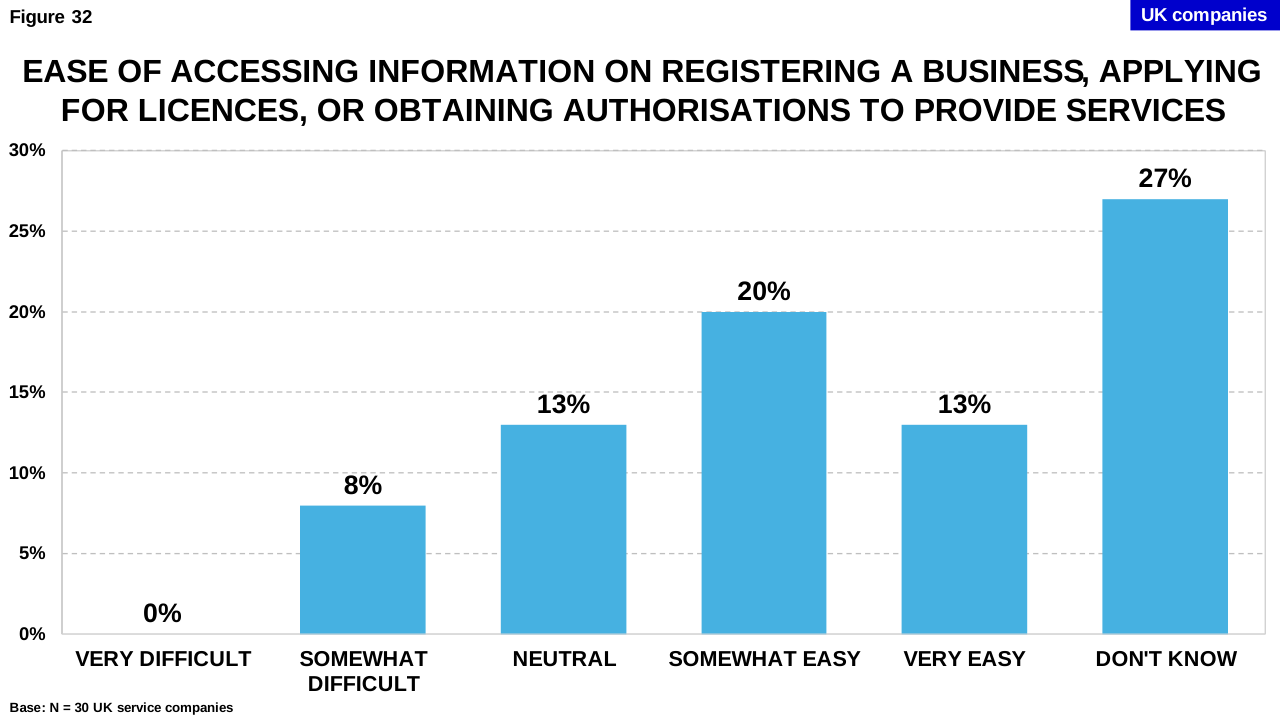
Further evidence of the improvement in the process of setting up a services business is reflected in assessments of how easy it is for service companies to access information about registration (figure 32). Only 8% found it “difficult”, whereas 33% found it “easy”.
Another positive sign of how open Taiwan is for business is the finding that 90% of service organisation employees have never had any problems when visiting Taiwan.
9. Appendix: profile of respondents
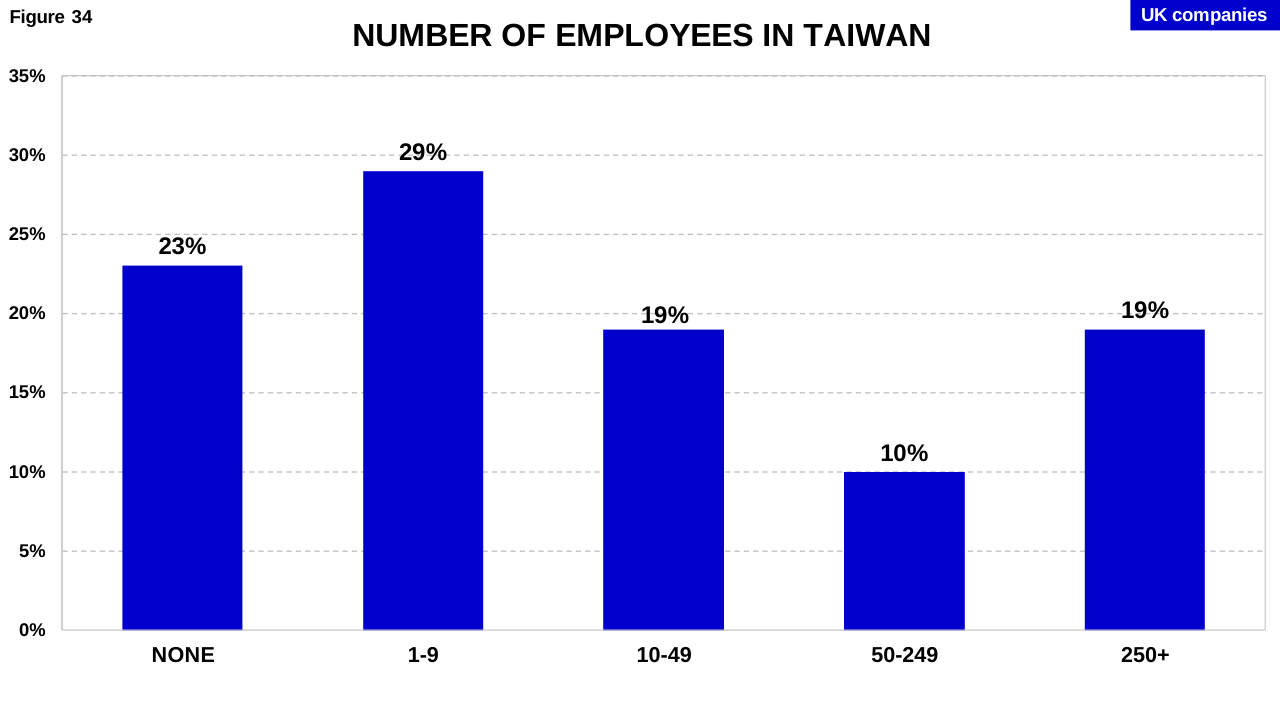
The 6 UK companies who responded to the survey cover a broad spectrum of sizes, business activities and length of time in or trading with Taiwan.
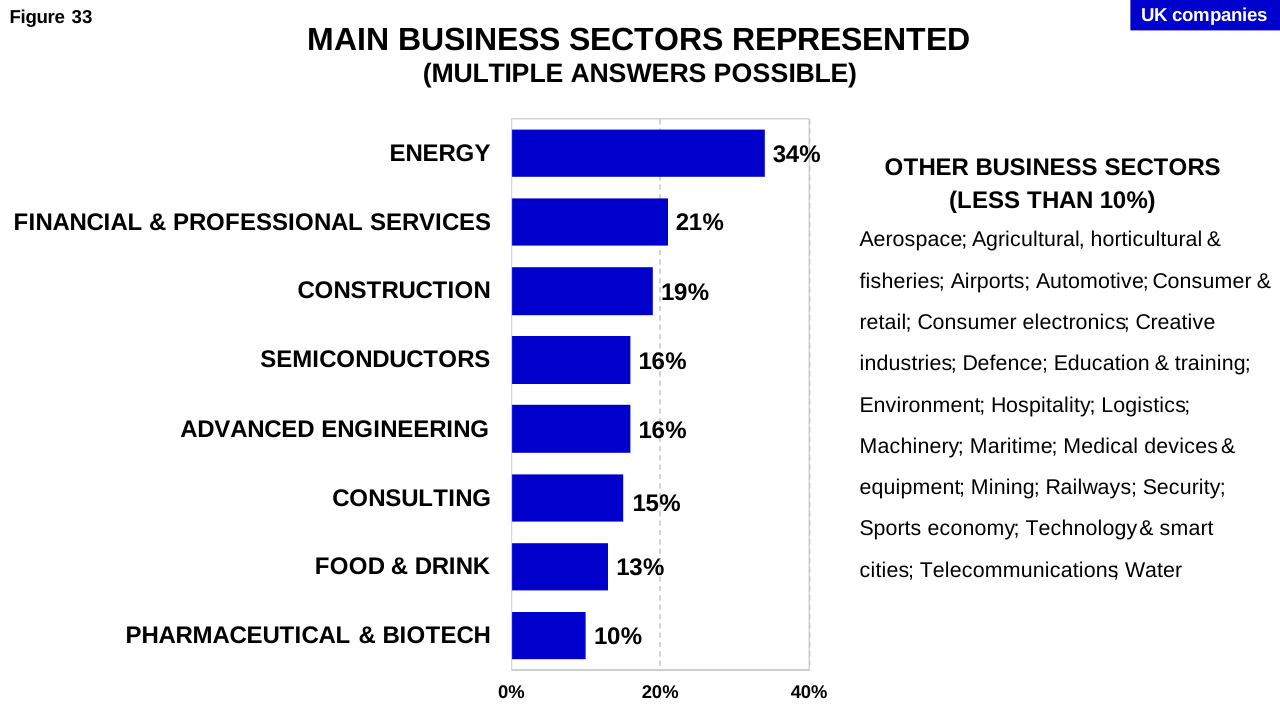
They are active across many different sectors, some of them being involved in multiple areas. The most widely represented sectors are consulting (24%), advanced engineering (21%), aerospace, energy, financial and professional services and semiconductors (all 18%).
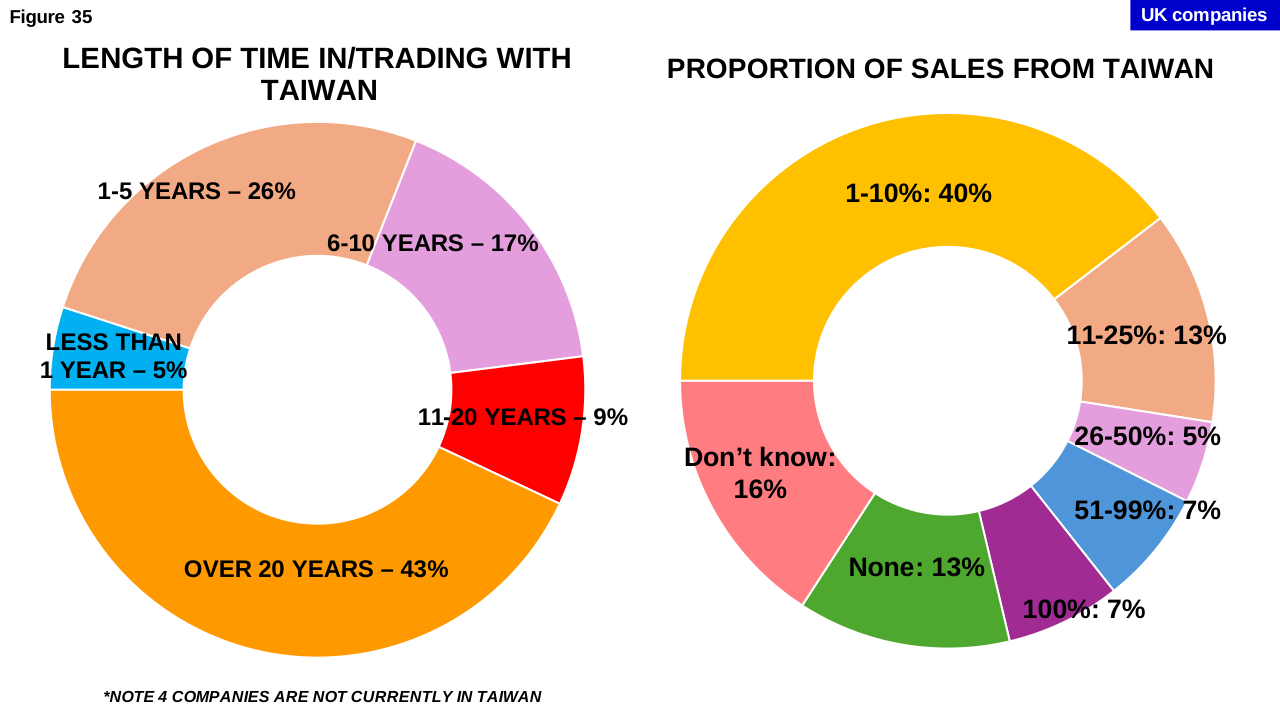
The importance of Taiwan to businesses’ overall performance also shows a considerable spread. One third generate more than half of their total sales from Taiwan, while, for 54%, Taiwan represents no more than 10% of global revenue.
In terms of the length of time involved with Taiwan, some companies have been in the market for more than 20 years, others are much more recent arrivals. (Figures, 33, 34, 35).
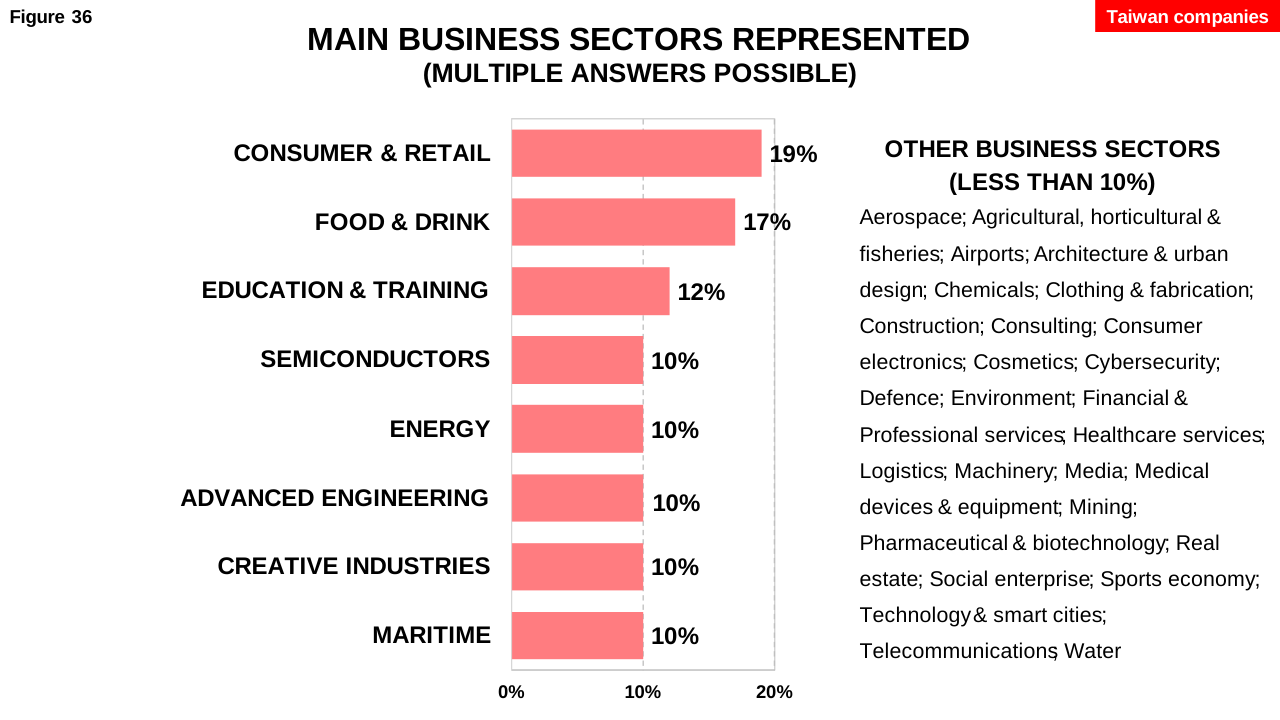
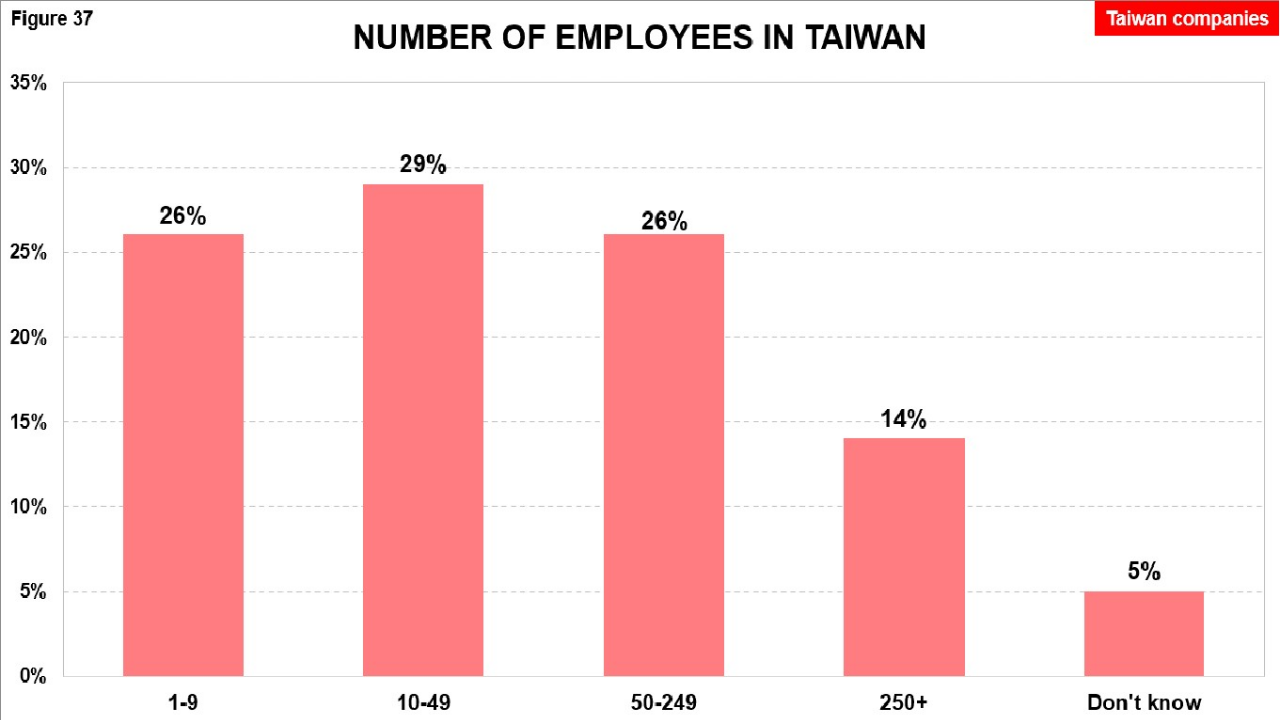
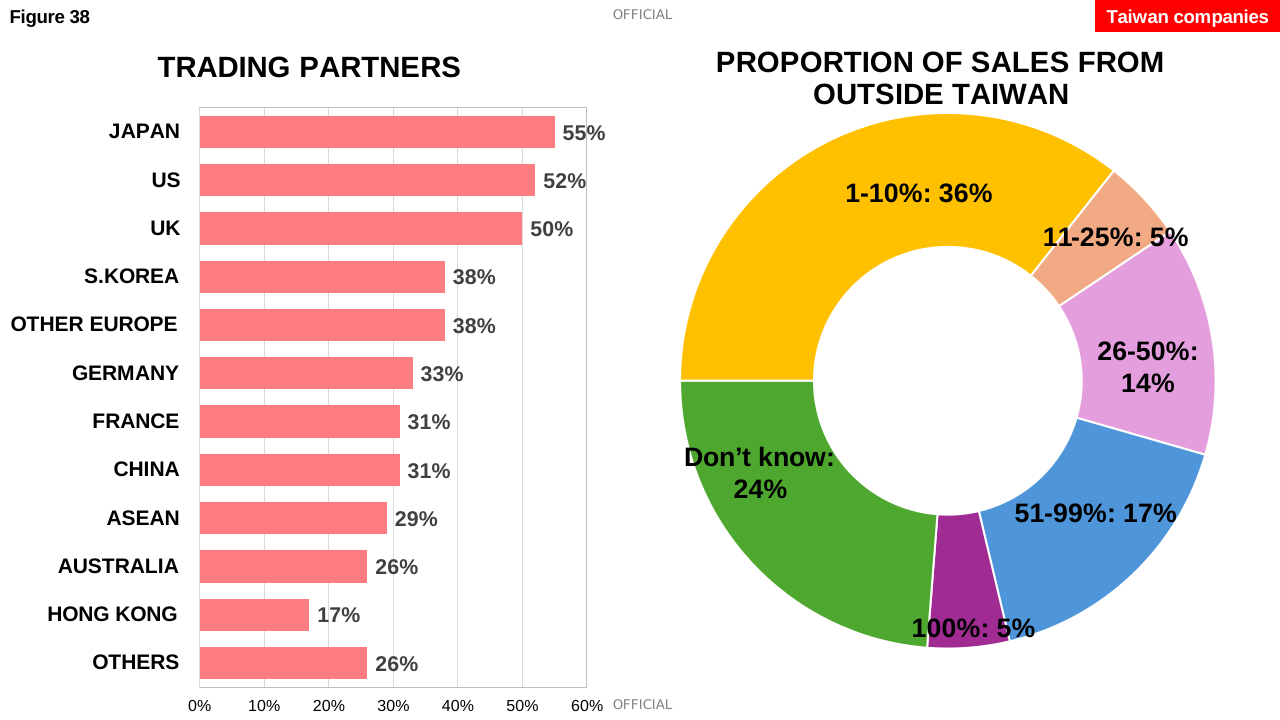
There are 42 Taiwan companies in the sample, representing a similarly broad swathe of industry sectors and sizes of business. All are generating some revenue from overseas, with 22% depending on foreign trade for more than half of their income. The UK is the most common trading partner within this sample.(Figures 36, 37, 38).
For more information, please contact:
Hsin Hsin Chang
Head of Trade Policy
British Office Taipei
HsinHsin.Chang@fcdo.gov.uk
Report prepared by:
Mike Jewell
Independent Consultant
British Chamber of Commerce in Taipei
info@bcctaipei.com