Boost for British business as government slashes cost of electric lorries by up to £120,000
We're making electric lorries more affordable to help hauliers make the switch, while boosting growth and investment in the sector.
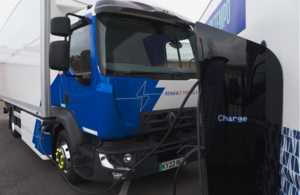
- £18 million to slash up to £120,000 off the cost of green lorries, making it cheaper for businesses to go electric
- part of £318 million green freight investment to cut costs for industry and reduce emissions, delivering on the government’s promise to boost growth and support jobs
- government launches consultation on roadmap to phase out sales of new non-zero emission HGVs, giving industry certainty to plan for zero emission by 2040
Hauliers and fleet operators will access discounts of up to £120,000 on new electric trucks thanks to an additional £18 million announced by the government today (6 January 2026) to increase the Plug-in Truck Grant until March 2026.
The move is part of a £318 million plan for green freight, which is backing British businesses by slashing upfront costs on new lorries and helping businesses to access the lower running costs. This is all part of the government’s plan to reduce emissions while cutting costs, sparking growth and creating jobs as the sector moves to the technology of the future.
See the list of electric and hybrid vehicles eligible for a plug-in grant for more information.
Similar to the government’s Electric Car Grant, which has saved over 45,000 drivers up to £3,750 when making the switch, the Plug-in-Truck Grant enables lorry operators to access savings of up to £120,000 when buying a new electric truck.
New grant levels mean:
- smaller trucks (4.25t to 12t) could save up to £20,000
- mid-sized trucks (12t to 18t) up to £60,000
- larger trucks (18t to 26t) up to £80,000
- and the largest lorries (26t and over) up to £120,000
Minister for Aviation, Maritime and Decarbonisation, Keir Mather, said:
We’re backing British businesses to go green by making electric lorries more affordable, helping hauliers to make the switch whilst turbocharging growth, investment and jobs in the sector.
Our proposals will provide the certainty the industry has been calling for so that Britain becomes the best place for green investment.
The funding is set to increase zero emission truck sales to support delivery of the UK’s climate obligations and comes as the government has already invested over £120 million as part of the zero emission heavy goods vehicle (HGV) and infrastructure demonstrator (ZEHID) programme to roll out more zero emission lorries on UK roads.
Backed by this fund, companies like Amazon and Marks & Spencer have already rolled out more electric delivery trucks on UK roads, with ZEHID rolling out nearly 300 zero emission HGVs by March 2026.
Day-to-day running costs can already be lower for electric lorries compared to their diesel counterparts, but upfront vehicle costs are typically higher. The increase to the Plug-in Truck Grant will help businesses access those daily savings, cutting costs for businesses as well as emissions.
John Boumphrey, UK Country Manager, Amazon UK:
Amazon welcomes the government’s continued commitment to supporting the electrification of commercial fleets. The UK will be home to the largest number of electric heavy goods trucks in Amazon’s global transportation network and the first of our record-breaking order of eHGVs are already on the road.
We’re investing to help the UK decarbonise and meet our goal of being net zero carbon by 2040. We look forward to continuing to work with the government to ensure the growth of more sustainable logistics.
Alongside increased funding, the government will also launch a consultation on the regulatory roadmap to phase out sales of new non-zero emission HGVs by 2040, giving industry the certainty it needs to invest and plan for the future.
By consulting closely with industry, the government will ensure the road to net zero is one that works for businesses and supports jobs, growth and increased investment.
Roads media enquiries
Media enquiries 0300 7777 878
Switchboard 0300 330 3000