On the Level March 2026, issue 45
Updated 26 March 2026

© Crown copyright 2026
This publication is licensed under the terms of the Open Government Licence v3.0 except where otherwise stated. To view this licence, visit nationalarchives.gov.uk/doc/open-government-licence/version/3 or write to the Information Policy Team, The National Archives, Kew, London TW9 4DU, or email: psi@nationalarchives.gov.uk.
Where we have identified any third party copyright information you will need to obtain permission from the copyright holders concerned.
This publication is available at https://www.gov.uk/government/publications/on-the-level-march-2026-issue-45/on-the-level-march-2026-issue-45
A year in numbers
As we approach financial year end at the Repository site, it’s worth reflecting on some of the successes over the last 12 months:
12 containers of LLW received – showing a steady flow of low level waste arriving for safe disposal.
200 rail deliveries of aggregate to site for the STIM project, avoiding 8,868 HGV movements from the roads. 168,500 tonnes of aggregate delivered and 50,052m2 of Geosynthetic Clay Liner laid (equivalent to seven football pitches).
1,495 recategorised drums forecast to be exported – successfully diverting waste from the Repository by sending it for treatment or recycling where possible.
1,379 days since last Lost Time Accident (LTA) – a strong indicator of the positive safety culture across the site.
0 reportable injuries or events – reflecting continued safe working practices and proactive hazard management.
£85,000 LLWR socio-economic fund awarded to local community projects – providing direct support to local community groups and projects.
3 major contracts mobilised on site, totalling £65 million over 4 years – marking significant investment into the site’s infrastructure, long term capabilities, and supply chain partnerships.
These numbers reflect the hard work happening every day to keep the Repository running safely, efficiently and responsibly. We’re grateful for the continued interest and support from our community, and we look forward to sharing more updates with you over the coming year.
Making On the Level more sustainable
You might notice On the Level feels a little different this month. That’s because we’ve been taking steps to reduce our environmental impact.
We’ve switched to slightly lighter paper and added an extra fold, which means we now use envelopes half the size of before.
Small tweaks but they all add up!
A flipping good time!
It’s not every day our colleagues get to make pancakes while having a chat with the community, so it was a real treat for Samantha McKenzie, Principal Community Engagement Manager, and Paul Skelton, Programme Director, to attend the Drigg Village Hall Warm Hub’s early Pancake Day and do exactly that.
We’re proud to regularly volunteer at the hub, which offers local people a welcoming place to have a hot drink, tasty soup and good conversation.
The Warm Hub takes place every Friday at Drigg Village Hall from 11am to 2pm and everyone is welcome to attend.
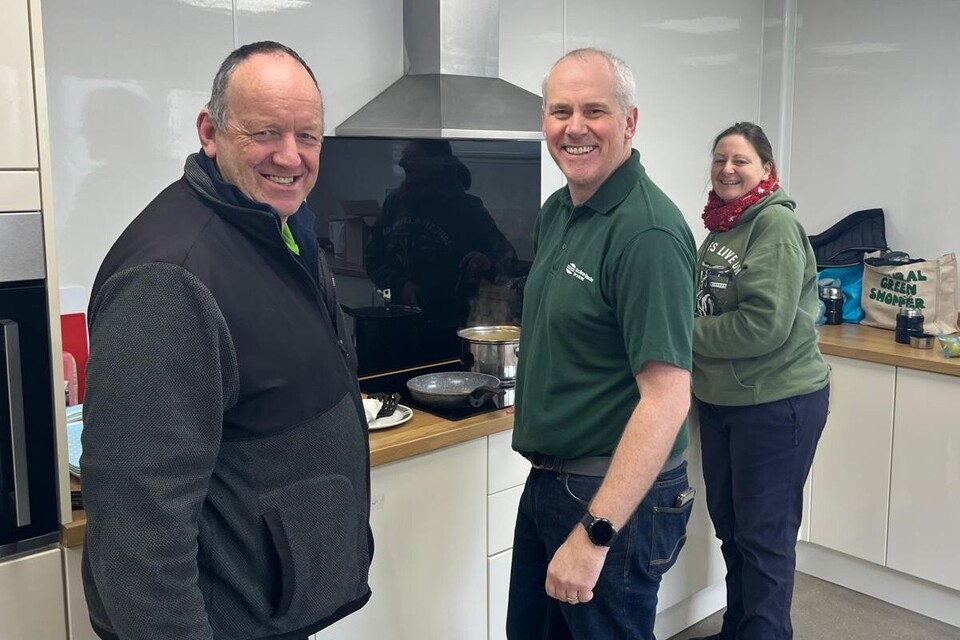
Andy Pratt and Sadie Clarke from Drigg and Carleton Parish Council preparing the pancakes with Paul Skelton from NWS
Keeping you informed as STIM progresses
With the landscape at the Repository site changing at such a fast pace since the Southern Trench Interim Membrane (STIM) project began in February 2025, it’s important to us to keep our community updated.
That’s why we were pleased to welcome members of our community to the latest STIM drop-in event at Drigg Village Hall, to outline our current phase of work taking place and the next steps.
Following this, we visited our Repository site for a tour of the facility, helping residents to understand the ongoing work and relate it to different locations across the site.
One resident said: “These drop-ins are very useful in giving us an honest view of what’s going on at the Repository. There’s a genuine awareness from the team of managing the impact of work on the community, which we do appreciate – so keep it up!
While parked by the trench cap, residents were able to see the size and scale of the project currently being undertaken.
Another resident said: “I was last on the site about 20 years ago when they were just starting work on Vault 9 and there have been so many improvements to the site and with the community since then. It’s been very interesting to be back and see how it’s all changed and is continuing to change.
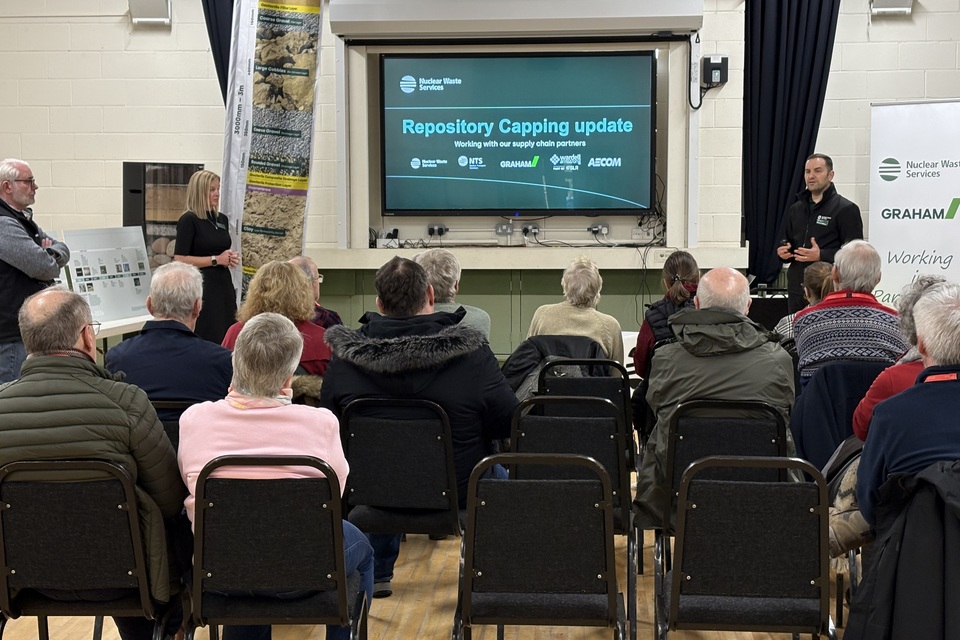
Residents listening to the Repository capping update presentation
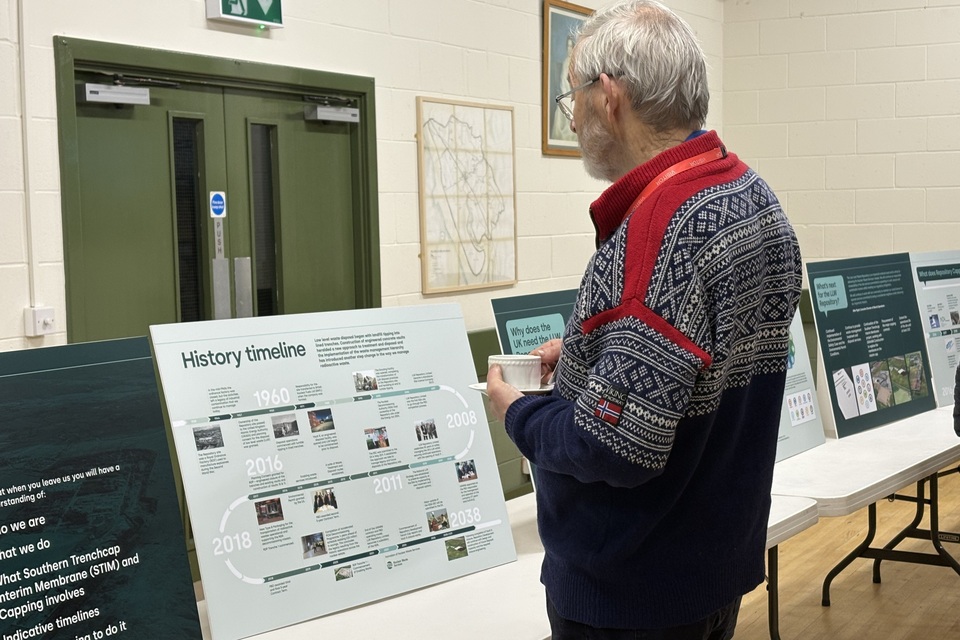
Residents had the chance to read about the work before the presentation began
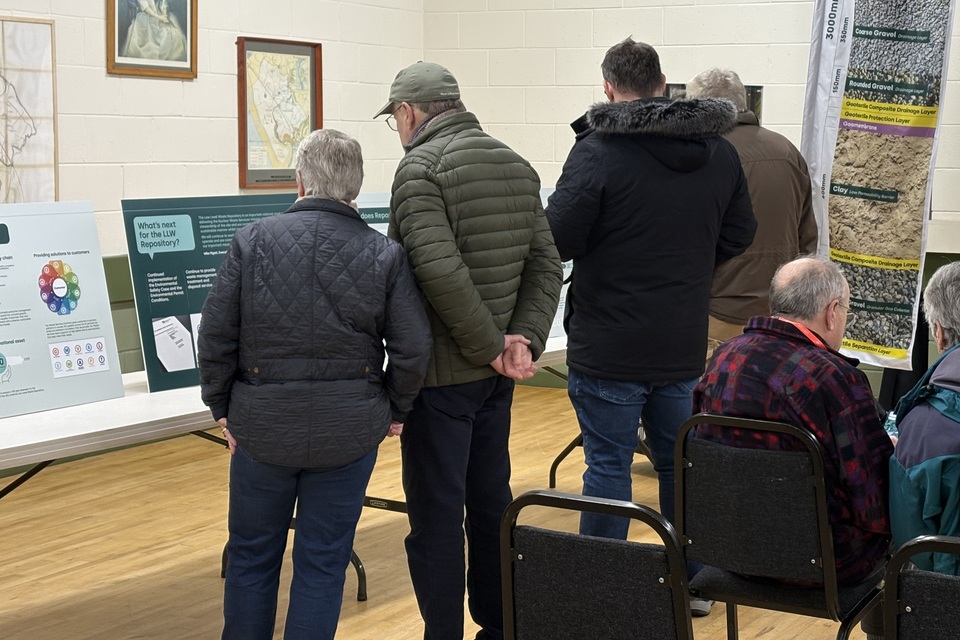
Residents had the chance to read about the work before the presentation began
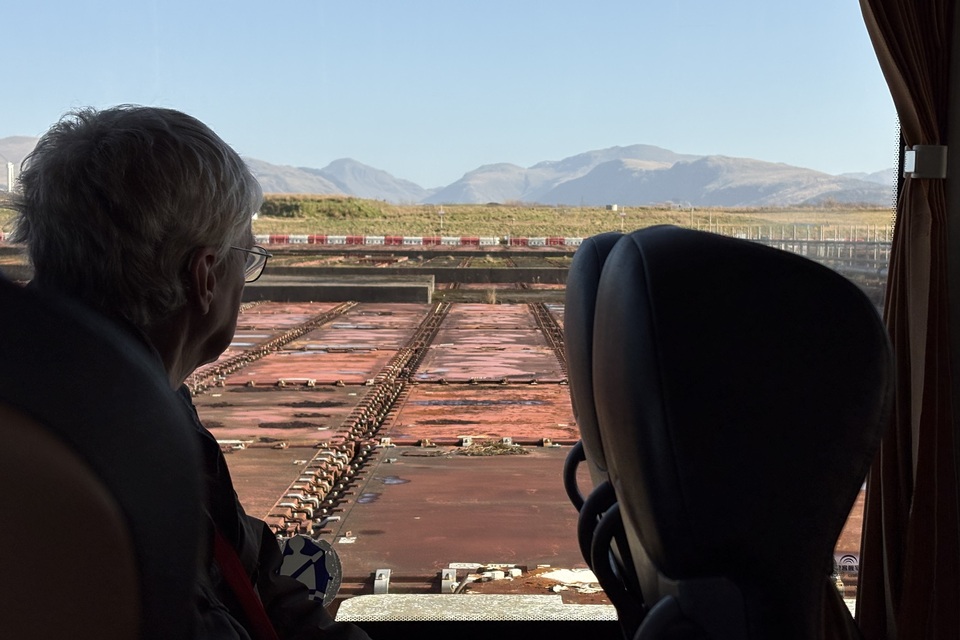
A perfectly clear day to see the Vaults and the fells beyond
Further progress at pace
Our Southern Trench Interim Membrane (STIM) project has taken another step forward, with the third campaign of rail deliveries of aggregate beginning in January 2026.
This round of deliveries is expected to finish in September 2026 and will see approximately 200 trains transport more than 175,000 tonnes of aggregate to the site.
As of the end of February 2026, we have received 39 trains delivering 36,539 tonnes of aggregate, which has avoided almost 2,000 HGV journeys during this campaign.
Christine Bradley, Head of Repository Site Project Delivery, said: “The restart of the rail deliveries marks the next phase of the STIM project and builds on the strong safety and delivery performance and successes achieved during previous rail campaigns.
I’m really looking forward to another great year of making safe progress, hitting delivery milestones and quality standards, and moving closer to successfully capping the Repository.
In addition to the rail campaign, we have also recently restarted replacing the protective membrane (or liner) over the southern part of the legacy waste disposal trenches. As this work is weather dependant, it’s carried out in seasonal campaigns, typically running from March to September.
Last year, we installed more than 50,000m² of liner (roughly the size of seven football pitches) towards our overall target of 124,734m².
With this work restarting, you may notice more activity on the trench cap when passing the site.
We’re continuing to work closely with the Environment Agency, Nuclear Transport Solutions (NTS) and our supply chain partners GRAHAM, AECOM and SLR (formerly Wardell Armstrong) to deliver STIM, which is a key phase in the long-term capping and closure of the Repository site.
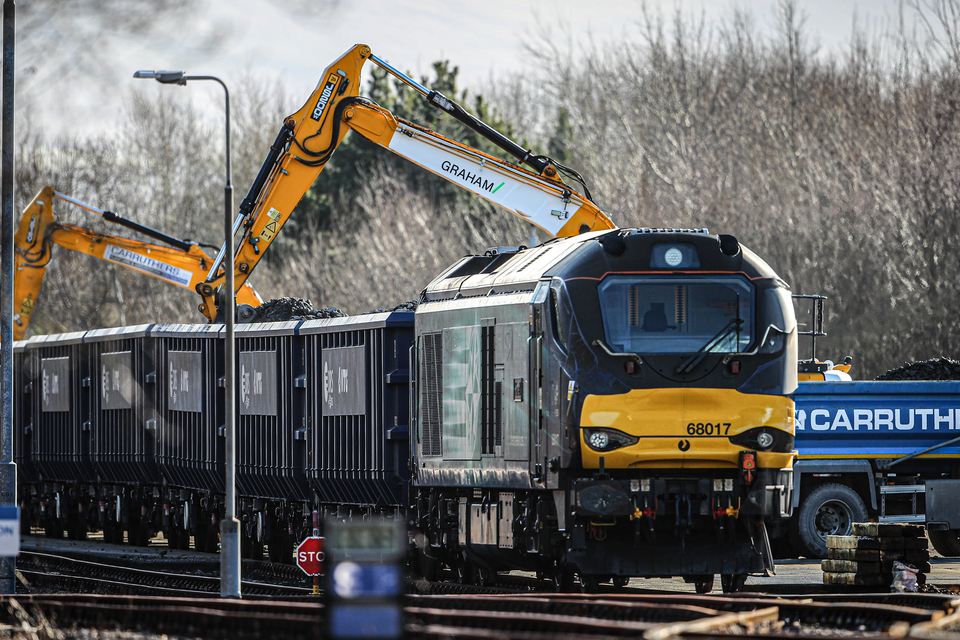
A Nuclear Transport Solutions (NTS) train delivering aggregate
Preparing our ESC
As a nuclear licensed and permitted site, our work is underpinned by an Environmental Safety Case (ESC), a thorough set of reports which demonstrate environmental safety now, and in the future with the legacy we will leave.
We are currently preparing our 2026 ESC, which will be submitted to the Environment Agency on 1 May 2026. This is a huge task and is vital for us to demonstrate continued safe disposal of low-level waste at the Repository.
So, what does this mean to you, our community?
The ESC is an essential part of how NWS shows it is meeting the highest standards of environmental protection. It demonstrates that the mitigations we have, and will, put in place do not detrimentally impact the area around the Repository, including local water sources, air quality, wildlife, and the wellbeing of the community.
It also helps answer some big questions, such as:
-
Is it safe to continue disposing of low level waste here?
-
How will the site be managed for future generations?
-
What protections are in place as the landscape and coastline change over time?
For our community, this means continued confidence that the site operates to the highest environmental and safety standards, backed by years of scientific, engineering, and operational evidence.
We are very proud of the work that has gone into the ESC, which has taken a range of teams and experts across our organisation years to produce. Thanks to their efforts, we continue to deliver our mission: to make nuclear waste permanently safe, sooner.
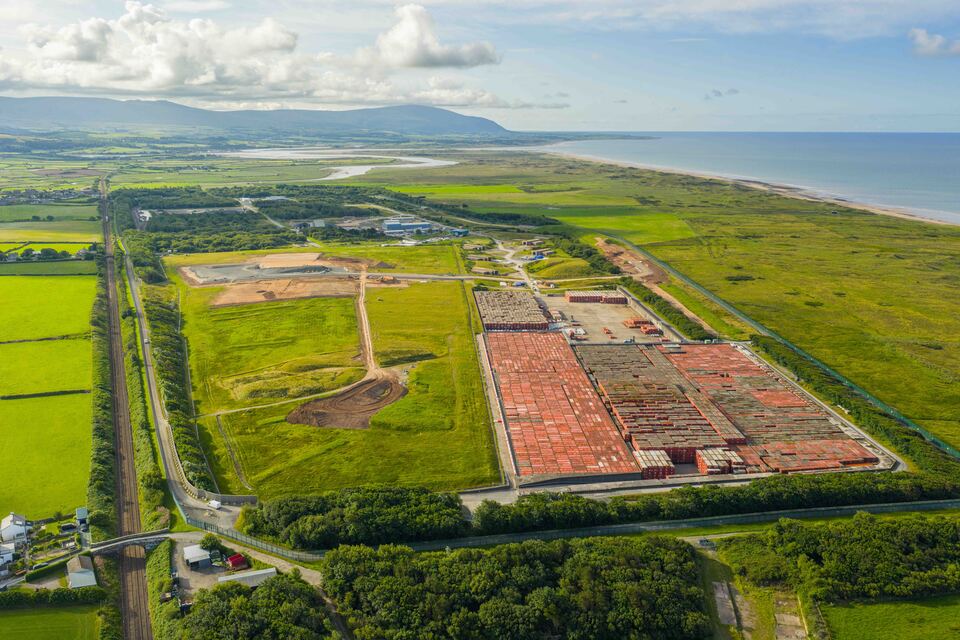
The LLW Repository site
Supporting students in living the Dream
We were delighted to once again welcome a cohort of eager pupils on this year’s Dream Placement.
During the week-long programme the pupils were given a communications project to complete, with the aim of developing their existing skills and learning new ones. This year’s task was for the students to share what they got up to during the week and what they learnt from the experience.
One of the tasks was to write a short news article, and as they did such a great job, we can hand the reins over for this update – here’s what they wrote: Nuclear Waste Services recently hosted six local students through the Dream Placement programme, helping young people in Cumbria gain meaningful, career-focused work experience.
During the week, the students explored how the organisation operates, including a visit to the Low Level Waste Repository site, informative sessions with staff designed to improve our knowledge of the nuclear sector in Cumbria and workplace skills and more.
The placement highlighted the wide range of careers involved in the nuclear sector, showing that opportunities extend well beyond science and engineering into finance, communications, environmental work and more. The students also took part in mock interviews and teamwork exercises, helping them strengthen communication, problem-solving and employability skills that will benefit them in future applications.
Oliver, one of the students, said: “The week has helped me understand the importance of young people developing their soft skills through opportunities like apprenticeships. The mock interviews were also very useful for me as I’m applying for apprenticeships at the moment.
By opening its doors to local young people, NWS is helping the next generation better understand the industry, develop valuable skills, and see how major national projects can create opportunities within their own community.
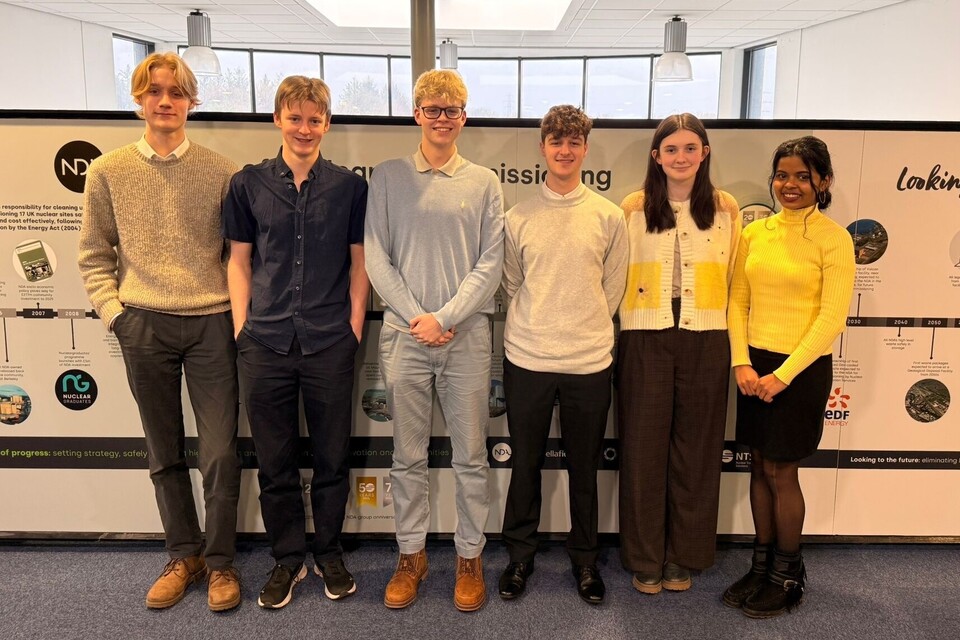
This year's Dream Placement students
Moving forwards with site enhancements
If you read our December 2025 edition of On the Level, you will remember us sharing news of our major contract awards for a range of works across the Repository site.
We have since seen an increase in activity across site, with some works such as the demolition of redundant buildings being completed.
An example of this is the recent demolition of our old skip handling facility that was used during early operations of the site and is no longer required. The work was completed efficiently – and safely – and the building debris has now been cleared and sent for appropriate disposal or recycling where possible.
As always, we remain committed to keeping our community informed and work hard to minimise disruption where we can.
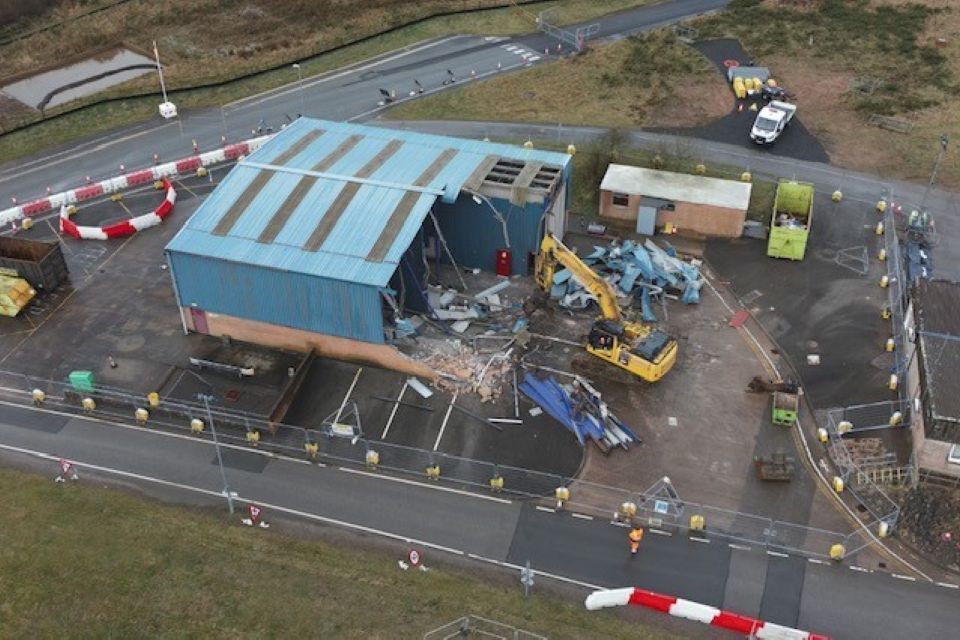
'During' shot of the demolition
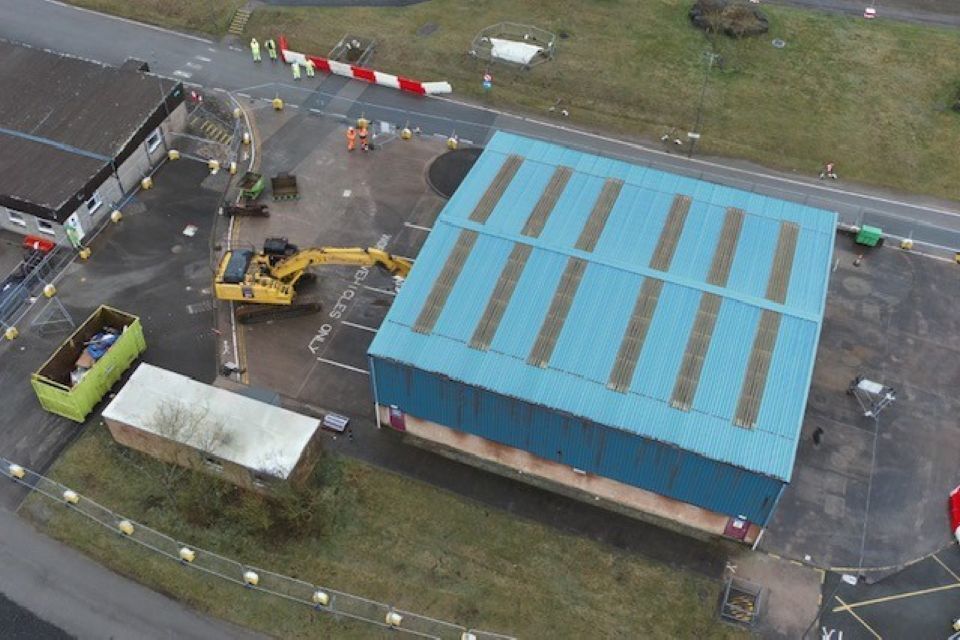
'Before' shot of the demolition
A message from Mike
As always, I want to start by thanking you for your continued support as we carry out essential work here at the LLW Repository. Our operations are guided by a key principle: to operate safely while being a responsible neighbour to you, the community that hosts us.
Over the coming months, you may notice activity on and around the site linked to several key projects. I want to share what these mean for you, why they matter, and how we’re working to minimise disruption.
The Southern Trench Interim Membrane (STIM) project remains a key focus on the Repository site. It was great to welcome local residents recently to learn more about the work and to see progress first-hand on a guided tour of the site. This is always a real highlight for everyone involved.
At the end of January, we restarted our rail deliveries of aggregate. By September, we expect around 200 trains to deliver 175,000 tonnes of material. Using rail instead of road significantly reduces the impact on local traffic and cuts carbon emissions, which I know is important to many of you.
We’re also making upgrades across the Repository, including work on electrical substations, the Leachate Management System, drainage, footpaths, roads and signage. These improvements help make the site even safer, more resilient and ready to support future demands.
Much of this work is being delivered by local partners such as Mitie, Stobbarts Ltd and GRAHAM, helping ensure our investment supports jobs and skills in West Cumbria.
Finally, I’m pleased to share that our 2025/26 socioeconomic funding has now been fully allocated to projects within 30 miles of the Repository. This keeps funding local and ensures it delivers real, meaningful benefit.
Projects we have recently supported include:
-
Licence to Grow, transforming the old Drigg council tip into a thriving community garden with raised beds and planters built by Haverigg Prison.
-
Updated local heritage and ecology boards, including refreshed history panels at Drigg Village Hall and new nature focused information boards at Drigg Beach.
-
Egremont Winter Wonderland, a free festive event enjoyed by more than 11,000 people.
These initiatives are just some of the ways we’re working to support local wellbeing, community pride and environmental awareness.
We will continue to do everything we can to operate safely, responsibly and transparently, ensuring that the benefits of hosting the UK’s national Low Level Waste Repository are felt across our local community.
Mike Pigott
Executive Director of Sites and Operations
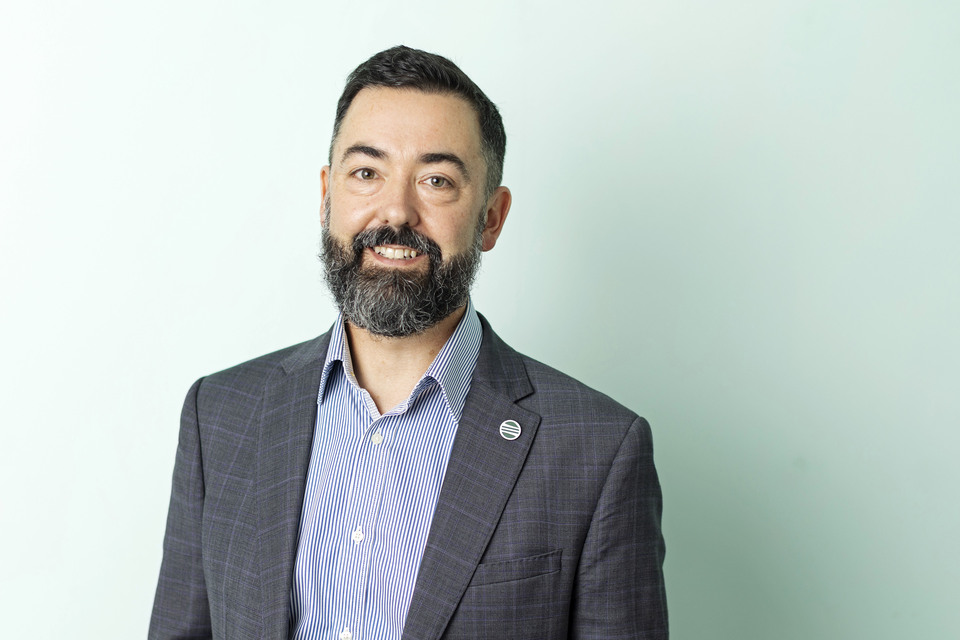
Mike Pigott, Executive Director of Sites and Operations