Mark Emerton
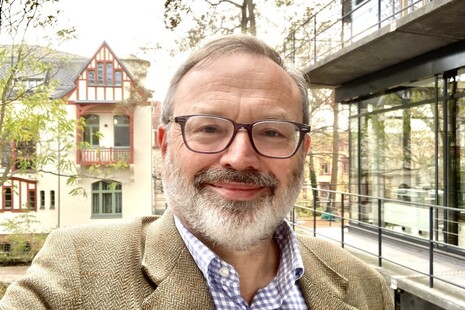
Biography
Mark retired as an Employment Judge in early 2024, having also sat in the Immigration and Asylum Chamber, and as a Judge Advocate. He was until retirement a Board Member of the Judicial College, and has trained judges of most court and tribunal jurisdictions in the UK and around Europe. He also served as a Diversity and Community Relations Judge. He remains a Bencher at Gray’s Inn, and trains and mentors Bar students and lawyers at the start of their careers.
Earlier in his career, Mark was a seagoing naval officer, during which time he qualified as a barrister. He left the RN to become a Commissioner at the Criminal Cases Review Commission, investigating suspected miscarriages of justice, before being appointed as a salaried judge.
Mark is currently Honorary Visiting Professor at the City Law School, City St George’s, University of London. He chairs the Academic Programme and Governance Board of the Centre for Health Studies at the Worshipful Society of Apothecaries, is a Governor of the University of Lincoln, and on the Executive Committee of the Human Rights Lawyers Association. He also holds senior trustee roles at Portsmouth Cathedral and a Veterans’ charity. He has LLMs in Business Law and Canon Law, and a research interest in human rights and freedom of religion.
As the Judicial Member of the SSRB, Mark chairs the Judicial Sub-Committee. In 2024, the Lord Chancellor asked the SSRB to conduct a Major Review of the Judicial Salary Structure in England and Wales, Scotland and Northern Ireland. The formal remit and terms of reference were published on 13 May 2025. Mark is leading this review, on behalf of the SSRB.
Appointed: 29 October 2024 Term ends: 31 October 2029
SSRB Member
The Review Body on Senior Salaries provides independent advice to the Prime Minister, the Lord Chancellor, the Secretary of State for Defence, the Secretary of State for Health and the Home Secretary on the pay of: the judiciary; senior civil servants; senior officers of the armed forces; certain senior managers in the NHS; Police and Crime Commissioners; chief police officers; and other such public appointments as may from time to time be specified.