Scottish Secretary welcomes £8 billion submarine investment
Contract will improve UK warfighting readiness and create 900 new jobs in Scotland.
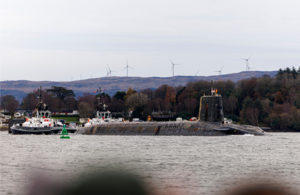
Royal Navy submarines will get back to sea faster under a multi-billion contract to improve their maintenance, strengthening the UK’s nuclear deterrent while creating 900 new roles at His Majesty’s Naval Base (HMNB) Clyde.
The Scottish Secretary, Douglas Alexander, has welcomed the Ministry of Defence’s £8 billion Gateway Agreement, awarded to UK firm Babcock, will transform the way submarine maintenance and critical naval base services are delivered, tackling bottlenecks and modernising ways of working.
Around 3,000 new highly skilled roles will be created under the agreement, including 900 jobs and 450 apprentice and graduate opportunities at HMNB Clyde, reinforcing Scotland’s central role in UK defence.
The contract is the second major multi-billion submarine-related deal that the MOD has signed since the defence investment plan, showing how the department is fulfilling its commitment to investing in defence and stepping up warfighting readiness.
Prime Minister, Andy Burnham, said:
“With this new agreement we’re not just investing in our national security, we’re also making a huge investment in our people. We’re providing opportunities to get young people into work, to bring jobs to communities in Clyde, and to boost growth across the UK.
“Keeping the public safe will always be my top priority. This investment is a clear demonstration of that commitment - supporting not just the submarines that maintain our nuclear deterrent but also the people who build and maintain them.”
Defence Secretary, Wes Streeting MP, said:
“Our nuclear submarines are the cornerstone of our national security. Every minute of every day, they deter our adversaries and keep our country safe. The deterrent is only as strong as our ability to keep it at sea.
“We’re not going to repeat the mistakes of the past, where investment in our nuclear capability was delayed. Even when we have to move funding from other departments, we will prioritise our nuclear deterrent and getting Britain warfighting ready.
“Not only will this agreement get our subs out of the docks and into the sea faster, it will create 5,500 new jobs, apprenticeships and graduate opportunities. This investment is contributing to the government’s mission to put our young people to work – and no job could be more meaningful than keeping your country safe.”
Scottish Secretary Douglas Alexander said:
“In an increasingly volatile world, our submarines are the UK’s first and final line of defence, and the Clyde is where they are kept ready. This £8 billion deal will get them back to sea faster while providing a real defence dividend for Scotland - with new skilled jobs, new opportunities for our young people, and investment flowing to Scottish suppliers.
“Backing the home of the Royal Navy Submarine Service and the UK’s nuclear deterrent means backing our security, our NATO allies and the communities around the Clyde. Alongside a wider £15.1 billion UK Government programme to modernise the base over the next decade, we are future-proofing our defence, improving living and working conditions for our submariners and driving re-industrialisation in Scotland.
“This contract with Babcock will create 900 new jobs in Scotland, as well 450 apprentice and graduate opportunities on the Clyde. This will boost growth and support the UK Government’s drive to get young people into work.”
HMNB Clyde, which is home to the Royal Navy’s Submarine Service, plays a critical role in delivering maintenance on Navy submarines between patrols. The base is Scotland’s largest military establishment and second biggest employment site, with 8,000 military and civilian personnel.
The new contractual framework delivers incentives for faster delivery, meanings submarines should spend less time in maintenance and more time available for operations, which are critical to the Royal Navy’s ability to meet its defence taskings, including the UK’s NATO and AUKUS commitments and nuclear deterrent patrols.
The five-year contract also includes around £2.4 billion of spend in the wider UK supply chain, including around £1 billion targeted at small and medium-sized businesses. Around £550 million will be invested in Scottish suppliers. More widely, defence spending in the Scottish supply chain in 2025/26 exceeded £2 billion, with the MOD supporting over 12,000 Scottish jobs, fuelling reindustrialisation and backing Scottish businesses, jobs, and communities.
Recognising its role as a critical national defence location, Clyde is also benefitting from further investment through Defence Growth Deals. £50 million will be channelled into Scotland, from the Clyde to the East Coast and across the Central Belt, funding new engineering and innovation facilities and creating well-paid jobs for the future workforce.
The Gateway Agreement will support delivery of the wider Clyde Transformation Programme (CTP), which will see over £15 billion invested at HMNB Clyde over the next decade. This investment will develop the infrastructure, skills and industrial capacity needed to support and sustain the Royal Navy for decades to come, ensuring the base remains capable of supporting current and future submarine fleets while strengthening the UK’s defence and deterrence capabilities.
CTP includes the transformational Programme Euston, which will deliver a resilient out-of-water submarine engineering capability by the 2030s. The capability will be delivered by British industry and enable crucial maintenance for the UK’s current and future fleet of nuclear submarines.