
On the level September 2026, issue 47
Published 16 September 2026

© Crown copyright 2026
This publication is licensed under the terms of the Open Government Licence v3.0 except where otherwise stated. To view this licence, visit nationalarchives.gov.uk/doc/open-government-licence/version/3 or write to the Information Policy Team, The National Archives, Kew, London TW9 4DU, or email: psi@nationalarchives.gov.uk.
Where we have identified any third party copyright information you will need to obtain permission from the copyright holders concerned.
This publication is available at https://www.gov.uk/government/publications/on-the-level-september-2026-issue-47/on-the-level-september-2026-issue-47
STIM rail campaigns complete
Rail deliveries for our Southern Trench Interim Membrane (STIM) project are now complete, with more than 17,000 lorry journeys kept off local roads.
Since deliveries began in February 2025, approximately 330,000 tonnes of aggregate have been delivered by a total of 365 trains. Receiving these deliveries by rail instead of road has reduced traffic and minimised disruption in the local area.
This aggregate will be used in the STIM project, which involves placing a protective liner over the southern trenches. The liner keeps rainwater away from the waste beneath it, protecting people and the environment now and for generations to come, and must be completed before final capping of the northern trenches can begin.
Christine Bradley, Head of Repository Site Project Delivery, said:
Network Rail and our colleagues at Nuclear Transport Solutions have made these deliveries a priority and we are very grateful for their support and commitment, enabling us to complete a month early. Every train that arrived has brought final capping closer, and that is how we make nuclear waste permanently safe, sooner.
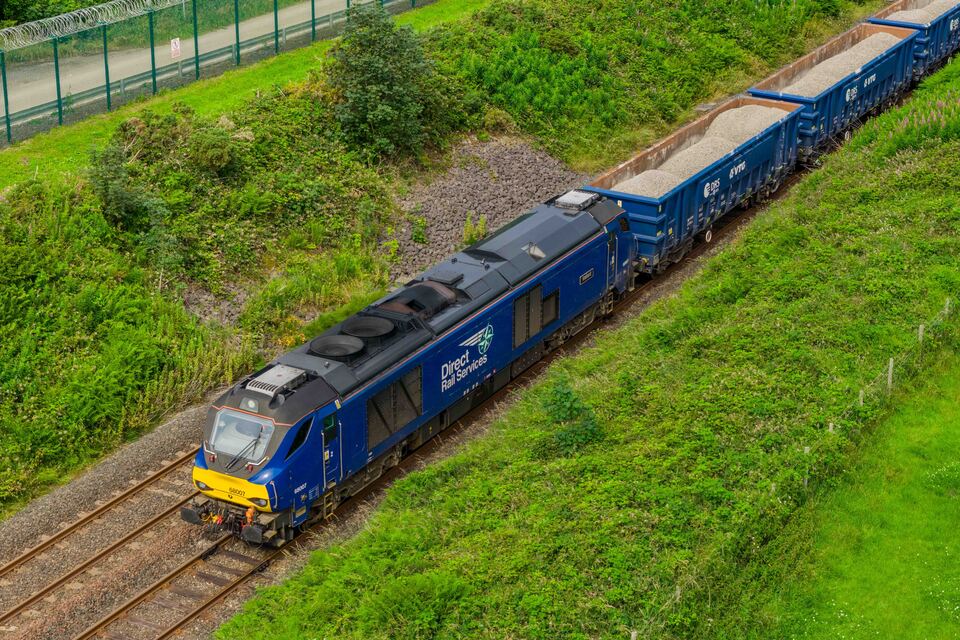
The STIM rail campaigns have come to an end
Progress continues
The current focus of the STIM project is replacing the protective Geosynthetic Clay Liner (GCL) over the southern trenches. Laying of the GCL is weather-dependent and is completed during the drier months.
The team has made great progress, with around 98,000m2 of GCL laid to date – the equivalent of approximately 13.5 football pitches. This work is due to complete next year.
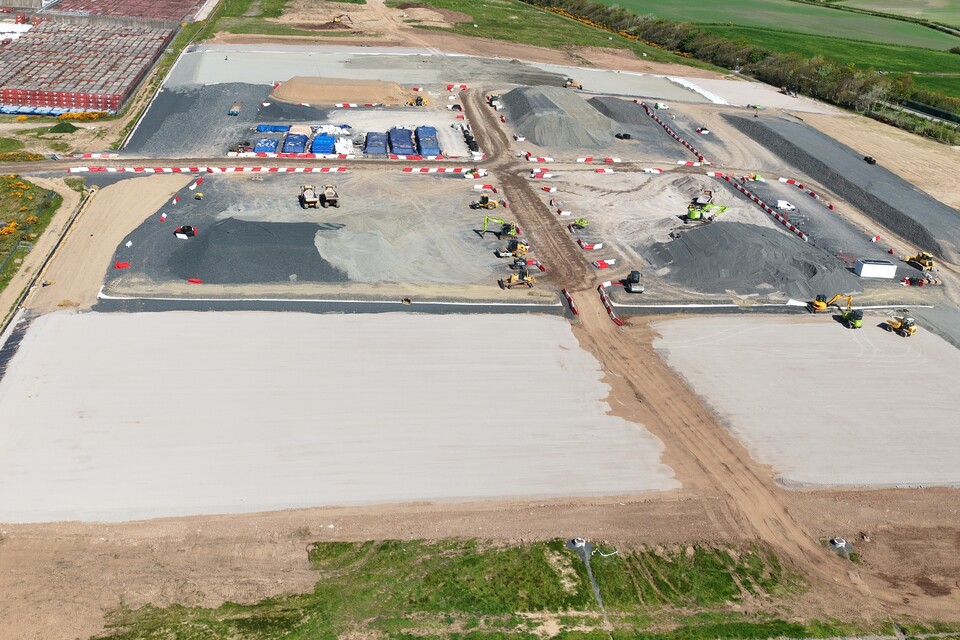
An aerial view of the trench cap
Did you know…
We now use drones to measure our stockpiles of aggregate – a task previously carried out manually – which has eliminated the need for workers to climb uneven material piles, greatly increasing safety.
The technology delivers highly accurate measurements, helping us to avoid over-ordering aggregate and reduce waste, delivering significant cost savings.
Magazine demolition on the horizon
As part of our Integrated Site Works Framework (ISWF), which is delivering a range of infrastructure and operational projects at the Repository site, we have recently received planning permission to demolish Magazines 9 and 10.
The magazines were originally used to store TNT during WWII and Plutonium Contaminated Material, but they have stood empty since all waste was removed in 2019. They will now be demolished to create space for a stockpile area ready for the next phase of capping operations. Where suitable, some of the demolished material will be reused in the final cap.
When we begin this work our usual noise and environmental mitigations will be in place.
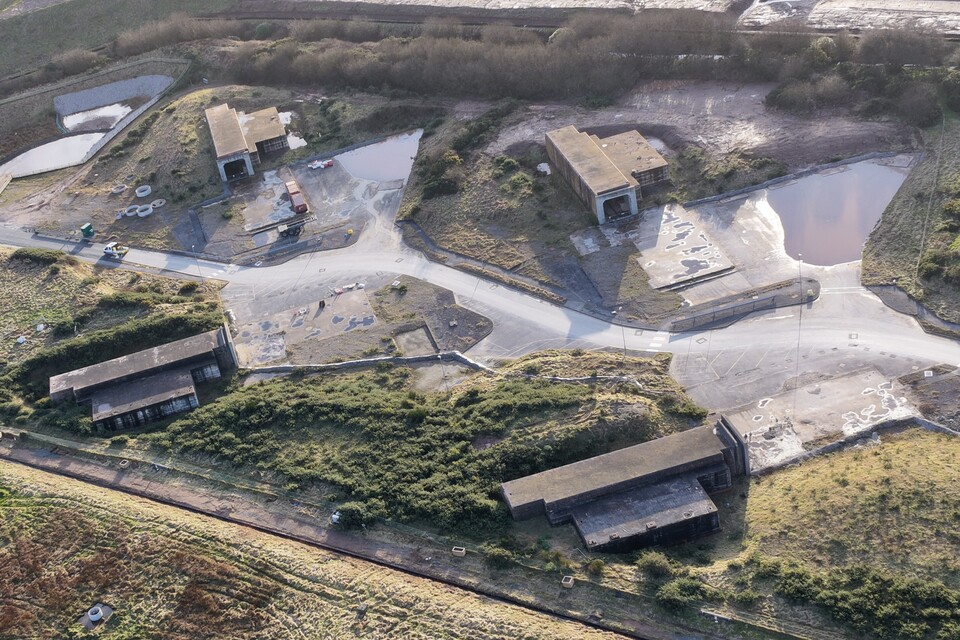
The demolition of the magazines is key for our capping operations
Checking in on our wildlife
Throughout the warmer months, our onsite ecologist completed ecological surveys to monitor the population of bats, Great Crested Newts and other reptiles who call the Repository site home.
A total of six Great Crested Newt surveys have been carried out, with around eight found in ponds across the site. Bat monitoring was carried out after each newt survey as light levels fell, with 80 Common Pipistrelles being recorded throughout June.
Reptile surveys have also been completed, with good numbers of slow worms, adders and common lizards found across the Repository site.
These surveys provide valuable information about the wildlife we have living on and visiting the site, and help ensure environmental considerations remain a key aspect of project activities and future planning.
This includes our plan to develop a purpose-built habitat in a quiet part of the Repository site.
This structure will form part of an environment that already provides a permanent, multi-species habitat for a range of wildlife, including owls, kestrels, bats, smaller birds, invertebrates and crested newts. We will keep you updated on this project as work progresses.
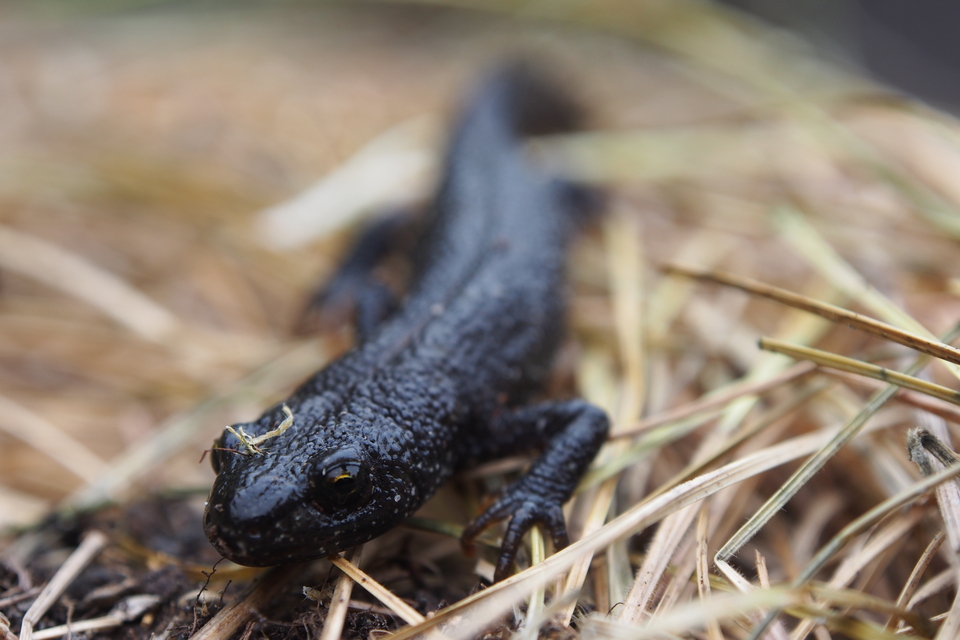
Great Crested Newts continue to be found on the Repository site
For your information…
We have recently installed information boards about the LLW Repository site in Drigg Village Hall, so you can learn more about the site’s history, the STIM project, and our community and ecological commitments.
We’re pleased to have received great feedback already, and hope they continue to help visitors feel more informed about our work and our commitment to supporting the local community.
Community spirit aplenty!
Helping our community to thrive is a key aspect of our work, and we remain committed to supporting individuals and groups across West Cumbria to help them thrive. Alongside our work at the Repository site, we’ve been working closely with our community to make a difference.
Litter pickers at the ready
Ahead of Cumbria in Bloom judging, volunteers from NWS and our supply chain partners took part in a litter pick to make Holmrook as tidy as possible – and the environmental benefits didn’t go amiss either.
With litter pickers in-hand and hi-vis jackets donned, volunteers worked hard to clear the village of any rubbish before returning to the Repository site.
It has been great to see Holmrook looking so ‘blooming’ lovely!
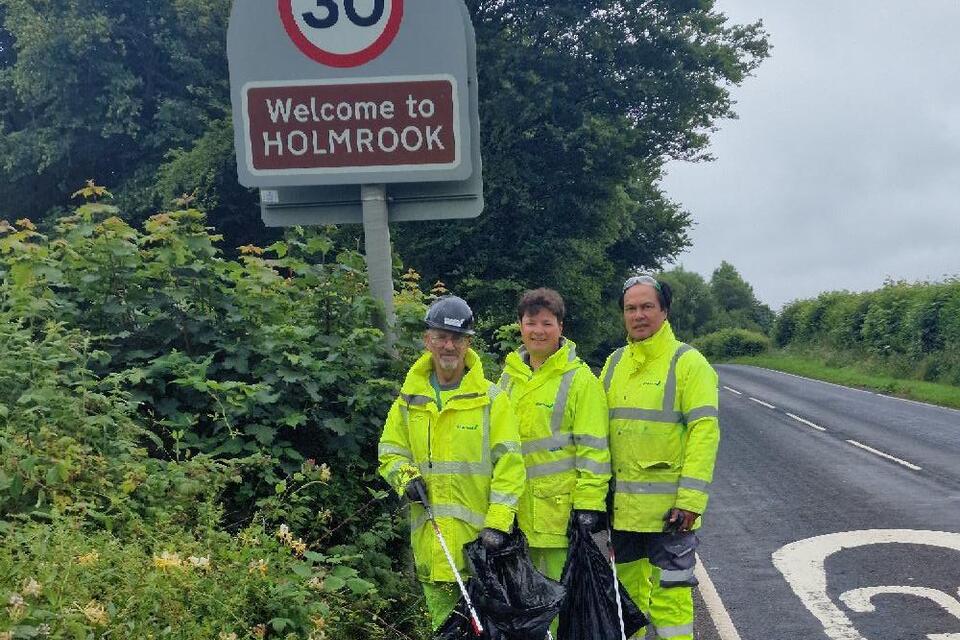
Volunteers play their part in supporting the community
Funding priceless initiatives
Through our LLWR Socio-Economic Fund, we are proud to have supported multiple groups and events throughout the summer, including:
-
Drigg and Carleton Gala Day, helping to deliver one of the parish’s largest community events. The event brought together people of all ages, helping to reduce social isolation, strengthen community cohesion and provide fundraising opportunities for local community groups.
-
Time to Change Warm Welcome Hub in Kells, which helps combat loneliness through games and activities, while allowing residents to access help, advice and community support.
We have also provided funding through our Cumbria Community Foundation LLWR Grassroots Fund for:
-
Goodlives at West Lakes Science Park to support the delivery of horticultural training opportunities.
-
Copeland Age and Advice Service to help with the organisation’s relocation and expansion plans, enabling it to increase its reach and support more people locally.
Safety is key
Keeping people safe on the Repository site is a priority for us all at NWS, and this extends beyond the boundary fence. Our Health and Safety Advisors delivered a talk in June at Drigg Village Hall, offering practical advice and guidance to help members of the West Cumbria University of the Third Age (U3A) to reduce their chances of having slips, trips and falls in their homes.
Key advice from the talk included:
- eating well and staying hydrated
- taking care of your eyes and ears
- ensure you are taking any prescribed
- medication properly
- wearing sturdy footwear
- staying active
- and supporting your bone health.
If you are concerned about falling in your home, speak to your GP or arrange a home safety check via your local council.
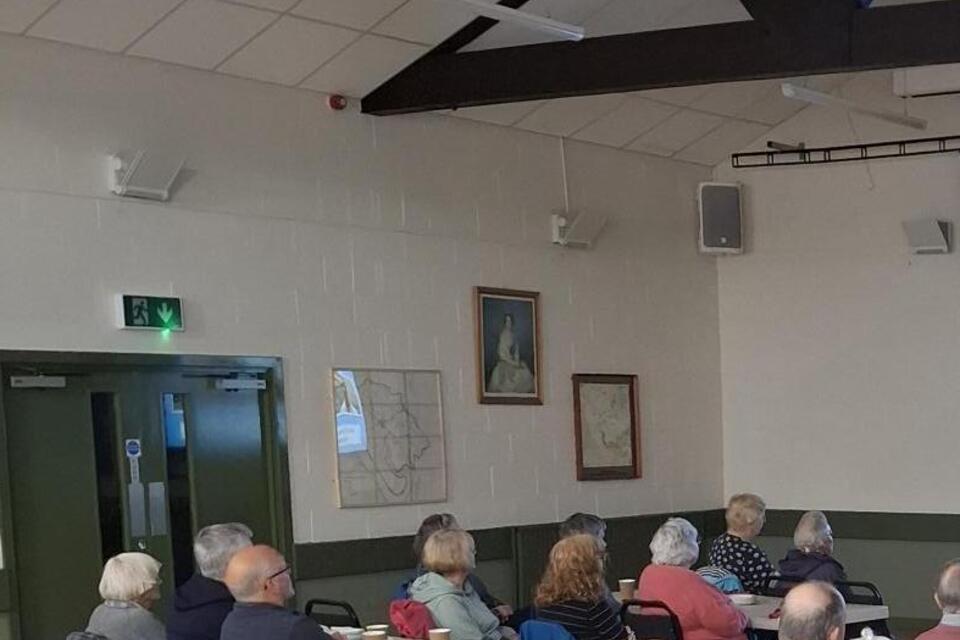
We were pleased to share important safety advice with the group
Welcome aboard
Exciting times lie ahead for our latest cohort of apprentices as they officially join the NWS team.
We’re delighted to welcome five apprentices to the business as they take their first step on the career ladder with us. Supporting young people in their development is incredibly important, and we look forward to seeing how our new team members flourish as they learn new skills.
Government supports next major project
We’ve been given Government approval for the Vault Optimisation and Capping Delivery (VOCD) Outline Business Case, marking a significant milestone for the Repository’s future development.
VOCD is vital to our work to ensure continued compliance with our Environmental Permit requirements and enabling the final capping of legacy waste disposal areas.
We have the go ahead to procure work that allows us to begin planning and preparations for the future capping of Vault 8 and the northern trenches, with interim protection also being created for Vault 9. As one of the largest infrastructure programmes planned in West Cumbria, VOCD is expected to support around 100 contractor and supply chain jobs.
What happens now?
The procurement process is under way to progress some enabling and procurement activities and development of the VOCD Full Business Case. VOCD is delivered in phases, and this first phase includes permission to move forward demolition of selected former explosives magazines to create additional working and stockpile space for future phases.
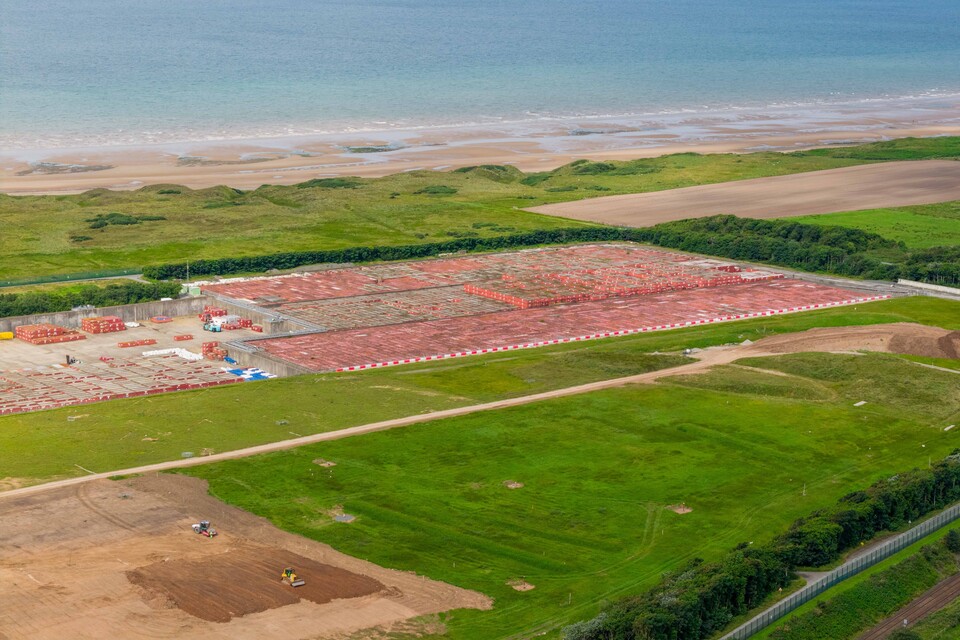
VOCD will include capping Vault 8 and the northern trenches
A final word from Mike Pigott, Executive Director of Sites and Operations
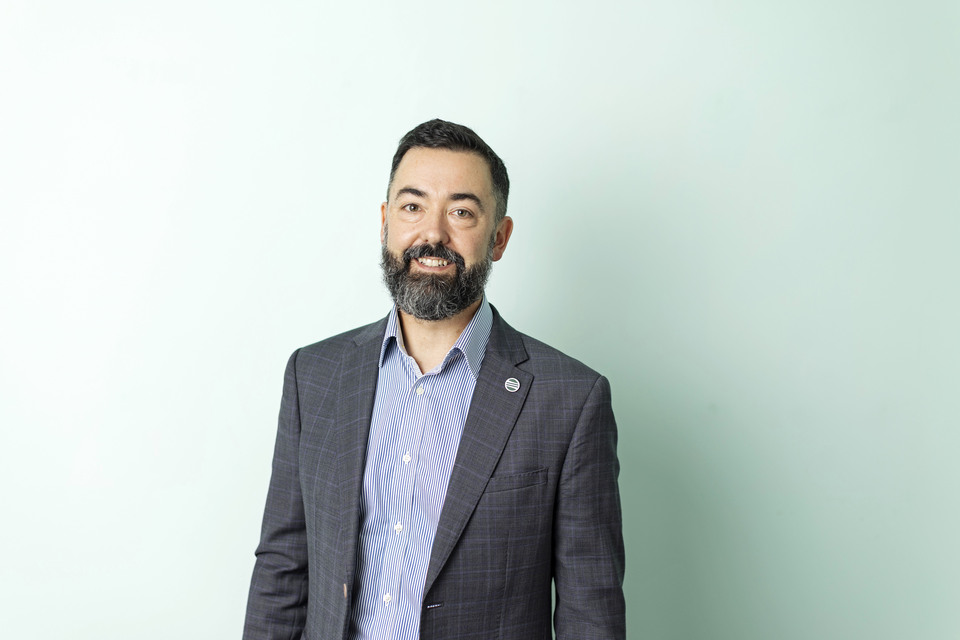
Mike Pigott
Progress on the Repository site has continued to move at pace during the first half of the financial year and one of our biggest achievements is receiving Outline Business Case approval for the Vault Optimising and Capping Delivery programme through the Treasury.
This is a huge step in our Repository capping work and allows us to move forward with the next stage of planning, procurement and enabling works that will support future activities at the Repository and eventual closure of the site.
This milestone also demonstrates that we have the capability to plan, assure and deliver major programmes when managing, storing and disposing of radioactive waste.
We’ve also seen the completion of our STIM rail campaign, supported a wide range of community groups and projects and continued completing enhancements across the Repository site – and there is plenty more to come before the end of the year.
Thank you for your support as we continue to deliver our mission safely, responsibly and with confidence in the future.
Mike