Consultation on prohibiting third party betting on Powerball
Published 23 September 2026

© Crown copyright 2026
This publication is licensed under the terms of the Open Government Licence v3.0 except where otherwise stated. To view this licence, visit nationalarchives.gov.uk/doc/open-government-licence/version/3 or write to the Information Policy Team, The National Archives, Kew, London TW9 4DU, or email: psi@nationalarchives.gov.uk.
Where we have identified any third party copyright information you will need to obtain permission from the copyright holders concerned.
This publication is available at https://www.gov.uk/government/consultations/consultation-on-prohibiting-third-party-betting-on-powerball/consultation-on-prohibiting-third-party-betting-on-powerball
Ministerial foreword
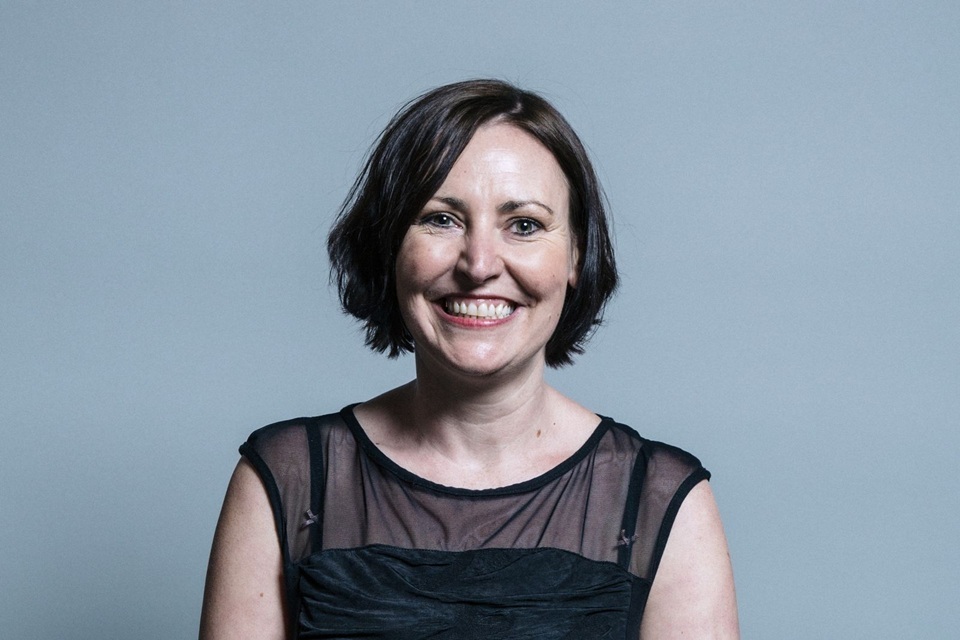
The National Lottery rightly occupies a unique status in the gambling sector. The very reason it was first established in 1994 was to transform lives across the country by generating vital funding for the arts, sports, heritage and communities sectors. Since its launch, it has surpassed expectations and generated over £53 billion for more than 680,000 projects. Its impact across the country is undeniable.
Because of this unique status, the National Lottery is not regulated as gambling under the Gambling Act 2005. This distinction is further protected by Section 95 of the Gambling Act, which prohibits betting on the National Lottery.
Allwyn UK was awarded the 4th Licence for the National Lottery based on their ambitions to grow good causes for communities across the UK. To deliver this growth, Allwyn UK launched Powerball in the UK in July 2026. This is the first time this iconic game has been available outside the United States. Allwyn anticipates that Powerball will raise an additional £1 billion for good causes in the next 5 years.
Gambling operators in the UK are currently able to offer bets on the outcome of Powerball. This is because the underlying draw does not form part of the original National Lottery portfolio.
With Powerball now offered as a National Lottery game in the UK, betting on these draws is contrary to the spirit and intention of Section 95, which seeks to preserve the distinction between betting and the National Lottery. Without intervention, there are risks of potential customer confusion and threats to the additional good causes expected to be raised from Powerball.
The government therefore proposes to prohibit licensed operators in Great Britain from offering third party bets on the National Lottery’s Powerball game draws. This will aim to remove risks of customer confusion for players, and ensure National Lottery good causes are maximised.
We invite submissions from across the betting and lottery sectors, operators which may be affected, players and other interested parties.
I look forward to hearing your views.
Vicky Foxcroft
Parliamentary Under-Secretary of State (Minister for Youth, Gambling, Digital Inclusion, Civil Society and Loneliness)
How to respond
This consultation will run for 6 weeks and will close at 23:59 on Wednesday 4 November 2026. We are seeking a wide range of views from both organisations and individuals and all responses will be carefully considered. The consultation covers all of the United Kingdom.
Only people aged 18 or over can participate in this survey. By proceeding, you confirm that you meet this requirement.
You can respond to the consultation by completing the online survey.
If you have any issues using the survey, email: powerballconsultation@dcms.gov.uk
Introduction
Allwyn UK, the operator of the National Lottery, introduced the US-based lottery draw game, Powerball, into its game portfolio on 21 July 2026. This is part of Allwyn’s ambitions to double good cause funding to £60 million per week by the end of its licence in 2034. This good cause funding is vital in supporting communities across the UK, enriching and supporting lives through arts, heritage, sports, and communities sectors.
Prior to its addition to the National Lottery portfolio, customers were unable to play Powerball in the UK. However, a small number of gambling operators have for some time offered bets to UK customers on the outcome of the Powerball draw in the US. Rather than purchasing a ticket to officially participate in Powerball, these customers are gambling (placing a bet) on the outcome of the draw.
Section 95 of the Gambling Act 2005 prohibits a holder of a betting licence from offering a bet on the outcome of a lottery which forms part of the National Lottery. This is the case for other National lottery draw-based games, such as EuroMillions, Lotto and Thunderball.
There is precedent for government intervention between the National Lottery and the lottery betting market, although the arrangements relating to EuroMillions and Powerball differ. In 2018, legislation came into force to prohibit betting on the outcome of non-UK EuroMillions draws. Prior to this legislation, some gambling operators offered bets to customers in Great Britain on EuroMillions games offered in other participating European countries (i.e. bets offered on, for example, the Spanish EuroMillions draw). While each participating country’s EuroMillions game was technically separate, they related to the same underlying draw. The 2018 legislation therefore addressed this issue to preserve the distinction between betting and participation in the National Lottery.
To continue to preserve this clear boundary between the National Lottery and gambling that Section 95 of the Gambling Act seeks to achieve, and to prevent potential negative impact on National Lottery good cause returns, we propose introducing a licence condition to prohibit UK operators from offering bets on Powerball.
Further detail on the implementation and impact of the proposal is set out below. We welcome your views.
Betting on Powerball
Section 95 of the Gambling Act 2005 prohibits a holder of a betting licence from offering a bet on the outcome of a lottery which forms part of the National Lottery, but this legislation does not extend to Powerball because the underlying US Powerball draw is not part of the UK National Lottery.
Since 21 July 2026, customers have been able to play the official Powerball game through the National Lottery, and bet on the outcome of Powerball through third party betting operators. The government believes this represents a problem for the below reasons:
- Customer confusion. Based on evidence prior to the EuroMillions prohibition, there is a risk that customers may confuse the two products (the official National Lottery game and the betting product). They may unintentionally place bets on the outcome of Powerball through a third party, rather than participating in a Powerball draw as was their intention.
- Effect on good cause funding. The National Lottery generates around £1.8 billion per annum to support the arts, heritage, sport and communities sectors. Roughly 23% of sales from National Lottery products funds these good causes that transform lives across the country. There is no requirement, nor is it standard practice, for third party betting operators who offer bets on Powerball (or other lotteries) to donate any of their sales to good causes. Therefore, customers betting on the outcome of Powerball, both intentionally and unintentionally, rather than participating through the National Lottery could reduce National Lottery sales and consequently returns to good causes.
- Misalignment with wider National Lottery products. Section 95 of the Gambling Act 2005 prohibits a holder of a betting licence from offering betting on the outcome of a product which forms part of the National Lottery. We believe permitting third party betting is contrary to the spirit of this provision, and without this prohibition, Powerball will be an outlier in relation to wider National Lottery products.
These issues are discussed further below.
Customer confusion
We are concerned about customer confusion causing customers to unintentionally bet on Powerball, rather than play it via the National Lottery. Evidence from the 2014 Call for Evidence on prohibiting betting on EuroMillions suggests that these betting products, when coexisting with National Lottery products, leads to customer confusion. Whilst some voluntary action was taken by betting operators at the time, and additional guidance and advice published by the Gambling Commission, such confusion persisted.
Permitting third party betting on Powerball to continue may also muddy the distinction between betting and the National Lottery.
Returns to good causes
Betting operators are able to market products based on Powerball’s ‘life-changing’ jackpot amounts without the requirement to allocate proceeds to charitable initiatives. Additionally, these alternative bets are frequently sold below the retail price of an official ticket.
There is a risk that Powerball sales, and consequently National Lottery good cause returns, may not be realised if betting on Powerball continues to be permitted. This is assuming customers currently betting on Powerball (both intentionally and unintentionally) would move to playing via the National Lottery.
Given the lack of up to date evidence, we are asking for views on how many people would move to playing the National Lottery from betting on it via third party operators.
Misalignment with wider National Lottery products
Section 95 of the Gambling Act 2005 prohibits a holder of a betting licence from offering betting on the outcome of a product which forms part of the National Lottery. We are proposing to include Powerball now it is offered via the National Lottery to ensure it is consistent with other products offered by the National Lottery.
Implementation
We propose to impose a new licence condition in Section 78(1) of the Gambling Act 2005 to make regulations specifying a general condition that must be attached to relevant betting operating licences issued by the Gambling Commission. The condition would prohibit relevant licensed operators from offering bets on the outcome of Powerball draws to consumers in Great Britain. This is required because, although Powerball is now available as a National Lottery game in the UK, the underlying US Powerball lottery on whose draw betting operators may offer bets does not itself form part of the National Lottery. The existing prohibition in Section 95 of the Gambling Act 2005 therefore does not prohibit those bets. The condition will apply to:
- a general betting operating licence
- a pool betting licence and
- a betting intermediary licence
Operators would remain able to offer bets to consumers in Great Britain on other lotteries that do not form part of the National Lottery, for example the Irish Lotto. The proposed condition would therefore be specifically targeted at betting on Powerball and would bring its treatment more closely into line with other National Lottery draw-based games. This would be in keeping with the EuroMillions betting licence condition introduced in 2018.
Other options considered
In line with HM Treasury’s Green Book, other options were considered in developing these proposals. These options were considered against the objectives of mitigating risks of customer confusion and returns to good causes. The options considered included but were not limited to:
- Voluntary action - The gambling commission, as the independent regulator, could issue advice for operators to ensure clarity that the products they offered were betting on the outcome of Powerball, rather than playing Powerball via the National Lottery. This was pursued ahead of the EuroMillions prohibition but was found to be limited in success, with continued evidence of customer confusion.
- Mandating that operators donate to good causes - this was deemed disproportionate during our scoping as it would require commercial organisations to change the nature of their business to contribute to charities. This would also further blur the distinction between betting on the outcome, and playing the National Lottery, causing customer confusion.
- Ban all bets on lotteries - this was deemed a disproportionate impact to businesses as it would prevent any betting on non-National Lottery lotteries. Whilst preventing betting on the National Lottery may maximise good causes, wider non-National Lottery products do not generate good causes in the same way.
Whilst these options were considered but deemed to be less effective in meeting our objectives, we welcome views on alternative options and their ability to meet objectives of mitigating risks of customer confusion and returns to good causes.
Summary
The government considers that a prohibition on betting on Powerball will maintain the clear distinction that Section 95 seeks to achieve between the National Lottery and gambling products and give the same protection to the funds for good causes raised by the National Lottery as is the case for UK draws, without significantly impacting on business.
Consultation questions
Demographic questions
Question 1. Are you responding on behalf of an organisation or as an individual?
- Individual
- Organisation
- Other (please specify)
Demographic questions (if individual)
Question 2. What is your age?
- 18 to 24
- 25 to 44
- 45 to 64
- 65 to 74
- 75 to 84
- 85+
- Prefer not to say
Question 3. Which part of the United Kingdom do you live in?
- England
- Scotland
- Wales
- Northern Ireland
- Outside of the United Kingdom (please specify)
- Prefer not to say
Question 4. Which of the following best describes your interest in responding to the consultation (select up to two options)?
- Member of the public
- Gambling industry professional
- Government
- Regulatory professional
- Recipient of National Lottery good cause funding
- Other (please specify)
- Prefer not to say
Demographic questions (if organisation)
Question 5. What is the name of your organisation?
(Free text box)
Question 6. Is your organisation headquartered in the United Kingdom?
- Yes
- No
- I don’t know
Question 6a. (If no to Question 6) Please specify where outside of the United Kingdom your organisation is headquartered.
(Free text box)
Question 7. Which of the following best represents your organisation’s sector?
- Gambling operator
- Lotteries operator
- Prize draw operator
- Recipient of National Lottery good cause funding
- Other (please specify)
- I don’t know
Question 8. How many employees does your organisation have globally?
- 1 to 9
- 10 to 19
- 20 to 49
- 50 to 99
- 100 to 249
- 250 to 499
- 500+
- I don’t know
Question 9. Are you happy for the government to attribute responses to your organisation in a published response to this consultation?
- Yes
- No
General questions
Question 10. Before reading this document, were you aware that betting on Powerball and playing Powerball through the National Lottery were two distinct products?
- Yes
- No
- I don’t know
Question 11. There is potential for customers to be confused between the two different products (betting on Powerball via a third-party operator and playing Powerball through the National Lottery)
- Strongly agree
- Agree
- Neither agree nor disagree
- Disagree
- Strongly disagree
- I don’t know
Question 12. Third party betting on Powerball should be prohibited in the UK.
- Strongly agree
- Agree
- Neither agree or disagree
- Disagree
- Strongly disagree
- I don’t know
Question 12a. Please explain your answers (optional)
(Free text box)
Question 13. What impact, if any, do you estimate prohibiting third-party betting on Powerball would have on funding raised for good causes through the National Lottery?
- Significant increase
- Slight increase
- No change
- Slight decrease
- Significant decrease
- I don’t know
Question 13a. Please explain your answer (optional)
(Free text box)
Third party betting on Powerball (if individual)
Question 14. Have you ever placed a bet on the outcome of Powerball via a third-party operator?
- Yes
- No
- I don’t know
Question 14a. (If yes to Question 14) How often have you bet on the outcome of Powerball via a third-party operator?
- Once a week
- Once a month
- A few times a year
- I don’t know
Question 14b. (If yes to Question 14) How much do you spend on average per week on Powerball betting via a third party operator?
- £1 to £9.99
- £10 to £24.99
- £25 to £49.99
- £50+
- I don’t know
Question 15. (If yes to Question 14) If third party betting on Powerball were prohibited, I would use that money to play Powerball through the National Lottery instead.
- Strongly agree
- Agree
- Neither agree nor disagree
- Disagree
- Strongly disagree
- I don’t know
Question 15a. Please explain your answer (optional)
(Free text box)
Business impacts
Question 16. (If organisation) Are you an operator who offers betting on Powerball as a product?
- Yes
- No
- I don’t know
Question 16a. (If yes to Question 16) Approximately what percentage of your annual Gross Gambling Yield (GGY) comes from this product?
- Less than 5%
- 5% or more but less than 10%
- 10% or more but less than 15%
- 15% or more (please specify)
- I don’t know
Question 17. Do you have any evidence that consumers are aware of the difference between playing Powerball through the National Lottery and placing a bet on the outcome of a Powerball draw via a third-party?
- Yes
- No
Question 17a. (if yes to Question 17)
(File upload)
Question 17b. (if yes to Question 17)
(Free text box)
Question 18. (If organisation) What voluntary measures, if any, (for example, changes to website, explanatory FAQs, disclaimers) have you implemented to mitigate customer confusion and distinguish the difference between betting on Powerball and playing it through the National Lottery? Do you have any evidence on the effectiveness of these measures?
(Free text box)
Question 18a. (If organisation)
(File upload)
Question 19. (If yes to Question 16) What do you estimate to be the transition cost arising from removing betting on Powerball from your portfolio?
- Less than £1,000
- £1,001 to £5,000
- £5,001 to £10,000
- £10,000+
- I don’t know
Question 19a. (If yes to Question 16) Please explain what these estimated transition costs cover (optional)
(Free text box)
Question 20. (If organisation) What do you estimate any familiarisation costs to be following a potential prohibition?
- Less than £1,000
- £1,001 to £5,000
- £5,001 to £10,000
- £10,000+
- I don’t know
Question 20a. (If organisation) Please explain what these estimated familiarisation costs cover (optional)
(Free text box)
Closing views
Question 21. Are there any factors or points you wish to highlight that have not been considered above?
(Free text box)
Question 22. Please upload any supporting evidence that you wish to share.
(File upload)
Privacy notice
Who is collecting my data
The Department for Digital, Culture, Media and Sport (DCMS) are the recipients and holders of the data collected through the completion of this consultation. The responses will be analysed, alongside other forms of evidence gathering, to inform next steps.
Purpose of this privacy notice
This notice is to explain your rights and give you the information you are entitled to under the Data Protection Act 2018 and United Kingdom General Data Protection Regulation (‘the Data Protection Legislation’). This notice sets out how we will use your personal data as part of our legal obligations with regard to data protection.
What is personal data
Personal data is any information relating to an identified or identifiable natural living person, otherwise known as a ‘data subject’. A data subject is someone who can be recognised, directly or indirectly, by information such as a name, an identification number, location data, an online identifier, or data relating to their physical, physiological, genetic, mental, economic, cultural, or social identity. These types of identifying information are known as ‘personal data’. Data protection law applies to the processing of personal data, including its collection, use and storage.
What personal data do we collect
The personal information we collect and process is the data provided to us directly by you in the responses to this consultation. As an individual, this includes: your gender, age bracket and region of residence. As an organisation, this includes: your organisation name and size. All questions requesting an individual’s personal information offer a ‘prefer not to say’ option.
How we will use your data
We will use your data to collect evidence that informs next steps in relation to our proposal to ban betting on Powerball. DCMS may choose to publish data tables that show high-level data using responses from this survey, where it is appropriate to do so. The data tables will not identify individuals or organisations that have responded to the consultation.
What is the legal basis for processing my data
To process this personal data, our legal reason for collecting or processing this data is:
- Article 6(1)(e) of the UK GDPR: to the extent it is necessary to perform a public task (to carry out a public function or exercise powers set out in law, or to perform a specific task in the public interest that is set out in law). In this case, the processing of your personal data is necessary for the performance of a task in the public interest, as the information gathered helps inform future policies
What will happen if I do not provide this data
You have the option to select ‘Prefer not to say’ in response to any of the questions that ask for your personal data.
Who will your data be shared with
Information provided in response to this consultation (not including personal information) may be shared with other government departments and arm’s length bodies, such as the Gambling Commission. The information provided may be published at an aggregated or anonymised level in the government’s consultation response, or disclosed in accordance with the access to information regimes (primarily under the Freedom of Information Act 2000 and the Environmental Information Regulations 2004) subject to any applicable exemptions.
Please indicate if any information you provide is commercially or otherwise sensitive.
How long will my data be held for
Your personal data will be kept for one year in line with DCMS retention policy.
Will my data be used for automated decision making, or profiling or Artificial Intelligence (AI)
AI is an umbrella term for a range of technologies and approaches that often attempt to mimic human thought to solve complex tasks. Things that humans have traditionally done by thinking and reasoning are increasingly being done by, or with the help of, AI.
We may use large language models (LLMs) to process free-text responses. LLMs are Artificial Intelligence (AI) systems trained on vast amounts of text data. They can understand and generate human-like text for various tasks such as answering questions, writing content, and translating languages. While very capable at processing and producing language, they operate based on pattern recognition and prediction. These models will help DCMS to understand the emerging themes and evidence from the survey results. There will be no additional data sharing considerations as a result of using these models. Any outputs generated by AI are carefully reviewed by our researchers to ensure accuracy and eliminate any potential biases.
Will my data be transferred outside the UK and if it is how will it be protected
Your data will not be transferred outside the UK.
What are my data protection rights
You have rights over your personal data under the UK GDPR and the Data Protection Act 2018. The Information Commissioner’s Office is the supervisory authority for data protection legislation, and maintains a full explanation of these rights on their website DCMS will ensure that we uphold your rights when processing your personal data.
How do I complain
The contact details for the data controller’s Data Protection Officer (DPO) are:
Data Protection Officer
The Department for Digital, Culture, Media and Sport
100 Parliament Street
London
SW1A 2BQ
Email: dpo@dcms.gov.uk
If you’re unhappy with the way we have handled your personal data and want to make a complaint, please write to the department’s Data Protection Officer using the details above.
How to contact the Information Commissioner’s Office:
If you believe that your personal data has been misused or mishandled, you may make a complaint to the Information Commissioner, who is an independent regulator. You may also contact them to seek independent advice about data protection, privacy and data sharing.
Information Commissioner’s Office
Wycliffe House Water Lane
Wilmslow
Cheshire
SK9 5AF
View the Information Commissioner’s Office website
Telephone: 0303 123 1113
Email: casework@ico.org.uk
Any complaint to the Information Commissioner is without prejudice to your right to seek redress through the courts.
Changes to our privacy notice
We may make changes to this privacy policy. In that case, the ‘last updated’ date at the bottom of this page will also change. Any changes to this privacy policy will apply to you and your data immediately. If these changes affect how your personal data is processed, DCMS will take reasonable steps to let you know.
Last updated: September 2026